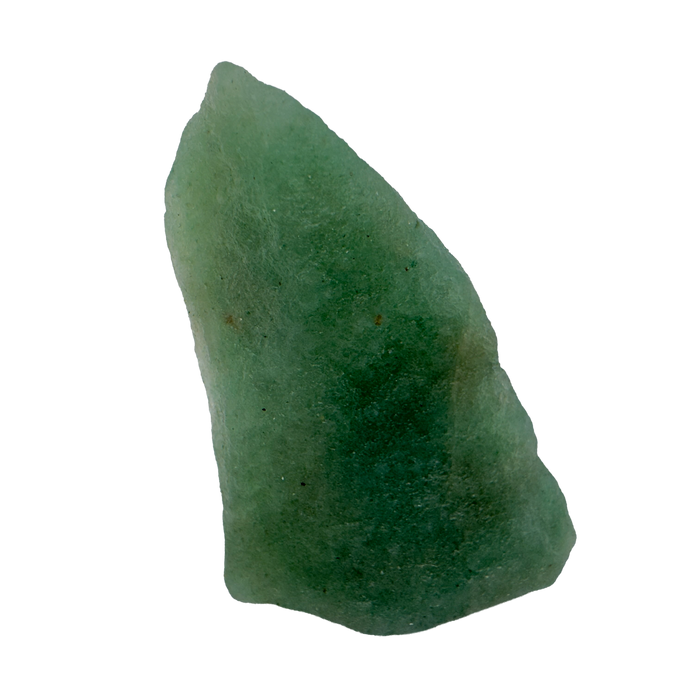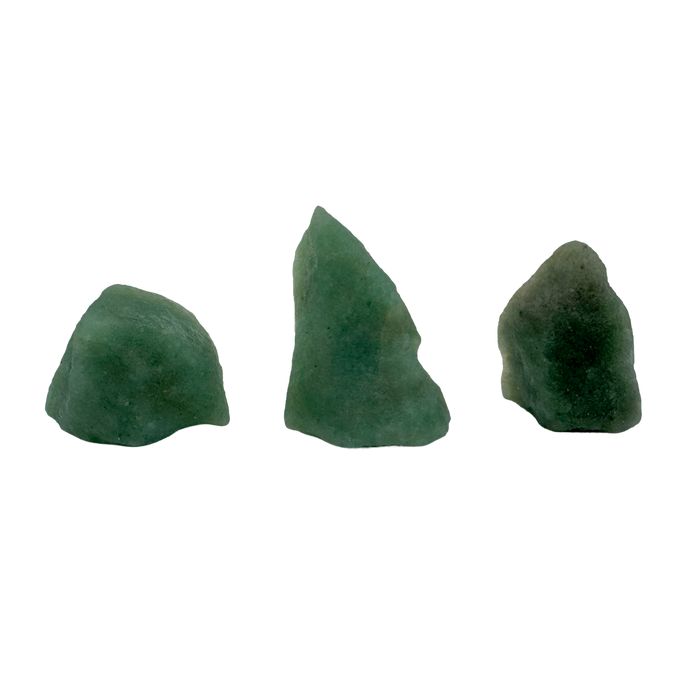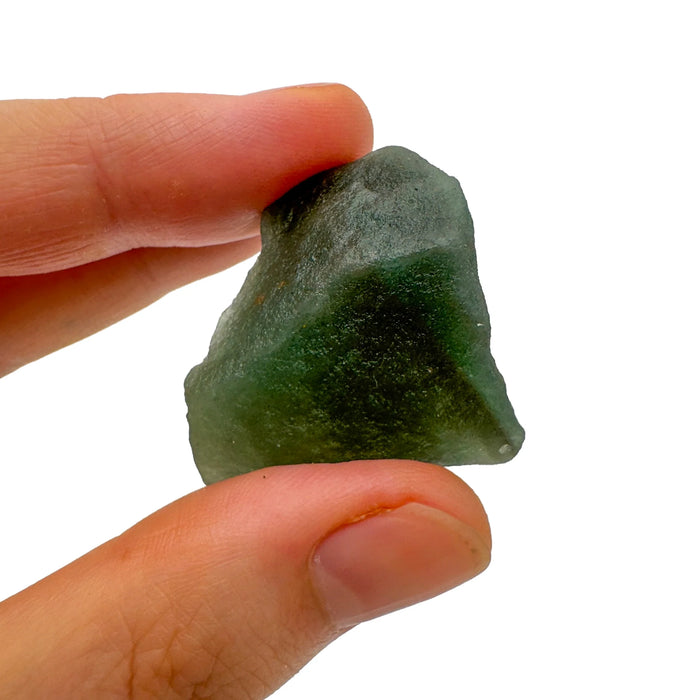





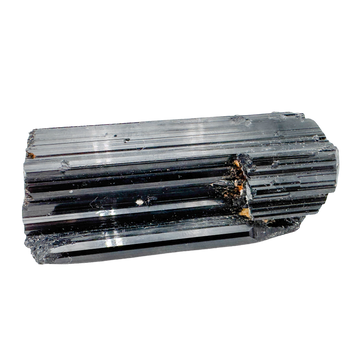





Black moonstone is a trade name for a dark feldspar, usually closer to labradorite than to true moonstone. Here's what it actually is, where it comes from, and how to choose a good piece.
What Is Black Moonstone? The Feldspar Behind the Flash

You searched for black moonstone, found a dark stone with a quiet silver flash, and then noticed something odd. One shop calls it moonstone. The next calls it labradorite. A third lists it as a blend of both. When the same stone wears three different names, it's fair to wonder which one is telling you the truth.
The short answer is that all three are pointing at the same thing from different angles. Black moonstone is a trade name, not a strict mineral species. Once you know what sits underneath that name, the stone stops being confusing and starts being easy to shop for.
What black moonstone actually is
Black moonstone belongs to the feldspar family. If that sounds unfamiliar, it shouldn't. Feldspars make up roughly 60 percent of the Earth's crust, which means most of the rock under your feet is some form of feldspar. They're aluminum silicate minerals, built from aluminum, silicon, oxygen, and a mix of potassium, sodium, or calcium.
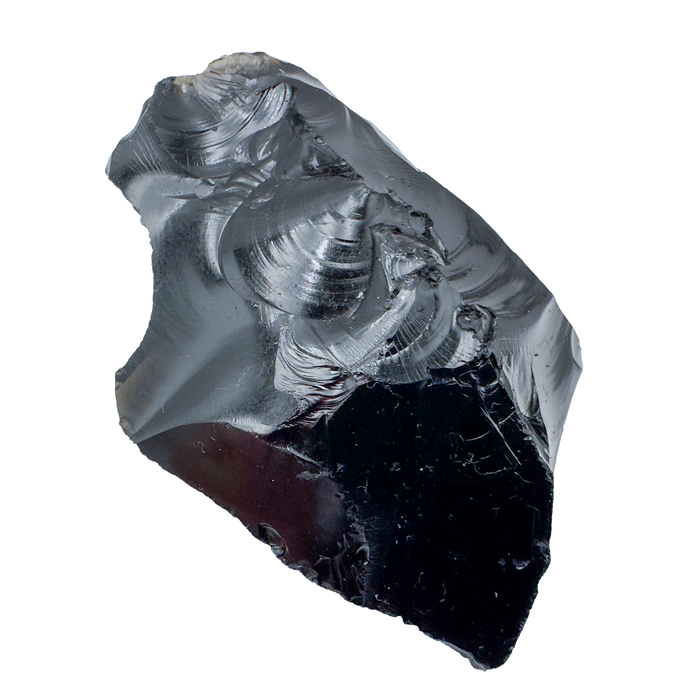
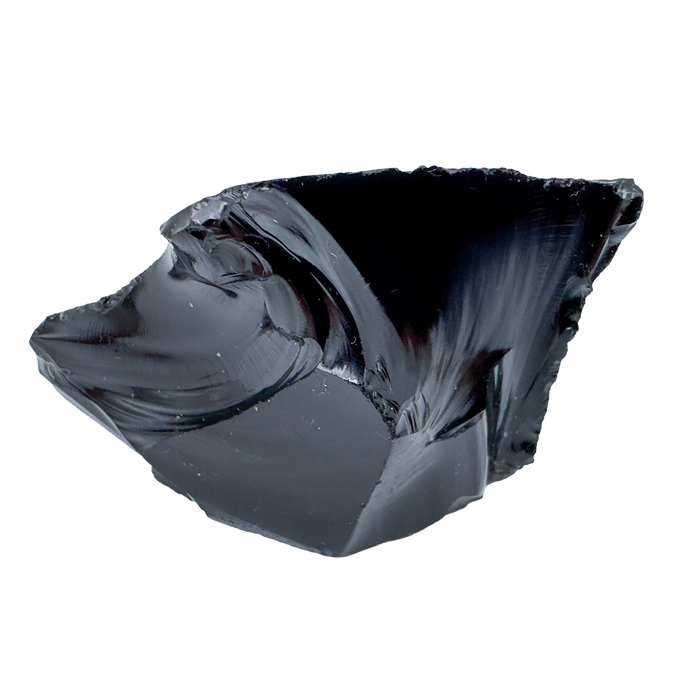
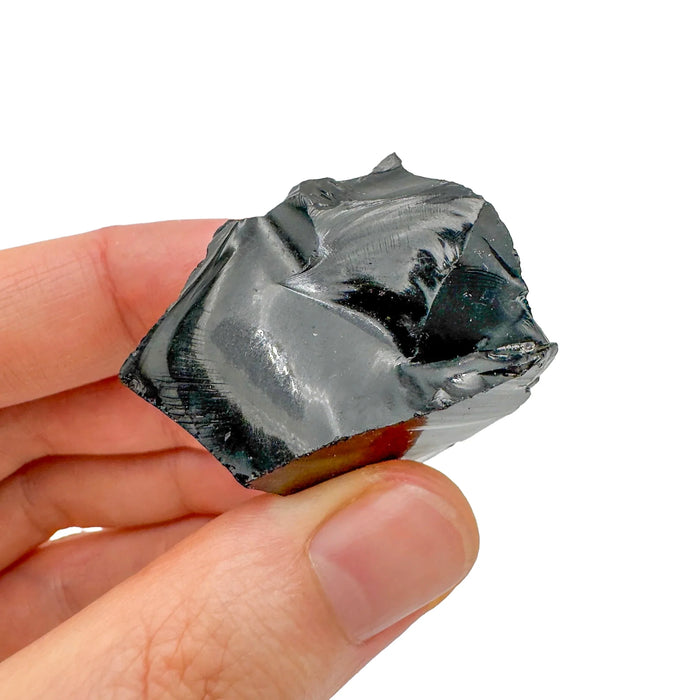
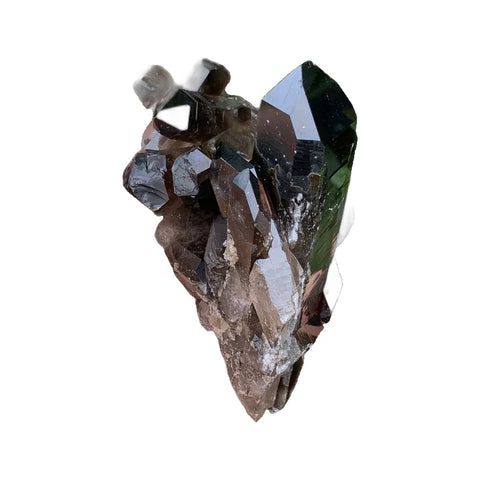
Within that big family sit the stones you already know. Classic white moonstone, rainbow moonstone, sunstone, and labradorite are all feldspars. Black moonstone is the dark-bodied cousin, opaque rather than translucent, with a base color that runs from smoky gray to charcoal to near-black, often speckled with lighter flecks.
The flash is labradorescence, not adularescence
Here's the detail that settles the naming argument. Two different optical effects show up in this family, and they aren't the same thing.
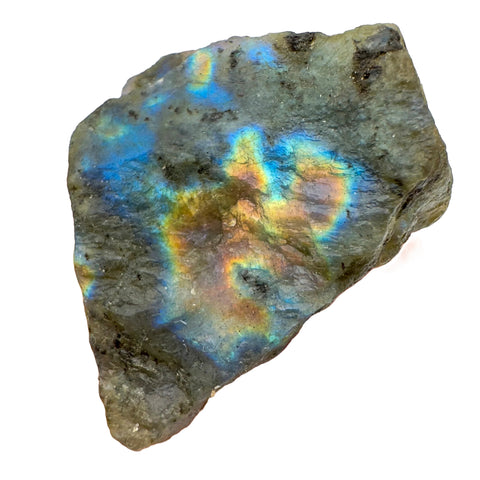
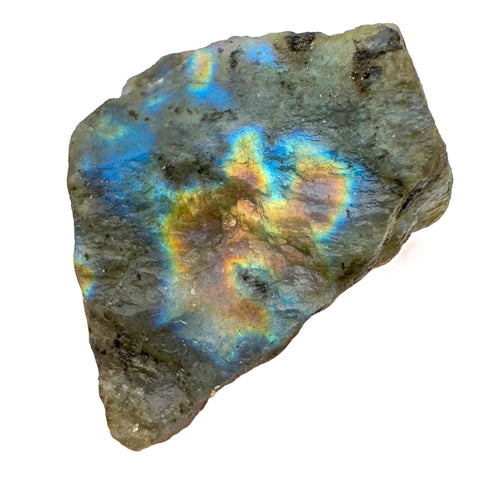
Classic moonstone has adularescence, a soft white or blue glow that seems to billow just under the surface, like moonlight caught in milk. Labradorite has labradorescence, a sharper flash of color that flares from thin internal layers when the light hits at the right angle. The blue and silver sheen you see across a good piece of black moonstone is labradorescence. That single fact is why mineralogists usually file it closer to labradorite than to true moonstone.
Why it isn't a "true" moonstone
True moonstone is prized for that milky adularescent glow. Black moonstone doesn't really do that. It gives you the labradorite-style flash on a dark body instead. So the name is more poetry than geology. It earned "moonstone" from its feldspar lineage and its new-moon, night-sky look, not from the optical effect that defines actual moonstone.
This is the kind of thing most listings won't tell you, because the honest version is a little less tidy than a one-word label. We'd rather you know. A stone is easier to love when it isn't pretending to be something else.
Where black moonstone comes from
Most of the black moonstone on the market today, including ours, comes from Madagascar. The island has been a major source of feldspars for years, and its deposits produce the dark, flashy material that gets sold under this name. Feldspars turn up all over the world, so you may see black moonstone attributed to other regions too, but Madagascar is the origin you'll meet most often.
We source ours from Madagascar and keep the origin on the label rather than leaving it blank. If you want the longer version of how we decide what to carry and what to turn down, our Beyond Ethical sourcing standard lays it out.
How to tell a good piece from an ordinary one
Black moonstone is shopped with your eyes, so it helps to know what you're looking at.
- Look for the flash. Tilt the stone under a light. A good piece shows a clear blue or silver sheen that moves as you turn it. A flat, matte piece with no play of light is still black moonstone, it's just a quieter example.
- Check the body color. The most striking pieces have an even charcoal-to-black base that makes the flash stand out. Heavy brown or muddy patches tend to dull the effect.
- Mind the form. Raw pieces show the natural cleavage and feel closer to how the stone came out of the ground. Polished and palm stones bring the flash forward and feel smooth in the hand. Neither is better, they're just different ways to meet the same stone.
Caring for a softer feldspar
Feldspars sit around 6 to 6.5 on the Mohs hardness scale, which is softer than quartz. They also have good cleavage, meaning they can chip along internal planes if knocked hard. None of that makes black moonstone fragile, it just means a little care goes a long way. Keep it in its own pouch instead of loose with harder stones, and skip long soaks. A soft dry cloth is plenty for everyday cleaning.
What people reach for it for
Tangibles first, but the meaning matters to a lot of people, so here's the honest version. Black moonstone is traditionally associated with new beginnings and the energy of the new moon, the dark phase when nothing is visible yet and everything is still possible. Many people work with it for grounding, for setting intentions at the start of a cycle, or simply as a calming stone to hold. It's a popular choice for those drawn to moon-phase practices. As with any crystal, it supports a practice rather than replacing one.
A quick comparison
If you're choosing between the three feldspars that get mixed up most often, here's the difference at a glance.
Black Moonstone
The dark feldspar
Body color
Gray to near-black, opaque
Optical effect
Blue or silver labradorescent flash
Rainbow Moonstone
The translucent moonstone
Body color
White to translucent
Optical effect
Blue adularescent glow, sometimes multicolor flash
Labradorite
The bold flasher
Body color
Gray to dark gray
Optical effect
Bold blue, green, and gold labradorescence
Set them side by side and you can see why black moonstone sits between the other two. Dark like labradorite, named like moonstone, flashing like neither one exactly. That in-between quality is the whole appeal.
Start with one piece
If a dark stone with a hidden flash is what you're after, black moonstone is an easy one to start with. Take a look at the black moonstone collection, each piece sourced from Madagascar and chosen for its play of light. And if you want to understand the wider feldspar family before you buy, our crystal guide is a good next stop.