


 Agatefor stress relief
 Amazonitefor stress relief
 Aquamarinefor serenity
 Aventurinefor luck
 Bloodstonefor energy
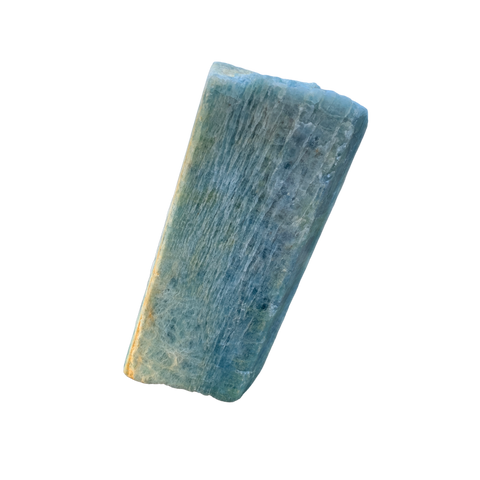
 Blue Kyanitefor confidence
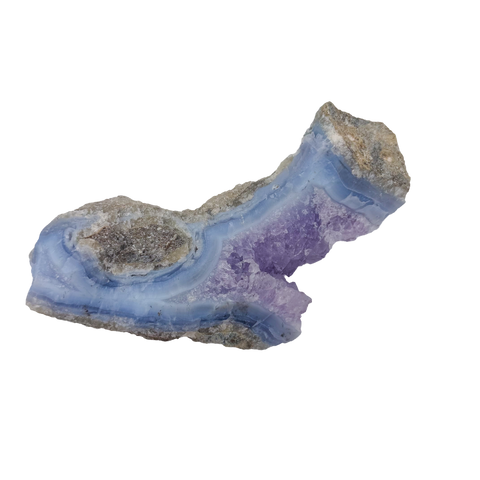
 Blue Lace Agatefor stress relief
 Chrysocollafor emotional healing
 Fluoritefor focus
 Garnetfor energy
 Lepidolitefor stress relief
 Malachitefor emotional healing
 Moonstonefor grounding
 Obsidianfor protection
 Ocean Jasperfor emotional healing
 Red Jasperfor grounding
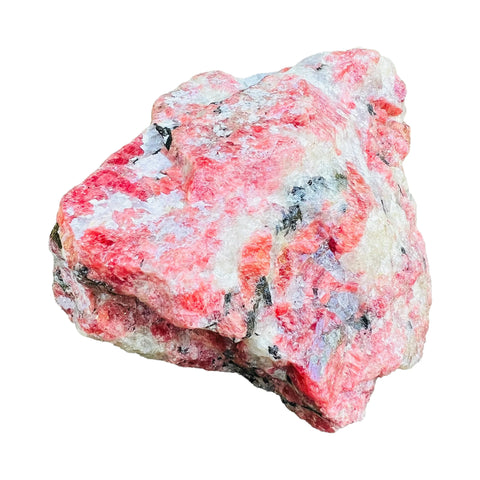
 Rhodonitefor emotional healing
 Selenitefor cleansing
 Sodalitefor focus
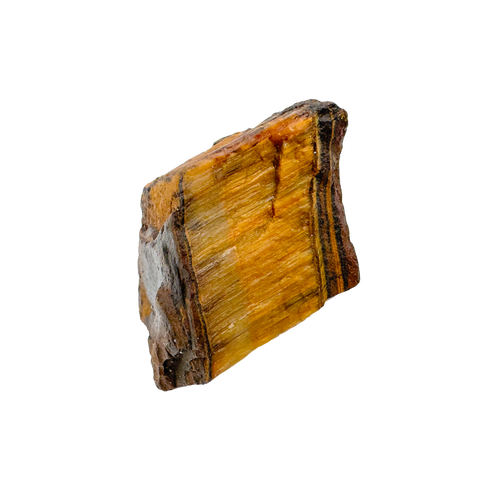
 Tiger Eyefor confidence
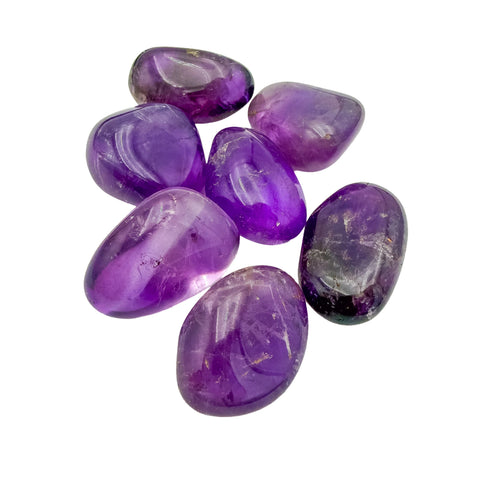


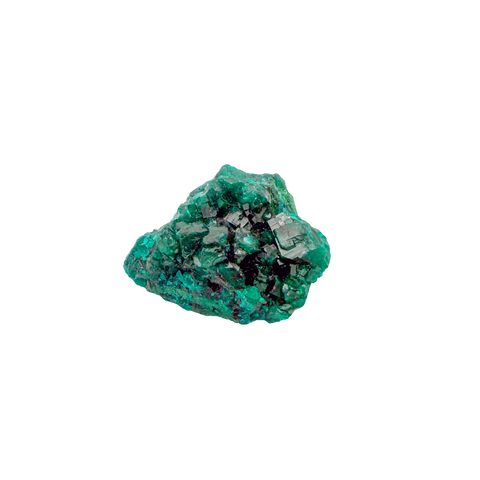
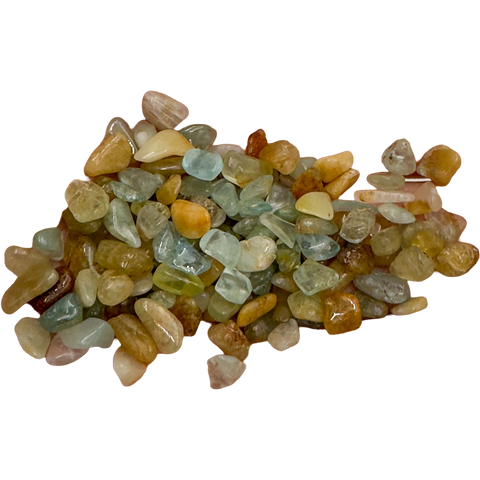
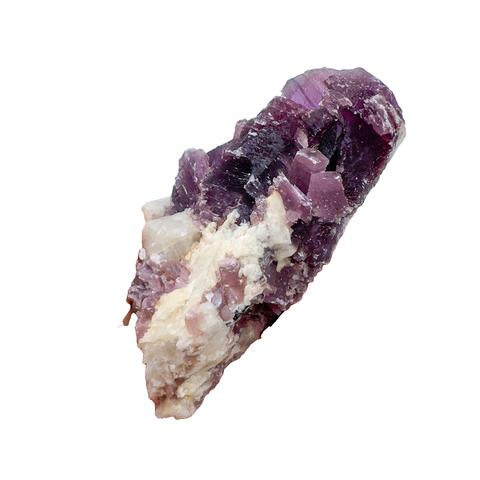
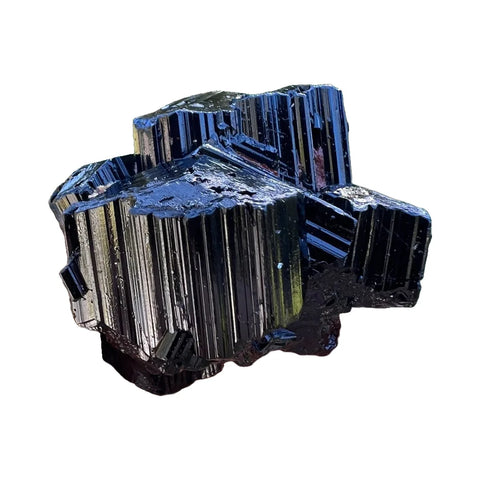
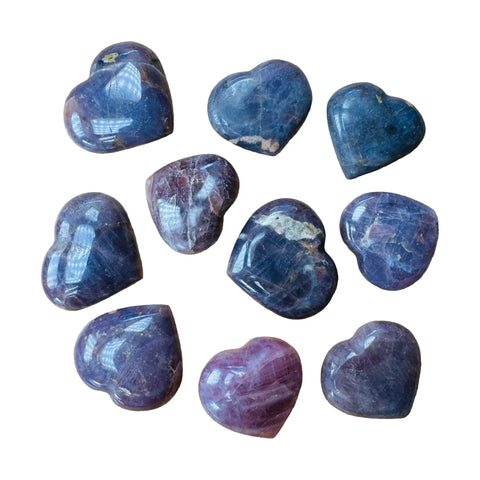
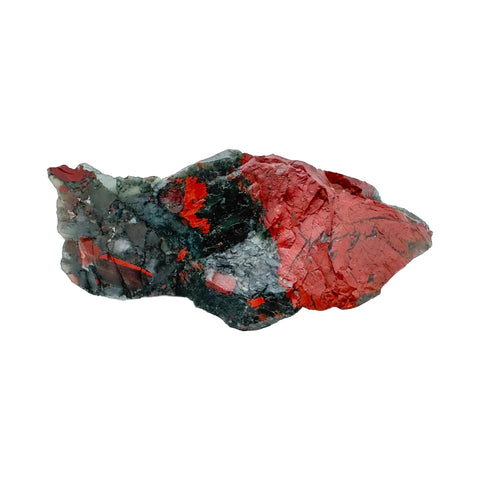
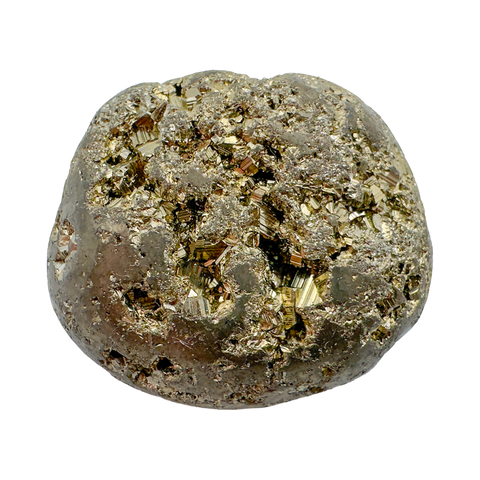
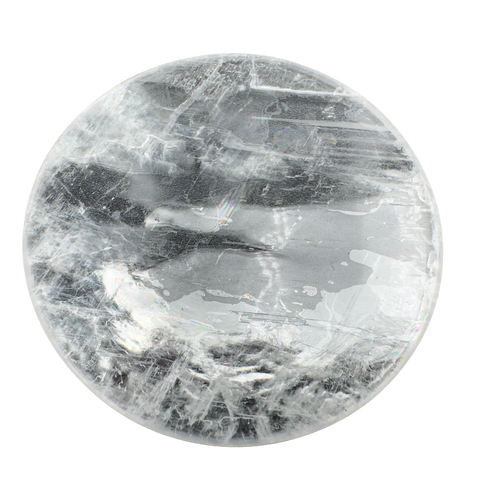


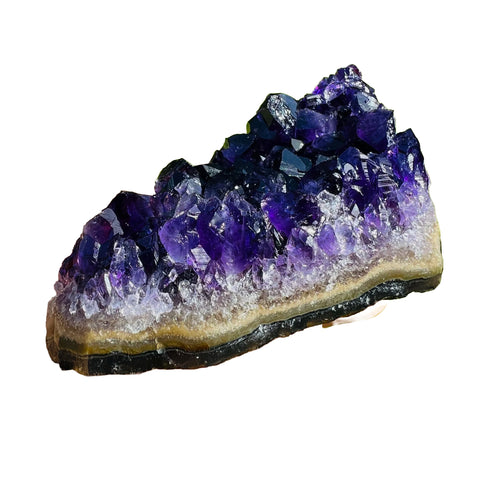





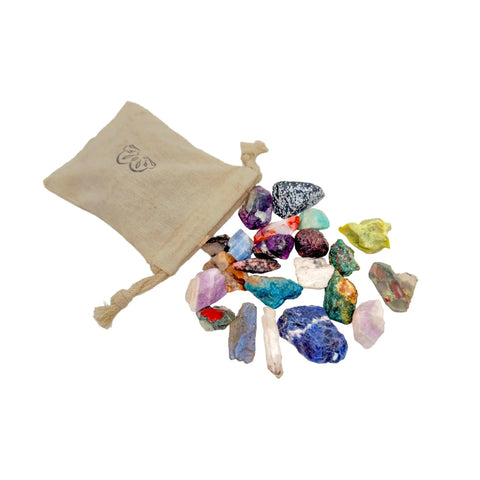
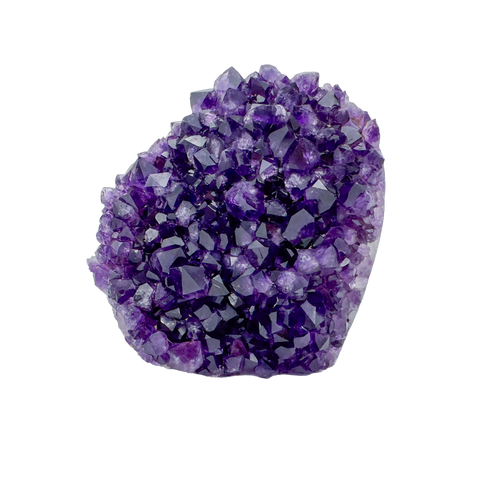
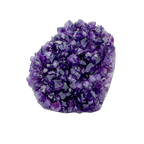 Amethyst
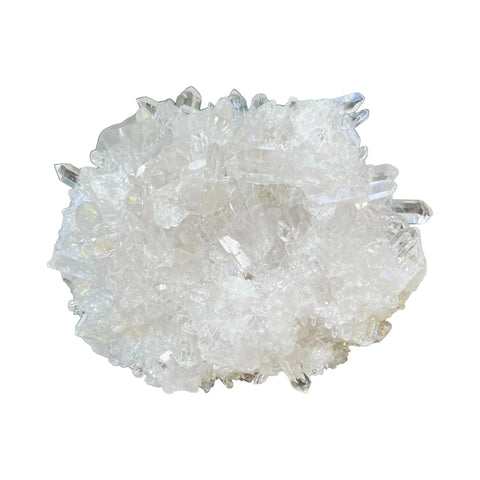
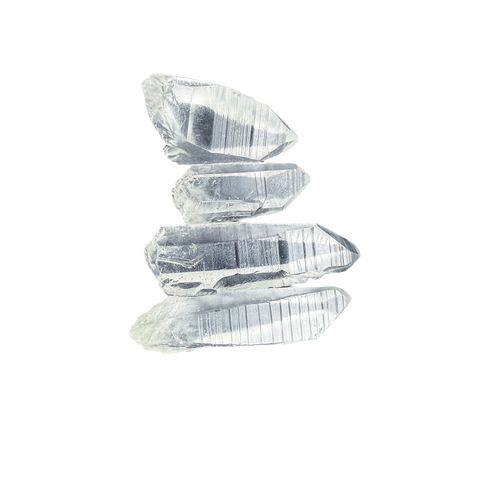
 Clear Quartz
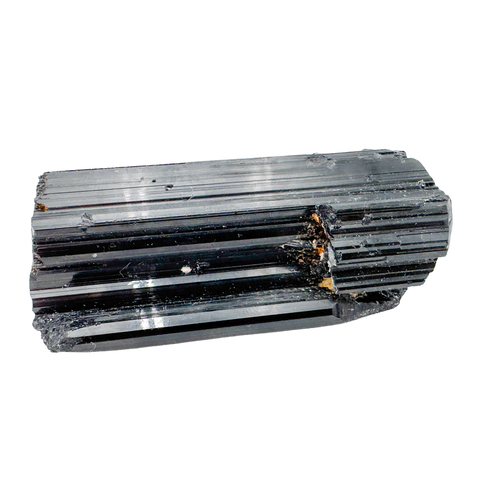
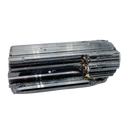 Black Tourmaline
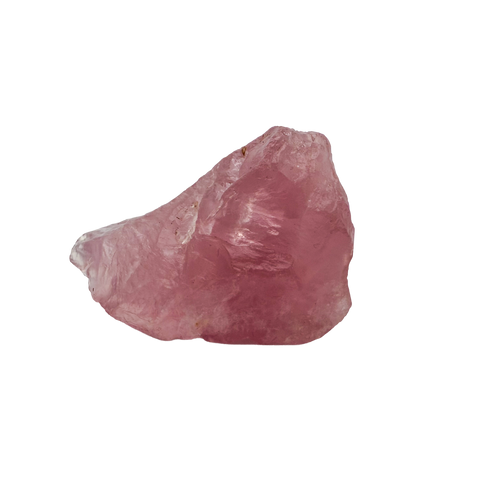
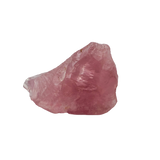 Rose Quartz
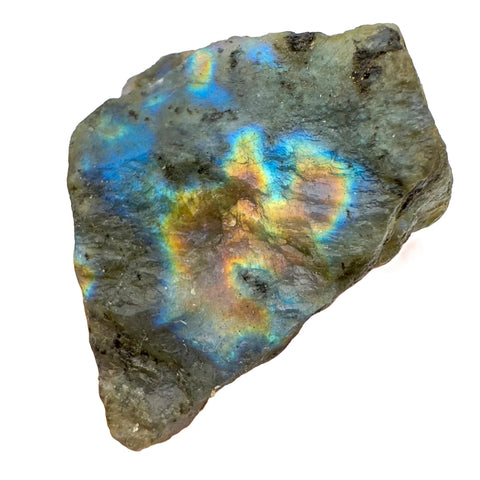
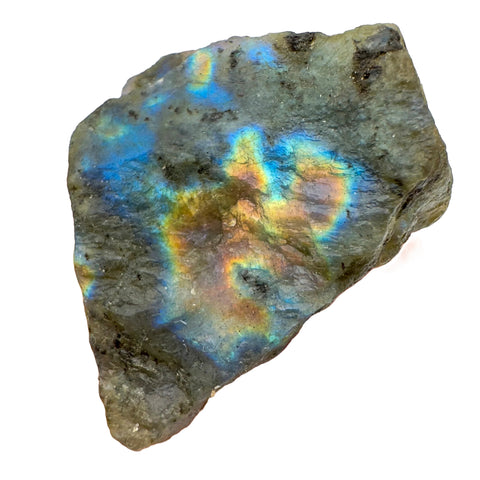
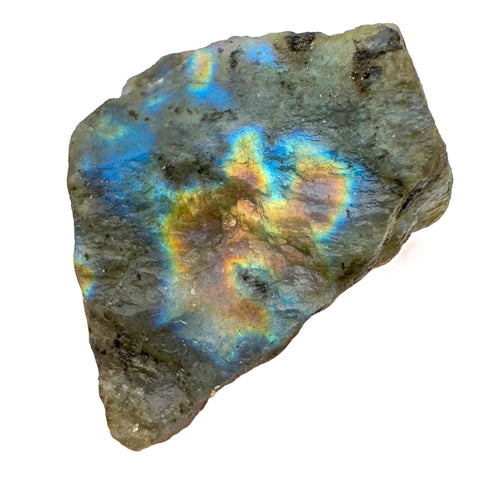
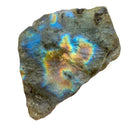 Labradorite
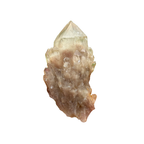 Natural Citrine
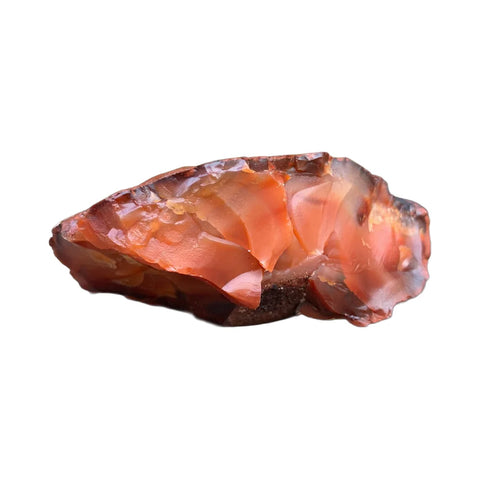
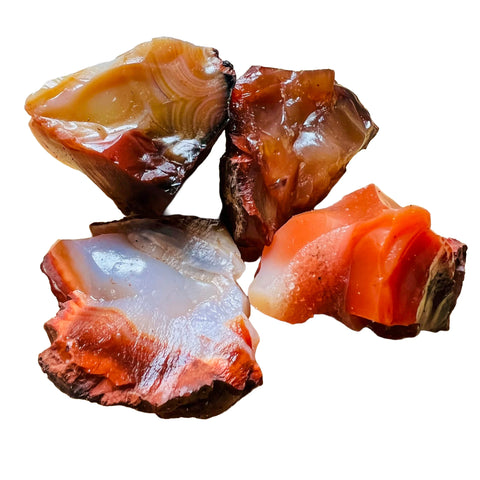
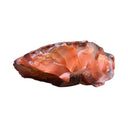 Carnelian
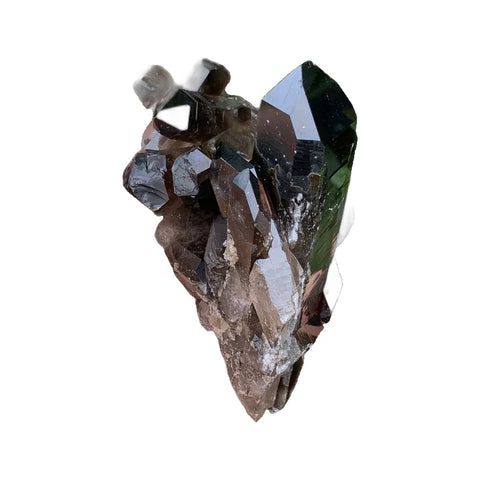
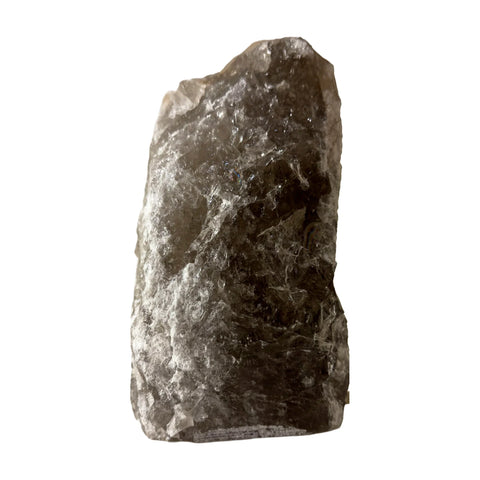
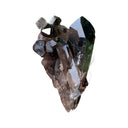 Smoky Quartz
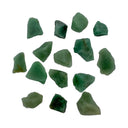 Aventurine
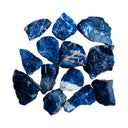 Sodalite
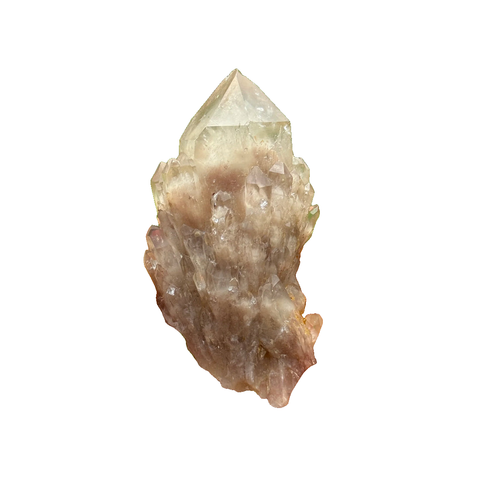
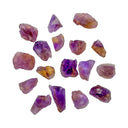 Ametrine
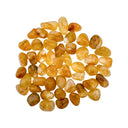 Golden Healer
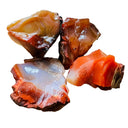 Raw Stones
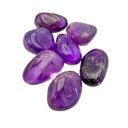 Tumbled Stones
 Palm Stones
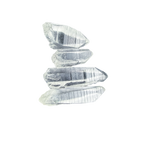 Crystal Points
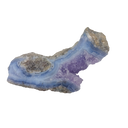 Clusters & Geodes
 Polished & Decor
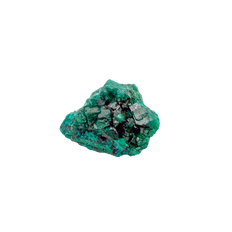 Mineral Specimens
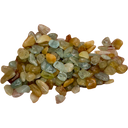 Crystal Chips
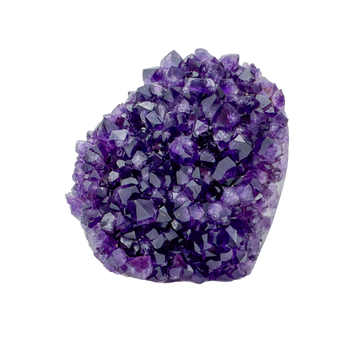
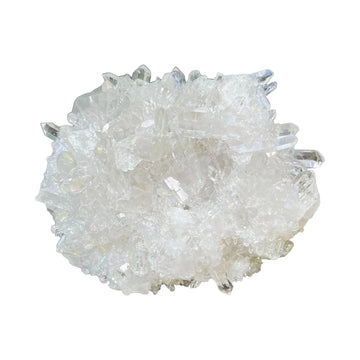
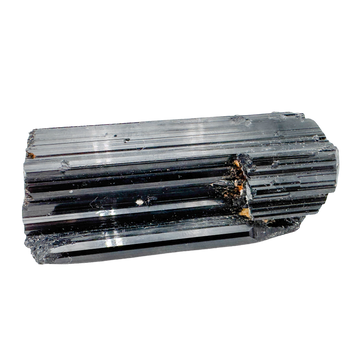
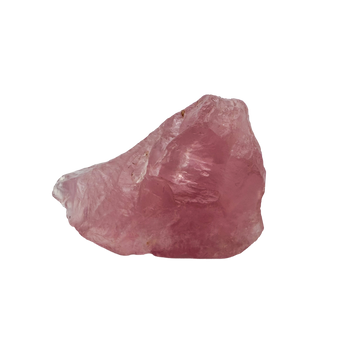
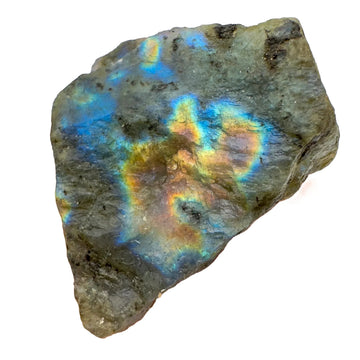
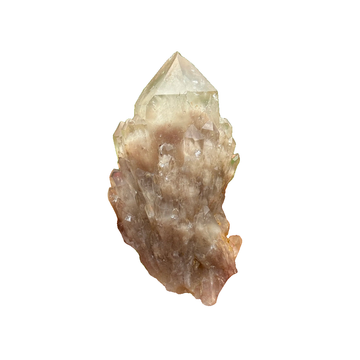
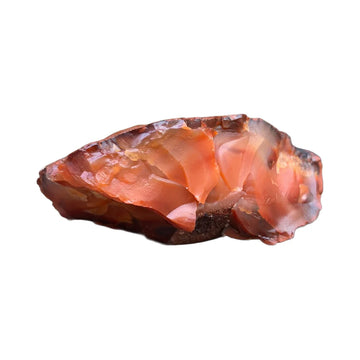
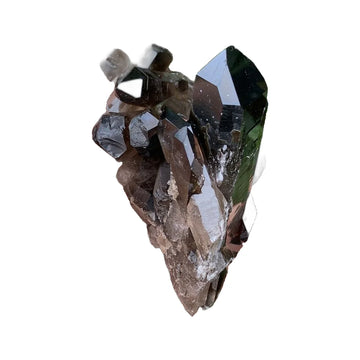
 Raw Stones
179 to choose from
Raw Stones
179 to choose from
 Tumbled Stones
162 to choose from
Tumbled Stones
162 to choose from
 Palm Stones
25 to choose from
Palm Stones
25 to choose from
 Crystal Points
23 to choose from
Crystal Points
23 to choose from
 Clusters & Geodes
101 to choose from
Clusters & Geodes
101 to choose from
 Polished & Decor
148 to choose from
Polished & Decor
148 to choose from
 Mineral Specimens
254 to choose from
Mineral Specimens
254 to choose from
 Crystal Chips
21 to choose from
Crystal Chips
21 to choose from


 AngolaAquamarine
›
AngolaAquamarine
›
 BotswanaCarnelian, Tree Agate
›
BotswanaCarnelian, Tree Agate
›
 DR CongoMalachite, Natural Citrine
›
DR CongoMalachite, Natural Citrine
›
 EswatiniBloodstone
›
EswatiniBloodstone
›
 MadagascarLabradorite, Clear Quartz
›
MadagascarLabradorite, Clear Quartz
›
 MalawiBlue Lace Agate, Garnet
›
MalawiBlue Lace Agate, Garnet
›
 MozambiqueAmazonite
›
MozambiqueAmazonite
›
 NamibiaSodalite, Blue Lace Agate
›
NamibiaSodalite, Blue Lace Agate
›
 Republic of the CongoDioptase
›
Republic of the CongoDioptase
›
 South AfricaTiger Eye, Unakite
›
South AfricaTiger Eye, Unakite
›
 ZambiaChevron Amethyst
›
ZambiaChevron Amethyst
›
 ZimbabweEmerald, Rhodonite
›
ZimbabweEmerald, Rhodonite
›
 ArgentinaBlack Obsidian, Rhodochrosite
›
ArgentinaBlack Obsidian, Rhodochrosite
›
 BoliviaAmetrine
›
BoliviaAmetrine
›
 BrazilAmethyst, Clear Quartz
›
BrazilAmethyst, Clear Quartz
›
 PeruSerpentine, Jade
›
PeruSerpentine, Jade
›
 UruguayAmethyst
›
UruguayAmethyst
›
 Dominican RepublicLarimar
›
Dominican RepublicLarimar
›
 MexicoRainbow Obsidian, Crazy Lace Agate
›
MexicoRainbow Obsidian, Crazy Lace Agate
›
 United StatesSelenite, Peridot
›
United StatesSelenite, Peridot
›
 ChinaFluorite
›
ChinaFluorite
›
 RussiaShungite
›
RussiaShungite
›
 AustraliaMookaite
›
AustraliaMookaite
›
 Where our crystals come from
See where we source →
Where our crystals come from
See where we source →


 Aries
Mar 21 to Apr 19
Carnelian
›
Aries
Mar 21 to Apr 19
Carnelian
›
 Taurus
Apr 20 to May 20
Rose Quartz
›
Taurus
Apr 20 to May 20
Rose Quartz
›
 Gemini
May 21 to Jun 20
Agate
›
Gemini
May 21 to Jun 20
Agate
›
 Cancer
Jun 21 to Jul 22
Moonstone
›
Cancer
Jun 21 to Jul 22
Moonstone
›
 Leo
Jul 23 to Aug 22
Citrine
›
Leo
Jul 23 to Aug 22
Citrine
›
 Virgo
Aug 23 to Sep 22
Amazonite
›
Virgo
Aug 23 to Sep 22
Amazonite
›
 Libra
Sep 23 to Oct 22
Blue Lace Agate
›
Libra
Sep 23 to Oct 22
Blue Lace Agate
›
 Scorpio
Oct 23 to Nov 21
Obsidian
›
Scorpio
Oct 23 to Nov 21
Obsidian
›
 Sagittarius
Nov 22 to Dec 21
Sodalite
›
Sagittarius
Nov 22 to Dec 21
Sodalite
›
 Capricorn
Dec 22 to Jan 19
Black Tourmaline
›
Capricorn
Dec 22 to Jan 19
Black Tourmaline
›
 Aquarius
Jan 20 to Feb 18
Amethyst
›
Aquarius
Jan 20 to Feb 18
Amethyst
›
 Pisces
Feb 19 to Mar 20
Aquamarine
›
Gifting?
A birthday stone is the safe bet.
Read the zodiac guide →
Pisces
Feb 19 to Mar 20
Aquamarine
›
Gifting?
A birthday stone is the safe bet.
Read the zodiac guide →


Black Jade
Black jade is nephrite, the tougher of the two minerals sold under the jade name. Its color comes from graphite and iron-rich amphibole distributed through the stone as it grew, not from dye or coating. Held to a strong light, the thinnest edges often show a dark forest green rather than true black.
Shop black jadeNot a color of jade. A structure.
Jade is a trade name covering two unrelated minerals. Jadeite is a pyroxene. Nephrite is an amphibole, a felted mass of interlocking actinolite and tremolite fibers. Black jade is nephrite, and the fibrous structure is the whole story: it is what makes the stone so difficult to chip, and what lets it take a mirror polish and keep it.
The color comes from within. Fine graphite and iron-rich amphibole are distributed through the stone as it forms, so the dark runs continuously rather than sitting on the surface. That is the practical difference between black jade and a dyed substitute, and it is visible at any broken or thinned edge.
Nephrite is often called the toughest natural stone worked by hand. Toughness is not hardness. At Mohs 6 to 6.5 a steel file will mark it, but its resistance to fracture is exceptional, which is why cultures with no metal tools still managed to work it into blades and adzes.
Where ours comes from.
Our black jade is Peruvian nephrite, hand-cut and hand-polished. It arrives untreated, with no dye, no coating, and no filler. We record the region where our supplier can confirm it and say nothing where they cannot.
Nephrite occurs on every inhabited continent. Wyoming, British Columbia, Siberia, New Zealand, Taiwan and Australia all produce black or near-black material, and each looks slightly different in the hand. Origin claims in this category are frequently vague, and the honest position is that a lot of black jade on the market has no traceable source at all.
We do not carry Burmese jadeite, and we do not sell dyed serpentine or black onyx under the jade name. If a piece is nephrite we say nephrite.
Carried for steadiness.
Jade broadly carries deep cultural weight. Nephrite has been carved in China for more than seven thousand years and is associated there with virtue and longevity. Pounamu, the nephrite of Aotearoa New Zealand, holds a protected place in Māori tradition. Black nephrite specifically appears across these traditions as working stone and tool material rather than as a separate ceremonial category.
In contemporary crystal practice black jade is worked with for grounding and a quiet form of protection, less about warding anything off and more about staying settled in yourself. It is linked to the root chakra. We would rather note that this modern association is recent than dress it up as ancient lore.
How to tell it from the substitutes.
Black jade is imitated more often than it is faked outright. The usual stand-ins are dyed serpentine, black onyx, dark obsidian, and glass. Nephrite gives itself away by toughness: it resists chipping far more than its hardness alone suggests, and an edge that would flake on obsidian will simply blunt on jade. It also feels cold to the touch and warms slowly.
Density helps. Nephrite sits around 2.95 specific gravity, noticeably heavier in the hand than glass at roughly 2.5 or serpentine at about 2.6. Held against a strong light, genuine black nephrite usually shows dark green at its thinnest edges, while onyx stays flatly black and dyed material often shows color concentrated along cracks. Obsidian, being a glass, breaks with a conchoidal shell-like fracture that nephrite never produces.
Hard-wearing, and low maintenance.
Black jade is among the more forgiving stones to own. At Mohs 6 to 6.5, with nephrite's exceptional toughness behind it, it tolerates handling, daily carry, and display without much thought. Clean it with water and a mild soap, rinse, and dry thoroughly. Avoid ultrasonic cleaners as a general habit, since they are unkind to any stone that might have been treated, and skip harsh chemicals.
Store it apart from softer stones, because at 6.5 it will scratch calcite, fluorite and selenite if they share a drawer. Prolonged direct sunlight is harmless to the color. For cleansing, smoke, sound and intention all suit it; water is safe here, unlike with the softer minerals in the collection.
Where to go next.
Proof, not promises.
We measure our own sourcing across five dimensions. Supply chain, environmental footprint, artisan support, market integrity, and pricing. The number is honest, not perfect. Where we can do better, we say so.
Black jade, at length.
Everything else worth knowing, for anyone who wants it.
Why black jade is nephrite, almost always
Jadeite does occur in very dark tones, but the overwhelming majority of material sold as black jade is nephrite. The reason is availability. Nephrite forms in serpentinized ultramafic rock, which is common, and iron-rich or graphite-bearing pockets within it are not unusual. Jadeite forms under much rarer high-pressure conditions, and what little dark jadeite exists tends to be sold as jadeite rather than under the generic jade label.
What makes it black
Two mechanisms, often together. Fine graphite dispersed through the felted amphibole gives a true neutral black. High iron content in the actinolite end of the series pushes the green so dark it reads black under normal light. Pieces colored mostly by iron reveal deep forest green at thin edges and under strong transmitted light; pieces colored by graphite stay closer to neutral. Neither is better, and both are entirely natural.
Toughness versus hardness
These get confused constantly. Hardness is resistance to scratching, and nephrite at 6 to 6.5 is beaten by quartz at 7, meaning ordinary dust can dull an unprotected polish over years. Toughness is resistance to breaking, and here nephrite is close to unmatched among natural stones. The interlocking fibrous texture means a crack has no clean plane to travel along. This is why neolithic cultures across Asia, Europe and the Pacific chose nephrite for axes and adzes long before they had metal.
The substitution problem
Black jade sits in an awkward commercial position: desirable enough to imitate, cheap enough that nobody bothers to certify it. Dyed serpentine is the most common substitute, followed by black onyx, which is itself usually dyed chalcedony. Obsidian gets sold as black jade with some regularity, and is easy to separate once you know that it fractures like glass because it is glass. Reconstituted or resin-bonded powder appears at the very bottom of the market.
Testing it yourself
You can get a long way with no equipment. Heft it: nephrite feels dense for its size. Touch it: it draws heat from your hand and warms slowly. Light it: a strong torch at a thin edge usually shows green in nephrite, flat black in onyx, and dye concentrated in fractures in treated serpentine. Tap it gently against a hard surface: nephrite gives a clear ring that softer substitutes do not. None of these is conclusive alone, but together they are reliable.
Working and finishing
Nephrite polishes to a waxy, slightly soft-looking luster rather than the glassy shine of quartz, and that difference is a useful authenticity cue in itself. It takes a very high polish precisely because the fibrous structure leaves no cleavage planes to pluck out under the wheel. Our spheres are hand-cut and hand-polished, which is slower than machine work and shows in the evenness of the curve.
Living with it
Black jade is a genuinely practical stone to own. It survives pockets, desks, and daily handling. The realistic risk over years is a gradual dulling of polish from airborne quartz dust rather than any dramatic damage, and a soft cloth handles that. It is one of the few dark stones we carry that can be washed without a second thought.
What we will not claim
There is a great deal of confident writing online about black jade in ancient protection rites. Most of it is recent invention. Nephrite's documented history is rich and genuinely remarkable without embellishment, and where black nephrite specifically appears it is usually as tool stone. We would rather point you at the real record than a better story.
Good sourcing is a practice, not a claim.
Nothing we sell is dyed, stabilized, reconstituted, or color-enhanced without full disclosure. We name our origins where we can. We say so when we cannot. We walk away from material that does not meet our standard, even when it costs us sales.
Bring black jade home.
Hand-cut, hand-polished Peruvian nephrite. Natural color, no dye, no coating. Each piece photographed as the exact stone you receive.
Shop the jade collectionGrounded Connections
New stones go to the list first.
No forwarding, no selling. Unsubscribe in one click. Privacy