












Is Your Crystal Toxic to Touch?
A calm, accurate answer to a question that gets far more alarming than it deserves.
Most of the stones on a shelf are completely safe to hold. A short list genuinely deserves care, and the real risk is almost never simple skin contact. Here is the honest version, without the scare tactics.

Briefly holding a polished or tumbled crystal is almost always safe. Toxic stones cause harm through inhaled dust, ingestion, or making them into water you drink, not through a quick touch. A small group of raw minerals warrants gloves, sealed storage, and clean hands.
Touching is rarely the problem
When people ask whether a crystal is toxic to touch, they are usually picturing poison passing through the skin from a moment of contact. For the stones sold in most shops, that does not happen. The danger from genuinely toxic minerals comes through three specific routes: breathing in fine dust created by cutting, grinding, or sanding the raw material; swallowing particles, often after handling and then eating; and soaking a stone in water you later drink.
That distinction changes everything. A solid, polished specimen sitting on a shelf is not releasing poison into the room. The same stone reduced to powder in a workshop is a different matter. So the useful question is not "is this stone toxic," but "what would I have to do to actually expose myself," and the answer is usually something you were never going to do anyway.

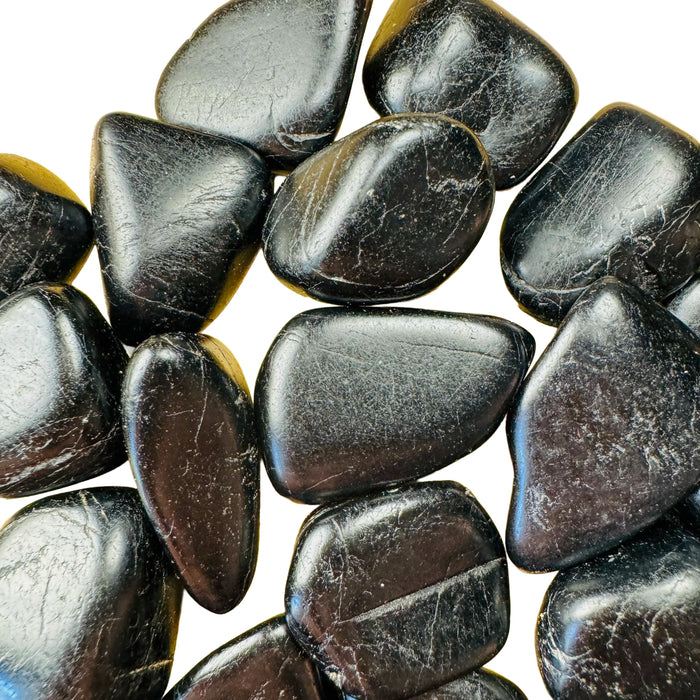
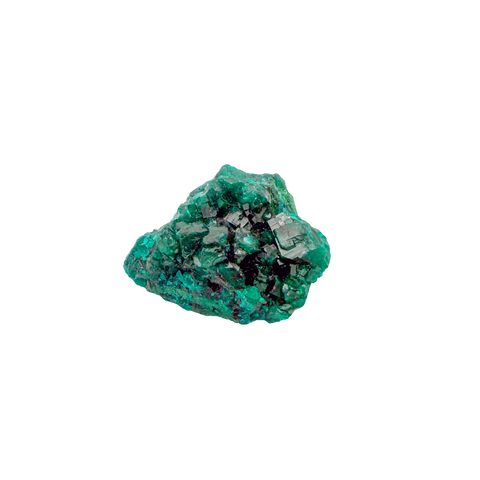
A polished surface seals the stone. The concern with malachite is dust, not the finished piece.
Stones that genuinely deserve care
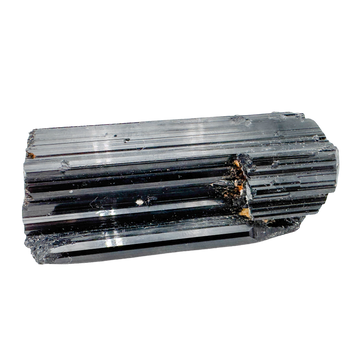
A handful of minerals contain elements that are real toxins: mercury, lead, arsenic, antimony, copper. These are mostly collector and specimen minerals rather than the polished stones in everyday collections, but if you keep raw specimens, it is worth knowing them by name. None of these should be cut, sanded, soaked, or put in your mouth, and you should wash your hands after handling them.
Cinnabar
Mercury sulfide (HgS)
Galena
Lead sulfide (PbS)
Orpiment & Realgar
Arsenic sulfides
Stibnite
Antimony sulfide (Sb2S3)
Malachite (raw or unsealed)
Copper carbonate, roughly 58% copper
Notice the pattern down the handling row. The handling advice is nearly identical for all of them: do not make dust, do not ingest, do not drink the water, wash your hands. That is because the route of harm is the same across the list, even though the elements differ.
Malachite, in plain terms

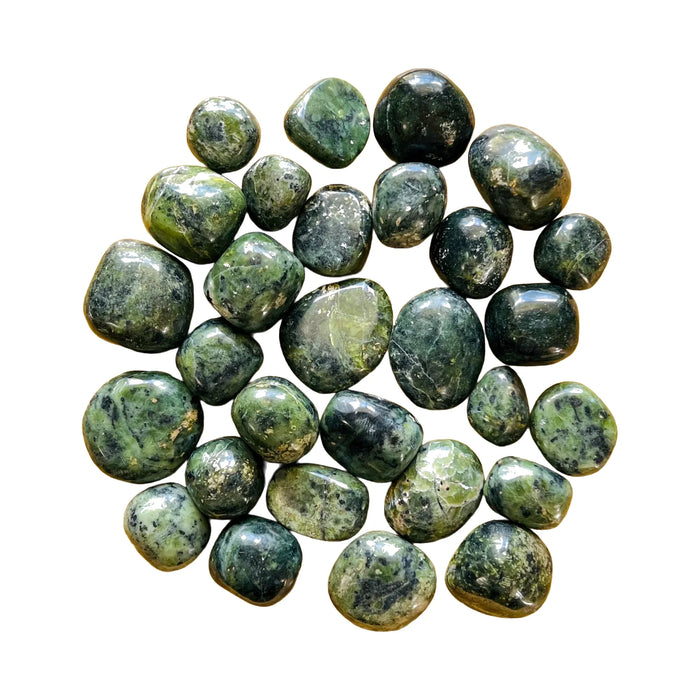
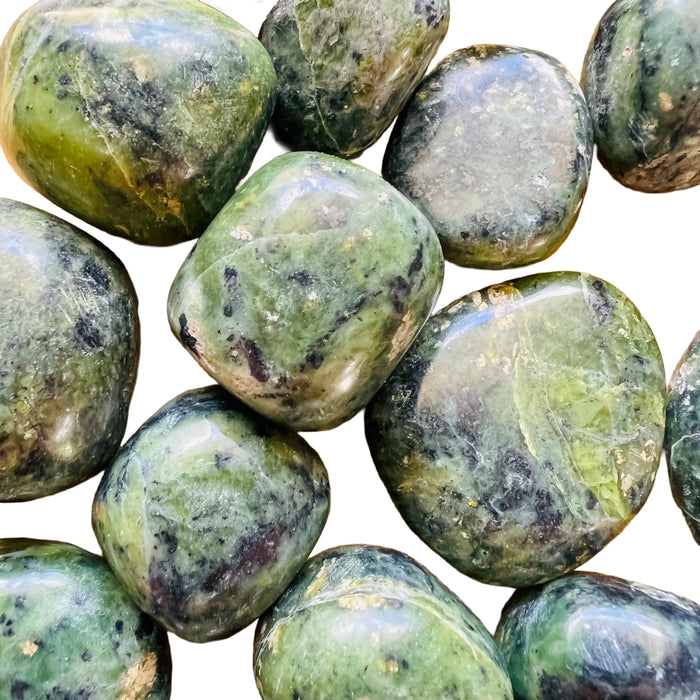
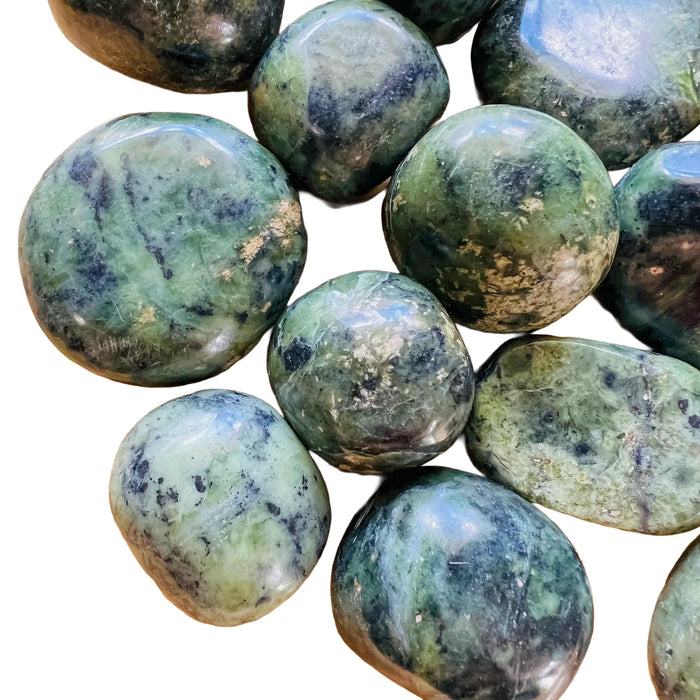
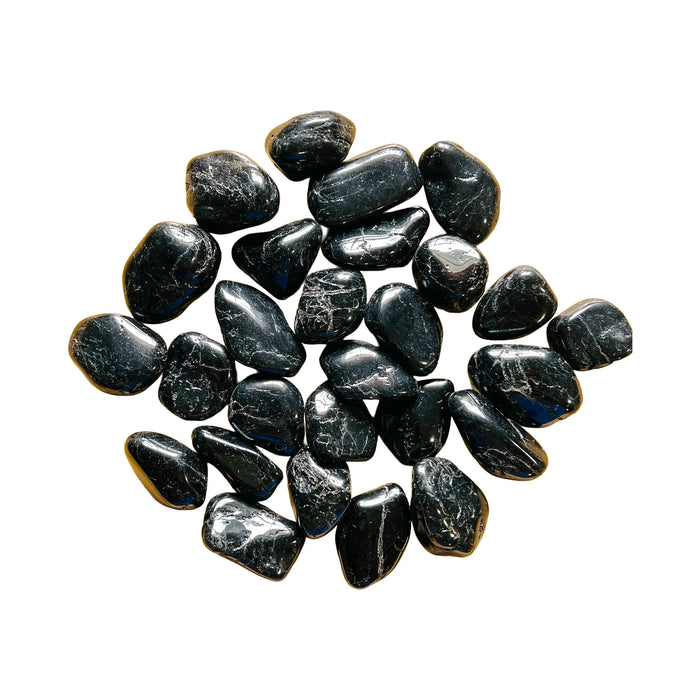
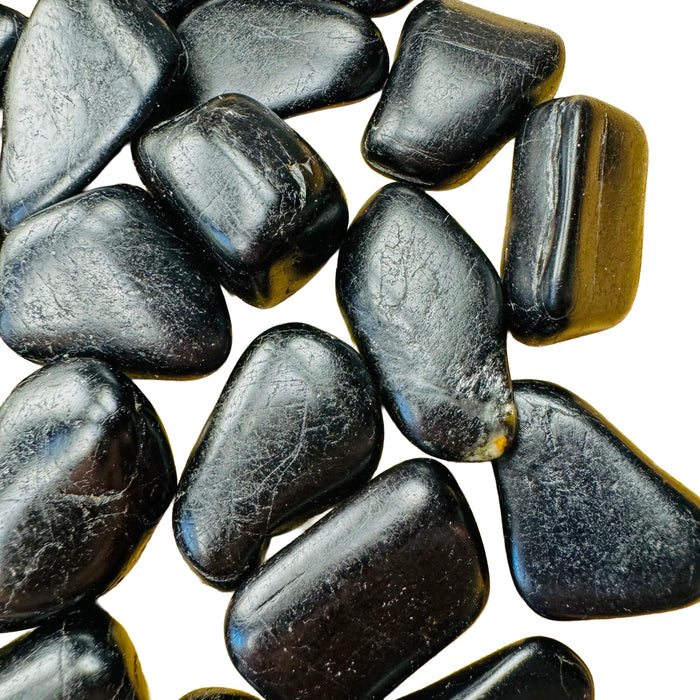
Tumbled and polished malachite. The surface is sealed and stable to ordinary handling.
Malachite is the stone that drives most of the worry, so it is worth being precise. It is a copper carbonate, and by weight it is roughly 58% copper. Copper is genuinely toxic if you breathe it in or swallow it. That fact, repeated without context, is how malachite ends up labeled "dangerous."
The context is this: a polished or tumbled malachite stone is sealed at the surface and stable to normal handling. Holding it, carrying it, or wearing finished malachite jewelry does not push copper into your skin. The real hazard appears in a workshop, when someone cuts, grinds, or dry-sands the raw mineral and creates a fine copper-bearing dust that can be inhaled. Two simple rules cover almost everyone: do not sand it dry without a respirator, and do not turn it into a drink.
The "elixir" practice of soaking a stone in drinking water is where toxic minerals become a genuine problem. Malachite, and every mineral in the list above, should never be put in water you intend to drink. If you enjoy crystal-infused water, use the indirect method, where the stone sits in a separate sealed container outside the water, or stick to inert stones like clear quartz.
Polished and tumbled stones are almost always safe
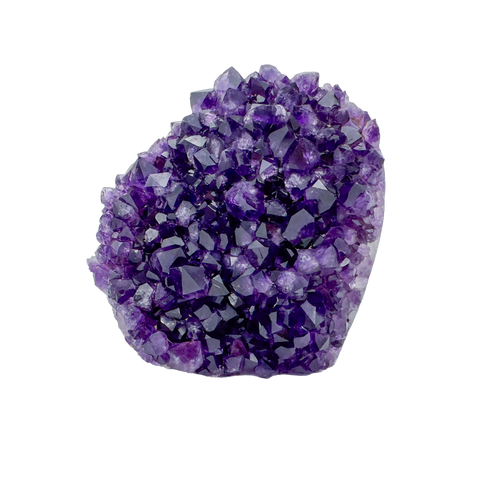
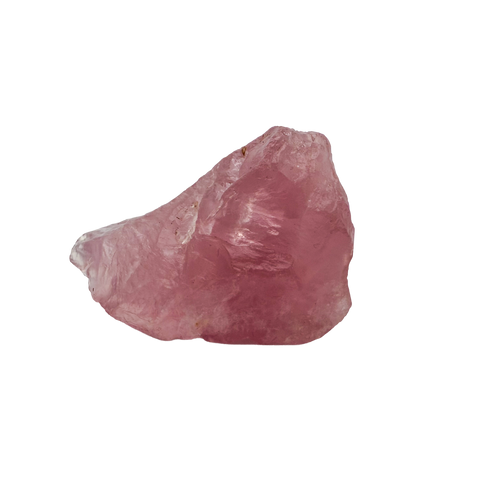
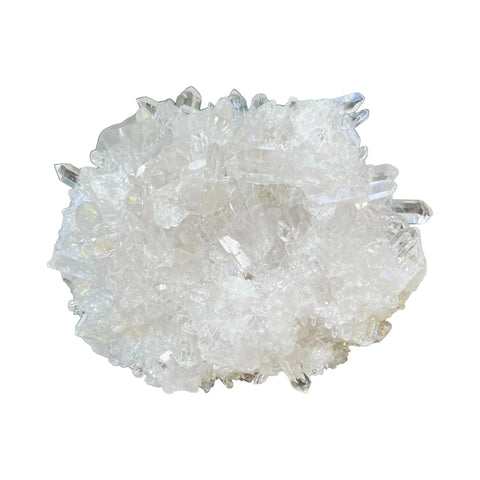
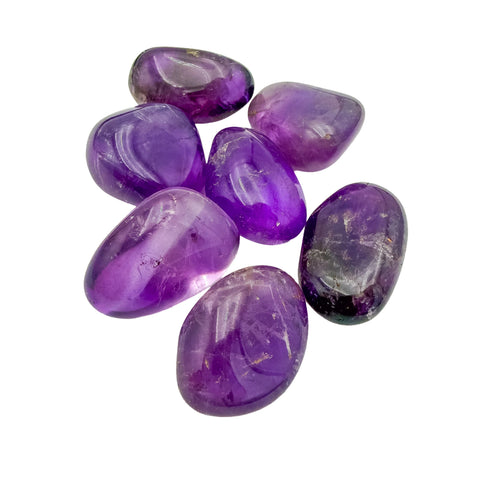
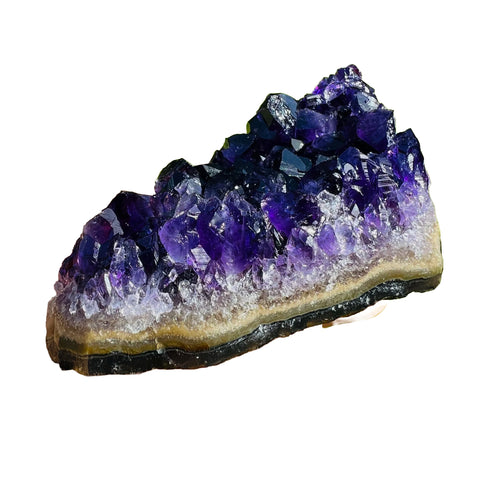
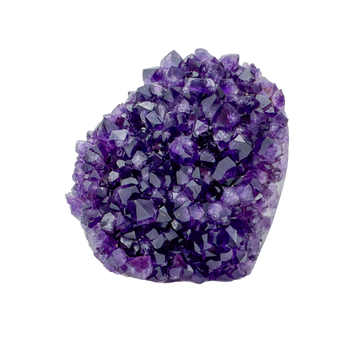
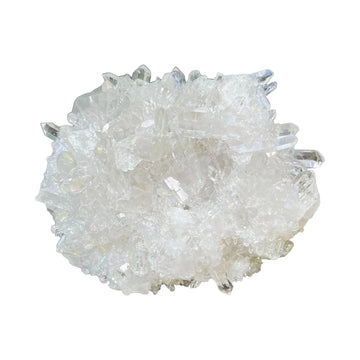
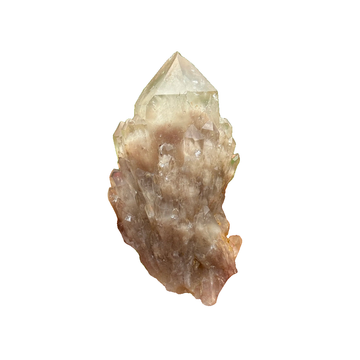
The great majority of popular crystals are chemically inert silicates, and they pose no handling concern at all. Quartz, amethyst, citrine, agate, jasper, and the rest of the quartz family are stable, hard, and unreactive. There is nothing in an amethyst point waiting to leach into your hand. Three things explain why a finished stone is so rarely a problem.
Polishing and tumbling smooth and seal the outside of a stone, so even slightly reactive minerals are not shedding particles during ordinary handling.
Harm from toxic minerals travels on dust. A solid specimen on a shelf is not generating any. The danger lives in cutting and grinding, not in display.
Most collected stones are quartz-family silicates with no soluble toxic elements to release. They are as stable in your hand as a glass paperweight.
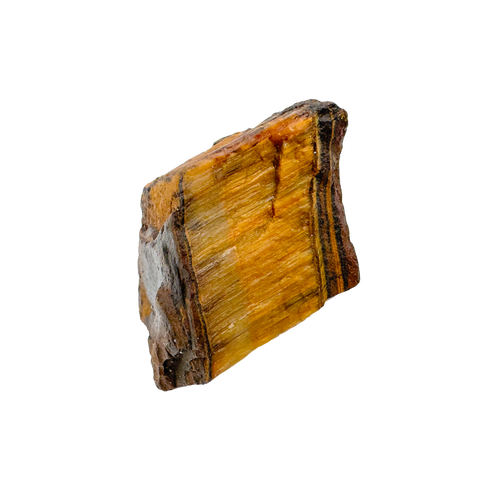
Tiger's eye is a useful example of how a scary headline dissolves under detail. It is sometimes described as containing asbestos, because it grows in association with crocidolite, one of the asbestos minerals. Newer research describes its golden sheen as the result of crack-seal vein growth rather than fibers being replaced one for one, and in polished form it poses little to no risk. As with everything else here, any real concern would come from cutting or grinding the raw material, not from a finished cabochon in your pocket.
If you want a fast mental rule: finished stone, brief contact, clean hands afterward. That covers the everyday collection completely.

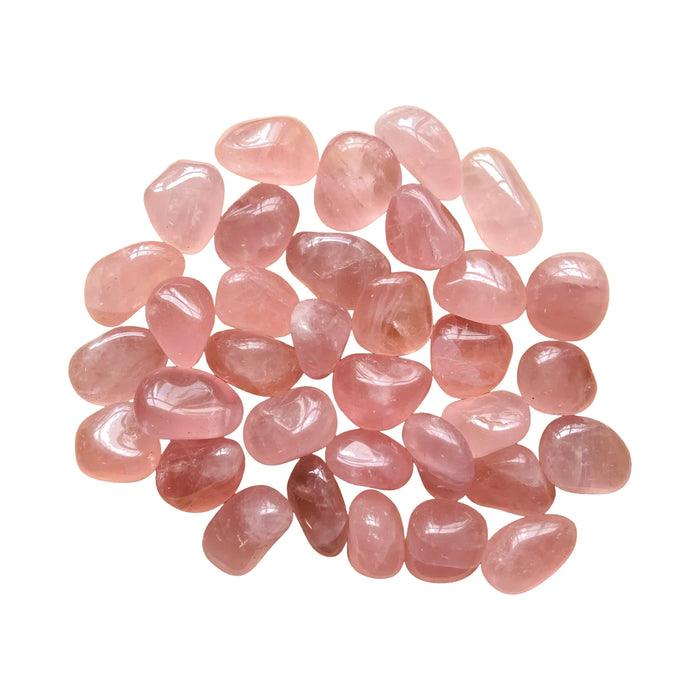
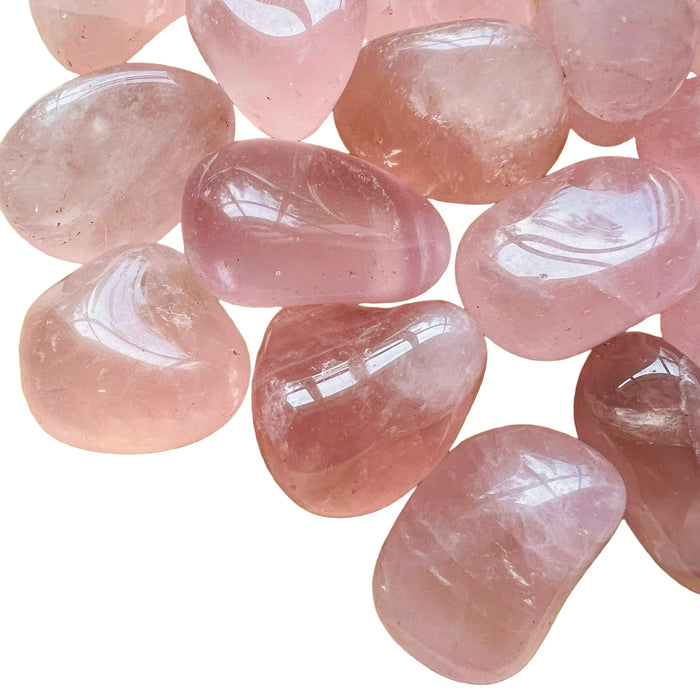
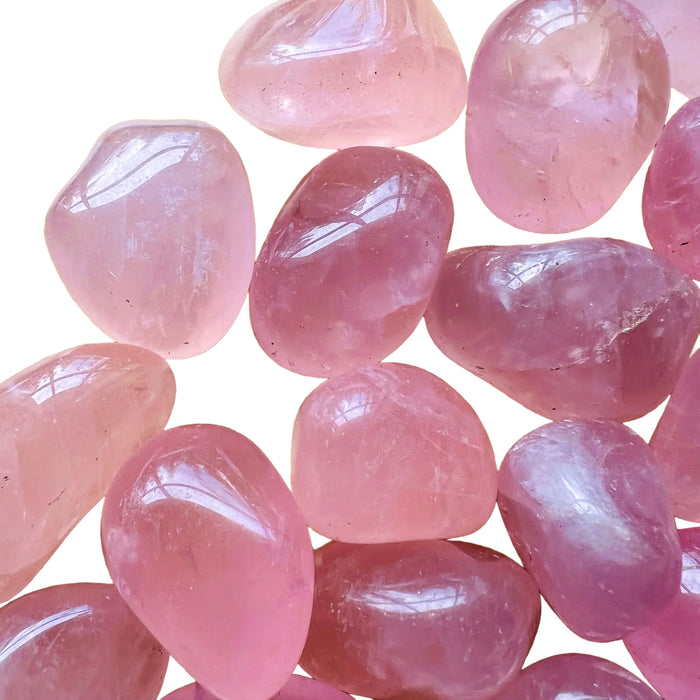
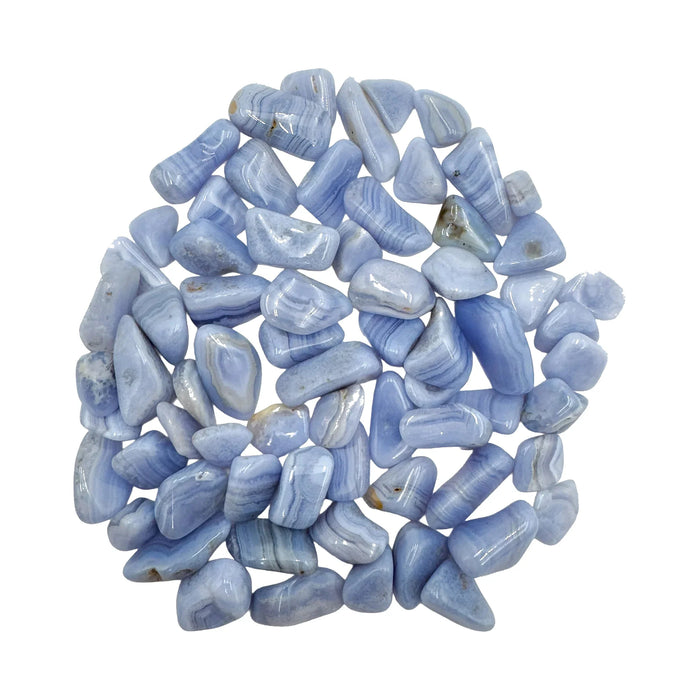
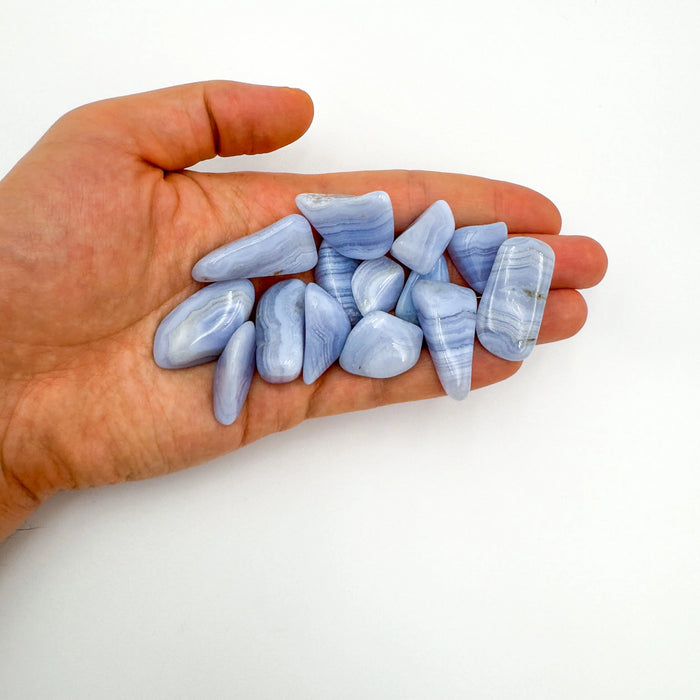
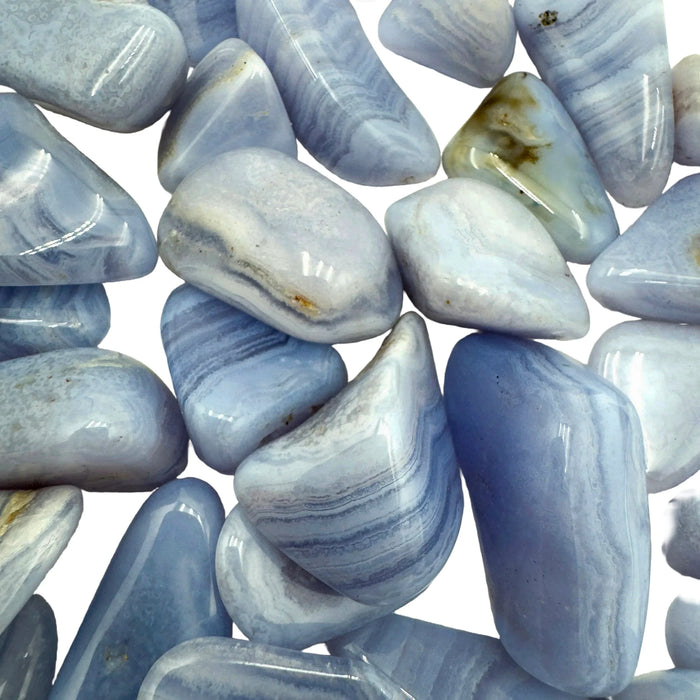
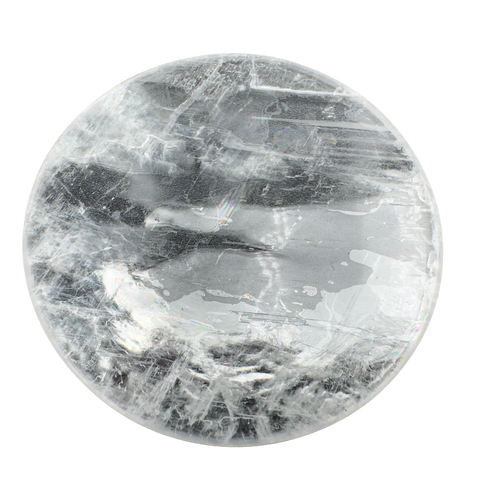
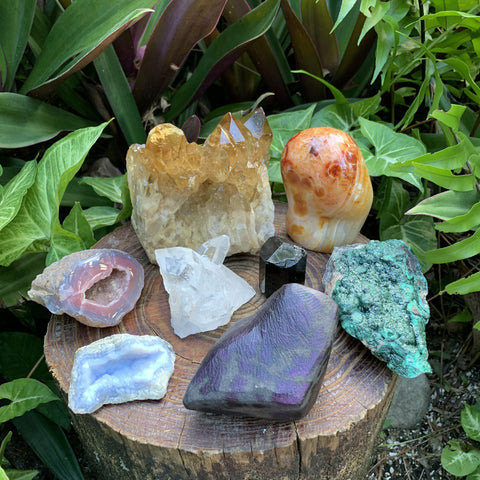
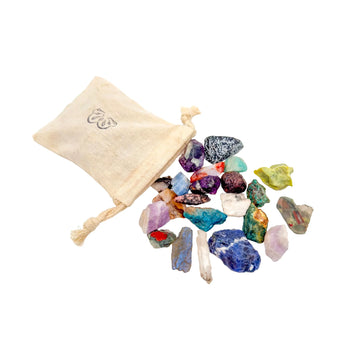
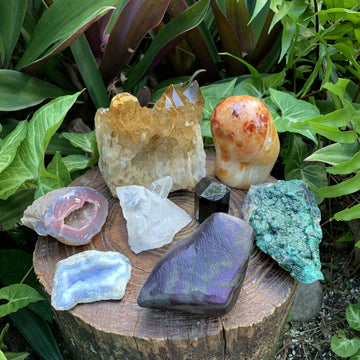
The everyday collection: polished, inert, and safe to handle.
How to keep a mixed collection safely
If your collection includes raw specimens as well as polished stones, a few quiet habits remove essentially all of the risk. None of this requires fear, only a little structure.
After handling any raw specimen you are unsure about, wash before eating or touching your face. This single habit handles most hand-to-mouth risk.
Do not cut, sand, drill, or hammer a stone you cannot identify. If you do lapidary work, wet-grind and wear proper respiratory protection.
Skip direct soaking for anything on the toxic list. For cleansing, dry methods are safer for the stone and for you.
Keep toxic raw specimens in a sealed case, away from food, children, and pets, and label them so anyone in the home knows to leave them be.
Most worry comes from not knowing what a stone is. A reputable seller will tell you the species and origin, which settles the safety question quickly.
If a stone will be carried, worn, or handled often, choose the polished form. Sealing the surface is the simplest safeguard there is.
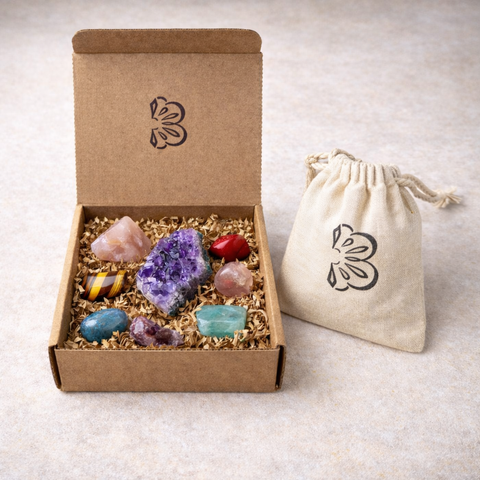
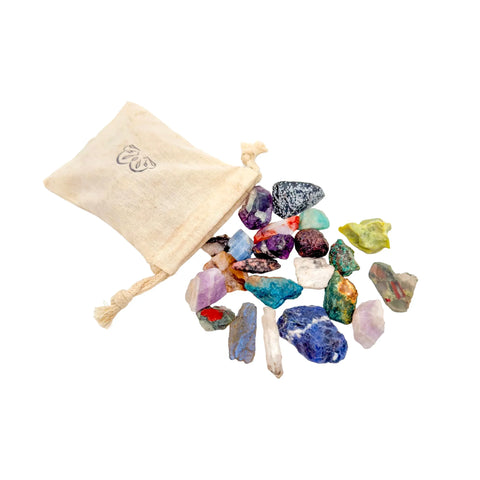
Our everyday range is built from polished and tumbled stones meant to be carried, held, and lived with, the inert and stable end of the spectrum. We would always rather tell you plainly what a stone is and how to keep it than let a frightening half-fact do the talking. Knowing the species and origin of a piece is the real answer to "is this safe," which is exactly why we lead with both.
Related guides
The full picture on the stone that prompts the most safety questions: properties, formation, sourcing, and care.
Read the guideHow hardness and structure shape which stones can take daily handling, water, and sunlight, and which cannot.
See durability by stoneSafer, water-free ways to refresh your stones, including the ones that should never be soaked.
Learn the methodsPolished, sealed, and made to be handled. The everyday, safe-to-hold end of the collection.
Browse tumbled stonesOur full set of plain-spoken guides to sourcing, treatment, value, and care.
Back to the LibraryCrystal safety, answered
Can a toxic crystal poison me just by touching it?
For the solid, intact stones in most collections, no. The toxic minerals cause harm through inhaled dust, ingestion, or soaking in water you drink. A brief touch of a polished or specimen-grade stone, followed by washing your hands, is not how poisoning happens.
Is malachite safe to hold or wear?
Polished malachite and finished malachite jewelry are considered safe to handle and wear, because the surface is sealed. The concern is dust from cutting or grinding the raw stone, and soaking it in drinking water. Do neither and malachite is fine to keep and carry.
Which crystals are actually toxic?
The genuinely toxic ones are mostly collector minerals: cinnabar (mercury), galena (lead), orpiment and realgar (arsenic), and stibnite (antimony). Malachite is toxic only as dust or if ingested. The everyday quartz-family stones are inert and pose no handling risk.
Are quartz, amethyst, and agate safe?
Yes. Quartz, amethyst, citrine, agate, and jasper are chemically inert silicates. They are stable, hard, and unreactive, with nothing to leach during normal handling. They are among the safest stones you can own.
Does tiger's eye contain asbestos?
Tiger's eye is associated with crocidolite, an asbestos mineral, but in polished form it poses little to no risk. Newer research describes its sheen as crack-seal vein growth rather than fiber replacement. Any concern would come from cutting or grinding the raw material, not from a finished, polished piece.
Can I put crystals in my drinking water?
Not the toxic ones. Cinnabar, galena, orpiment, realgar, stibnite, and malachite should never be soaked in water you plan to drink. If you like crystal water, use the indirect method, with the stone in a separate sealed container, or stick to inert stones such as clear quartz.
Do I need gloves to handle my crystals?
For everyday polished and tumbled stones, no. Gloves are a sensible precaution for handling raw specimens of the genuinely toxic minerals, especially fragile ones that shed particles. For most collections, clean hands afterward is enough.
How do I keep a collection with raw specimens safe?
Wash your hands after handling, never create dust by cutting or grinding unidentified stones, keep toxic specimens in a sealed and labeled case away from food and children, and avoid soaking anything on the toxic list. Knowing each stone's species and origin removes most uncertainty.