









Crystal Shapes and Forms, Explained
What a cluster, geode, tower, tumble, point, and sphere each really are, and what changes the price.
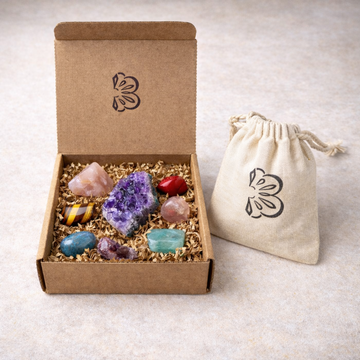
Walk into any crystal shop and the same amethyst might appear as a rough chunk, a standing tower, a smooth sphere, and a bag of tumbles, all at very different prices. The shape is doing a lot of that work, so it helps to know what each one actually is.

Crystal shapes fall into two groups. Clusters, geodes, druzy, raw pieces, and natural points form that way underground. Towers, spheres, tumbles, palm stones, hearts, and freeforms are cut and polished from rough. Shape changes how a piece looks, stands, and is priced, but not the quality of the stone itself.
Two Families: What Nature Makes, What People Cut
Every shape on a shop shelf belongs to one of two families. The first is grown: the crystal came out of the ground already looking that way, and a person did little more than clean and trim it. The second is shaped: a maker took rough material and cut, ground, or polished it into a form.
Knowing which family a piece belongs to explains most of what you are paying for. Grown forms cost mainly for the stone itself. Shaped forms add labor, equipment, and the material lost while carving.
Neither family is better. A raw cluster and a polished sphere of the same amethyst are the same mineral, with the same color and clarity. They simply meet you in different states.

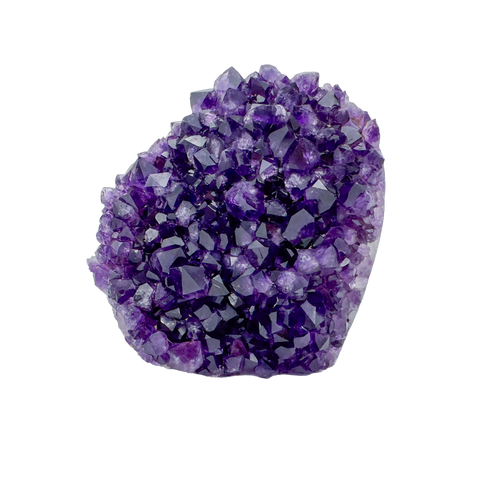
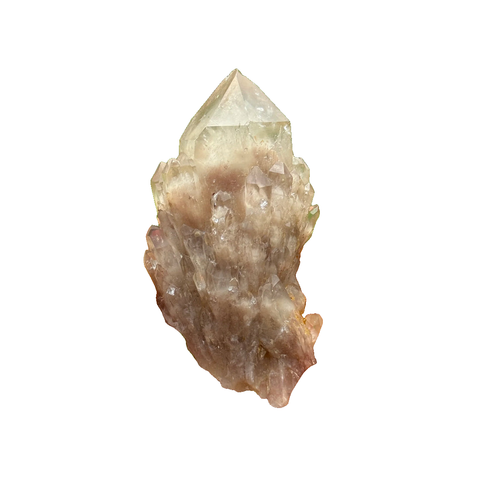
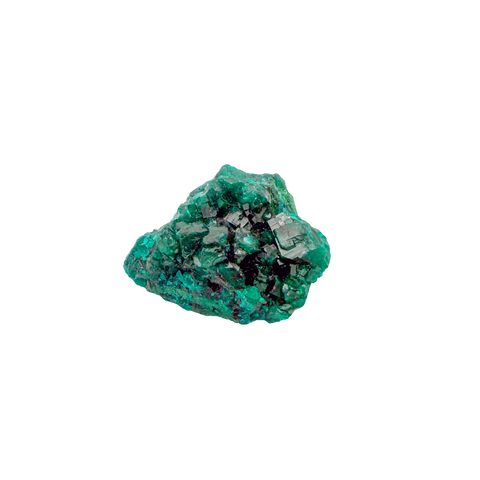
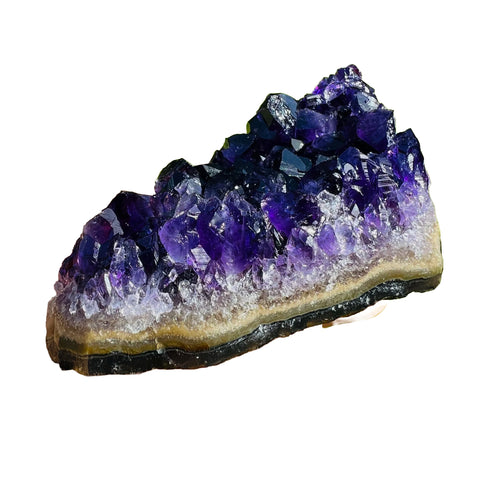
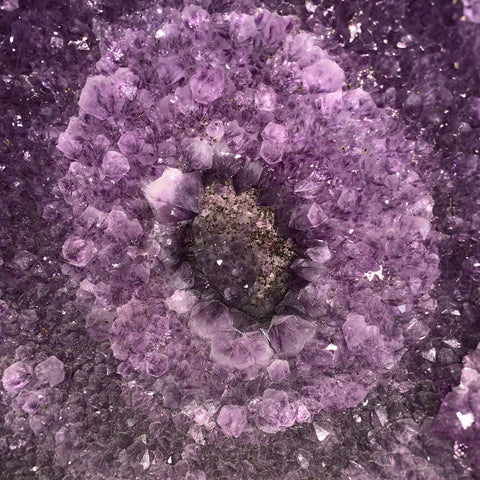
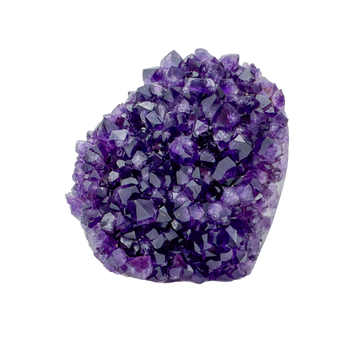
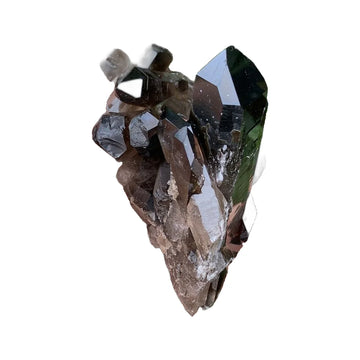
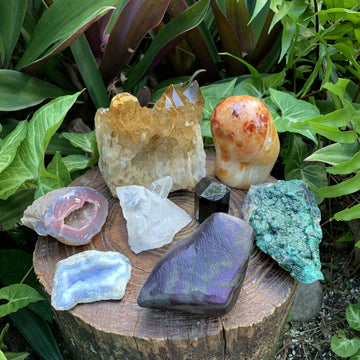
A cluster grew this way underground. Nature did the shaping.

A sphere is cut from a block, then ground round. All human work.

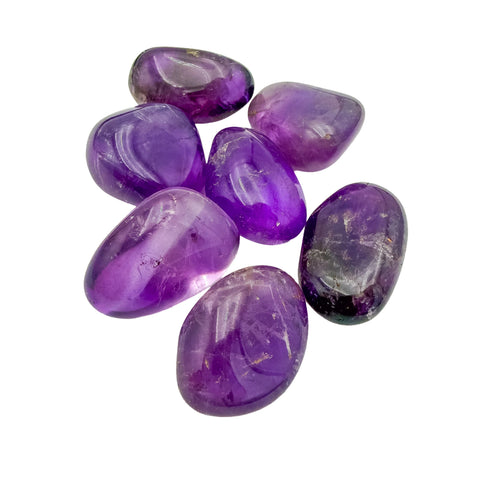
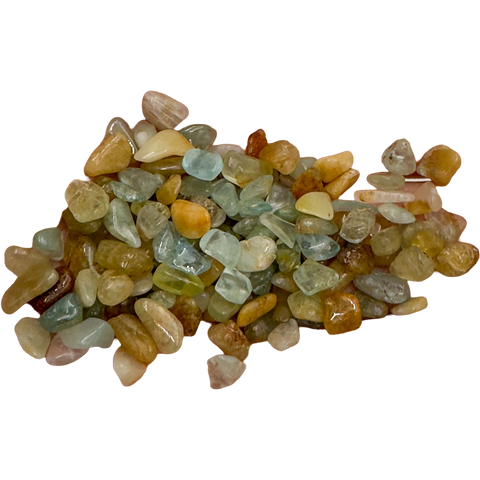
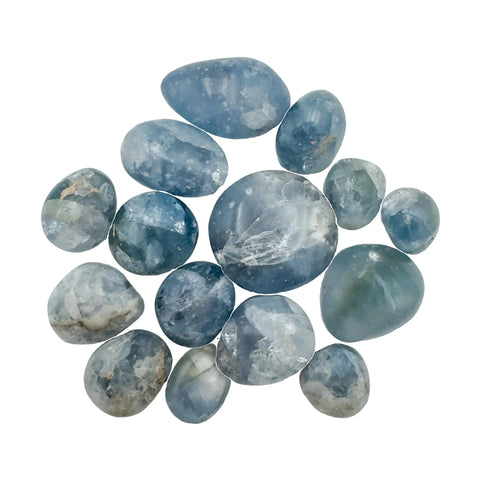
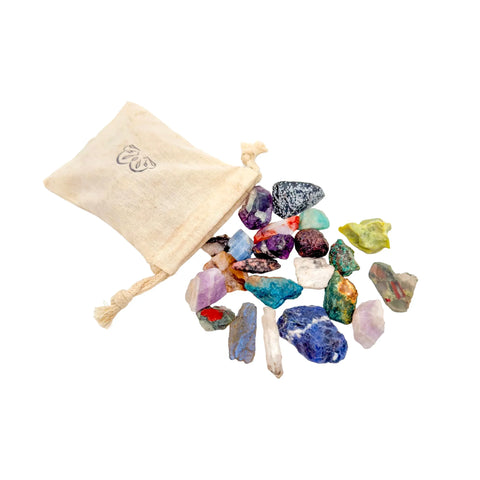
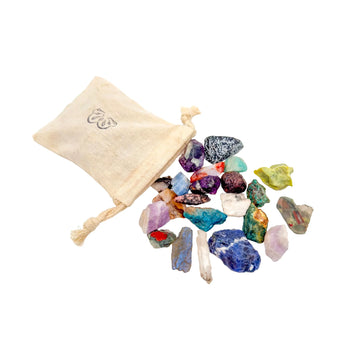
Tumbled stones are rough pieces smoothed in a machine over weeks.
Cluster, Geode, Druzy, Point, and Raw
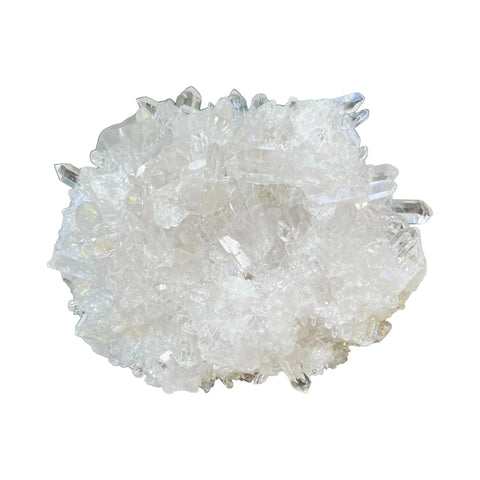
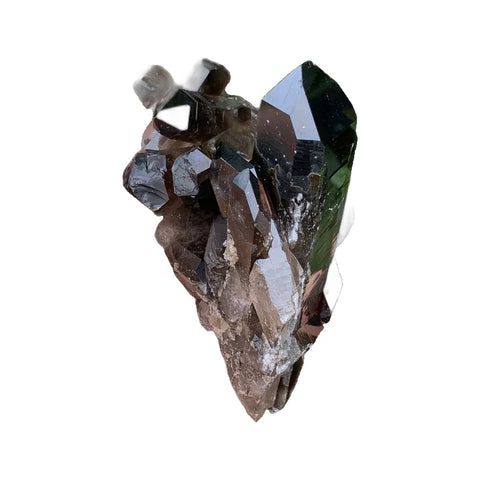
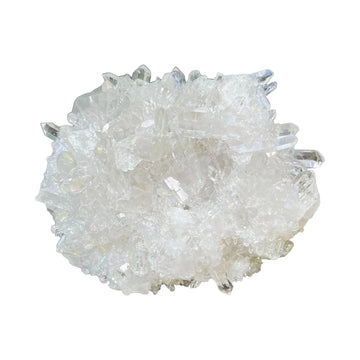
A cluster is a group of crystals that grew together on a shared base, their terminations pointing in many directions. Leave that base intact and you have a cluster, sold roughly as it came out of the pocket.
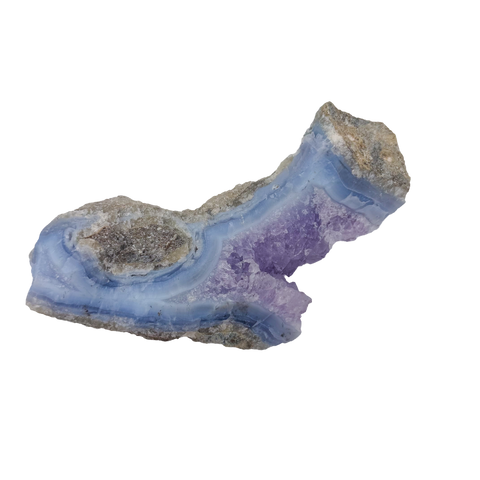
A geode is a hollow rock with crystals lining the inside. From the outside it can look like a plain stone, which is why geodes are usually cut or cracked open to reveal the crystal-lined cavity. For how that cavity forms over time, see our guide on how geodes form.
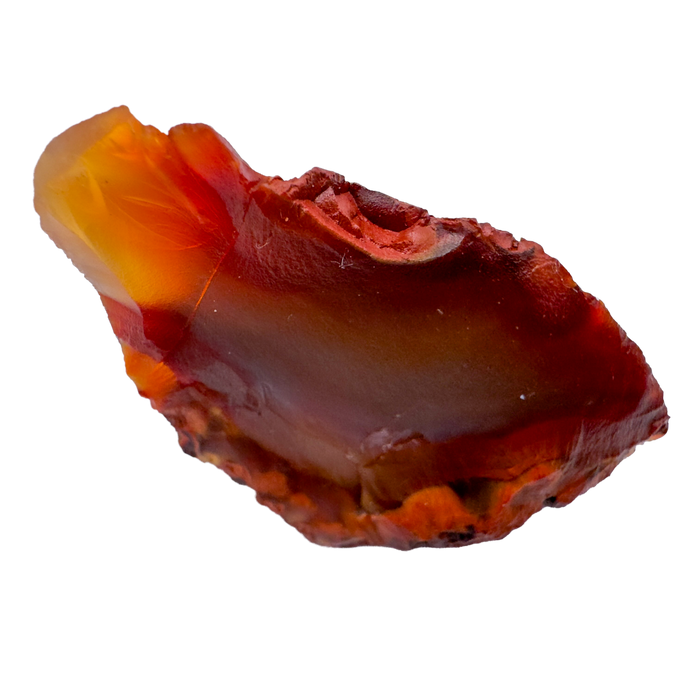
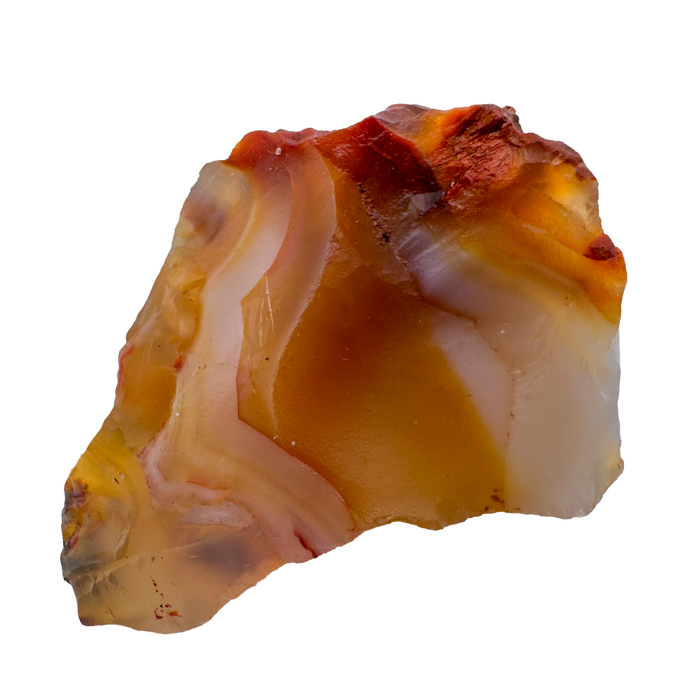
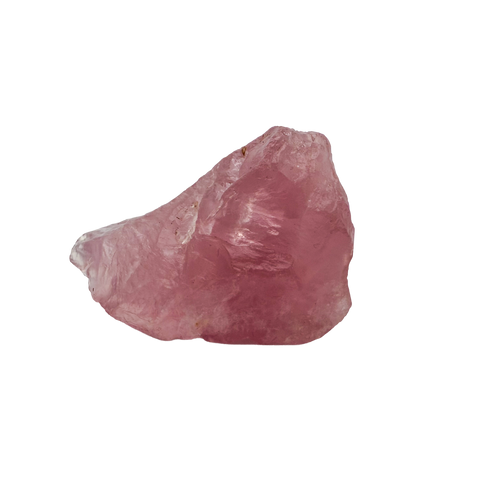
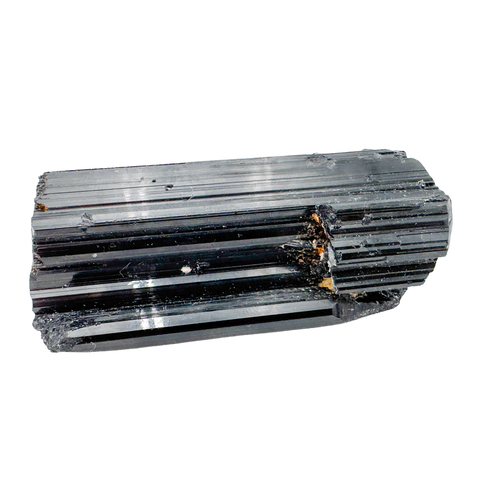
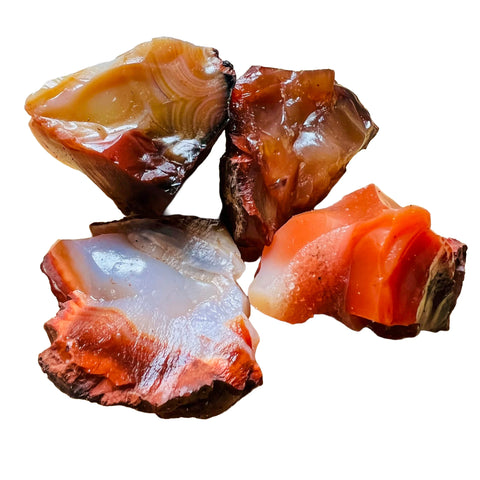
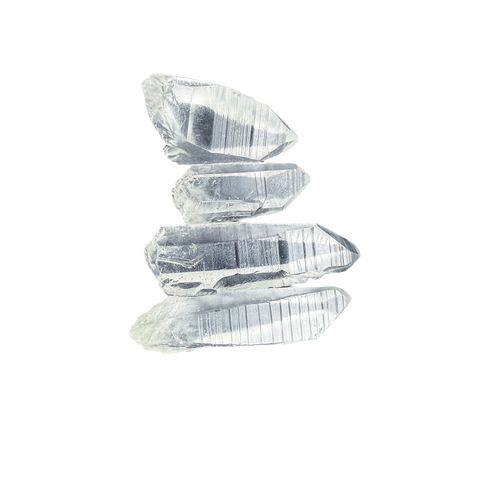
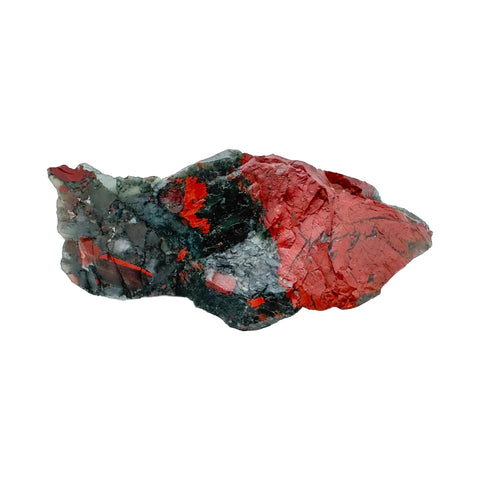
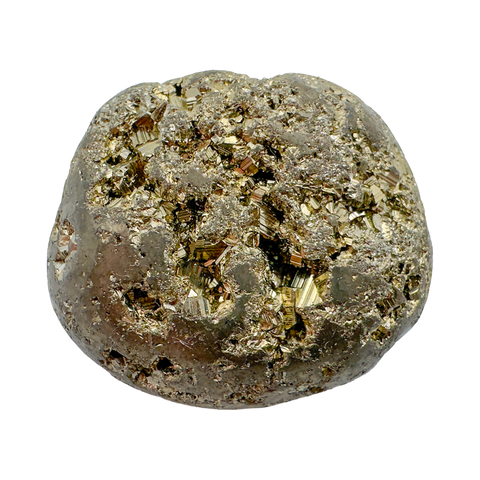
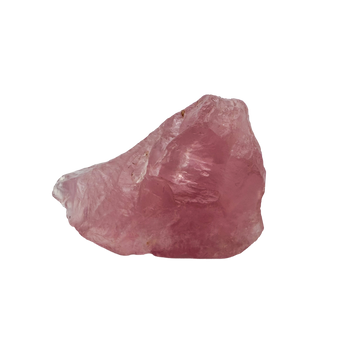
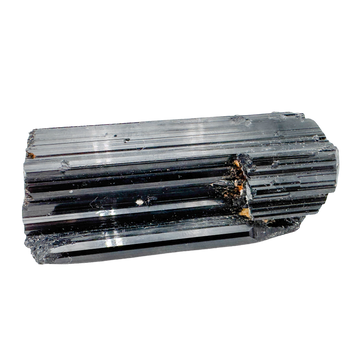
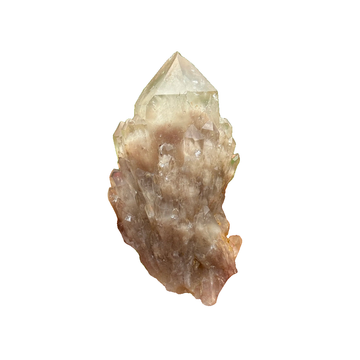
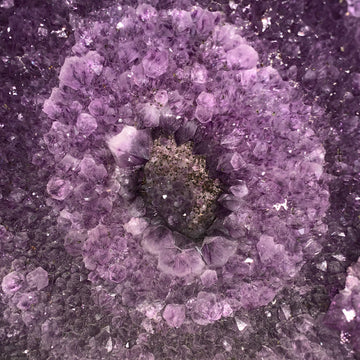
Druzy is the carpet of tiny sparkling crystals that lines a geode or coats a host rock. A point is a single crystal that tapers to a termination, and many points are natural, though the flat base is often cut so the piece can stand. Raw, or rough, simply means unpolished: mined, sorted, and sold close to its natural state.

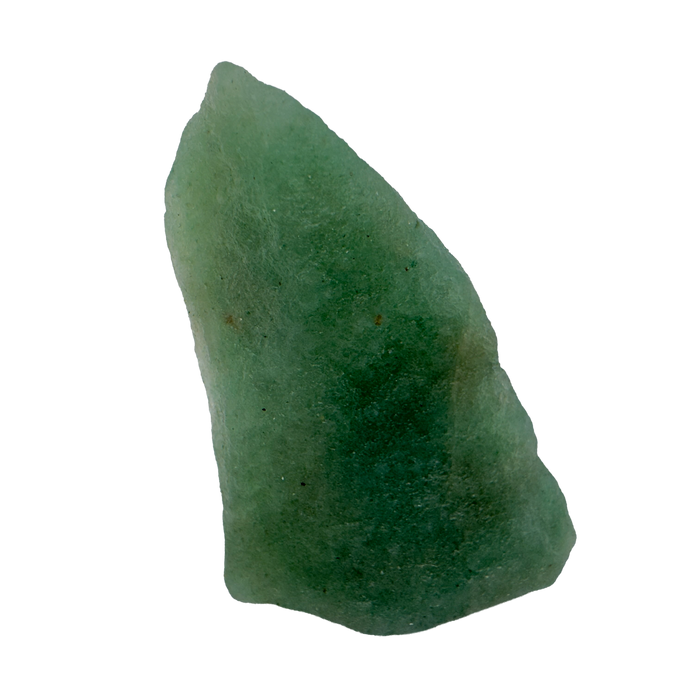
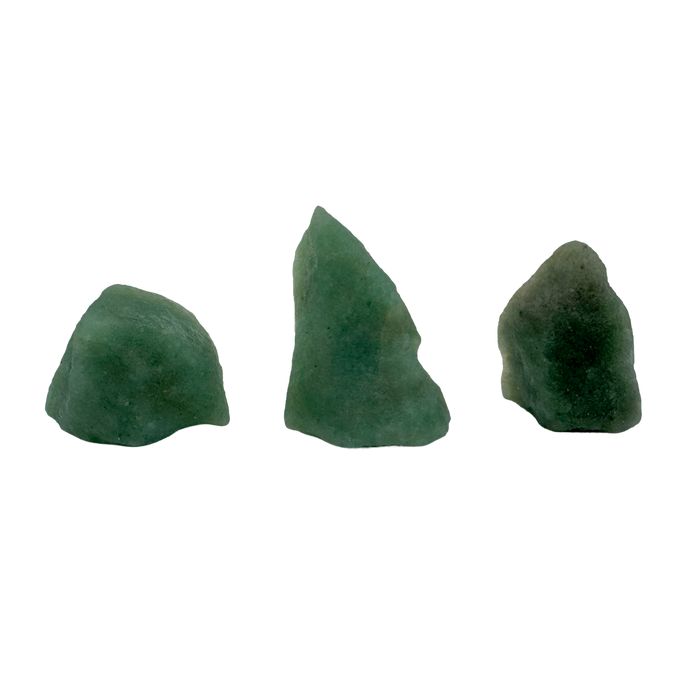
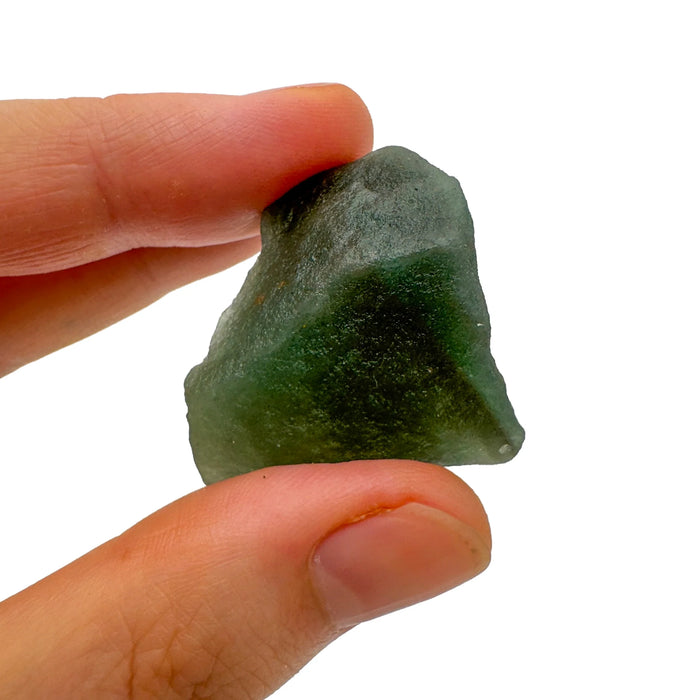
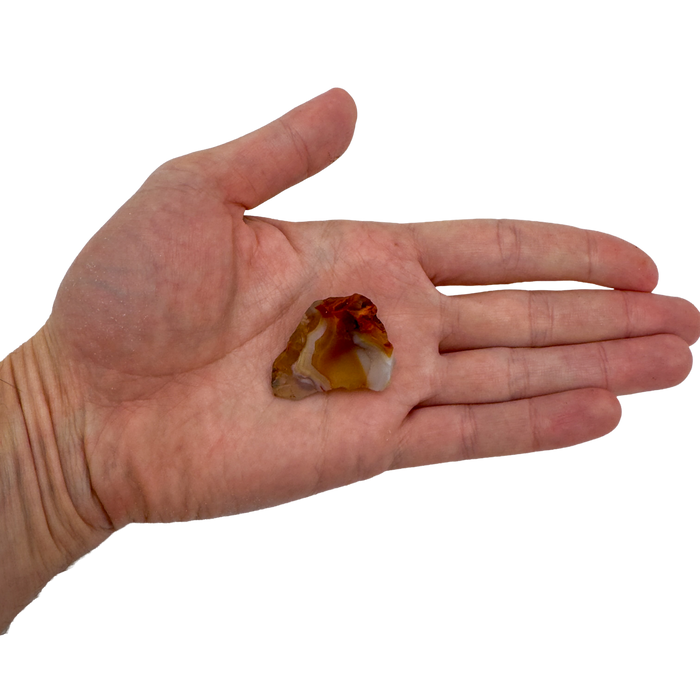
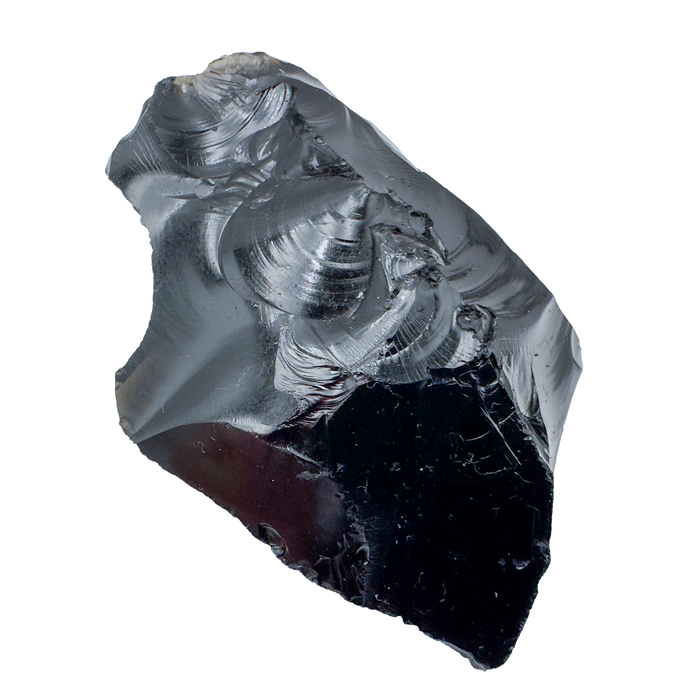
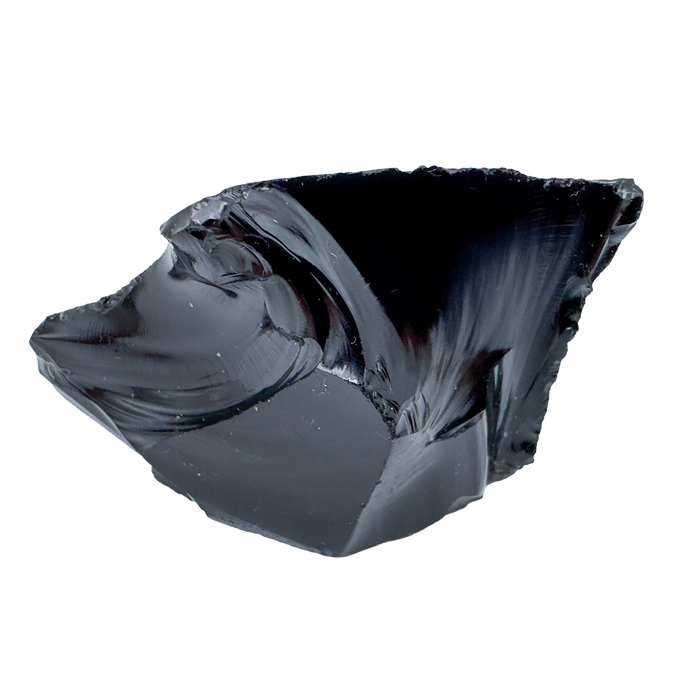
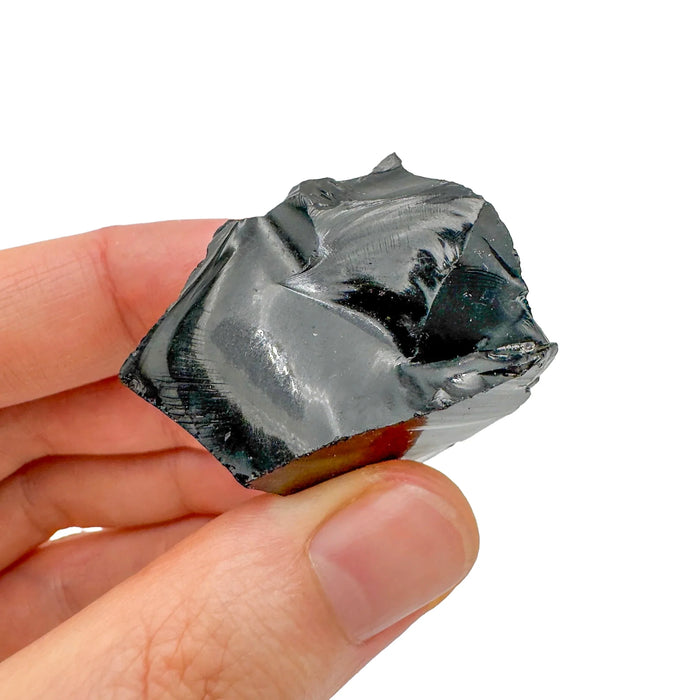
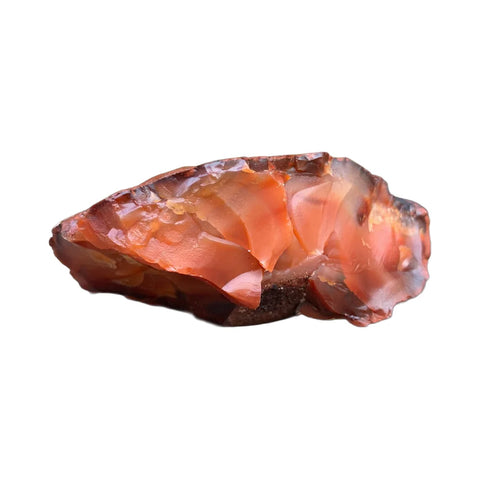
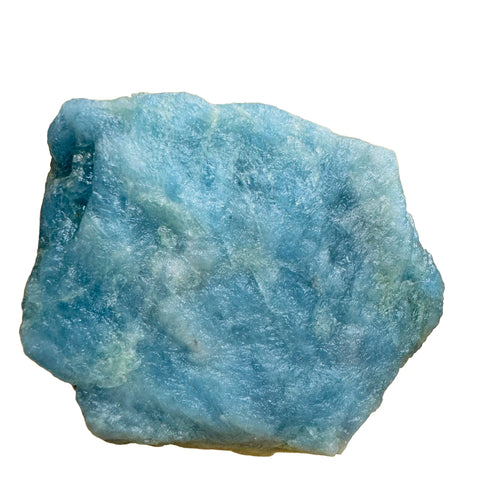
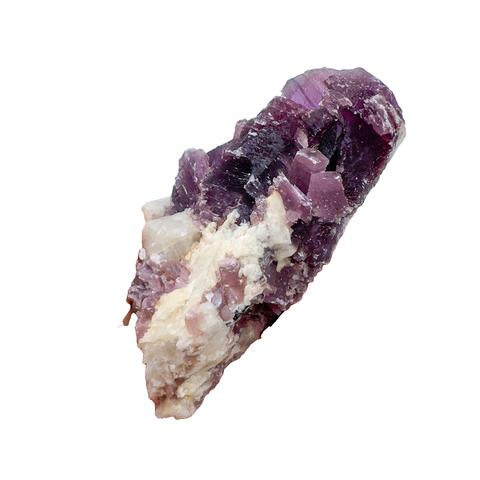
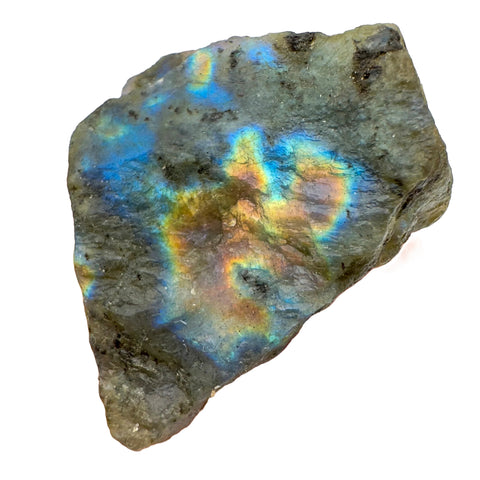
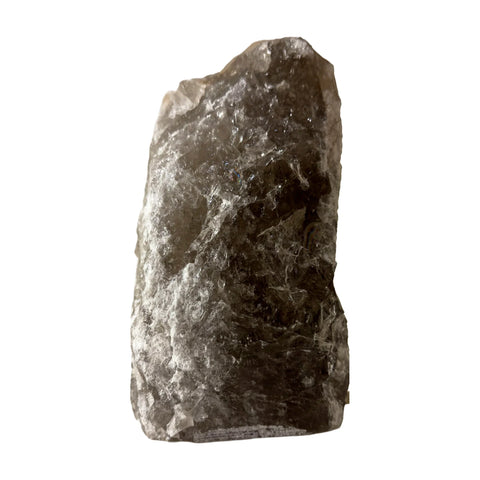
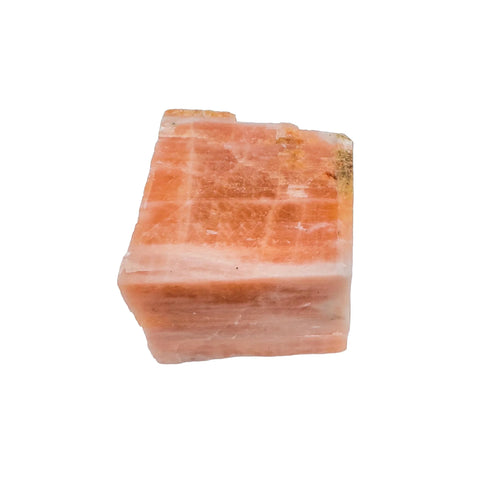
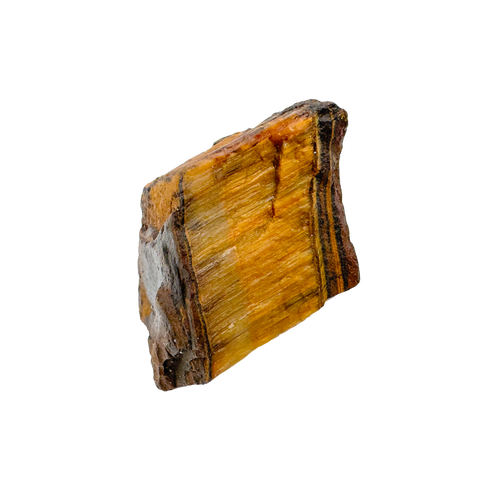
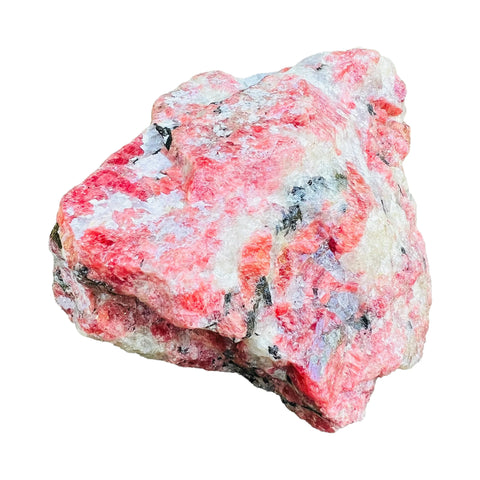
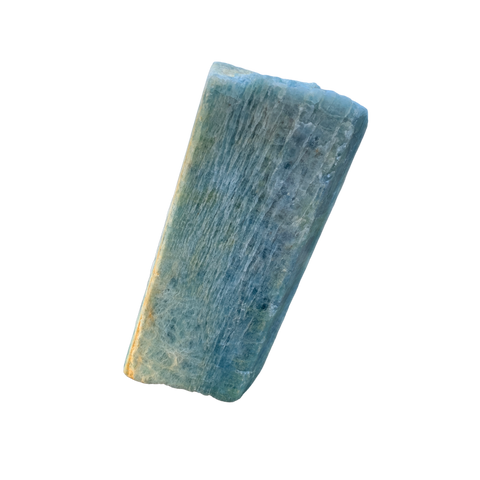
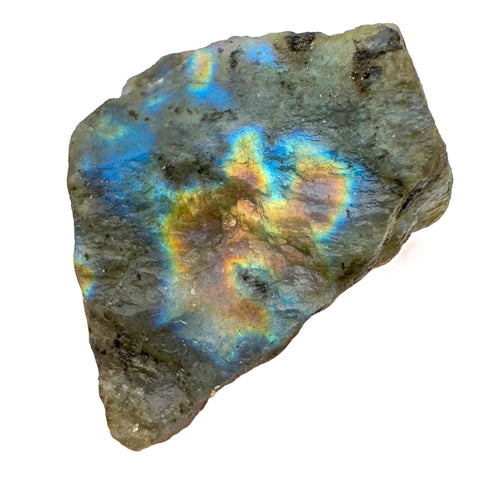
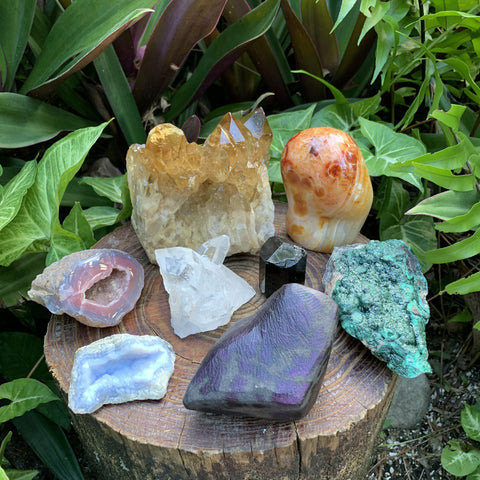
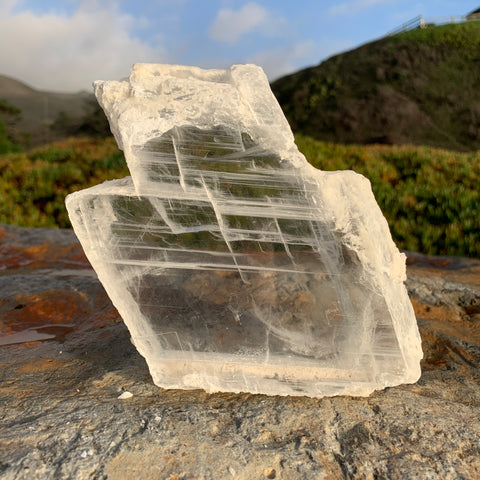
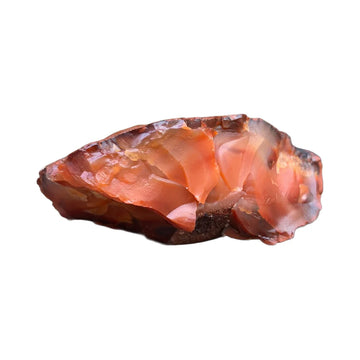
Raw pieces are sold close to how they left the ground, with the least processing of any form.
Tower, Sphere, Tumble, Palm, Heart, and Freeform

A freeform is polished to follow the stone's natural contour, so each one is unique.
A tower, sometimes called an obelisk or generator, is cut to stand upright on a flat base with a tapered top. Some towers are shaped from a natural point, and others are carved entirely from rough. Towers are usually four, six, or eight sided.
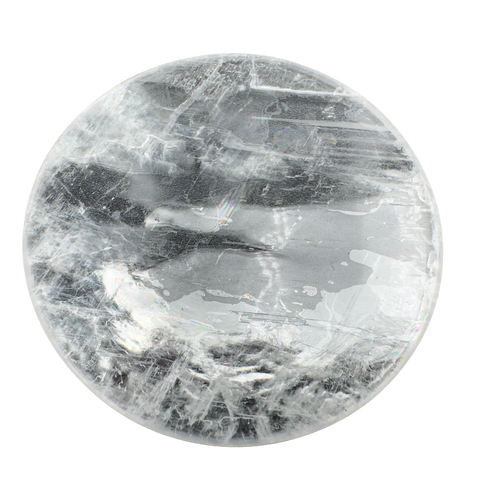
A sphere is the most labor-intensive everyday form. A maker starts with a block, knocks off the corners, then spins it against grinding heads until it is perfectly round. A tumbled stone takes the opposite approach: rough pieces ride in a rotating barrel with grit and water, smoothing over weeks into the pebble-like stones most people meet first.
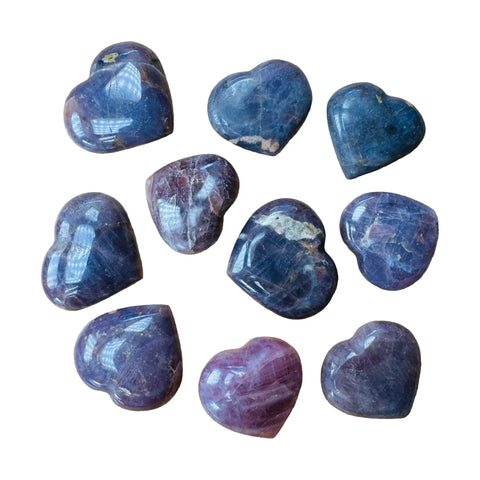
Palm stones, hearts, and freeforms are all hand-shaped and polished. A freeform follows the stone's own outline rather than a set geometry, which is why no two are quite alike.
Form by Form: What It Is, How It's Made, and What You Pay For
Here is the whole vocabulary in one place. Each card gathers one form, so on a phone you read straight down instead of pinching across a wide table.
Raw / Rough
Grown by nature
Cluster
Grown by nature
Geode
Grown, then opened
Druzy
Grown by nature
Point
Mostly grown
Tumbled Stone
Cut and polished
Tower / Obelisk
Cut and polished
Sphere
Cut and polished
Palm, Heart, Freeform
Cut and polished
Shape sits on top of the stone, not instead of it. A clear, deep-color piece is valuable in any form, and a pale, cracked one stays inexpensive even as a sphere. For where color, clarity, and size fit in, see Crystal Grades Explained.
Why the Same Stone Costs More as a Sphere
Three things move the price when a stone is shaped: how much raw material is lost, how much skilled labor goes in, and how likely the piece is to crack along the way.
Spheres lose the most. Grinding a block down to a smooth ball can remove most of the original rough, so you pay for material that ended up as dust. Towers and carvings lose less but still take real time at the wheel. Tumbles are the bargain because they are finished in batches, many at once, with very little waste.
This is why a sphere often costs more per gram than a raw piece of the very same stone. You are buying the labor and the loss, not a better mineral.
of a sphere's rough can be ground away before it is round
of grinding and polishing, over several weeks, to finish tumbled stones
Figures from lapidary and rock-tumbling references.
Pick the Form That Fits How You'll Use It
Once you can read the forms, choosing is simple. Match the shape to your budget, your space, and how you plan to live with the piece. Some practitioners also prefer certain shapes for directing energy in their practice, which is a matter of personal tradition rather than anything measurable.
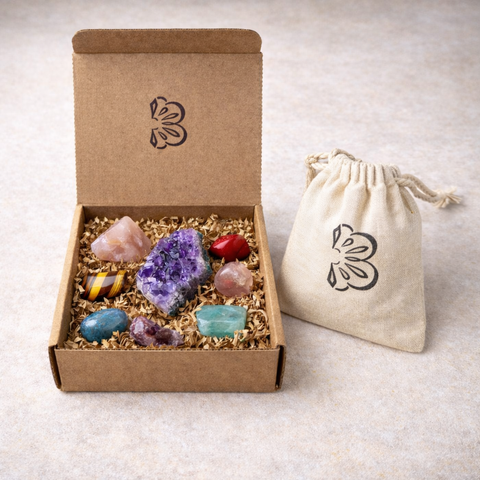
Start with tumbles or a small raw piece. They are inexpensive, hard to damage, and let you learn what you like before spending more.
Clusters, geodes, towers, and freeforms hold attention and stand on their own. Buy the size that suits the space, not the biggest you can find.
Palm stones, tumbles, and small spheres sit comfortably in the hand. Check the stone's hardness first if it will be handled daily.
"The shape decides how a crystal looks and stands. The stone decides what it is."
Related Guides
The two-stage story behind a hollow, crystal-lined rock.
Read the guideWhich stones are hard enough to tumble, carry, or get wet.
Check durabilityWhat A, AA, and AAA really mean, and what they leave out.
Read the articleThe classic stone behind so many points, clusters, and towers.
Explore quartzThe easiest, most affordable form to start a collection.
Browse tumblesMore plain-spoken guides to buying crystals well.
Back to the LibraryCrystal Shapes: Common Questions
What is the difference between a crystal point and a crystal tower?
A point is a crystal that tapers to a termination, and many points are natural, with only the base cut flat so they stand. A tower is cut and ground on more sides into a taller, even shape, usually four, six, or eight sided. In short, a point is closer to how the crystal grew, while a tower is more shaped by hand.
Are crystal towers natural or man-made?
The stone is natural, but the tower shape is made by people. Some towers are cut from a natural point, and others are carved entirely from rough material. Either way, a person ground and polished the flat base and sides so the piece stands upright.
Why are crystal spheres so expensive?
Spheres take the most work and waste the most material. A maker starts with a block and grinds away the corners until it is perfectly round, which can remove most of the original rough. You are paying for skilled labor, diamond tooling, and the stone lost as dust, which is why a sphere often costs more per gram than the same stone raw.
Is a raw crystal more powerful than a polished one?
Physically, a raw piece and a polished piece of the same stone are identical material. Practitioners differ on whether shape affects energy, and that is a matter of personal preference rather than fact. Choose raw if you like the natural look and lower price, or polished if you prefer a smooth, finished feel.
Does the shape change a crystal's quality or value?
Shape changes the price through labor and material loss, but it does not change the quality of the stone itself. A deep-color, clear piece is valuable in any form, and a pale, cracked one stays inexpensive even as a sphere. Judge the stone first, then decide which form you want it in.
What is the difference between a cluster and a geode?
A cluster is a group of crystals grown together on an open base, with the points facing outward. A geode is a hollow rock with crystals lining the inside, so the points face inward and you only see them once it is opened. A cluster shows its crystals from the start, while a geode hides them until it is cut or cracked.
Which crystal shape is best for a beginner?
Tumbled stones and small raw pieces are the easiest place to start. They cost the least, are hard to damage, and let you handle several stones before committing to a larger sphere, tower, or cluster. Spend more once you know which stones and forms you actually reach for.
Do all crystals get tumbled, or only some?
Mostly the harder ones. Stones around seven on the Mohs hardness scale tumble well, while softer stones can chip or wear down in the barrel. That is why you see quartz, agate, and jasper tumbled so often, and softer stones like selenite left raw or hand-carved instead. Our durability guide covers which stones handle what.