







Which Crystals Can Go in Water, and Which Can't
A clear, science-first guide to rinsing, soaking, and what quietly ruins a stone.
Water cleansing is everywhere in crystal care. For some stones it is harmless. For others it is the fastest way to cloud, rust, or dissolve a piece you love.

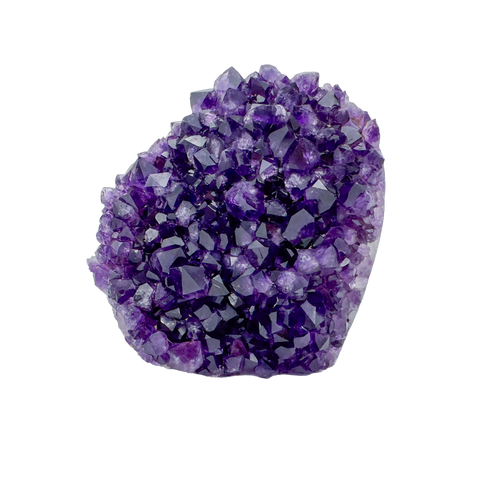
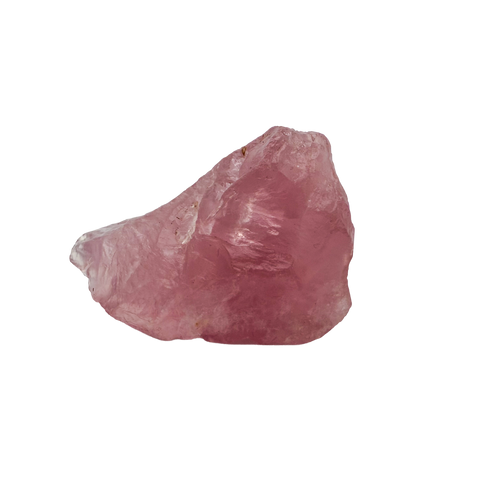
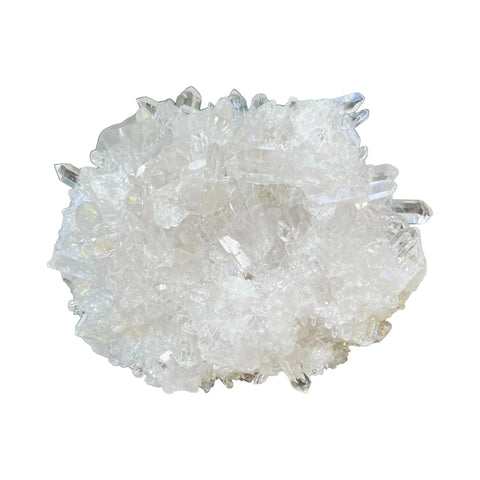
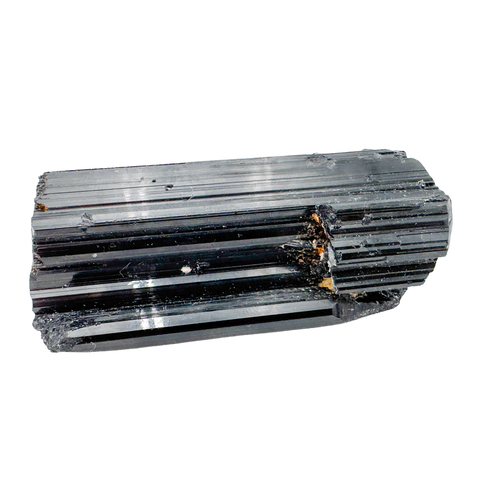
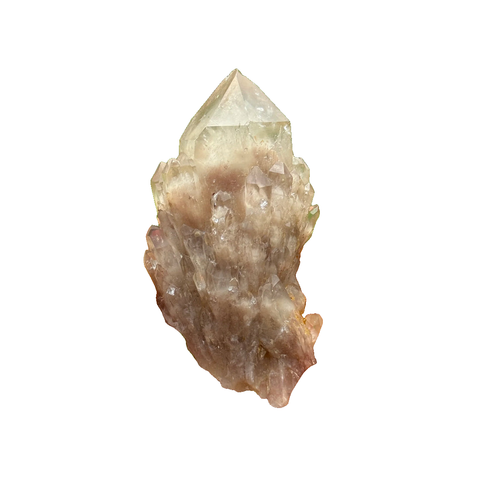
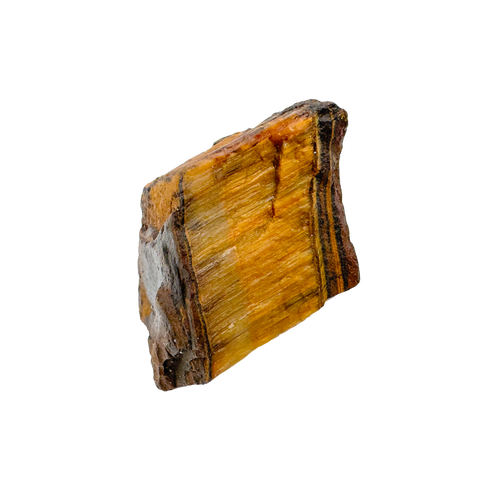
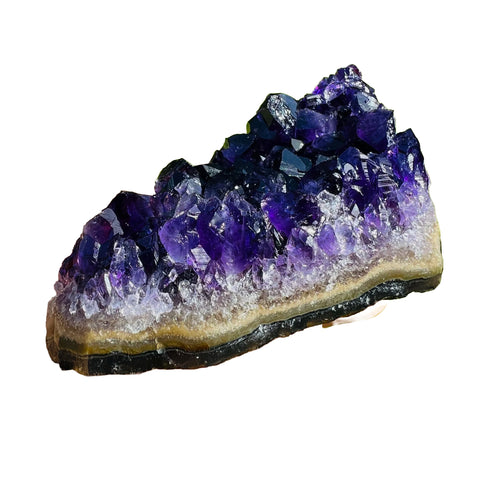
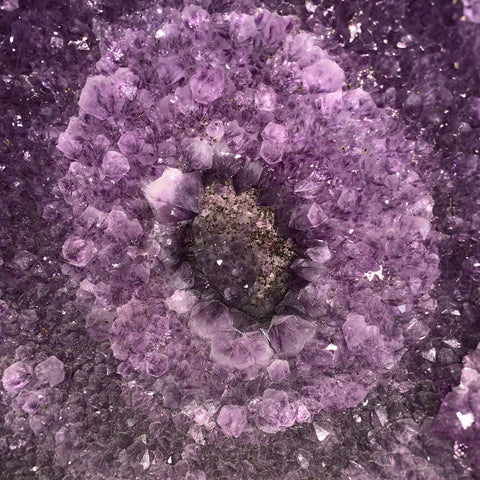
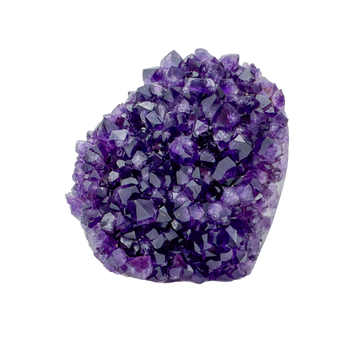
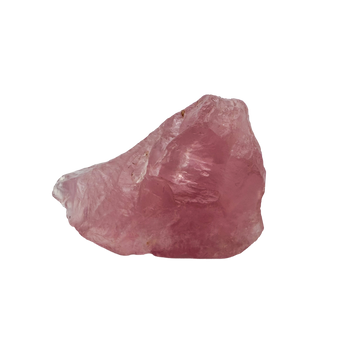
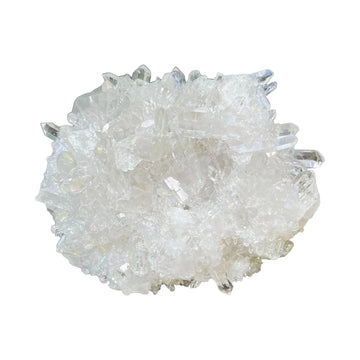
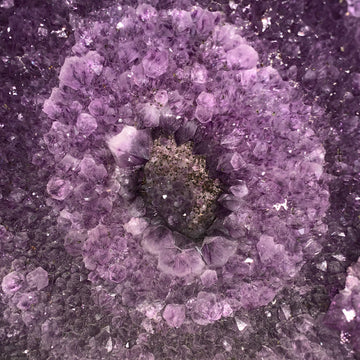
Quartz-family stones (amethyst, clear and rose quartz, agate, jasper, tiger's eye) are hard and non-porous, so a brief rinse is fine. Keep water away from soft or soluble stones like selenite and calcite, metallic stones like pyrite and hematite, and porous ones like turquoise and malachite.
Water Is Not a Universal Cleanser
Rinsing a stone under the tap, or soaking it overnight, is one of the most common pieces of crystal-care advice. For a lot of stones it does no harm. For a meaningful few, water is the single fastest way to damage them.
There are really only three ways water turns on a crystal. Knowing which one applies to a given stone is most of the battle, and it usually comes down to what the stone is made of rather than how it looks.
Soft, water-soluble minerals like selenite, halite, and calcite slowly break down in water. Soaking clouds the surface and can crumble edges and fibers.
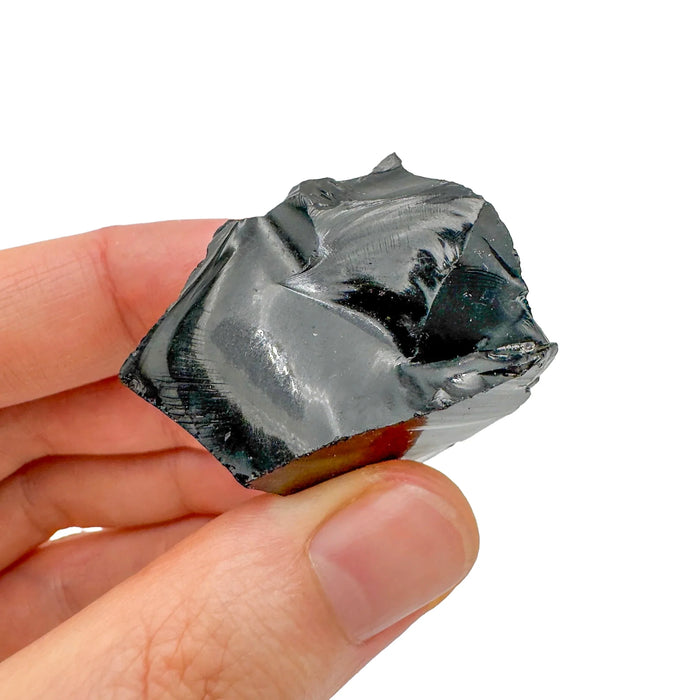
Iron-bearing and metallic stones like pyrite and hematite oxidize. Water and air leave rust-colored spots, stains, and a weakened, pitted surface.
Porous and treated stones like turquoise, lapis lazuli, and opal absorb water. They can stain, lose polish, or crack and craze as they dry out.
If your goal is energetic cleansing rather than washing off dust, water is only one option, and not the gentlest for many stones. Our guide to cleansing crystals without damaging them covers methods that work even for water-sensitive pieces.
The Hardness Rule, and Where It Breaks
The Mohs scale ranks mineral hardness from 1 (talc) to 10 (diamond). A common shortcut in crystal care is that stones at about Mohs 6 and above can handle a quick rinse, while anything below 5 should stay dry. Quartz sits at 7, which is why so much of the safe list is quartz and its relatives.
You may also hear that any stone whose name ends in "ite" cannot go in water. It is right more often than it is wrong, but it is not a real rule. Plenty of "ite" stones are soft (selenite, calcite, malachite), yet others are quartz-hard. The ending tells you nothing reliable. Go by hardness and composition, not the name.
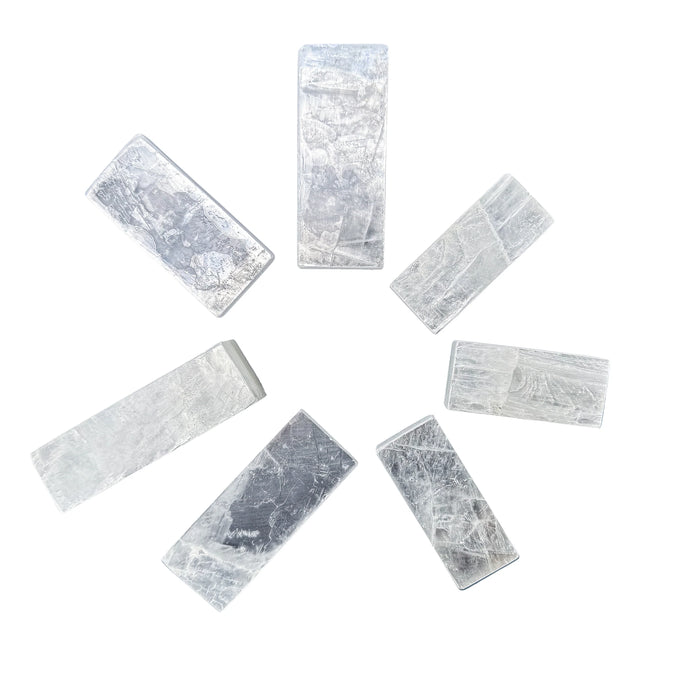
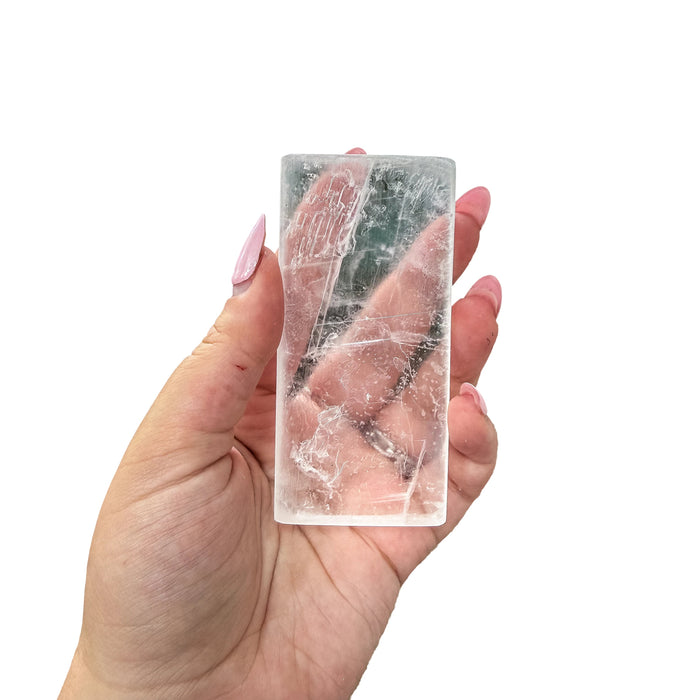
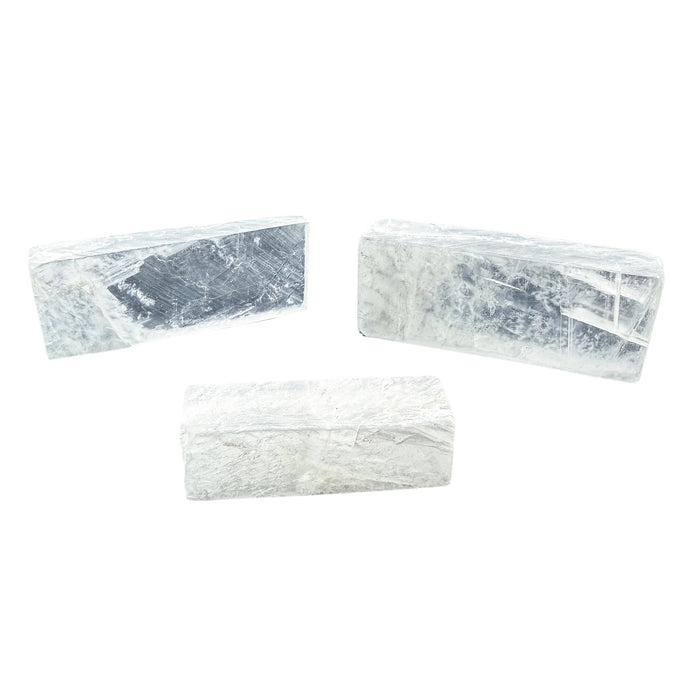
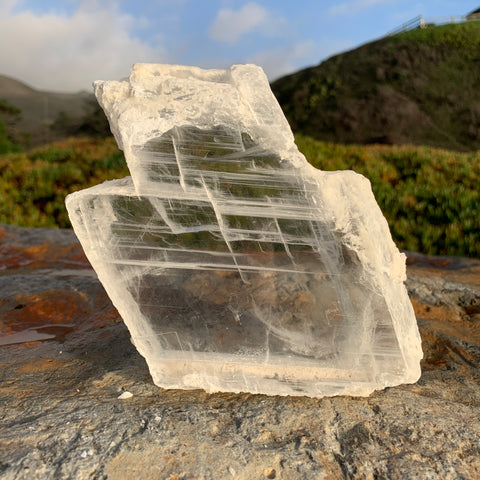
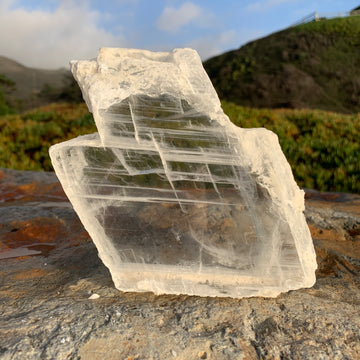
Selenite is the clearest cautionary tale. It is a form of gypsum, calcium sulfate, and one of the softest stones you will own at Mohs 2, soft enough to mark with a fingernail. Gypsum is mildly water-soluble (roughly 2 grams per liter), so a soak slowly dissolves the surface, leaves a chalky film, and splits the fibers apart.

Selenite is gypsum, Mohs 2. Soaking clouds it and breaks down the fibers.
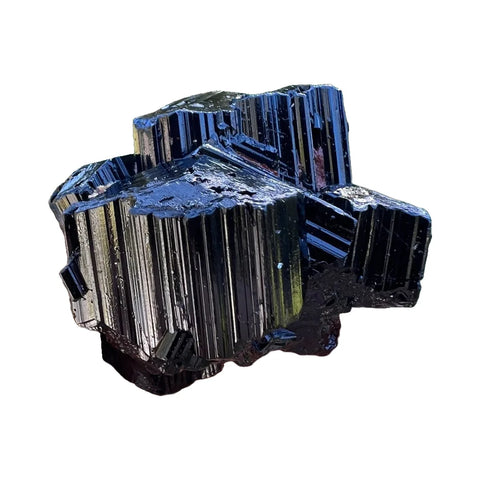
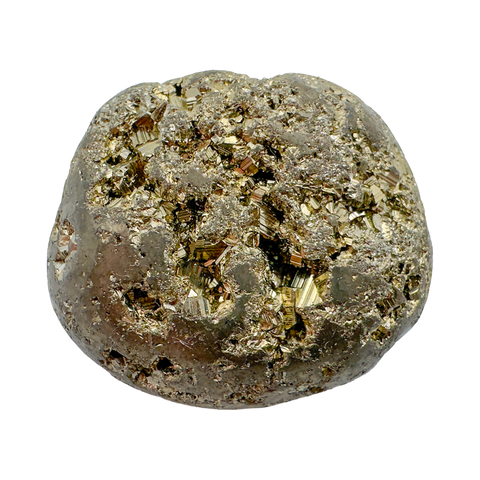
Here is where hardness alone fails you. Pyrite is about Mohs 6.5, hard enough to pass the rule, yet it is one of the worst stones to get wet. The danger is not softness, it is chemistry: pyrite is iron sulfide, and water plus oxygen makes it rust.

Pyrite is Mohs 6.5 yet rusts. Hardness is only half the test.
When pyrite meets moisture and air it oxidizes, producing iron oxide (rust), iron sulfate, and even traces of sulfuric acid. Collectors call the slow crumbling that follows pyrite decay, or pyrite disease. A stone can be perfectly hard and still react with water, which is why composition matters as much as the Mohs number.
The Water Test, Stone by Stone
Use this as a quick triage. The verdict combines hardness with composition, since a stone can fail on either. When a stone sits on the edge, the safe move is a quick rinse and a soft-cloth dry rather than a soak.
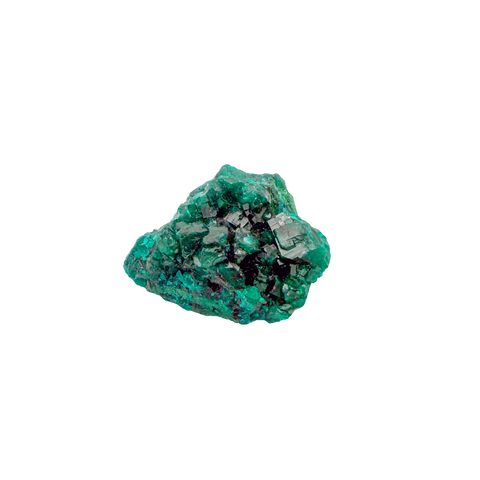
Malachite is a good example of a stone that looks sturdy but is not water-friendly. It is a soft copper carbonate at Mohs 3.5 to 4, and in water, especially slightly acidic water, it can react and release copper. That reactivity is exactly why malachite is kept out of soaks and never used in crystal-infused water.

Malachite is a soft copper mineral. Water can react with it and leach copper.
Quartz family
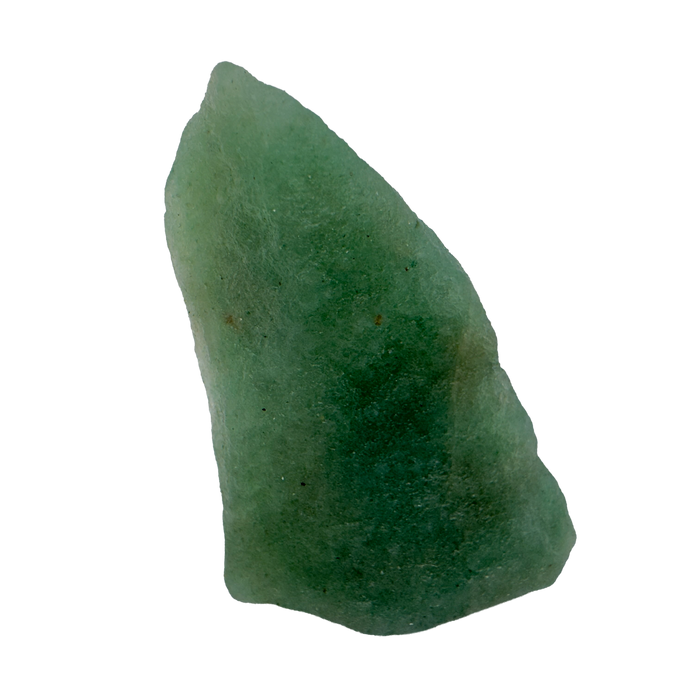
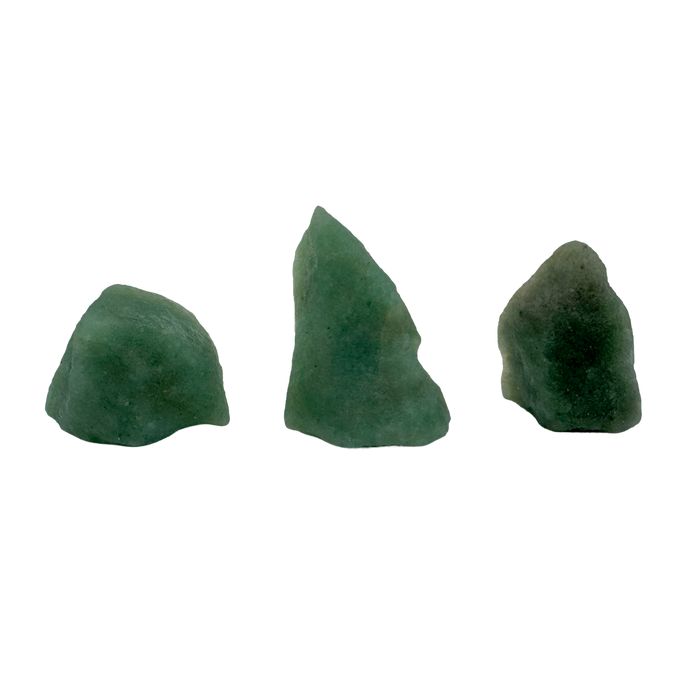
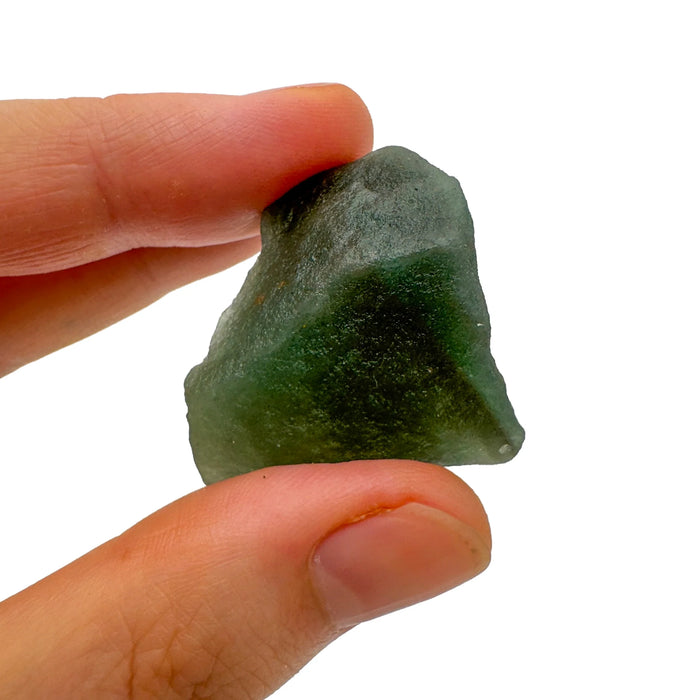
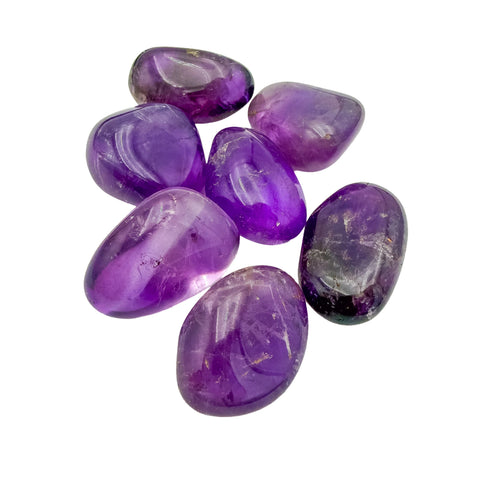
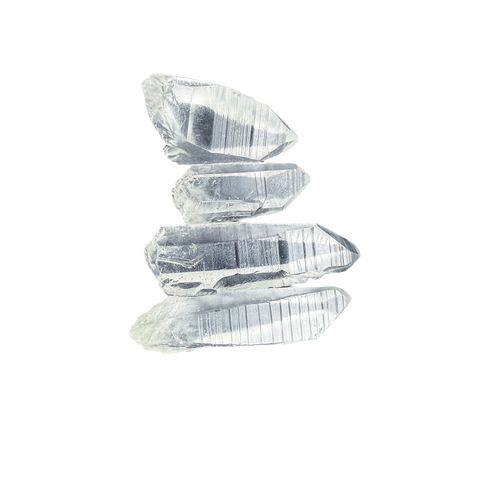
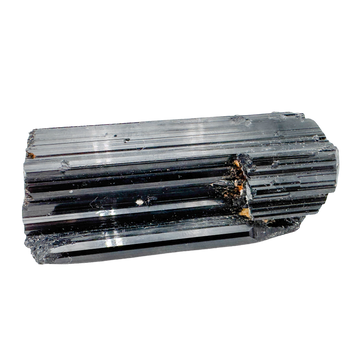
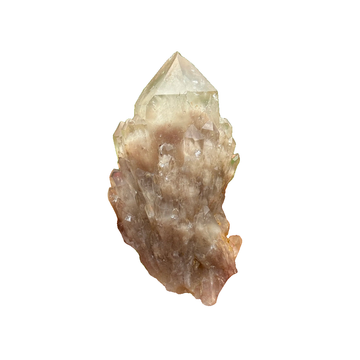
Amethyst, clear & rose quartz, agate, jasper
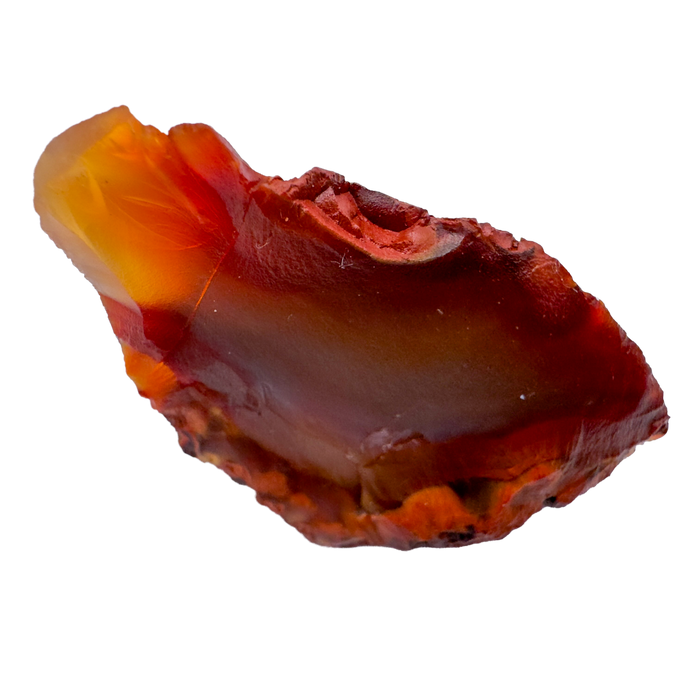
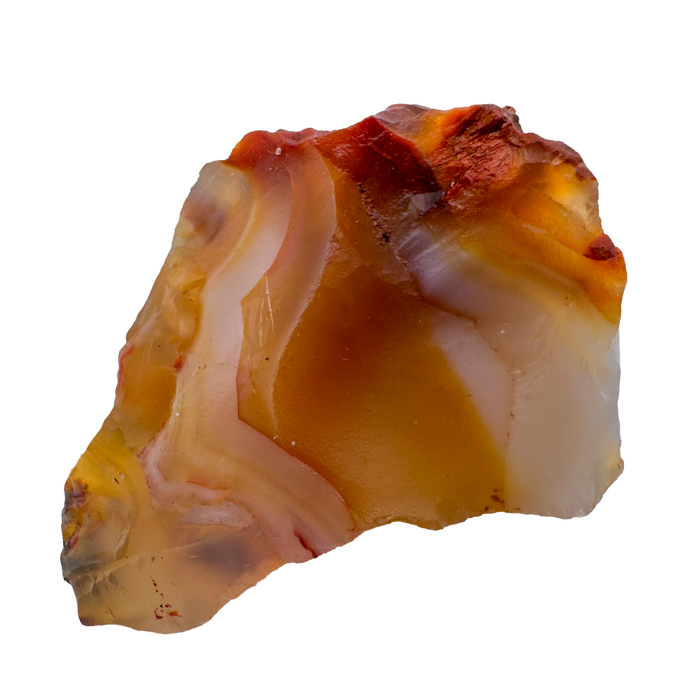
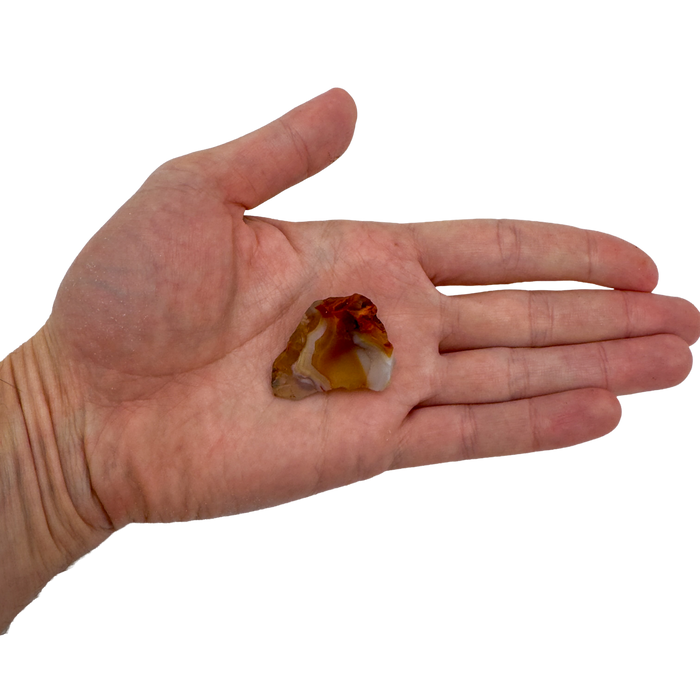
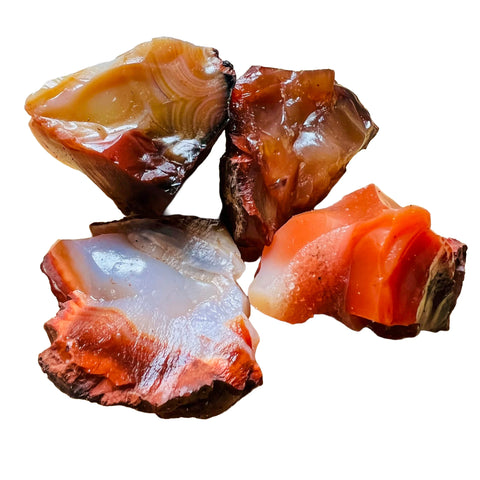
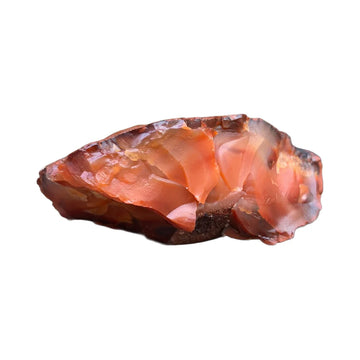
Tiger's Eye, Carnelian
Quartz family
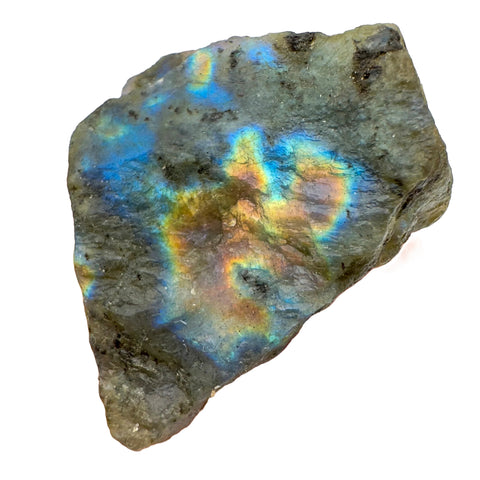
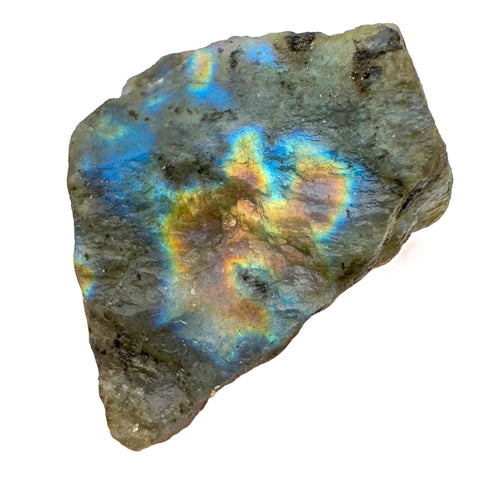
Labradorite, Moonstone
Feldspar
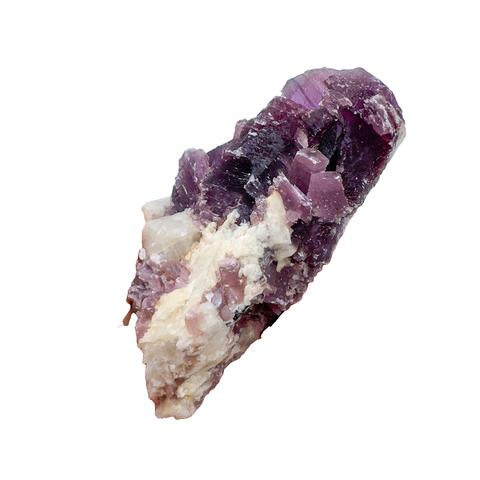
Selenite, Satin Spar
Gypsum
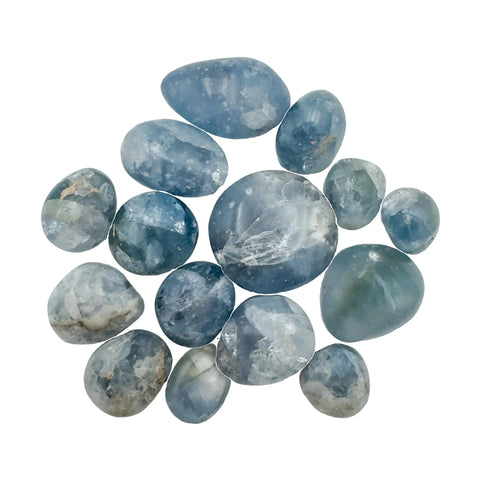
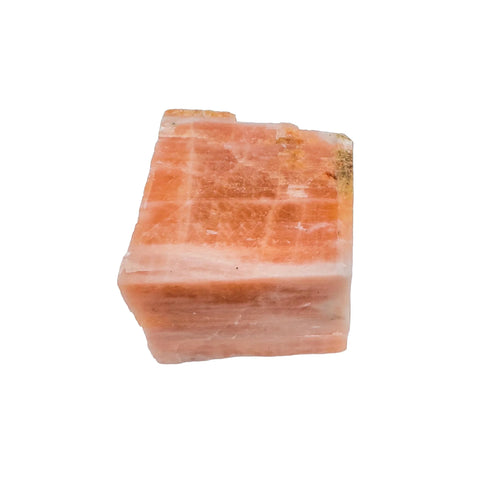
Calcite, Angelite
Soft carbonate or sulfate
Malachite, Azurite
Copper minerals
Pyrite, Hematite (raw)
Iron-bearing
Turquoise, Lapis Lazuli, Opal
Porous or treated
Quartz and Its Relatives
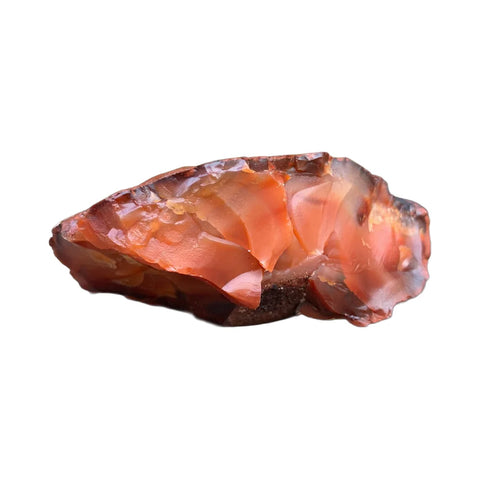
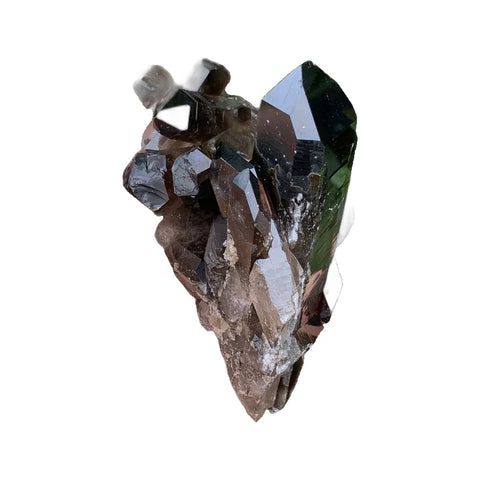
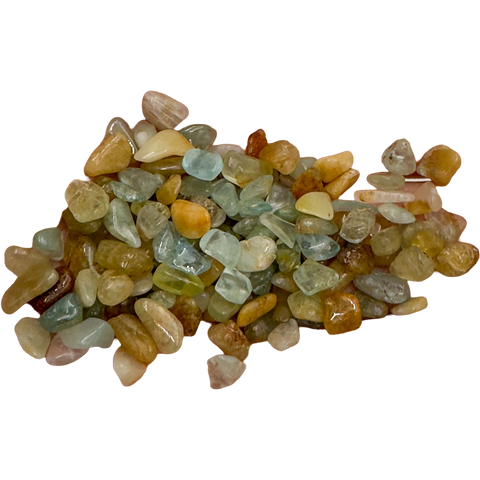
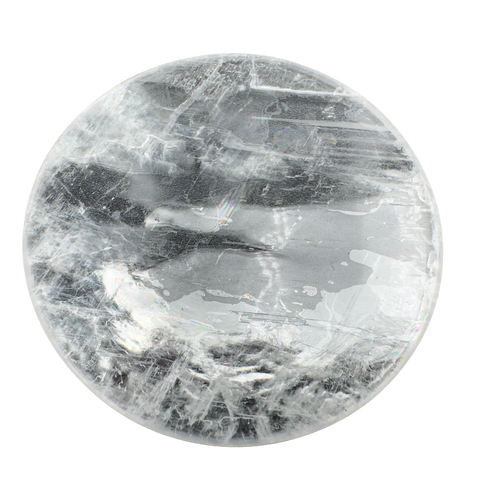
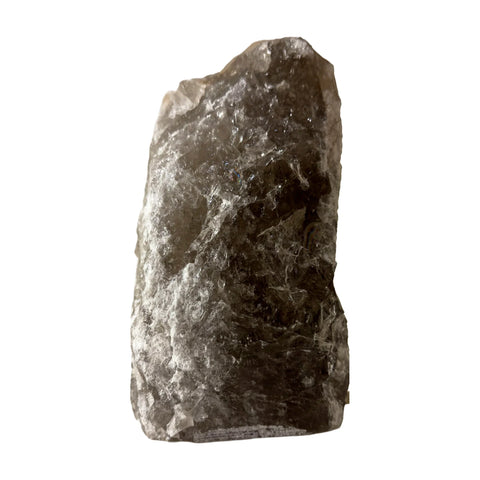
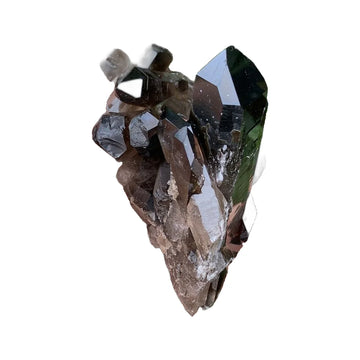
The reliably water-safe stones nearly all belong to one family. Quartz is Mohs 7, non-porous, and chemically stable, so clear quartz, amethyst, citrine, smoky quartz, and rose quartz all take a brief rinse without complaint. The same is true of the microcrystalline quartzes: agate, jasper, carnelian, onyx, and tiger's eye.
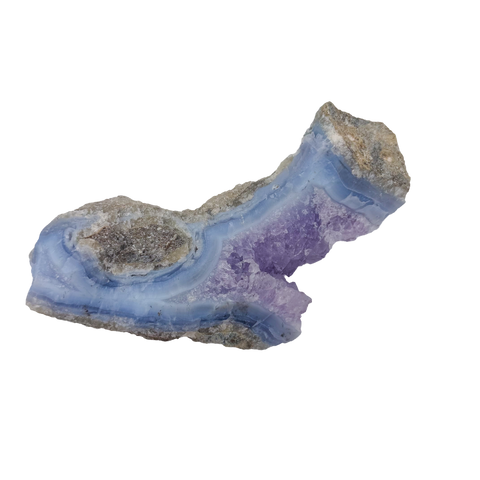
Even within the safe list, a few habits protect your stones. Polished and tumbled pieces handle water better than raw clusters, where moisture can seep into cracks and into the glue and matrix that hold a cluster together. And a quick rinse always beats a long soak.

Agate is microcrystalline quartz, Mohs 7. A brief rinse is no problem.
Even quartz dislikes a long bath. A quick rinse and a soft-cloth dry does the job without testing the stone.
Fractures, dyed layers, and clusters glued to a matrix let water in where it does damage. Inspect a piece before you wet it.
Salt and salt water are abrasive and corrosive. Dry salt burial is harder on stones than plain water, so keep it away from anything below Mohs 6.
If It Already Got Wet
A splash is rarely a catastrophe. What matters is how soft or reactive the stone is, and how quickly you dry it. Act fast and most accidents leave no mark at all.
Pat it with a soft cloth and let it air-dry fully. Do not leave a wet stone sitting in a dish or on a windowsill.
Over the next day, look for clouding, a chalky film, rust-colored spots, or a dulled polish. Those are the early signs of water damage.
A quick splash on quartz is nothing. A raw pyrite or selenite piece left soaking is where the real damage happens.
"When in doubt, keep it dry. A soft cloth has never ruined a crystal."
Related Guides
Water is one method, and not the gentlest. The cleansing approaches that work for water-sensitive stones.
Read the guideWhat a Mohs hardness number really means for everyday wear, cleaning, and care.
See the scaleThe classic stone water ruins: properties, meaning, sourcing, and how to care for it.
Explore seleniteWhy this golden stone rusts, where it comes from, and how to keep it bright.
Explore pyriteHand-graded, quartz-family tumbles that take a rinse in stride.
Shop tumblesMore plain-spoken guides on crystal sourcing, care, and value.
Back to the LibraryFrequently Asked Questions
Can selenite go in water?
No. Selenite is gypsum, one of the softest stones at Mohs 2, and it slowly dissolves in water (around 2 grams per liter). Soaking clouds the surface, leaves a chalky film, and breaks down the fibers. A wipe with a barely damp cloth is the most it should ever see.
Which crystals are safe to put in water?
Quartz-family stones are the safe baseline: clear quartz, amethyst, citrine, smoky quartz, rose quartz, agate, jasper, carnelian, and tiger's eye. They sit at Mohs 6.5 to 7, are non-porous, and tolerate a brief rinse. Keep even these out of long soaks and salt water.
Is it true that crystals ending in "ite" can't go in water?
It is a rough rule of thumb, not a real one. Some "ite" stones are soft or soluble (selenite, calcite, malachite), but plenty of others are quartz-hard. The name tells you nothing reliable. Check the stone's Mohs hardness and what it is made of instead.
Does the Mohs hardness number tell me if a crystal is water-safe?
It helps, but it is only half the test. A common guide is that stones at Mohs 6 and above tolerate a quick rinse. Pyrite breaks that rule: it is about 6.5 yet still rusts in water, because the risk is its iron content, not its hardness. Composition matters as much as hardness.
Why can't pyrite get wet?
Pyrite is iron sulfide. With water and air it oxidizes, the same reaction that rusts iron. Over time this leaves rust-colored stains, a crumbling surface, and even traces of sulfuric acid, a process collectors call pyrite decay. Keep it dry and store it away from humidity.
Is salt water worse than regular water for crystals?
Yes. Salt is abrasive and corrosive, so salt water and dry salt burial are both harder on stones than a quick freshwater rinse. Soft, porous, and metallic stones are especially vulnerable. If you cleanse with salt, keep it well away from anything below Mohs 6.
Can I make crystal-infused water to drink?
Only with stones confirmed to be safe, inert, and untreated, like clear quartz or amethyst. Many popular stones are soft, metallic, dyed, or contain metals (malachite can release copper), so practitioners use the indirect method: placing the stone in a sealed glass set inside the water rather than in the water itself.
My crystal got wet by accident. Is it ruined?
Probably not, if you act quickly. Pat it dry with a soft cloth and let it air-dry completely, then watch for clouding, a chalky film, rust spots, or lost shine over the next day. A brief splash on quartz is harmless. A raw pyrite or selenite piece left soaking is where real damage happens.