







How to Spot Dyed Crystals: A Buyer's Guide
Many crystals are dyed to enhance color or create colors that don't naturally occur. Some dyeing is industry-standard and transparent; other dyeing is deceptive. Learning to identify dyed crystals and understanding which dyeing is ethical helps you make informed purchases and avoid overpaying for artificially colored stones.
Which Crystals Are Most Commonly Dyed?
Not all crystals are dyed equally. Some stones have a high percentage of dyed material on the market, while others are rarely treated this way:
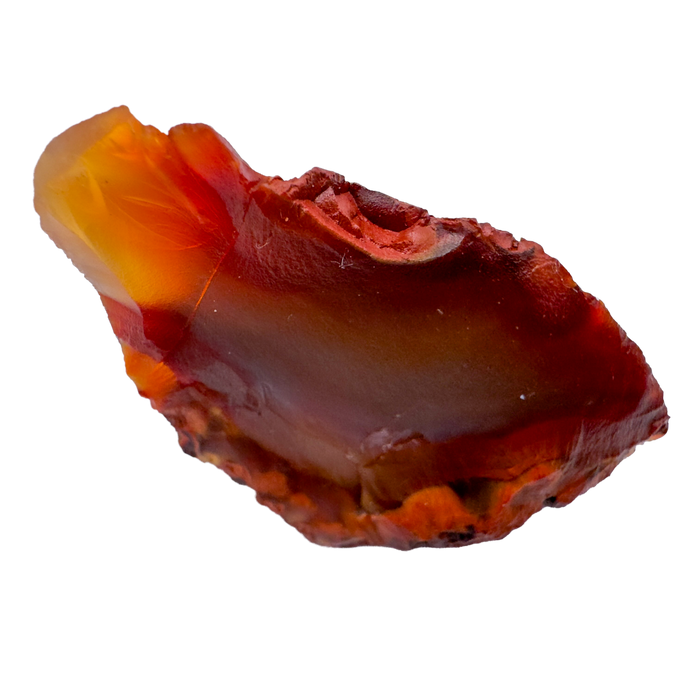
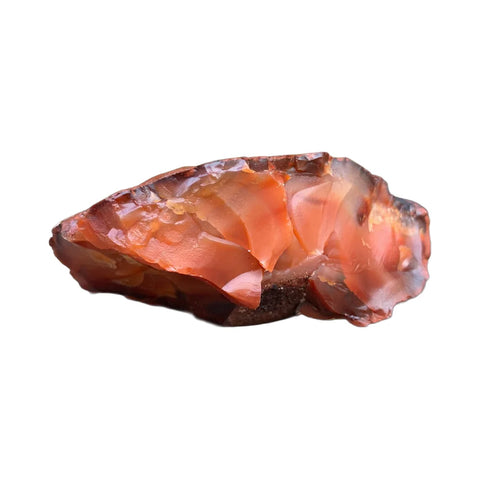
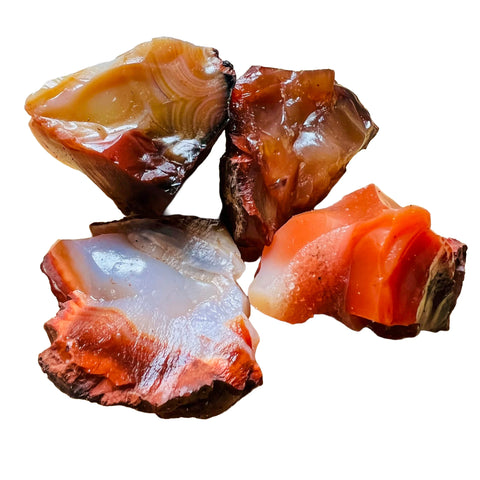
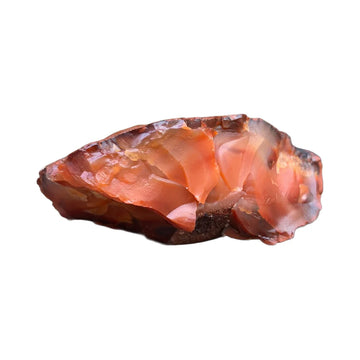
- Agate (20-60% of market): One of the most commonly dyed crystals. Nearly all vivid red, orange, blue, and green agates have been dyed with aniline dyes or other colorants. Pale natural agates are dyed to more saturated colors.
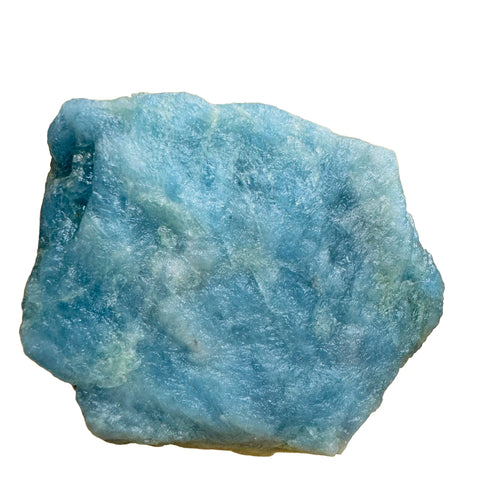
- Howlite (60%+ when sold as turquoise or lapis): White howlite is routinely dyed blue to mimic turquoise, or purple to mimic amethyst. This is a major counterfeit issue.
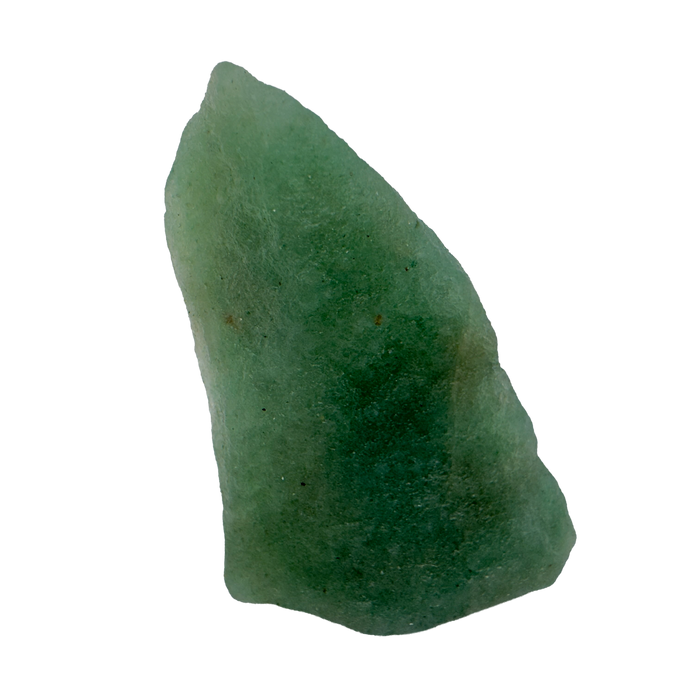
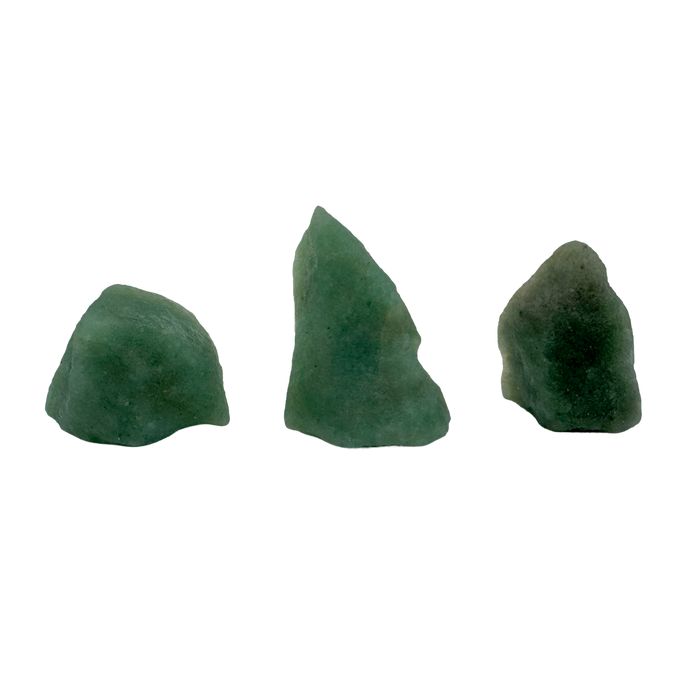
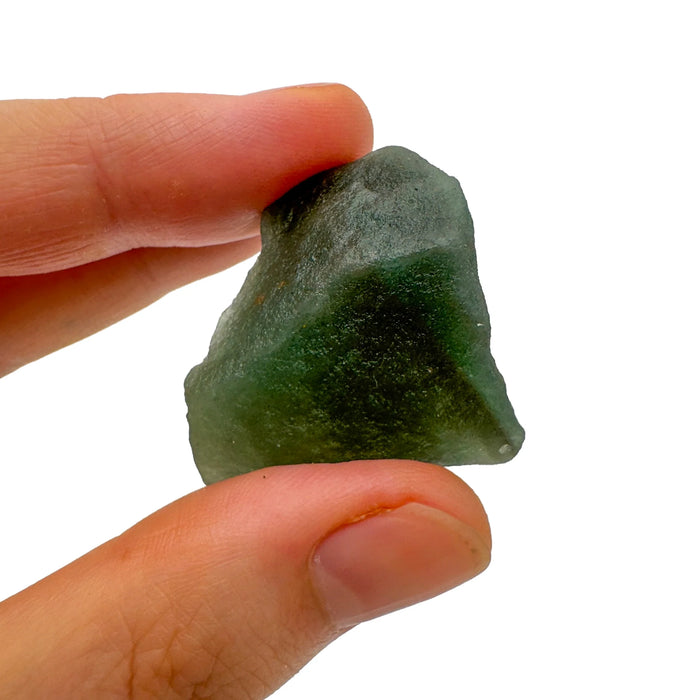
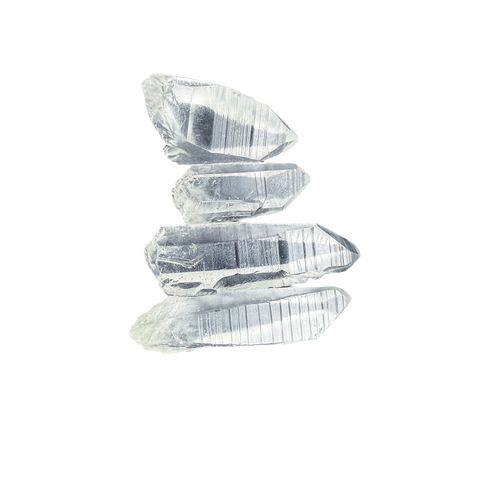
- Quartz (variable): White or pale quartz is sometimes dyed pink (fake rose quartz), green (fake aventurine), or other colors.
- Magnesite (common when sold as turquoise): White magnesite is dyed turquoise blue to fake turquoise. Less common than dyed howlite but still prevalent.
- Jasper (some varieties): Pale natural jasper may be dyed to enhance color. Red jasper is sometimes dyed to intensify the red.
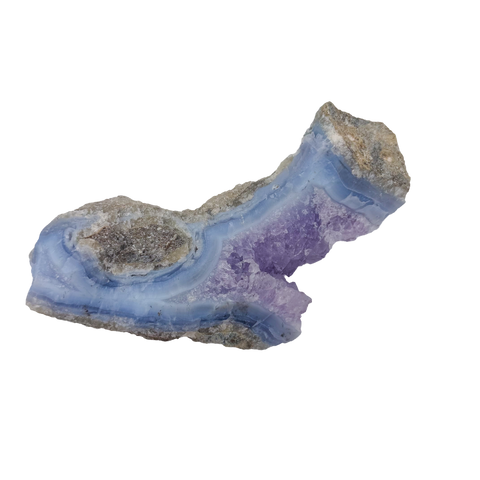
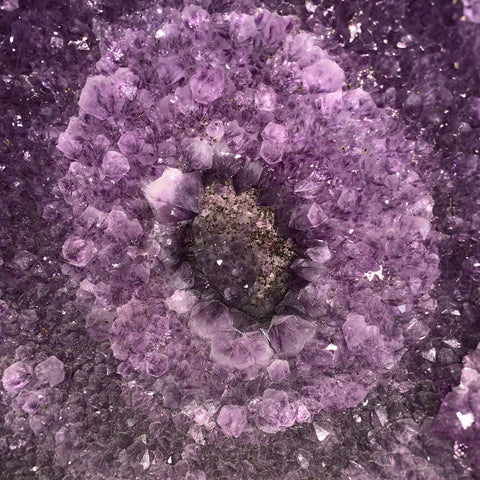
- Geodes and druzy (rare but occurring): White or pale geodes are sometimes dyed purple to mimic amethyst. Less common than with solid crystals.
Dyeing Methods and Industry Standards
Common Dyeing Techniques
Aniline dyes (synthetic organic dyes used in textiles) are the most common for crystal dyeing. These are applied by soaking porous crystals in dye solutions. The dye penetrates surface cracks and pores, staining the crystal. Other methods include acid dyes (which chemically bond more strongly to some minerals) and pigment-based dyes. Most dyes are not permanent—they fade with light exposure, heat, or moisture.
Industry-Standard Dyeing (Generally Accepted)
Dyed agate: This is so standard in the industry that "dyed agate" isn't considered deceptive if labeled. Most vivid agates you see are dyed. The dyeing is transparent and doesn't reduce value significantly if disclosed. Pale natural agate might cost $2 per gram; a comparable dyed agate costs $1.50-3 per gram. The price is similar.
Why agate dyeing is accepted: Agate's naturally pale colors (white, cream, pale brown) don't appeal to many buyers. Dyeing enhances the natural color range without claiming the stone is something else. The mineral composition remains agate.
Deceptive Dyeing (Ethically Problematic)
Dyed howlite sold as turquoise or lapis: This is deceptive because the dyed stone is being presented as a completely different mineral. Howlite is worth pennies; turquoise is worth dollars to hundreds. Selling one as the other is fraud, even if the label says "synthetic turquoise" (which is technically accurate but highly misleading).
Dyed quartz sold as specific varieties: If white quartz is dyed pink and sold as "rose quartz," that's deceptive. Rose quartz is a specific mineral variety with specific properties and value. Dyed white quartz is not rose quartz.
Visual Tells: How to Spot Dyed Crystals
1. Color Concentration in Cracks and Pores
This is the most reliable visual indicator. Dyed crystals show color concentrated in cracks, surface fractures, and porous areas. Natural color is distributed throughout the crystal structure.
What to look for: Hold the crystal under magnification or bright light. Look for color concentrated along cracks, edges, or visible pores. If the color seems to sit "on" the surface rather than being part of the crystal, it's likely dyed.
Example: A dyed blue howlite (fake turquoise) will show blue color concentrated in the white powdery areas and surface cracks. Real turquoise has color evenly distributed throughout.
2. Unnatural Uniformity
Natural stones have color variation—lighter and darker areas, subtle shifts in hue. Dyed stones often show unnaturally uniform, consistent color throughout.
What to look for: Does the color look too perfect? Too uniform? Real agates, for example, show banding patterns with natural color variation. An overly uniform vivid blue agate is likely dyed.
3. Color Too Vivid
This is subjective but useful. Some colors in nature are genuinely vivid (like some tourmalines), but many dyed colors are artificially intense.
What to look for: Compare with reference images of natural specimens. If the color is more vivid than typical natural examples, dyeing is possible.
4. Color Bleeding or Fading
Dyed crystals show color instability. The dye may be visibly wet or runny, or may fade visibly when exposed to the acetone test.
5. No Visible Internal Structure
Some natural crystals (like tourmaline) show color zoning—different colors in different zones or areas. If a crystal is uniformly one color from all angles with no zoning, natural origin is less likely.
The Acetone Test (At-Home Testing)
How the Acetone Test Works
Organic dyes (aniline dyes, most azo dyes) are soluble in acetone, the solvent found in nail polish remover. If a crystal is dyed with organic dyes, the dye will dissolve and transfer to an acetone-soaked cotton swab. Real mineral color won't transfer because it's part of the crystal's atomic structure, not a surface coating.
The test:
- Obtain pure acetone (99%+ acetone nail polish remover works; check that it's not diluted with water)
- Dampen a white cotton swab or cotton ball with acetone
- Gently rub the crystal's surface or a corner for 10-15 seconds
- Check if any color transfers to the swab
Results: If color transfers to the swab, the crystal is dyed. If no color transfers, the crystal is natural (or stably dyed with acid dyes that don't respond to acetone).
Important notes: Test a hidden area first, as acetone may affect some stabilizers used on crystals. Some acid dyes (used less commonly) won't respond to acetone, so a negative result doesn't guarantee natural origin, only that aniline dyes weren't used.
Specific Examples: Commonly Dyed Stones
Dyed Agate
What's dyed: Most vivid red, orange, bright blue, and green agates are dyed. Natural agates are more subdued in color.
How to spot: Look at banding patterns. Real banded agate shows natural color variation within bands. Dyed agate may show color concentrated in cracks between bands. Compare color intensity with reference images of natural agate.
Price check: Vivid dyed agate chunks typically cost $1-3 per gram. If a seller claims it's natural and charges significantly more, question it.
Dyed Howlite (As Turquoise or Lapis)
What's dyed: All white howlite dyed blue, purple, or other colors to mimic turquoise, lapis, or other stones.
How to spot: Look for white visible underneath blue dye. Check cracks for color concentration. Test with acetone—dye transfers readily. Ask for matrix pattern (real turquoise has natural matrix; dyed howlite shows white).
Price check: Dyed howlite costs $0.50-2 per gram. Real turquoise costs $20-100+ per gram. If price is suspiciously low, it's likely fake.
Dyed Quartz as Rose Quartz
What's dyed: White or pale quartz dyed pink to mimic rose quartz. Sometimes pale quartz is dyed green to mimic aventurine.
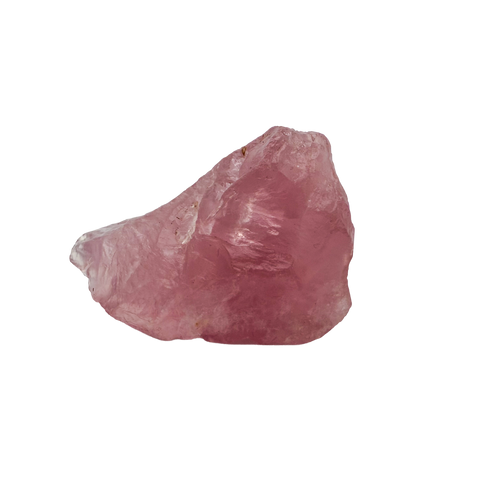
How to spot: Real rose quartz has a specific pale pink color that's relatively consistent. Dyed white quartz looks artificially pink, with color concentrated in cracks. Test with acetone if suspected.
Price warning: If "rose quartz" is very inexpensive (under $1 per gram for tumbled stones, $0.50 per gram for rough), it may be dyed white quartz.
Dyed Jasper
What's dyed: Pale natural jasper is sometimes dyed to enhance color, especially reds and oranges.
How to spot: Look for natural banding and texture in jasper. If banding appears too neat and color is unnaturally vivid, dyeing is possible. Test with acetone.
When Dyeing Is Ethical (Labeled Transparently)
Dyeing isn't inherently unethical if disclosed. The ethical issue is deception. An example of ethical dyeing:
- Seller clearly labels "dyed agate"
- Price reflects that it's dyed ($1-3 per gram, not premium prices)
- Color is enhanced but the mineral remains agate
- No false claims about natural origin
Red Flag Language
Be cautious of vague descriptions like "color-enhanced" or "treated." Ask directly: "Is this dyed?" If a seller is evasive or uses euphemisms, that's a warning sign. Ethical sellers say clearly: "This is dyed blue howlite" or "This is dyed agate."
Why Some Dyeing Is Industry Standard
Agate dyeing is widely accepted because:
- The mineral composition remains agate
- Natural agate's pale color doesn't appeal to most buyers
- The practice is transparent and labeled (usually)
- Price reflects the treatment
Howlite dyeing as turquoise is not accepted because it deceives customers about what mineral they're buying.
Questions to Ask Your Seller
- "Is this crystal dyed or naturally colored?"
- "If dyed, can you tell me what dye was used and how it was applied?"
- "How stable is the dye? Will it fade in sunlight or with water contact?"
- "What is the specific mineral composition? (e.g., 'This is dyed howlite,' not 'synthetic turquoise')"
- "Can I test this with acetone without damage?"
- "How does this price compare to undyed versions of the same mineral?"
- "Do you have undyed versions available for comparison?"
Related Crystal Guides
Shop Authentic, Transparently Labeled Crystals
We clearly disclose any dyeing or treatment and label stones by their actual mineral composition, not marketing names.
Browse Our Crystal Collection