























































From Mine to Shelf: How a Crystal Actually Reaches You
The real path is longer, and quieter, than most labels admit.
A finished crystal on a shelf looks simple. The journey behind it almost never is. Before a stone reaches you, it usually passes through a chain of hands that starts at a dig site and ends at a checkout, and most of that chain has gone quiet by the time you hold the piece.

Most crystals travel a long, multi-step path: an artisanal miner, a local buyer, an exporter, an overseas cutting center, a wholesaler, then a shop. By common trade estimates a stone can change hands ten to fifteen times, and origin detail usually fades after the first few. A genuinely shorter chain is the exception, not the norm.
The chain is longer than the label suggests
When a label reads "from Brazil" or "ethically sourced," it tends to flatten a journey with a lot of stops into a single tidy phrase. In practice, a crystal rarely moves from the ground to a shop in one step. It moves through a series of separate businesses, each buying, changing, and reselling the stone before passing it along.
By common estimates in the gem and mineral trade, a piece can pass through ten to fifteen sets of hands on the way to a retailer. Every step adds a markup, and every step adds distance from the original source. Here is the path a conventional crystal tends to follow.
The stone leaves the ground. The person who found it is usually paid the least, often at a fixed, low price.
The stone is bought cheaply and resold upward. Precise origin detail starts to blur here.
Material is combined into larger lots. Tracing a single piece to one mine usually ends at this point.
Rough becomes towers, points, spheres, and tumbles, shaped by a separate workforce in a different country.
Finished stones are sold by weight or by the flat, often at large trade shows.
The stone is priced for you. By now, the people and places behind it are often a mystery.
Not every stone hits every stage, and some routes are shorter. But the shape holds: many independent businesses, each with its own margin, standing between the dig site and your hands.
It usually begins with a hand, not a machine
Picture a crystal mine and you might imagine heavy industrial equipment. For most crystals, the reality is smaller and far more human. Reporting on the trade estimates that more than 80% of crystals come from artisanal and small-scale mining, which means individuals, families, and small groups working with simple tools, frequently outside any formal regulation.
Madagascar is one of the clearest examples. It sits alongside India, Brazil, and China as a major producer, and a large share of its rose quartz, labradorite, and other material is dug by hand. Miners at the start of the chain tend to hold the least bargaining power and are often paid rock-bottom prices, sometimes below international poverty lines, while the value multiplies further down the line.
There is a harder fact in this part of the chain too. In Madagascar's mining areas, the US Department of Labor and the International Labour Organization have estimated that around 85,000 children work in mining. This is exactly why a vague "ethically sourced" stamp, with no detail behind it, deserves a second look.

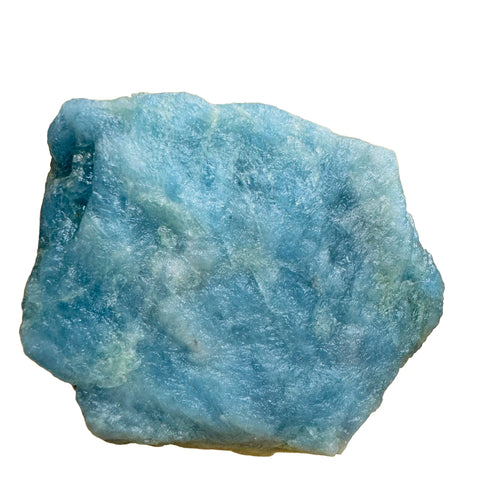
Labradorite from Madagascar. A piece like this almost always begins its journey with hand tools, not machinery.
sets of hands a stone can pass through before retail
of crystals estimated to come from artisanal and small-scale mining
separate shows that make up the Tucson gem marketplace each winter
Common estimates from gem and mineral trade reporting; figures vary by stone and route.
"Ethically sourced" is easy to print. The work behind it is not.
Madagascar is a single chapter, not the whole book. We cover its specific picture, and what "conflict-free" can and cannot promise there, in a dedicated guide rather than repeating it here.
Where the stone changes shape, and changes hands again
Rough stone rarely becomes a finished piece in the country it came out of. Much of it is shipped to cutting and polishing centers in places like Jaipur in India, Bangkok in Thailand, and across China, while some producing countries such as Brazil do significant shaping at home. This is where raw material turns into the towers, spheres, and palm stones you recognize, worked by a labor force that is separate again from the miners.

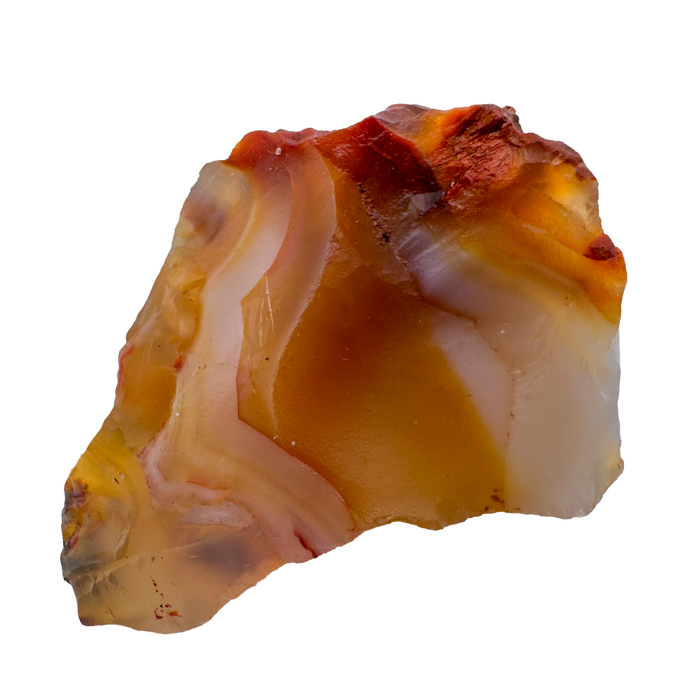
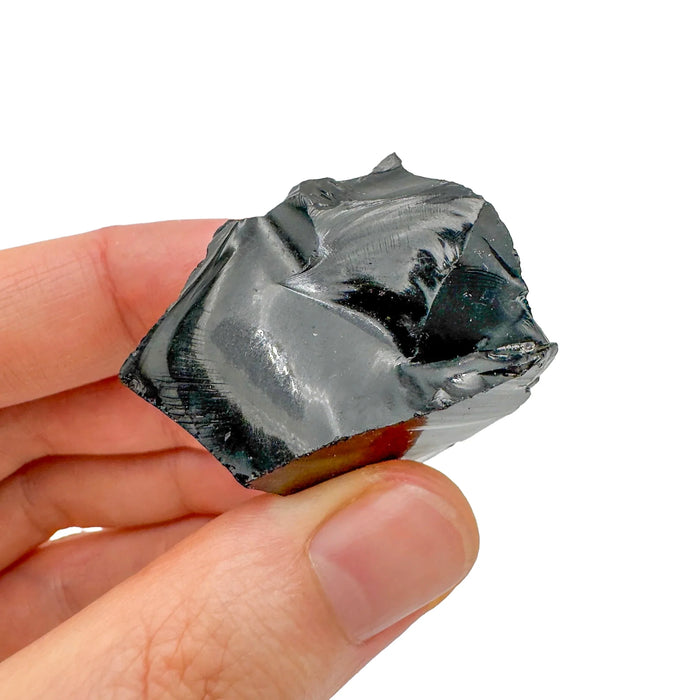
Rough, sorted into export lots

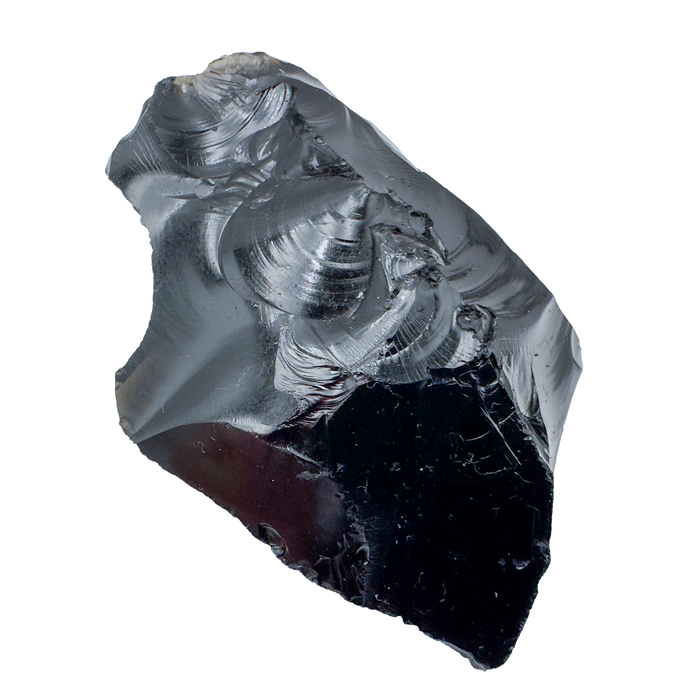
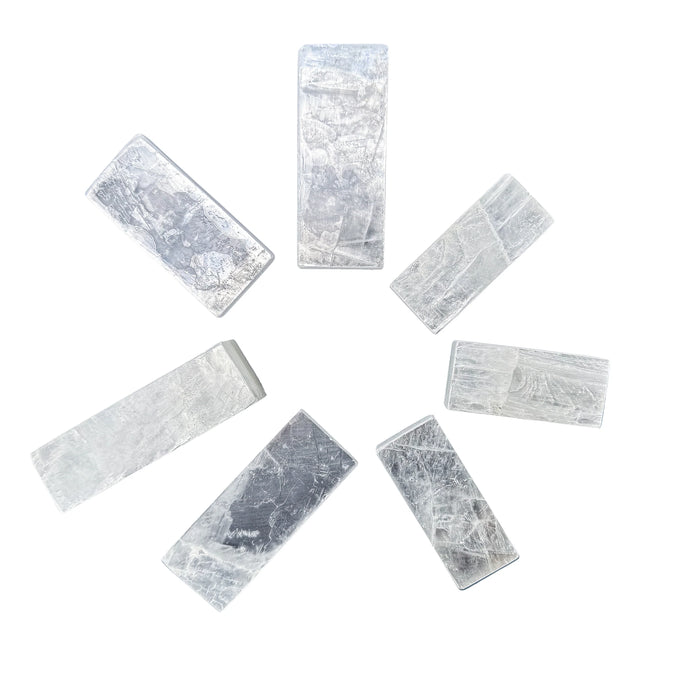
Cut and polished into points

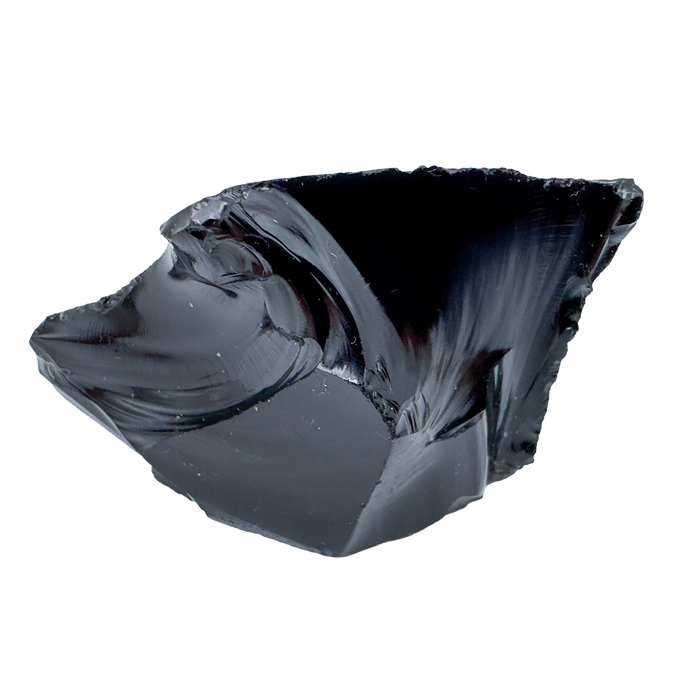
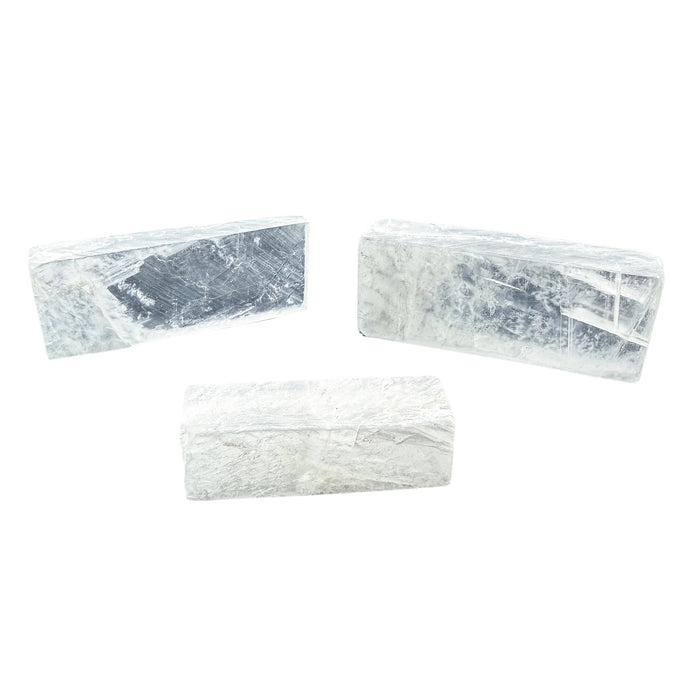
Tumbled, graded, ready for retail
From there, most finished crystal enters the retail world through wholesale trade shows. The largest is the cluster of events in Tucson, Arizona, made up of around fifty separate shows across the city each winter and drawing tens of thousands of buyers from around the world. For a great many shops, Tucson is the doorway where overseas stone meets the domestic market.
Each of these middle stops is also a place where information leaks out of the chain. Three points do most of the forgetting.
When a miner sells to a local buyer, the record of exactly who dug the stone, and where, usually travels no further.
Pieces from many diggers are mixed into bulk lots for shipping, so single-mine origin is blended away.
Buyers often choose by how a stone looks and what it costs, not by paperwork, so origin questions fade further still.
Why "direct from the mine" is rarely the whole story
"Direct from the mine" sounds clean, and sometimes it is true in a real, limited way. But in a trade built on so many intermediaries, fully direct sourcing is uncommon, and it usually applies to specific stones or regions rather than an entire shelf. When a seller uses the phrase broadly, the honest follow-up is simple: direct for which stones, from which country, and bought from whom.
A shorter chain is possible, and it is what we work toward, but we would rather describe it accurately than dress it up. We use a handful of sourcing models depending on the stone, some closer to the producer than others, and we do not claim that every piece can be traced to a single named mine. What we can do is cut out steps where we can, build relationships we can stand behind, and be plain about where our knowledge runs out.
A genuinely shortened chain tends to look like this in practice.
Buying closer to the source removes resale layers, which keeps more value with the people early in the chain.
Knowing the supplier, and in some cases the region or mine, is worth more than a slogan printed on a tag.
When a stone's full history cannot be verified, saying so plainly builds more trust than inventing a tidy origin.
This guide lives in our Library, where we work through the parts of the crystal world that usually go unexplained. If supply chains interest you, the sourcing and authenticity guides there are a natural next stop.
Follow the chain further
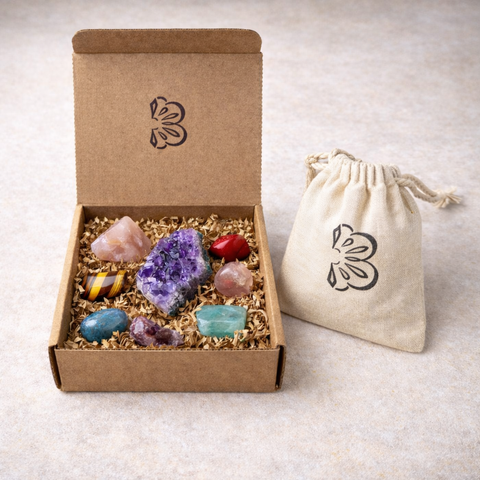
A few guides that pick up where this one leaves off, plus a place to start if you want to see raw, close-to-source material for yourself.
A country-level look at one of the trade's biggest, and most scrutinized, sources.
Read the guideWhat happens to a stone at the cutting and treatment stage, and how to read it.
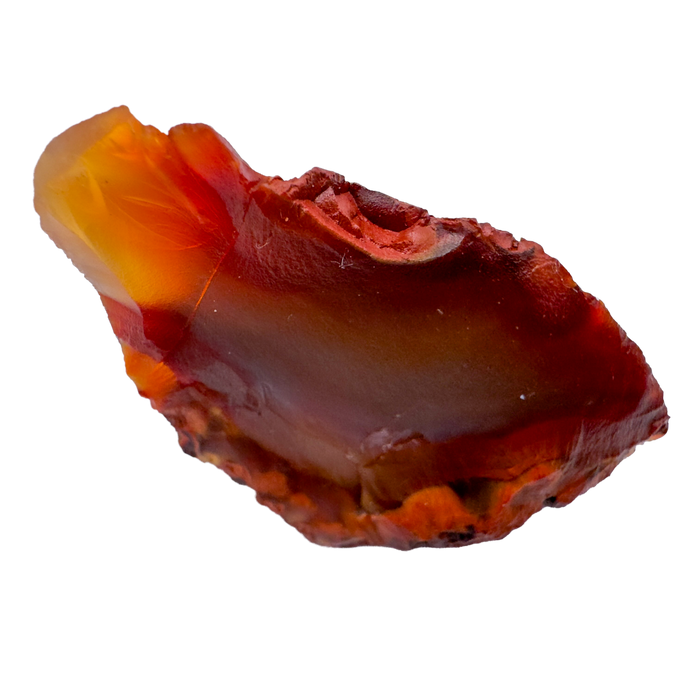
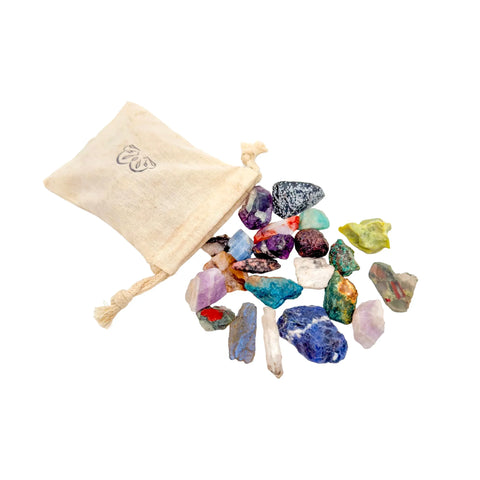
Read the guideRough material, closer to how it leaves the ground, inspected and graded.
See the collectionOur full set of plain, trustworthy guides to sourcing, treatment, and care.
Browse the LibraryFrequently asked
How many times does a crystal change hands before it reaches a shop?
There is no fixed number, and it varies by stone and route. By common estimates in the gem and mineral trade, a piece can pass through ten to fifteen sets of hands, from the miner to a local buyer, an exporter, a cutter, one or more wholesalers, and finally a retailer. Each step adds cost and blurs the original source.
Can a seller actually know where a crystal came from?
Sometimes, but often not with precision. Because rough is combined into export lots and resold several times, many honest sellers genuinely cannot trace a piece to a single mine. A trustworthy shop will tell you what it knows and where its knowledge stops, rather than inventing a tidy origin story.
What does "direct from the mine" usually mean?
It can mean a real, short relationship with a producer, but it is also used loosely. In a trade built on many intermediaries, truly direct sourcing is uncommon and usually limited to specific stones or regions. Ask what "direct" covers: which stones, which country, and who the seller actually buys from.
Are most crystals mined by hand or by large companies?
Most are mined by hand. Reporting on the trade estimates that more than 80% of crystals come from artisanal and small-scale mining, meaning individuals, families, and small groups working with simple tools, often outside formal regulation.
Does buying crystals support child labor?
It can, depending on the source. In Madagascar, a major crystal producer, the US Department of Labor and the International Labour Organization have estimated that around 85,000 children work in mining. This is one reason supply-chain questions matter, and why vague "ethically sourced" labels with no detail deserve scrutiny.
Why is the same crystal cheaper online than in a shop?
Price reflects more than the stone. A very low price often signals a longer, more opaque chain, undisclosed treatment, or labor paid rock-bottom rates. A higher price can pay for fewer intermediaries, better information, and people along the way being paid more fairly. Cheaper is not always the better deal.
What is the Tucson Gem Show, and why does it matter?
It is the largest gem and mineral marketplace in the world, made up of around fifty separate shows across the city each winter and drawing tens of thousands of buyers. For many shops, it is the main point where overseas rough and finished pieces enter the retail market, which is why so much crystal traces back through it.
How can I tell if a crystal was responsibly sourced?
Look for specifics rather than slogans. Honest sellers name what they know, admit what they cannot trace, and explain how they shorten the chain. A confident, detailed answer is a better sign than a polished phrase like "ethically sourced" with nothing behind it.