





Who Mines Your Crystals, and What They're Actually Paid
The hands that find a stone are almost always the least-paid hands it ever passes through.
A crystal on a shelf carries no record of the person who pulled it from the ground. For most stones, that person worked by hand, for a day's pay that would not buy lunch where the crystal is finally sold. This is who they are, and what the work is worth to them.

Most crystals are dug by hand by artisanal miners, who are typically paid a few dollars a day, or a low fixed price per kilo, at the very start of a long resale chain. Field reports from Malawi and Madagascar put that pay near one to three dollars a day, a tiny fraction of the eventual retail price.
Most of your crystals were dug by hand
Picture a crystal mine and you might imagine drilling rigs and conveyor belts. For the stones that fill wellness shops, the reality is smaller and far more human. Reporting on the trade estimates that more than 80% of crystals come from artisanal and small-scale mining, a sector built on individuals, families, and small crews working with hand tools, often outside any formal regulation.
This is not a niche corner of the industry. The World Bank and the Intergovernmental Forum on Mining estimate that artisanal and small-scale mining directly supports around 40 million people across roughly 80 countries, with many millions more depending on it indirectly. Most of those workers sit at the very bottom of the chain, where bargaining power is thinnest and prices are set by whoever shows up to buy.
It is human bodies, not machinery, that pull most crystals from the earth. That single fact shapes everything about how the people at the start of the chain are paid.
of crystals estimated to come from artisanal, hand-worked mining
people who mine artisanally worldwide, across about 80 countries
a typical day's pay for an artisanal crystal miner
World Bank and IGF estimates of artisanal mining; field reporting from Malawi (The New Humanitarian) and Madagascar (National Geographic, Equal Times). Figures vary by country and stone.
What the person who found it earns
The numbers, where reporters have gathered them, are sobering. Near the town of Mzimba in northern Malawi, miners have been documented earning about a dollar and a half a day cropping rose quartz from a hand-dug crater, dawn until dusk. In Madagascar, one of the largest sources of rose quartz and labradorite, field reporting puts daily pay for miners and stone grinders in the range of two to three dollars.
Some material is bought not by the day but by weight. Accounts of the rose quartz trade describe diggers paid only cents per kilogram for rough that will later sell, polished and branded, for many times that price. By the time a piece reaches a shelf, the digger's share can amount to pennies on each retail dollar.
Context matters here, and it cuts both ways. In Madagascar, where a large share of the population lives on very little each day, mining pay can still beat the alternatives locally. That does not make it fair against the price the finished stone commands. It means the gap between what a miner earns and what a buyer pays is wide, and most of that gap is captured further down the chain.

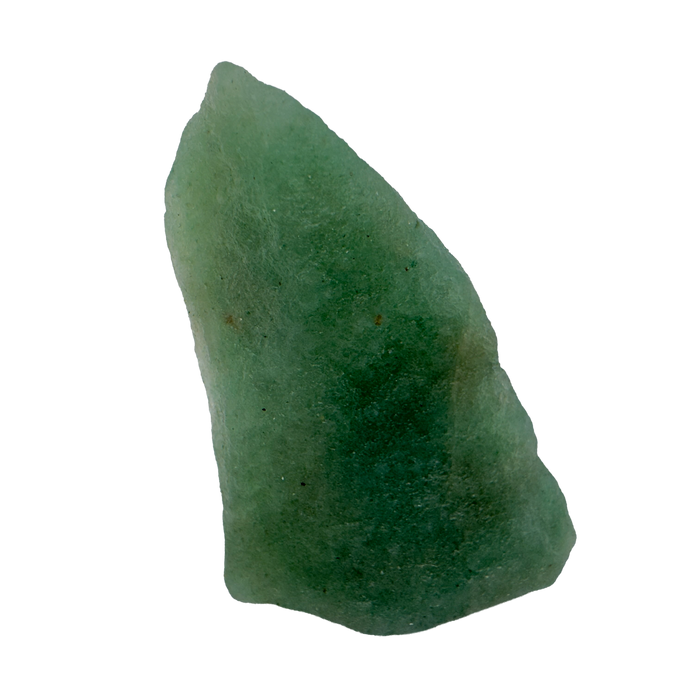
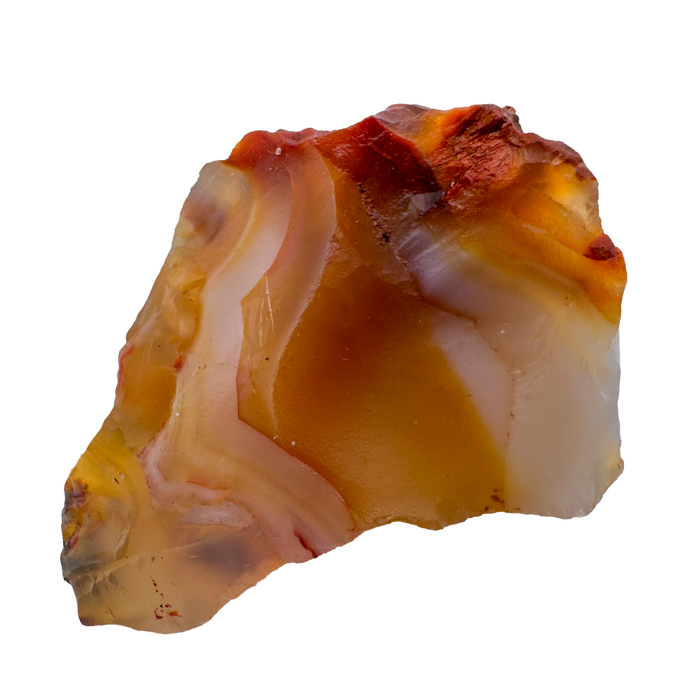
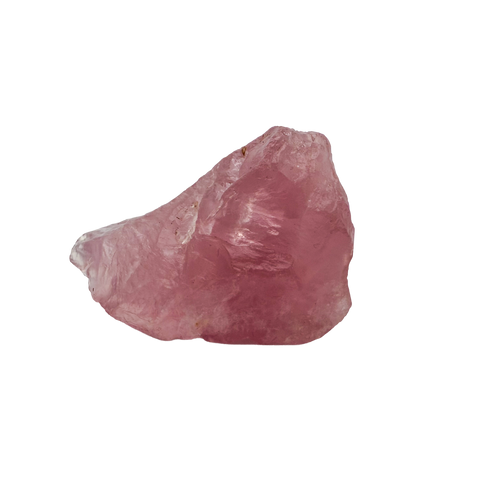
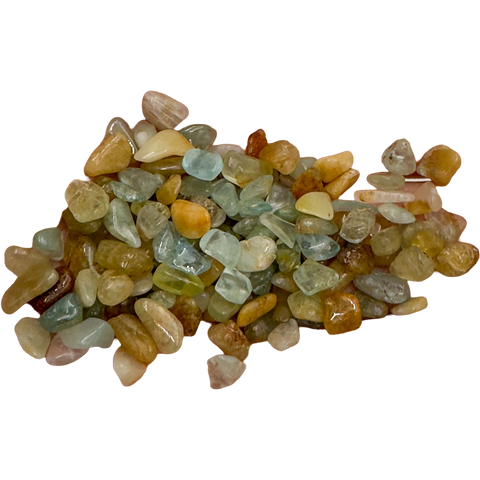
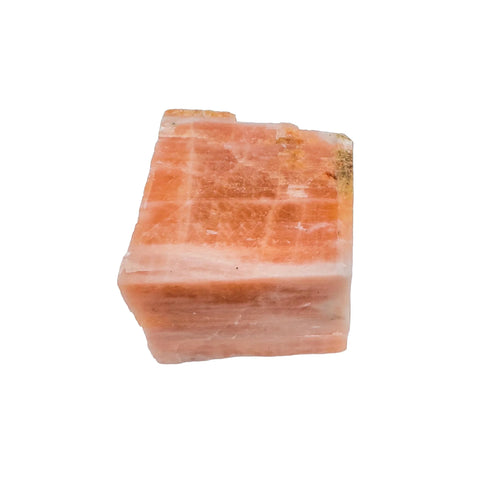
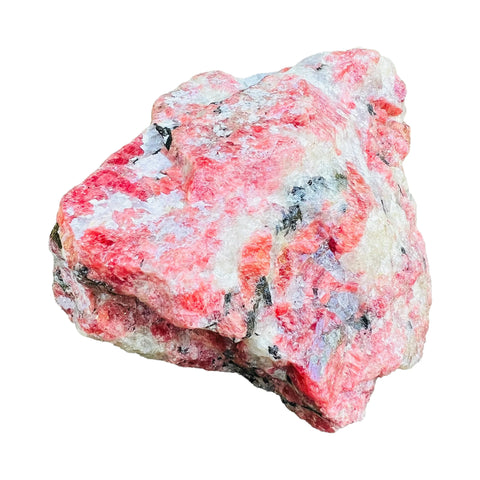
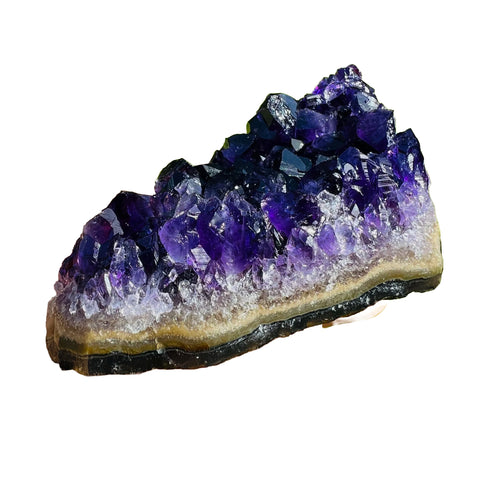
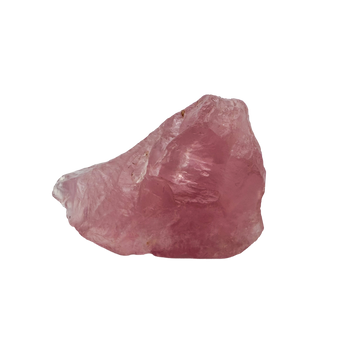
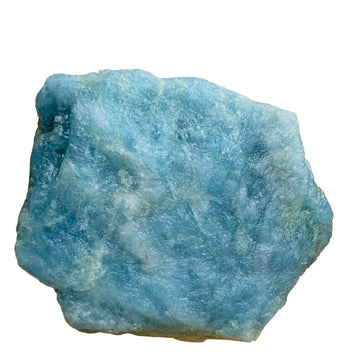
Rose Quartz sits at the center of the pay story, often cropped by hand for a dollar or two a day.
The stone gets more valuable at every step. The miner almost never does.
Why so little reaches the person who dug it
If the miner is paid so little and the crystal sells for so much, the obvious question is where the difference goes. The answer is the chain itself. A crystal rarely travels from a dig site to a shop in one step. It passes through a series of separate businesses, each buying low, adding a margin, and selling on. The digger stands at the far end of that line, with the least leverage of anyone in it.
Pulls rough from the ground by hand. Paid a day rate or a low price per kilo, with no say over where the stone goes next.
Buys cheaply at or near the mine, consolidates lots from many diggers, and resells upward. The record of who found what usually stops here.
Sorts, grades, and ships material overseas in bulk. This is where the first large markup tends to land, and where single-mine origin is blended away.
Breaks bulk into smaller quantities and sells to shops, often at large trade shows. Another margin, another step away from the source.
Sets the final price, which has to cover rent, curation, and everyone upstream. By now the digger's pay is invisible inside the total.
Not every stone hits every stage, and some routes are shorter. But the shape holds: each hop adds cost and distance, and value piles up at the steps nearest the buyer, not the steps nearest the ground.
Three ways a crystal reaches a shop
Not all sourcing is the same, and the route a stone takes decides how the miner is treated. There is also a harder issue at the start of some chains. In poorer producing regions, child labor can appear in or around the digging, and National Geographic has reported that the wider crystal trade is not immune to the abuses long documented in gold and diamonds.
The three broad routes below differ most in one thing: how much you can actually find out. The more anonymous the chain, the less anyone can promise about pay or conditions at the dig.

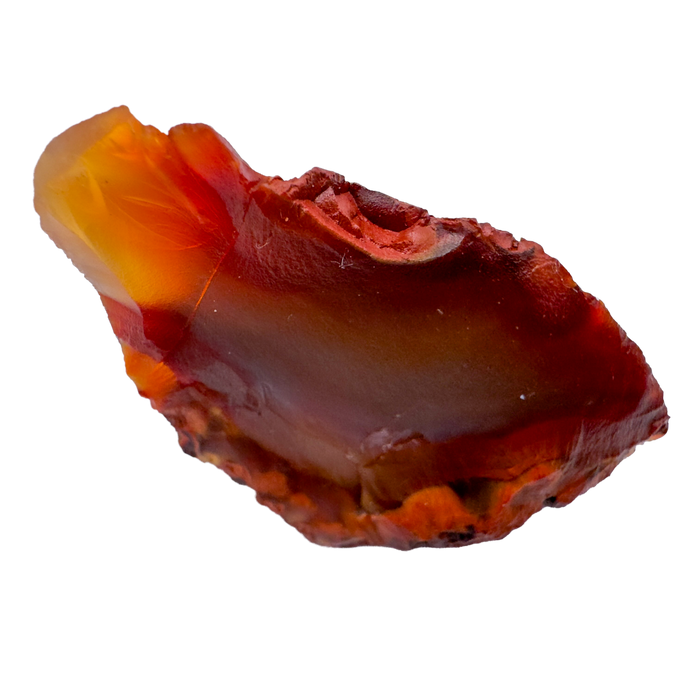
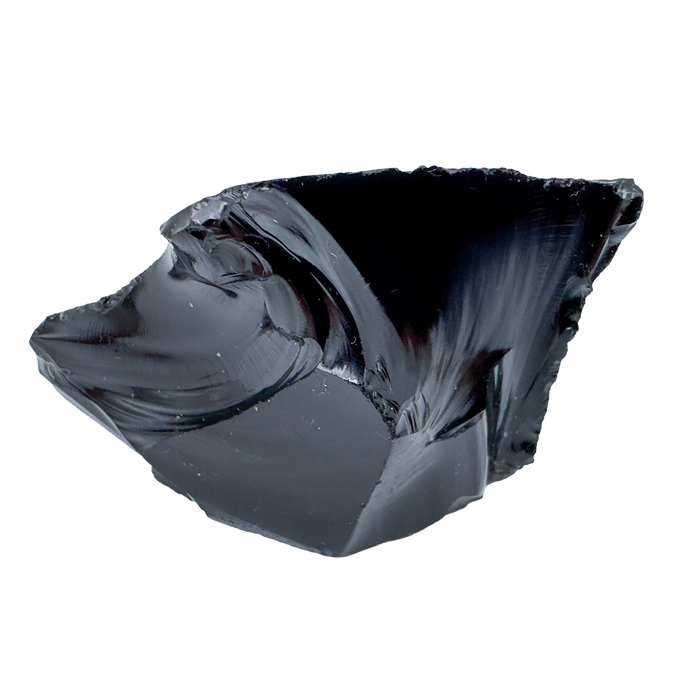
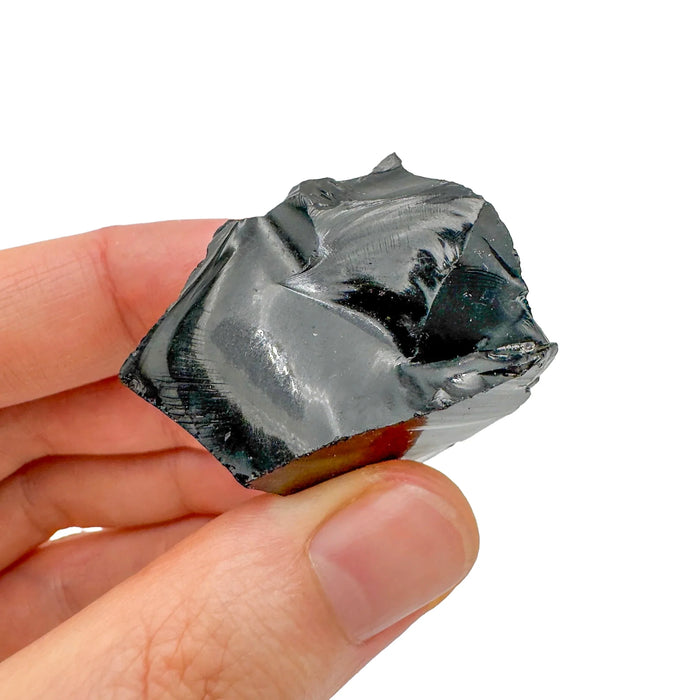
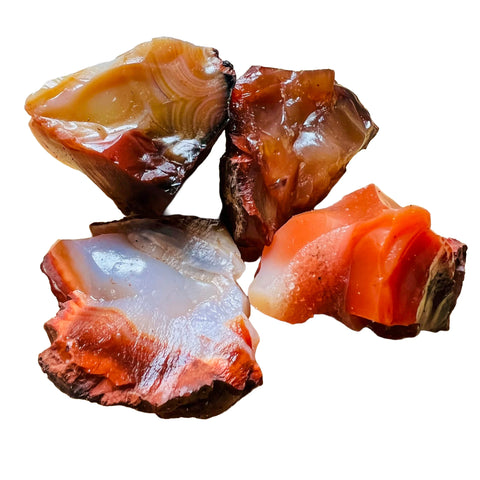
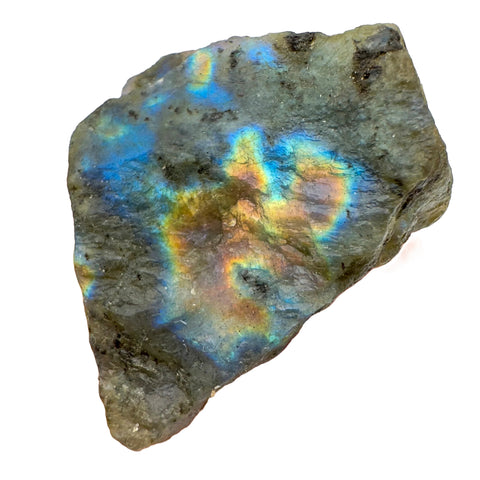
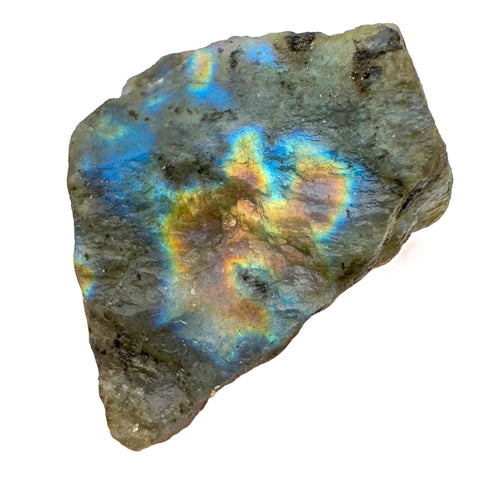
Raw Labradorite from Madagascar. Most stones from here begin with hand tools, not machinery.
Anonymous bulk wholesale
The least traceable route
Trade-show and middleman chain
Several hands from the dig
Direct or fair-trade certified
The most accountable route
Certification is not a cure-all, and it still covers only a small slice of the crystal trade. But schemes like Fairmined and Fair Trade Gems do something the anonymous routes cannot: they tie a stone to a place, audit the pay and conditions behind it, and require that children are kept out of the work.
What fairer pay actually looks like

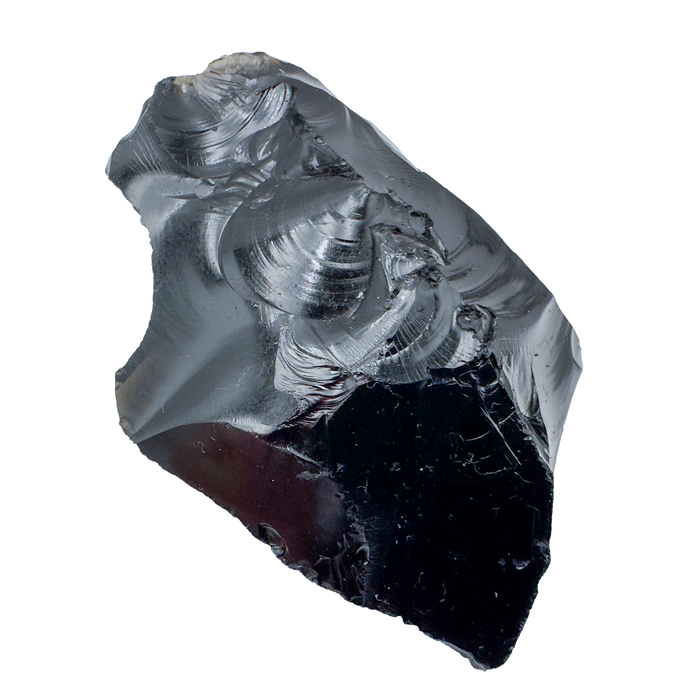
Rough that can be named to a region is the start of a chain you can actually check.
You cannot audit a mine from your living room. What you can do is read the signals a seller gives off, because the shops that pay miners better tend to talk about sourcing in a particular way. They trade specifics for slogans, and they are comfortable saying what they do not yet know.
None of these signals is a guarantee on its own. Together, they separate a chain someone has actually looked into from one that hides behind a single tidy phrase.
Sourcing you can point to on a map, not just a vague country or a bare "ethically sourced" stamp.
Repeat buying from the same supplier or community, rather than whatever lot was cheapest at the last show.
A seller who tells you what they cannot trace yet earns more trust than one who invents a neat origin.
Fairmined and Fair Trade Gems audit pay, safety, and child-labor standards at the source.
Suspiciously cheap usually means someone upstream absorbed the loss, and that someone is rarely the retailer.
A shop that can answer "where is this from" without deflecting has usually done the homework.
We work through a small set of sourcing models, from direct relationships to vetted suppliers, and we name a region wherever the chain lets us. We will not pretend every stone traces to a single named mine, because for much of the trade that record does not exist yet. Honest sourcing means telling you what we know, and what we are still working to learn.
Keep following the chain
A few guides that pick up where this one leaves off, plus a place to start if you want to see raw, close-to-source material for yourself.
A country-level look at one of the trade's biggest, and most scrutinised, sources.
Read the guideThe non-negotiables we hold ourselves to, written down so you can hold us to them.
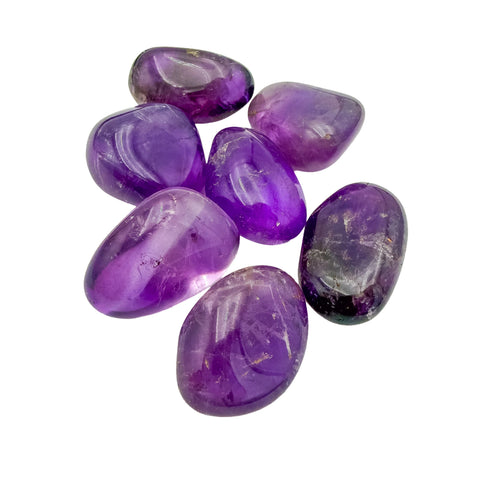
See the standardsProperties, meaning, and sourcing for the stone most named in mining-pay reports.
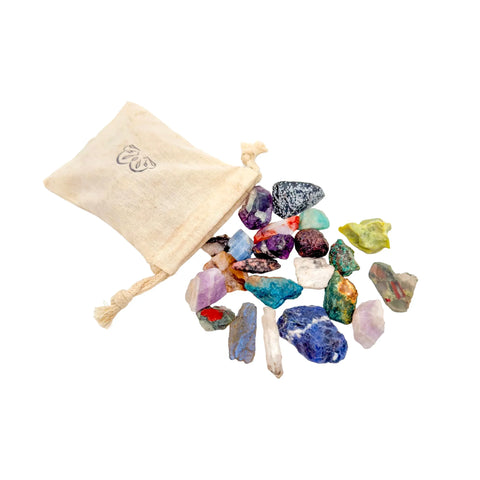
Read the guideRough material, closer to how it leaves the ground, inspected and graded.
See the collectionOur full set of plain, trustworthy guides to sourcing, treatment, and care.
Browse the LibraryFrequently asked
Do crystal miners get paid fairly?
Mostly not, when you measure pay against what the finished stone sells for. Artisanal miners sit at the bottom of a long resale chain with the least bargaining power, and field reporting puts their pay at only a few dollars a day. Fairer arrangements exist through direct sourcing and certification, but they still cover a small share of the trade.
How much does a crystal miner earn per day?
It varies by country and stone, but field reports are consistent that it is low. Miners cropping rose quartz in Malawi have been documented at about a dollar and a half a day, and reporting from Madagascar puts daily pay for miners and grinders at roughly two to three dollars.
Are most crystals mined by machines or by hand?
By hand. Reporting on the trade estimates that more than 80% of crystals come from artisanal and small-scale mining, meaning individuals, families, and small crews working with simple tools, frequently outside formal regulation.
Why are miners paid so little when crystals sell for so much?
Because of the chain between them and you. A stone typically passes through a local buyer, an exporter, one or more wholesalers, and a retailer, each adding a margin. The digger is furthest from the final price and has the least leverage, so most of the value is captured by the steps nearer the buyer.
Is child labor involved in crystal mining?
It can be, particularly in poorer producing regions. National Geographic has reported that the crystal trade is not immune to the abuses long documented in gold and diamond mining, including hazardous conditions and child labor. This is one reason a vague "ethically sourced" label, with no detail behind it, deserves a closer look.
What does "ethically sourced" actually guarantee about pay?
On its own, very little. The phrase is largely unregulated for crystals, so anyone can print it. What gives it weight is detail behind it: a named region, a known supplier, audited conditions, or certification. Treat the label as the start of a question, not the answer.
Does fair-trade certification exist for crystals?
In part. Schemes such as Fairmined, run by the Alliance for Responsible Mining, and Fair Trade Gems certify that miners are paid fairly, work in safer conditions, and that children are kept out of the work, sometimes with a community premium on top. Coverage is still limited, so certified material is the exception rather than the rule.
How can I buy crystals that pay miners better?
Favor sellers who name a region, build relationships with the same suppliers over time, welcome origin questions, and are honest about what they cannot trace. Be wary of prices that look too good to be true, since the loss usually lands on someone upstream. Certification, where it exists, is a strong added signal.