






One Name, Two Minerals, and a Lot of Imposters
The word jade hides more than it reveals. Here is how to read it.
Few stones cause as much confusion at the counter as jade. The word covers two different minerals, several layers of treatment, and a long list of cheaper stones wearing its name. Sorting them out is mostly a matter of knowing what the labels actually mean.

Real jade is one of two minerals: jadeite or nephrite. Anything else sold as jade, including serpentine, aventurine, dyed quartzite, or glass, is a lookalike. Among genuine jade, Type A is untreated, Type B is acid-bleached and resin-filled, and Type C is dyed. Only a gem lab confirms which you actually have.
Jade Is Two Minerals, Not One Stone
Jade is a cultural name, not a single mineral. Since 1863, when the French mineralogist Alexis Damour put a chemical test to it, the word has meant either of two unrelated minerals that happen to share a look and a remarkable toughness: Jadeite and Nephrite. Both are genuine jade. Neither is a fake.
Jadeite is a pyroxene, a sodium aluminum silicate. It is the harder, denser, glassier of the two, and the one behind the vivid greens and lavenders that command the highest prices. Most Jadeite comes from a single region of northern Myanmar, with a second important source in Guatemala.
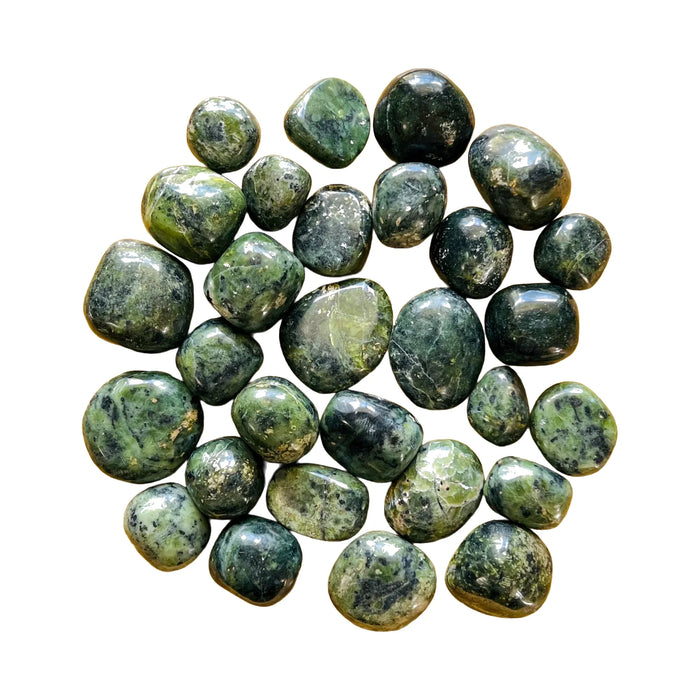
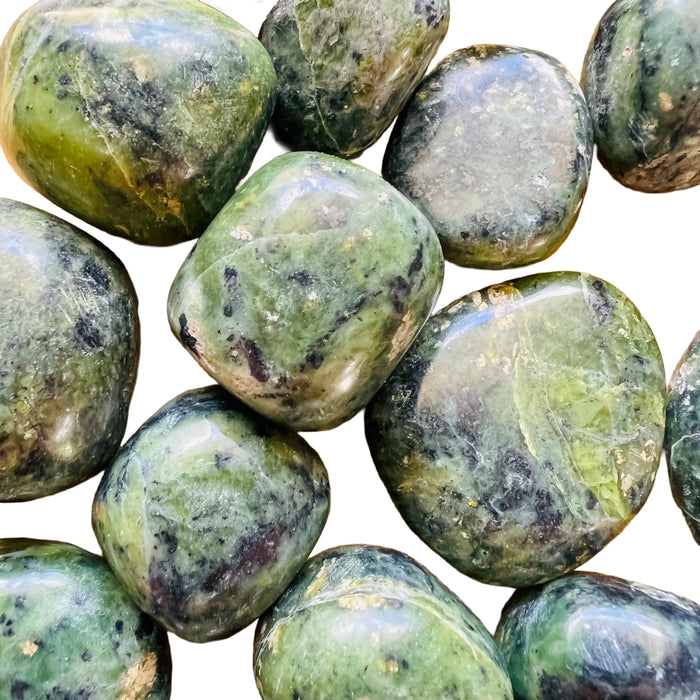
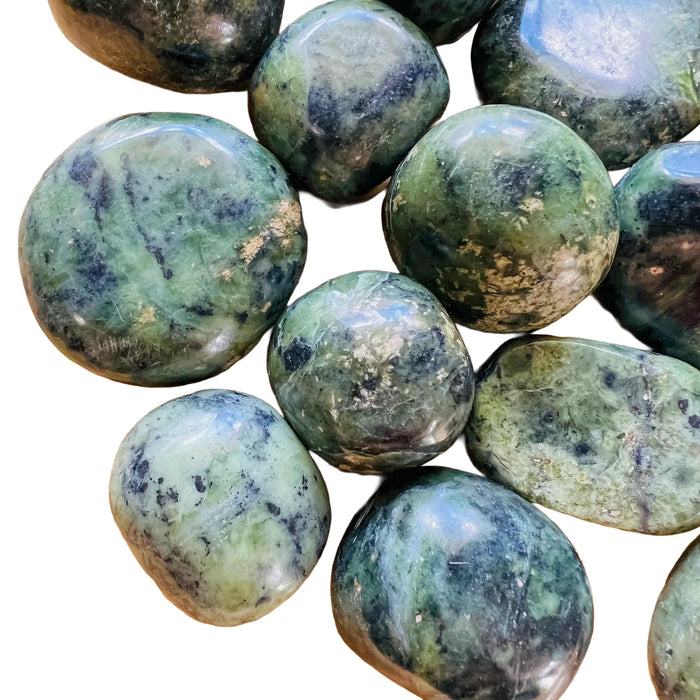
Nephrite is an amphibole, a calcium magnesium iron silicate. It is slightly softer, with a waxy, oily luster, usually in muted greens, creams, and browns. It is also the tougher of the two, because a dense tangle of interlocking fibers resists chipping. Nephrite is mined far more widely, including in British Columbia, Russia, New Zealand, and Wyoming.
The name itself is a historical accident. Jade comes from the Spanish piedra de la ijada, the "stone of the side," from a time when it was believed to ease pains of the kidney and flank. Nephrite carries the same old idea through the Greek nephros, meaning kidney.
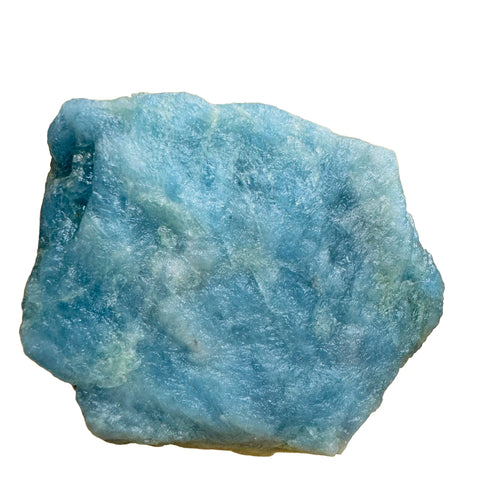
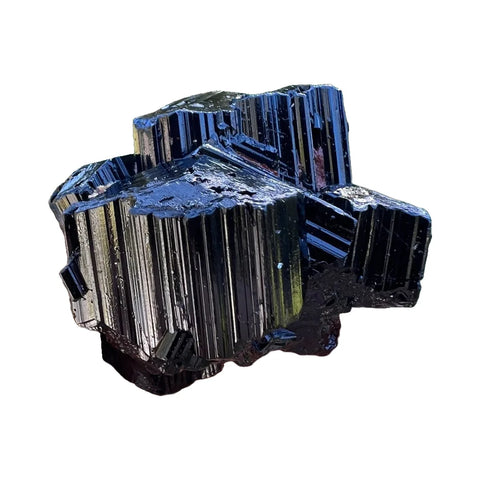
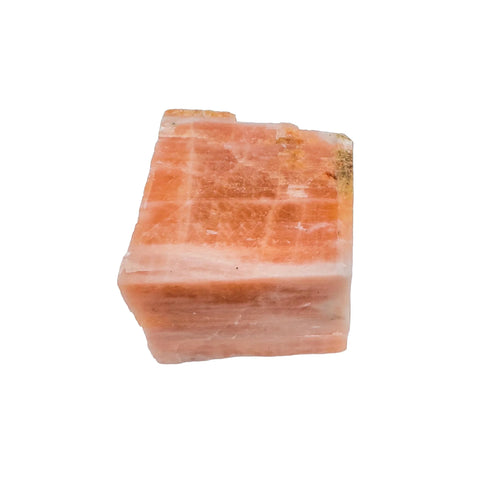
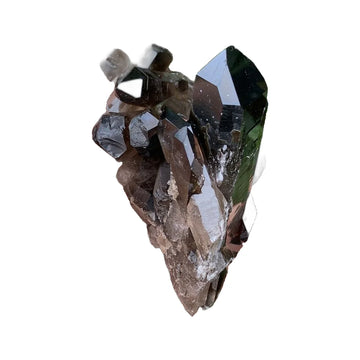
Jadeite
Pyroxene, the glassier jade
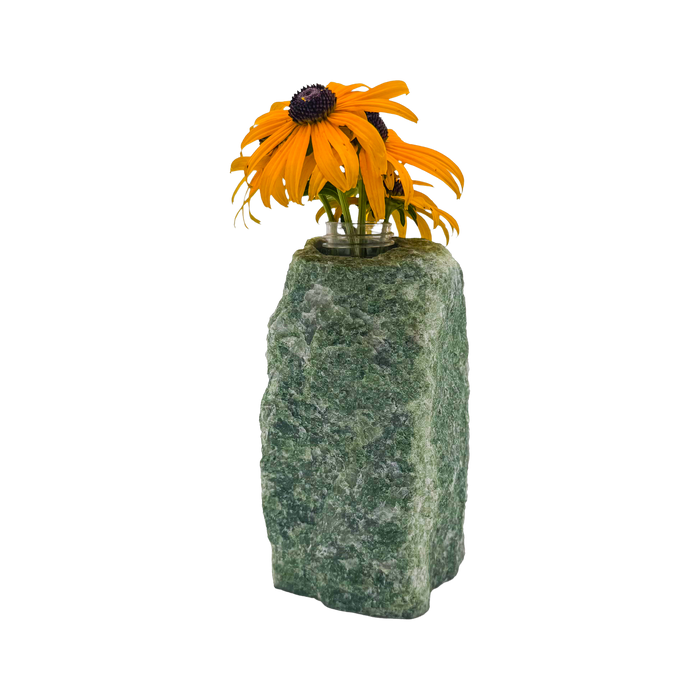
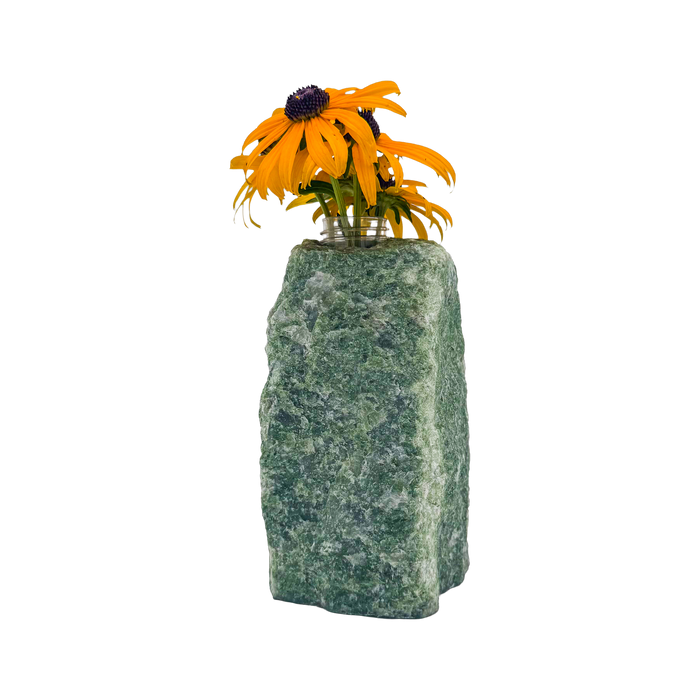
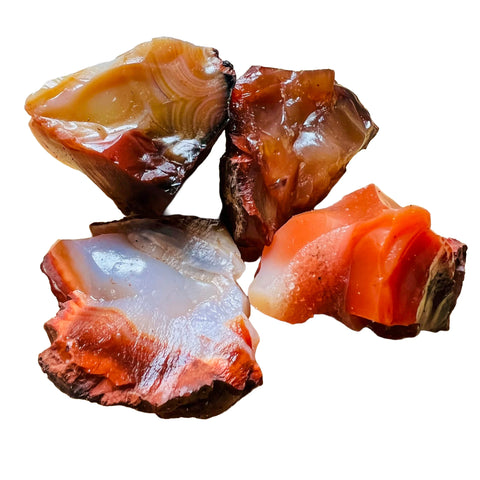
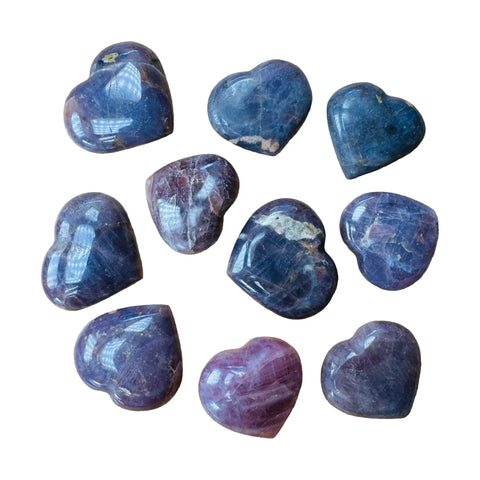
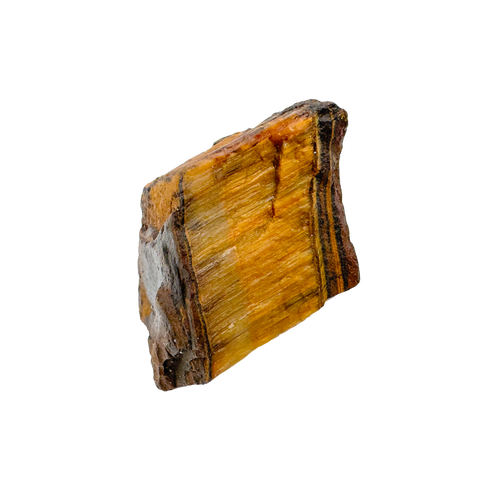
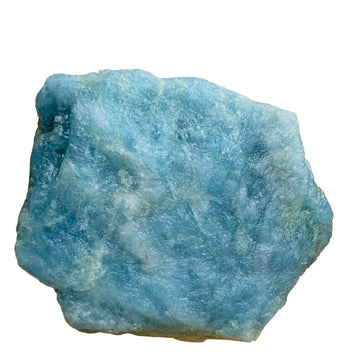
Nephrite
Amphibole, the tougher jade
Type A, B, and C: What the Letters Actually Mean
Once you are looking at real Jadeite, a second question matters just as much: what was done to it. The trade sorts Jadeite into three treatment categories, A, B, and C. They describe processing, not beauty, and the gap between them is the single biggest driver of value and durability.
The catch worth remembering is that Type A does not mean top quality. It only means untreated. A pale or cloudy piece can still be Type A. The letters track the honesty of the material, not how pretty it is.
Natural Jadeite with nothing added but a surface wax polish. Its color and texture are exactly what came out of the ground. This is the only category most collectors and heirloom buyers want.
Soaked in strong acid to strip out brown staining, then injected with polymer resin to fill the gaps and lift clarity. It is still real Jadeite, but the acid weakens its structure, and the resin can yellow and crack as it ages.
Color added artificially, usually to fake the prized green or lavender. The dye settles into the stone's tiny fractures and tends to fade or look unnaturally even. A piece treated both ways is called Type B+C.
A Type B or C piece can look identical to natural jade on the day you buy it. The difference shows up later, when dye fades or resin yellows, and at resale, where treated jade is worth a small fraction of untreated. None of this makes treated jade a scam, as long as the seller says so. The problem is silence, not treatment.
What Else Gets Sold as Jade
Beyond treated Jadeite sits a wider group of stones that are not jade at all, just green and affordable. Most are sold honestly under their own names. Some are not.
The most common stand-in is Serpentine, marketed as "new jade," "Korean jade," or "olive jade." It is a genuine stone with its own quiet appeal, but at roughly Mohs 2.5 to 5 it is much softer than jade, and a steel blade scratches it easily. Aventurine, a quartz flecked with mica, turns up as "Indian jade," and its telltale sparkle is something real jade never shows. Dyed quartzite, sometimes called "Malaysia jade," takes color the way jade never does, often pooling in cracks. And then there is glass, the oldest imitation of all, given away by tiny trapped bubbles and a warmth in the hand that real jade does not have.

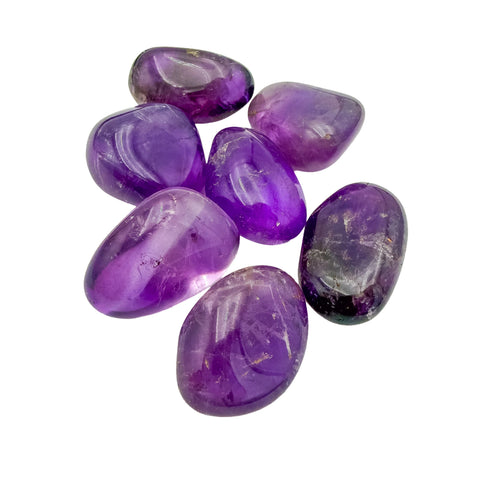
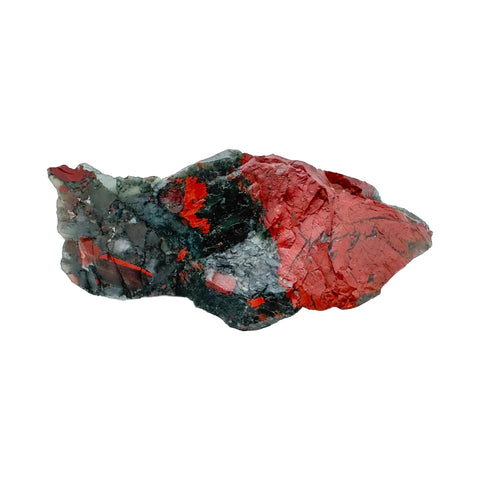
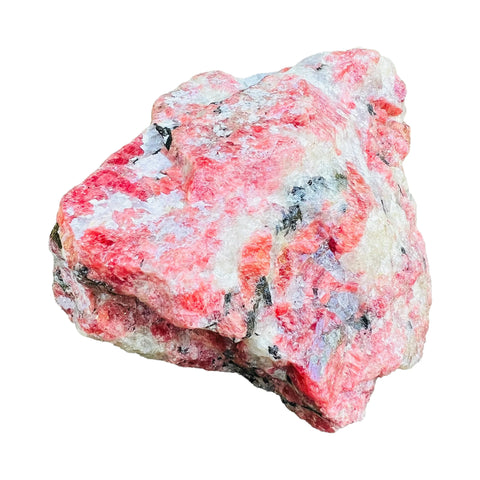
Serpentine, often sold as "new jade." Softer than true jade, and scratched easily by steel.

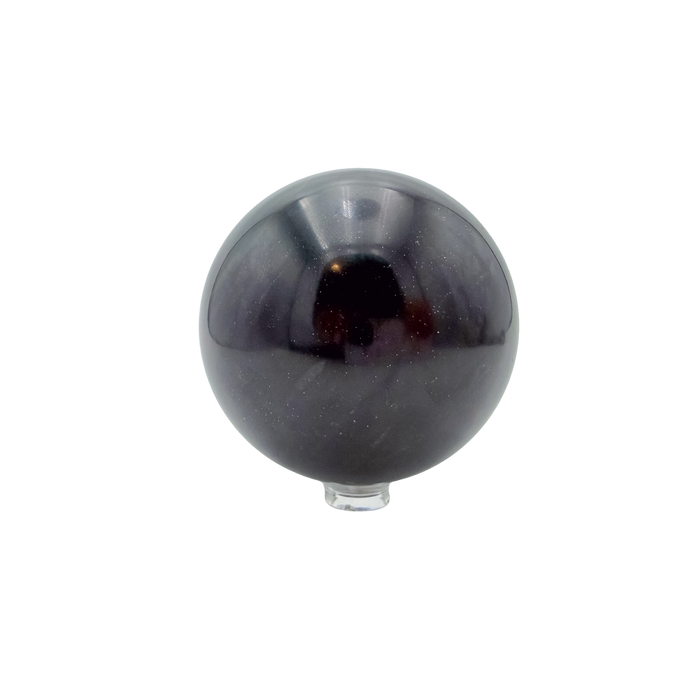
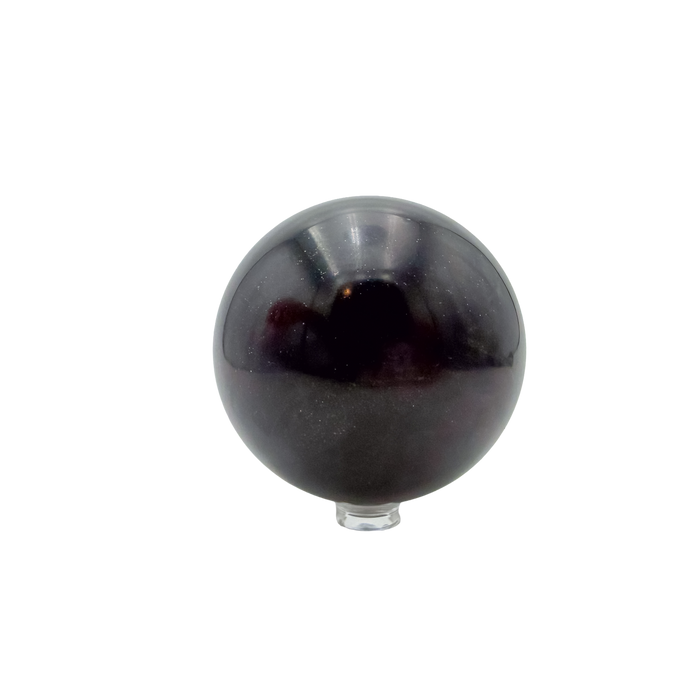
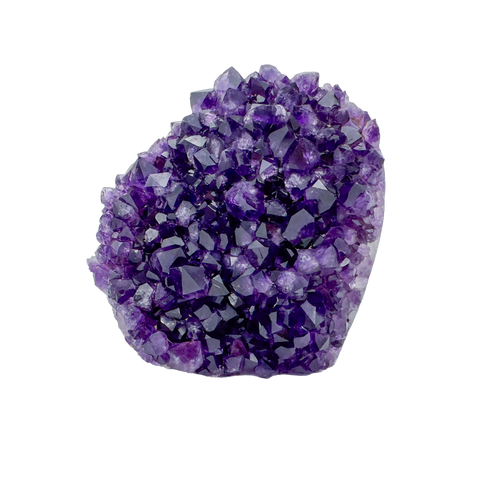
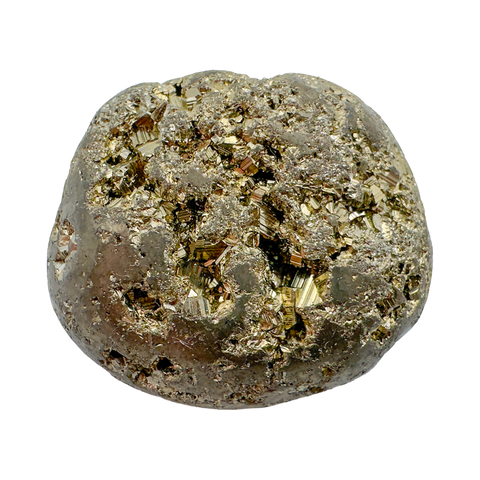
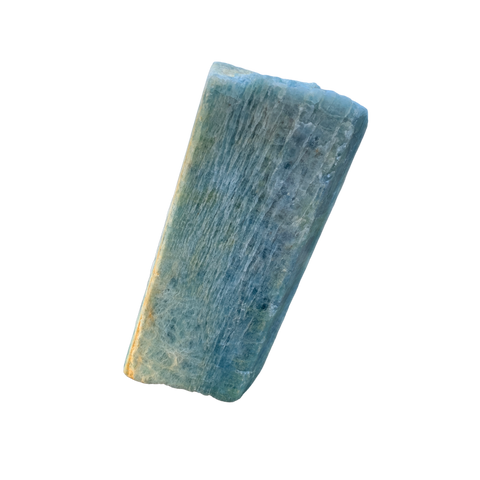
Green Aventurine, sometimes called "Indian jade." The mica sparkle is a tell jade never has.
The Home Tests, and What They Can and Cannot Tell You
A handful of quick checks can catch an obvious fake, and none can prove a stone is real. They are screening tools, useful for ruling things out, not a substitute for a lab.
Jade is dense, and Jadeite especially feels heavy for its size. A bangle that feels as light as plastic is a warning sign, though weight alone cannot separate jade from a dense glass.
Real jade feels cold and smooth and is slow to warm in the hand. Helpful but imperfect, since glass and many other stones also feel cool at first, so this rules out very little on its own.
Jade at Mohs 6 to 7 resists a steel blade, while soft fakes like Serpentine scratch easily. Never test a visible spot, and never on a piece you value, because you can mar real jade too.
Tapped together, solid jade gives a clear ringing tone where glass and plastic sound dull. Look into the stone in good light as well, since tiny round bubbles mean glass, not jade.
Every home test can be fooled. A dense, cold, dye-stable lookalike can pass all of them, and a genuine Type B piece will sail through because it really is Jadeite. Treat these as a first filter. For anything you are paying real money for, the only answer that settles it comes from a gem lab.
How Jade Is Actually Verified

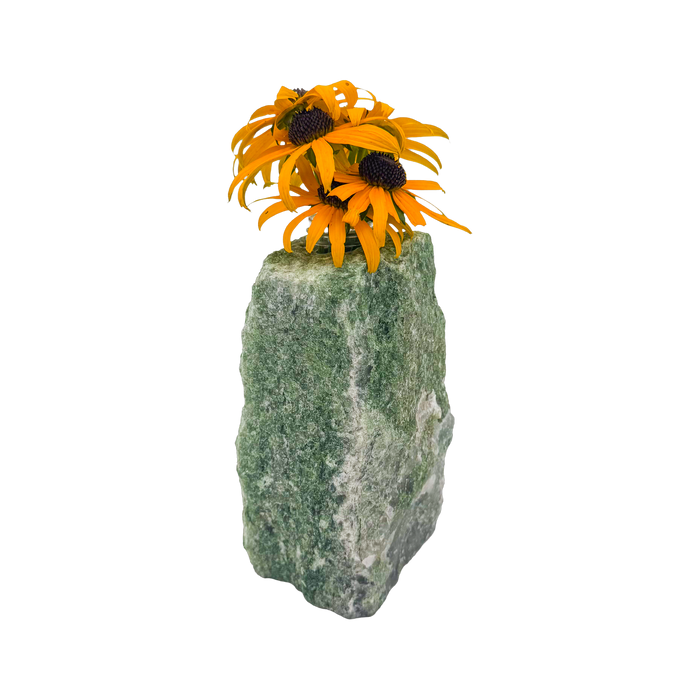
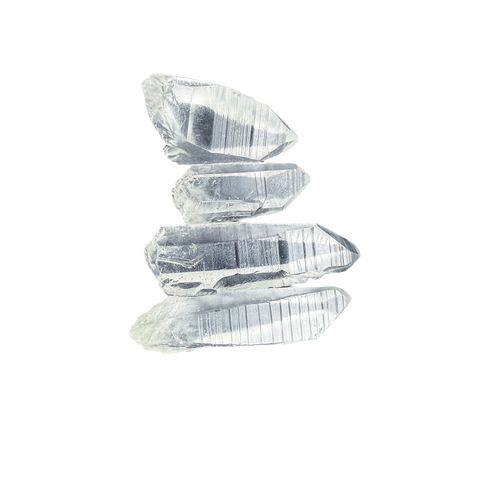
Serpentine carved into the same points and towers as jade. Form copies easily, which is why shape tells you nothing about what a stone really is.
When the stakes are high, jade is identified the same way other gemstones are, by measuring properties the eye cannot judge. A gemologist checks specific gravity, refractive index, and the stone's spectrum, and can spot the blue-white glow that resin-filled Type B jade gives off under shortwave ultraviolet light.
For an expensive piece, the document that matters is a report from an independent gem laboratory. The names buyers trust internationally include GIA, SSEF, and Gübelin, along with the established gem labs in the jade trade's home markets. A good report states plainly whether a stone is Jadeite or Nephrite, and whether it is Type A, B, or C.
This is also why a low price on vivid green jade should raise an eyebrow rather than excitement. Top natural Jadeite is genuinely rare and priced accordingly. When a stone looks like the most valuable jade in the world and costs almost nothing, the explanation is usually treatment, a lookalike, or both.
"Real jade is a fact you can verify, not a feeling you can sense in your palm."
Keep Going
A few guides that pick up where this one leaves off.
Properties, meaning, and how we source our jade, gathered in one place.
Read the guideThe stone most often sold as "new jade," on its own honest terms.
Explore SerpentineThe sparkly green quartz that stands in for jade, and what it really is.
Explore AventurineHow hardness and toughness translate into everyday wear and care.
Read the guideBrowse our hand-selected jade, sourced and described without the guesswork.
Browse JadeOur full set of plain, trustworthy guides to sourcing, treatment, and care.
Browse the LibraryFrequently asked
How can I tell if my jade is real or fake at home?
Quick checks help you catch obvious fakes but cannot prove a stone is genuine. Real jade is dense, feels cold and smooth, resists a steel blade at Mohs 6 to 7, and rings rather than thuds when tapped. Tiny bubbles inside mean glass. For anything valuable, only a gem lab can give a definite answer.
What is the difference between jadeite and nephrite?
Both are real jade. Jadeite is a pyroxene that is harder, denser, and glassier, and it produces the vivid greens and lavenders that fetch the highest prices. Nephrite is an amphibole that is slightly softer and waxier but even tougher, usually in muted greens and creams. Jadeite comes mainly from Myanmar, while nephrite is mined worldwide.
What do Type A, Type B, and Type C jade mean?
They describe treatment, not quality. Type A is natural, untreated jadeite with only a wax polish. Type B has been acid-bleached and filled with polymer resin. Type C has been dyed. A piece treated both ways is called Type B+C. Type A is the only category most collectors want.
Is Type B jade real jade?
Yes, it is genuine jadeite, but it has been chemically altered. Acid bleaching removes staining and weakens the stone, and resin filling improves clarity but can yellow and crack with age. Type B jade looks good at first and tends to deteriorate over time, which is why it is worth far less than untreated Type A.
Is "new jade" real jade?
No. "New jade," along with "Korean jade" and "olive jade," is a trade name for serpentine, a different and softer mineral. It is a real stone with its own appeal, but it is not jade, is much easier to scratch, and should cost far less.
Why is some jade so cheap?
Low-priced jade is usually one of three things: treated jadeite that has been bleached, filled, or dyed, a lookalike such as serpentine, dyed quartzite, or glass, or simply a small or low-grade piece. Genuine untreated jade, especially fine green jadeite, is rare and priced accordingly.
Does real jade scratch easily?
No. Jade sits around Mohs 6 to 7 and resists a steel blade, so a stone that scratches easily with a knife or scissors is likely a softer imitation like serpentine. Even so, never scratch-test a piece you care about, since you can still mar genuine jade and the test leaves a mark.
How do I know for certain whether jade is real and untreated?
Get a report from an independent gemological laboratory. A gemologist measures properties you cannot judge by eye, such as specific gravity and refractive index, and checks for the blue-white fluorescence of resin-filled jade. Labs such as GIA, SSEF, and Gübelin will state whether a stone is jadeite or nephrite and whether it is Type A, B, or C.