









Grown in a Lab, or Grown in the Earth?
The honest difference between lab-grown, natural, and the glass pretending to be both.
Lab-grown crystals worry a lot of buyers, and the worry is often aimed at the wrong thing. A lab-grown stone is usually real, the same mineral as the natural one. The trouble starts only when nobody says so.

A natural crystal grows in the earth. A lab-grown one is the same mineral grown in a factory, with identical chemistry and hardness. A simulant only looks the part and is usually glass or plastic. So lab-grown quartz is real quartz, and the honest question is not whether it is fake, but whether it was disclosed.
Natural, lab-grown, and simulant are three different things
Most of the confusion around lab-grown crystals comes from collapsing three separate ideas into one word. A natural stone formed in the ground. A lab-grown stone, also called synthetic or lab-created, is the very same mineral made by people. A simulant is something else entirely, a different material dressed up to look like the stone.
That middle category is the one that surprises people. A synthetic Amethyst is not a fake. It is real quartz with the same formula and the same Mohs hardness as a mined one. A simulant, by contrast, is usually glass or plastic, and it is only the stone in the way a photograph is the person. Here is how the three line up.
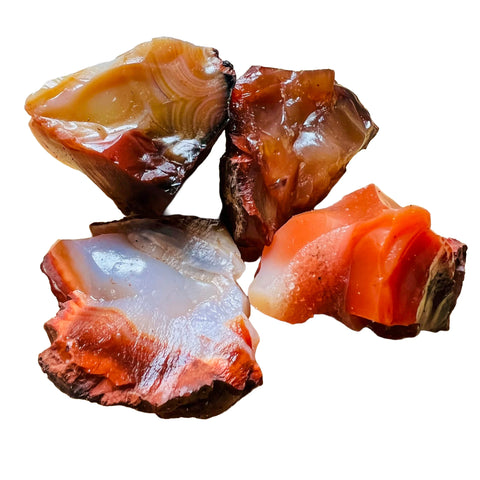
Natural
Grown in the earth
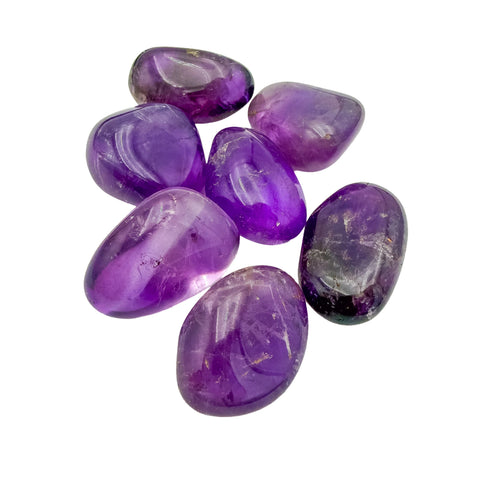
Lab-Grown (Synthetic)
The same mineral, made by people
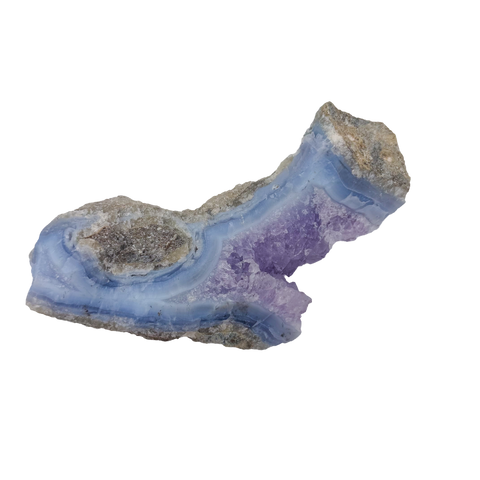
Simulant or Imitation
A different material, only a look-alike
How a crystal is actually grown in a lab
Growing quartz is not magic, it is plumbing and patience. The standard method is called hydrothermal growth, and it copies, at high speed, what water and heat do underground. Everything happens inside an autoclave, a thick steel pressure vessel that can run for weeks at a stretch.
Clear Quartz is the most-grown variety of all, because industry needs it for electronics, not just jewelry. The same process, with a change of recipe, produces synthetic Amethyst and Citrine. What comes out is genuine quartz, just born in steel instead of stone.

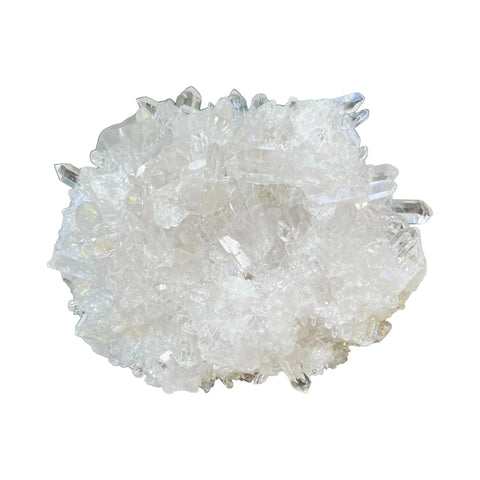
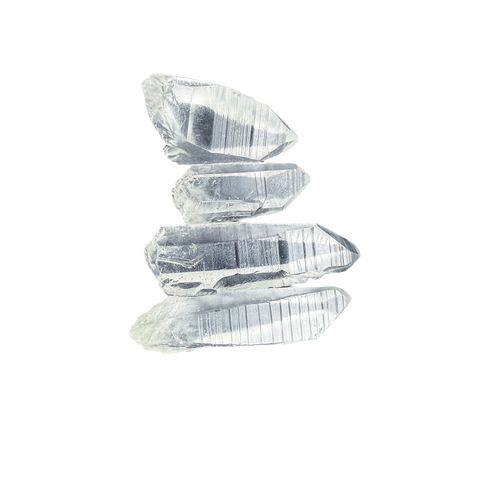
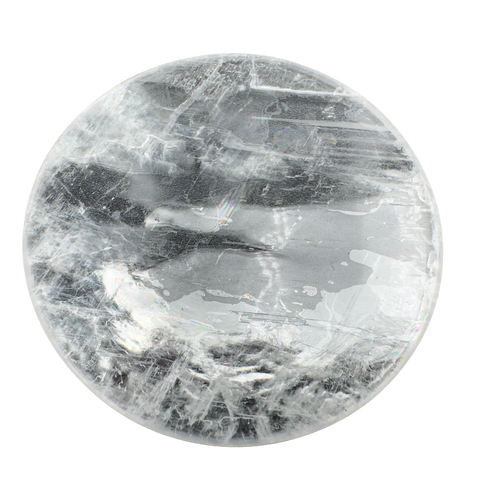
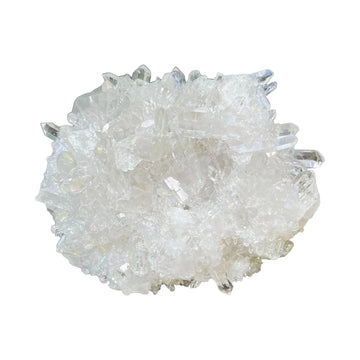
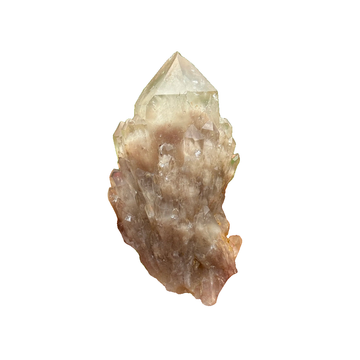
Natural Clear Quartz. The lab grows this exact mineral, silicon dioxide, on a seed crystal.
A thin slice of quartz, the seed, hangs inside the steel vessel above a bed of crushed natural quartz known as lasca.
The vessel is filled with an alkaline solution and heated to roughly 340 to 375 degrees Celsius under very high pressure.
The hot lower zone dissolves the crushed quartz. The cooler upper zone lets that dissolved silica settle onto the seed.
Over days to weeks the seed grows into a large single crystal, clear and clean enough to be sawn and faceted.
Adding iron and a dose of radiation turns the crystal purple, the lab version of Amethyst. Other recipes give Citrine or smoky shades.
Corundum, the family that includes Ruby and Sapphire, is made a different way. The Verneuil flame-fusion process, first shown in 1902, drips powdered alumina through a flame of around 2,000 degrees Celsius to build a single teardrop crystal called a boule. It leaves two signatures a gemologist knows on sight, curved growth lines and tiny round gas bubbles, neither of which forms in nature.
How to tell, without sending it to a lab
There is no single home test that settles it, but there are honest clues. The pattern is simple: nature is uneven and grown stones are tidy. The more flawless and uniform a stone looks, the more reason there is to ask how it was made.
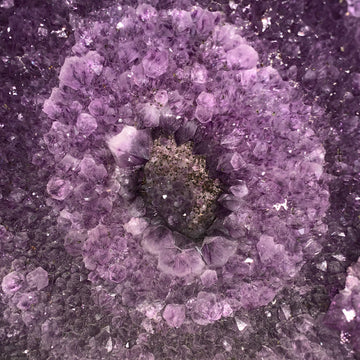
Color is the most useful tell on quartz. Natural Amethyst rarely colors itself evenly. The purple tends to gather at the crystal tips and thin out toward a clear or milky base, a pattern called color zoning. A stone that is the same saturated purple from end to end has either been grown that way or is not quartz at all.

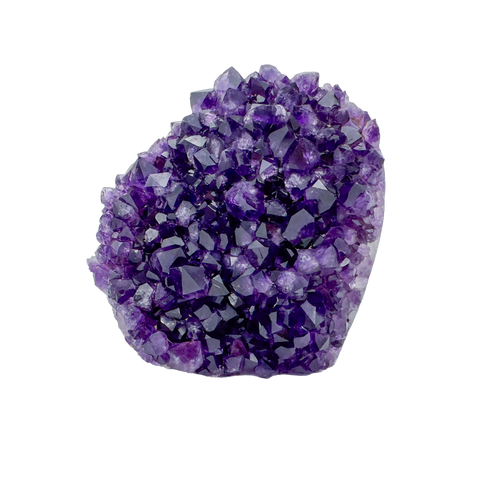
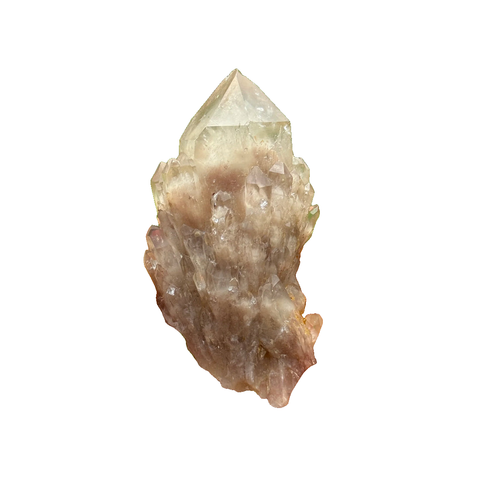
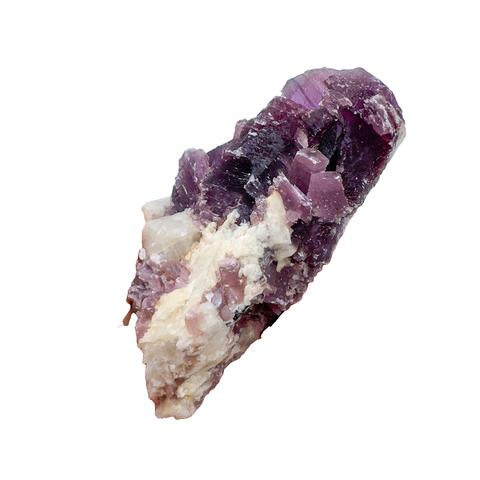
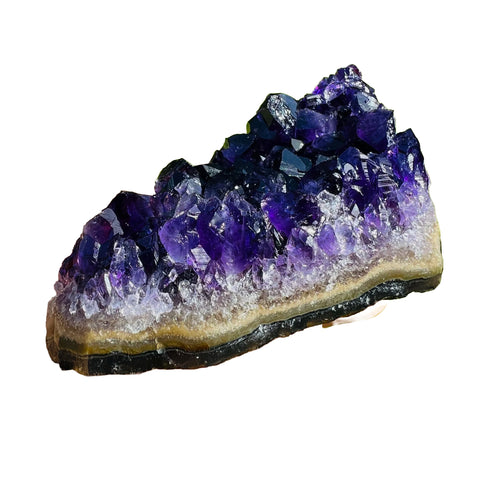
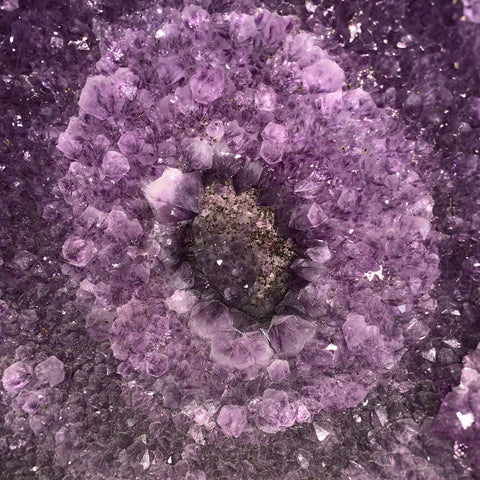
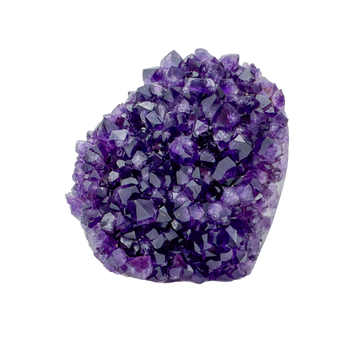
Natural Amethyst wears its color unevenly, deeper at the points and paler at the base.
Flawless clarity and dead-even color from end to end can hint at lab growth or glass. Natural quartz usually carries some variation.
Hold the stone to the light. Natural Amethyst often shows uneven purple, concentrated at the tips and fading toward a clear base.
Perfectly round bubbles trapped inside mean glass, not quartz. Real quartz may show veils or fingerprint-like wisps, not spheres.
In Ruby and Sapphire, curved growth bands with tiny gas bubbles point to a flame-fusion synthetic. Natural growth runs straight and angular.
A large, flawless, very cheap gem is a reason to ask questions, not a steal. Honest value and suspiciously low value look different.
The fastest test is a plain question. An honest shop will tell you natural, lab-grown, or treated without dancing around it.
None of these is proof. Modern synthetic Amethyst can be grown with color zoning, and even with the twinning that labs once leaned on, so a truly confident answer often needs a gemological lab with a microscope and a polariscope. Be wary of anyone who promises to know a stone's origin from a photo.
Why raw clusters and geodes are rarely the lab-grown ones
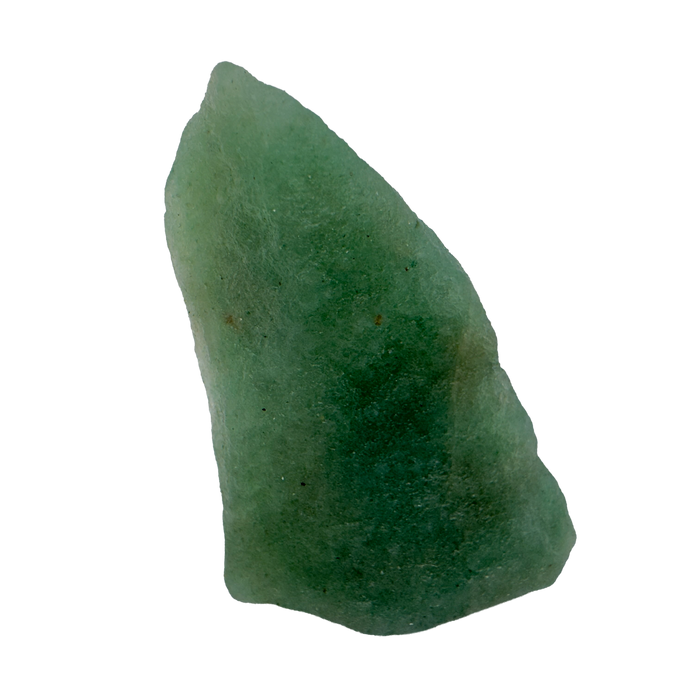
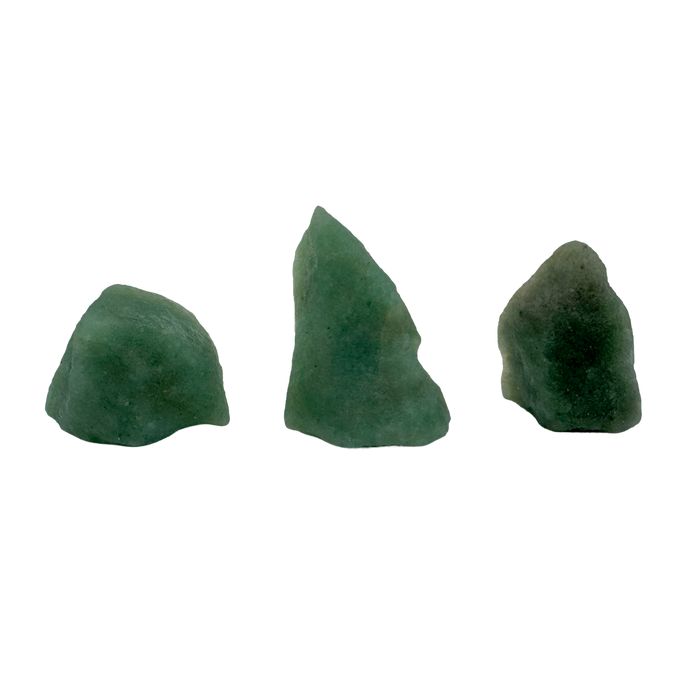
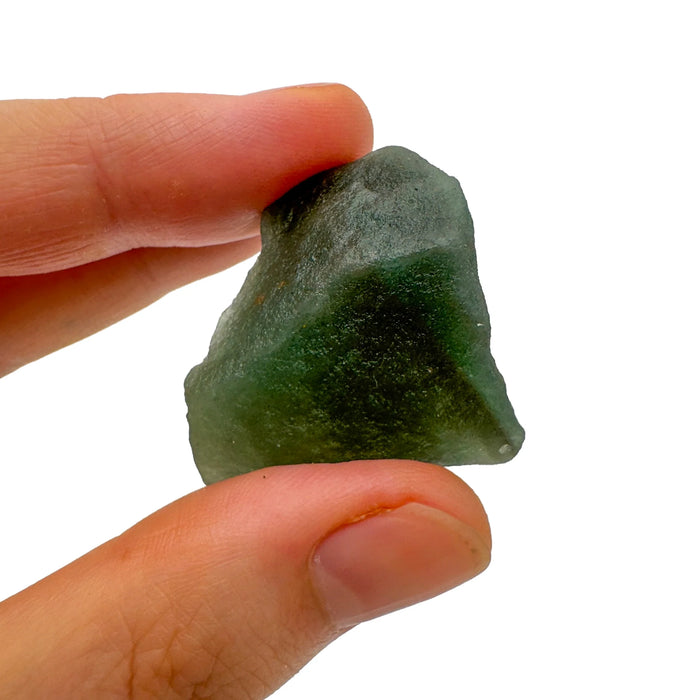
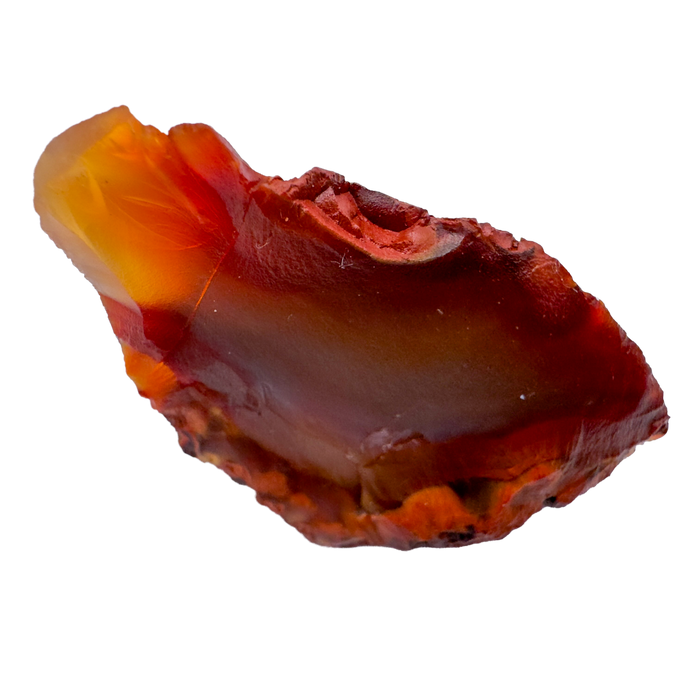
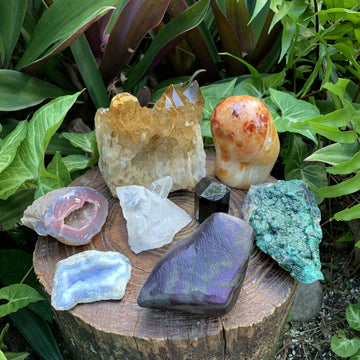
Here is the reassuring part, and the part most identification guides skip. The piece most crystal lovers actually hold, a raw cluster, a geode half, a tumbled stone, a rough point, is almost never the thing grown in a lab.
Hydrothermal labs grow quartz on flat seed plates, sized to be sawn into faceted gems and technical parts, not to mimic a craggy natural cluster. And because natural Amethyst and Clear Quartz are mined in such quantity, manufacturing a convincing fake cluster would cost more than simply digging up the real one. So for the cluster on your shelf, the useful questions are about where it came from and whether it was treated, not whether a factory grew it.

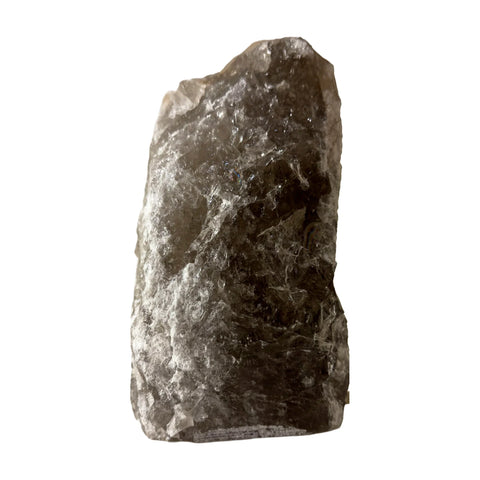
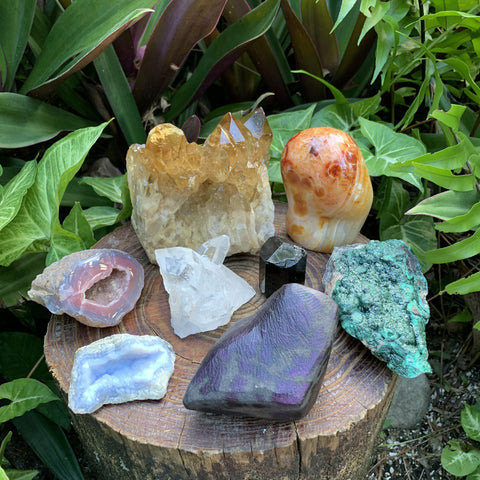
Raw Clear Quartz like this is cheaper to mine than to manufacture, which is why clusters and points are rarely synthetic.
If a crystal is a raw cluster or a geode, the lab is almost never what to worry about. The label is.
Lab-grown is not the problem. Silence is.
Here is the part that gets lost in the worry. Lab-grown is not a dirty word. A synthetic Amethyst is real Amethyst, the same mineral, the same hardness, the same purple. The only real problem is silence, a grown or glass stone passed off as a natural one with nothing said.
For collectors, and for the many people who keep crystals for intention and meaning, a stone's natural origin and its story are part of why they chose it in the first place. That is reason enough to want the truth printed plainly on the label, so the choice stays yours to make.
United States jewelry guidance from the Federal Trade Commission says a lab-created stone has to be described with a clear, equally prominent word such as laboratory-grown, laboratory-created, or synthetic, set right beside the gem name. A seller who buries that detail, or waves it away when asked, is showing you the real warning sign.
Keep reading
A few guides that pick up where this one leaves off, plus two places to see natural, mined material for yourself.
The other side of human intervention: changing a real stone's color with heat, and how to read it.
Read the guideWhere natural Amethyst comes from, how it is graded, and what gives it that purple.
Read the guideThe most-grown quartz of all, in its natural form: sourcing, clarity, and care.
Read the guideRaw clusters, points, and tumbles, the forms a lab does not bother to copy.
See the collectionHand-selected natural Clear Quartz, mined rather than manufactured.
See the collectionOur full set of plain, trustworthy guides to sourcing, treatment, and care.
Browse the LibraryFrequently asked
Is lab-grown amethyst real amethyst?
Yes. Lab-grown amethyst is the same mineral as natural amethyst, quartz colored by iron, with the same chemistry, the same hardness, and the same look. The only difference is that it formed in a sealed vessel in a factory over weeks instead of in the earth over a much longer time. It is real amethyst that should simply be labeled as grown.
How can I tell if my amethyst is natural or lab-grown?
At home, look for clues rather than proof. Natural amethyst usually shows uneven color, deeper at the points and paler toward the base, along with small inclusions or veils. A stone that is flawless and evenly colored throughout is more likely grown or glass. Perfectly round air bubbles inside point to glass. A gemological lab confirms it with magnification and a polariscope.
Are the crystal clusters, geodes, and points I buy lab-grown?
Almost never. Labs grow quartz on flat seed plates to cut into faceted gems and industrial parts, not to copy a rough cluster or a geode. Natural amethyst and clear quartz are also mined in huge volume, so growing a fake cluster would cost more than the real one. For raw pieces, treatment and origin are the better questions.
What is the difference between synthetic and simulant?
A synthetic stone is the same mineral as the natural one, just grown in a lab, so it shares the chemistry and hardness. A simulant, also called an imitation, is a different material that only looks similar, usually glass, plastic, or cubic zirconia. Synthetic amethyst is real quartz. A glass bead dyed purple is not.
Is lab-grown the same as heat-treated?
No. Heat treatment takes a natural stone and changes its color, the way heated amethyst becomes the orange of most citrine. Lab-grown means the entire crystal was made in a lab from raw ingredients. One alters a real stone, the other manufactures a new one. Both are fine when they are disclosed.
Does a seller have to tell me a stone is lab-grown?
In United States jewelry marketing, the Federal Trade Commission guides say a lab-created stone must be described with a clear, equally prominent term such as laboratory-grown, laboratory-created, or synthetic, placed right next to the gem name. A seller who hides that or brushes it aside is the real warning sign.
Is lab-grown amethyst lower quality than natural?
Not physically. A grown stone is just as hard and just as durable, and it is often cleaner and more evenly colored than a natural one. The case for a natural stone is not about quality. It is about origin, story, and traceability, which is why many collectors and crystal keepers prefer a stone that came from the earth.
Can you tell lab-grown from natural just by looking?
Sometimes the clues are visible, like even color, no inclusions, or round bubbles, but they are not proof. Synthetic amethyst can even be grown with the color zoning and twinning that labs once relied on. A confident answer often needs a gem lab, so be cautious with anyone who guarantees origin by eye alone.