












What quietly damages a stored collection
Four slow threats, and the simple habits that hold a collection together.
A collection is rarely ruined in a single dramatic moment. It fades, dulls, and crumbles slowly, in storage, while you are not looking. The reassuring part is that the damage is predictable, and most of it is easy to prevent.

Four things quietly damage a stored collection: light, moisture, dust, and contact. Light fades color for good, humid air rots Pyrite and dissolves soft stones, airborne Quartz dust scratches polish, and stones knocking together chip. Keep a collection somewhere dim, dry, stable, and separated, and it will outlast you.
Damage happens slowly, in storage
Most crystals are tougher than they look, and most damage to a collection is not dramatic. It is cumulative. A stone kept in the wrong spot loses a little color, a little polish, or a little structural integrity each month, until one day the change is obvious and impossible to undo.
Four forces do nearly all of it: light, moisture, dust, and physical contact. A fifth, sharp temperature swings, matters mostly if you store stones somewhere extreme. Knowing which of your pieces is vulnerable to which threat is most of the work.
Light (UV)
The fader of color
Humidity
The slow oxidizer
Dust
The quiet scratcher
Contact
The chipper of neighbors
Temperature swings
The stress that cracks
Light: the color you can't get back
Color in many crystals comes from trace elements and structural quirks that ultraviolet light slowly pulls apart. Once they are gone, the color does not return. There is no recharging a faded stone back to its old self.
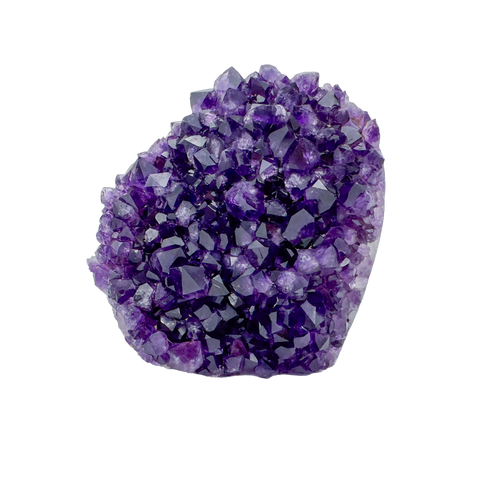
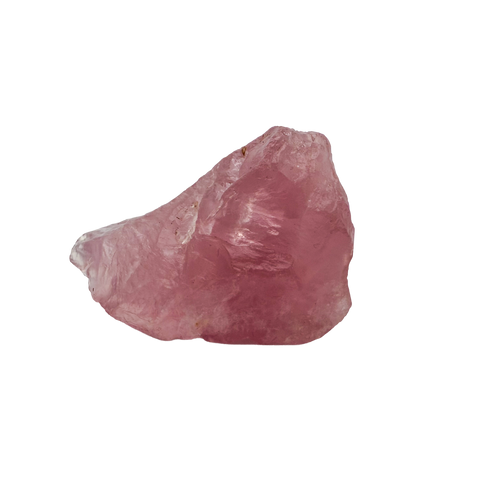
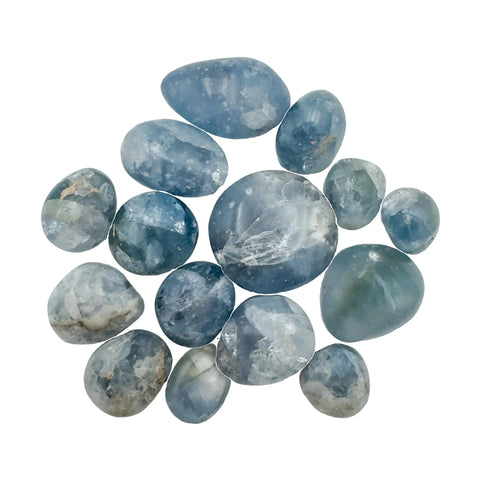
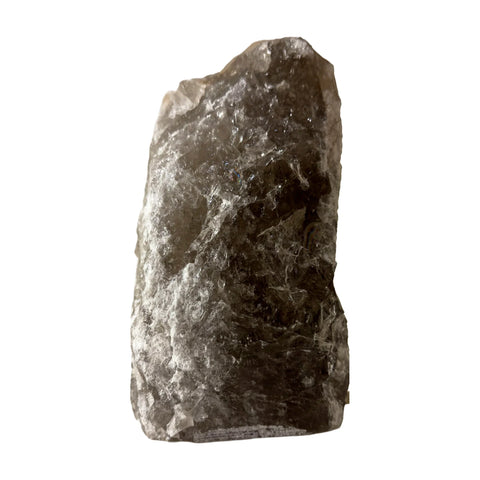
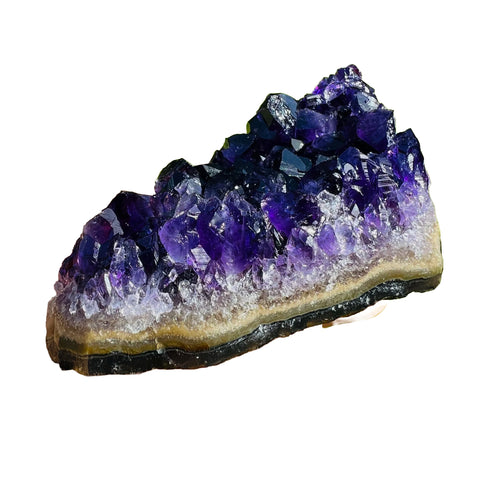
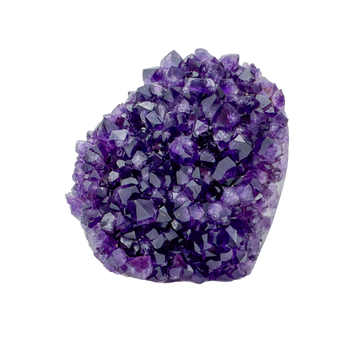
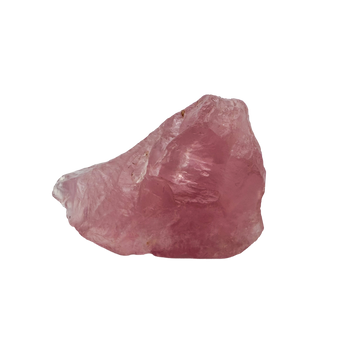
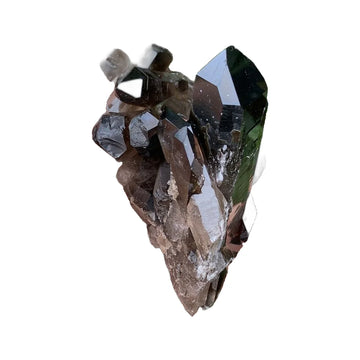
Fluorite is the cautionary tale. Its vivid purples, greens, and blues can visibly fade after only a few weeks in regular sun, and Kunzite is nearly as fragile. Amethyst pales toward lavender or clear, and Rose Quartz drifts to a milky white, usually over months of daily light rather than weeks. Smoky Quartz and Celestite fade too.
It is not only direct sun. Bright, indirect daylight does the same thing more slowly, so a stone on an open shelf across from a window is still losing color. A few collector minerals go further and change chemically in light, like Realgar, which crumbles to a dull powder. For anything prone to fading, dim storage is the safest home, and display pieces are worth rotating in and out of the light.

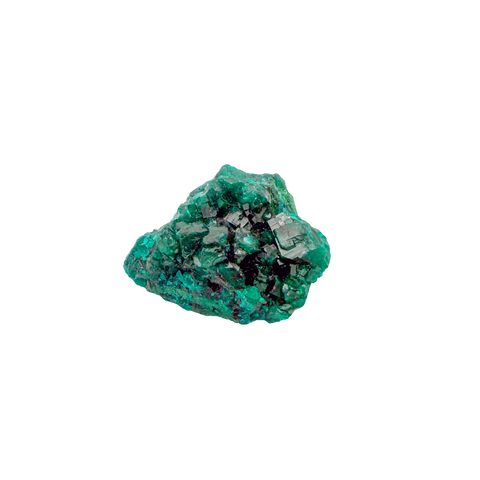
Raw Fluorite from Namibia. Few stones lose their color faster in sunlight, which makes it the one to keep in the dark.
Humidity: rot, dissolve, and tarnish

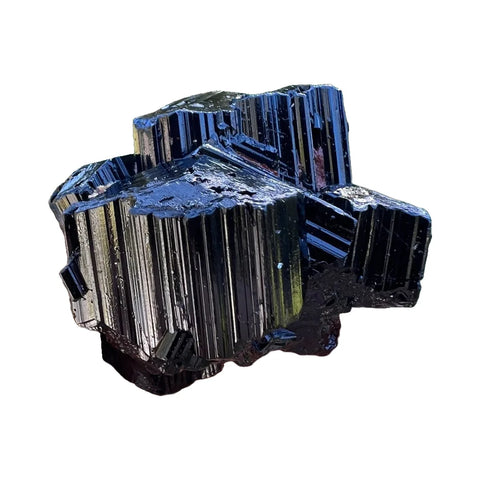
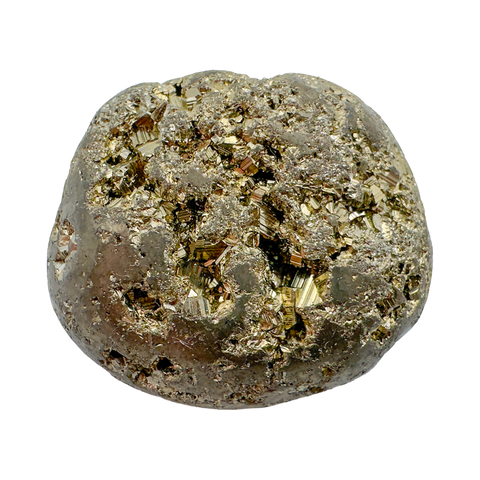
Pyrite. In humid air it slowly oxidizes, cracks, and powders, a decay that cannot be undone once it starts.
Damp air is the quiet destroyer of a collection, and it works in a few different ways depending on the stone.
The most dramatic is Pyrite. In humid air, Pyrite and its cousin Marcasite react with oxygen and water vapor and begin to oxidize, a process collectors call pyrite decay or pyrite disease. It gives off a faint sulfur smell, sheds a white or yellow powder, and cracks from the inside until the piece can crumble apart. It cannot be reversed, and it can begin at a humidity as modest as 60%.
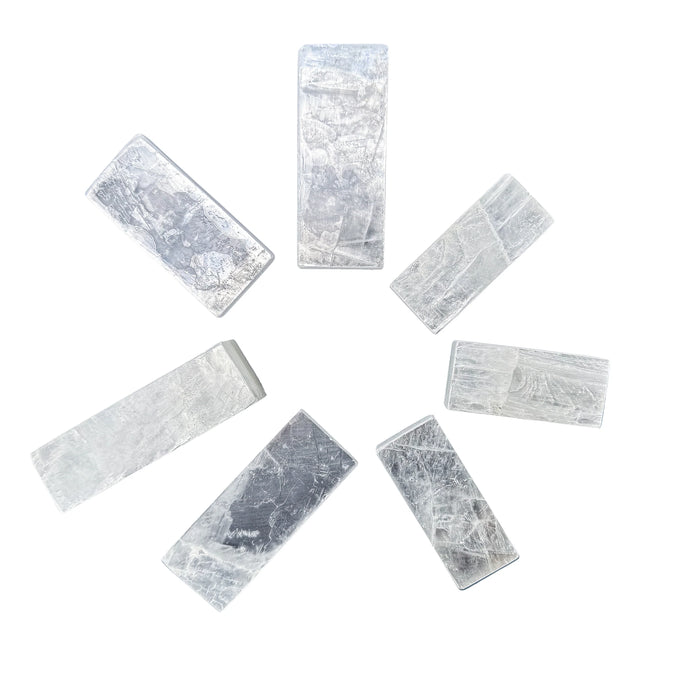
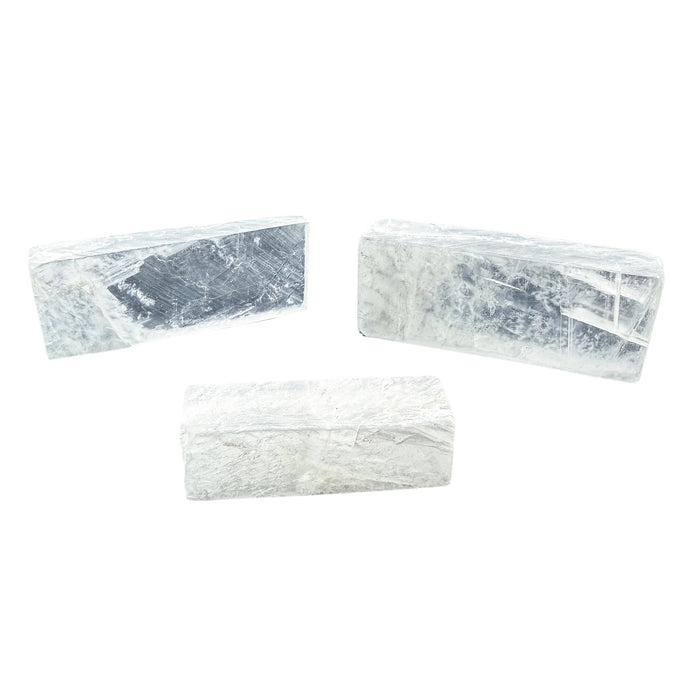
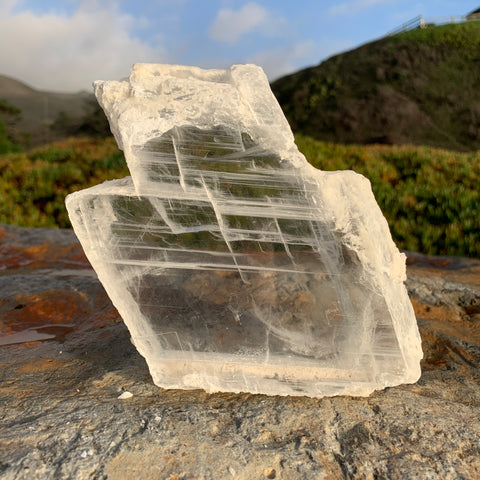
Other stones are simply soluble. Selenite and Halite (rock salt) draw moisture from the air and lose their sheen or slowly dissolve, and Calcite and Celestite are soft and water-sensitive in the same way. None of these belong in a damp basement or a steamy bathroom. Aim to keep storage between about 30% and 50% relative humidity, and drier still for anything with Pyrite in it.
A sulfur odor, a dusting of yellow powder, or fresh cracks on a Pyrite piece are the early signs of pyrite decay. Move it away from the rest of the collection, dry it out, and store it sealed with a silica gel packet. The damage already done is permanent, but you can slow what is coming.
Dust is not as harmless as it looks
Dust feels gentle, so the instinct is to wipe it away. That instinct is what does the damage.
Household dust contains fine particles of Quartz, which sits at about 7 on the Mohs hardness scale. Drag a dry, dusty cloth across a stone that is softer than 7 and you are grinding those Quartz grains over the surface, leaving micro-scratches that build into a dull haze over the years. Polished pieces show it first.
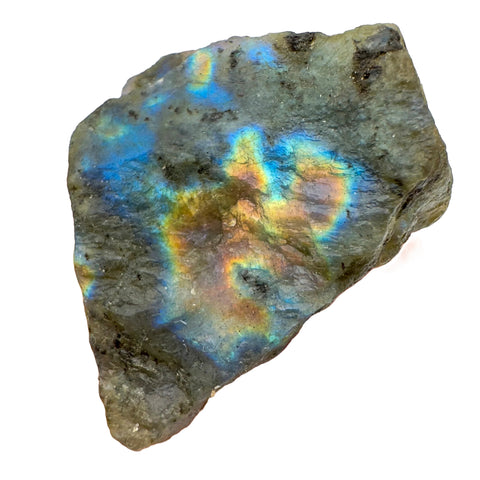
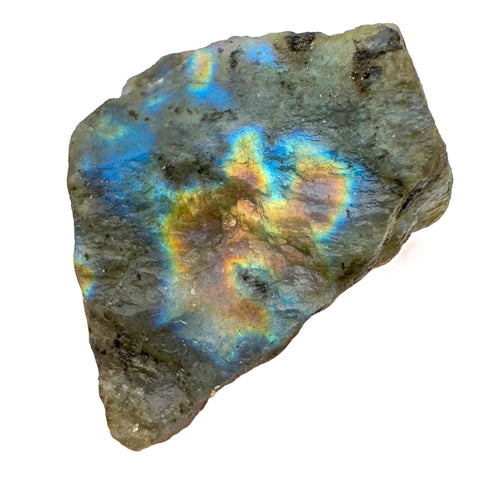
Plenty of popular stones sit below that line: Fluorite at 4, Calcite at 3, Labradorite around 6, and Selenite at a soft 2. The fix is simple. Blow dust off, or sweep it away with a soft, dry brush, and never scrub. Better still, keep vulnerable pieces in closed storage so dust never settles on them at all.

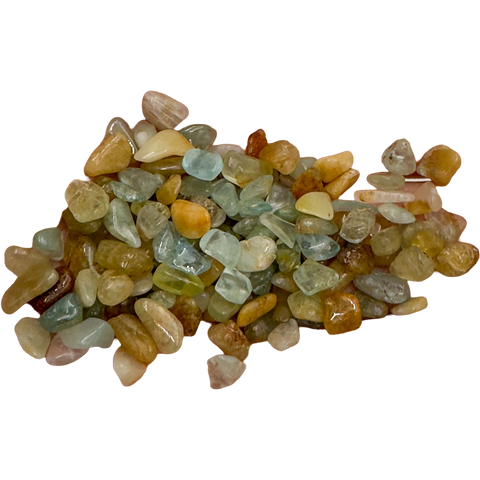
Polished Labradorite. At about 6 on the Mohs scale it is softer than the Quartz in household dust, so wiping slowly dulls its flash.
the Mohs hardness of the Quartz found in ordinary household dust
the relative humidity that keeps most collections safe
the drier target for Pyrite and other sulfide minerals
Sources: the Mohs hardness scale, and conservation guidance for mineral storage.
Stones damage each other in the same drawer

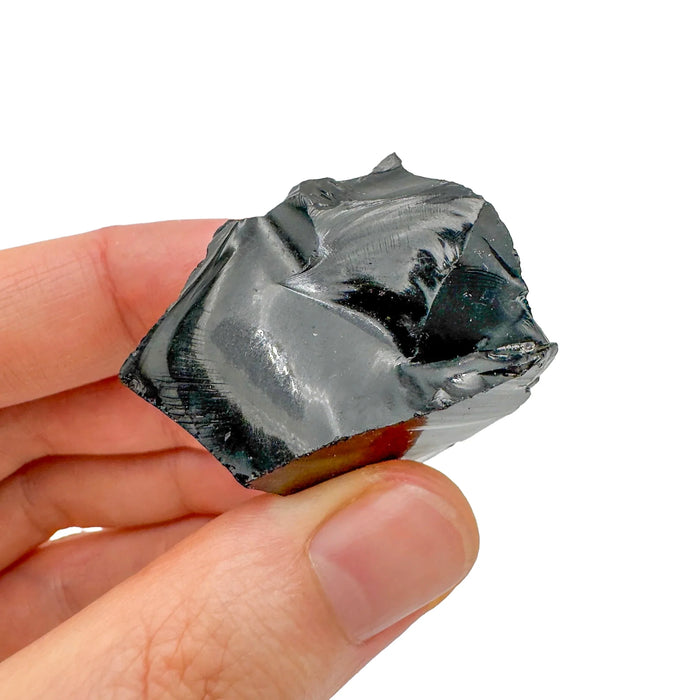
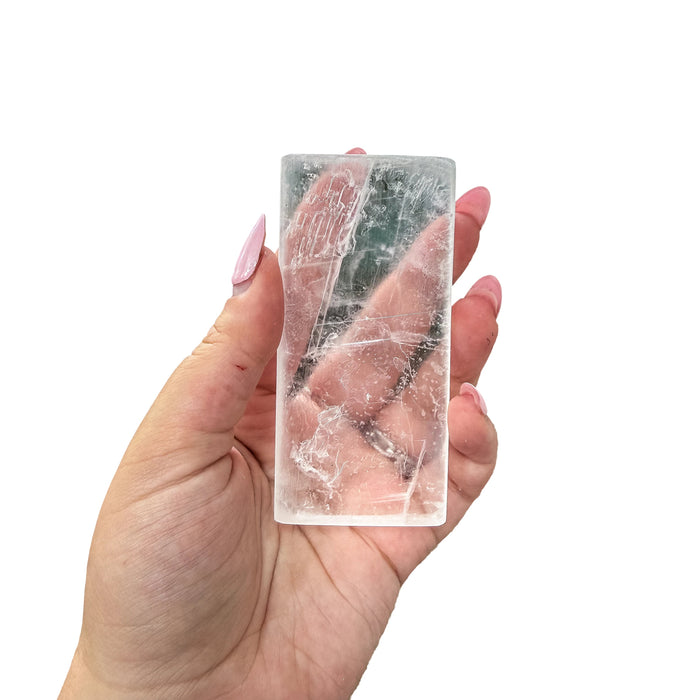
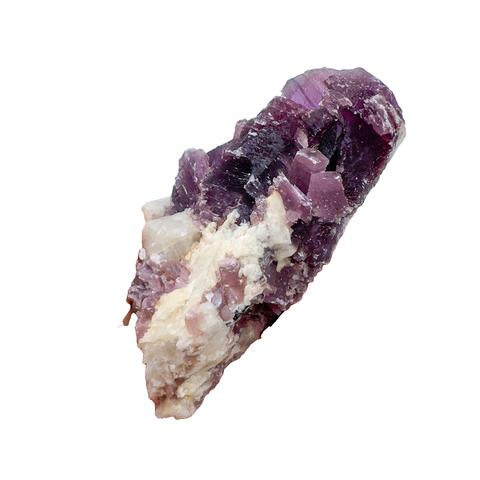
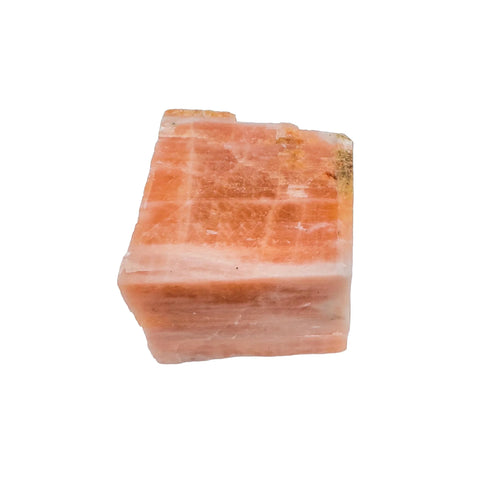
Selenite chips. At Mohs 2, Selenite is among the softest stones on the shelf, and almost anything stored against it leaves a scratch.
Hardness is relative, and that is the whole problem with storing a collection loose in one container. A stone is only safe next to something equal or softer.
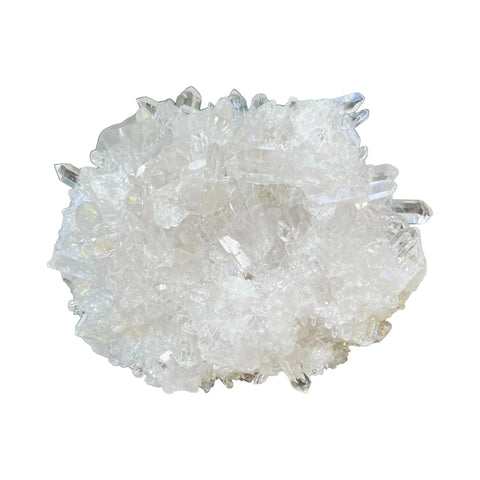
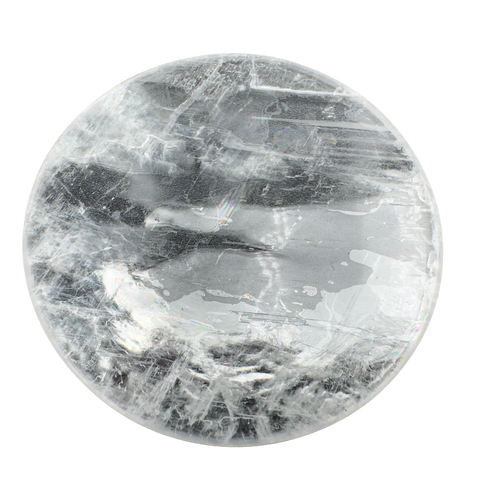
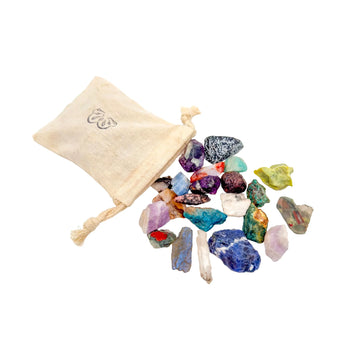
A single Clear Quartz point at Mohs 7 will scratch Fluorite, Calcite, and Selenite without a mark on itself. Raw, sharp-edged pieces chip polished ones. Tip a handful of tumbles into a pouch and every time the bag moves, they grind against each other.
The habits that prevent it are easy. Wrap soft or polished pieces on their own in a soft cloth or tissue, keep raw stones apart from finished ones, and give points and clusters their own space so a fragile tip does not snap under the weight of a neighbor.
"The hardest stone in the drawer sets the terms for every softer one beside it."
Building storage that protects the collection
Put the four threats together and a simple setup falls out of them. The aim is somewhere dim, dry, stable, and divided.
A closed cabinet or a set of lined drawers beats an open shelf on every count: it blocks dust, keeps light off, and holds a steadier little climate inside. Keep it out of attics, garages, damp basements, and sunny windowsills, the places where temperature and humidity swing the most. For the moisture-sensitive stones, a silica gel packet inside a sealed box does real work, as long as you dry it out or replace it every few months.
A cabinet or lined drawer blocks dust and light and holds a steadier climate than any open shelf.
Keep faders out of direct and bright indirect light, and away from heat sources that swing the temperature.
Wrap soft and polished pieces on their own, and never store them loose against raw or harder stones.
Pyrite, Selenite, and other reactive stones want low humidity and a silica gel packet in a sealed container.
Big temperature and humidity swings stress stones and feed pyrite decay. A stable interior room is far kinder.
A quick look catches early Pyrite powder, a new crack, or a fading stone while you can still act.
Many keepers like to cleanse a stone before it goes into storage. If that is part of your practice, our guide to cleansing without damage covers which methods are safe for water-sensitive stones, and our durability guide shows at a glance which pieces can take handling and which cannot.
Keep going
A few guides that pick up where this one leaves off.
A hardness-based look at which crystals shrug off daily handling and which chip if you look at them wrong.
Read the guideThe water-safe and water-risky ways to clean and reset your stones, stone by stone.
See the methodsA calm, accurate look at the few minerals worth washing your hands after, and how to keep them.
Read the guideThe full guide to Pyrite, the stone most likely to decay if you store it somewhere damp.
Explore PyriteThe display pieces worth storing well, hand-selected and graded.
Browse specimensOur full set of plain, trustworthy guides to sourcing, treatment, and care.
Browse the LibraryFrequently asked
Does sunlight really fade crystals, or is that a myth?
It is real and permanent for several popular stones. Ultraviolet light breaks down the color in Amethyst, Rose Quartz, and Fluorite, among others. Fluorite and Kunzite can fade within weeks of direct sun, while Amethyst and Rose Quartz usually take months. Once the color goes, it does not come back, so keep faders out of direct and bright indirect light.
Which crystals are most sensitive to humidity?
Pyrite and Marcasite are the big ones, because humid air oxidizes them and they slowly crack and powder. Selenite, Halite (salt), Calcite, and Celestite are soft and water-soluble, so damp air dulls or dissolves them over time. These belong in the driest part of your storage, ideally with a silica gel packet.
Is dust actually bad for my crystals?
Yes, more than people expect. Household dust contains fine Quartz particles at about Mohs 7, so wiping a dry, dusty cloth across a softer stone drags those particles over the surface and leaves micro-scratches. On stones below 7, the polish slowly goes hazy. Brush or blow dust off gently, or keep pieces in closed storage so dust never settles.
Can I keep all my crystals together in one bowl or bag?
It is the most common way collections get damaged. Hardness is relative, so a Quartz point scratches softer stones, and raw pieces chip polished ones whenever they shift. Wrap soft or polished pieces separately in cloth or tissue, and keep raw and polished apart so nothing grinds together.
What humidity level is safe for a crystal collection?
Most collections do well between about 30% and 50% relative humidity. Sulfide minerals like Pyrite want it drier, ideally under 45%, because oxidation can begin around 60%. A small hygrometer and a few silica gel packets in sealed containers make this easy to manage.
Why is my pyrite cracking, crumbling, or giving off a smell?
That is pyrite decay, also called pyrite disease. In humid air, Pyrite reacts with oxygen and water vapor and oxidizes, producing a sulfur smell, white or yellow powder, and cracks that widen until the piece falls apart. It cannot be reversed. Isolate the piece, dry it out, and store it sealed with desiccant to slow it down.
Is it bad to store crystals in an attic, garage, or basement?
Usually yes. Attics and garages swing between hot and cold, and rapid temperature changes stress stones and can crack them. Basements tend to be damp, which feeds pyrite decay and dulls soft stones. A closet or cabinet in a stable, room-temperature part of the house is far safer.
Do I need silica gel packets for my crystals?
Not for everything, but they help for the moisture-sensitive ones. A silica gel packet inside a sealed container holds humidity down around Pyrite, Selenite, and other soft or reactive stones. The packets lose capacity over time, so dry them out or replace them every few months.