























































Serpentine and the Asbestos Question: Is It Safe to Hold?

If you have searched serpentine before buying it, you have probably run into a scary word: asbestos. It is the kind of thing that makes you put the stone back down. So let's settle it plainly, because the real answer is more reassuring than the search results make it sound, and the geology behind it is genuinely beautiful.
Serpentine is one of the older ornamental stones people have carried. It has been carved for thousands of years, and it comes from a place most stones never touch. Understanding what it is makes the asbestos question easy to put in its proper size.
What serpentine actually is
Serpentine is not a single mineral. It is a small family of green magnesium silicates that share one chemistry, Mg3Si2O5(OH)4, and differ in how they grow. Geologists call that growth pattern the mineral's habit, and with serpentine the habit is the whole story.
There are three members. Two of them are the plate-like, stable minerals that get tumbled, polished, and carved. One of them grows in fine fibers, and that is the one tied to the asbestos conversation.
Lizardite
The most common serpentine. Fine-grained and massive, the everyday material behind most green serpentine stones.
Antigorite
Tougher and more compact. The kind lapidaries reach for when a piece is meant to be carved or polished.
Chrysotile
Grows in silky fibers and runs as thin veins through some serpentine rock. This is the form known as asbestos.
Where serpentine comes from
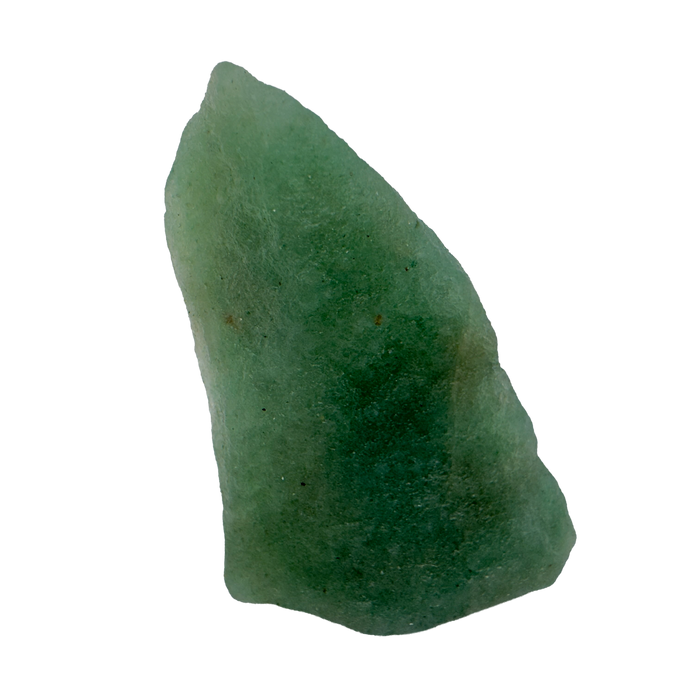
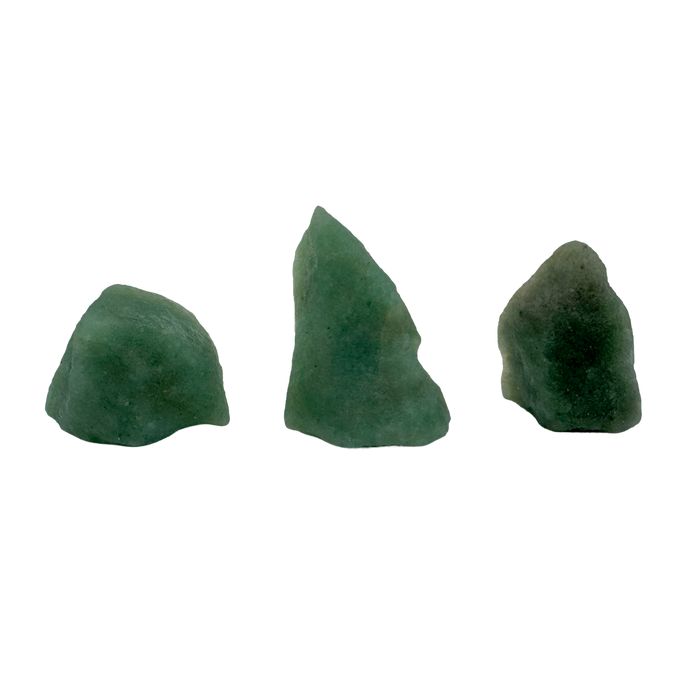
This is the part worth slowing down for. Serpentine starts as rock from the Earth's mantle, the hot layer beneath the crust, usually a magnesium-rich rock called peridotite. When that mantle rock meets water along faults and spreading zones, a slow reaction called serpentinization turns it green and soft and gives it the mottled, scaly look that earned the name serpentine, after snakeskin.
Because that process happens where ancient ocean floor gets pushed up onto land, serpentine shows up all over the world. The Lizard Peninsula in Cornwall is so associated with it that the rock and the place share a name. The stones we carry are sourced from Peru, a steady origin for the bright, even green most people picture.
| Region | Known for |
|---|---|
| Peru | Bright, even green tumbled and polished serpentine. The source for the pieces we carry. |
| Cornwall, England | The Lizard Peninsula, the classic locality that gave the stone part of its name. |
| Italy, Canada, New Zealand | Long-worked deposits along old mountain and ocean-floor belts. |
| United States | California and the Appalachians, including the apple-green williamsite variety. |
The asbestos question, answered
Here is the heart of it. Of the three serpentine minerals, only chrysotile grows in the fine fibers that make a material asbestos. The other two, lizardite and antigorite, grow in plates and sheets. They do not form breathable fibers, and they are the materials behind the green serpentine stones you actually see for sale, including tumbled stones, spheres, and carvings.
So holding, displaying, or carrying a polished serpentine stone is not the asbestos concern. The risk people are right to respect is airborne dust, the kind created when raw serpentine is cut, ground, sanded, or drilled, especially from material that carries chrysotile veins. That is a workshop and quarry concern, handled with dust control and protective gear, not something that comes from a finished stone sitting on a shelf.
The honest version, then, is simple. A polished serpentine stone is stable and safe to handle. If you ever cut or grind raw serpentine yourself, treat the dust seriously and work wet with proper protection. We mention this plainly because it is exactly the kind of question a good shop should answer instead of avoid.
"New Jade" and the names to know
Serpentine carries a few trade names, and they are worth recognizing so you know what you are buying. A harder, translucent variety called bowenite is often sold as "New Jade." It is not jade at all, it is serpentine, and the nicer sellers will tell you so. A rarer apple-green variety with dark flecks is williamsite, cut into cabochons for collectors.
None of these names are a problem on their own. The only thing to watch is a "New Jade" piece priced as if it were true jade. If you want to see how trade names work across the wider market, our jade collection and the crystal guide are good places to compare.
How to choose and care for serpentine
- Buy the finished form with confidence. Tumbled stones, spheres, and carvings are the stable plate-like serpentine. The asbestos worry belongs to raw-cutting dust, not the polished piece in your hand.
- Ask what the name means. If a piece is labeled "New Jade," a good seller will confirm it is bowenite serpentine, not jade, and price it accordingly.
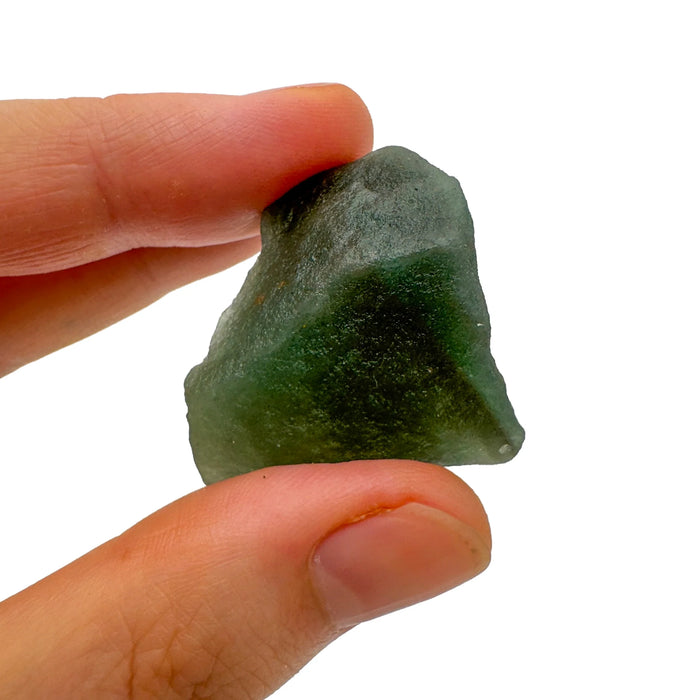
- Handle it gently. Serpentine is soft, roughly 2.5 to 4 on the Mohs hardness scale (bowenite is a bit harder). It scratches and chips more easily than quartz, so store it where it won't knock against harder stones.
- Keep water brief. A quick wipe is fine. Long soaks aren't ideal for a soft, porous stone, so skip the overnight water bath.
- Don't grind it dry at home. If you ever shape raw material, work wet and wear protection. For a stone you simply own and enjoy, there's nothing to manage.
What people reach for it for
Serpentine is traditionally associated with the heart, with renewal, and with a sense of steady growth, which is part of why it has been carved and carried for so long. We share those associations as something that can support a practice you already keep, not as a remedy or a replacement for care. The geology is the part we can promise. The meaning is yours to explore.
Buying it with eyes open
Serpentine is a stone with a remarkable backstory, mantle rock turned green by water and time, and a reputation that sounds scarier than the finished stone deserves. What matters when you buy is that a seller can tell you the form, the origin, and the plain truth about the asbestos question instead of dodging it. That is the whole point of how we source and describe what we sell.
You can see our current pieces in the serpentine collection, and if you're still finding your footing with stone names and treatments, the crystal guide is a calm place to start.