



















Which Crystals Are Heated, and When That's Fine
Heat is one of the oldest tools in the trade. The honest question is not whether a stone was heated, but whether anyone told you.
Heating turns pale agate orange, brown zoisite blue, and ordinary amethyst into most of the citrine you have ever seen. Some of it is expected and fine. Some of it should change the price. Here is how to tell the two apart.

Many popular stones are routinely heated to deepen or clear their color, including most citrine (from amethyst), most carnelian and aquamarine, nearly all tanzanite, and roughly 95 percent of sapphire. Heat is usually permanent and widely accepted. It becomes a problem only when it is hidden, or priced as if the color were natural.
What Heat Actually Changes Inside a Stone
Color in most crystals comes from trace metals, usually iron, and from tiny structural quirks called color centers. Heat works on both. It can shift iron from one oxidation state to another, repair or erase a color center, and drive off the water or organic traces that muddy a hue. The visible result is a cleaner, deeper, or entirely different color.
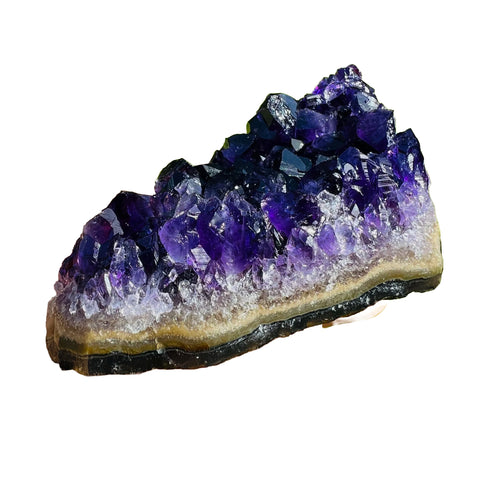
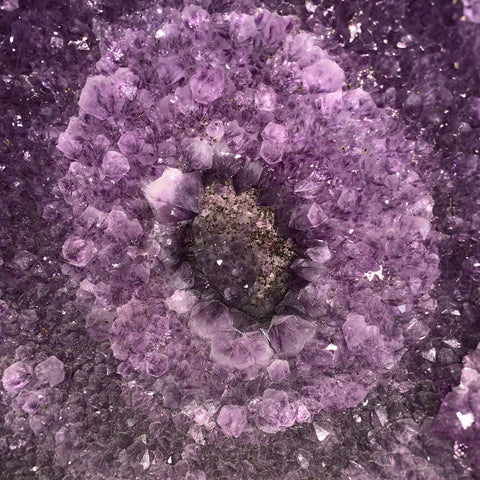
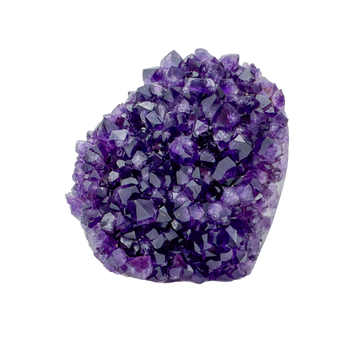
Amethyst is the textbook case. Heat it past roughly 470 degrees Celsius and the purple gives way to the warm gold and orange we call citrine. The stone is still quartz, only its color has moved. Treatments like this tend to be stable, which is why heating has been part of the trade for centuries, not a modern shortcut.

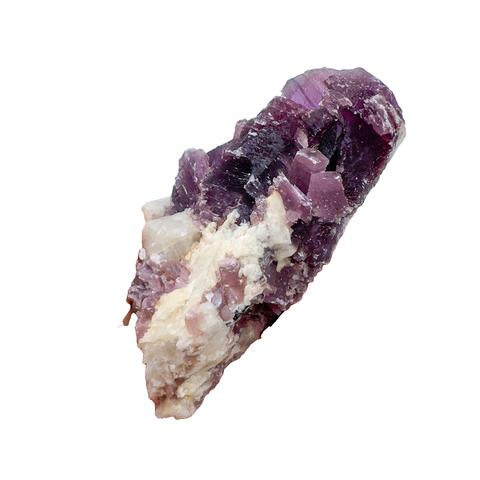
Ametrine shows both colors in one stone, the purple of amethyst and the gold of citrine. Heat is what pushes amethyst toward that gold.
The Stones Most Likely to Be Heated
A handful of stones are heated so routinely that the trade assumes it unless a piece is documented otherwise. None of it makes them fake. It does shape what a fair price looks like, and what a seller should tell you.
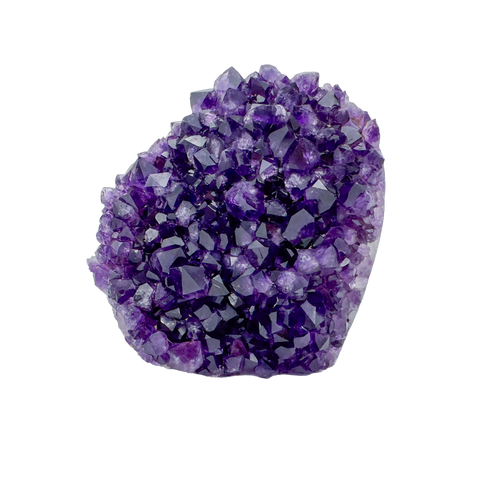
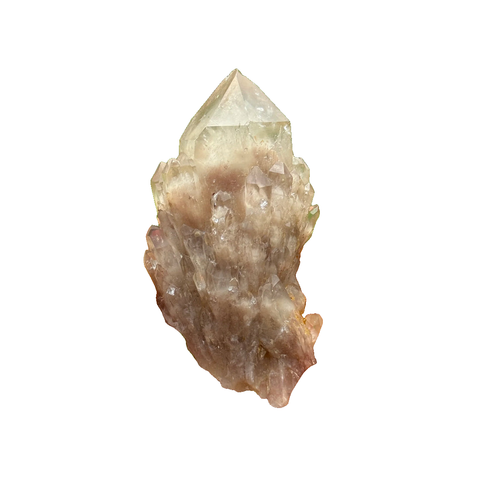
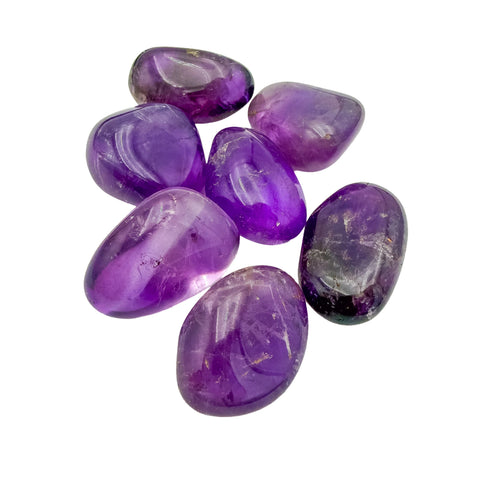
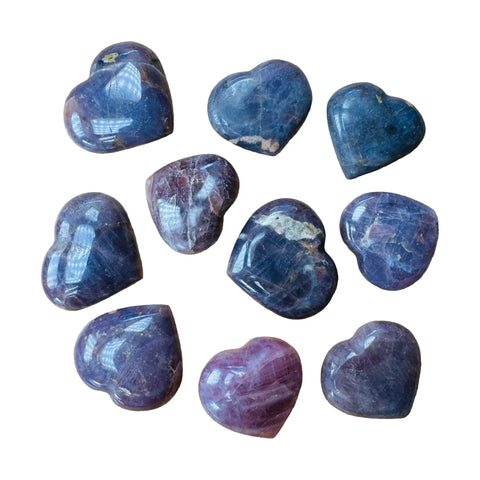
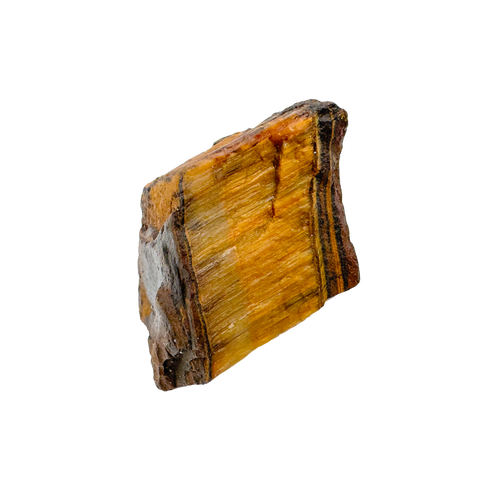
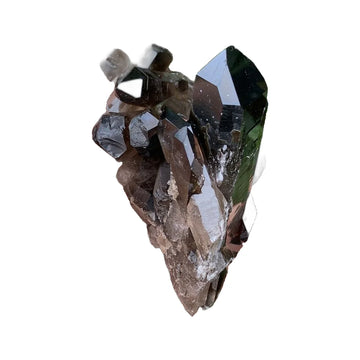
Amethyst to Citrine
Heated quartz
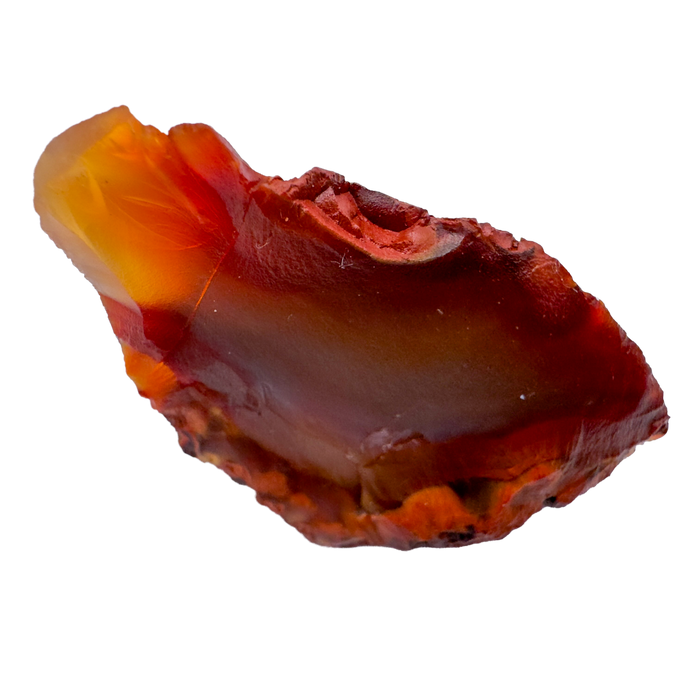
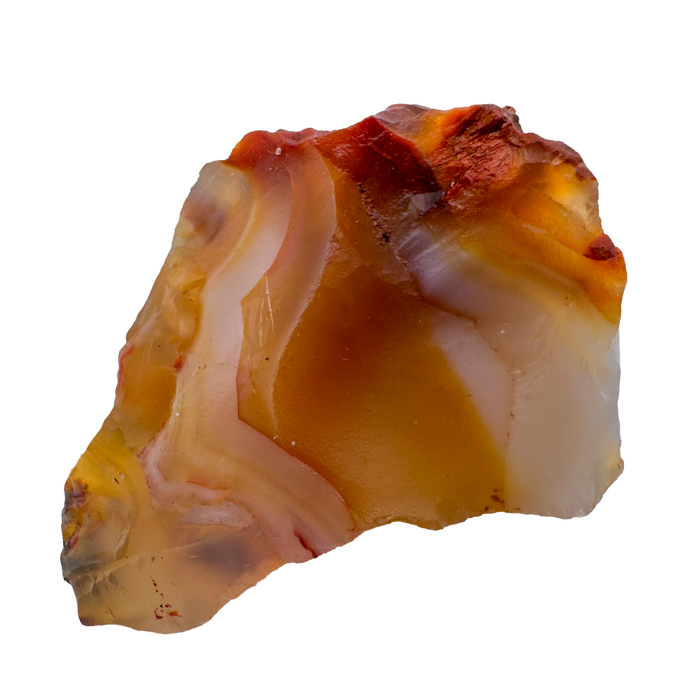
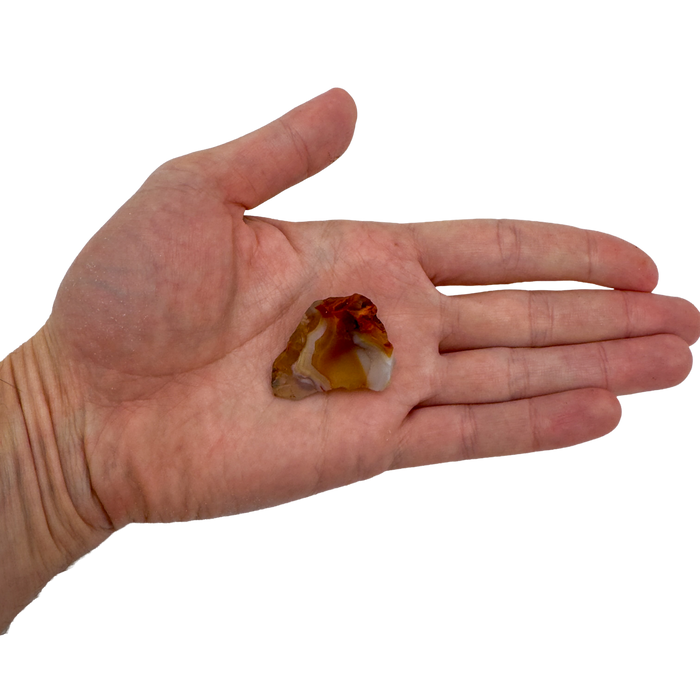
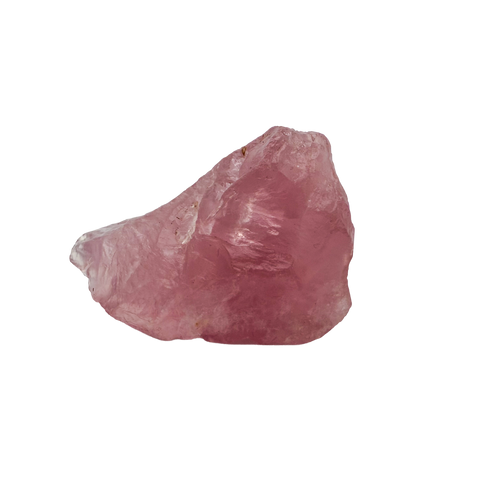
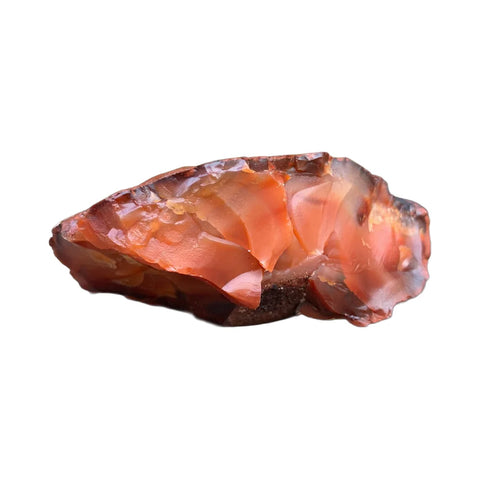
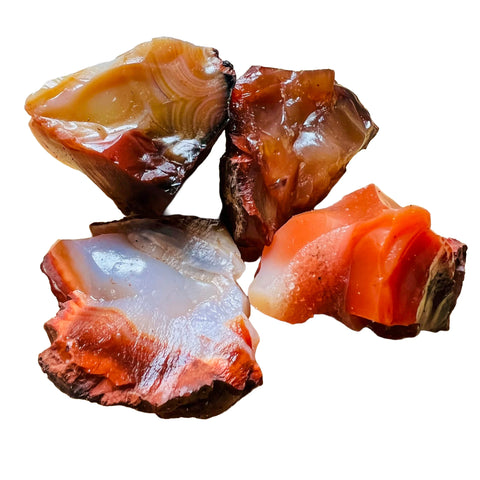
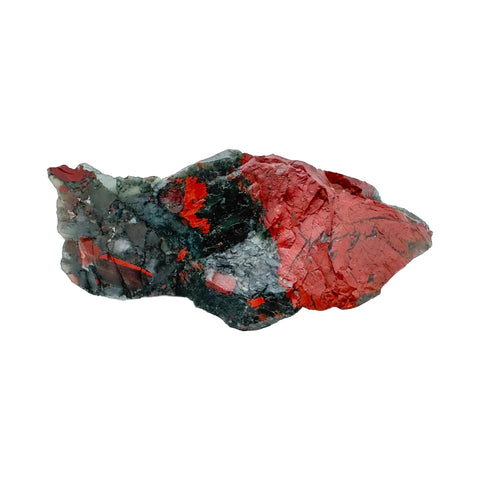
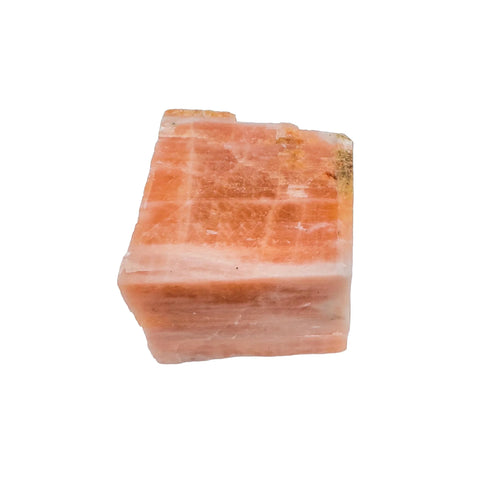
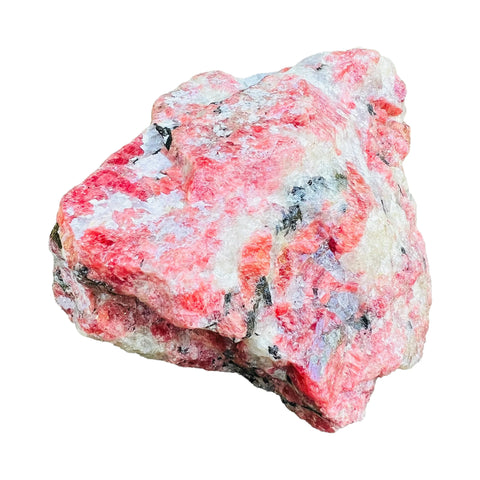
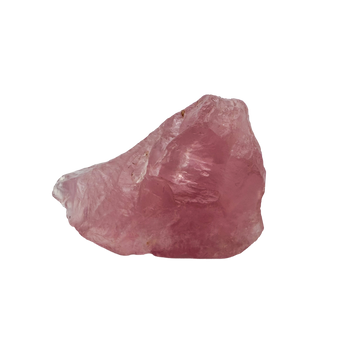
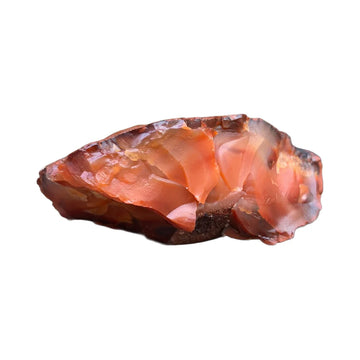
Carnelian
Heated chalcedony
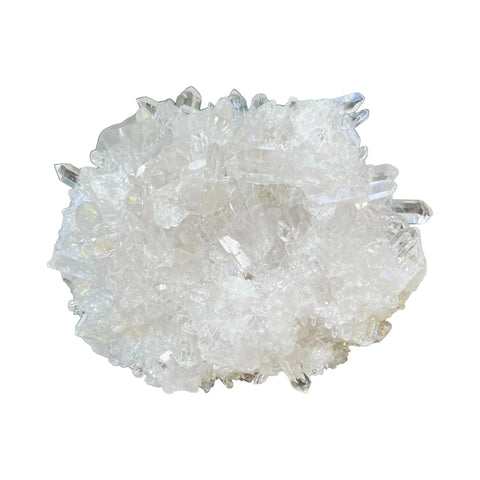
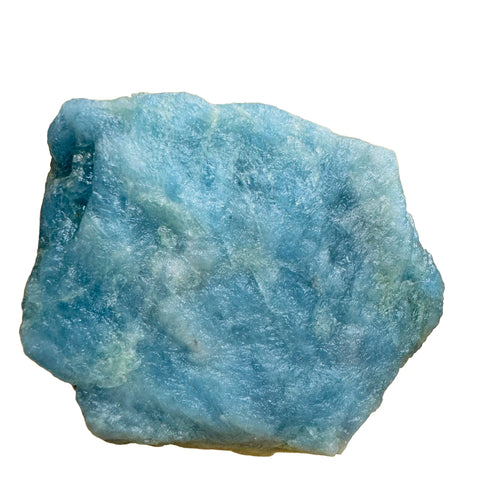
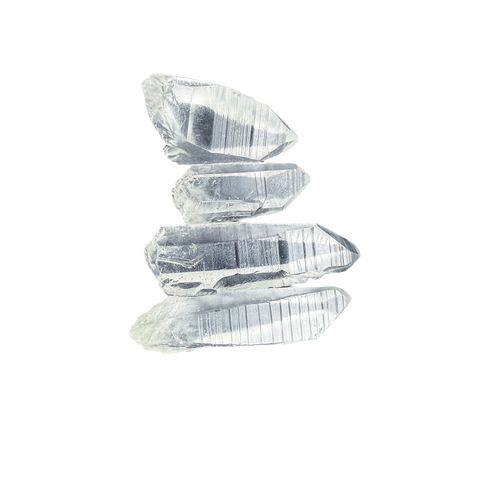
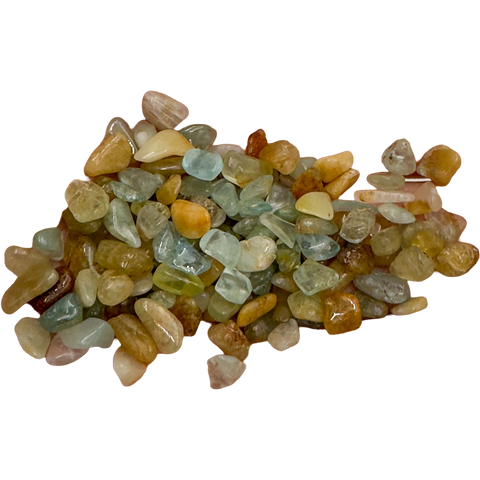
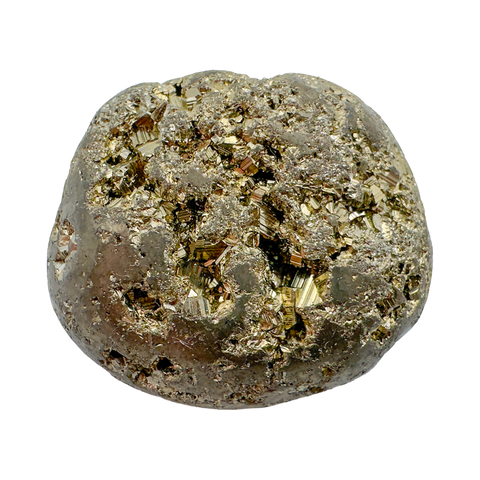
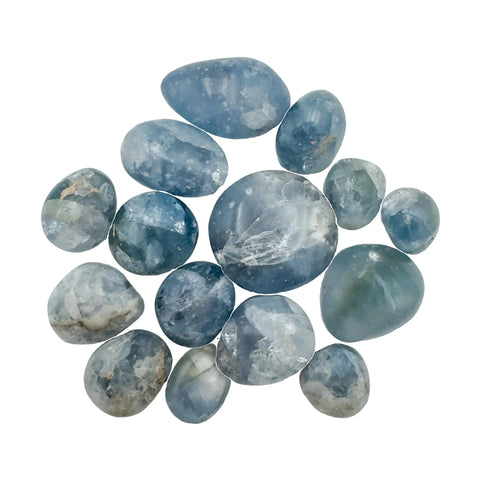
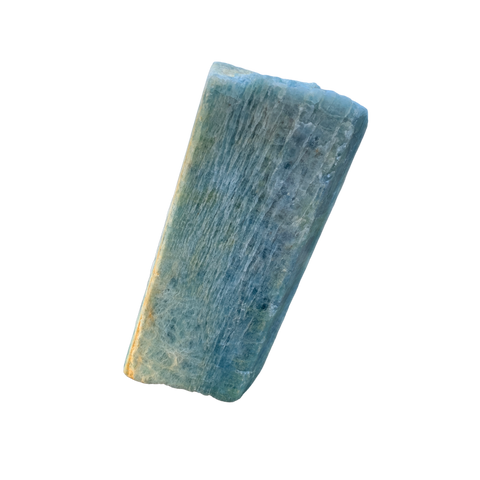
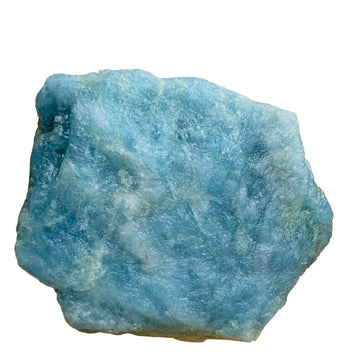
Aquamarine
Heated beryl
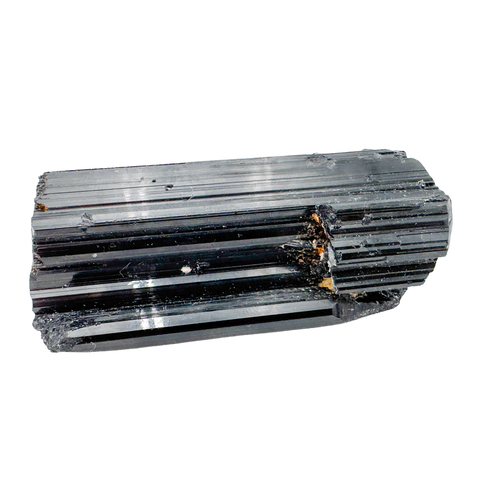
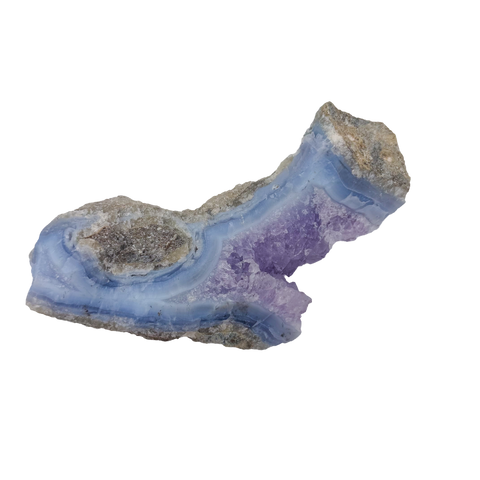
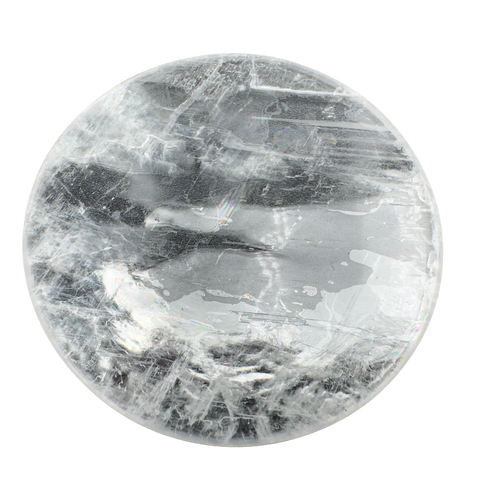
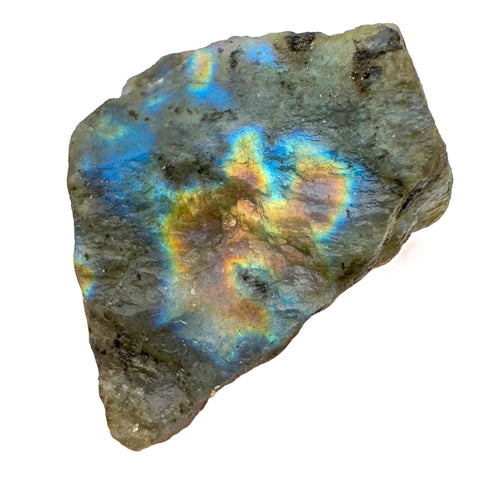
Tanzanite
Heated zoisite
Sapphire
Heated corundum
Citrine: The Heat Treatment Worth Knowing By Sight
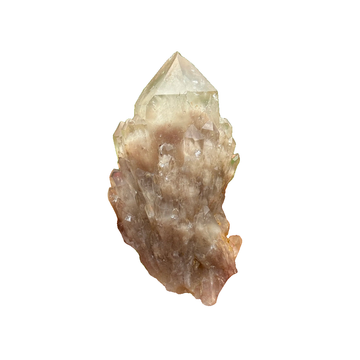
Citrine is where heating matters most to a buyer, because the gap between heated and natural runs straight to price. Natural, unheated citrine forms a soft, even gold and is genuinely uncommon. The deep orange-brown often sold as citrine, frequently with a pale base and color concentrated at the tips, is usually amethyst that has been through a kiln.
Neither is fake. Both are real quartz. But natural citrine is rarer and priced accordingly, so the distinction is worth your eye. We cover the visual tells in our dedicated guide to natural citrine and heat-treated amethyst.
A few habits help. Heated material often shows its strongest color at the points and fades toward a pale base, while natural citrine tends to wear a softer, more even gold throughout. Price is the other tell, since a large, vivid, inexpensive citrine is almost always heated.

Natural citrine carries a soft, even gold. The deeper orange-brown often sold as citrine, with color pooled at the tips, is usually heated amethyst.
A heated stone is not a fake stone. A hidden treatment is the only real deception.
When Heating Is Fine, and When It Isn't
For most of these stones, heat is so standard that it is simply part of what the stone is. Aquamarine is a clear example. Almost all of it is heated to clear the green and yellow, and the change is permanent, so the blue you buy is the blue you keep. Sold at the going rate for heated aquamarine, that is a fair deal.
Heating crosses into a problem in two places. The first is silence, when a seller lets you assume a color is natural. The second is price, when heated material is sold at the premium a naturally colored stone would earn. United States Federal Trade Commission guidance asks sellers to disclose a treatment when it is not permanent, needs special care, or noticeably affects value. Heat is usually permanent and needs no special care, so for crystals the value test matters most.

Most aquamarine is gently heated to clear its green and yellow tones. The pure blue is permanent, so a heated stone holds its color for life.
Our position is simple. When a stone is routinely heated, we treat that as the honest default and price it as heated material. When something is naturally colored and uncommon, we say so, because that is what you are paying for. The treatment should never be the surprise.
How to Tell, and What to Ask
You usually cannot see heat treatment with the naked eye. A trained gemologist reads it from how the inclusions have changed, and a laboratory report is the only firm proof. For everyday crystal buying, the more useful tools are a few honest questions and a sense of a fair price.
Ask whether a stone is heated or natural. A seller who knows their material answers without hesitation. A vague answer is its own answer.
On a lab report, H means heated and N or 'no indications of heating' means natural. Confirm the report number on the lab's own site. A glossy certificate of authenticity is not the same thing.
Naturally colored citrine and unheated sapphire cost more for a reason. A bargain on a normally rare color is usually heated material, which is fine when it is sold and priced that way.
Heat does not weaken these stones, so a heated aquamarine or sapphire wears exactly as well as an unheated one. If you want to match a stone to daily wear, our durability guide breaks down what each one can take.
Keep Reading
The visual tells that separate rare natural citrine from heated amethyst.
Read the guideHow hardness and treatment shape what a stone takes in daily wear.
See the guideThe full profile of the orange chalcedony, heated since antiquity.
Explore CarnelianOrigin, properties, and sourcing for the blue beryl, almost always heated.
Explore AquamarineEverything on citrine, from genuine natural material to the heated kind.
Explore CitrineOur full collection of guides to sourcing, treatment, value, and care.
Back to the LibraryHeat-Treated Crystals, Answered
Is heat-treated citrine real citrine?
Yes. It is genuine quartz. Heating amethyst rearranges its color and produces the gold and orange we call citrine, but the stone itself is real. It simply is not the same as the rarer natural citrine, and it usually costs less.
Does heat treatment make a crystal fake or worthless?
No. A heated stone is still a natural stone. Heat changes color, not authenticity. It can affect value, mostly when a color that is rare in nature has been created or deepened by treatment.
Which crystals are most often heated?
Most citrine, which begins as amethyst, along with most carnelian, most aquamarine, nearly all tanzanite, and roughly 95 percent of the sapphire sold worldwide. For these stones, heating is the norm rather than the exception.
Can you tell if a crystal has been heated just by looking?
Usually not. There are hints, such as color pooling at the tips of heated amethyst-citrine, but the inclusions that reveal heat are seen under magnification. A gemological laboratory report is the only firm proof.
Is heated sapphire or aquamarine worth less than unheated?
Unheated sapphire commands a premium because it is uncommon, while heated sapphire is the accepted market standard. Aquamarine is heated so routinely that heated material is simply the going rate, with little unheated market to compare against.
Is heat treatment permanent, or will the color fade?
Heat treatment is generally permanent and stable. That sets it apart from some dyeing and irradiation, where the color can fade with light or wear over time.
Do sellers have to disclose heat treatment?
United States Federal Trade Commission guidance says a treatment should be disclosed when it is not permanent, when it needs special care, or when it noticeably affects value. Reputable sellers disclose heat as a matter of course.