


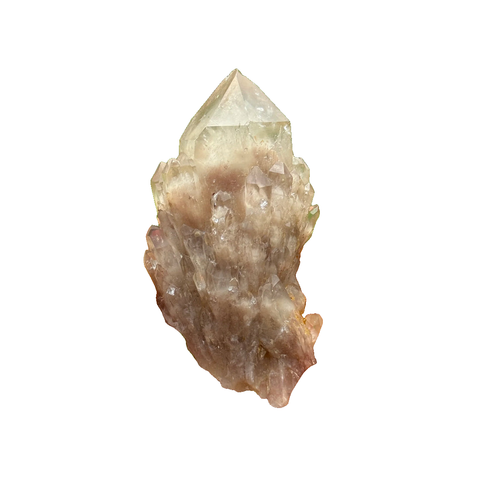
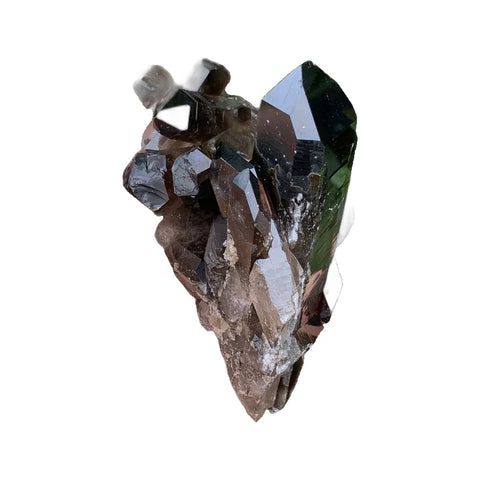
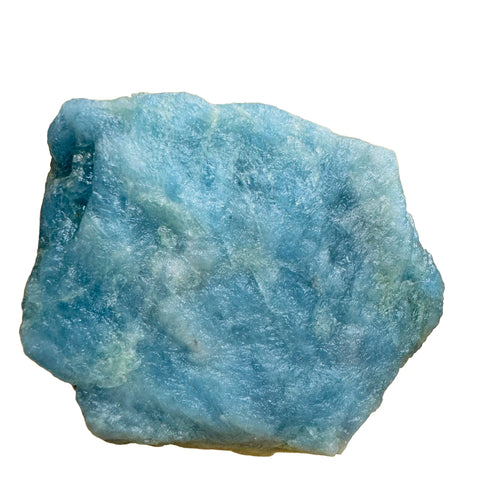








Selenite, Calcite, or Quartz? Telling the Soft Whites Apart
One shelf of pale crystals, three different minerals, and a two-minute way to know which is which.
Three of the most common white crystals look nearly identical on a shelf, yet they are completely different minerals. Here is how to tell selenite, calcite, and quartz apart in a minute, without a lab.

The fastest way to tell them apart is hardness. Selenite (gypsum) is so soft a fingernail scratches it. Calcite is a little harder and fizzes when it meets a drop of vinegar. Quartz is much harder, scratches glass, and shrugs off both tests.
Three White Crystals, One Common Mix-Up
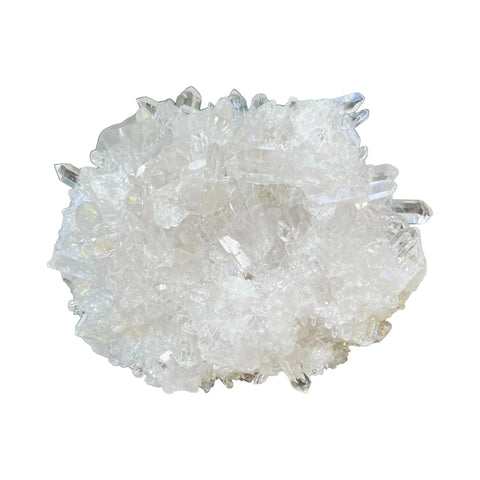
Put a pale selenite tower, a white calcite point, and a milky quartz cluster on the same shelf and most people cannot tell them apart. They share a soft, luminous, almost icy look, which is exactly why "is this selenite or calcite?" is one of the most common questions in any crystal shop.
The good news: these three are easy to separate once you stop looking at color and start testing a few physical properties. You do not need a lab, just a fingernail, a coin, and maybe a drop of vinegar. All three are popular in collections and intention practices, but telling them apart is purely physical.
The glassy or satiny white one. Soft enough to mark with a fingernail, and it dissolves in water.
The fizzer. A drop of vinegar makes it bubble, and a clear piece doubles any text beneath it.
The tough one. Hard enough to scratch glass, glassy to the touch, and safe in water.
Hardness Is the Quickest Tell
Hardness is measured on the Mohs scale, where talc is 1 and diamond is 10. Our three whites sit far apart on that scale, which is what makes hardness the single most useful test.
Selenite is a 2, soft enough that your fingernail (about 2.5) scratches it. Calcite is a 3, harder than a fingernail but scratched by a copper coin or steel. Quartz is a 7, hard enough to scratch glass and shrug off everything softer.
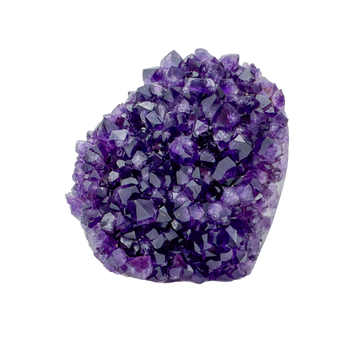
Mohs hardness of selenite (gypsum), scratched by a fingernail
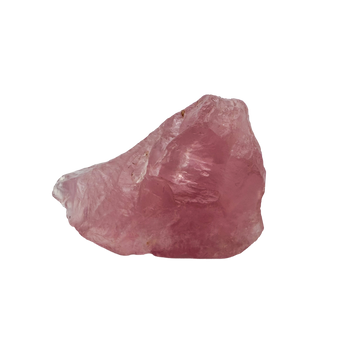
Mohs hardness of calcite, scratched by a copper coin
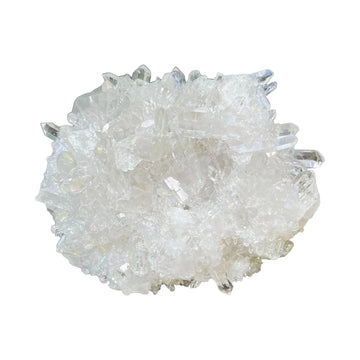
Mohs hardness of quartz, hard enough to scratch glass
Mohs hardness values per standard mineralogical references.
Color is the least reliable clue. All three of these crystals show up white or colorless, and all three also come in other colors. Hardness, how a piece breaks, and a simple acid test will tell you far more than appearance alone.
Selenite, Calcite, and Quartz Compared
Here is the full picture in one view. Each card gathers everything about one stone, so on a phone you read straight down instead of pinching across a wide table.
Selenite
Gypsum, the softest white
Calcite
The one that fizzes
Quartz
The hard, glassy one
Selenite, and Its Twin Satin Spar
Selenite is a variety of gypsum, a calcium sulfate mineral with the formula CaSO4·2H2O. It is one of the softest crystals you will handle, sitting at 2 on the Mohs scale, which means a fingernail leaves a mark and the surface scratches with almost no pressure.
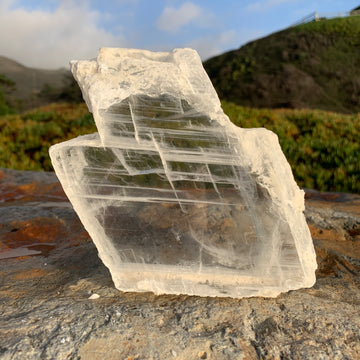
True selenite is the clear, glassy variety that looks like a sheet of frozen water. Either form dissolves in water, so a rinse clouds the polish and a soak will visibly erode it. Selenite is dry-cleanse only.

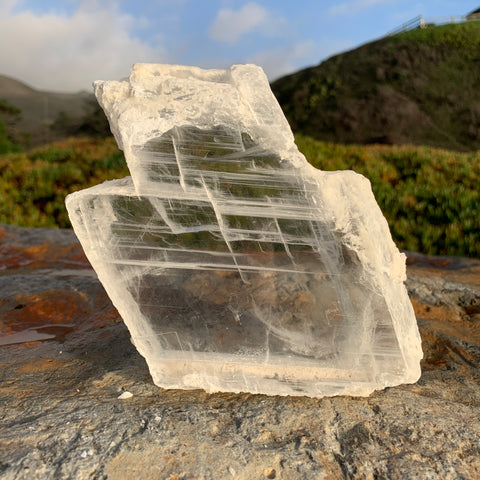
Raw selenite splits into thin, flat sheets along one easy cleavage plane, a giveaway you will not see in quartz.

Polished satin spar, the fibrous gypsum usually sold as selenite. Same mineral, different growth habit.
The milky, fibrous towers most shops label "selenite" are usually satin spar, the same mineral grown as parallel fibers. Those fibers give it a silky, cat's-eye shimmer that true selenite does not have.
Neither is a fake. They are two habits of gypsum, both soft and both water-sensitive. If you want the full distinction, our guide to selenite versus satin spar walks through it.
Calcite: the One That Reacts to Acid
Calcite is calcium carbonate, CaCO3, and it has one test no other stone here passes: it fizzes. A single drop of vinegar or weak acid on a bare spot will bubble as the carbonate reacts.
At 3 on the Mohs scale it is still soft, a touch harder than selenite but easily scratched by steel. It breaks into slanted blocks called rhombs, and a clear piece (the variety called Iceland spar) doubles any text you lay it over, an effect known as double refraction.
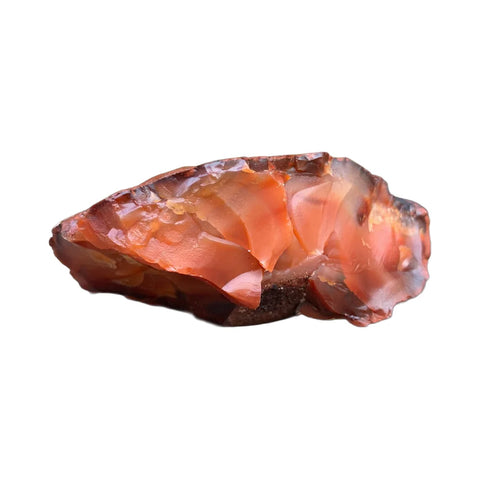
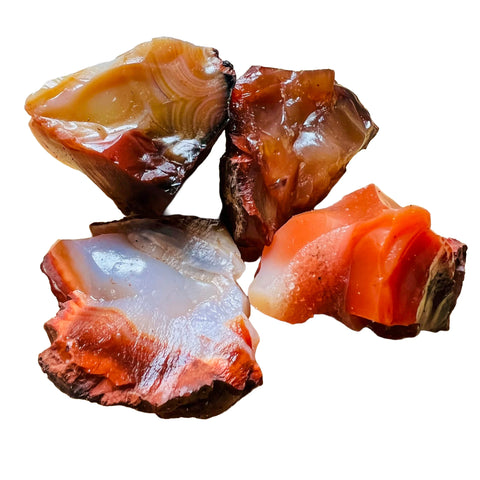
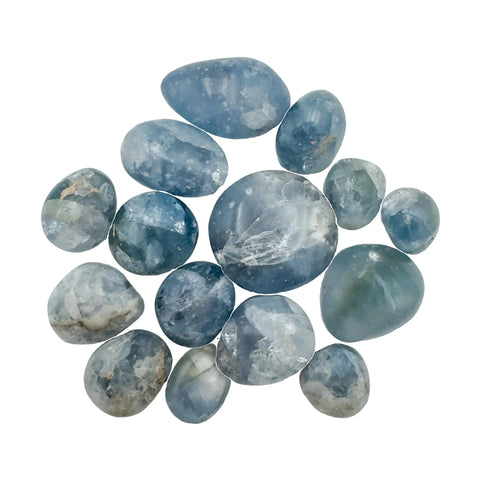
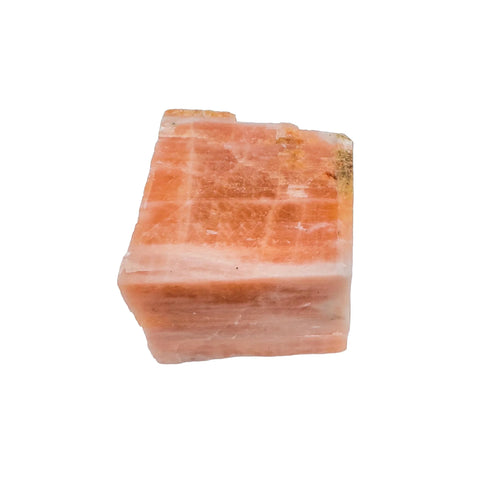
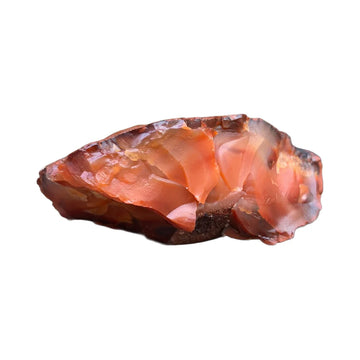
Calcite comes in nearly every color, from the orange and blue pieces we carry to colorless and white. Whatever the shade, the acid fizz and the rhombic break give it away.

Calcite spans many colors. This is orange calcite, but every variety shares the same blocky cleavage and acid fizz.
"If a fingernail marks it, it is selenite. If a drop of vinegar fizzes, it is calcite. If it scratches glass, it is quartz."
Quartz: Harder Than Both

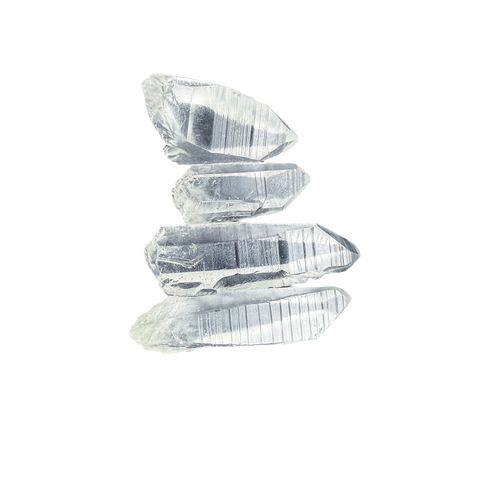
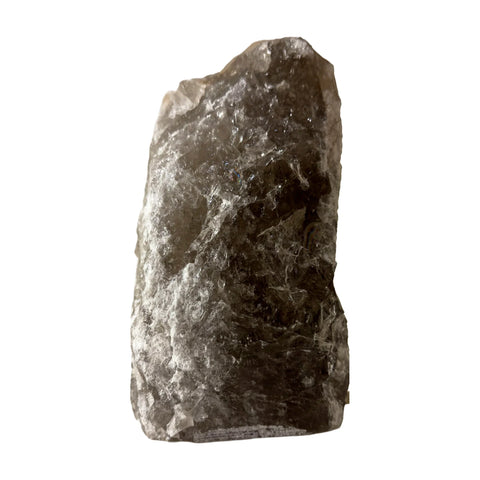
Raw clear quartz. The glassy luster and curved, no-cleavage break separate it from soft selenite and calcite.
Quartz is silicon dioxide, SiO2, and at 7 on the Mohs scale it is far harder than the other two. It scratches glass, resists a steel blade, and will not react to acid or a fingernail.
It has no cleavage, so instead of splitting along flat planes it breaks with a curved, glassy, shell-like surface called conchoidal fracture. Milky or snow-white quartz is simply clear quartz clouded by tiny trapped fluids and gas, so it shares every one of these properties.
Quartz is non-porous and stable, which is why it is one of the few whites here that is genuinely safe in water.
Tests You Can Do at Home
Run these on an out-of-sight spot, like the base of a tower, and start with the gentlest. You rarely need more than the first two or three to know what you are holding.
Press and drag a nail on a hidden edge. A scratch means selenite. Calcite and quartz resist it.
A copper coin or steel blade scratches calcite but not quartz. This separates the middle from the hard one.
If the stone scratches a glass jar with light pressure, it is quartz. Selenite and calcite cannot.
Vinegar on a bare spot that bubbles means calcite. Wipe it dry after. Selenite and quartz stay still.
Lay a clear, flat slice on a printed word. If the word doubles, it is calcite (double refraction).
Sheets mean selenite, slanted blocks mean calcite, curved glassy chips mean quartz.
Other White Look-Alikes, and a Word on Care
Selenite, calcite, and quartz are the big three, but a few other pale stones join the lineup. These are worth knowing so a dyed or softer stone does not catch you off guard.
White with gray or black veins, soft (about 3.5), and porous. Often dyed blue to imitate turquoise.
Chalky white with marbled veining, a little harder than howlite, and also commonly dyed.
Members of the quartz family, so hard (7) and water-safe, just paler and more solid-looking.
Because selenite and calcite are soft and water-sensitive, keep them out of water. A quick dry dusting is enough. See how to cleanse crystals without water and our crystal durability guide for the full care picture.
Related Guides
Why most polished "selenite" is really satin spar, and how to tell the two gypsum forms apart.
Read the guideFormation, sourcing, and care for the softest of the white crystals.
Explore seleniteThe fizzer up close: colors, forms, and what makes calcite calcite.
Explore calciteThe hard, glassy one: how quartz forms and why it is so durable.
Explore quartzWhat Mohs hardness means for handling, cleaning, and water safety.
Check durabilityOur full collection of trust-first crystal guides and comparisons.
Browse the LibraryFrequently Asked
How can I tell if my white crystal is selenite or quartz?
Use hardness. Selenite is so soft a fingernail scratches it, while quartz is hard enough to scratch glass and will not mark with a fingernail. Selenite also dissolves in water, whereas quartz is water-safe.
Is selenite or calcite harder?
Calcite is harder. Selenite is 2 on the Mohs scale and calcite is 3, so a copper coin scratches calcite but a fingernail scratches selenite. Calcite also fizzes in vinegar, and selenite does not.
Does selenite fizz in vinegar like calcite?
No. The acid fizz is calcite's signature because it is a carbonate. Selenite is a sulfate and quartz is a silicate, so neither one reacts to vinegar.
Why does my selenite tower look fibrous and silky?
It is almost certainly satin spar, the fibrous form of the same mineral, gypsum. Most polished selenite towers and wands are satin spar. It is not a fake, just a different growth habit. Our selenite versus satin spar guide covers it.
Can selenite and calcite go in water?
No, both are soft and water-sensitive. Selenite dissolves and clouds, and calcite etches and dulls. Clean them dry. Quartz, by contrast, is safe in water. See our water-free cleansing guide.
What is the double-image test for calcite?
Lay a clear, flat slice over printed text. Clear calcite (Iceland spar) splits light and shows two sets of words, a property called double refraction. Selenite and quartz show a single image.
Is milky white quartz different from clear quartz?
No, it is the same mineral. Milky quartz is clear quartz clouded by microscopic trapped water and gas. It has the same hardness of 7, the same glassy break, and the same water safety.
Could my white stone be howlite or magnesite instead?
Possibly. Both are chalky white with veining and are softer than quartz. Howlite is often dyed to imitate turquoise. A scratch test and a close look at the veining usually separate them from the big three.