





















Terrain Collection · No. 18
Black Forest Bracelet
Shungite and Canadian Nephrite Jade
Handmade, one at a time. Natural stone varies, so the color and pattern of yours will differ a little from the photos.
One size, fits a 6 inch wrist. Different wrist? , strung at no extra cost.
Guaranteed for a year. If the cord breaks or the knot lets go, we restring it at our cost. 90-day returns, no restocking fee.
Matte black shungite from Karelia with stations of deep green nephrite jade from British Columbia. Four antique brass-finish accents. Made by hand in our Maryland studio.
 Front · never changes
Size and fit
One size, or strung to yours
The standard Black Forest fits a 6 inch wrist, and the cord stretches to cover a little either side.
Different wrist? Tell us your measurement and we string yours to fit at no extra cost, adding or removing stones only at the back, in the shungite. The front stays exactly as pictured.
To measure: wrap a soft tape measure, or a strip of paper, around your wrist where you would wear the bracelet. Snug, not tight.
The materials
Two stones, each one named
Twenty-one stones and four metal accents. Nothing dyed, synthetic or reconstituted.
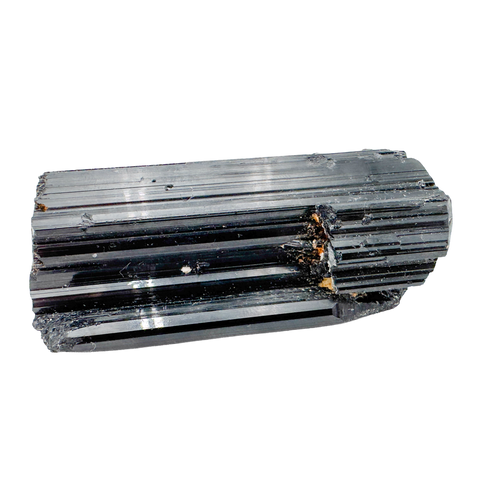
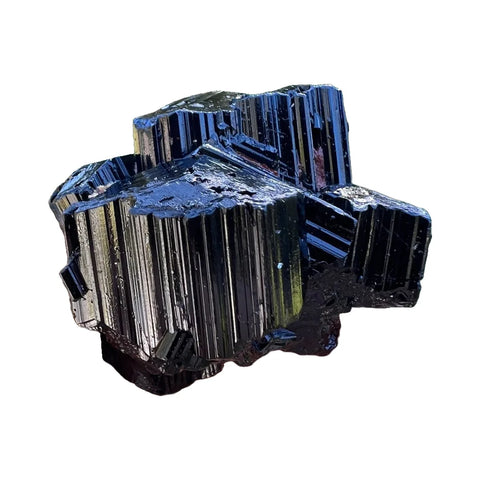
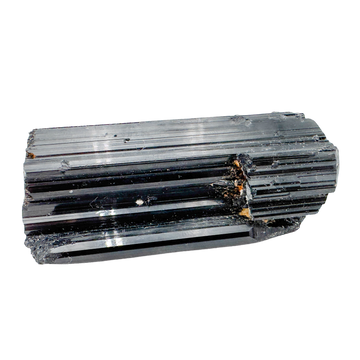
Shungite
15 beads · front and back
A carbon-rich black rock about two billion years old.
- Origin
- Karelia, Russia
- Treatment
- None. Natural color.
- Hardness
- 3.5 to 4 Mohs
Canadian Nephrite Jade
6 beads · sides
Nephrite, a rock of tightly interlocked fibers and one of the toughest stones there is.
- Origin
- British Columbia, Canada
- Treatment
- None. Natural color.
- Hardness
- 6 to 6.5 Mohs
- Metal
- Four antique brass-finish rondelles over lead-free pewter, cast in the USA.
- Cord
- Clear stretch cord, stretched before stringing, then knotted and sealed by hand.
- Beads
- 8mm round.
- Arrives
- In a cotton-lined jewelry box, with a printed card naming every stone and its origin.
Our sourcing
Why it took us ten years to make a bracelet
Beads are the hardest thing in our trade to source well. Rough stone leaves the mine, gets cut and drilled in a factory far away, and comes back as a strand with its history left behind. Dye, heat and resin are common, and they are rarely disclosed.
So for ten years we did not sell beaded jewelry. We could not find beads we were willing to put our name on.
What changed is the suppliers. It took a long time to find ones who tell us where a stone was mined and what has been done to it, and who say so when they do not know.
- Every stone is named. With its origin and any treatment.
- Nothing dyed, synthetic or reconstituted. No dye, no lab-grown stone, no powder pressed back into a bead. If a stone was heated or irradiated, we say so.
- Some beads we leave out on purpose. Including a few that would be bestsellers. If we cannot trace a stone's origin, or cannot rule out a treatment that crosses our lines, we do not string it.
- We tell you where our knowledge stops. Unlike most of our store, these stones do not reach us straight from a mine or a cooperative. The bead trade does not work that way.
The geology
Black rock, green stone
Shungite is a carbon-rich black rock from Karelia, in northwest Russia, about two billion years old. It has a matte, almost graphite finish that nothing else in the collection has.
Between the runs of shungite sit beads of nephrite jade from British Columbia, deep green and very tough. Shungite is soft, around Mohs 3.5 to 4, so treat this one gently.
The making
Made by hand, one at a time
- CheckedEvery bead is looked over by hand. Chips, cracks and off-center holes are set aside.
- StrungLaid out in order, then strung on cord that has been stretched first so it will not go slack.
- KnottedTied by hand, sealed with jeweler's cement and left to cure overnight.
- TestedStretched open and checked before it is packed. If it gaps or slips, it is restrung.
Our guarantee
Made to last. Guaranteed for a year.
This bracelet is made for occasional wear. Elastic is the one part that can wear over time, and a little care keeps that to a minimum.
If the cord breaks or the knot lets go in the first year, send us the stones and accents. We restring it and send it back at our cost.
Not covered: lost stones (we replace them at cost when we have the stone), chips or cracks from impact, and damage from water or chemicals.
Care
Six habits for a bracelet that lasts
Looked after, this bracelet is made to be worn for years.
- Roll it on. Roll it over your hand instead of stretching it wide.
- Keep it dry. Take it off to shower, swim or wash up.
- Last on, first off. Lotion, perfume and sunscreen wear down elastic.
- Store it flat, out of direct sun and away from heat.
- Wipe with a soft dry cloth. No ultrasonic or steam cleaners.
- Mind hard knocks. Shungite is soft. It scratches easily and can chip on a hard knock.
Pairs with
Made to be worn together


Questions
Will mine look exactly like the photos?
Close, not identical. The jade runs from mid to deep green. Shungite is an even matte black. The pattern, the count and the quality of the stones are the same.
Is Canadian jade real jade?
Yes. Two different stones are called jade: jadeite and nephrite. Ours is nephrite from British Columbia, one of the best known nephrite sources in the world. It is not dyed.
Can I wear it every day?
It is made for occasional wear. Shungite is soft. It scratches easily and can chip on a hard knock. Take it off for water, workouts and rough work.
Is anything dyed or lab-made?
No. We do not use dyed, synthetic or reconstituted stone. If a stone was heated or irradiated, we say so next to that stone.
What if it does not fit?
The standard size fits a 6 inch wrist. Tell us your wrist measurement and we will string or restring it to fit, adding or removing stones only at the back.


