







Crystal Luster Explained: What a Stone's Shine Really Tells You
Metallic, glassy, silky, pearly, or dull, the way a crystal hands light back is one of the fastest clues to what it actually is.
Luster is one of the first things you notice about a stone and one of the last things people learn to name. Here is what those different kinds of shine mean, how to tell them apart, and why the same mineral can look glassy in one piece and matte in another.

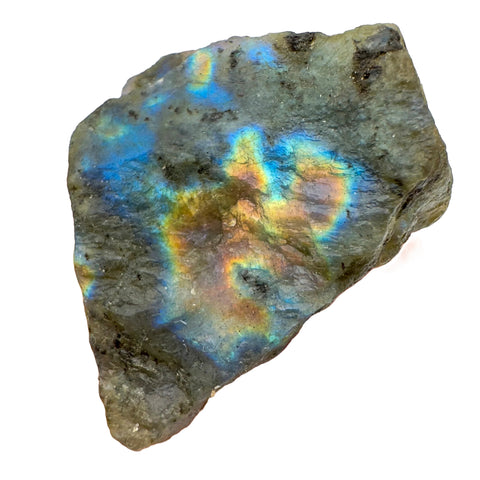
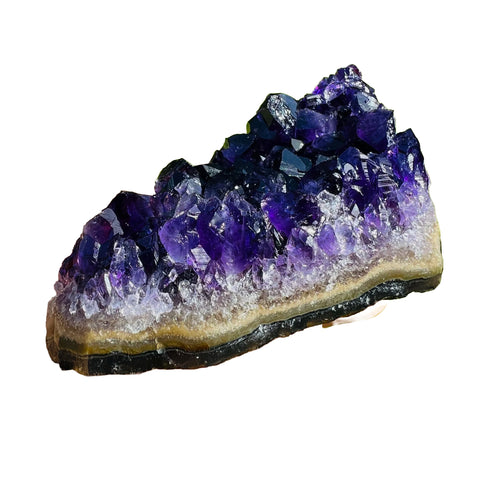
Luster is how a mineral's surface reflects light. Mineralogists sort it into two families: metallic, which looks like polished metal, and non-metallic, which covers everything else, from glassy quartz to silky tiger's eye and chalky, dull rough. It describes shine, not quality or value.
What Luster Actually Is
Luster is the character of the light reflected off a mineral's surface. It is not about color, and it is not about sparkle from inside the stone. It is simply how the outermost surface returns light to your eye, from a mirror-bright metal shine to a soft, matte, almost powdery finish.
Because it is a surface property, luster is one of the four everyday clues geologists use to identify a mineral, alongside color, hardness, and how it breaks. It is quick, needs no tools, and often narrows the field in a single glance. It is not a measure of worth, though: a dull raw specimen can be rarer than a glossy tumble.

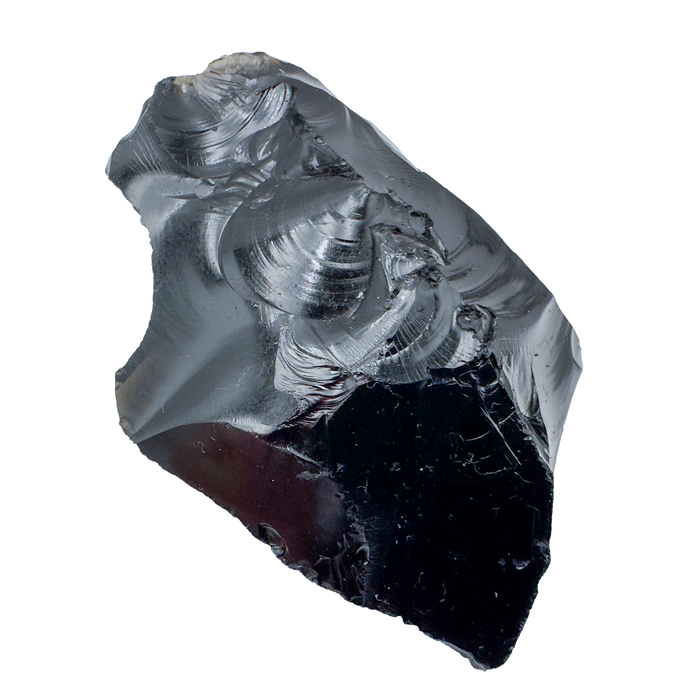
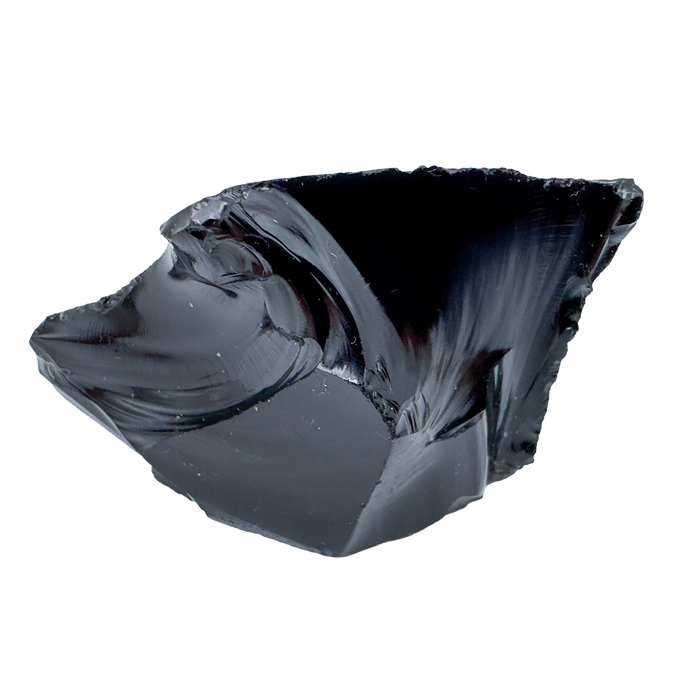
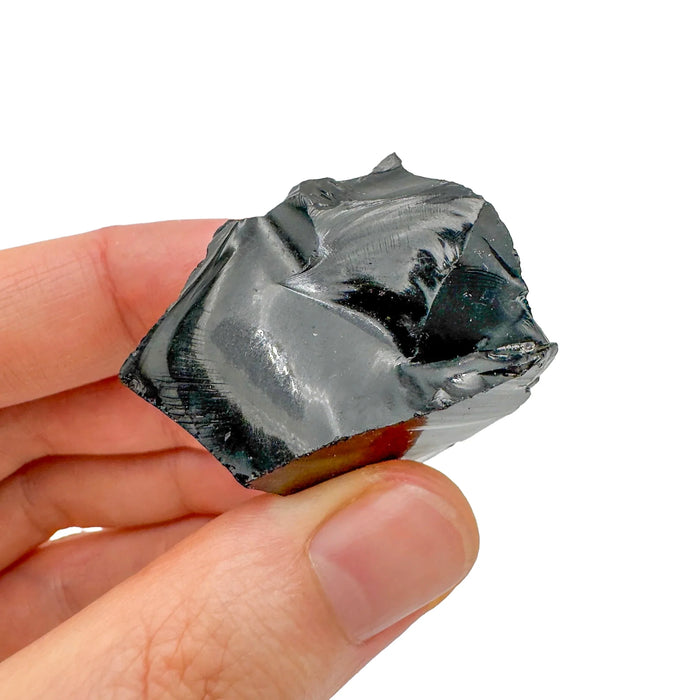
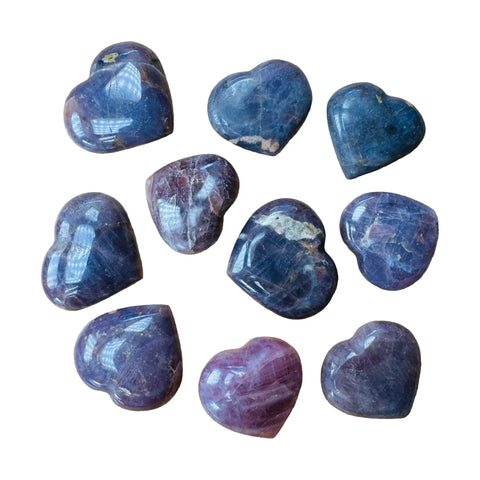
Obsidian is volcanic glass, so its luster is textbook vitreous: a bright, wet, glassy shine off a smooth surface.
The Two Families: Metallic and Non-Metallic
Almost every luster term falls under one of two headings. The first question to ask is simple: does the surface look like polished metal, or not? That one call usually points you toward a whole group of minerals.
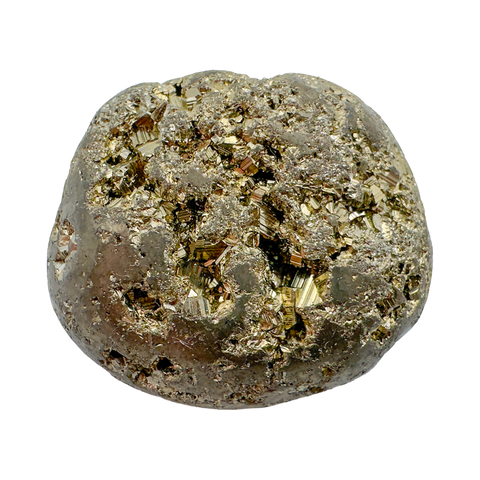
Metallic luster shows up in opaque minerals that reflect light strongly, like pyrite and many sulfides and native metals. Non-metallic covers the far larger group, the glassy, silky, waxy, and dull stones that most crystals belong to. A few minerals sit in between, called submetallic.
Metallic
Looks like polished metal
Submetallic
The in-between look
Non-metallic
Everything else
Luster works best next to a second clue. Metallic minerals usually leave a dark, colored streak when scraped on unglazed tile, while non-metallic ones leave a pale or white streak. Read shine and streak together and most minerals sort themselves quickly.
The Non-Metallic Lusters, in One Light
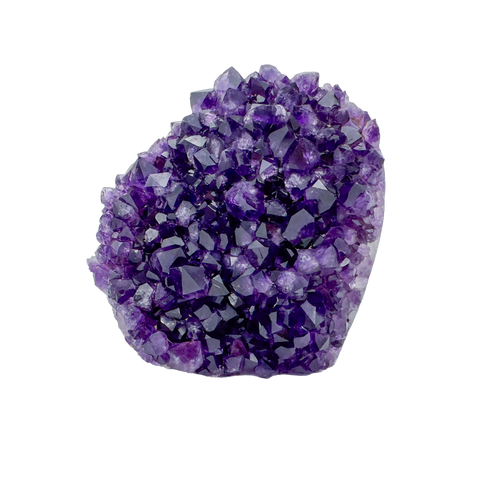
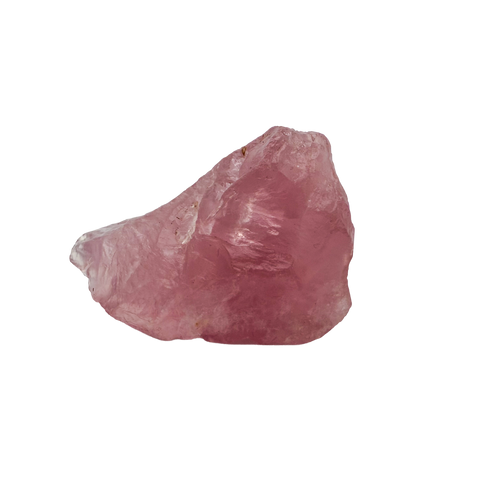
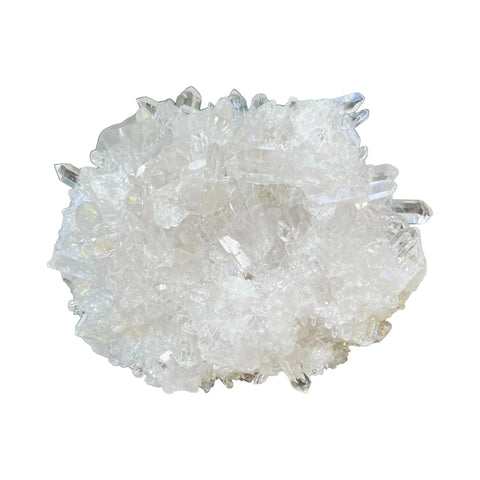
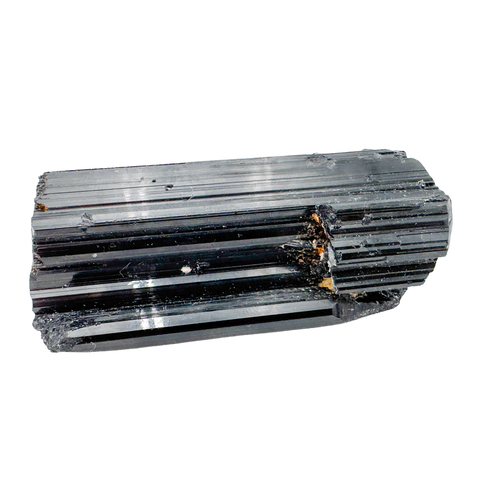
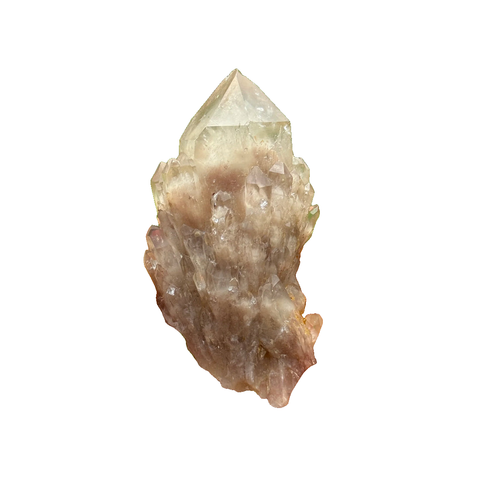
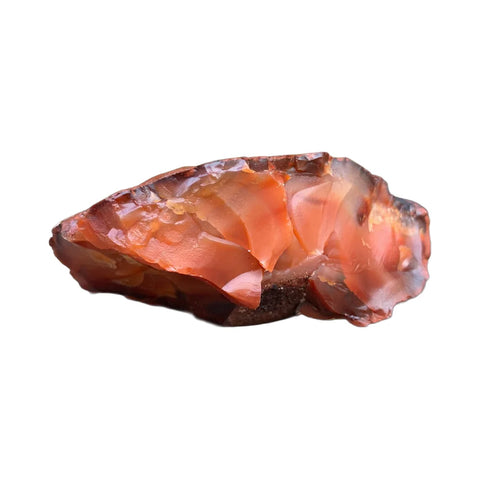
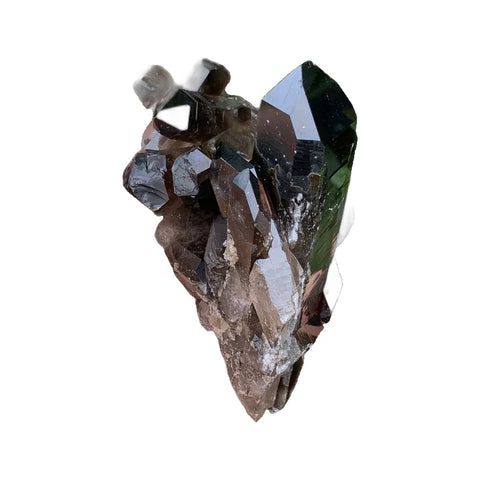
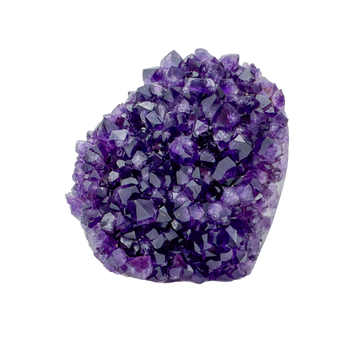
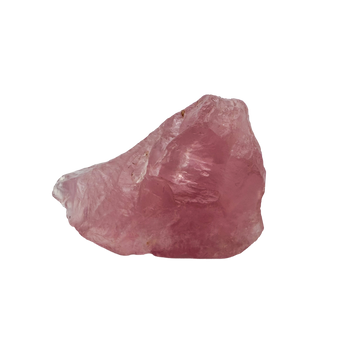
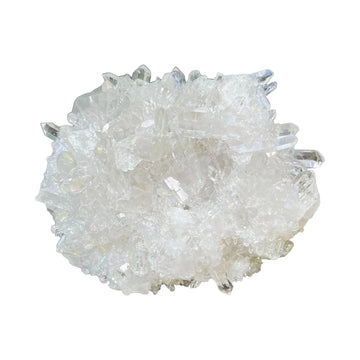
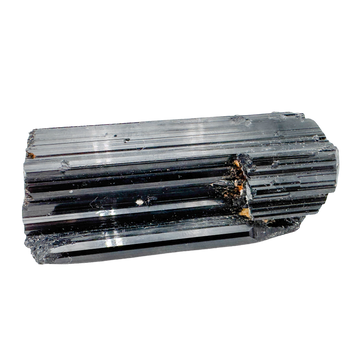
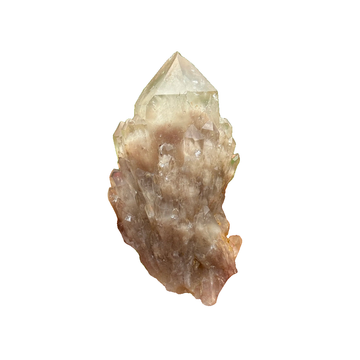
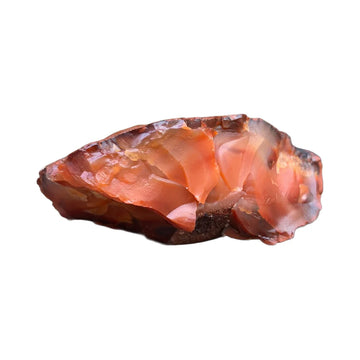
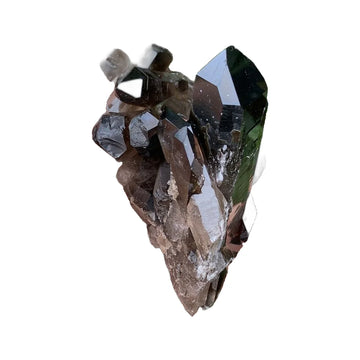
The non-metallic family is where most crystals live, and it splits into several named looks. Here are three of the most common, photographed under the same soft light so the difference is easy to see.

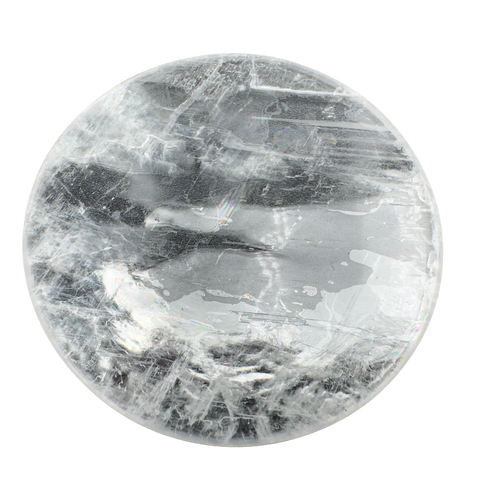
Vitreous (glassy)
The most common luster. A clean, glass-like shine, seen in quartz, tourmaline, and fluorite.

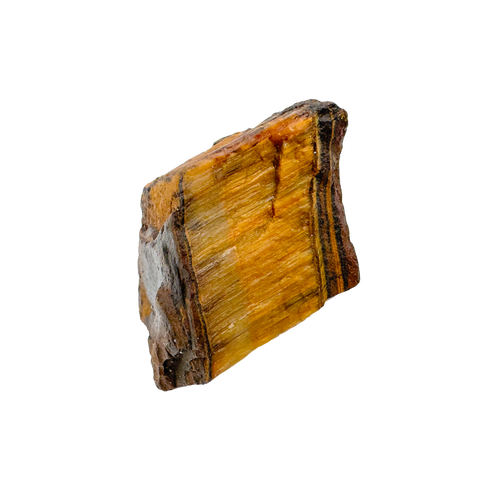
Silky
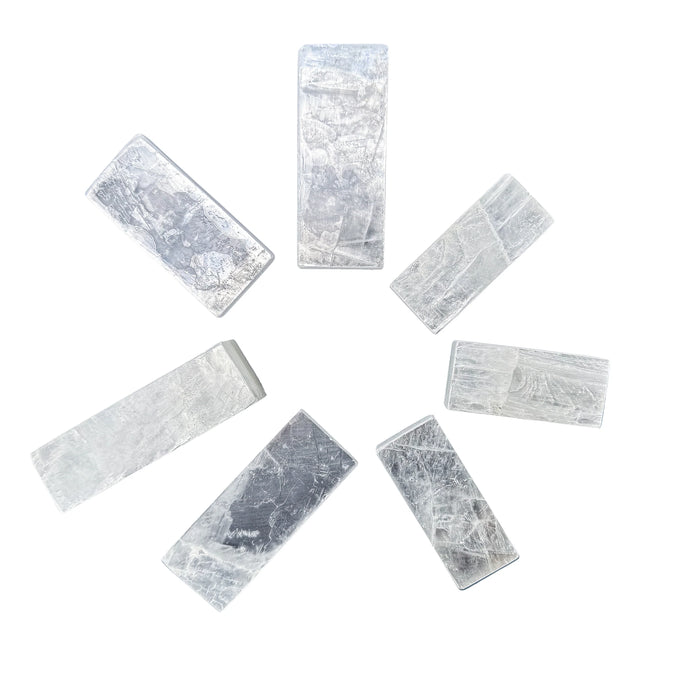
A soft, moving sheen from fine parallel fibers, as in tiger's eye and satin spar.

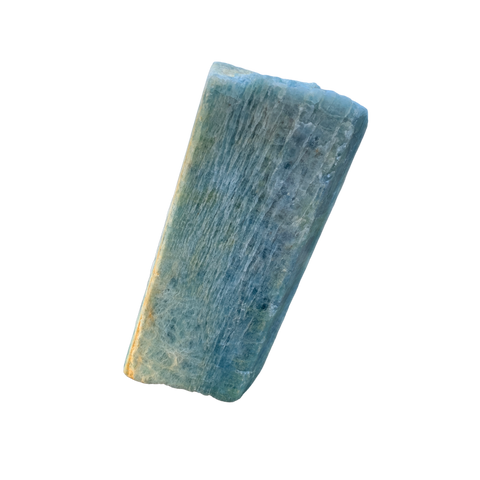
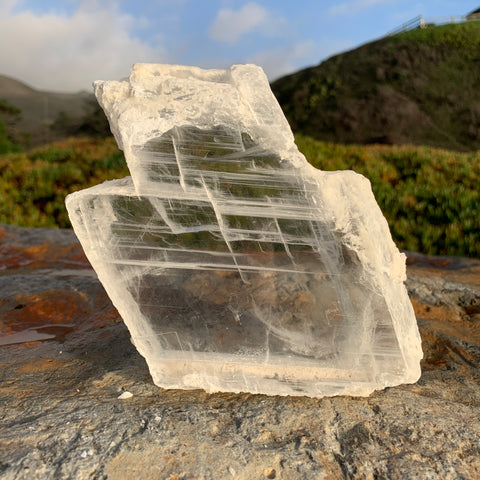
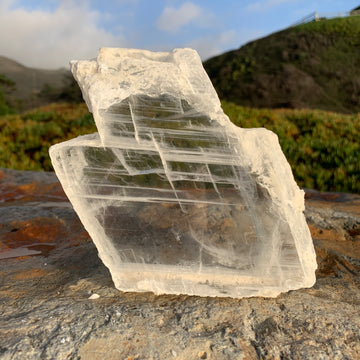
Pearly
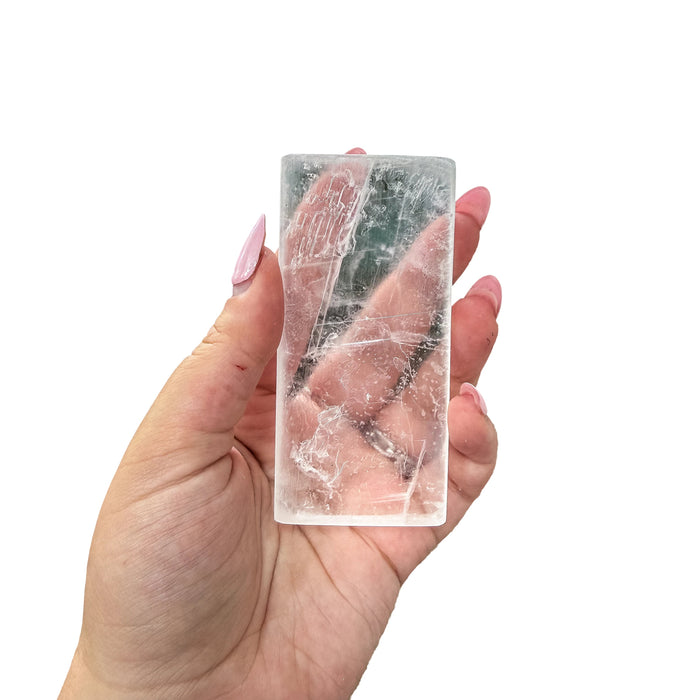
A gentle sheen off layered cleavage surfaces, like the inside of a shell. Common in gypsum and mica.
A Field Guide to the Nonmetallic Names
Once you know a stone is non-metallic, these are the words used to pin down exactly how it shines. You do not need to memorize them all, but recognizing a few makes any mineral description far easier to read.
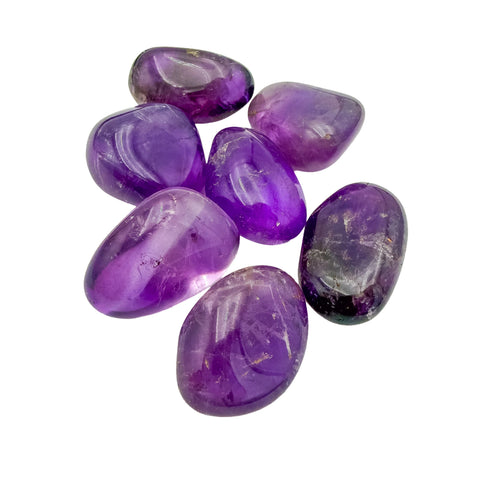
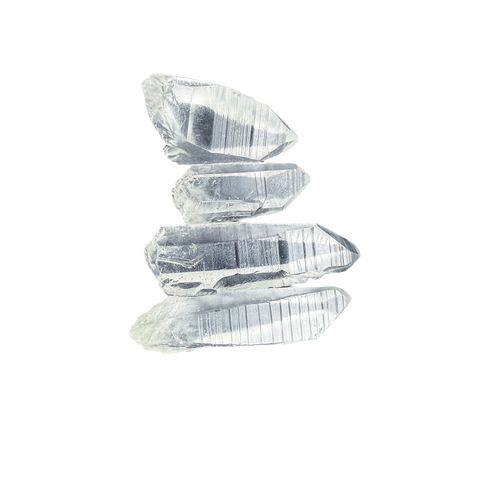
Glassy, like the edge of a broken bottle. The most common luster and the one most silicates show, quartz included.
A soft, shell-like sheen off thin cleavage layers. Seen on the flat faces of gypsum, mica, and some calcite.
A moving, cloth-like shimmer caused by fine parallel fibers. Tiger's eye, satin spar, and fibrous malachite show it.
Reflects light like hardened tree sap or amber. Amber itself is the classic example, along with some garnet and sphalerite.
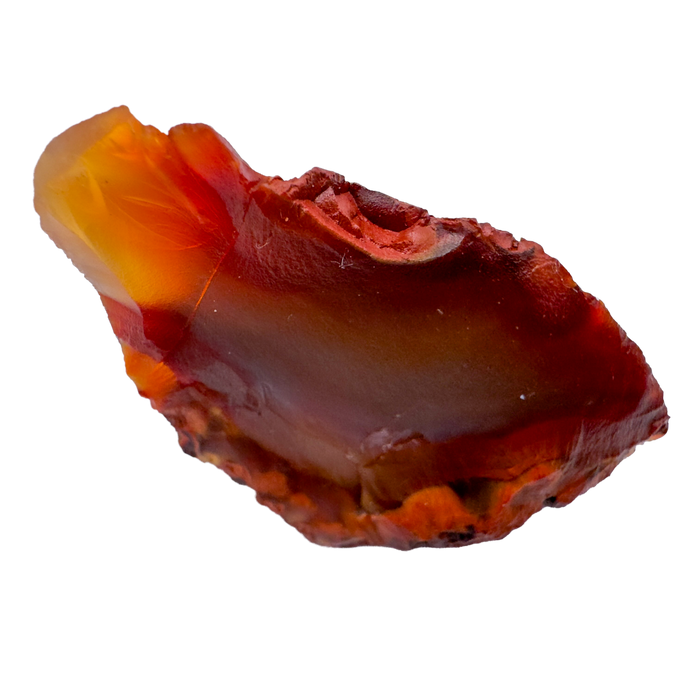
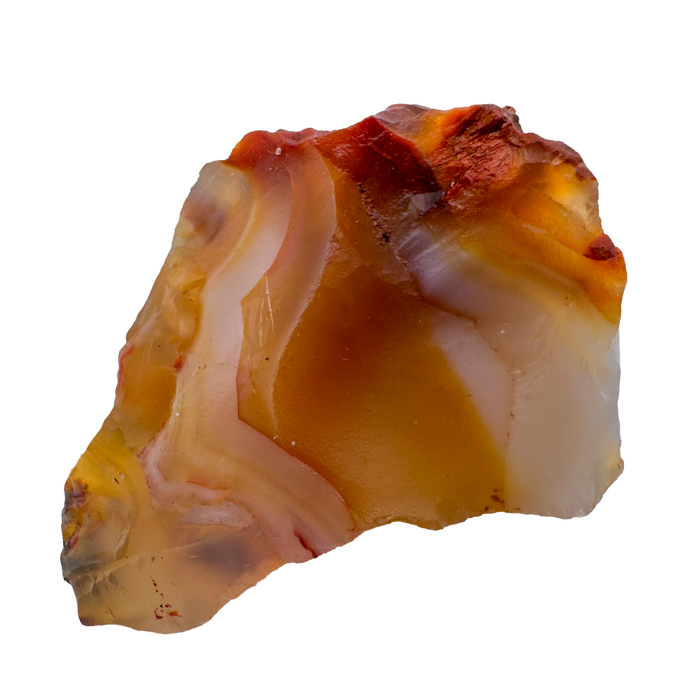
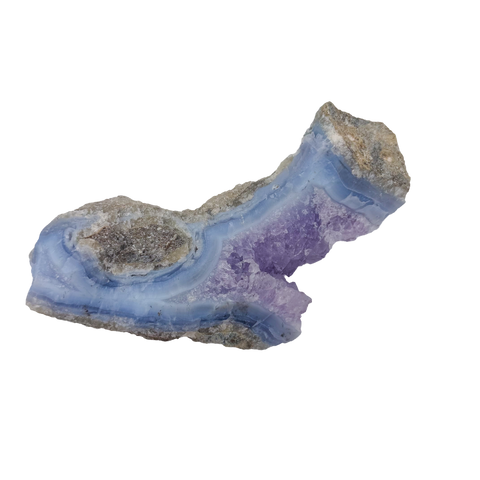
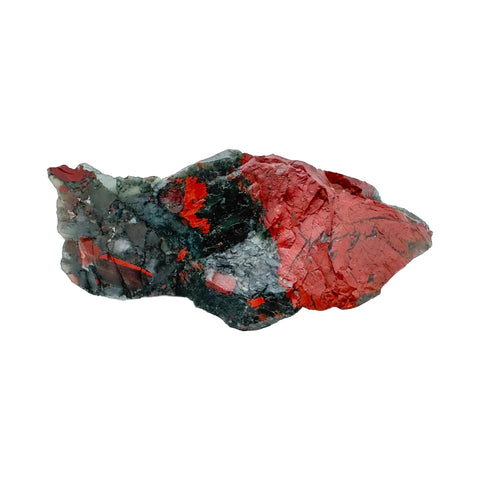
A soft, low glow like a candle or oiled surface. Common in chalcedony, jasper, opal, and jade.
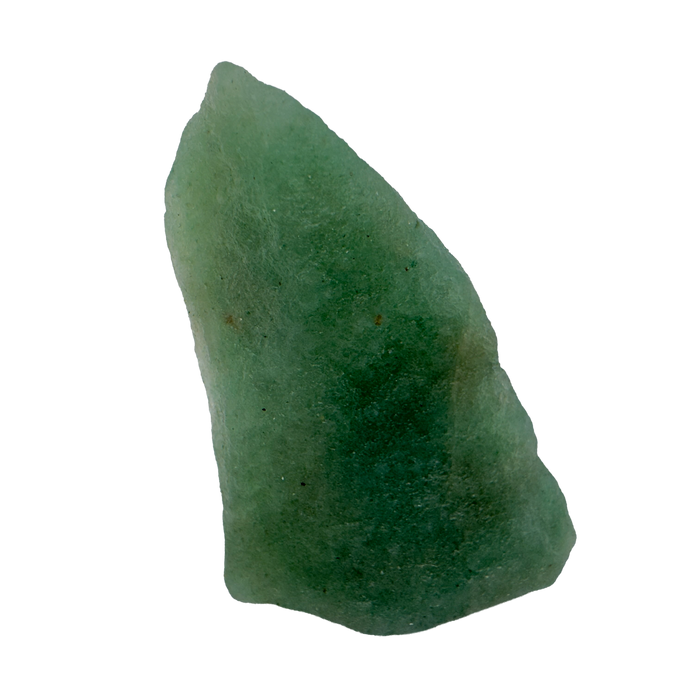
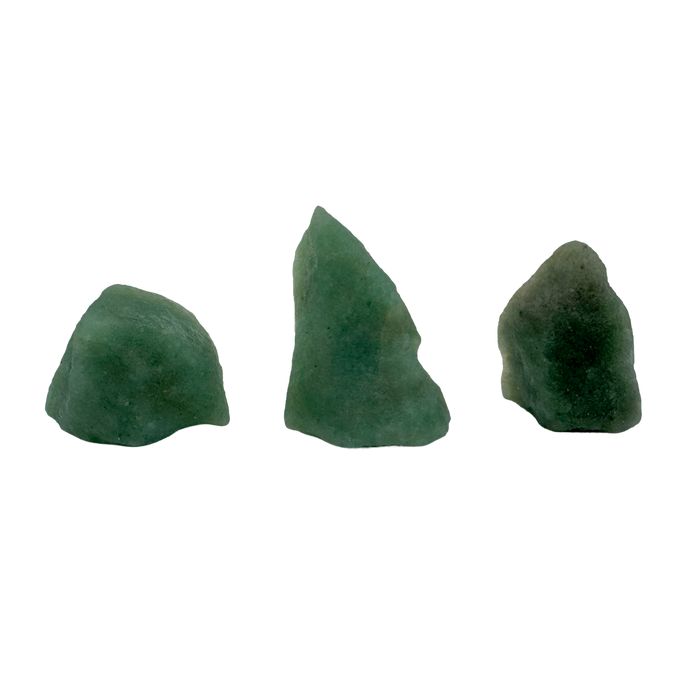
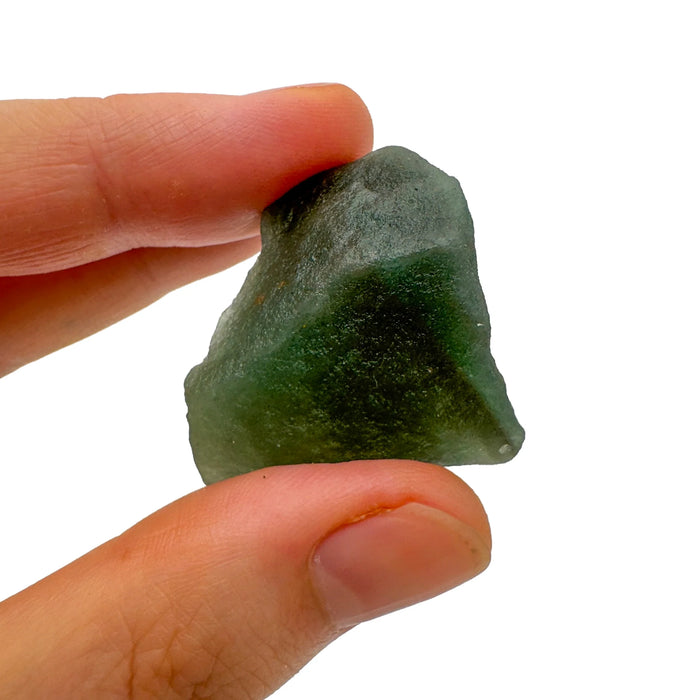
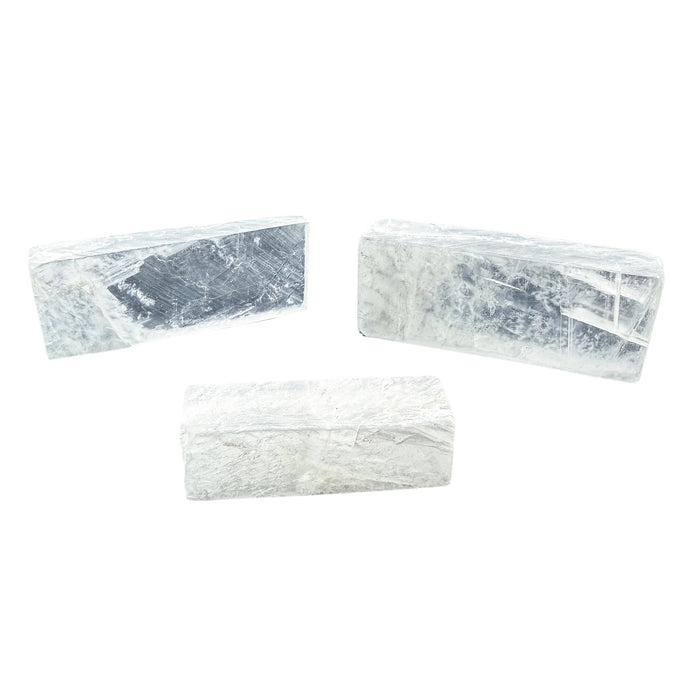
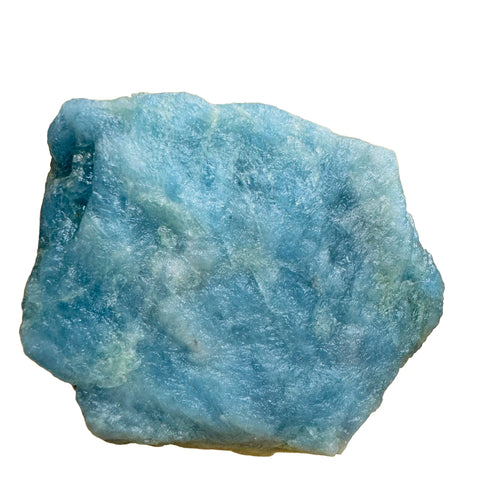
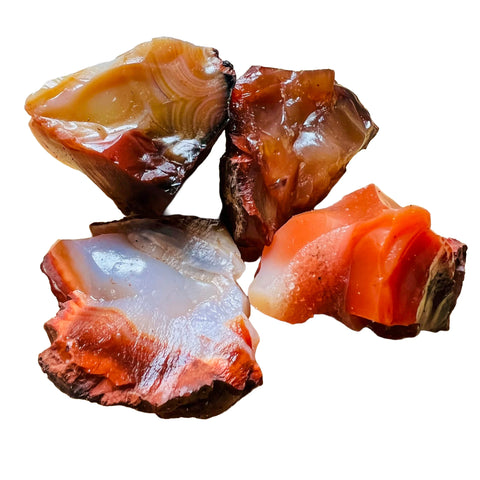
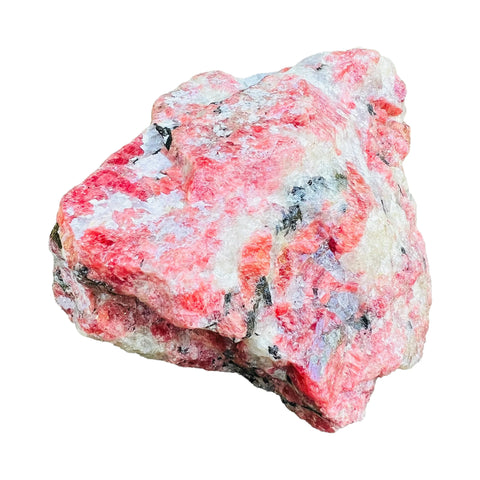
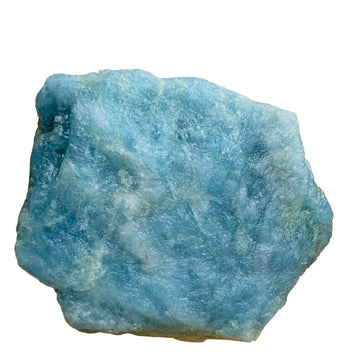
Little to no shine, a matte or chalky surface. Seen in massive, fine-grained, or weathered rough before it is polished.
Above vitreous sits adamantine, the extraordinary brilliance of stones with a very high refractive index, with diamond as the benchmark. Vitreous lusters generally come from a moderate refractive index in the range of about 1.5 to 1.9, so the higher a stone bends light, the brighter its potential shine.
Why the Same Mineral Can Look Shinier

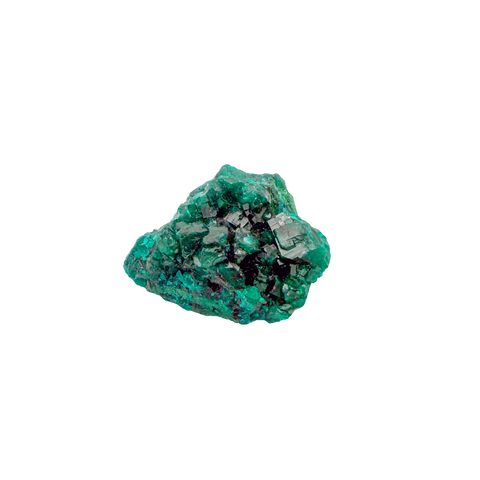
Malachite is a good example: crystalline patches can look almost adamantine, fibrous bands read silky, and massive areas turn dull.
Luster is partly the mineral and partly the surface. A smooth, unbroken face reflects far more light than a rough or weathered one, so the same stone can look glassy where it is polished and dull where it is not. That is why gemologists separate a mineral's base luster from its polish luster.
Growth habit matters too. Malachite shows several lusters in a single piece because its structure changes from crystalline to fibrous to massive across the stone. Fibers give silk, smooth faces give shine, and fine-grained areas go matte.
This is also why a raw and a polished piece of the same crystal can look so different. Polishing does not change what the mineral is, only how much of its natural shine reaches your eye.
"A polish can raise how much a stone shines, but it cannot change the luster the mineral was born with."
Reading Luster When You Shop
Luster is a helpful check when you are looking at a stone, whether in person or in a photo. A metallic shine on something sold as a soft, non-metallic mineral is worth a second look, and a wet, glassy sheen on a stone described as raw may just mean it has been polished or coated.
It pairs naturally with the other things that tell a stone's story. What gives a crystal its color explains the hue you see, and our durability guide covers how hardness and surface hold up over time. Luster is the shine layer on top of both.
Shine has nothing to do with a stone's so-called energy or quality grade. Luster is purely physical, a matter of surface and structure. A humble matte specimen and a mirror-bright tumble can be the exact same mineral.
Related Guides
The other half of how a stone looks: where its color comes from and which hues fade.
Read the guideThe needles, gardens, and ghosts inside quartz, and what they say about a stone.
Look insideHow Mohs hardness and surface hold up to handling, cleaning, and water.
Check durabilityThe metallic showpiece up close: what pyrite is and why it shines like gold.
Explore pyritePolished pieces where luster is on full display, inspected and graded.
Shop tumbled stonesOur full collection of trust-first crystal guides and comparisons.
Browse the LibraryFrequently Asked
What does luster mean for a crystal?
Luster is the way a mineral's surface reflects light, from a bright metallic gleam to a glassy, silky, waxy, or dull finish. It is a quick identification clue, and it says nothing about a stone's value.
What is the difference between metallic and non-metallic luster?
Metallic luster looks like polished metal: bright, strongly reflective, and opaque, as in pyrite. Non-metallic covers everything else, the glassy, silky, pearly, waxy, and dull stones most crystals belong to, and deciding which family a stone is in is usually the first step in identifying it.
What luster does quartz have?
Quartz has a vitreous, or glassy, luster. It is the textbook example, which is why vitreous is often described simply as looking like glass. Most silicate minerals share this luster.
Why does my crystal look dull instead of shiny?
Usually the surface, not the mineral. A rough or unpolished surface scatters light instead of reflecting it cleanly, so it looks dull. The same stone can look glassy once polished, because a smooth surface returns far more light to your eye.
Does polishing change a crystal's luster?
It changes how much shine you see, not what the mineral is. Gemologists call this base luster versus polish luster. A polished surface reflects more light, so the stone looks brighter, but its luster type stays the same.
What is silky luster and what causes it?
Silky luster is a soft, moving sheen that looks like fine cloth. It is caused by many thin, parallel fibers within the stone reflecting light in the same direction. Tiger's eye, satin spar gypsum, and fibrous malachite all show it.
What luster does pyrite have, and is it real gold?
Pyrite has a bright metallic luster, which is why it earned the nickname fool's gold. It is not gold at all but iron sulfide, FeS2. Its brassy shine and cubic crystals are a classic example of a metallic mineral.
What is adamantine luster?
Adamantine is the highest, most brilliant luster, shown by transparent stones with a very high refractive index. Diamond is the benchmark, which is where the name comes from. Very few minerals reach it, so most bright crystals are described as vitreous instead.