
















How to charge crystals, and how it differs from cleansing
Five methods that work, and the one popular method that quietly bleaches half a collection.
Charging and cleansing get used as though they mean the same thing, and they do not. Cleansing clears a stone. Charging sets it. Getting the order right matters, and so does knowing which stones cannot survive the method most people default to.
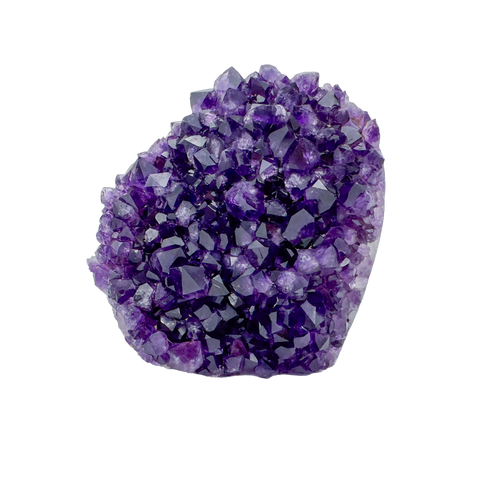
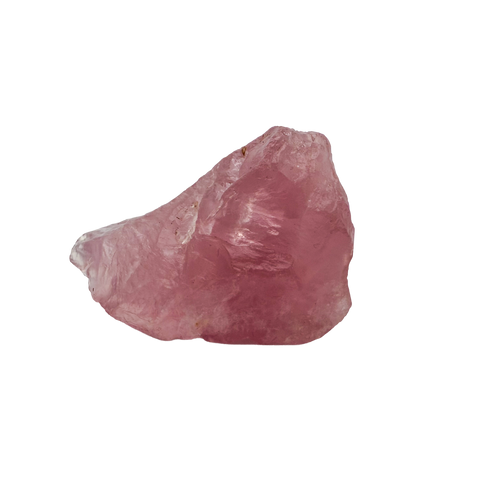
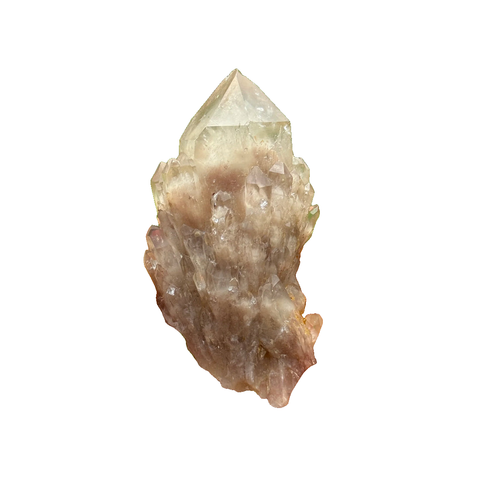
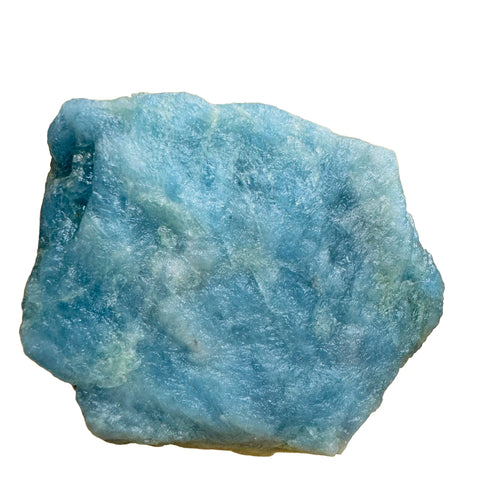
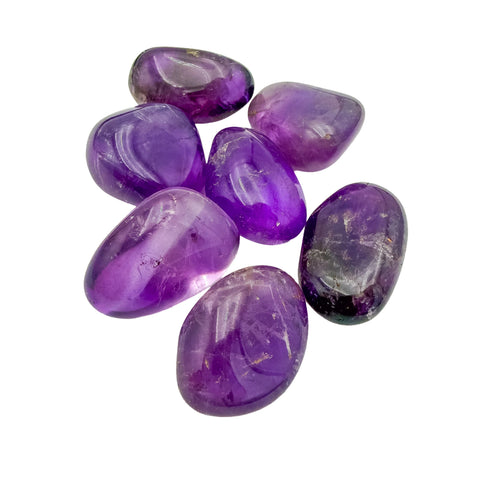
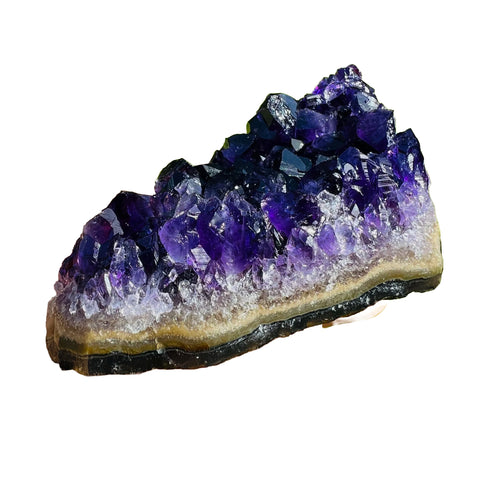
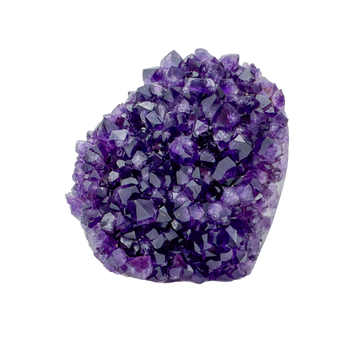
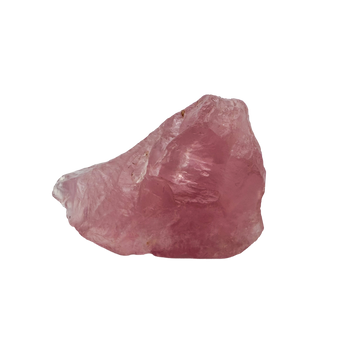
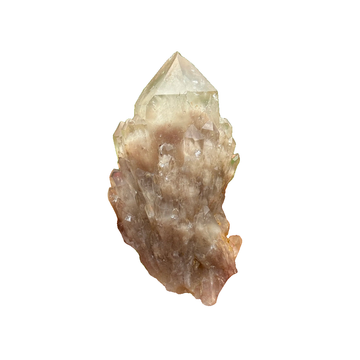
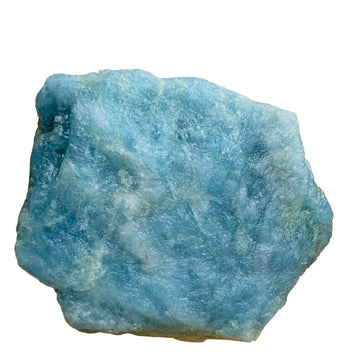
Cleanse first, then charge. Moonlight overnight, a selenite plate, sound, intention setting, or brief morning sun all work. Keep amethyst, natural citrine, rose quartz, fluorite, kunzite, and aquamarine out of long direct sunlight, because that is the method that will fade them permanently.
Two different jobs
Almost every question we get about charging is really a question about the difference between these two words. Here it is in plain terms.
Cleansing
Clearing what the stone has picked up. Traditional practice treats this as a reset to neutral, done when a piece is new to you, after heavy use, or after other people have handled it. It is the housekeeping step.
Charging
Restoring or setting the stone's energy after it has been cleared, and in most practices attaching a specific intention to it. It is the step where you decide what the piece is for.
The sequence matters in traditional practice for the obvious reason: charging a stone you have not cleared means setting an intention on top of whatever was already there. Cleanse, then charge. If you only ever do one of the two, most practitioners would tell you to cleanse.
Neither is a physical process. Neither will clean dust off a stone or repair a chip. If you want the full set of clearing methods and the stones that each one will damage, that is covered in our cleansing guide.
What to actually do
Pick the one that fits your space. The first four are safe on every stone we carry. The fifth needs a check first.
A windowsill or a small dish from sunset to dawn. The full moon is traditional, but any night works, and cloud cover is not considered to matter. The most common charging method and the least likely to damage anything.
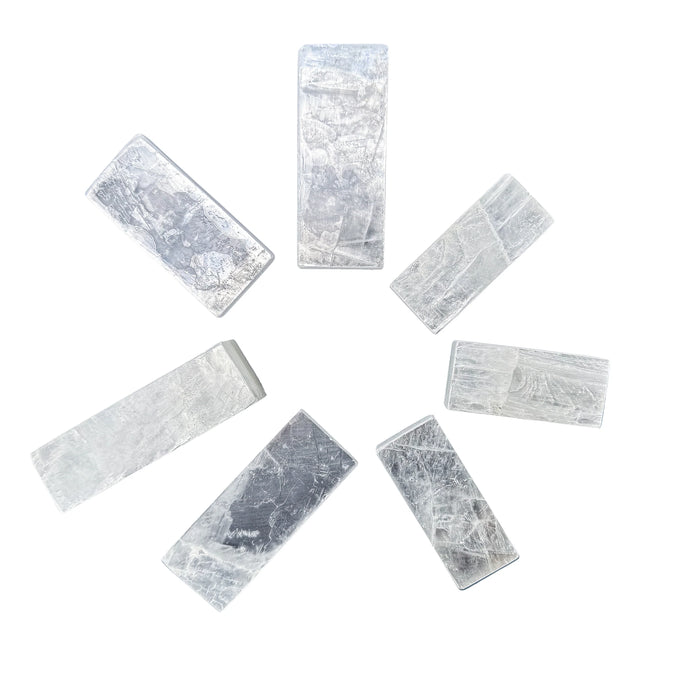
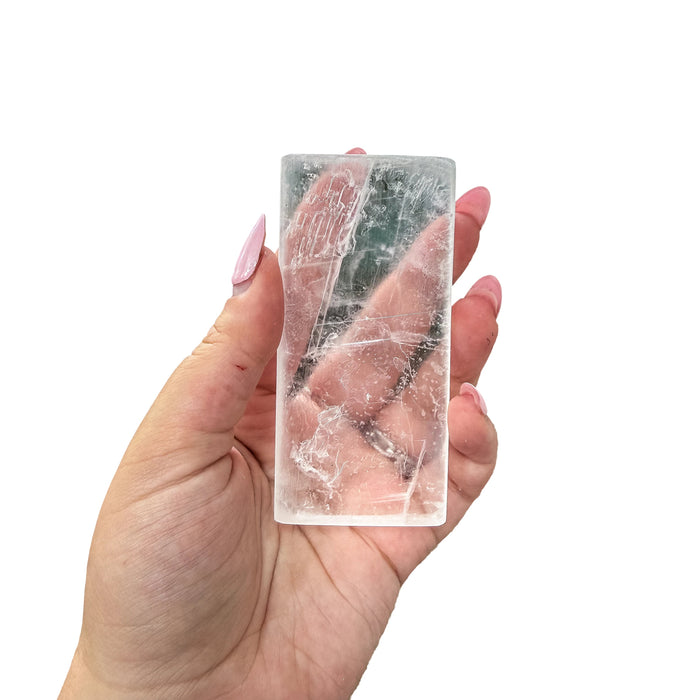
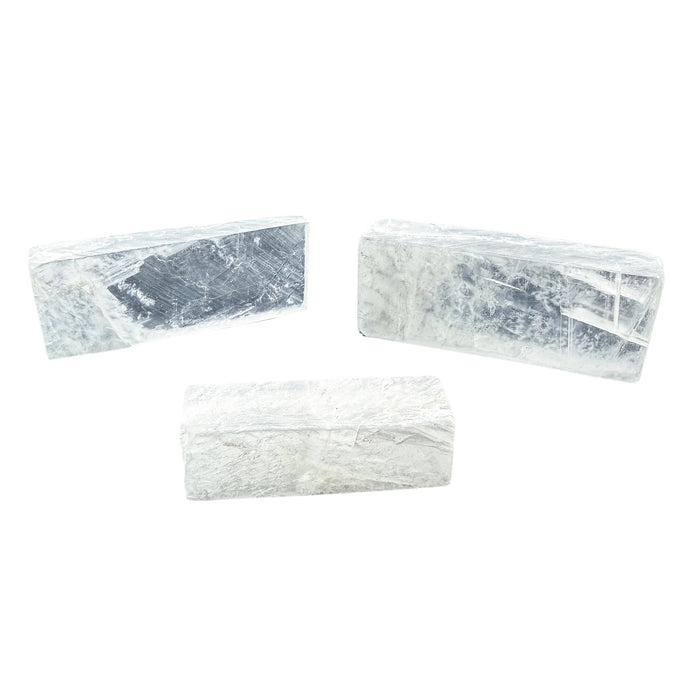
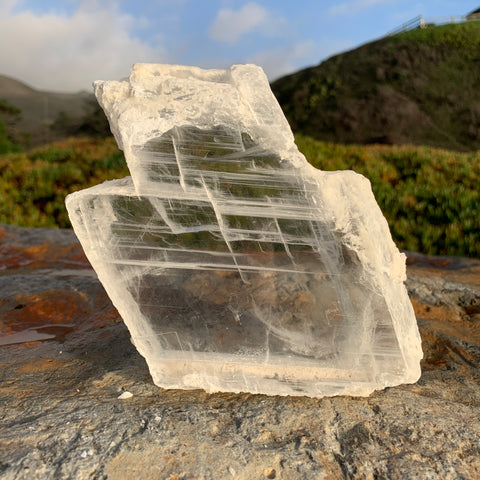
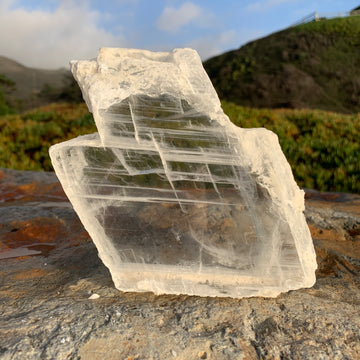
Rest the piece on a selenite slab, disc, or bowl and leave it for a few hours or overnight. Selenite is the traditional choice here because practice holds that it does not need charging itself. Keep the plate dry, since selenite dissolves in water.
A singing bowl, chime, or tuning fork held near the stone for a minute or two. Works on a whole shelf at once, which makes it the most practical option for a larger collection.
Hold the stone, breathe, and name what you want it to represent. No equipment, no waiting. This is the step that most practices consider the actual charge, with the other methods as the setting for it.
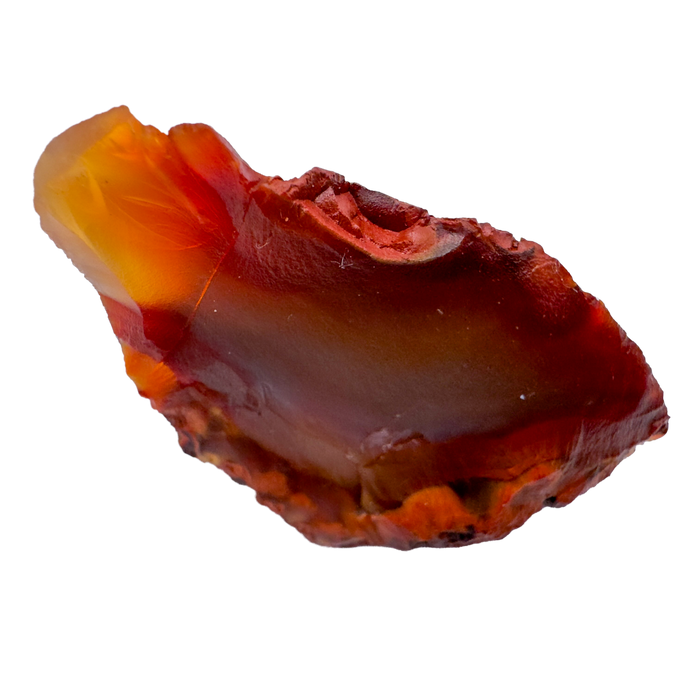
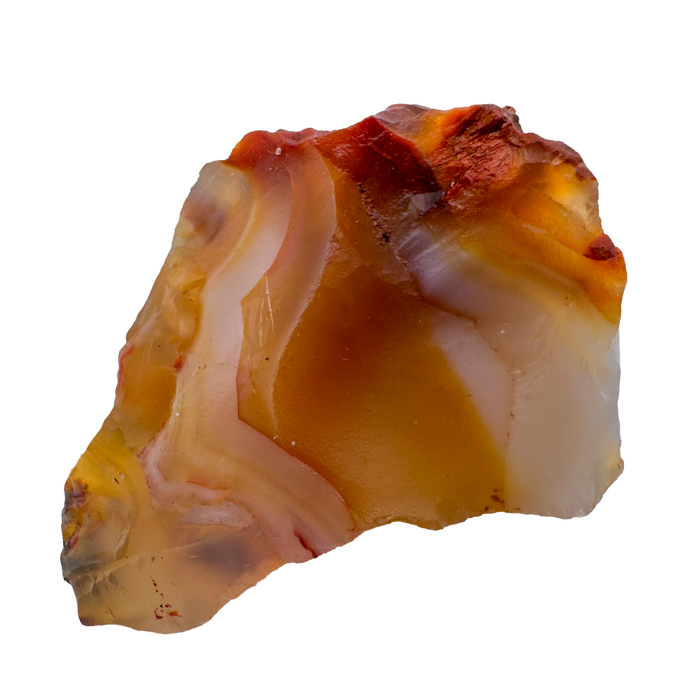
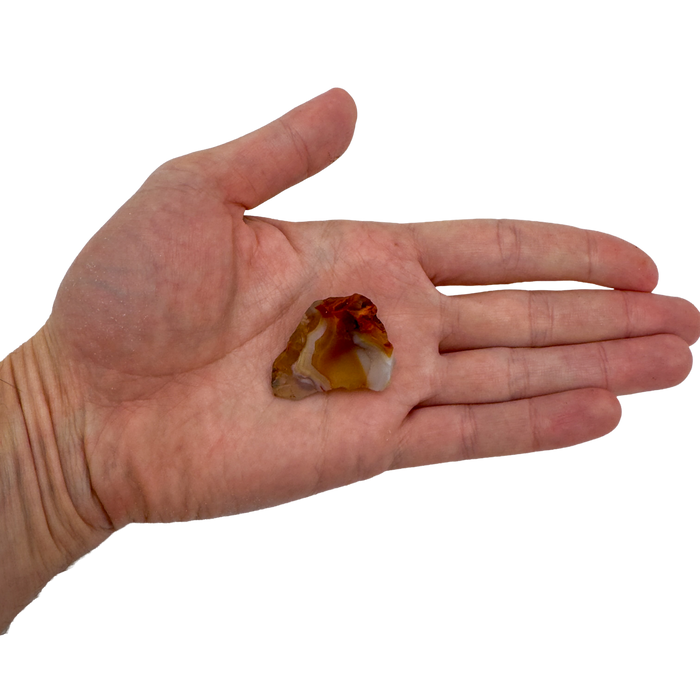
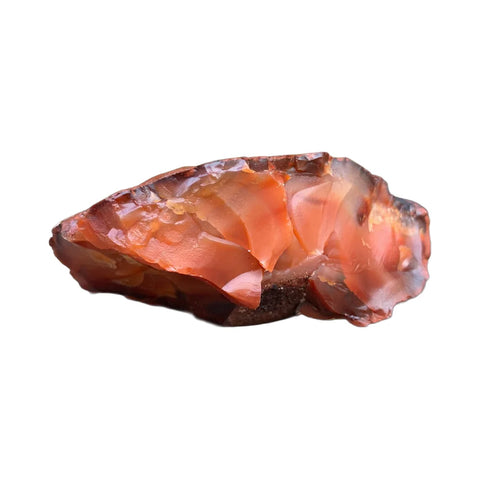
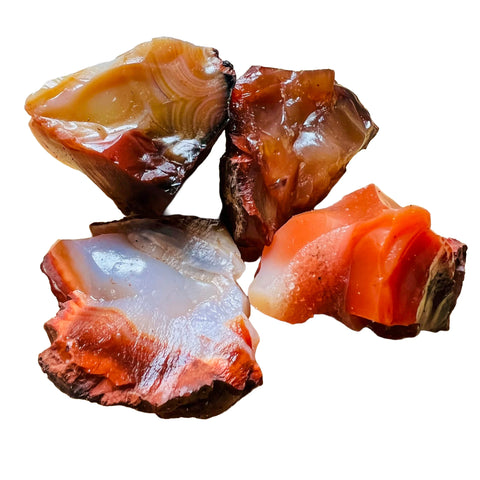
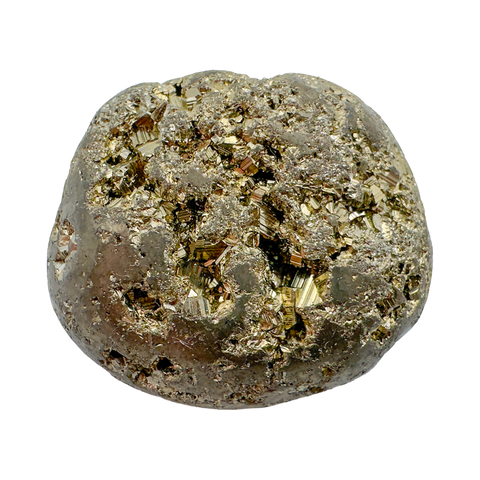
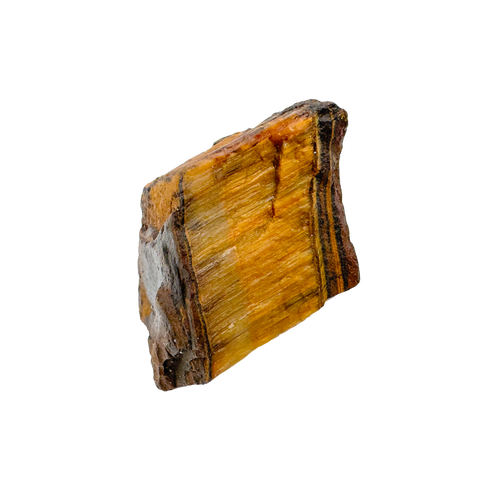
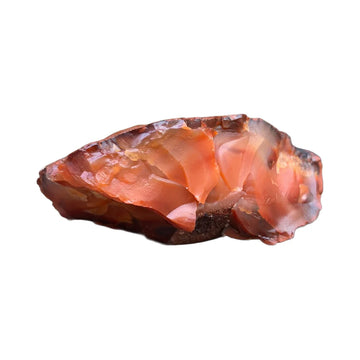
Traditional for solar-associated stones like carnelian, tiger eye, and pyrite. An hour of early morning light is plenty. This is the method that ruins collections, because the stones people most want to charge are often the ones that fade.
Before you use sunlight or water
When to charge, and how much is too much
There is no biological rule and no schedule anyone can prove. Traditional practice runs from monthly to whenever a piece feels flat, and the most common trigger people describe is simply that they have stopped noticing the stone.
The most useful moments in practice: when a piece is new to you, at the start of something you want it to mark, after a stretch of heavy use in meditation, and when you are changing what you want the stone to represent. That last one is the real reason to charge rather than only cleanse.
Charging more often does not compound. A stone charged nightly is not doing more than one charged at the start of a season. The practice is a marker, and markers work by being deliberate rather than frequent.
Charging is a traditional practice, not a measurable one. We can tell you accurately how each method affects the physical stone, which is why the warnings above are specific and the claims are not. Nothing on this page will change what a mineral is. What it can do is give a practice a clear shape and keep you from bleaching an amethyst on a windowsill.
Pieces that make it easy
Frequently asked
What is the difference between charging and cleansing a crystal?
Cleansing clears a stone and resets it to neutral. Charging sets it afterward, usually with a specific intention attached. Cleansing is subtractive, charging is additive. Traditional practice does the cleanse first, then the charge.
Do I need to cleanse a crystal before charging it?
In most practices, yes. Charging an uncleansed stone means setting an intention on top of whatever the piece was already carrying. If you only have time for one step, cleanse.
Can you charge crystals in sunlight?
Briefly, and not with every stone. Amethyst, natural citrine, rose quartz, fluorite, kunzite, and aquamarine fade permanently in prolonged sun. An hour of early morning light is a reasonable limit. Carnelian, tiger eye, and pyrite handle it better.
How long should crystals charge in moonlight?
Sunset to dawn is the traditional window. A few hours is generally considered enough, and cloud cover is not held to matter. Moonlight is safe on every stone, which is why it is the most widely used method.
Does selenite need to be charged?
Traditional practice says no, which is why selenite plates are used to charge other stones. Keep the plate dry regardless, because selenite is a gypsum mineral and dissolves in water.
How often should I charge my crystals?
Monthly is a common rhythm, but there is no rule. The more useful triggers are when a piece is new to you, when you are changing what you want it to represent, or after a stretch of heavy use. Charging more often does not compound.