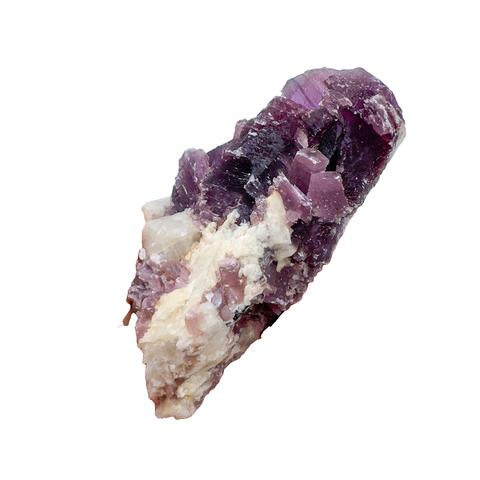
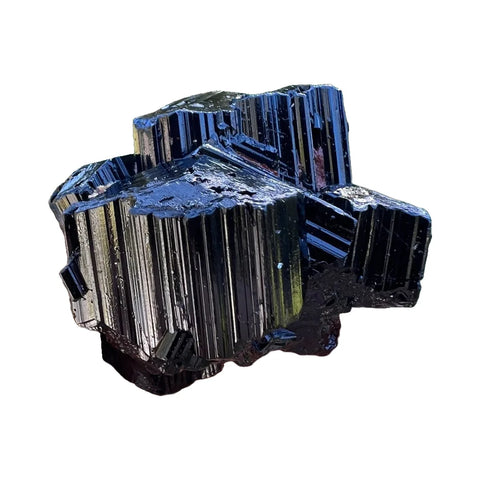
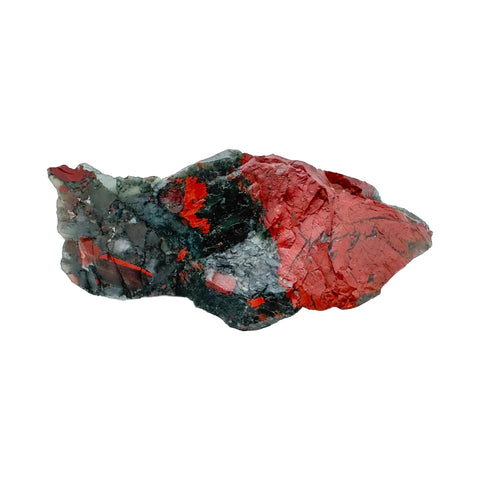























What is Apatite?
Apatite Crystal Guide: meaning, origin & properties
Learn what Apatite is, where ours comes from, traditional associations across cultures, and how to identify a real specimen, in our complete Apatite Crystal Guide.


 Agatefor stress relief
 Amazonitefor stress relief
 Aquamarinefor serenity
 Aventurinefor luck
 Bloodstonefor energy
 Blue Kyanitefor confidence
 Blue Lace Agatefor stress relief
 Chrysocollafor emotional healing
 Fluoritefor focus
 Garnetfor energy
 Lepidolitefor stress relief
 Malachitefor emotional healing
 Moonstonefor grounding
 Obsidianfor protection
 Ocean Jasperfor emotional healing
 Red Jasperfor grounding
 Rhodonitefor emotional healing
 Selenitefor cleansing
 Sodalitefor focus
 Tiger Eyefor confidence





Choose Your Size
Retail prices shown. Your wholesale discount is applied in your bag, based on your bag total.
Only 4 left in stock
Comes with a printed crystal card.
absolutely stunning pieces, beautiful color and excellent quality. service is personal and amazing!
Jennifer D · Verified buyer · September 2022


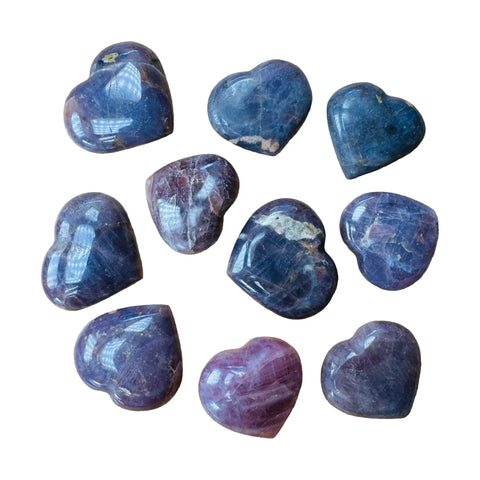
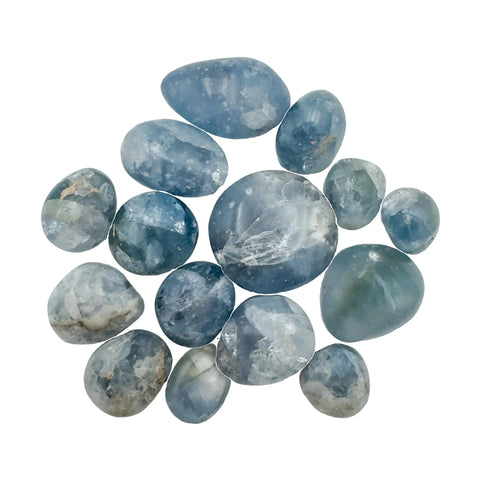
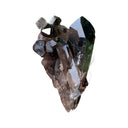
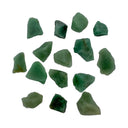
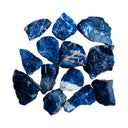
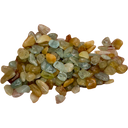
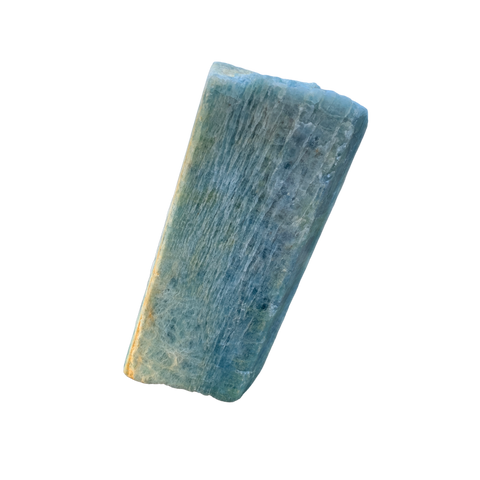
These are AA-grade Blue Apatite palm stones from Anosy, Madagascar. Madagascar apatite is prized for saturated teal, a calcium phosphate bright enough to pass for gem material. Each piece runs 1.50-3 inches at Mohs 5, sourced through a community partnership. A favorite manifestation stone for desks and workspaces.
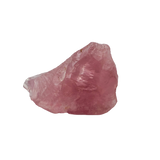
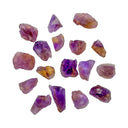
Apatite is usually a vivid teal blue, sometimes yellow or green. The blue pieces are the most sought-after and the color comes from trace elements in the calcium phosphate structure.
These palm stones come from Anosy, Madagascar. Worth knowing: a lot of the apatite on the market is heat-treated. What we carry is natural and untreated.
The name comes from Greek 'apate' meaning 'deception' because it was frequently confused with other minerals.
Those who work with apatite often turn to it for coming back to the task in front of you, clarifying what you actually want, and listening to the quieter signals. It's traditionally linked to the throat and third eye chakras. If that resonates, hold it for a few breaths before a conversation that matters. How you use it is up to you.
These are traditional associations drawn from historical practice. This stone is not a substitute for medical or mental health care.
Offered as a starting point for your own practice.
Apatite sits at 5 on the Mohs scale, soft enough to scratch with a knife, so keep it dry and store it on its own. The one thing that hurts it is sunlight: months in a bright window will fade the color, and it does not come back.
Natural apatite from Anosy, Madagascar. Untreated.
You'll receive pieces from the same batch photographed, weighed to the amount you choose. Every piece passes our quality control and meets or exceeds what you see in the photos. Single specimens have their own product pages and say so.
Each piece measures 1.5 to 3 inches on its longest side and weighs 50 to 200 grams.
Grades reflect visual quality within a batch. A is standard, with typical inclusions. AA shows stronger color, cleaner surfaces and tighter sizing. AAA is the top 10 to 15 percent of a batch. Every lot is inspected and graded by our team in Rockville, Maryland, not taken on the supplier’s word.
This batch is from Anosy, Madagascar. It came to us through a community partnership, one of the sourcing models we publish and stand behind.
Every lot is inspected and graded by our expert team before it goes on sale, not taken on the supplier's word. AA means high quality: stronger color, cleaner formation and a more refined finish. Pieces that miss the mark never reach the shop.
How We GradeSourced through a regional cooperative or community-based workshop. Processing and economic benefit stay local, which means more of the value reaches the people doing the work. We say what we know and where our tracing stops.
Our Sourcing StandardsEverything we sell is natural in origin: never synthetic, never dyed, never coated. Where a stone has been heated, irradiated or stabilized, which is common in the trade for some species, we say so on the product page. If a piece is not as described, return it within 90 days of delivery.
Returns and Guarantee