
























































Serpentine Crystal Guide: meaning, origin & properties
Learn what Serpentine is, where ours comes from, traditional associations across cultures, and how to identify a real specimen, in our complete Serpentine Crystal Guide.
In stock
We work directly with the mine or workshop, with no intermediaries in between. The relationship is personal, pricing is transparent, and we can speak to each batch.
Read our Sourcing Standards →i am so pleased with everything i have ordered from beyond bohemian. i have a small shop and was able to get a wholesale account and it's one of the best things i've ever done. they are a genuinely ethical company and the crystals and stones are top quality. also, the care they put into the packaging and all the small details was not lost on me. i'm so grateful to have found them!
Amy K · Verified buyer · February 2023
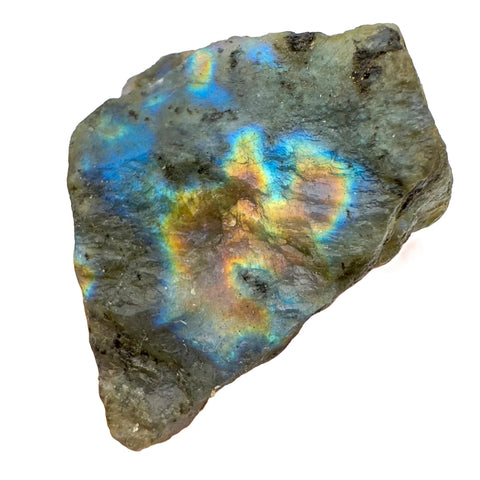
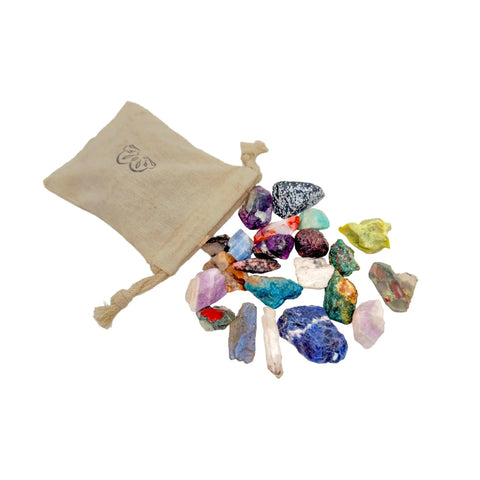
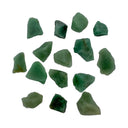
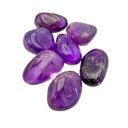
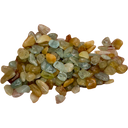
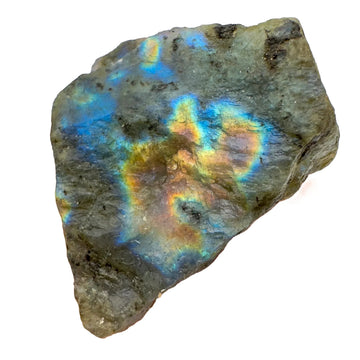
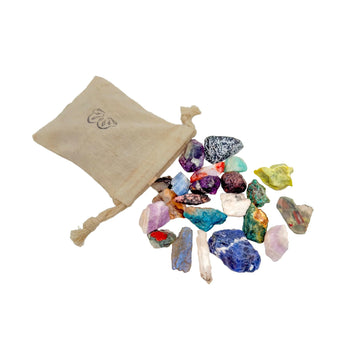
These are AA-grade Serpentine hand-polished stones from Junín, Peru, sold by the piece or by the pound. Serpentine is a group of magnesium silicate minerals formed where ocean rock meets water, giving mottled olive-green color. Each piece runs 0.75-1.50 inches at Mohs 4, fully natural and untreated. A favorite healing stone for bedside tables.
Serpentine is part of the silicate - inosilicate family.
Sourced directly from Junín, Peru.
Serpentine is a magnesium silicate mineral with green color, named for snake-like patterns.
Serpentine is traditionally a stone for gentle, patient care for yourself, working through difficult feelings at your own pace, and a simple anchor during practice. It's traditionally linked to the heart chakra. If that resonates, hold one over your chest for a few breaths when you need to soften. Let it become part of your own quiet routine.
These are traditional associations drawn from historical practice. This stone is not a substitute for medical or mental health care.
A starting place for your own quiet practice.