














Are Crystals Radioactive? A Calm, Accurate Answer
A handful of minerals genuinely are. Almost nothing on a crystal shelf is one of them.
The question comes up more than you would think, usually after someone reads that smoky quartz is irradiated or sees a mineral glowing under a UV lamp. Here is what actually makes a mineral radioactive, which ones are, and why the stones most people own are not.

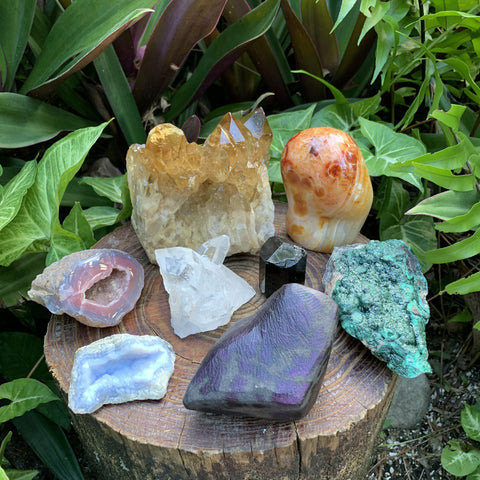
Almost no crystal sold for the home is radioactive. Radioactivity requires unstable atoms, in practice uranium or thorium, and everyday stones like quartz, amethyst, agate, and tourmaline contain neither. The genuinely radioactive minerals are uranium and thorium ores, sold as specialist specimens and normally labeled as such.
What Makes a Mineral Radioactive at All
Radioactivity is not a property of stones in general. It is a property of a few specific elements whose atomic nuclei are unstable and shed energy as they decay. In minerals, that means one of two elements in practice: uranium or thorium. If a mineral does not contain them, it is not radioactive, no matter what it looks like or how it formed.
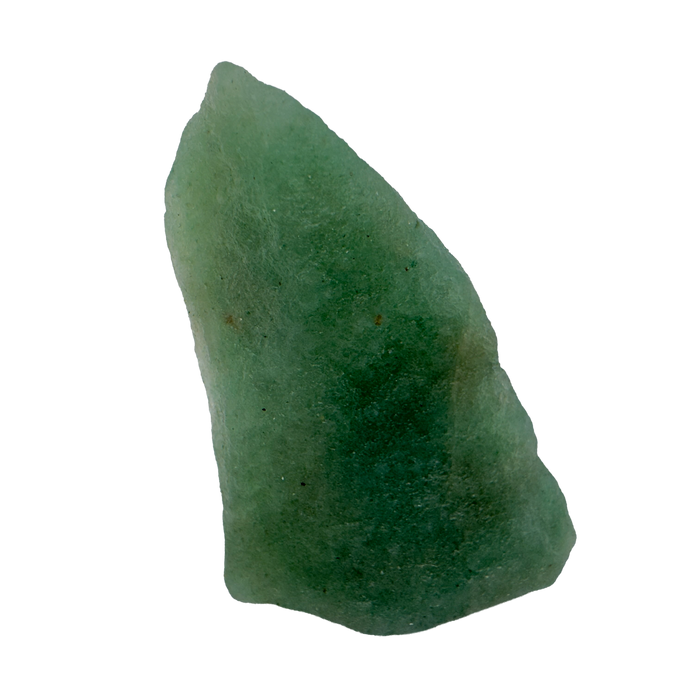
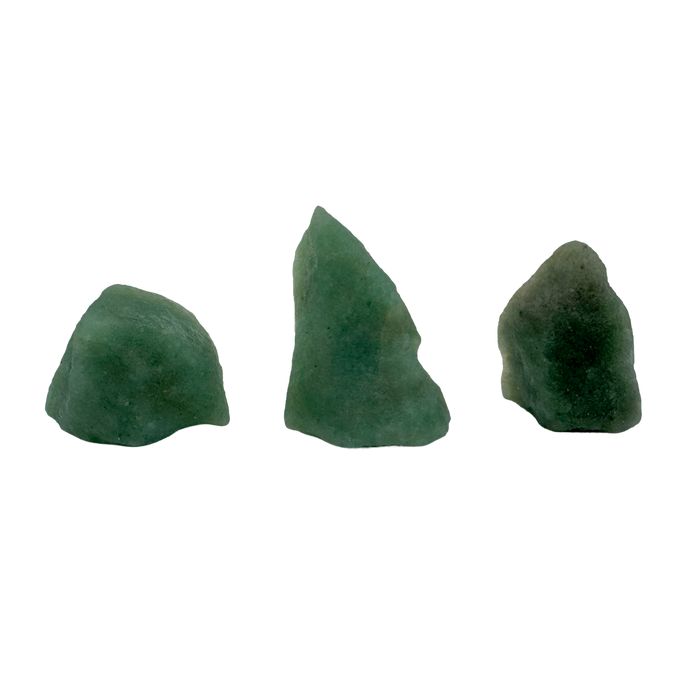
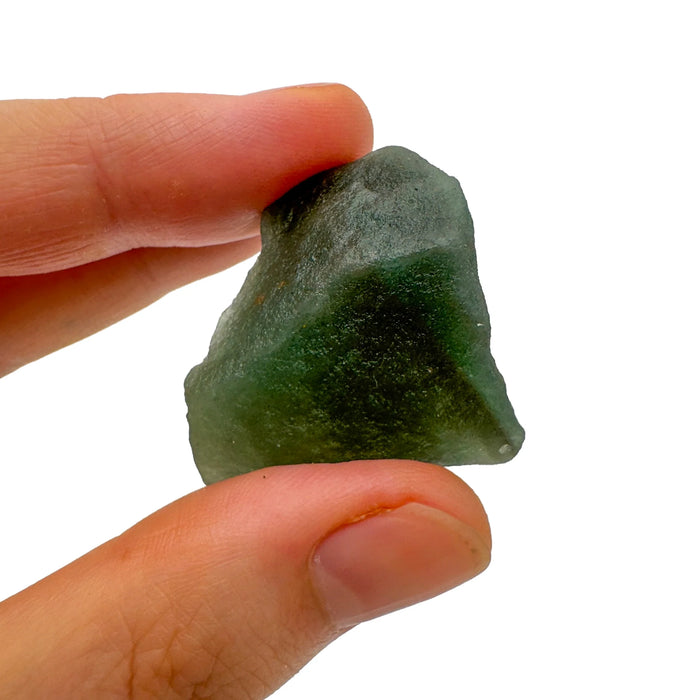
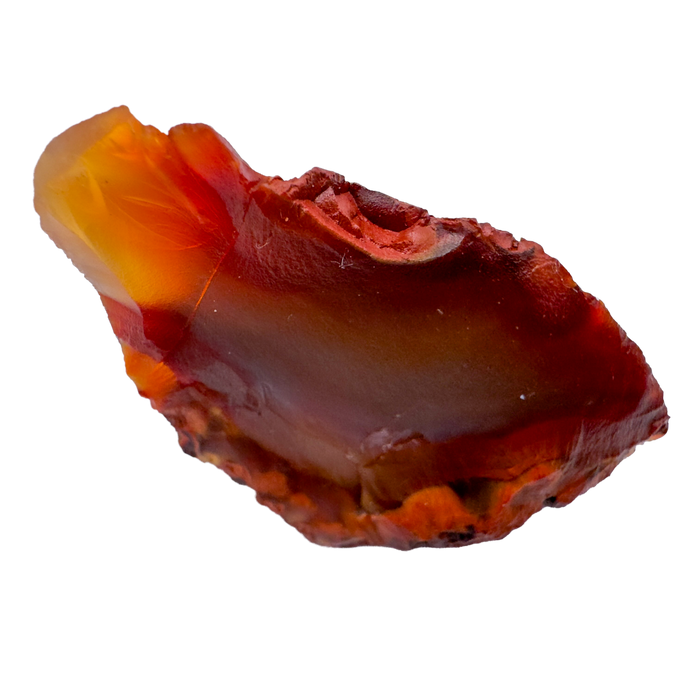
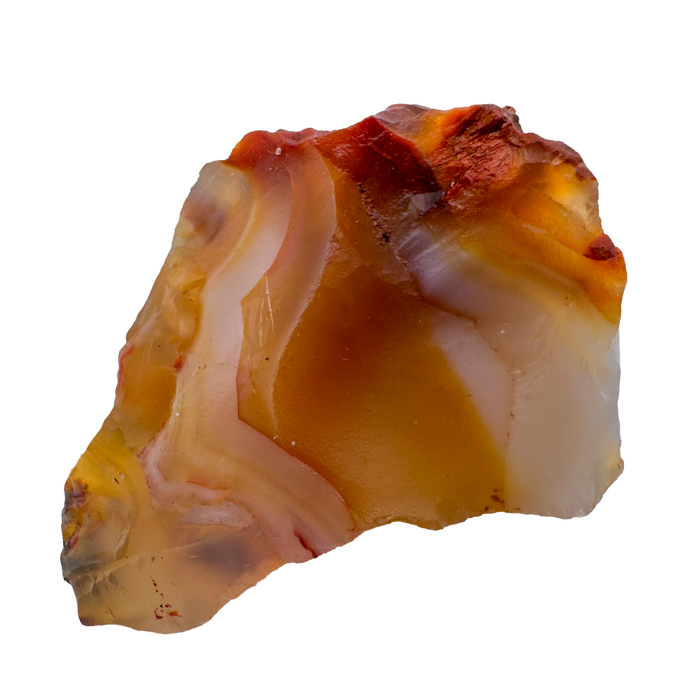
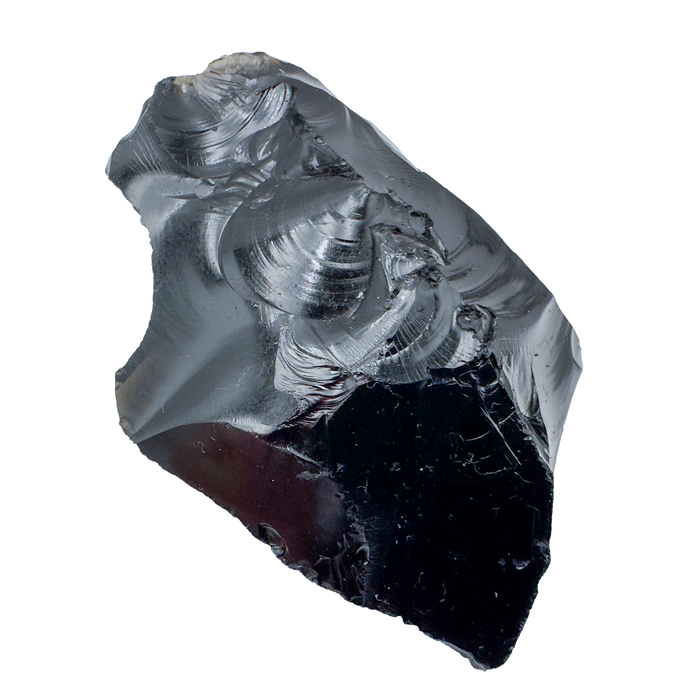
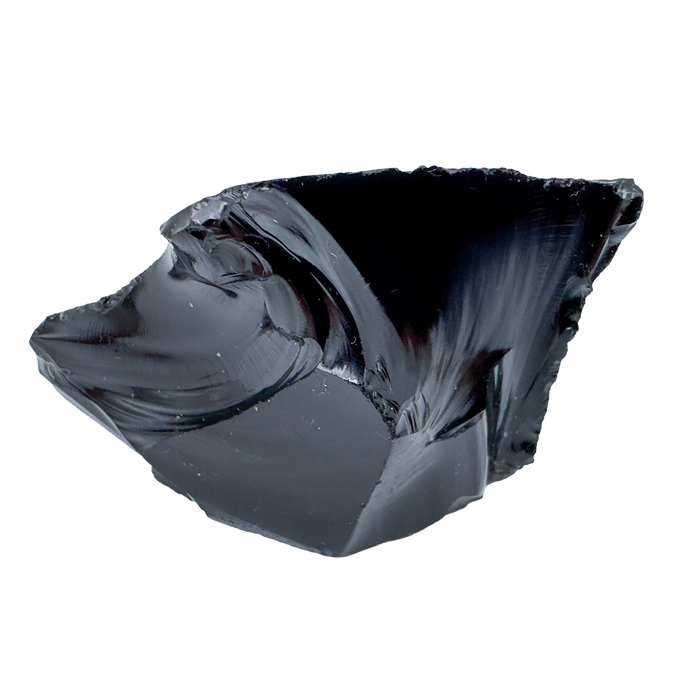
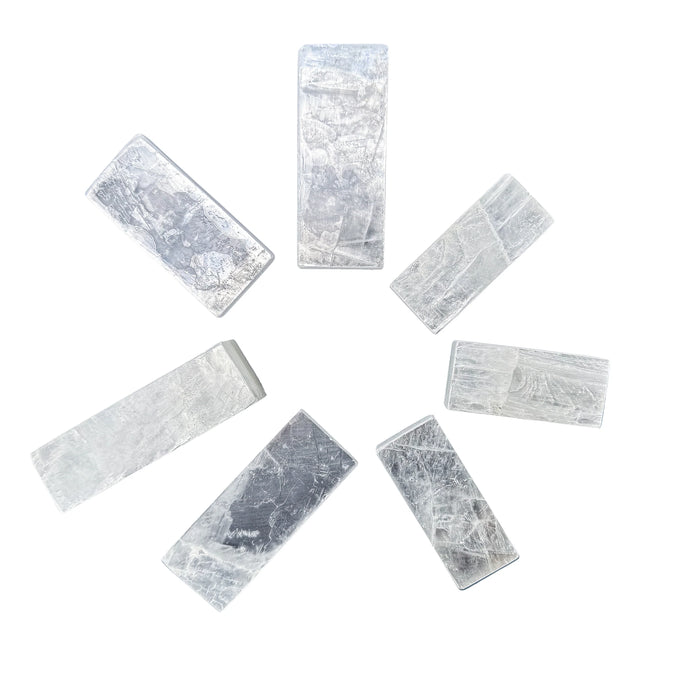
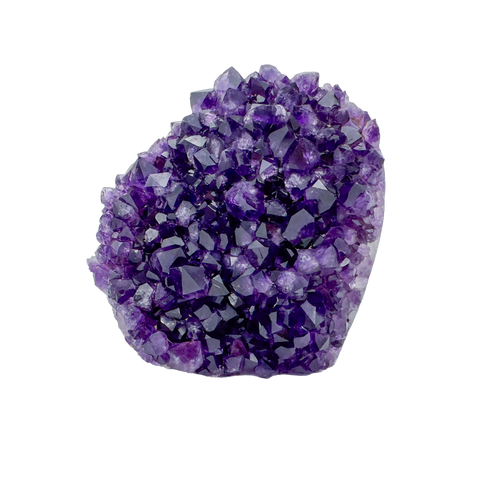
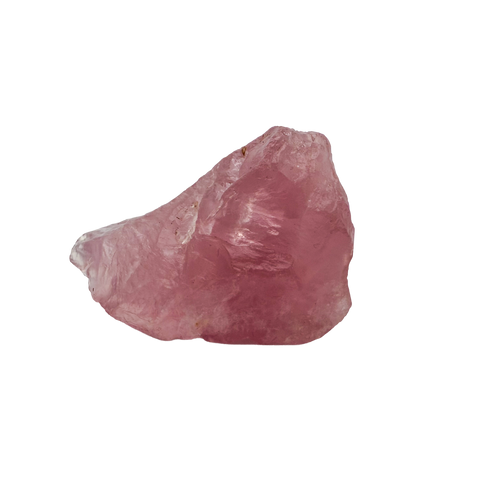
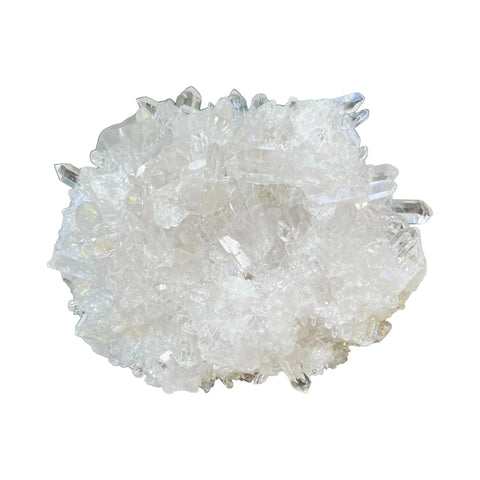
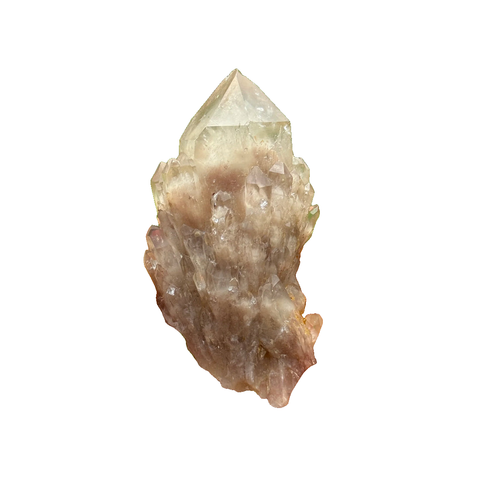
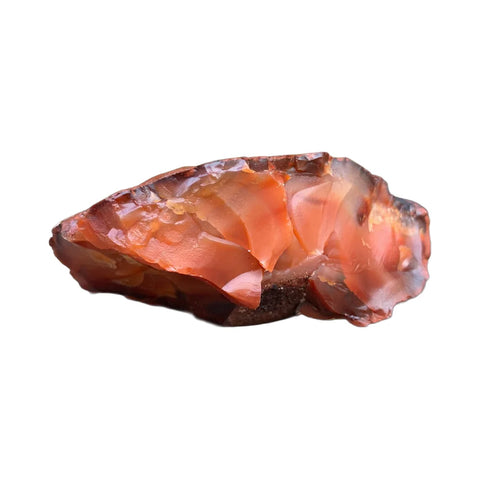
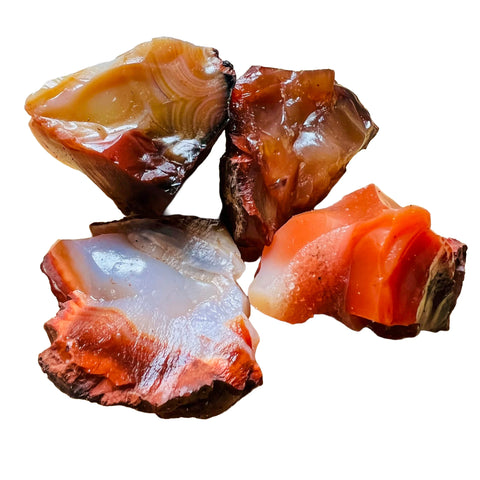
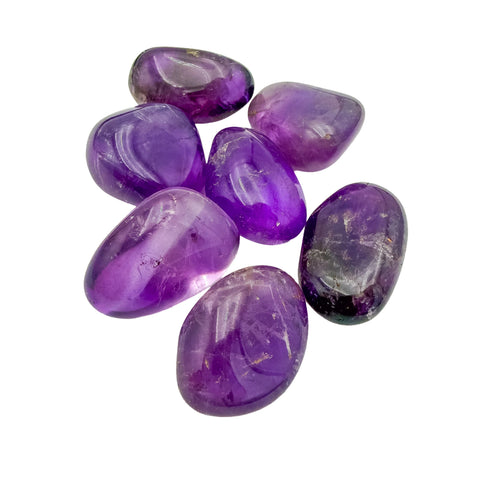
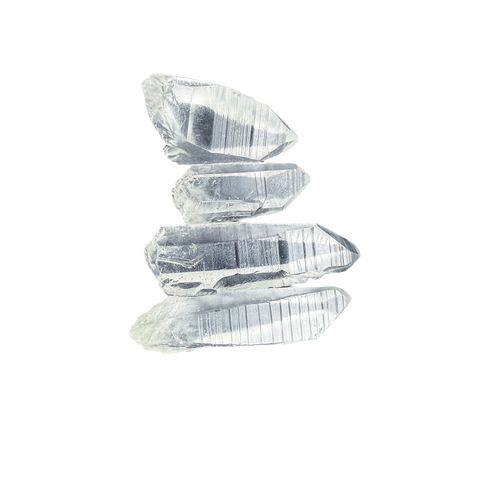
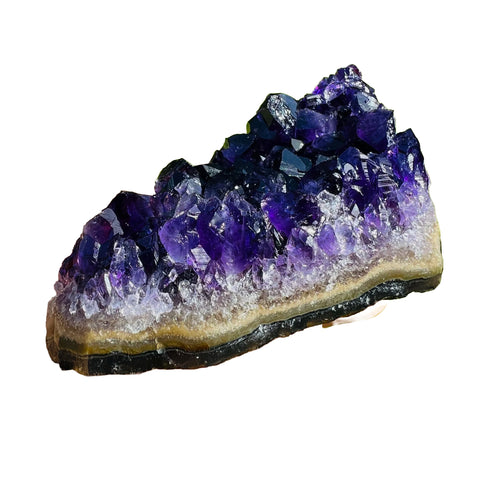
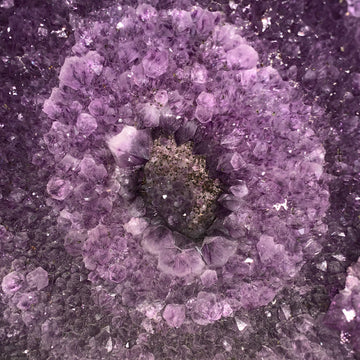
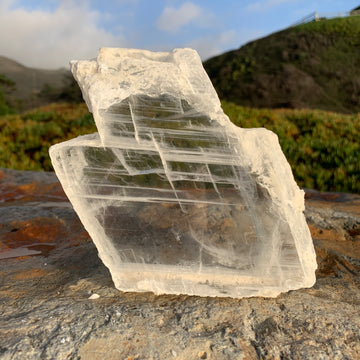
That single fact settles most of the worry. Quartz is silicon and oxygen. Amethyst is quartz with a trace of iron. Agate, jasper, and carnelian are quartz too. Tourmaline, calcite, selenite, obsidian, and jade carry no uranium or thorium in any meaningful amount. None of them are radioactive, and none of them become radioactive by sitting on a shelf.
Everything is bathed in low-level natural background radiation, from soil, rock, cosmic rays, and the air. An ordinary crystal does not add to it in any way you could measure with a household detector.

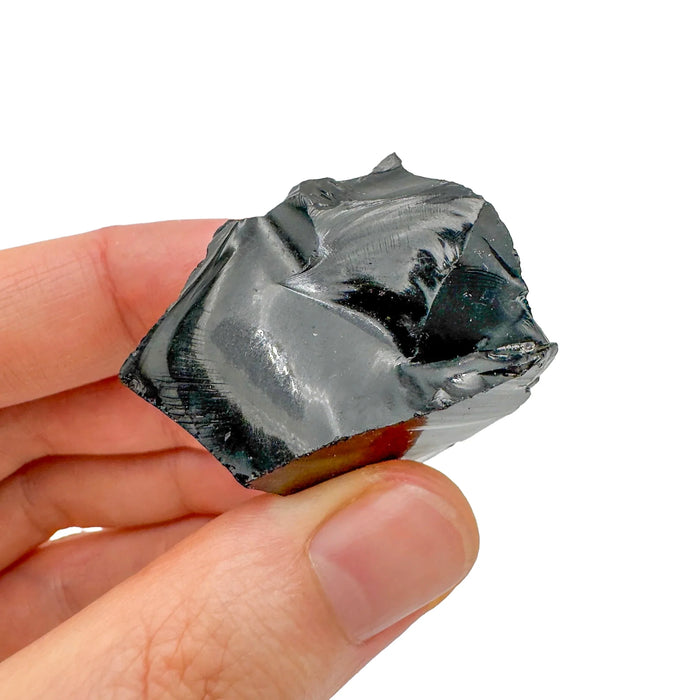
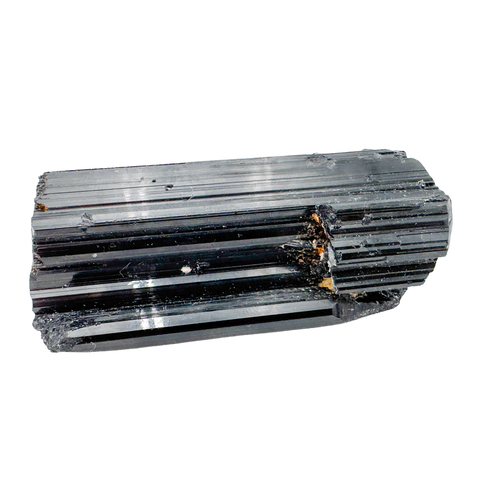
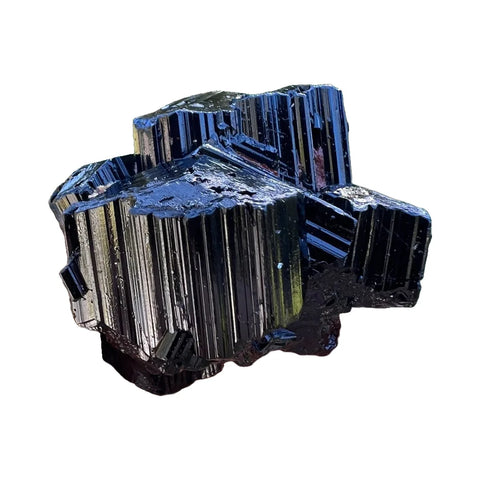
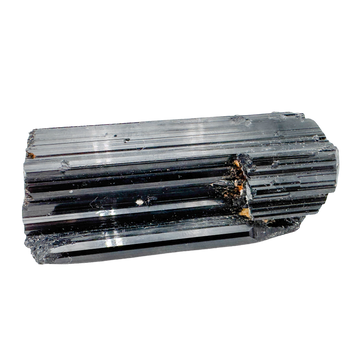
Black Tourmaline is a borosilicate. Like quartz, calcite, and jade, it carries no uranium or thorium, so there is nothing in it to decay.
The Minerals That Genuinely Are Radioactive
These exist, and collectors do buy them on purpose. They are not decor stones. They are specimens, sold by specialist dealers who label them, and they belong in a sealed case rather than a bedside table.
Uranium Minerals
The strongly radioactive group
Thorium Minerals
Less famous, same principle
Trace-Bearing Gems
The genuine gray area
We do not carry uranium or thorium minerals, and we do not carry zircon or topaz. Every stone in our catalog sits in the ordinary, non-radioactive group described above. If a seller offers you a uranium specimen, that is a legitimate corner of the mineral world, but it should always be sold labeled, not slipped in alongside tumbles.
Irradiated Is Not the Same as Radioactive

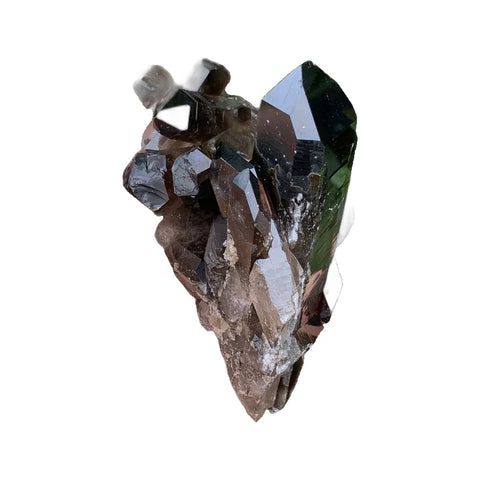
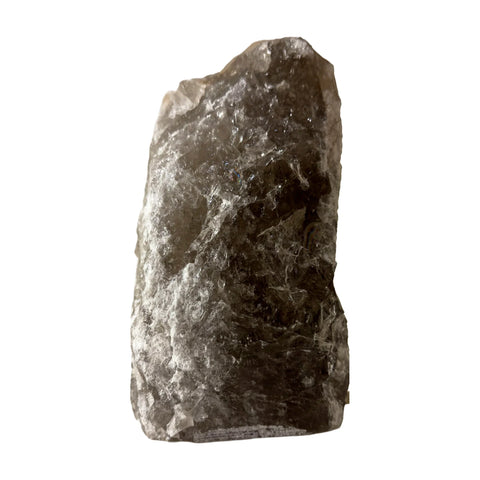
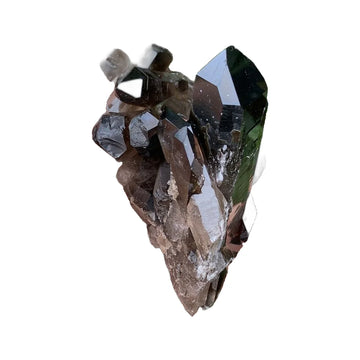
Smoky Quartz owes its color to radiation displacing electrons around aluminum impurities. The stone absorbs radiation. It does not emit it.
This is where most of the anxiety starts. Smoky quartz gets its brown tone from radiation acting on tiny aluminum impurities inside the quartz, building what mineralogists call a color center. Underground, that radiation comes naturally from trace elements in the surrounding rock over very long timescales.
Absorbing radiation and emitting it are two different things. A useful comparison: sunlight changes the color of your skin, but a tan does not make you a source of sunlight. The energy moved electrons around. It did not touch the atomic nucleus, which is the only thing that could make a material radioactive.
Some smoky quartz on the market has had that same color built in a treatment chamber rather than in the ground. That is a disclosure question, not a safety one, and we cover it in full in our guide to smoky quartz, natural or irradiated.
The Treatment That Can Leave Residual Activity
There is one genuine exception, and it is worth knowing precisely, because it is narrow. Not all irradiation is the same. What matters is whether the process can reach the atomic nucleus of the trace elements inside a stone.
| Method | What it does | Can it leave the stone radioactive? | Where it is used |
|---|---|---|---|
| Gamma rays (cobalt-60) | Moves electrons to build color centers | No. The photon energy sits below the threshold needed to activate any element | The standard route for darkening quartz |
| Electron beam (linear accelerator) | The same color center effect, delivered faster | Only briefly. Any induced activity is short lived and decays within days | Some topaz and other colored gem material |
| Neutron irradiation (nuclear reactor) | Produces the deepest colors, notably in blue topaz | Yes, temporarily. Trace elements can become short-lived isotopes, so stones are held to cool down | Blue topaz. Not used on ordinary quartz |
In the United States, the Nuclear Regulatory Commission licenses the facilities that irradiate gemstones and licenses the importers and distributors who bring them in, and those distributors must survey the stones for residual radioactivity before they can be sold. Reactor-treated topaz is held for a cooling period first. Most material clears quickly, and stones from a few localities have taken far longer, which is exactly why the survey requirement exists.
Nearly all blue topaz on the market is irradiated. That is not a secret and it is not a scandal, it is simply how the color is made, and the regulatory system exists so that what reaches a buyer has been checked. We do not carry topaz, so the question does not arise in our catalog.
Glowing Under UV Is Not Radioactivity
Put a UV lamp over a mineral tray and some stones light up in startling colors. It looks nuclear. It is not. Fluorescence happens when a mineral absorbs ultraviolet light and re-emits it at a visible wavelength. Switch the lamp off and the glow stops, because there was never any energy coming from inside the stone.
The word itself comes from fluorite, the mineral that made the effect famous. Fluorite, calcite, and many other perfectly ordinary stones fluoresce. Uranium minerals happen to fluoresce as well, which is part of why the two ideas get tangled together, but plenty of glowing minerals contain no uranium at all.
The exception people ask about is uranium glass, sometimes sold as vaseline glass, which is not a mineral but glass with uranium added for color. It glows a vivid green under UV and is very slightly radioactive. Regulators treat display and normal handling as negligible, though it is not intended for eating or drinking from, and chipped pieces are best left alone.

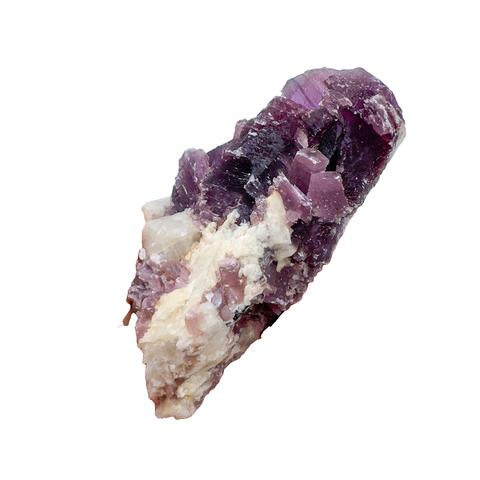
Fluorite gave fluorescence its name. It glows under UV and contains no uranium. Glowing and decaying are unrelated.
"A stone that glows is reflecting your lamp back at you. A stone that is radioactive is doing something with or without you in the room."
Handling a Radioactive Specimen Sensibly
Uranium and thorium minerals are legitimate collectibles with a long history, and museums display them. The people who collect them are not reckless, they are simply specific. If a uranium specimen appeals to you, here is how the collecting world handles it.
Reputable specimen dealers name the mineral and say plainly that it is radioactive. A seller who will not say is the problem, not the stone.
Standard practice is an airtight acrylic, plastic, or glass container, which contains dust and any radon that a uranium mineral gives off as it decays.
No cutting, grinding, tumbling, or sanding. Loose particles are the thing collectors take seriously, not the intact specimen sitting still.
Away from where you sleep and eat, in a ventilated space rather than a sealed closet, and out of daily handling range.
Basic collection hygiene. The same habit applies to any mineral you would not want traces of on your hands, including the toxic ones.
A household radiation detector is the only real answer to a doubt about any specific stone. Guessing from a photograph is not identification.
Radioactivity and toxicity are separate questions, and people often merge them. A stone can be entirely non-radioactive and still be one you should not lick or grind, which is a different subject we cover in our guide to crystals that are toxic to touch.
Related Guides
The disclosure question behind smoky quartz and morion, answered in full.
Read the guideThe separate question people confuse with this one, answered without alarm.
Check toxicityColor centers, chromophores, and why radiation can turn quartz brown.
See the scienceOpalite, goldstone, and the other manufactured materials on the market.
Spot the glassProperties, origins, and sourcing for the stone at the heart of this question.
Explore smoky quartzOur full collection of trust-first crystal guides and comparisons.
Browse the LibraryFrequently Asked
Are crystals radioactive?
Almost none are. Radioactivity requires unstable atoms, which in minerals means uranium or thorium. Quartz, amethyst, agate, jasper, tourmaline, calcite, selenite, and jade contain neither, so they are not radioactive. The exceptions are uranium and thorium ores, which are sold as labeled collector specimens rather than decor.
Is irradiated smoky quartz safe to hold?
Yes. Smoky quartz is darkened with gamma rays, usually from cobalt-60, and that photon energy is below the threshold needed to make any element in the stone radioactive. The radiation rearranges electrons to create the color, and it leaves nothing behind. Natural smoky quartz forms by exactly the same mechanism underground.
Which minerals are actually radioactive?
The uranium minerals, including uraninite or pitchblende, autunite, torbernite, and carnotite, and the thorium minerals, including monazite, thorianite, and thorite. Some zircon carries small traces of uranium and thorium. Everything else you are likely to meet in a crystal shop is not radioactive.
Does a crystal glowing under UV light mean it is radioactive?
No. Fluorescence is a stone absorbing ultraviolet light and re-emitting it as visible color, and it stops the moment you switch the lamp off. Fluorite and calcite glow and contain no uranium. Uranium minerals also fluoresce, which is why the two ideas get confused, but glowing and decaying are unrelated.
Is blue topaz radioactive?
Nearly all blue topaz is irradiated to get its color, and reactor treatment can leave a small amount of short-lived residual activity. That is why the process is regulated. In the United States the Nuclear Regulatory Commission licenses the treatment facilities and the distributors, who must survey the stones before selling them, and reactor-treated topaz is held to cool down first.
Is uranium glass, or vaseline glass, dangerous to own?
Uranium glass is glass with uranium added for color, and it is very slightly radioactive. Regulators treat display and ordinary handling as negligible. It is not intended to eat or drink from, and chipped or broken pieces are the ones collectors avoid, because the concern is dust and ingestion rather than the intact object.
Can I keep a uranium mineral specimen at home?
Collectors do, and museums display them. The usual practice is to keep the specimen sealed in an airtight acrylic or glass container, store it away from sleeping and eating areas in a ventilated spot, never cut or grind it, and wash your hands after handling. It should always be bought clearly labeled.
How can I check whether a specific stone is radioactive?
Identify the mineral first, because the name usually answers the question outright. If a doubt remains, a household radiation detector is the only definitive check. You cannot tell from a photograph, and color alone is not evidence, since plenty of vivid green and yellow minerals contain no uranium.