




















Crystal Questions Answered
Honest, grounded answers to the most common crystal questions. No hype, no vague claims, just practical information you can use.
Buying and Authenticity
How can I tell if a crystal is fake?
Look for: unnaturally vivid or perfectly uniform colors (common with dyes), air bubbles inside (indicates glass), a price that seems too good to be true, and sellers who cannot tell you the origin or treatment status. The most commonly faked crystals are turquoise, citrine, moldavite, and lapis lazuli. When in doubt, buy from sellers who disclose sourcing and treatments.
What does "ethically sourced" actually mean for crystals?
There is no universal certification for ethically sourced crystals, unlike diamonds or certain gemstones. "Ethically sourced" should mean the seller knows where the material came from, can describe the supply chain, and is transparent about labor and environmental conditions. Be cautious of sellers who use "ethical" as a marketing term without providing specific details. Good sourcing is a practice, not a claim.
Is It Real? (Treatment Questions)
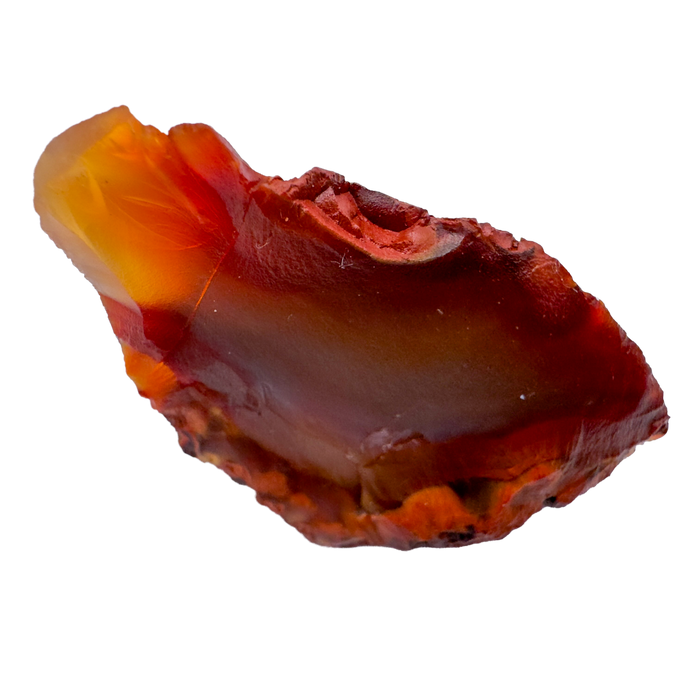
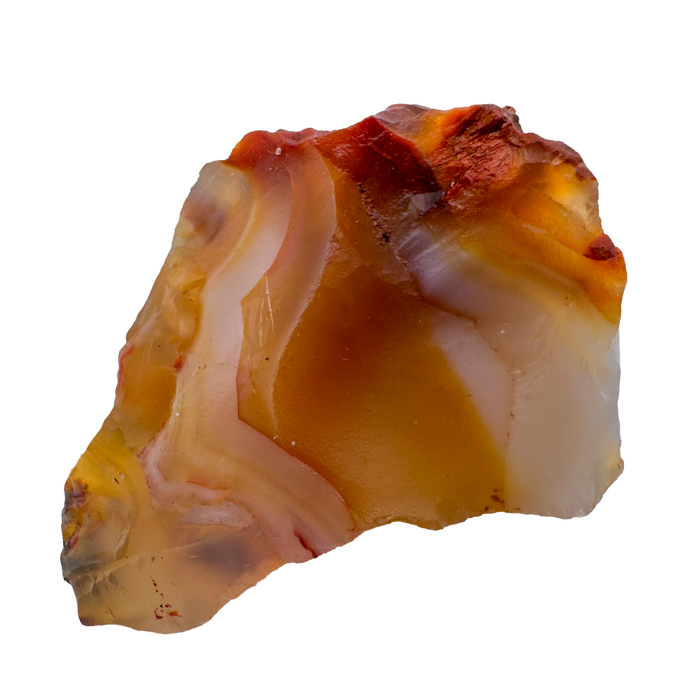
Is my Agate real or treated?
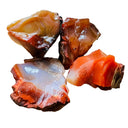
Agate has a high treatment risk in the market. Common – dyeing (esp. bright colors); Est.. 20–60%. To verify authenticity, ask your seller about treatments and look for unnaturally vivid or uniform colors, which can indicate dyes or heat treatment. At Beyond Bohemian, we disclose all known treatments for every piece we sell.
Is my Banded Agate real or treated?
Banded Agate has a high treatment risk in the market. Common – dyeing (esp. bright colors); Est.. 20–60%. To verify authenticity, ask your seller about treatments and look for unnaturally vivid or uniform colors, which can indicate dyes or heat treatment. At Beyond Bohemian, we disclose all known treatments for every piece we sell.
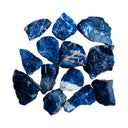
Is my Blue Onyx real or treated?
Blue Onyx has a high treatment risk in the market. Common – dye/stain (often banded calcite); Est.. 40–80%. To verify authenticity, ask your seller about treatments and look for unnaturally vivid or uniform colors, which can indicate dyes or heat treatment. At Beyond Bohemian, we disclose all known treatments for every piece we sell.
Is my Chalcedony real or treated?
Chalcedony has a high treatment risk in the market. Common – dyeing; Est.. 20–50%. To verify authenticity, ask your seller about treatments and look for unnaturally vivid or uniform colors, which can indicate dyes or heat treatment. At Beyond Bohemian, we disclose all known treatments for every piece we sell.
Is my Crazy Lace Agate real or treated?
Crazy Lace Agate has a high treatment risk in the market. Common – dyeing (esp. bright colors); Est.. 20–60%. To verify authenticity, ask your seller about treatments and look for unnaturally vivid or uniform colors, which can indicate dyes or heat treatment. At Beyond Bohemian, we disclose all known treatments for every piece we sell.
Is my Dendritic Agate real or treated?
Dendritic Agate has a high treatment risk in the market. Common – dyeing (esp. bright colors); Est.. 20–60%. To verify authenticity, ask your seller about treatments and look for unnaturally vivid or uniform colors, which can indicate dyes or heat treatment. At Beyond Bohemian, we disclose all known treatments for every piece we sell.
Is my Flower Agate real or treated?
Flower Agate has a high treatment risk in the market. Common – dyeing (esp. bright colors); Est.. 20–60%. To verify authenticity, ask your seller about treatments and look for unnaturally vivid or uniform colors, which can indicate dyes or heat treatment. At Beyond Bohemian, we disclose all known treatments for every piece we sell.
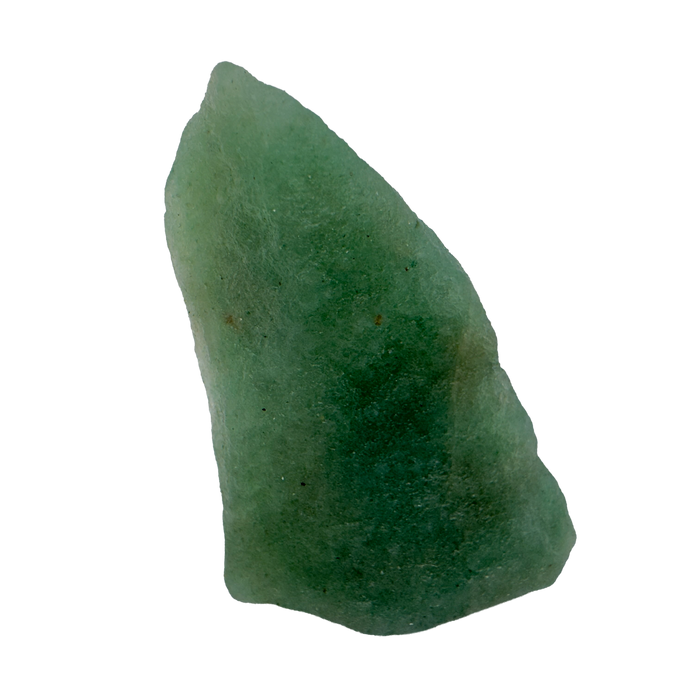
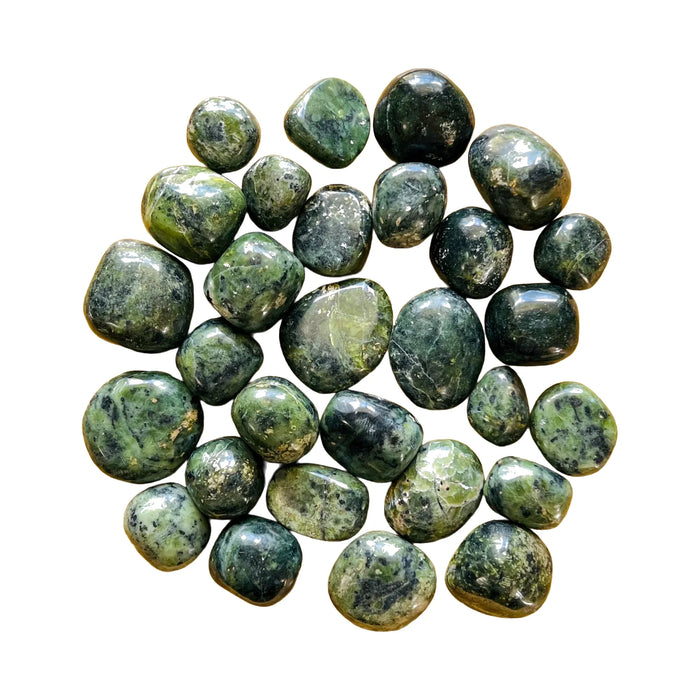
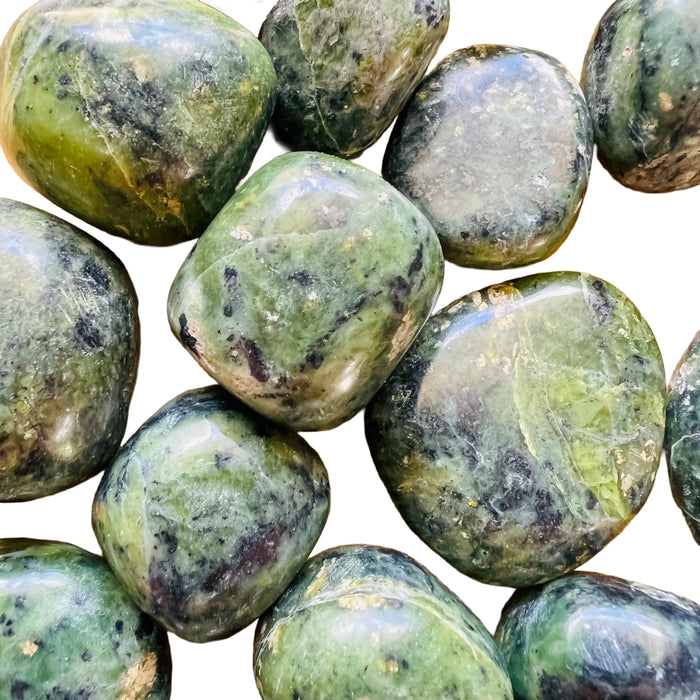
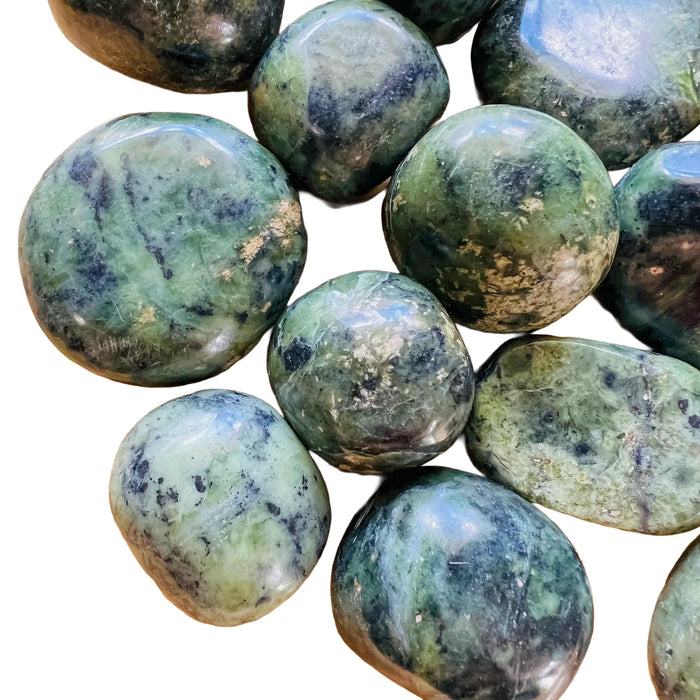
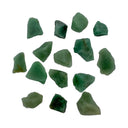
Is my Jade real or treated?
Jade has a high treatment risk in the market. Common – waxing; jadeite may be bleached/polymer/dyed; Est.. 20–60%. To verify authenticity, ask your seller about treatments and look for unnaturally vivid or uniform colors, which can indicate dyes or heat treatment. At Beyond Bohemian, we disclose all known treatments for every piece we sell.
Is my Orca Agate real or treated?
Orca Agate has a high treatment risk in the market. Common – dyeing (esp. bright colors); Est.. 20–60%. To verify authenticity, ask your seller about treatments and look for unnaturally vivid or uniform colors, which can indicate dyes or heat treatment. At Beyond Bohemian, we disclose all known treatments for every piece we sell.
Is my Patagonia Agate real or treated?
Patagonia Agate has a high treatment risk in the market. Common – dyeing (esp. bright colors); Est.. 20–60%. To verify authenticity, ask your seller about treatments and look for unnaturally vivid or uniform colors, which can indicate dyes or heat treatment. At Beyond Bohemian, we disclose all known treatments for every piece we sell.
Is my Pink Agate real or treated?
Pink Agate has a high treatment risk in the market. Common – dyeing (esp. bright colors); Est.. 20–60%. To verify authenticity, ask your seller about treatments and look for unnaturally vivid or uniform colors, which can indicate dyes or heat treatment. At Beyond Bohemian, we disclose all known treatments for every piece we sell.
Is my Red Agate real or treated?
Red Agate has a high treatment risk in the market. Common – dyeing (esp. bright colors); Est.. 20–60%. To verify authenticity, ask your seller about treatments and look for unnaturally vivid or uniform colors, which can indicate dyes or heat treatment. At Beyond Bohemian, we disclose all known treatments for every piece we sell.
Is my Tree Agate real or treated?
Tree Agate has a high treatment risk in the market. Common – dyeing (esp. bright colors); Est.. 20–60%. To verify authenticity, ask your seller about treatments and look for unnaturally vivid or uniform colors, which can indicate dyes or heat treatment. At Beyond Bohemian, we disclose all known treatments for every piece we sell.
Care and Cleansing
Can Selenite go in water?
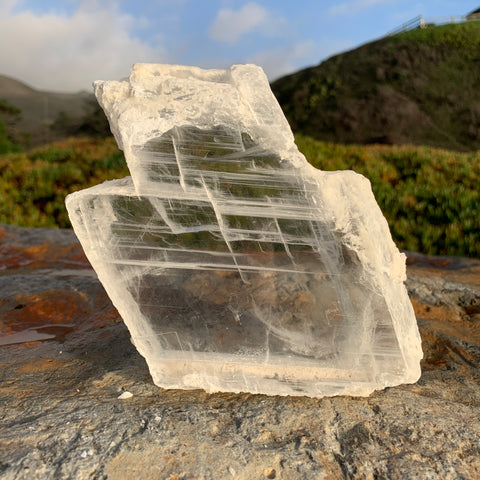
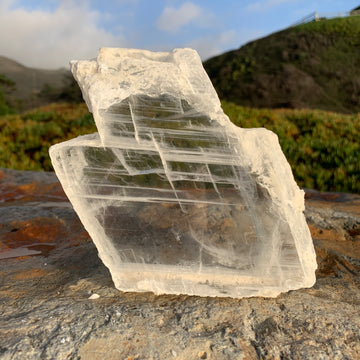
Selenite has a Mohs hardness of 2. With a hardness below 6, it's best to avoid water contact. Selenite can dissolve, lose its polish, or be damaged by prolonged water exposure. Use smoke, sound, or moonlight for cleansing instead.
Can Malachite go in water?
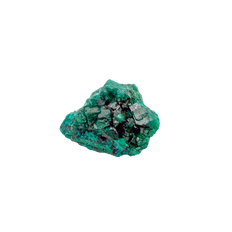
Malachite has a Mohs hardness of 3.5-4. With a hardness below 6, it's best to avoid water contact. Malachite can dissolve, lose its polish, or be damaged by prolonged water exposure. Use smoke, sound, or moonlight for cleansing instead.
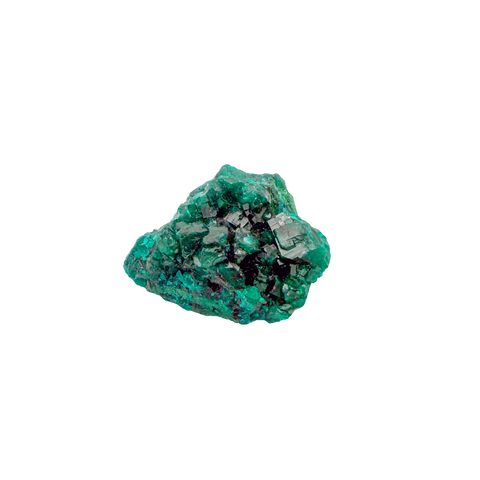
Can Fluorite go in water?
Fluorite has a Mohs hardness of 4. With a hardness below 6, it's best to avoid water contact. Fluorite can dissolve, lose its polish, or be damaged by prolonged water exposure. Use smoke, sound, or moonlight for cleansing instead.
Can Calcite go in water?
Calcite has a Mohs hardness of 3. With a hardness below 6, it's best to avoid water contact. Calcite can dissolve, lose its polish, or be damaged by prolonged water exposure. Use smoke, sound, or moonlight for cleansing instead.
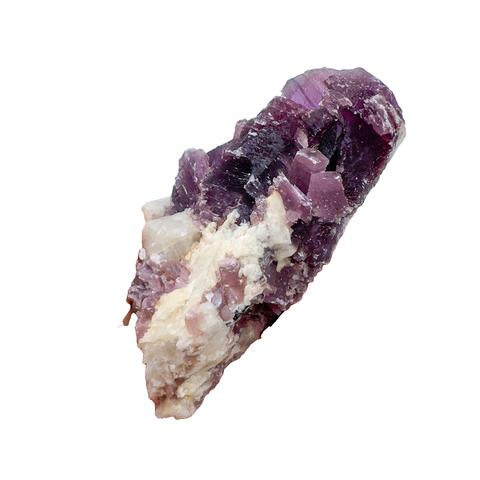
Can Lepidolite go in water?
Lepidolite has a Mohs hardness of 2.5-3. With a hardness below 6, it's best to avoid water contact. Lepidolite can dissolve, lose its polish, or be damaged by prolonged water exposure. Use smoke, sound, or moonlight for cleansing instead.
Can Angelite go in water?
Angelite has a Mohs hardness of 3-3.5. With a hardness below 6, it's best to avoid water contact. Angelite can dissolve, lose its polish, or be damaged by prolonged water exposure. Use smoke, sound, or moonlight for cleansing instead.
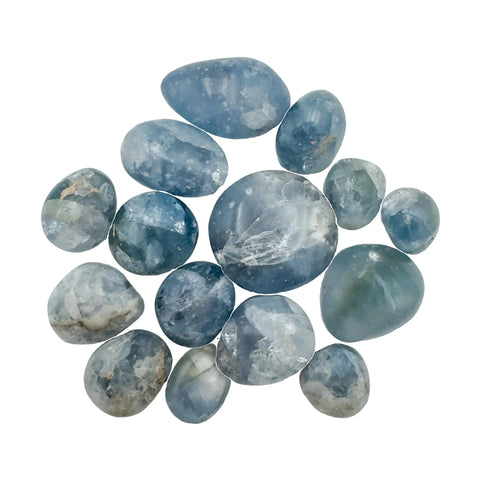
Can Celestite go in water?
Celestite has a Mohs hardness of 3-3.5. With a hardness below 6, it's best to avoid water contact. Celestite can dissolve, lose its polish, or be damaged by prolonged water exposure. Use smoke, sound, or moonlight for cleansing instead.
How do I cleanse my crystals?
The safest methods that work for virtually all crystals are smoke cleansing (sage, cedar, palo santo), sound (singing bowls, bells), moonlight, and intention/breath. Water is fine for hard crystals (Mohs 6+) but can damage softer stones. Sunlight works for some but can fade amethyst, rose quartz, and other light-sensitive stones. Selenite plates are a popular passive cleansing method.
How often should I cleanse my crystals?
There are no hard rules. Many people cleanse when they first receive a crystal, after heavy use in healing or meditation, during full moons, or when the crystal "feels" like it needs it. If you wear crystal jewelry daily, a weekly cleanse is a reasonable rhythm. For display pieces, monthly or as you feel called to.
Crystal Comparisons
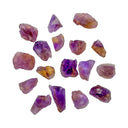
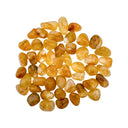
What's the difference between Amethyst and Citrine (Natural)?
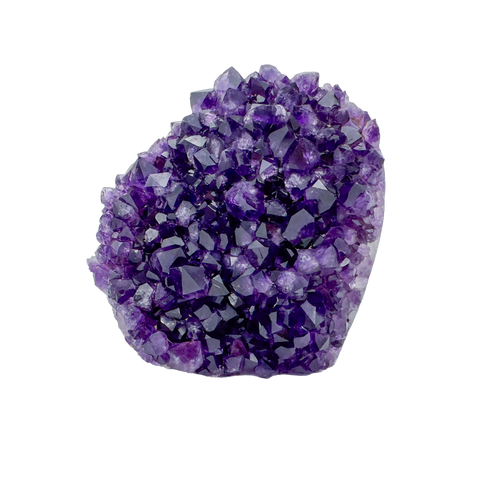
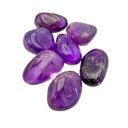
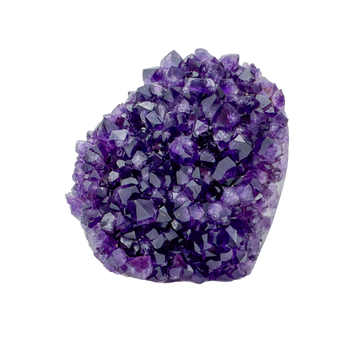
Amethyst and citrine are both quartz varieties. Natural citrine is quite rare and pale yellow. Most "citrine" sold is actually heat-treated amethyst, which turns orange-yellow when heated. The key difference: if your citrine has a bright, uniform orange color, it is very likely heated amethyst. Natural citrine tends to be smoky, pale, and less saturated.
What's the difference between Rose Quartz and Pink Rose Quartz?
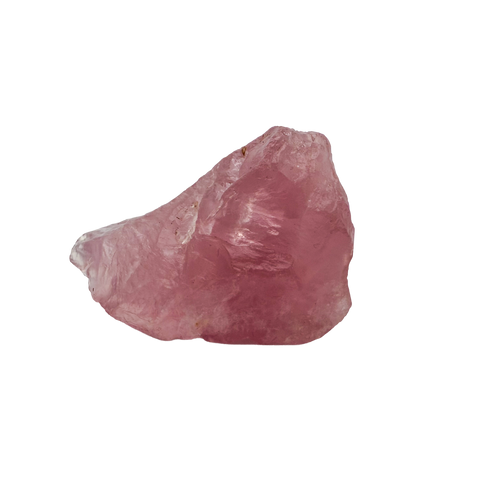
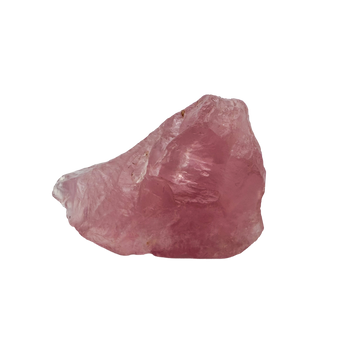
Rose quartz and pink rose quartz are essentially the same mineral (SiO2 with trace amounts of titanium, iron, or manganese causing the pink color). The distinction in the market is mainly about shade intensity. Both are part of the quartz family.
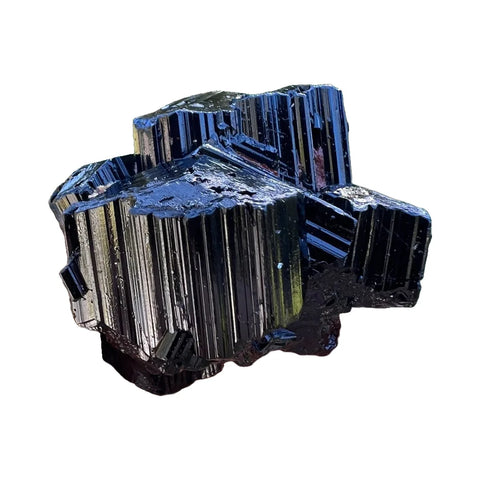
What's the difference between Black Tourmaline and Black Obsidian?
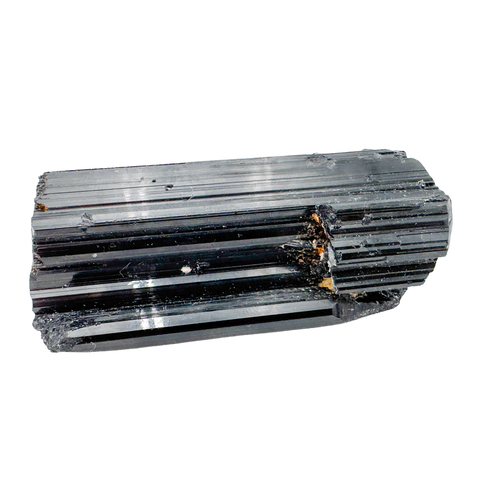
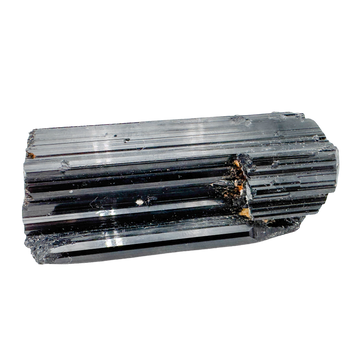
Black tourmaline (schorl) is a crystalline mineral with natural striations and a vitreous luster. Black obsidian is volcanic glass, which is amorphous (no crystal structure). Tourmaline tends to have a rougher texture; obsidian is smooth and glassy. Both are associated with protection, but they have very different geological origins.
What's the difference between Jade and Green Nephrite Jade?
In the market, "jade" can refer to two different minerals: nephrite and jadeite. Nephrite is more common and typically less expensive. Jadeite is rarer and can command very high prices. Both are tough and suitable for carving. Always ask whether a piece is nephrite or jadeite.