


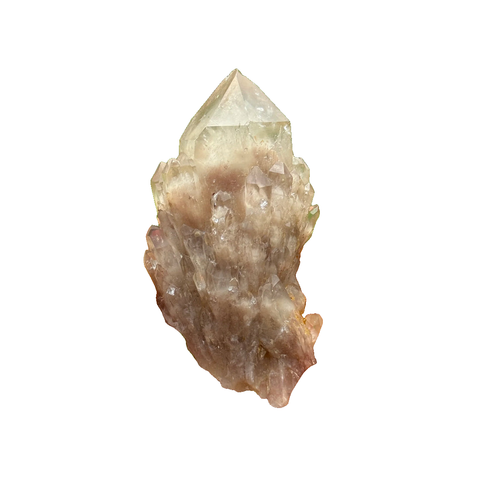
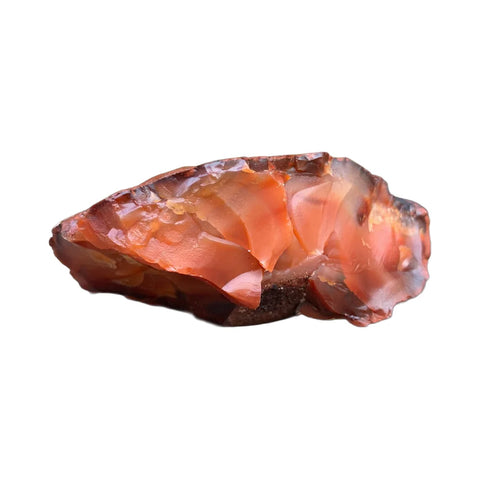
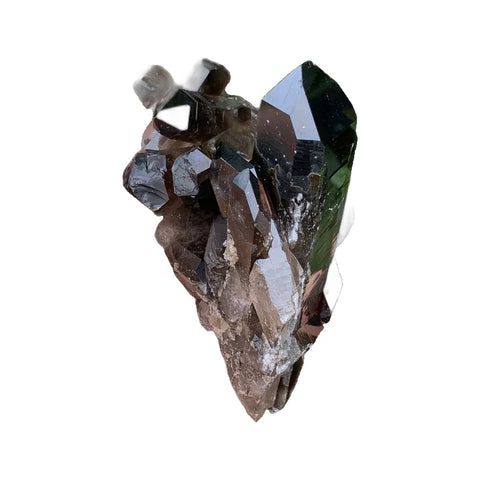
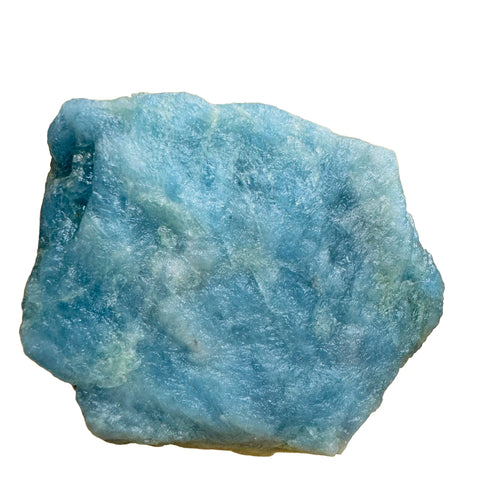
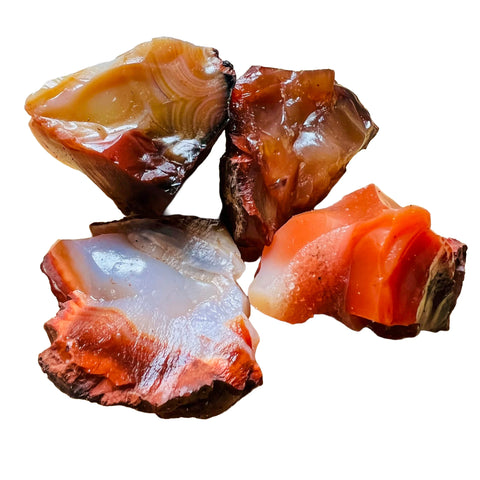


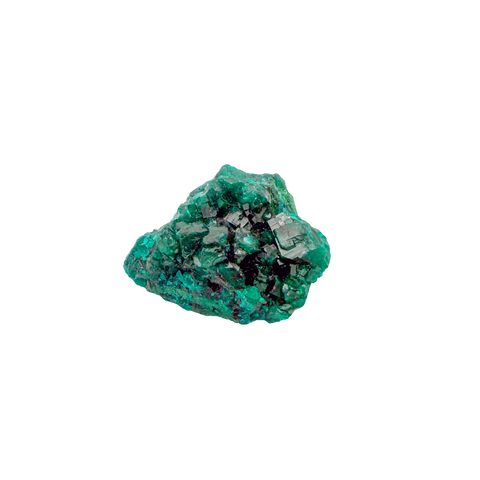
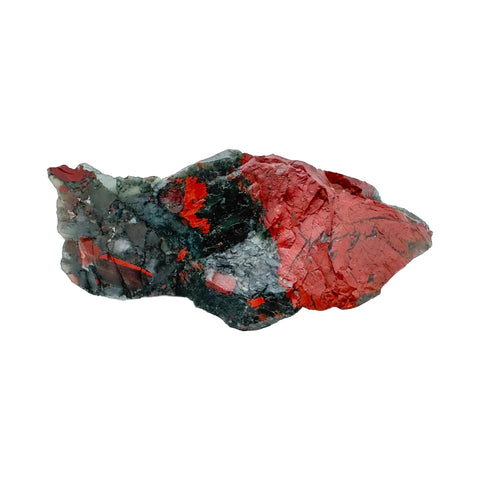
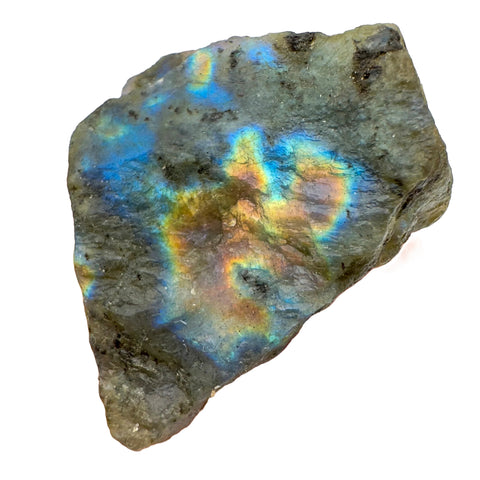
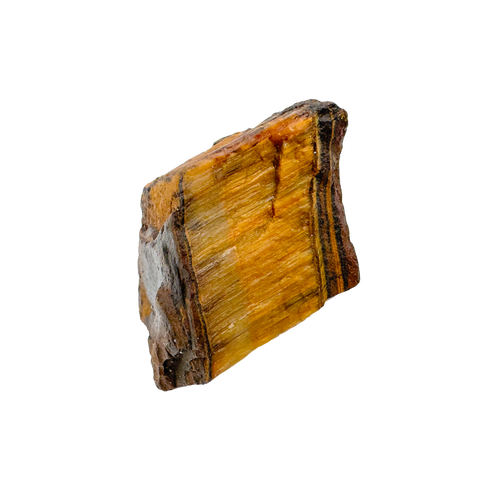
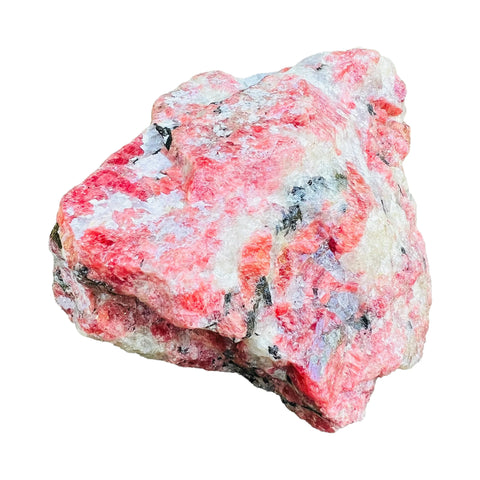
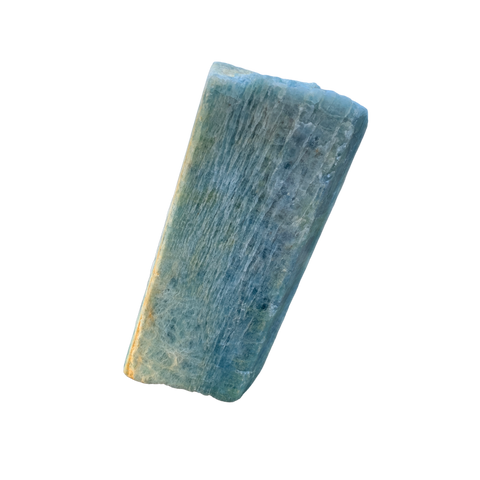
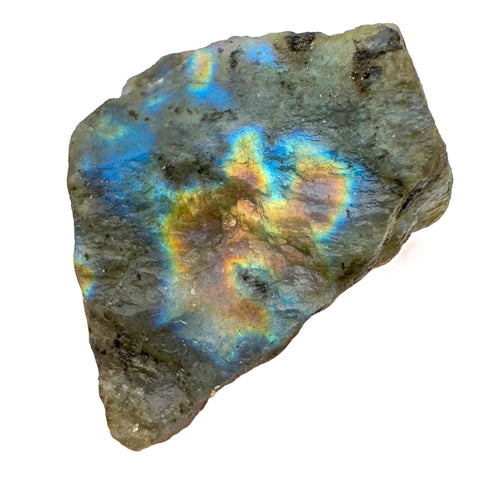
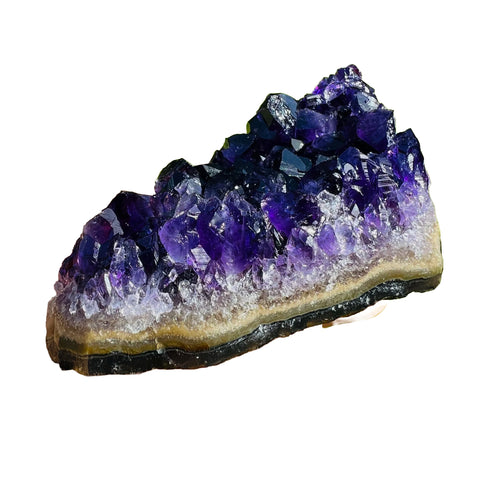


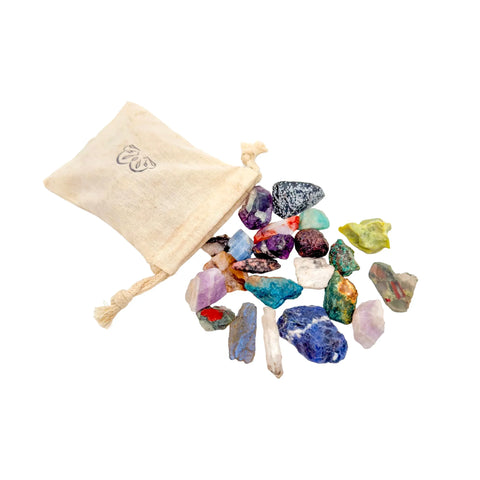
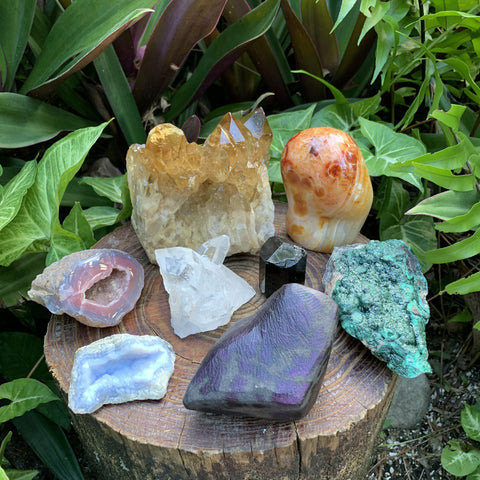
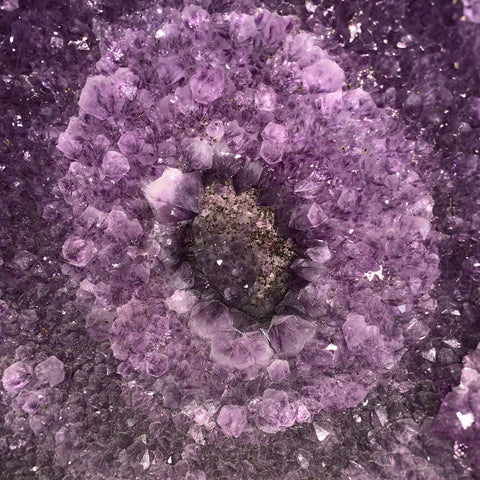
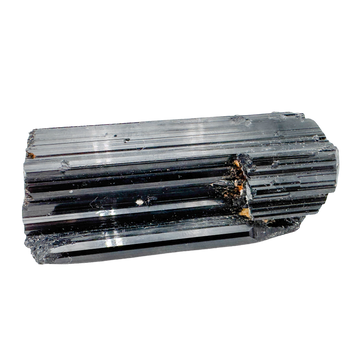
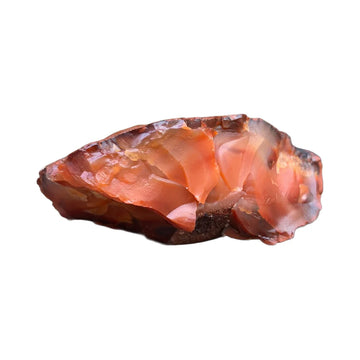
 Raw Stones
180 pieces
Raw Stones
180 pieces
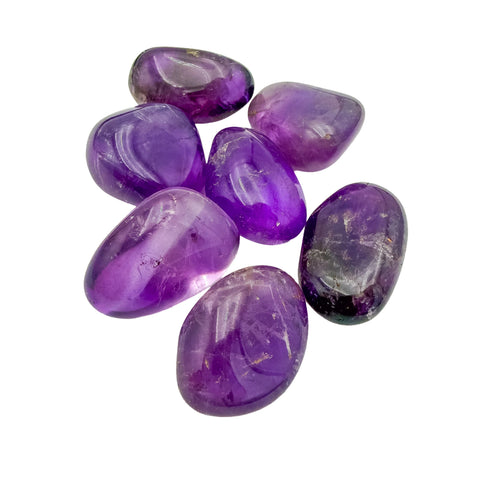
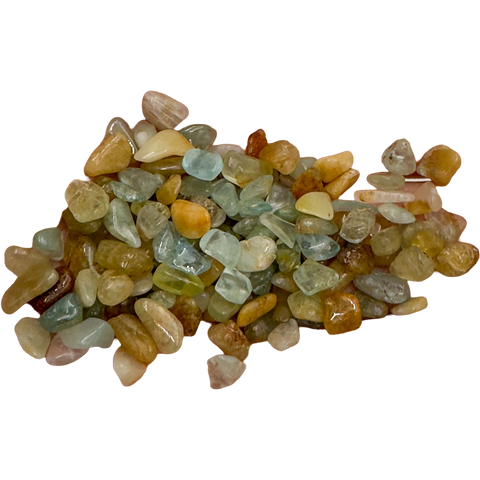
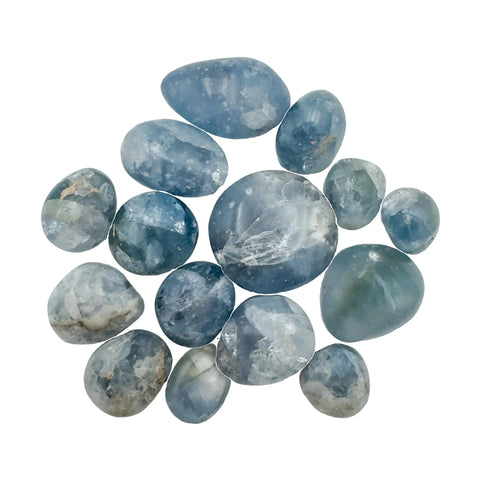
 Tumbled Stones
162 pieces
Tumbled Stones
162 pieces
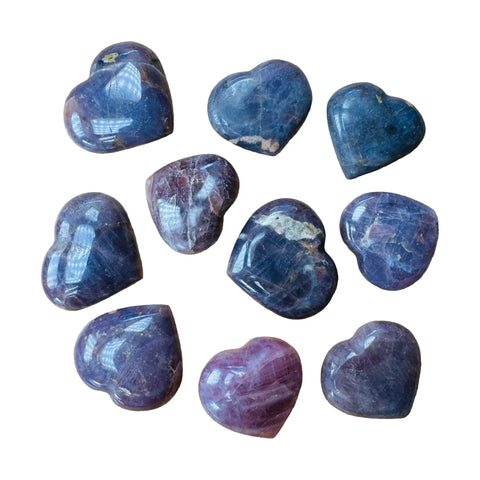
 Palm Stones
26 pieces
Palm Stones
26 pieces
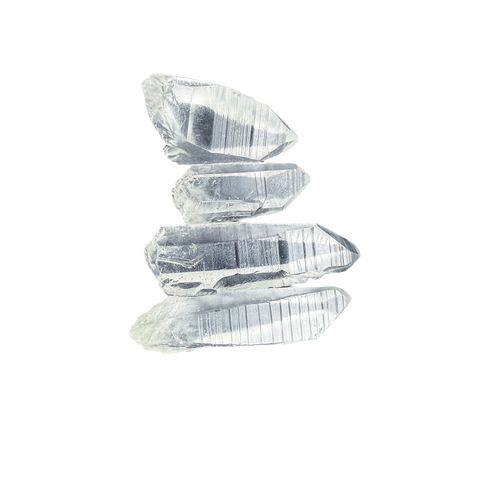
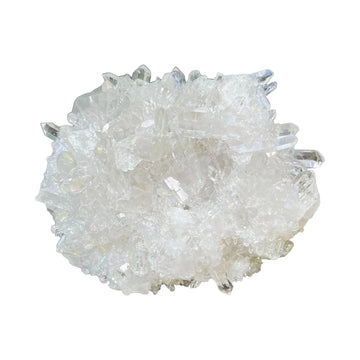
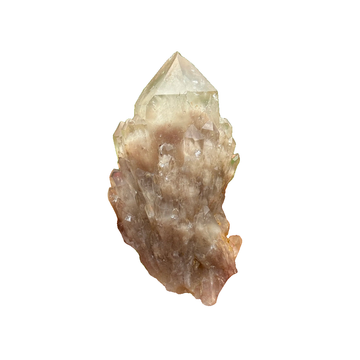
 Crystal Points
23 pieces
Crystal Points
23 pieces
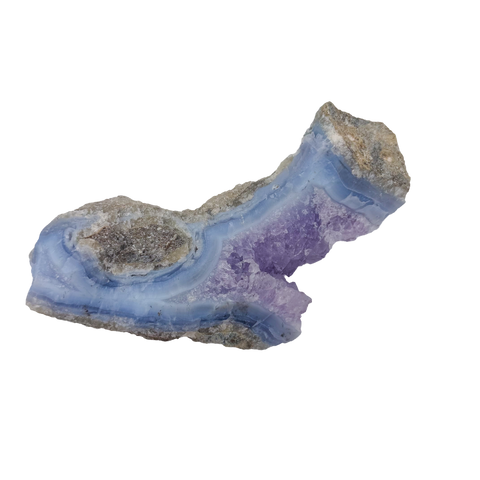
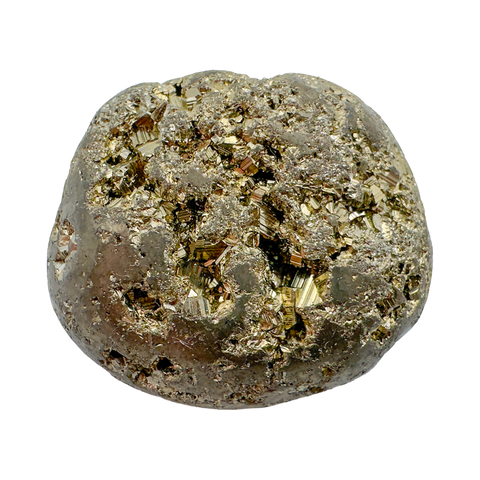
 Clusters & Geodes
112 pieces
Clusters & Geodes
112 pieces
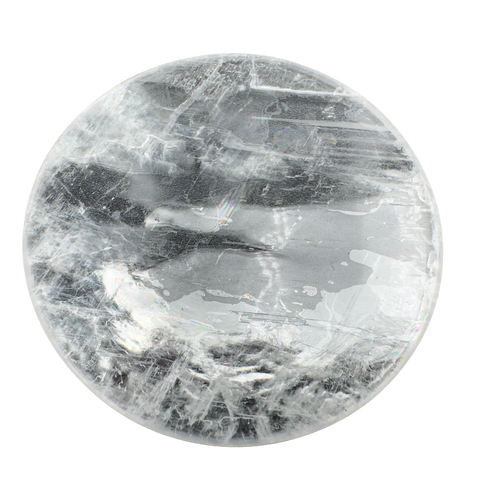
 Polished & Decor
155 pieces
Polished & Decor
155 pieces
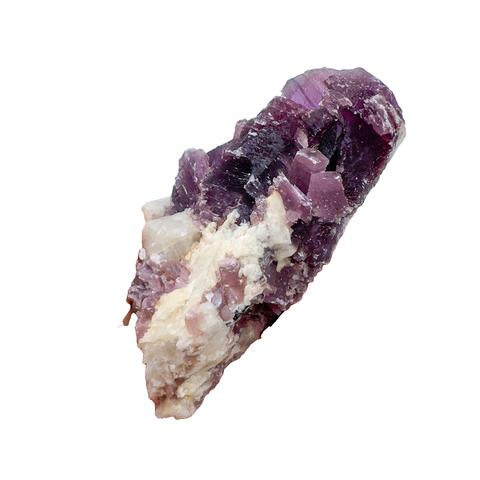
 Mineral Specimens
269 collector pieces
Mineral Specimens
269 collector pieces
 Crystal Chips
21 pieces
Browse everything
Every collection, one page.
View All Collections →
Crystal Chips
21 pieces
Browse everything
Every collection, one page.
View All Collections →


 Aries
Mar 21 – Apr 19
Carnelian
›
Aries
Mar 21 – Apr 19
Carnelian
›
 Taurus
Apr 20 – May 20
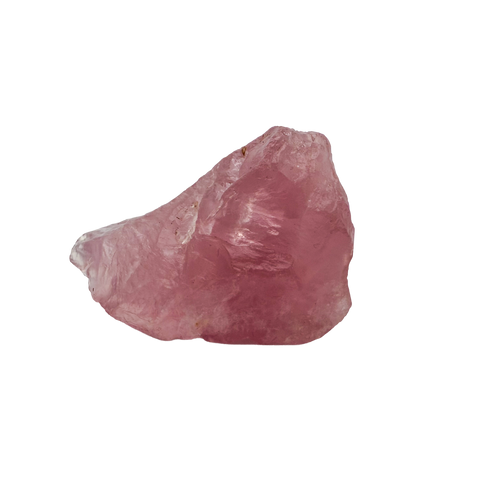
Rose Quartz
›
Taurus
Apr 20 – May 20
Rose Quartz
›
 Gemini
May 21 – Jun 20
Agate
›
Gemini
May 21 – Jun 20
Agate
›
 Cancer
Jun 21 – Jul 22
Moonstone
›
Cancer
Jun 21 – Jul 22
Moonstone
›
 Leo
Jul 23 – Aug 22
Citrine
›
Leo
Jul 23 – Aug 22
Citrine
›
 Virgo
Aug 23 – Sep 22
Amazonite
›
Virgo
Aug 23 – Sep 22
Amazonite
›
 Libra
Sep 23 – Oct 22
Blue Lace Agate
›
Libra
Sep 23 – Oct 22
Blue Lace Agate
›
 Scorpio
Oct 23 – Nov 21
Obsidian
›
Scorpio
Oct 23 – Nov 21
Obsidian
›
 Sagittarius
Nov 22 – Dec 21
Sodalite
›
Sagittarius
Nov 22 – Dec 21
Sodalite
›
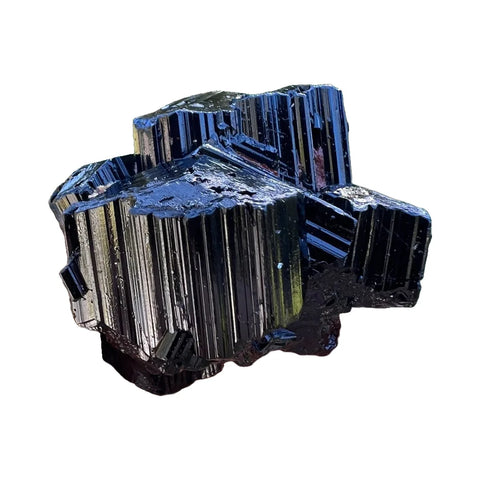
 Capricorn
Dec 22 – Jan 19
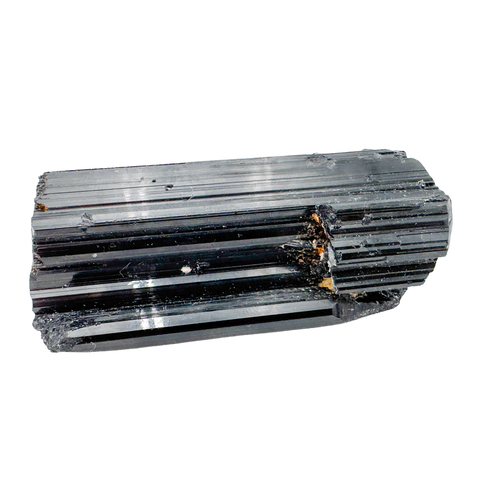
Black Tourmaline
›
Capricorn
Dec 22 – Jan 19
Black Tourmaline
›
 Aquarius
Jan 20 – Feb 18
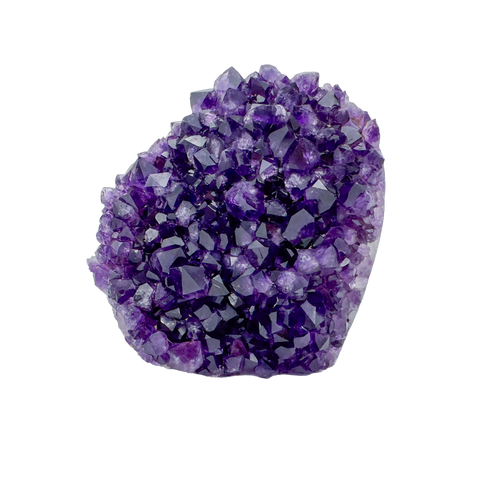
Amethyst
›
Aquarius
Jan 20 – Feb 18
Amethyst
›
 Pisces
Feb 19 – Mar 20
Aquamarine
›
Gifting?
A birthday stone is the safe bet.
Read the zodiac guide →
Pisces
Feb 19 – Mar 20
Aquamarine
›
Gifting?
A birthday stone is the safe bet.
Read the zodiac guide →
Meteorite (Iron)
Meteorite (Iron) is meteorite (iron-nickel), Fe-Ni alloy (kamacite/taenite). In the hand, it rates 4 to 5 on the Mohs scale, and it runs gunmetal gray and rusty brown crust. Dense magnetic metal with thumbprint-like surface dimples (regmaglypts); etched slices reveal crosshatched Widmanstätten patterns. Famous falls sold legally: Campo del Cielo (Argentina), Canyon Diablo (Arizona), Sikhote-Alin (Russia), Gibeon (Namibia).
The geology.
Meteorite (Iron) carries the formula Fe-Ni alloy (kamacite/taenite). It belongs to the isometric (alloy) system. On paper it is meteorite (iron-nickel).
It sits at 4 to 5 on the Mohs scale. The surface reads metallic. Light behavior is opaque. Specific gravity runs 7.0 to 8.0. The streak is gray-black. It breaks with hackly metallic fracture.
Dense magnetic metal with thumbprint-like surface dimples (regmaglypts); etched slices reveal crosshatched Widmanstätten patterns.
Expect to see it as sculpted nuggets, sliced and etched slabs or jewelry.
The origins.
Famous falls sold legally: Campo del Cielo (Argentina), Canyon Diablo (Arizona), Sikhote-Alin (Russia), Gibeon (Namibia).
On value, the database notes: mid-range per gram for common irons; pallasites and lunars are prized.
Traditional associations.
In energy work traditions, associated with cosmic perspective and endurance.
Recorded here because it is part of how this material is sold, not because it is a property of the material.
Spotting the real thing.
Dense magnetic metal with thumbprint-like surface dimples (regmaglypts); etched slices reveal crosshatched Widmanstätten patterns.
'Meteor-wrongs' (slag, magnetite, hematite) dominate amateur finds; for purchases, stick to documented falls with classification.
| Looks like | How to tell them apart |
|---|---|
| Industrial slag | Slag has gas bubbles, meteorites essentially never do, and lower density |
| Hematite/magnetite chunks | They streak (red-brown/black); iron meteorites barely streak and look hackly-metallic when filed |
| Man-made iron | No nickel: real iron meteorites run 5 to 10% nickel (a lab or test kit can verify) |
At-home tests.
None of these need a lab. A 10x loupe, good daylight and a steady hand cover most of what a buyer needs to know about meteorite (iron).
| Test | What you should see |
|---|---|
| Magnet check | Strong magnet attraction |
| Look for bubbles | No vesicles/bubbles anywhere |
| Window-file a corner | bright metal, not stone |
| By eye | Density 7+ (very heavy) |
Stop short of anything that leaves a mark. A gemologist can answer the rest without damaging the stone.
Care & handling.
At 4 to 5 on the Mohs scale this is a soft material. Keep it as a display piece, store it apart from harder stones, and skip daily-wear settings.
It breaks with hackly metallic fracture, which is worth knowing before you set it or drop it.
Skip the ultrasonic. Lukewarm water, mild soap and a soft cloth handle routine cleaning without risk.
A deeper look.
Extended detail on composition, sourcing, authentication and market value.
The physical record
The formula on record is Fe-Ni alloy (kamacite/taenite). Crystal system: Isometric (alloy). Specific gravity: 7.0 to 8.0. Streak: Gray-black. Cleavage and fracture: Hackly metallic fracture.
How it reaches the market
Famous falls sold legally: Campo del Cielo (Argentina), Canyon Diablo (Arizona), Sikhote-Alin (Russia), Gibeon (Namibia).
What it gets confused with
Industrial slag: Slag has gas bubbles, meteorites essentially never do, and lower density. Hematite/magnetite chunks: They streak (red-brown/black); iron meteorites barely streak and look hackly-metallic when filed. Man-made iron: No nickel: real iron meteorites run 5 to 10% nickel (a lab or test kit can verify).
What it is worth
Mid-range per gram for common irons; pallasites and lunars are prized.
Where buyers get caught
'Meteor-wrongs' (slag, magnetite, hematite) dominate amateur finds; for purchases, stick to documented falls with classification.
One more thing
The Widmanstätten crosshatch in etched slices took millions of years per degree of cooling to form, it cannot be forged.
An education-first guide.
We do not carry meteorite (iron). This page exists because the question comes up and the honest answer is worth writing down, whether or not there is anything here to sell you.
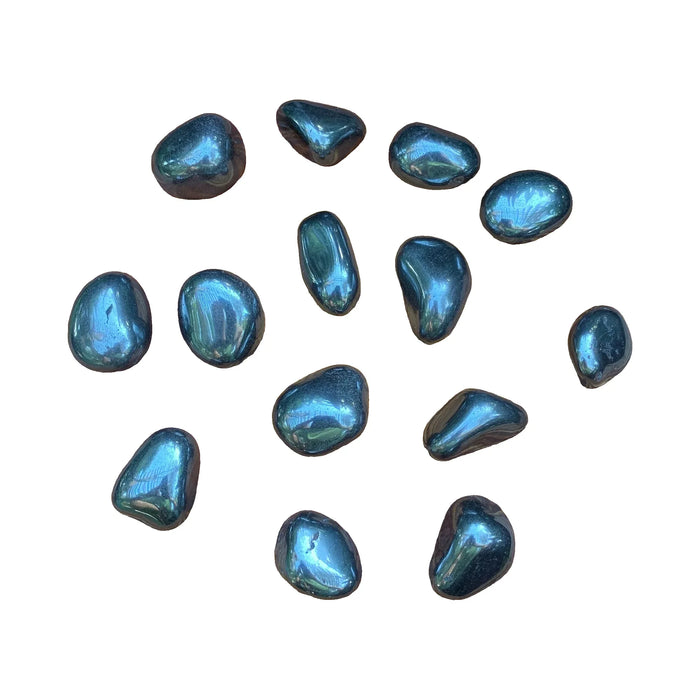
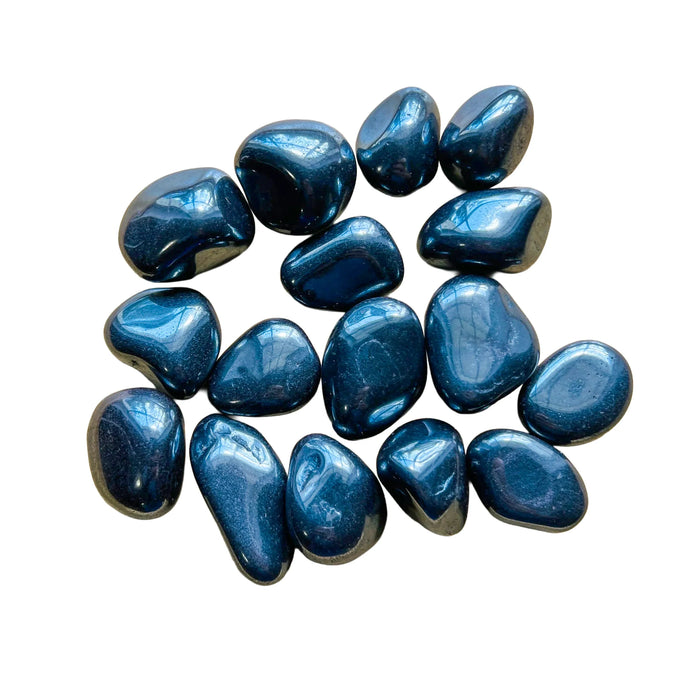
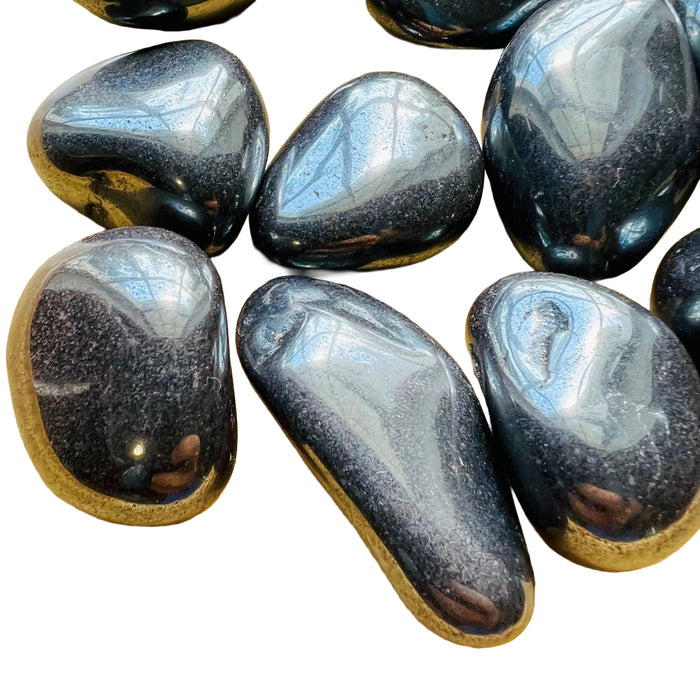
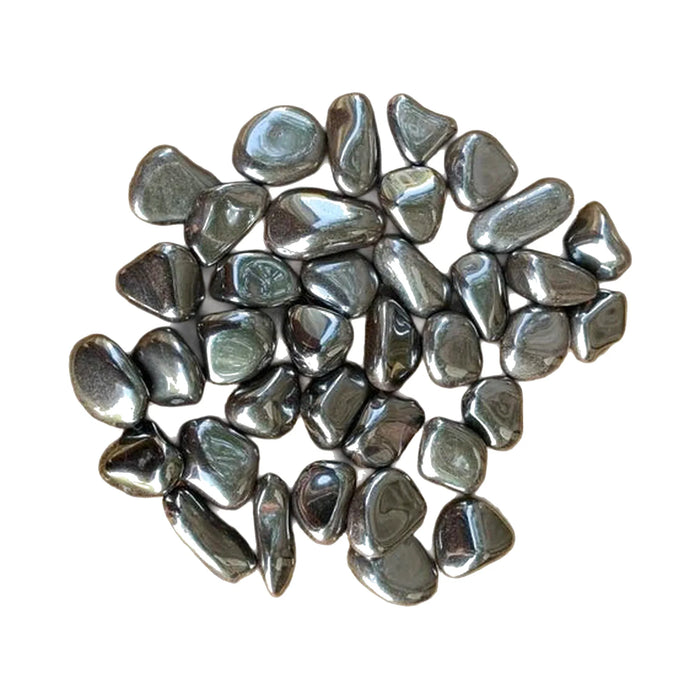
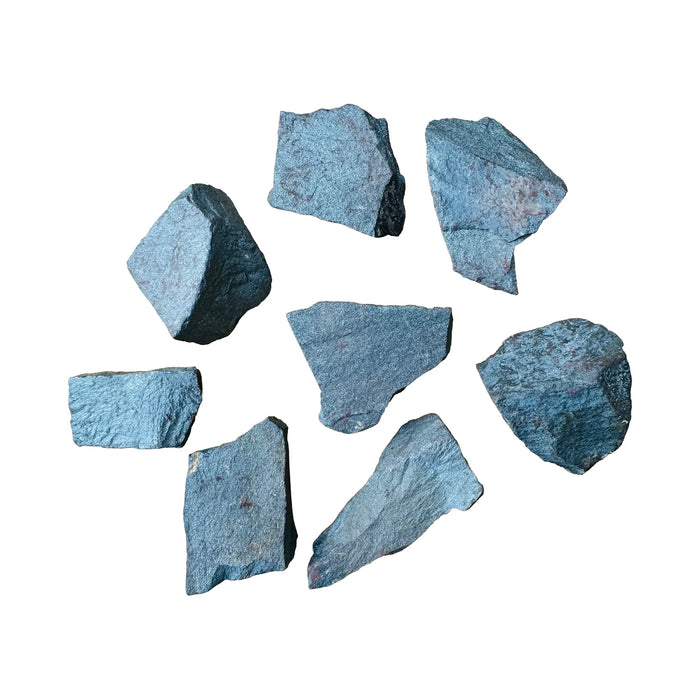
Explore the Crystal GuideLove Meteorite? Meet Hematite.
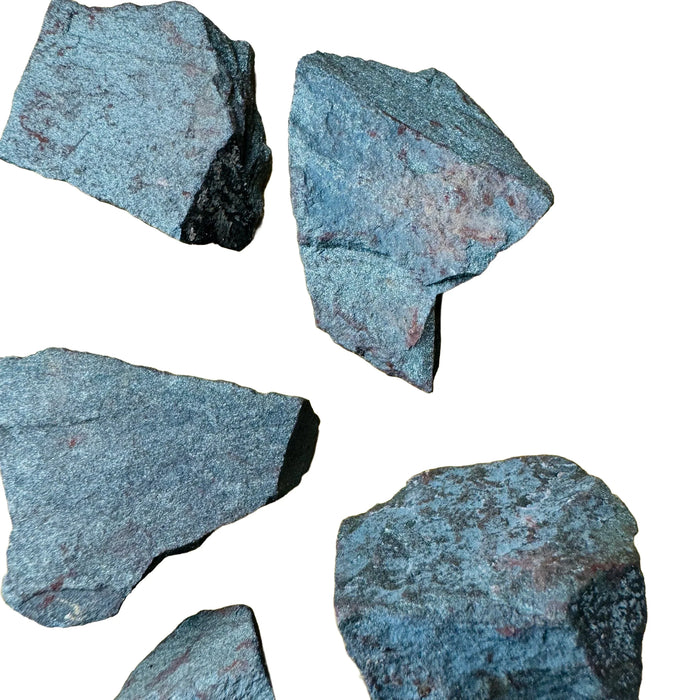
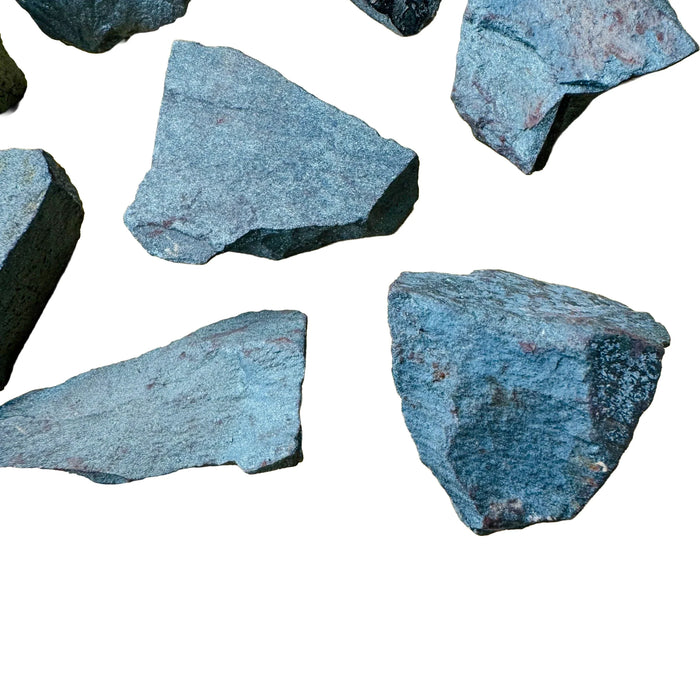
Meteorite is not something we carry. Hematite is the closest match in color, and every piece passes our sourcing standards: origin named, treatments disclosed.
- 4.9 out of 5from 1,000+ reviews
- Ships within 72 hoursMonday to Friday, tracked
- 90 days to return itif you do not love it
- Free US shipping over $99$8.99 flat rate under