


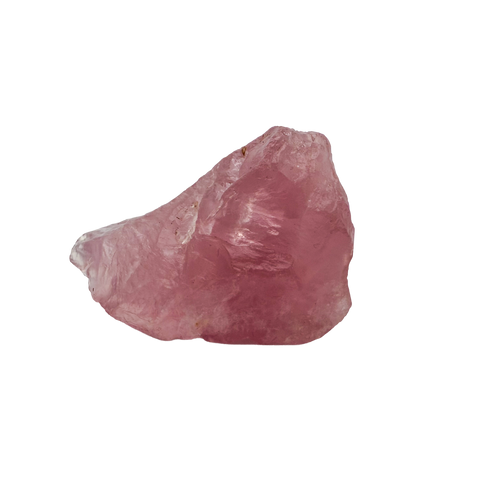
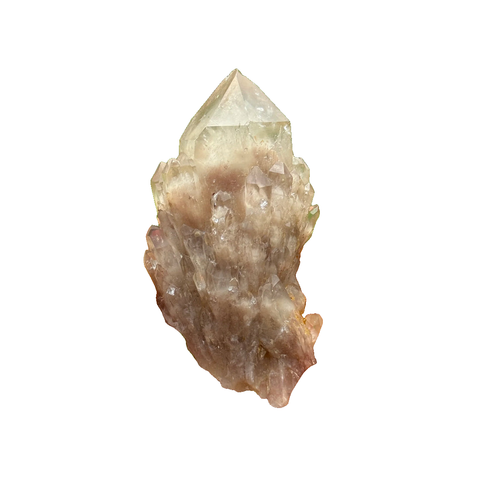
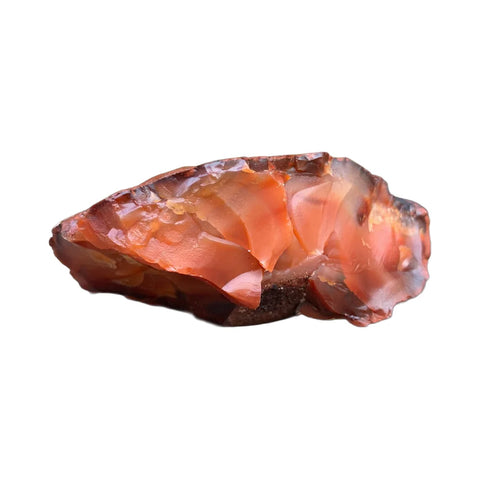
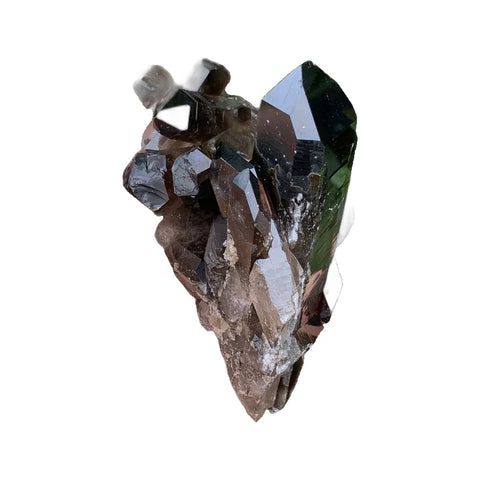
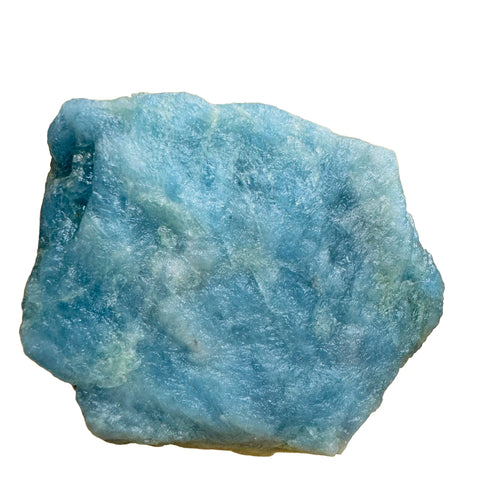
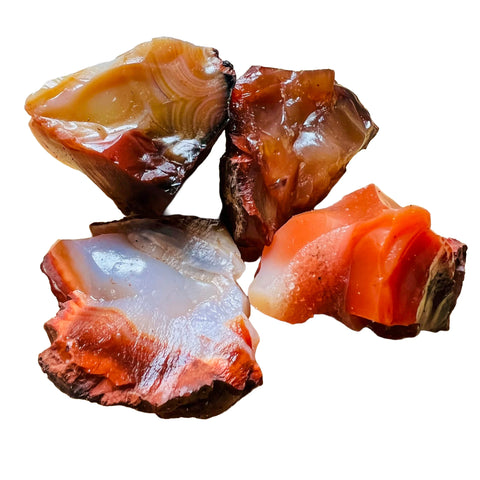


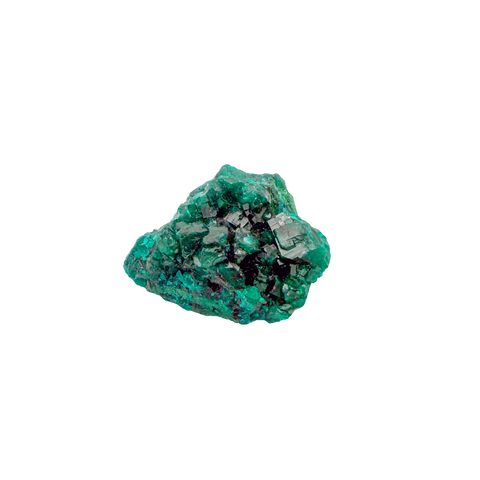
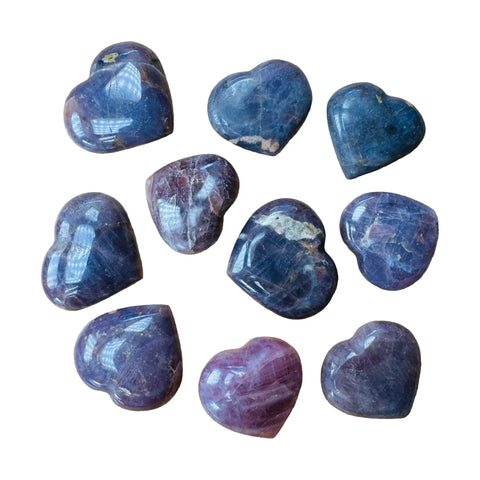
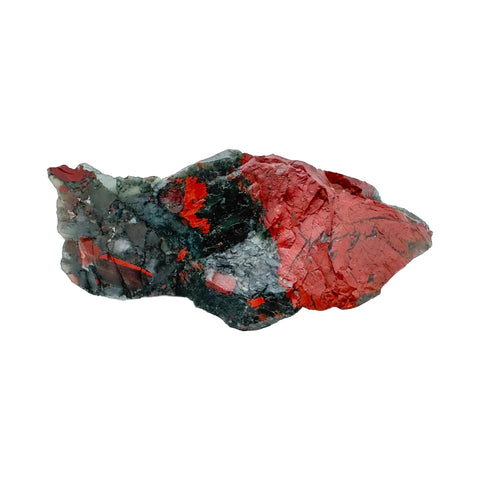
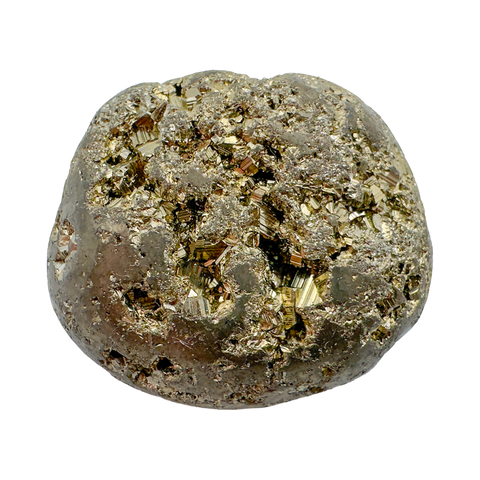
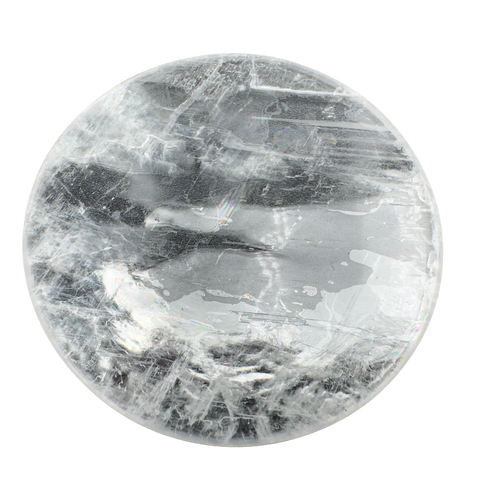
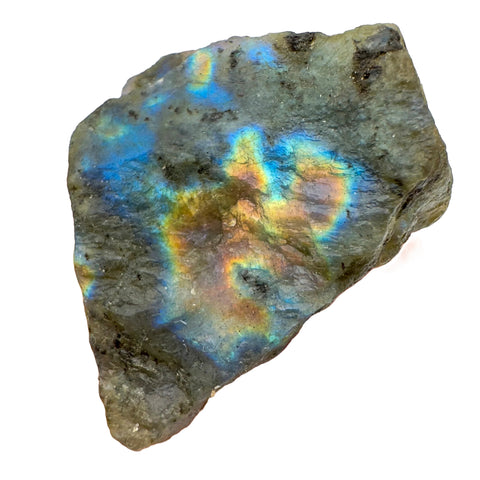
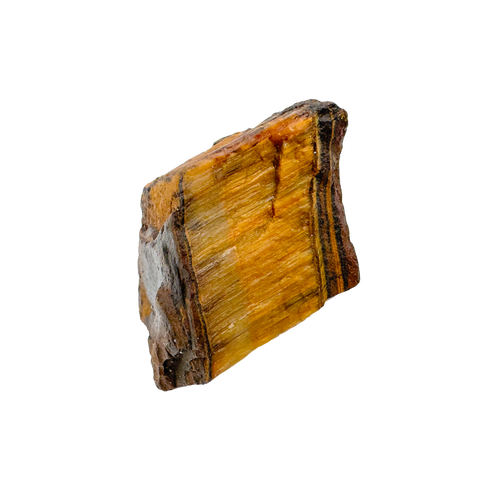
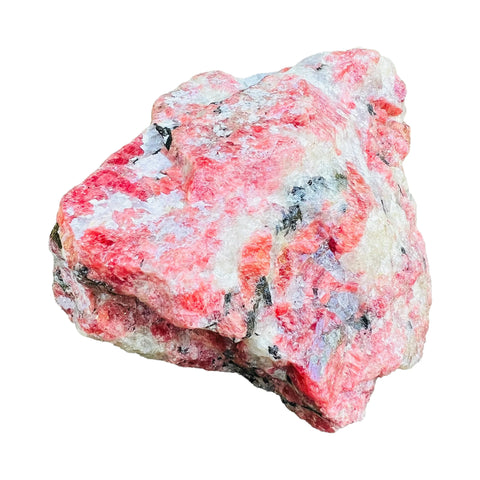
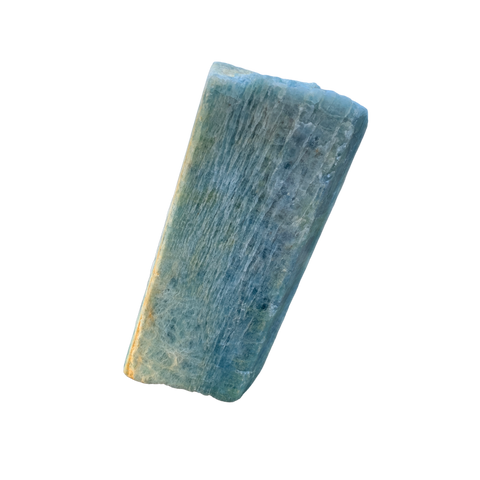
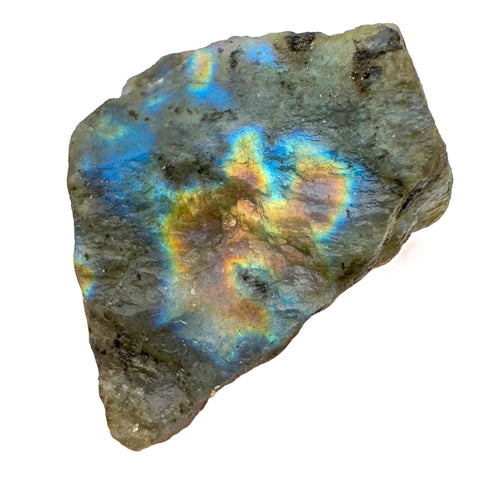
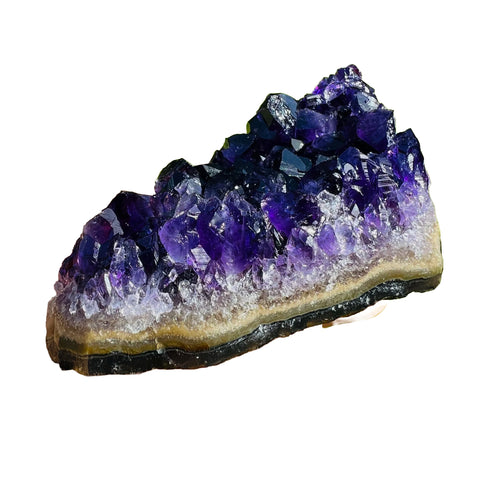



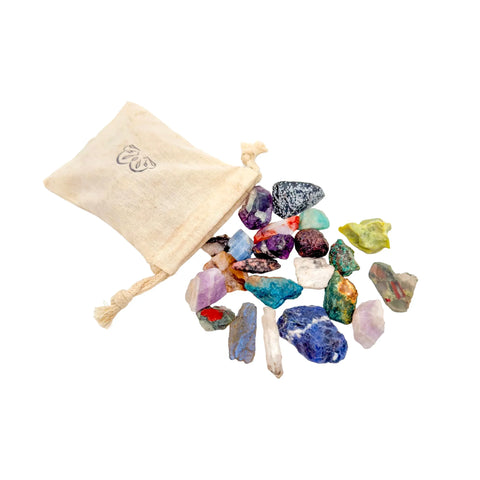
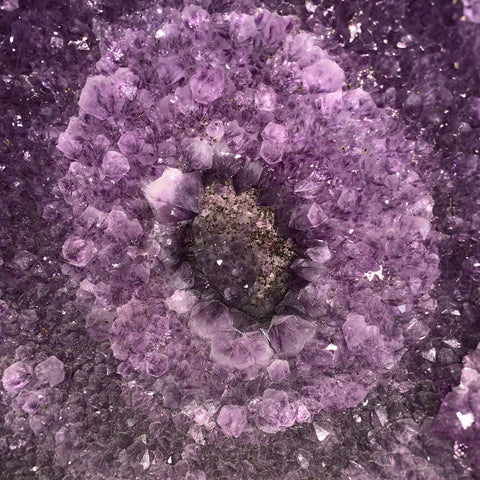
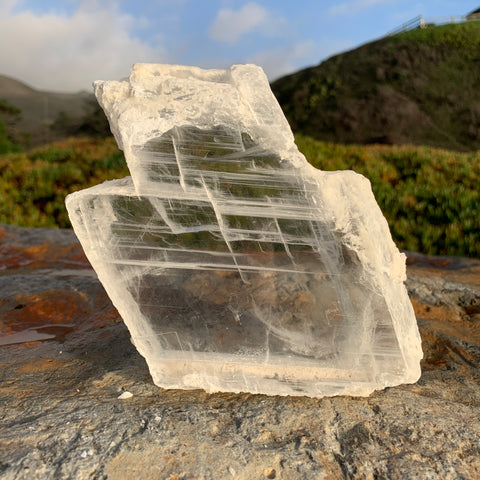




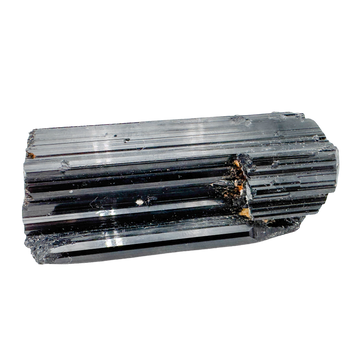
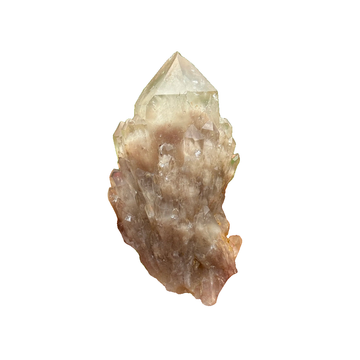
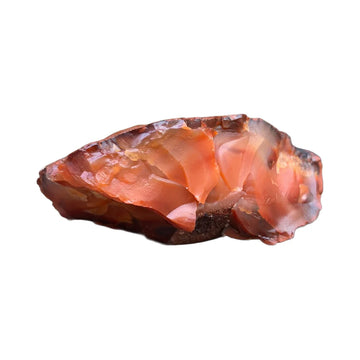
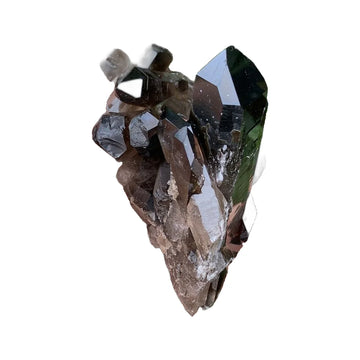
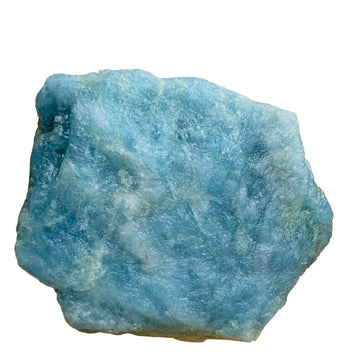
 Raw Stones
180 pieces
Raw Stones
180 pieces
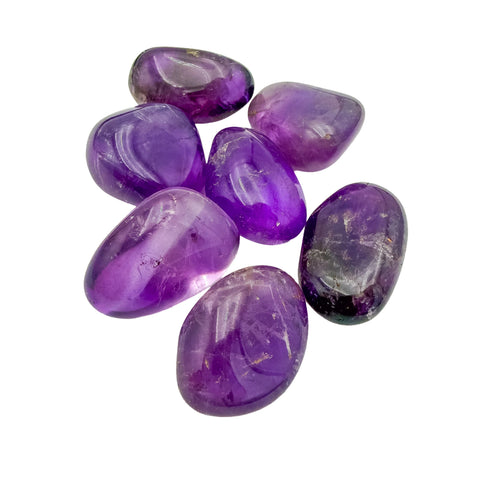
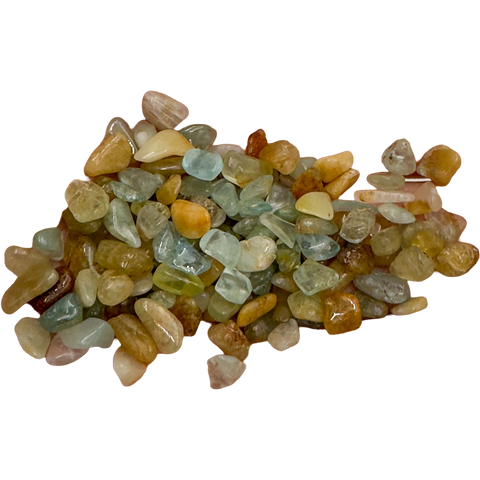
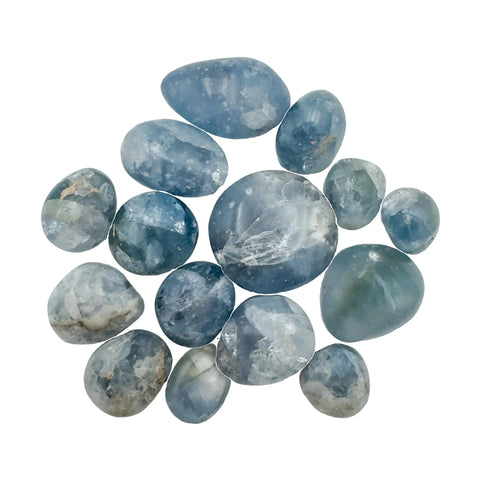
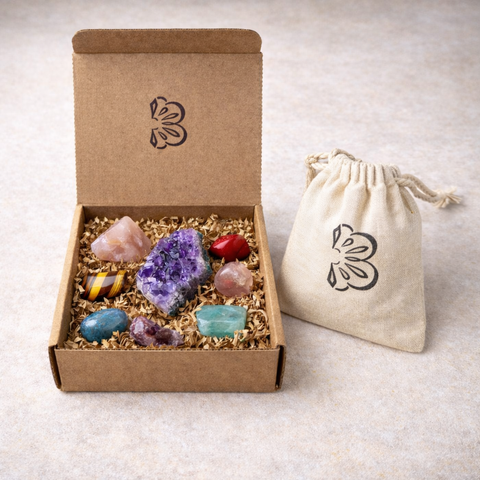
 Tumbled Stones
162 pieces
Tumbled Stones
162 pieces
 Palm Stones
26 pieces
Palm Stones
26 pieces
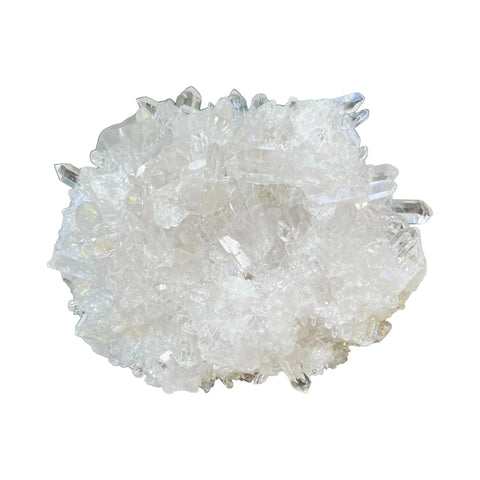
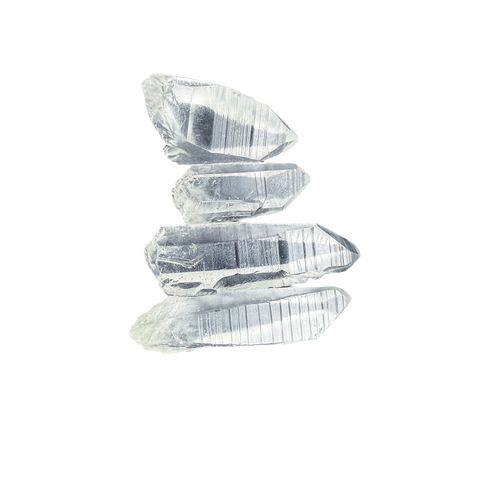
 Crystal Points
23 pieces
Crystal Points
23 pieces
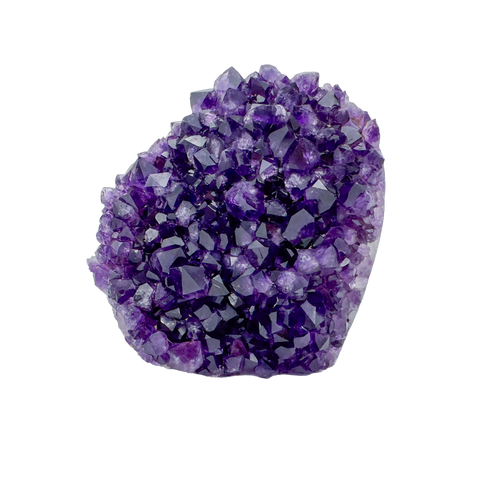
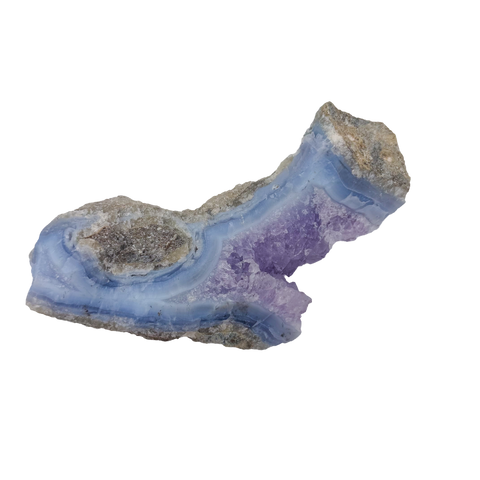
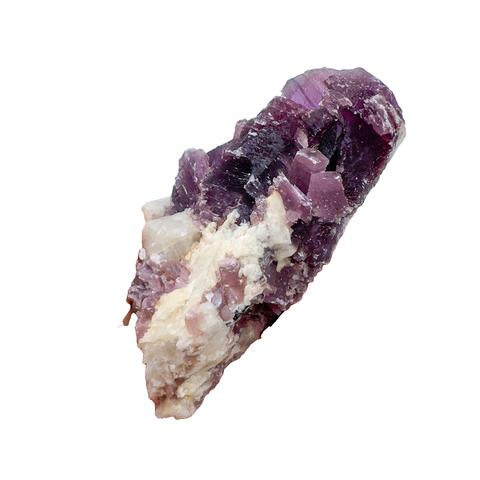
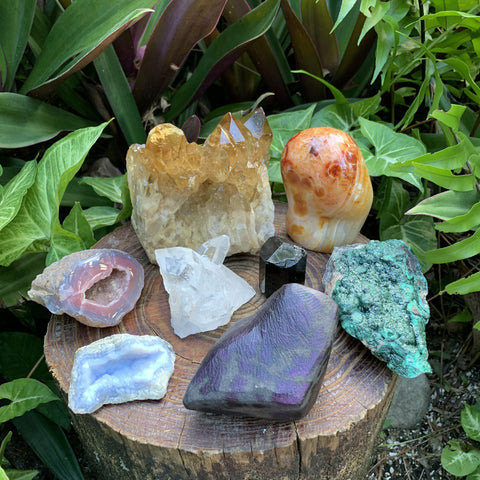
 Clusters & Geodes
112 pieces
Clusters & Geodes
112 pieces
 Polished & Decor
155 pieces
Polished & Decor
155 pieces
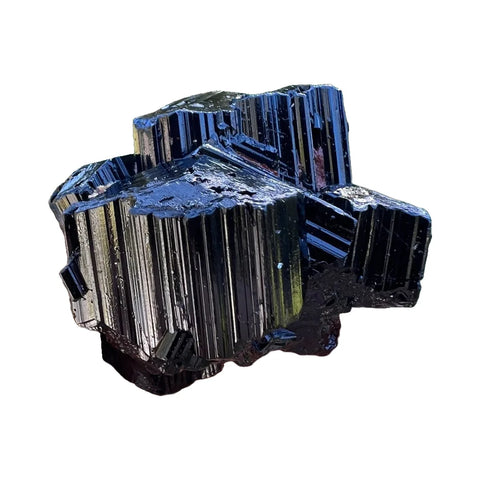
 Mineral Specimens
269 collector pieces
Mineral Specimens
269 collector pieces
 Crystal Chips
21 pieces
Browse everything
Every collection, one page.
View All Collections →
Crystal Chips
21 pieces
Browse everything
Every collection, one page.
View All Collections →


 Aries
Mar 21 – Apr 19
Carnelian
›
Aries
Mar 21 – Apr 19
Carnelian
›
 Taurus
Apr 20 – May 20
Rose Quartz
›
Taurus
Apr 20 – May 20
Rose Quartz
›
 Gemini
May 21 – Jun 20
Agate
›
Gemini
May 21 – Jun 20
Agate
›
 Cancer
Jun 21 – Jul 22
Moonstone
›
Cancer
Jun 21 – Jul 22
Moonstone
›
 Leo
Jul 23 – Aug 22
Citrine
›
Leo
Jul 23 – Aug 22
Citrine
›
 Virgo
Aug 23 – Sep 22
Amazonite
›
Virgo
Aug 23 – Sep 22
Amazonite
›
 Libra
Sep 23 – Oct 22
Blue Lace Agate
›
Libra
Sep 23 – Oct 22
Blue Lace Agate
›
 Scorpio
Oct 23 – Nov 21
Obsidian
›
Scorpio
Oct 23 – Nov 21
Obsidian
›
 Sagittarius
Nov 22 – Dec 21
Sodalite
›
Sagittarius
Nov 22 – Dec 21
Sodalite
›
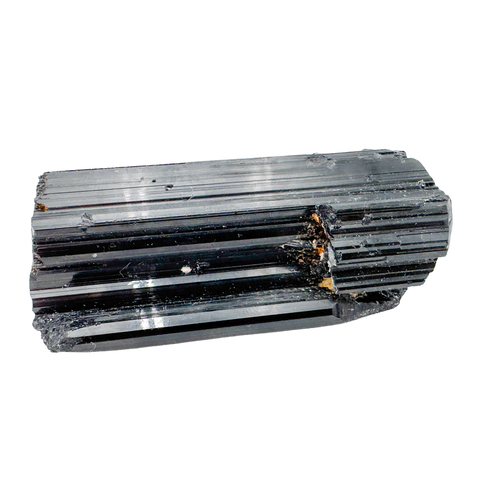
 Capricorn
Dec 22 – Jan 19
Black Tourmaline
›
Capricorn
Dec 22 – Jan 19
Black Tourmaline
›
 Aquarius
Jan 20 – Feb 18
Amethyst
›
Aquarius
Jan 20 – Feb 18
Amethyst
›
 Pisces
Feb 19 – Mar 20
Aquamarine
›
Gifting?
A birthday stone is the safe bet.
Read the zodiac guide →
Pisces
Feb 19 – Mar 20
Aquamarine
›
Gifting?
A birthday stone is the safe bet.
Read the zodiac guide →





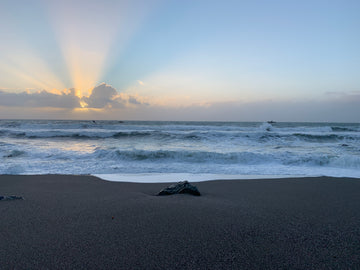
Sea Pottery
Sea Pottery is weathered ceramic (glazed earthenware/porcelain), Fired clay body + silicate glaze. In the hand, it rates 4 to 6 (glaze harder than body) on the Mohs scale, and it runs white with blue patterns and cream. Sentimental and craft value; rare patterned shards trade among collectors.
The geology.
Sea Pottery carries the formula Fired clay body + silicate glaze. It belongs to the none (ceramic) system. Its listing category is weathered ceramic (glazed earthenware/porcelain).
It sits at 4 to 6 (glaze harder than body) on the Mohs scale. The surface reads glaze satin-gloss; body dull. Light behavior is opaque. Specific gravity runs 2.0 to 2.5. The streak is white to buff. It breaks with conchoidal in glaze; grainy in body.
A smooth-worn shard with two personalities, a satiny glazed face (often carrying a ghost of blue-willow pattern) over a matte clay body, edges rounded soft by years of surf.
It turns up mostly as rounded glazed shards, jewelry pieces, mosaic tiles or pattern-fragment collectibles.
The origins.
Beaches near old settlements, dumps, and shipping routes worldwide, the older the port, the better the china.
On value, the database notes: sentimental and craft value; rare patterned shards trade among collectors.
Traditional associations.
In energy work traditions, sea pottery is kept as a memory stone, domestic life broken, smoothed, and returned as a gift.
This is lore, and we label it as lore. The measurable facts are further up the page.
Spotting the real thing.
A smooth-worn shard with two personalities, a satiny glazed face (often carrying a ghost of blue-willow pattern) over a matte clay body, edges rounded soft by years of surf.
Honest found object; 'tumbler-aged' craft shards exist for jewelry, uniform matte all over without genuine surf-softened glaze gloss.
| Looks like | How to tell them apart |
|---|---|
| Sea glass | Glass is one material through-and-through and translucent; pottery is layered glaze-on-clay and opaque |
| Worn shell fragments | Shell shows growth lines and pearly layers, fizzes in vinegar |
| White quartz pebbles | Quartz is far harder and has no glaze skin |
At-home tests.
A loupe and a window seat settle most questions about sea pottery. No workshop required.
| Test | What you should see |
|---|---|
| Edge view | distinct glaze layer over different-textured body |
| By eye | Pattern fragments (transferware blue, hand-painted lines) are decisive |
| Scratch check | Body scratches with a knife; glaze resists longer |
Anything that scratches, burns or dissolves the piece is a lab job. Get it appraised rather than testing it apart.
Care & handling.
At 4 to 6 (glaze harder than body) on the Mohs scale this is a soft material. Keep it as a display piece, store it apart from harder stones, and skip daily-wear settings.
It breaks with conchoidal in glaze; grainy in body, which is worth knowing before you set it or drop it.
Warm water and a soft cloth clean almost everything. Ultrasonic tanks, steamers and household cleaners are where pieces get ruined.
A deeper look.
Extended detail on composition, sourcing, authentication and market value.
The physical record
The formula on record is Fired clay body + silicate glaze. Crystal system: None (ceramic). Specific gravity: 2.0 to 2.5. Streak: White to buff. Cleavage and fracture: Conchoidal in glaze; grainy in body.
How it reaches the market
Beaches near old settlements, dumps, and shipping routes worldwide, the older the port, the better the china.
What it gets confused with
Sea glass: Glass is one material through-and-through and translucent; pottery is layered glaze-on-clay and opaque. Worn shell fragments: Shell shows growth lines and pearly layers, fizzes in vinegar. White quartz pebbles: Quartz is far harder and has no glaze skin.
What it is worth
Sentimental and craft value; rare patterned shards trade among collectors.
Where buyers get caught
Honest found object; 'tumbler-aged' craft shards exist for jewelry, uniform matte all over without genuine surf-softened glaze gloss.
One more thing
Collectors date shards by their patterns, a blue-willow fragment may be Victorian transferware, and beach historians have traced single shards to shipwreck cargo manifests; every piece was once somebody's teacup.
An education-first guide.
No product links here. We do not sell sea pottery, and a guide that only covers our own shelves would not be much of a guide.
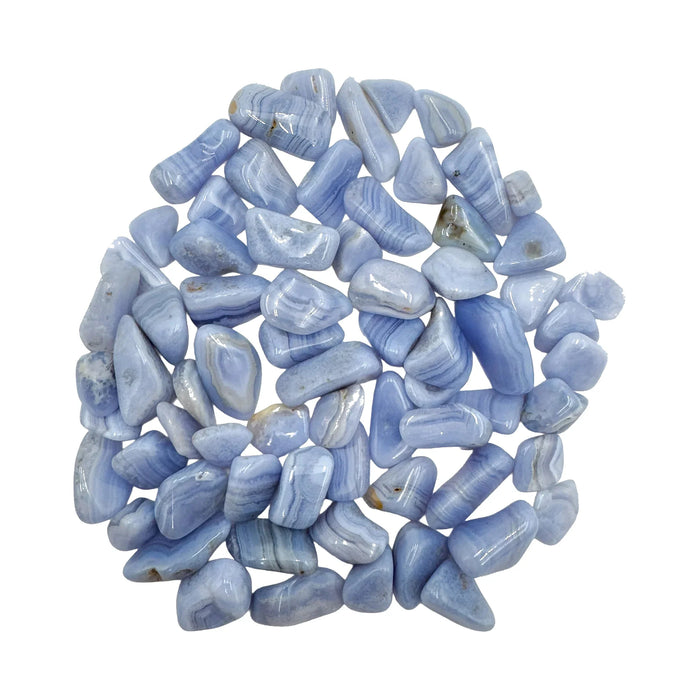
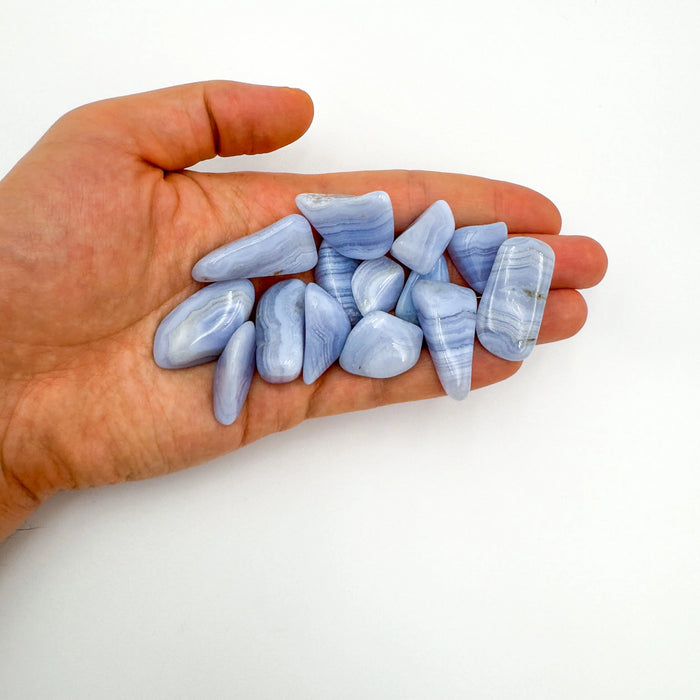
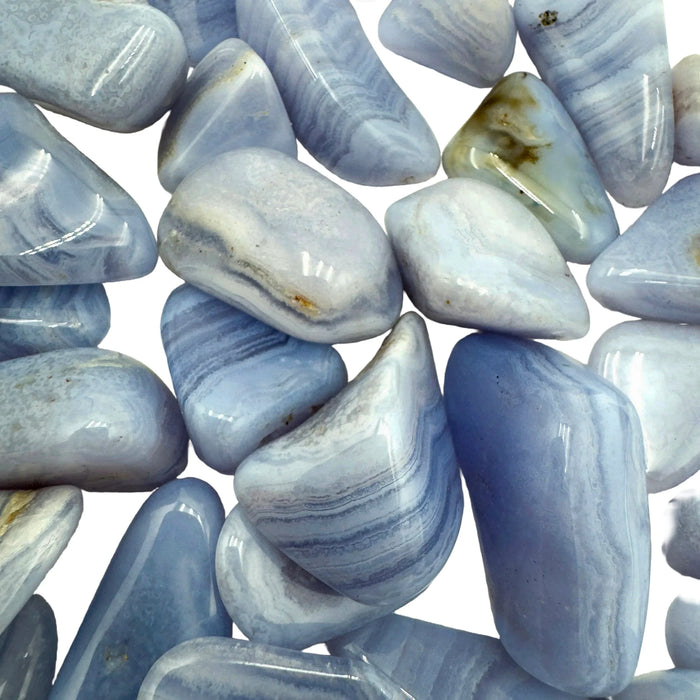
Explore the Crystal GuideLove Sea Pottery? Meet Blue Lace Agate.
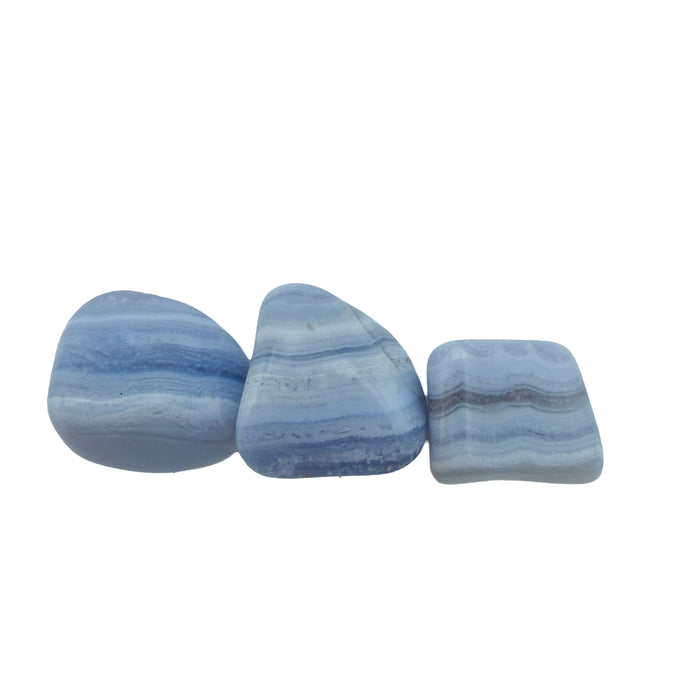
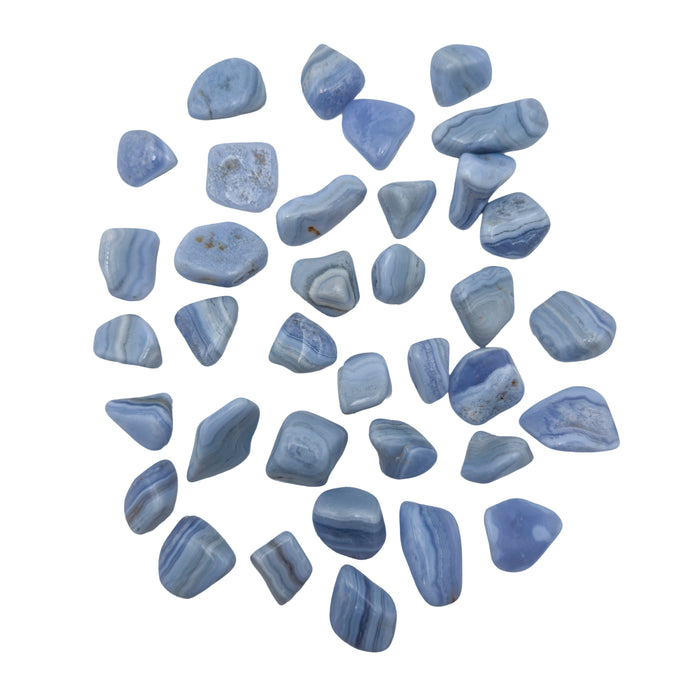
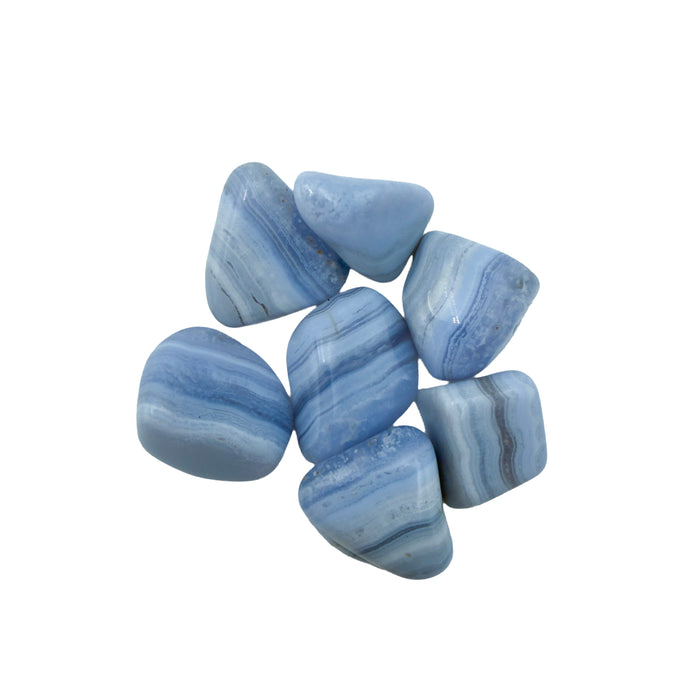
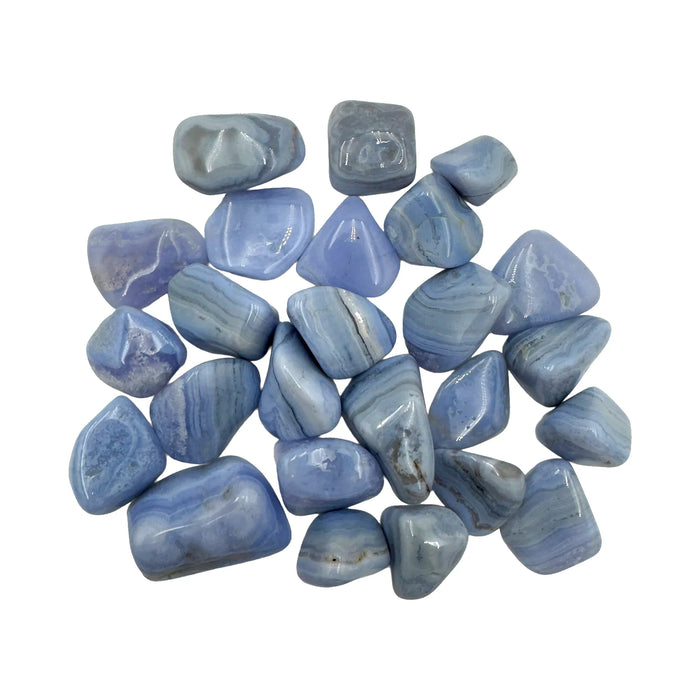
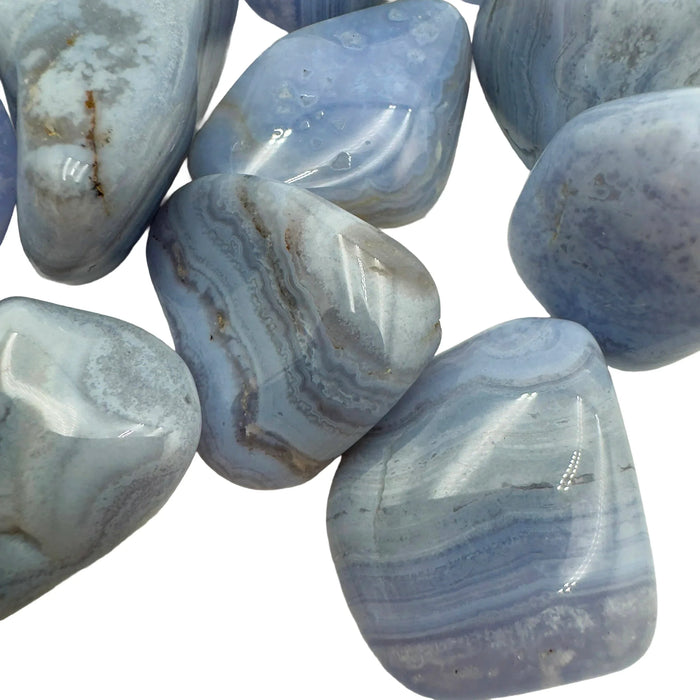
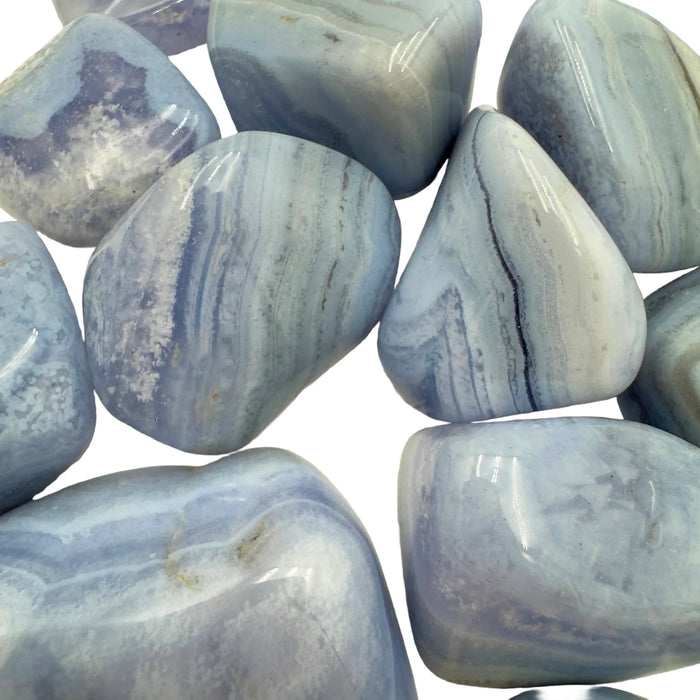
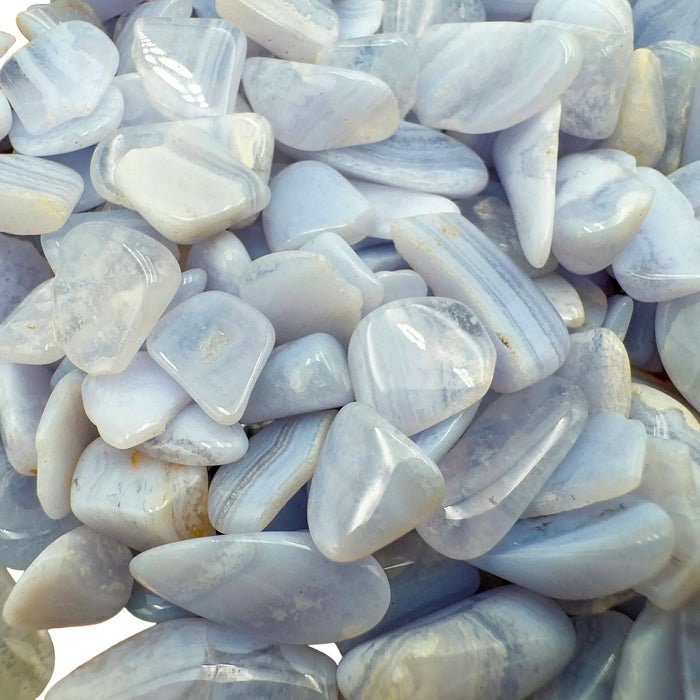
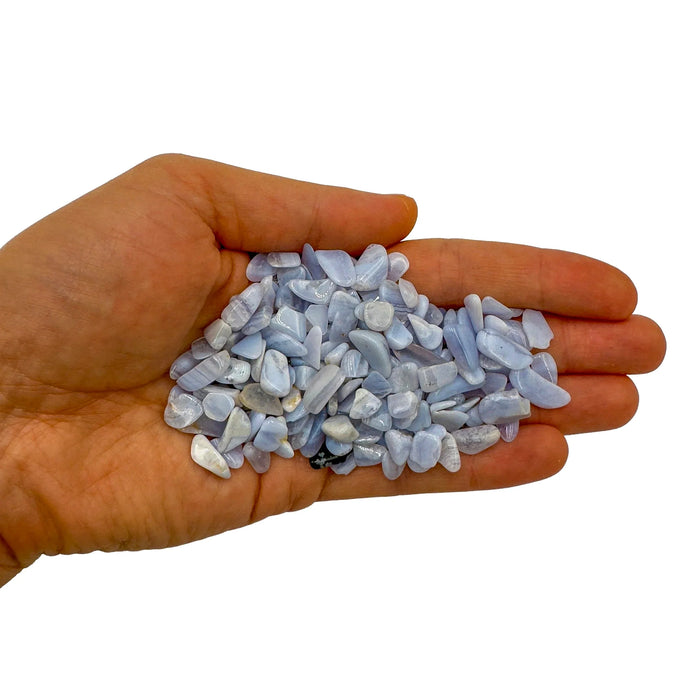
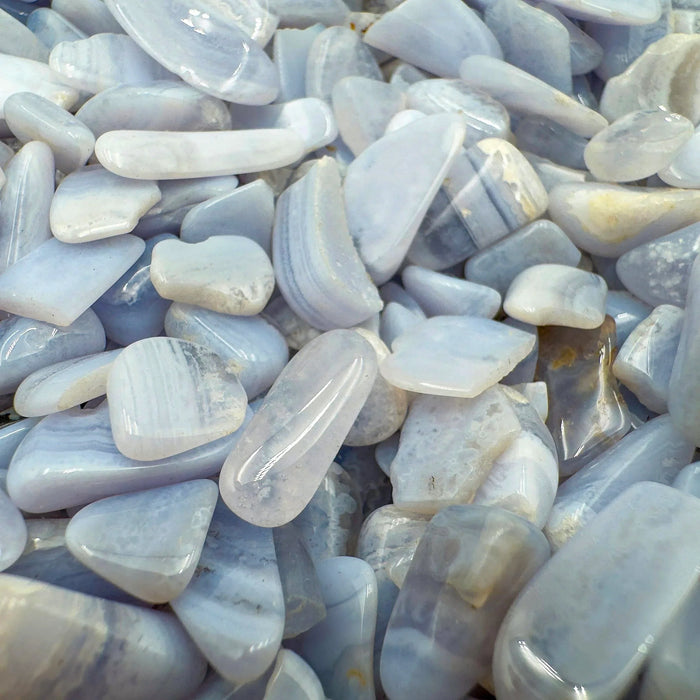
Sea Pottery is not something we carry. Blue Lace Agate is the closest match in color, and every piece passes our sourcing standards: origin named, treatments disclosed.
- 4.9 out of 5from 1,000+ reviews
- Ships within 72 hoursMonday to Friday, tracked
- 90 days to return itif you do not love it
- Free US shipping over $99$8.99 flat rate under