


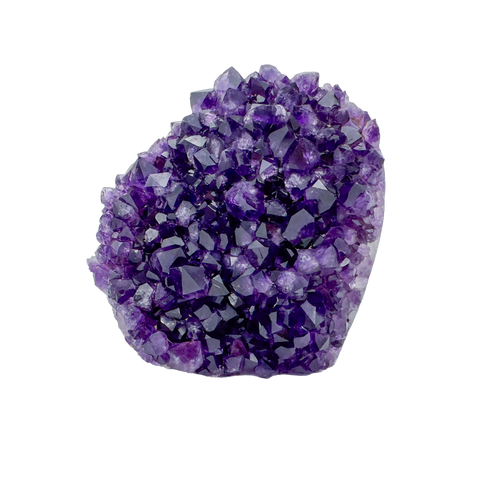
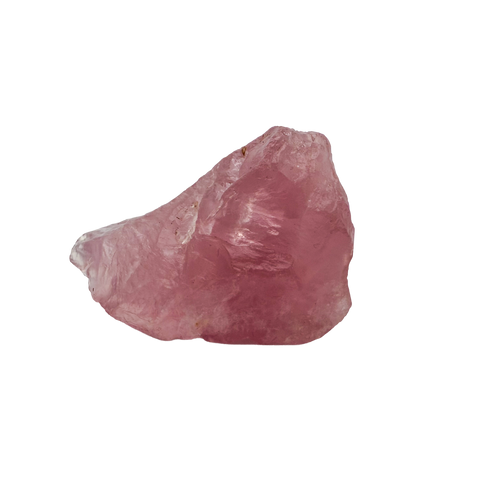
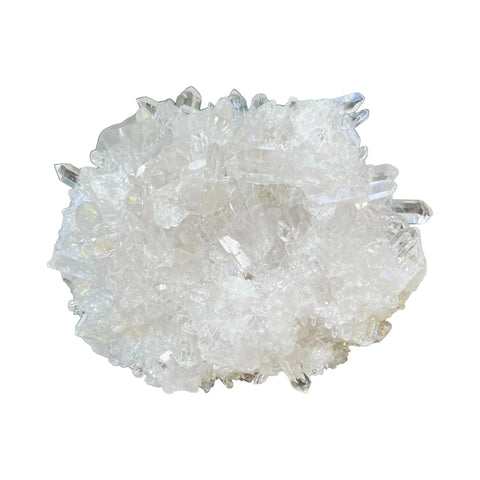
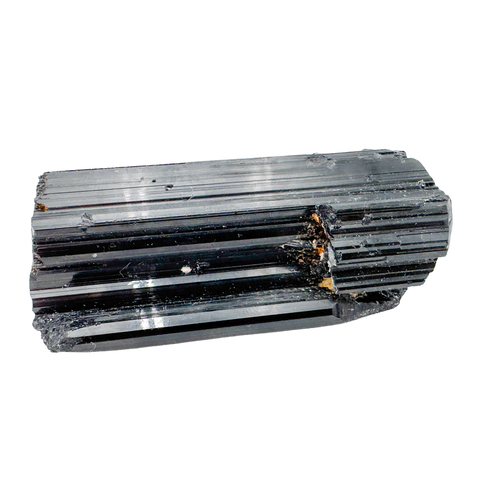
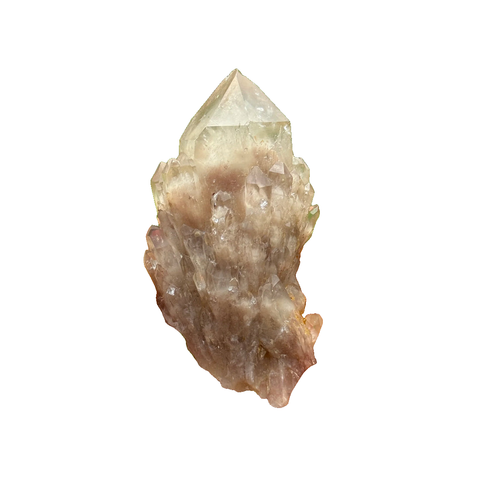
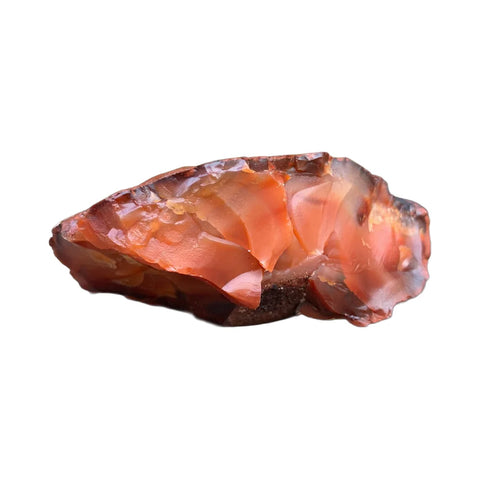
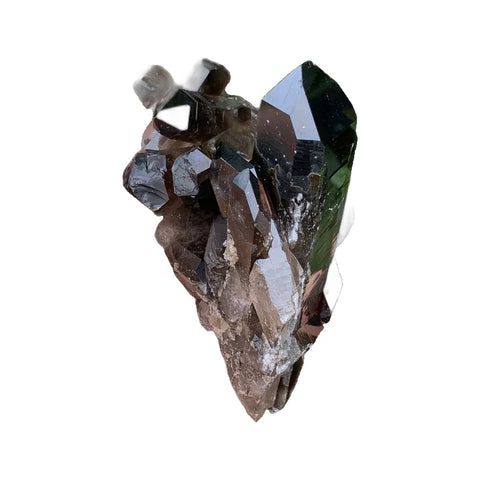
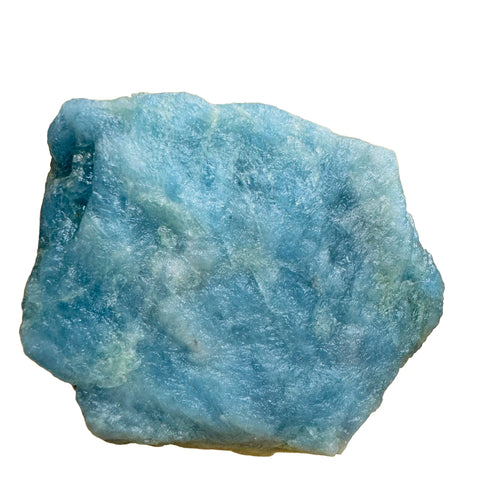
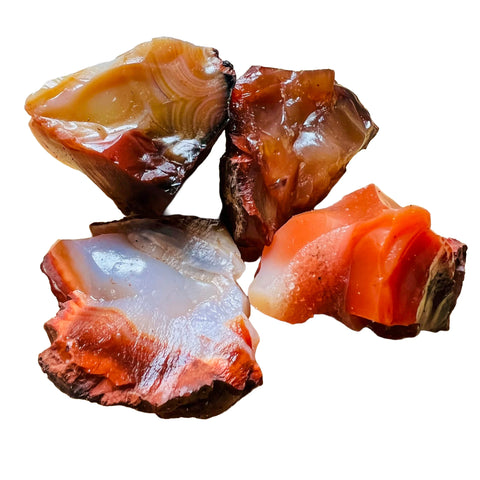


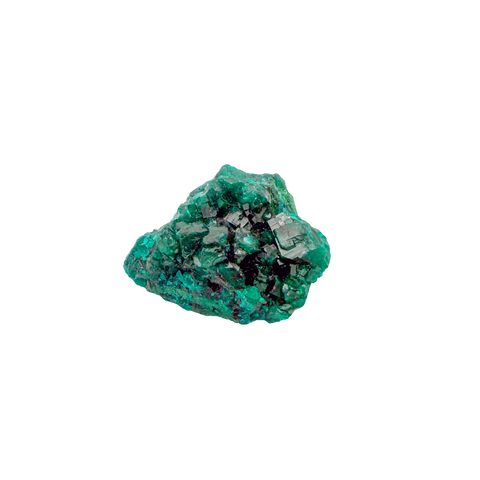
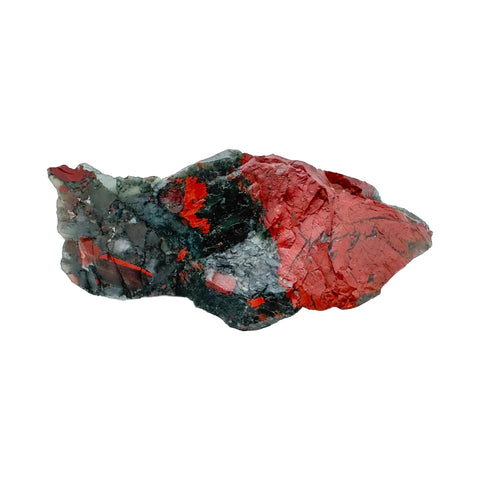
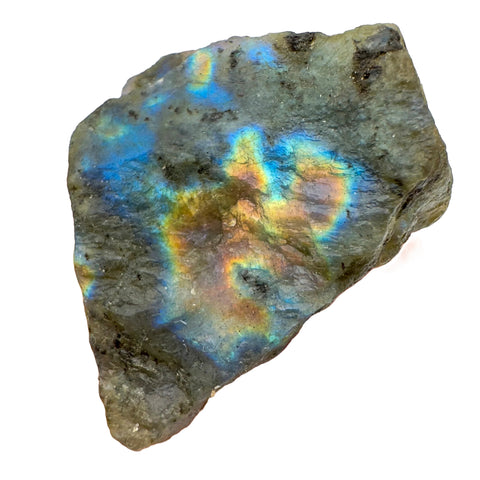
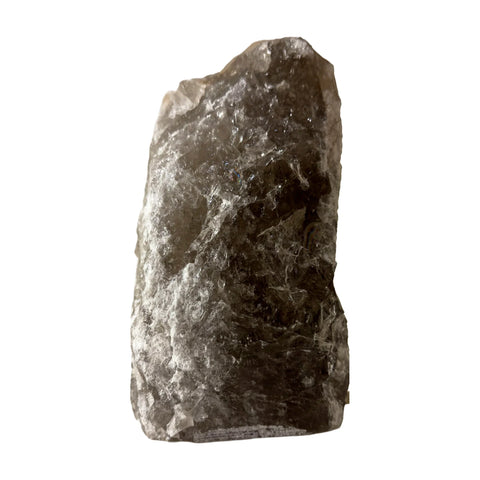
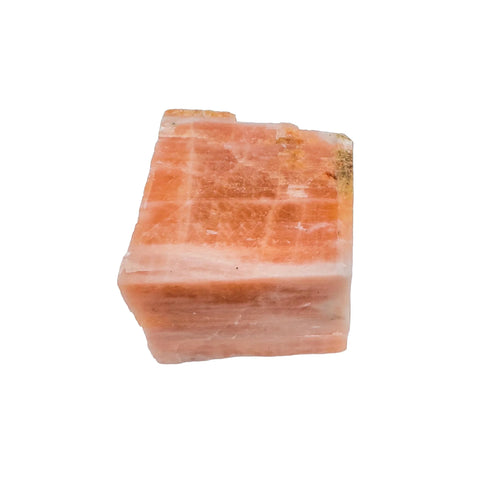
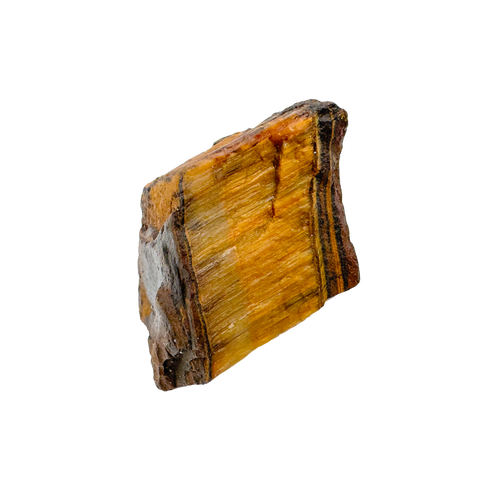
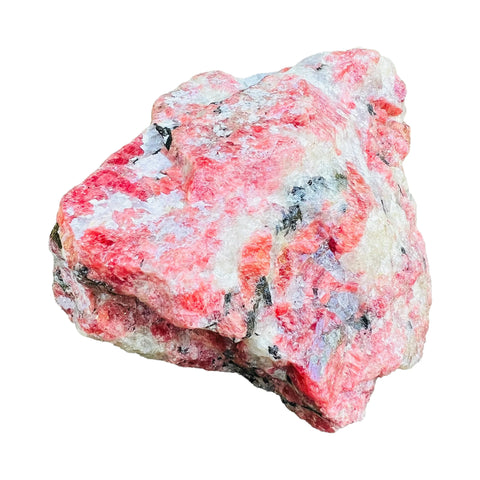
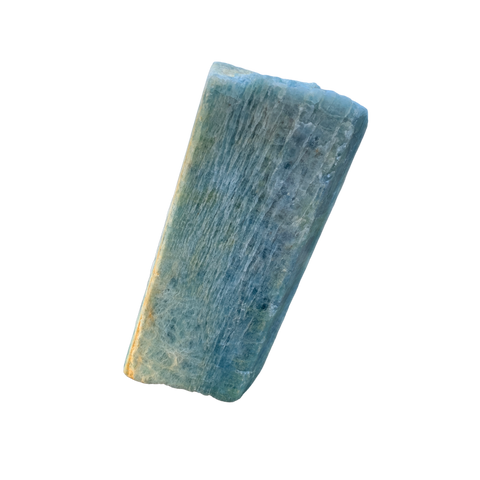
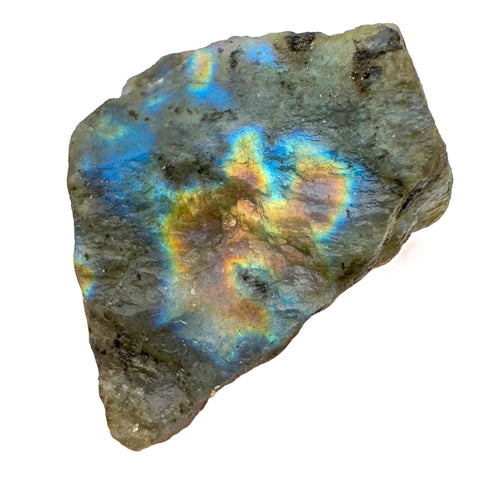


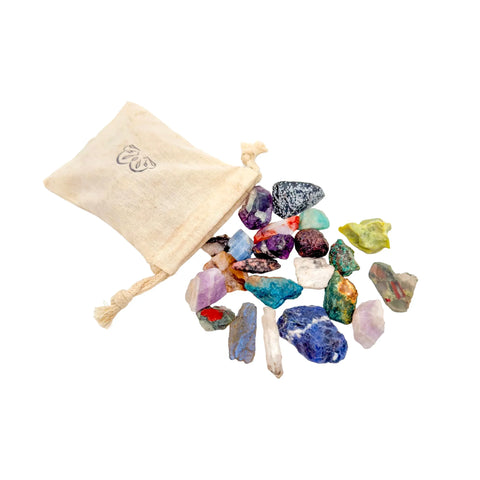
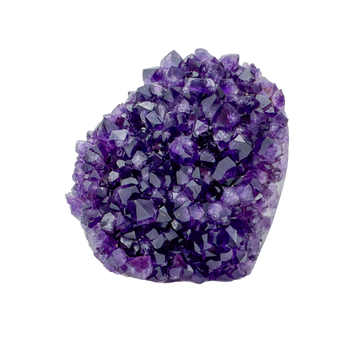
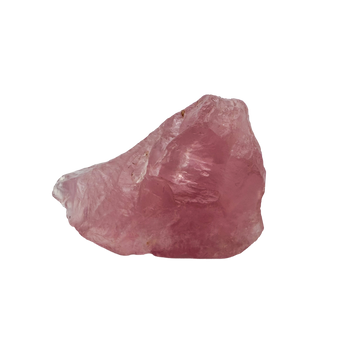
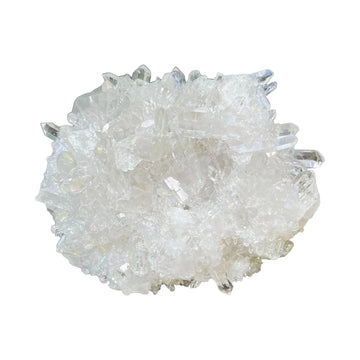
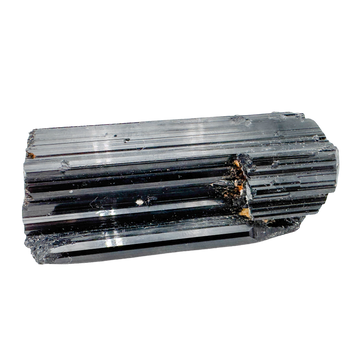
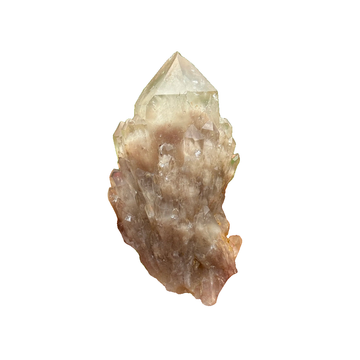
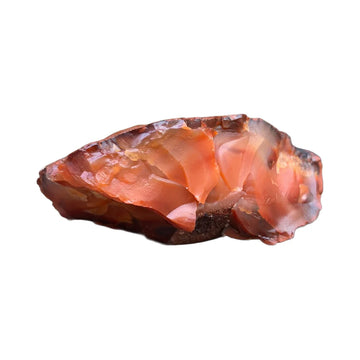
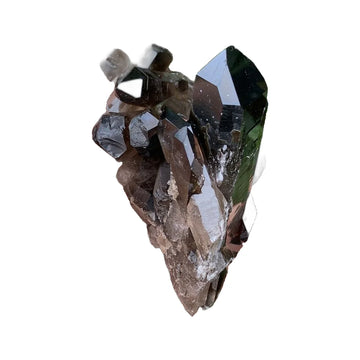
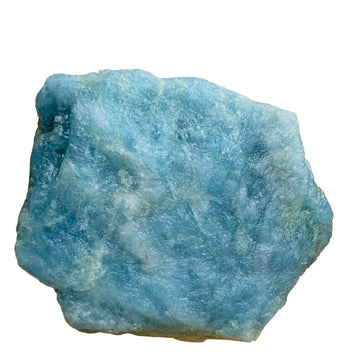
 Raw Stones
180 pieces
Raw Stones
180 pieces
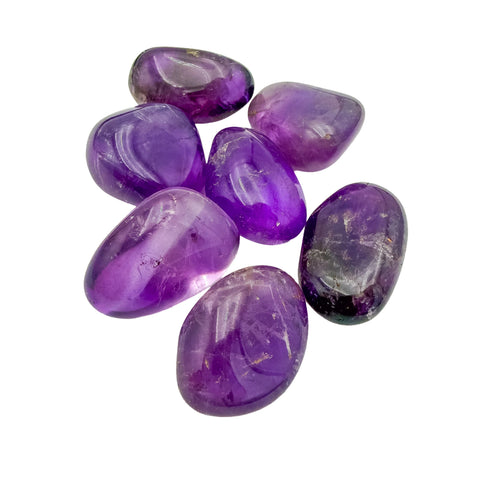
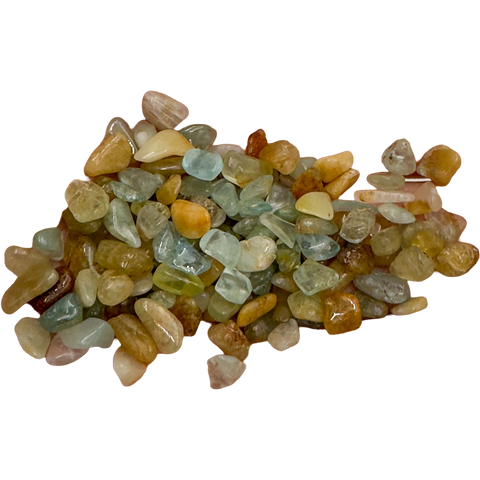
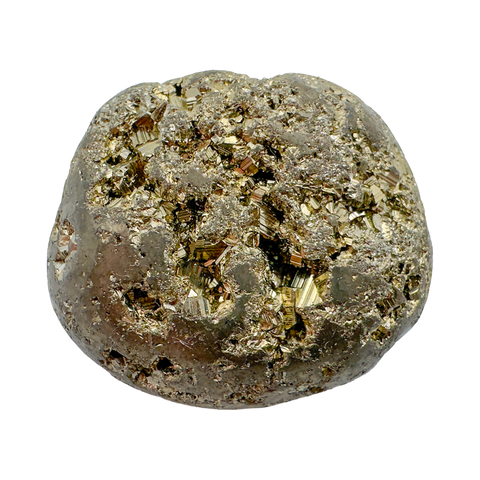
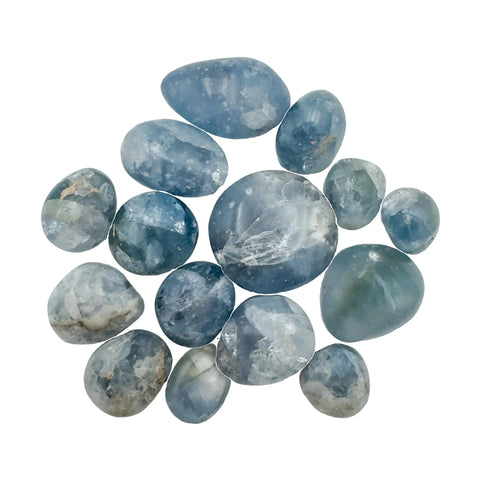
 Tumbled Stones
162 pieces
Tumbled Stones
162 pieces
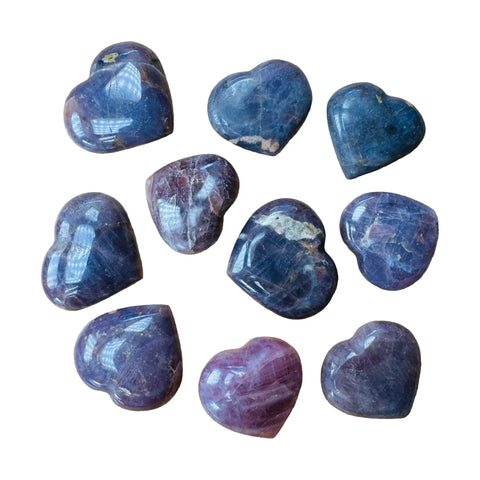
 Palm Stones
26 pieces
Palm Stones
26 pieces
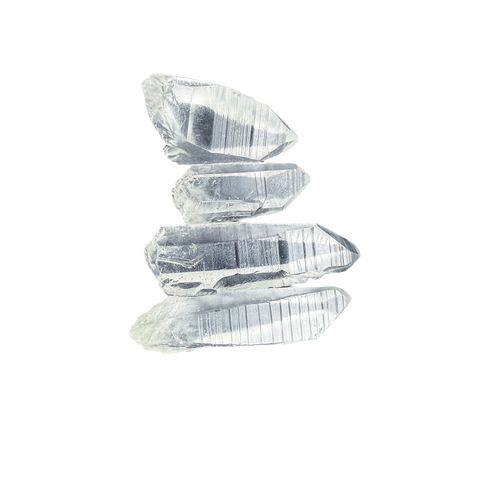
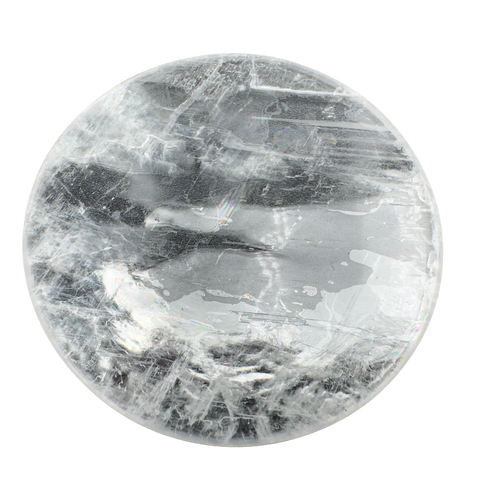
 Crystal Points
23 pieces
Crystal Points
23 pieces
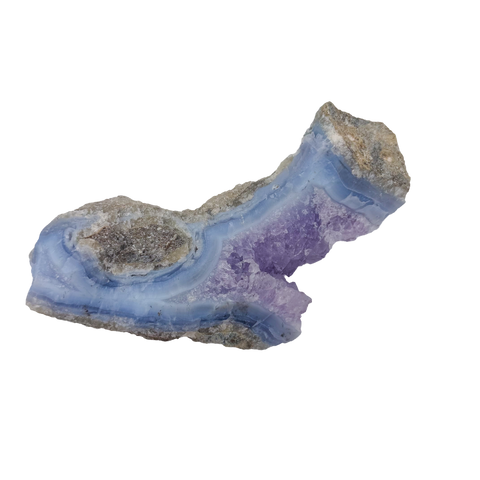
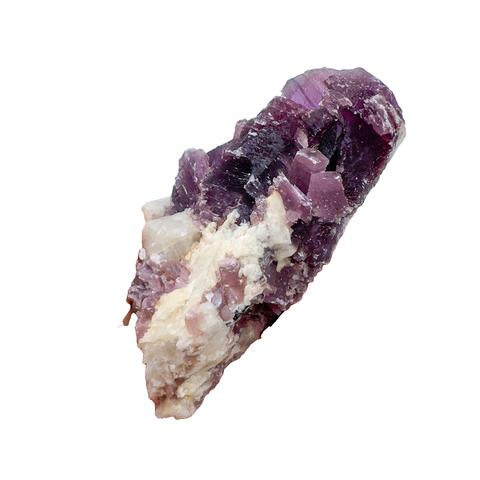
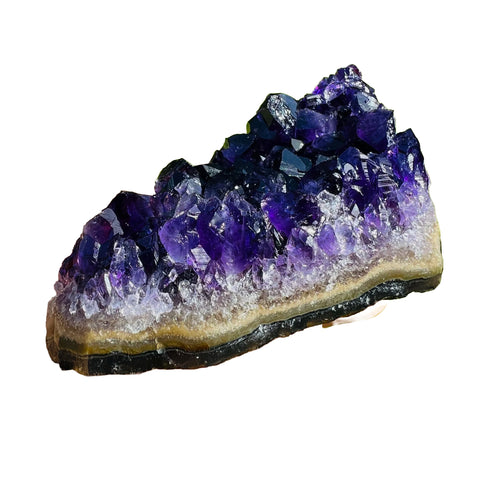
 Clusters & Geodes
112 pieces
Clusters & Geodes
112 pieces
 Polished & Decor
155 pieces
Polished & Decor
155 pieces
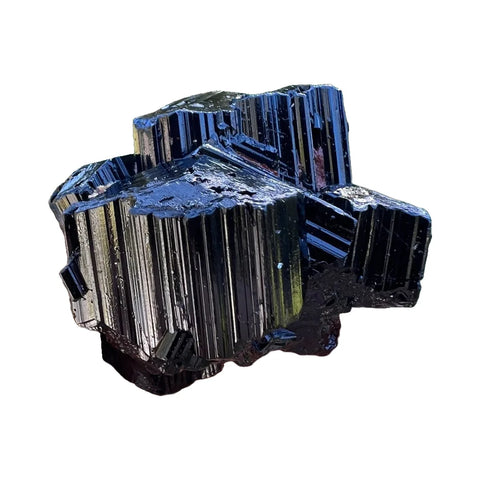
 Mineral Specimens
269 collector pieces
Mineral Specimens
269 collector pieces
 Crystal Chips
21 pieces
Browse everything
Every collection, one page.
View All Collections →
Crystal Chips
21 pieces
Browse everything
Every collection, one page.
View All Collections →


 Aries
Mar 21 – Apr 19
Carnelian
›
Aries
Mar 21 – Apr 19
Carnelian
›
 Taurus
Apr 20 – May 20
Rose Quartz
›
Taurus
Apr 20 – May 20
Rose Quartz
›
 Gemini
May 21 – Jun 20
Agate
›
Gemini
May 21 – Jun 20
Agate
›
 Cancer
Jun 21 – Jul 22
Moonstone
›
Cancer
Jun 21 – Jul 22
Moonstone
›
 Leo
Jul 23 – Aug 22
Citrine
›
Leo
Jul 23 – Aug 22
Citrine
›
 Virgo
Aug 23 – Sep 22
Amazonite
›
Virgo
Aug 23 – Sep 22
Amazonite
›
 Libra
Sep 23 – Oct 22
Blue Lace Agate
›
Libra
Sep 23 – Oct 22
Blue Lace Agate
›
 Scorpio
Oct 23 – Nov 21
Obsidian
›
Scorpio
Oct 23 – Nov 21
Obsidian
›
 Sagittarius
Nov 22 – Dec 21
Sodalite
›
Sagittarius
Nov 22 – Dec 21
Sodalite
›
 Capricorn
Dec 22 – Jan 19
Black Tourmaline
›
Capricorn
Dec 22 – Jan 19
Black Tourmaline
›
 Aquarius
Jan 20 – Feb 18
Amethyst
›
Aquarius
Jan 20 – Feb 18
Amethyst
›
 Pisces
Feb 19 – Mar 20
Aquamarine
›
Gifting?
A birthday stone is the safe bet.
Read the zodiac guide →
Pisces
Feb 19 – Mar 20
Aquamarine
›
Gifting?
A birthday stone is the safe bet.
Read the zodiac guide →
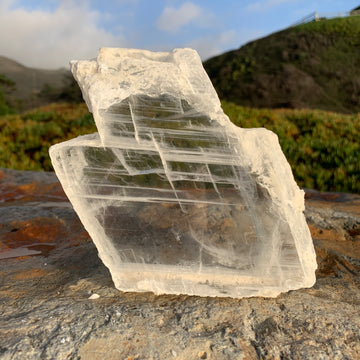
Smelted 'Quartz' (Glass)
Smelted 'Quartz' (Glass) is glass (often silica-based), (fused silica/soda-lime glass). In the hand, it rates 5.5 to 6 on the Mohs scale, and it runs water clear and pale yellow ('citrine'). Implausibly flawless, dead-clear towers and spheres, no veils, no striations, but round gas bubbles and faint flow lines inside.
The geology.
Smelted 'Quartz' (Glass) carries the formula (fused silica/soda-lime glass). It belongs to the amorphous (none) system. The trade files it under glass (often silica-based).
It sits at 5.5 to 6 on the Mohs scale. The surface reads vitreous. Light behavior is transparent. Specific gravity runs 2.2 to 2.6. The streak is white. It breaks with conchoidal fracture.
Implausibly flawless, dead-clear towers and spheres, no veils, no striations, but round gas bubbles and faint flow lines inside.
Common cuts are large flawless towers, spheres, points or 'citrine' generators.
The origins.
Furnace-made, primarily China; sold at gem shows in tower and sphere form.
On value, the database notes: worth glass prices only.
Traditional associations.
In energy work traditions, sold with quartz's amplification claims, buyers deserve to know it is kiln glass.
Included for completeness. Tradition is worth knowing about, and it is worth keeping separate from the mineralogy.
Spotting the real thing.
Implausibly flawless, dead-clear towers and spheres, no veils, no striations, but round gas bubbles and faint flow lines inside.
This IS the fake: huge flawless 'quartz' or 'citrine' towers at bargain prices are the give-away combination.
| Looks like | How to tell them apart |
|---|---|
| Natural clear quartz | Real quartz has wisps, veils, and cross-face striations; smelted glass is empty-clear with bubbles |
| Lab-grown quartz | Lab quartz is true crystal (no bubbles, has crystal faces); smelted glass is molded/carved |
| Natural citrine | Pale yellow glass towers lack any zoning or crystal structure |
At-home tests.
These checks cost nothing. Daylight, a 10x loupe and a little patience are the whole kit for smelted 'quartz' (glass).
| Test | What you should see |
|---|---|
| Loupe | round bubbles = glass, every time |
| By eye | Too-perfect clarity in large cheap pieces |
| By eye | No striations on 'crystal faces' |
| By touch | Glass warms faster than quartz in hand |
Stop short of anything that leaves a mark. A gemologist can answer the rest without damaging the stone.
Care & handling.
At 5.5 to 6 on the Mohs scale it handles careful wear but scratches against quartz and dust. Store it separately and take rings off before rough work.
It breaks with conchoidal fracture, which is worth knowing before you set it or drop it.
Skip the ultrasonic. Lukewarm water, mild soap and a soft cloth handle routine cleaning without risk.
A deeper look.
Extended detail on composition, sourcing, authentication and market value.
The physical record
The formula on record is (fused silica/soda-lime glass). Crystal system: Amorphous (none). Specific gravity: 2.2 to 2.6. Streak: White. Cleavage and fracture: Conchoidal fracture.
How it reaches the market
Furnace-made, primarily China; sold at gem shows in tower and sphere form.
What it gets confused with
Natural clear quartz: Real quartz has wisps, veils, and cross-face striations; smelted glass is empty-clear with bubbles. Lab-grown quartz: Lab quartz is true crystal (no bubbles, has crystal faces); smelted glass is molded/carved. Natural citrine: Pale yellow glass towers lack any zoning or crystal structure.
What it is worth
Worth glass prices only.
Where buyers get caught
This IS the fake: huge flawless 'quartz' or 'citrine' towers at bargain prices are the give-away combination.
One more thing
The name 'smelted quartz' is seller spin, melting quartz sand produces glass, and glass it remains.
An education-first guide.
We do not carry smelted 'quartz' (glass). This page exists because the question comes up and the honest answer is worth writing down, whether or not there is anything here to sell you.
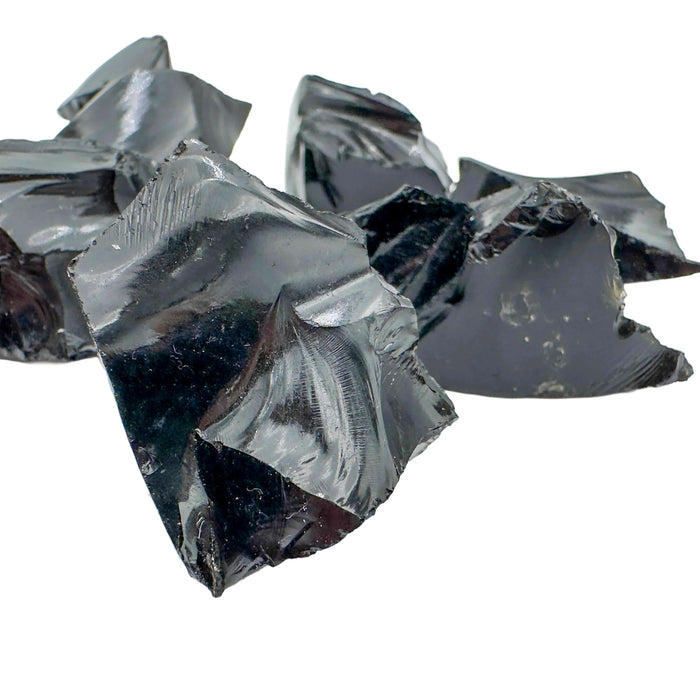
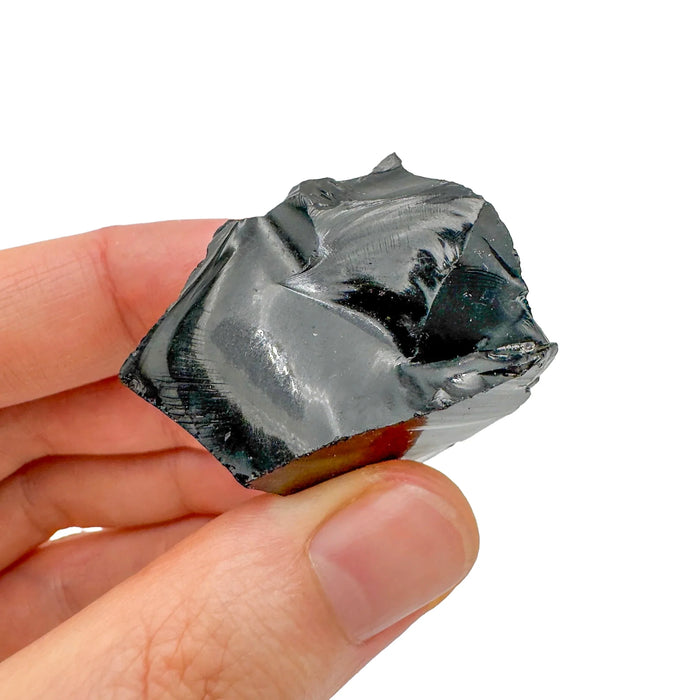
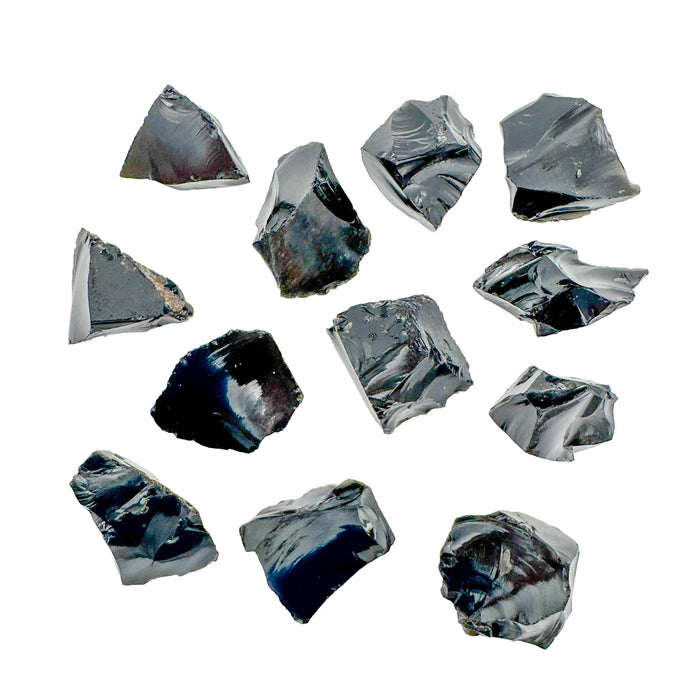
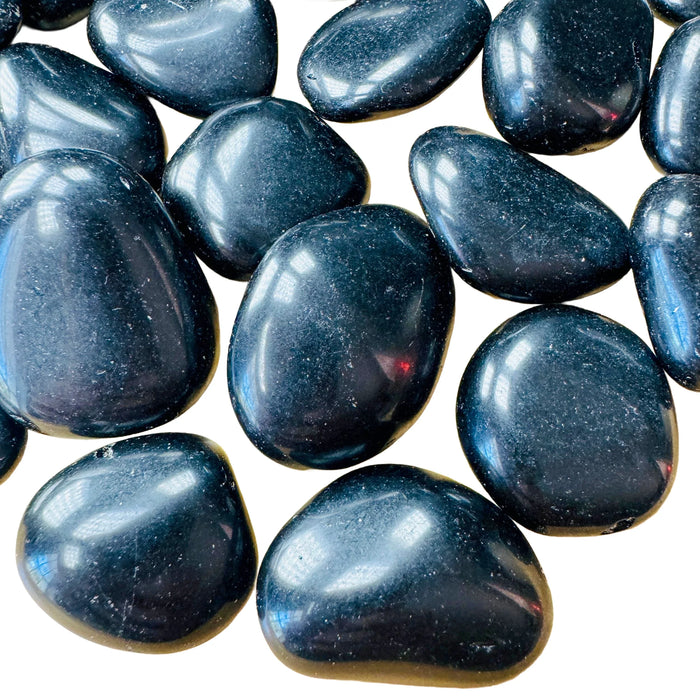
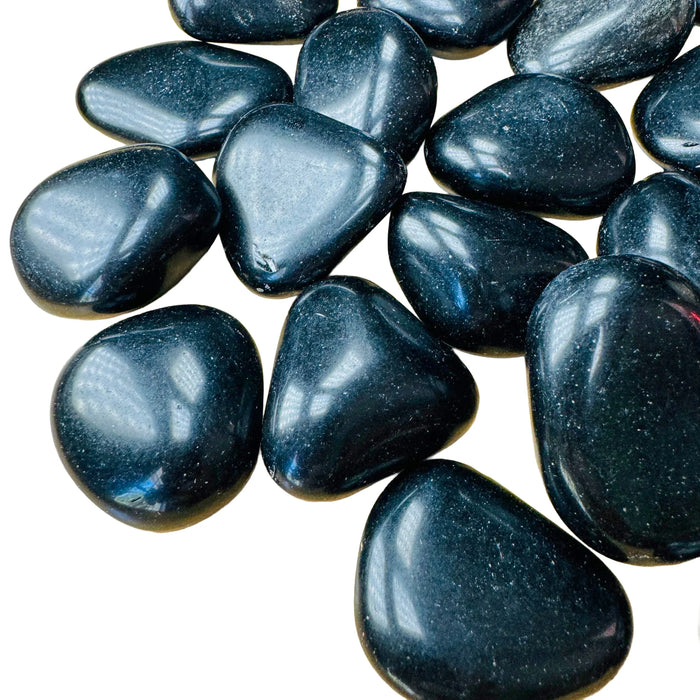
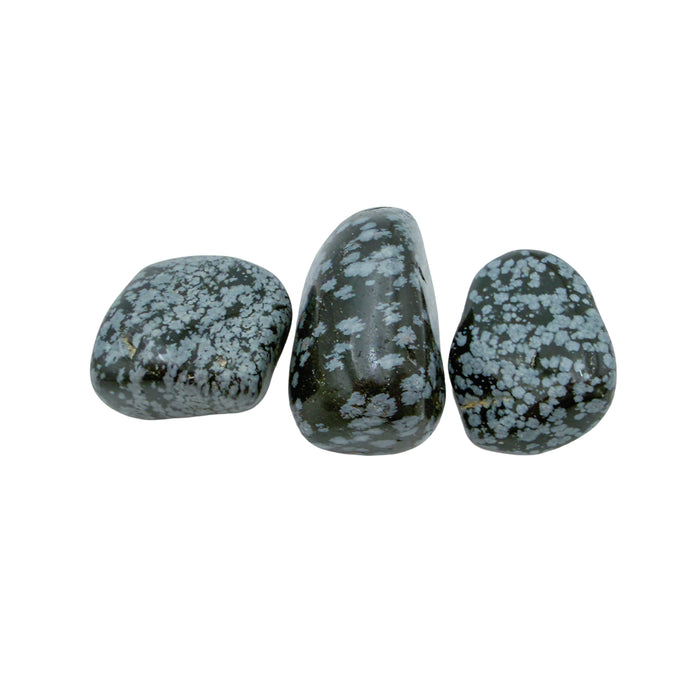
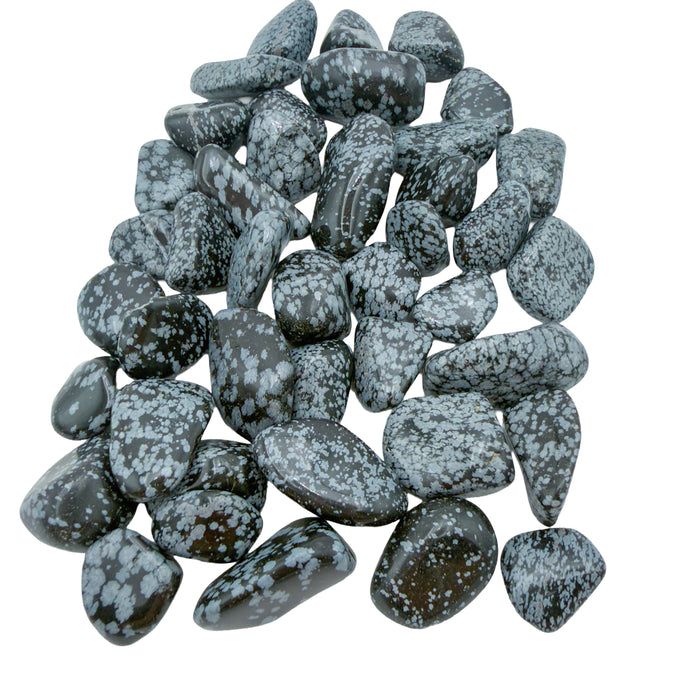
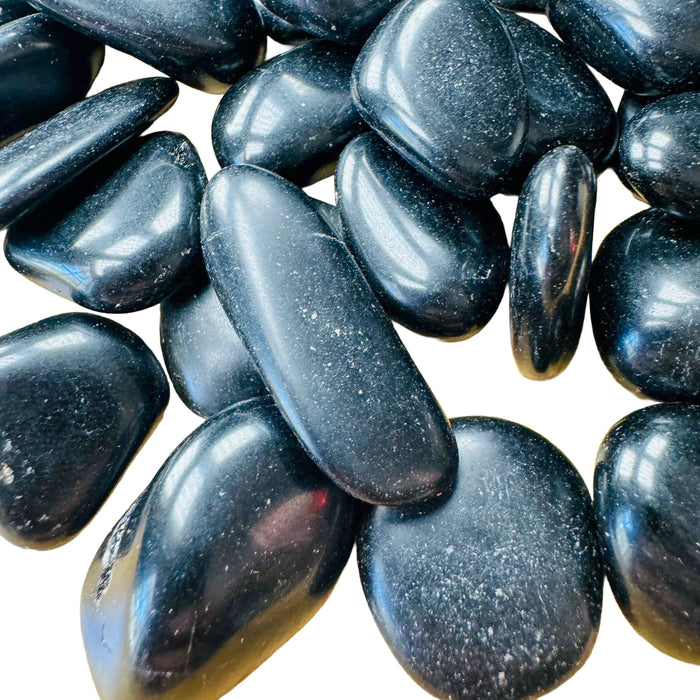
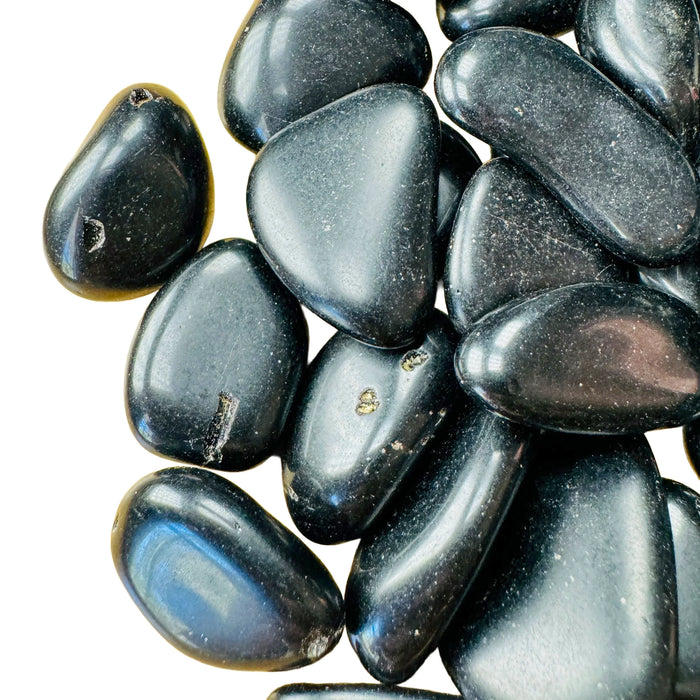
Explore the Crystal GuideThe closest match we carry: Obsidian.
Smelted 'Quartz' is not something we carry. Obsidian is the closest match in our collection, and every piece passes our sourcing standards: origin named, treatments disclosed.



- 4.9 out of 5from 1,000+ reviews
- Ships within 72 hoursMonday to Friday, tracked
- 90 days to return itif you do not love it
- Free US shipping over $99$8.99 flat rate under