


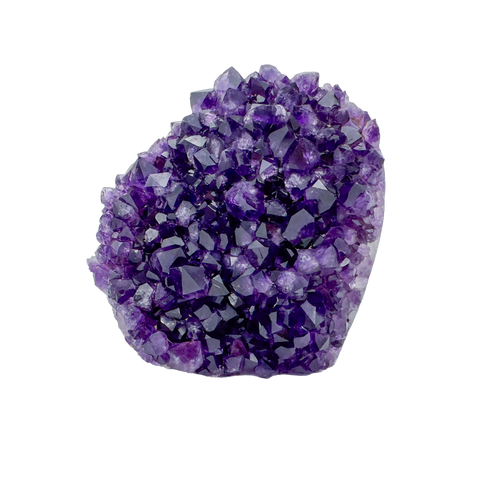
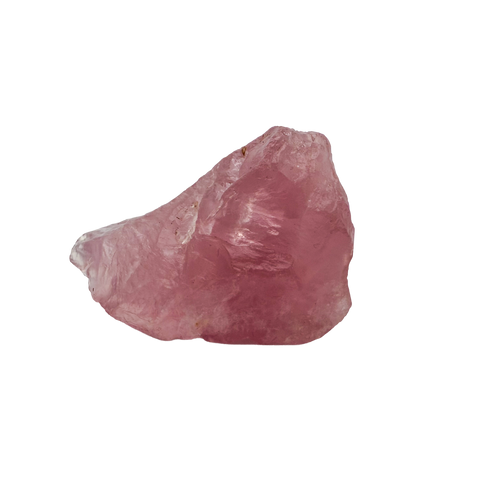
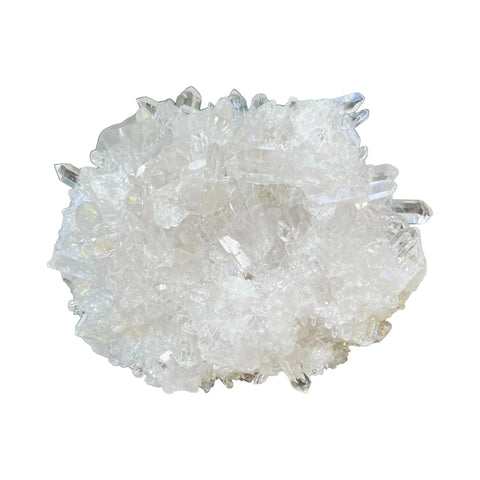
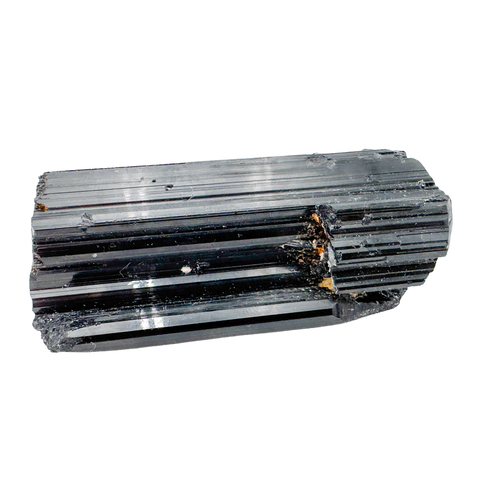
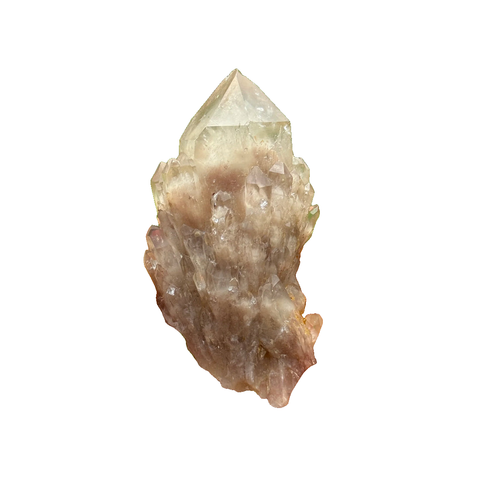
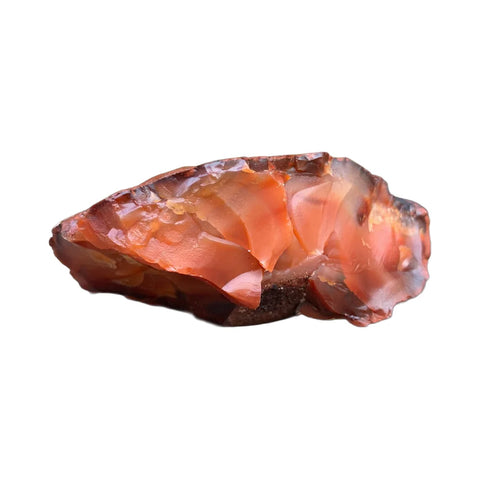
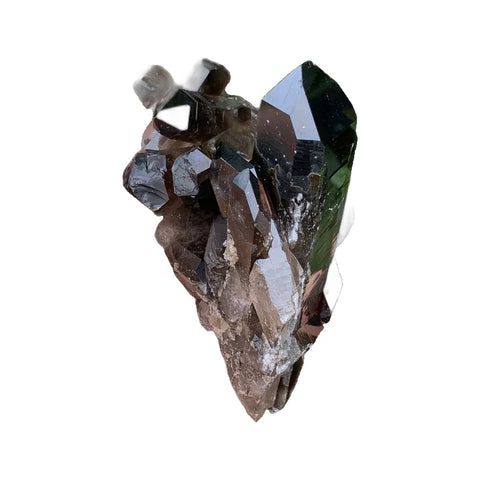
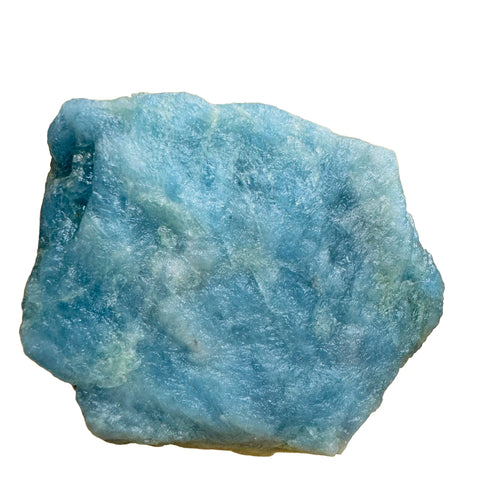
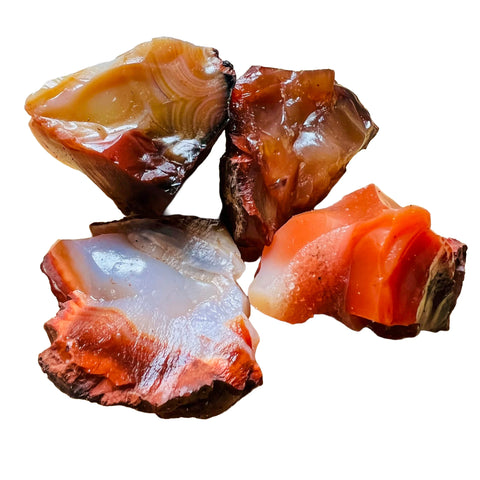


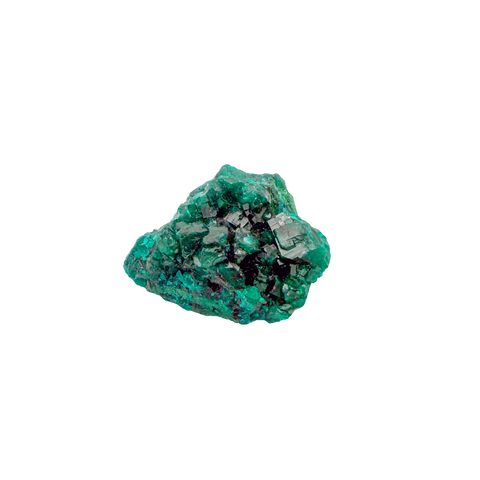
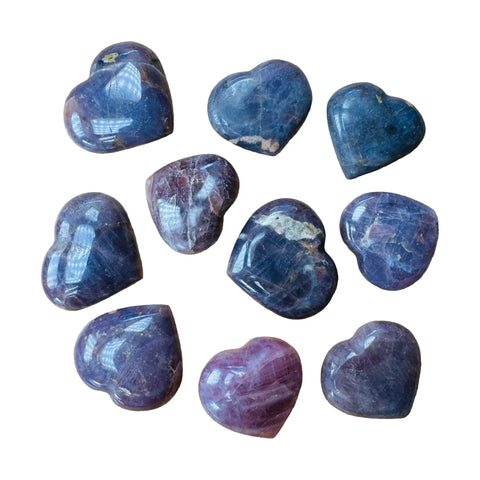
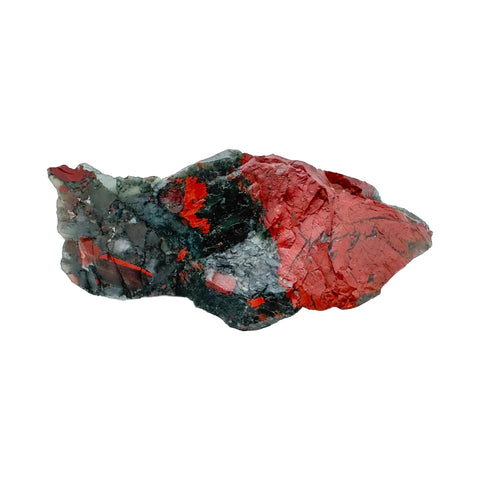
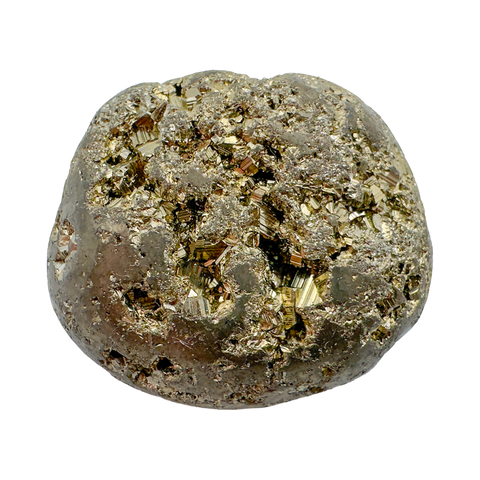
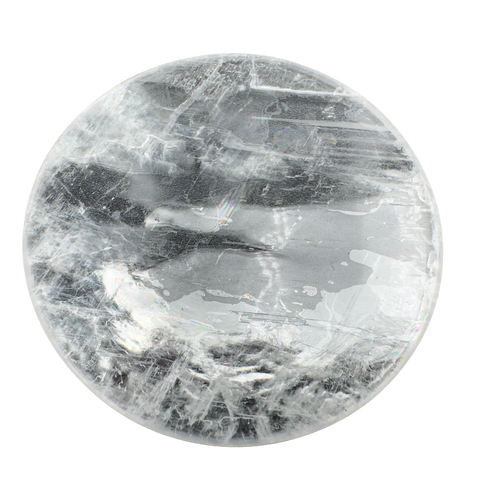
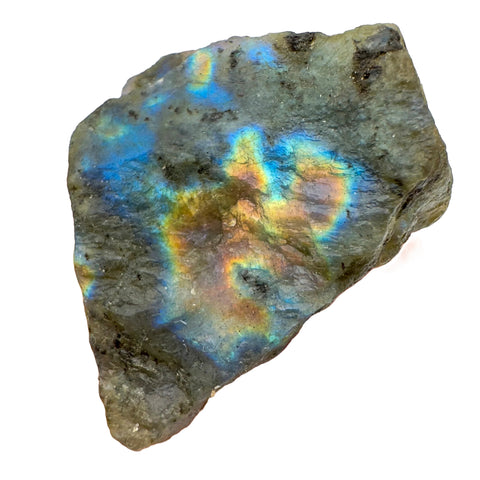
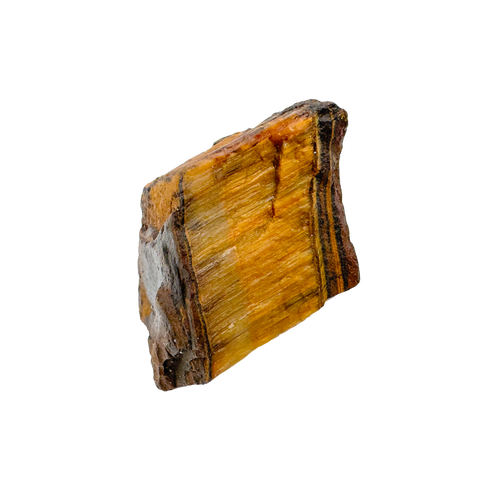
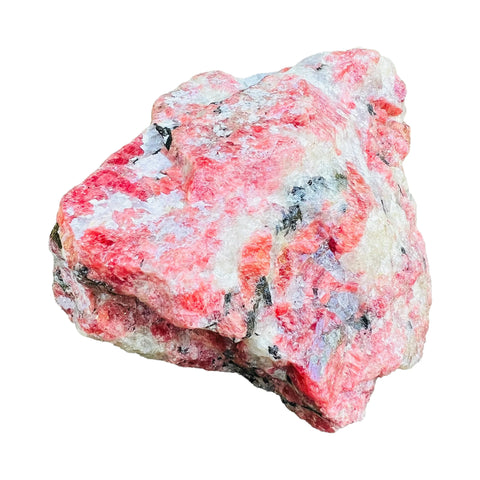
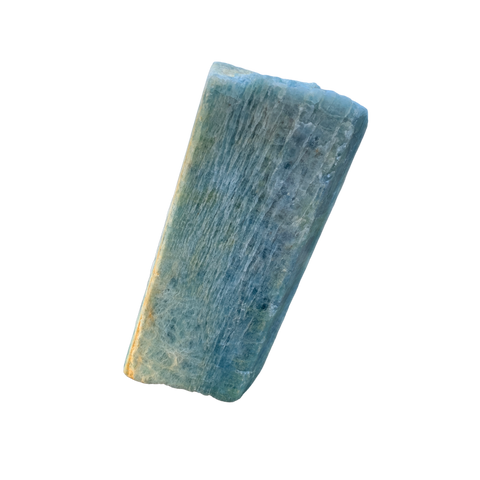
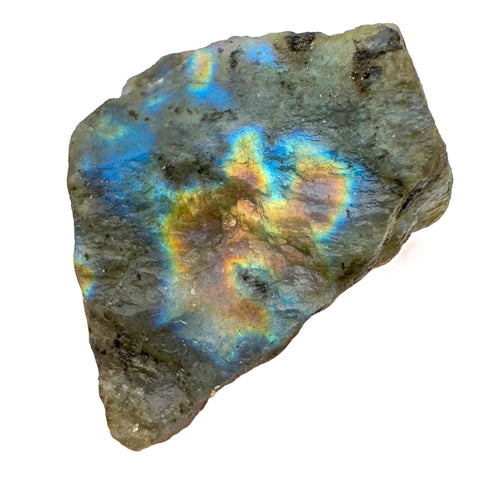
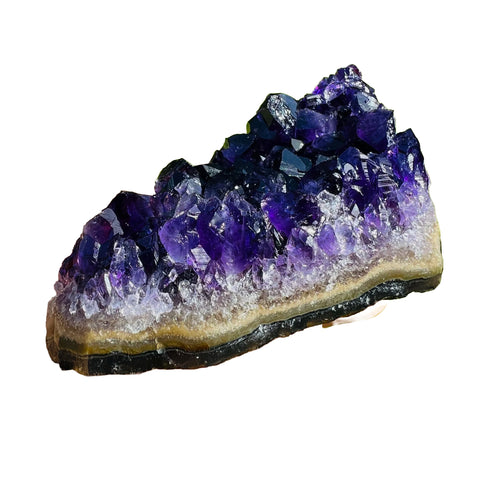



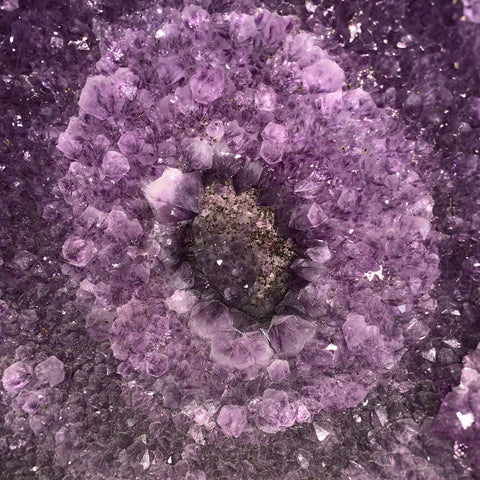
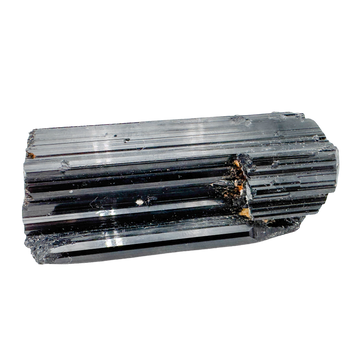
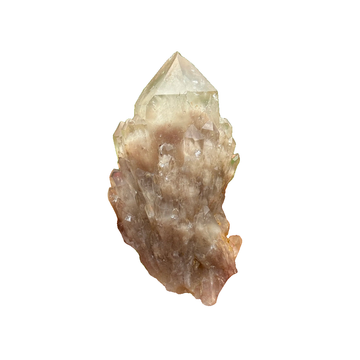
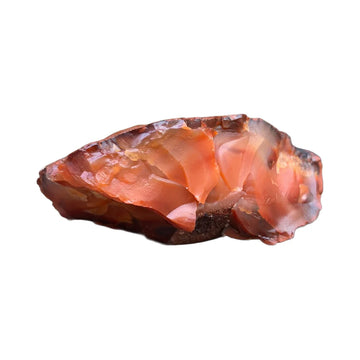
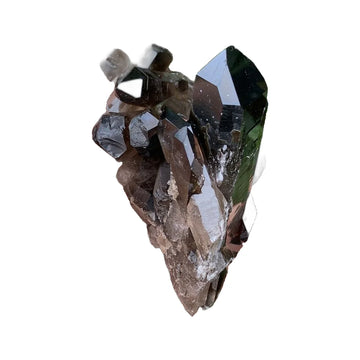
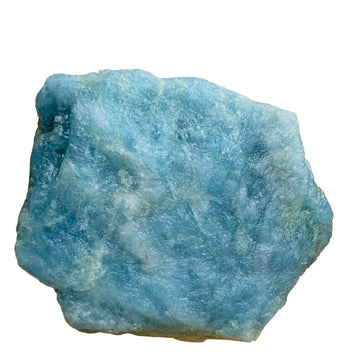
 Raw Stones
179 pieces
Raw Stones
179 pieces
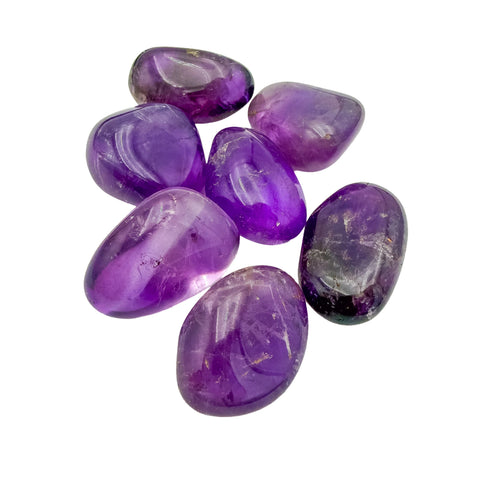
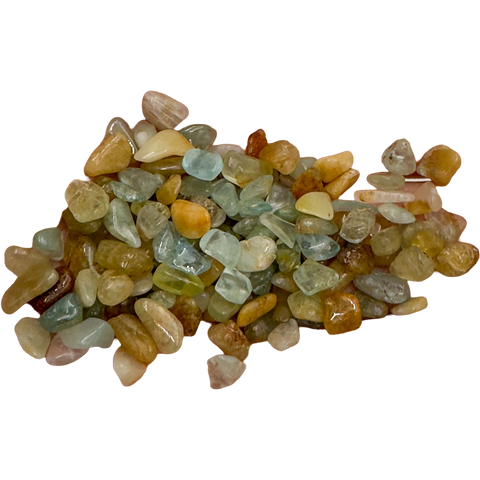
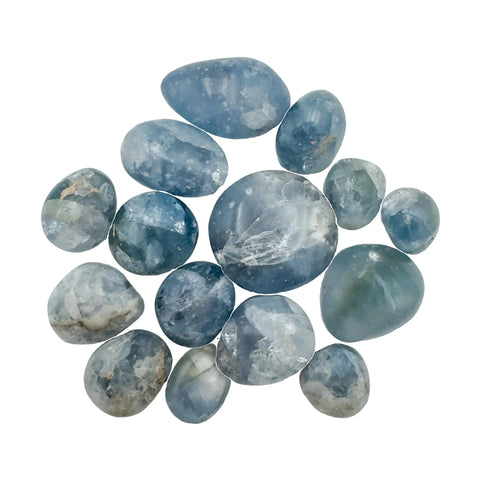
 Tumbled Stones
162 pieces
Tumbled Stones
162 pieces
 Palm Stones
25 pieces
Palm Stones
25 pieces
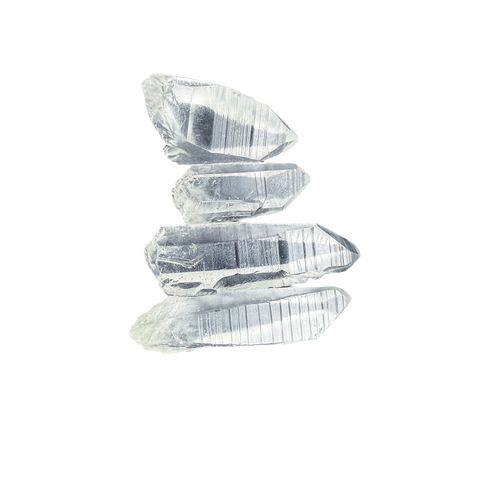
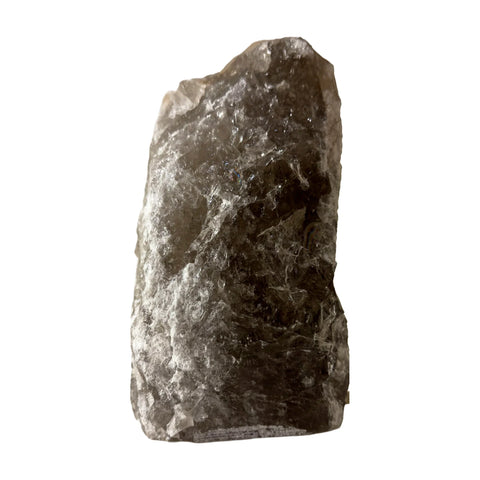
 Crystal Points
23 pieces
Crystal Points
23 pieces
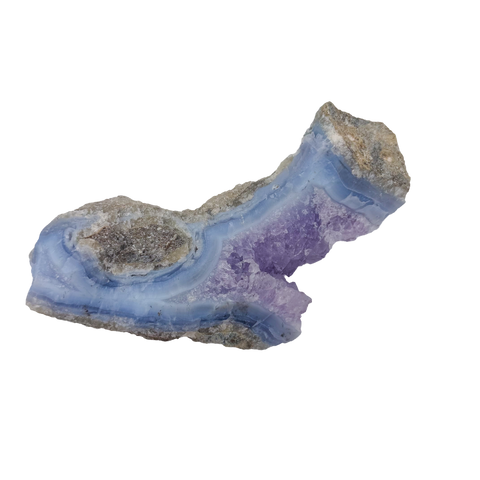
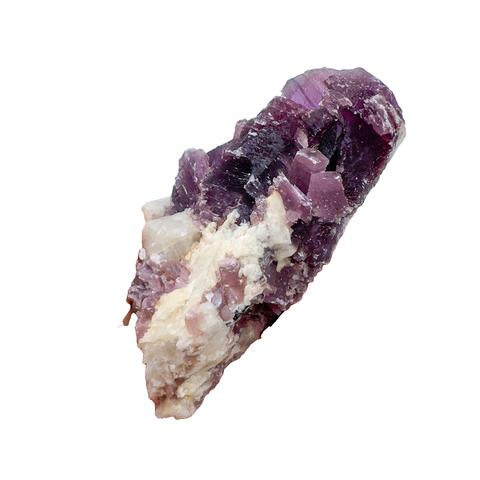
 Clusters & Geodes
104 pieces
Clusters & Geodes
104 pieces
 Polished & Decor
148 pieces
Polished & Decor
148 pieces
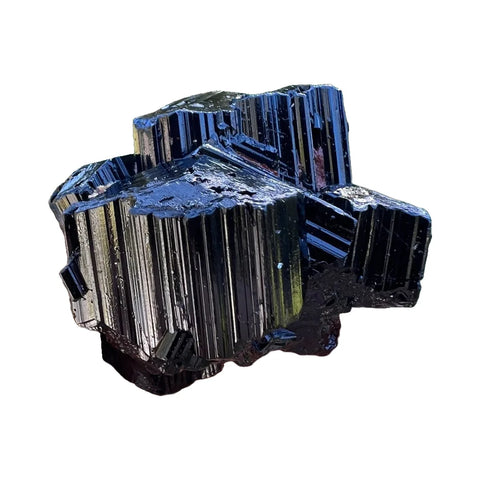
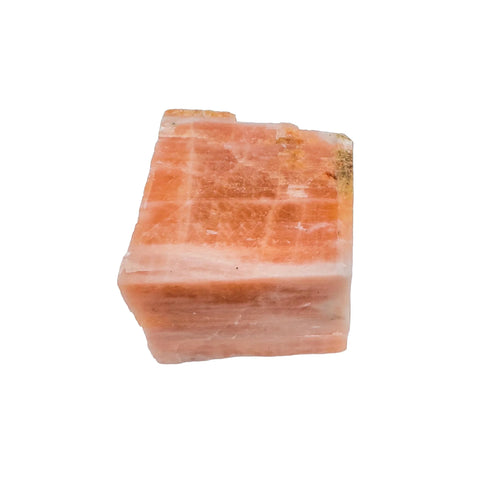
 Mineral Specimens
259 collector pieces
Mineral Specimens
259 collector pieces
 Crystal Chips
21 pieces
Browse everything
Every collection, one page.
View All Collections →
Crystal Chips
21 pieces
Browse everything
Every collection, one page.
View All Collections →


 Aries
Mar 21 – Apr 19
Carnelian
›
Aries
Mar 21 – Apr 19
Carnelian
›
 Taurus
Apr 20 – May 20
Rose Quartz
›
Taurus
Apr 20 – May 20
Rose Quartz
›
 Gemini
May 21 – Jun 20
Agate
›
Gemini
May 21 – Jun 20
Agate
›
 Cancer
Jun 21 – Jul 22
Moonstone
›
Cancer
Jun 21 – Jul 22
Moonstone
›
 Leo
Jul 23 – Aug 22
Citrine
›
Leo
Jul 23 – Aug 22
Citrine
›
 Virgo
Aug 23 – Sep 22
Amazonite
›
Virgo
Aug 23 – Sep 22
Amazonite
›
 Libra
Sep 23 – Oct 22
Blue Lace Agate
›
Libra
Sep 23 – Oct 22
Blue Lace Agate
›
 Scorpio
Oct 23 – Nov 21
Obsidian
›
Scorpio
Oct 23 – Nov 21
Obsidian
›
 Sagittarius
Nov 22 – Dec 21
Sodalite
›
Sagittarius
Nov 22 – Dec 21
Sodalite
›
 Capricorn
Dec 22 – Jan 19
Black Tourmaline
›
Capricorn
Dec 22 – Jan 19
Black Tourmaline
›
 Aquarius
Jan 20 – Feb 18
Amethyst
›
Aquarius
Jan 20 – Feb 18
Amethyst
›
 Pisces
Feb 19 – Mar 20
Aquamarine
›
Gifting?
A birthday stone is the safe bet.
Read the zodiac guide →
Pisces
Feb 19 – Mar 20
Aquamarine
›
Gifting?
A birthday stone is the safe bet.
Read the zodiac guide →


Copal
Copal is subfossil tree resin, C₁₀H₁₆O (approx., variable). In the hand, it rates 1.5 to 2 on the Mohs scale, and it runs pale yellow and honey. Looks like amber, but younger and softer, a drop of alcohol turns its surface sticky, and it often holds suspiciously perfect modern-looking insects.
The geology.
Copal carries the formula C₁₀H₁₆O (approx., variable). It belongs to the amorphous system. Catalogs list it as subfossil tree resin.
It sits at 1.5 to 2 on the Mohs scale. The surface reads resinous. Light behavior is transparent to translucent. Specific gravity runs 1.03 to 1.08. The streak is white. It breaks with conchoidal fracture; brittle-sticky.
Looks like amber, but younger and softer, a drop of alcohol turns its surface sticky, and it often holds suspiciously perfect modern-looking insects.
It reaches buyers as polished nuggets with insects, raw lumps or beads sold as 'amber'.
The origins.
Madagascar, Colombia, East Africa, resins from hundreds to a few million years old, far short of true amber's age.
On value, the database notes: affordable; honest copal is lovely, fake 'amber' pricing is the scam.
Traditional associations.
In energy work traditions, copal shares amber's warmth-and-clearing associations and a long history as ceremonial incense.
We keep this section because people ask. It sits below the geology on purpose, and none of it describes something the stone does.
Spotting the real thing.
Looks like amber, but younger and softer, a drop of alcohol turns its surface sticky, and it often holds suspiciously perfect modern-looking insects.
The big issue is direction: copal with embedded modern insects is endlessly sold as 'amber with fossil inclusions', the alcohol test answers in seconds.
| Looks like | How to tell them apart |
|---|---|
| Amber | True amber shrugs off an alcohol drop and is harder; copal goes tacky and scratches with a fingernail |
| Plastic | Plastic sinks in saturated salt water and won't go sticky under solvent |
| Pressed amber | Pressed material shows flow lines and flattened bubbles between fused chunks |
At-home tests.
Before anyone talks you into a lab report, these are the checks worth doing yourself on copal.
| Test | What you should see |
|---|---|
| Solvent swab | Alcohol/acetone drop turns surface sticky (amber resists) |
| By eye | Fingernail can mark it |
| Water check | Floats in saturated salt water like amber, so use the solvent test |
| Under UV | Whiter, chalkier UV glow than Baltic amber |
If these checks leave you unsure, that is what appraisers are for. Do not file, heat or soak a piece to find out.
Care & handling.
At 1.5 to 2 on the Mohs scale this is a soft material. Keep it as a display piece, store it apart from harder stones, and skip daily-wear settings.
It breaks with conchoidal fracture; brittle-sticky, which is worth knowing before you set it or drop it.
Most damage happens during cleaning, not wearing. Avoid steamers, ultrasonic tanks and anything from under the sink.
A deeper look.
Extended detail on composition, sourcing, authentication and market value.
The physical record
The formula on record is C₁₀H₁₆O (approx., variable). Crystal system: Amorphous. Specific gravity: 1.03 to 1.08. Streak: White. Cleavage and fracture: Conchoidal fracture; brittle-sticky.
How it reaches the market
Madagascar, Colombia, East Africa, resins from hundreds to a few million years old, far short of true amber's age.
What it gets confused with
Amber: True amber shrugs off an alcohol drop and is harder; copal goes tacky and scratches with a fingernail. Plastic: Plastic sinks in saturated salt water and won't go sticky under solvent. Pressed amber: Pressed material shows flow lines and flattened bubbles between fused chunks.
What it is worth
Affordable; honest copal is lovely, fake 'amber' pricing is the scam.
Where buyers get caught
The big issue is direction: copal with embedded modern insects is endlessly sold as 'amber with fossil inclusions', the alcohol test answers in seconds.
One more thing
Copal was the sacred incense of Maya and Aztec ceremony, its name comes from the Nahuatl 'copalli', meaning incense.
An education-first guide.
There is nothing to buy on this page. Copal is not part of our catalog, and the guide is here anyway because somebody searching the name deserves a straight answer.
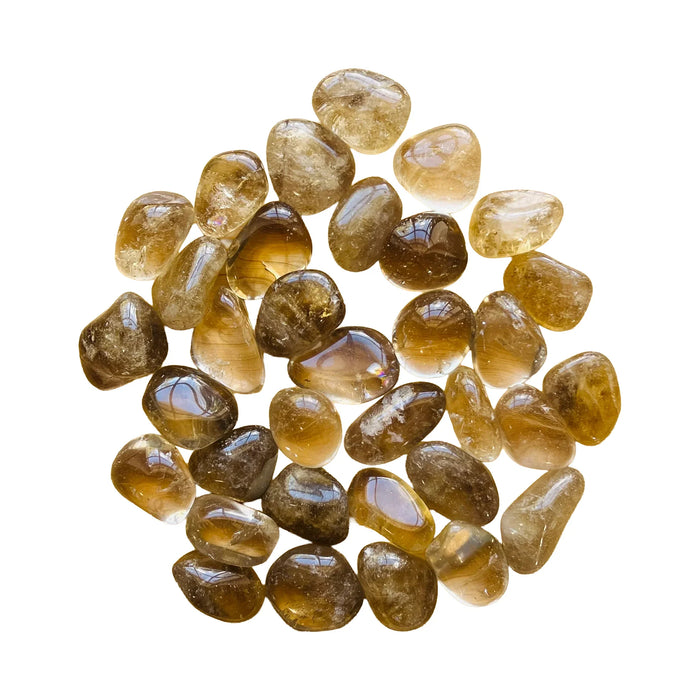
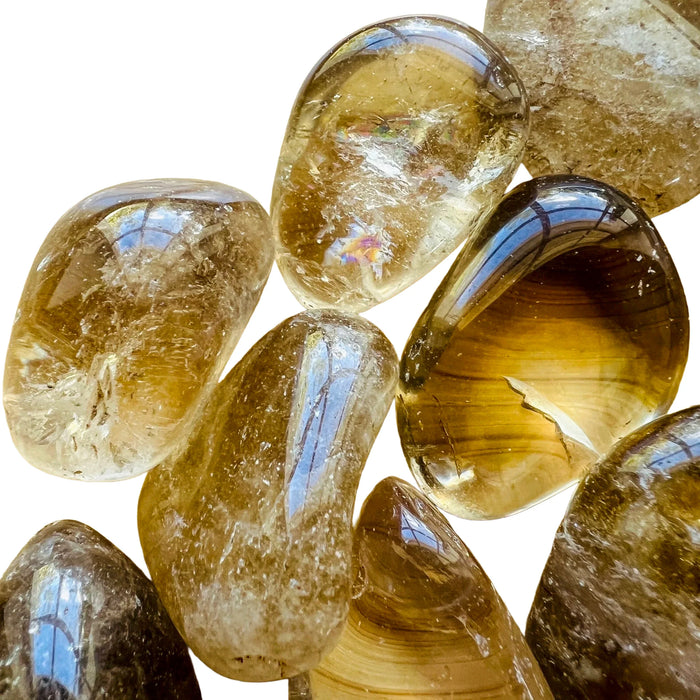
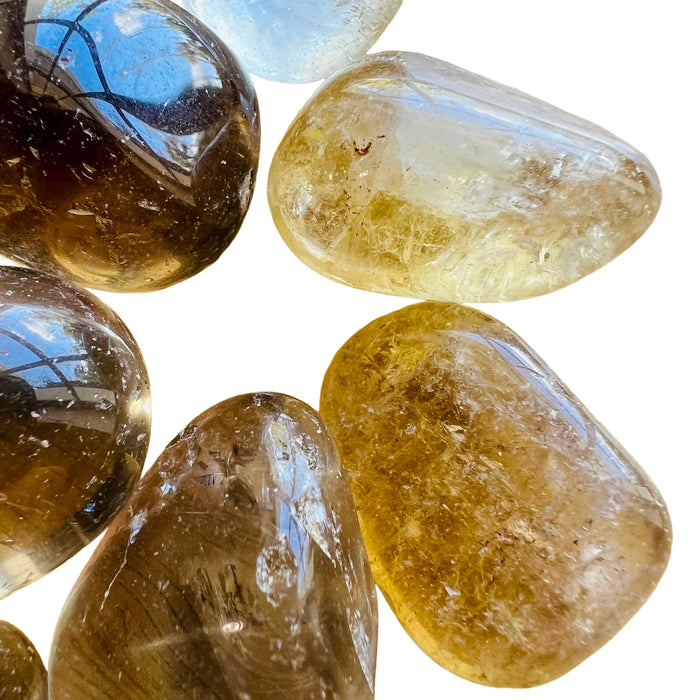
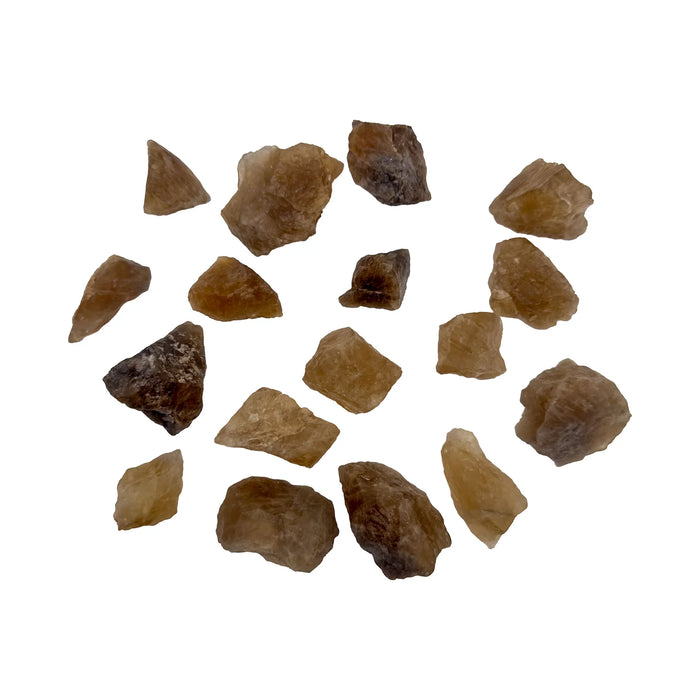
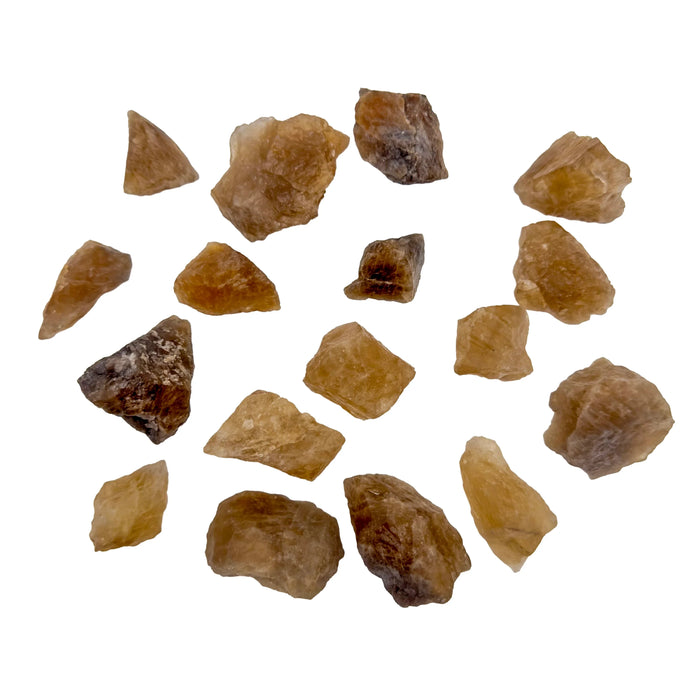
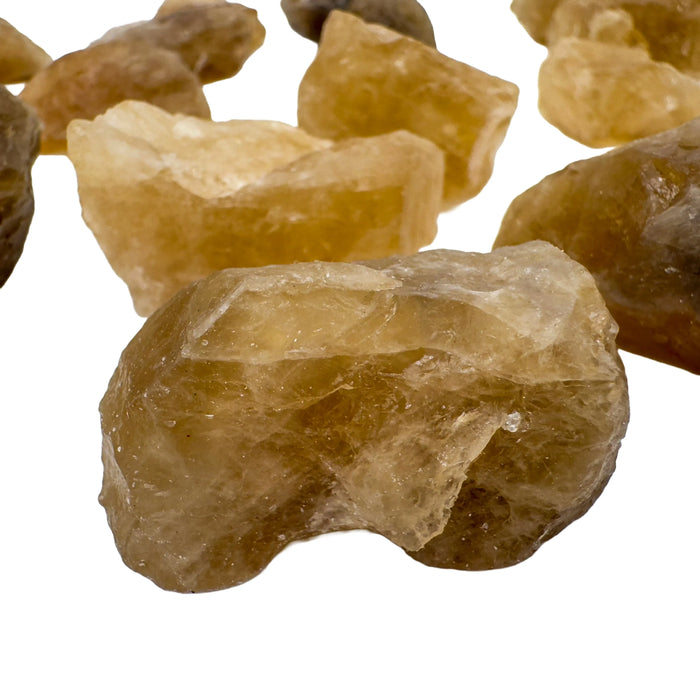
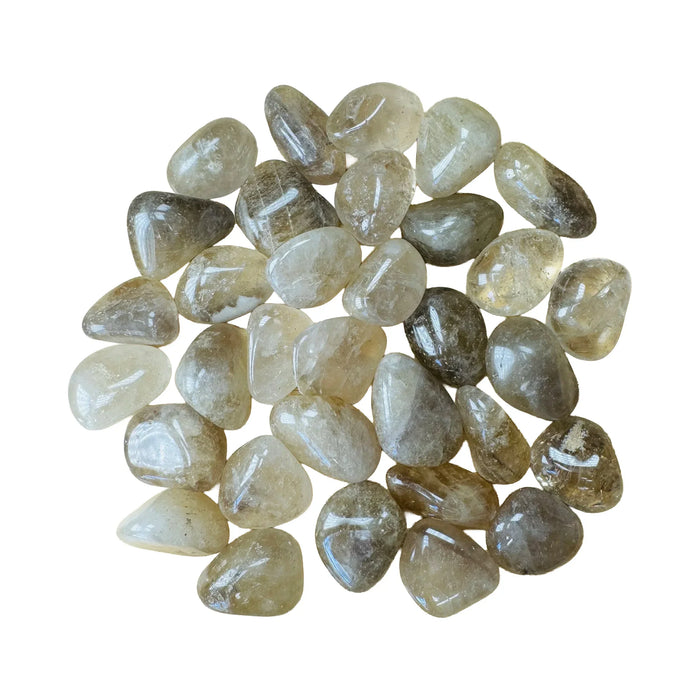
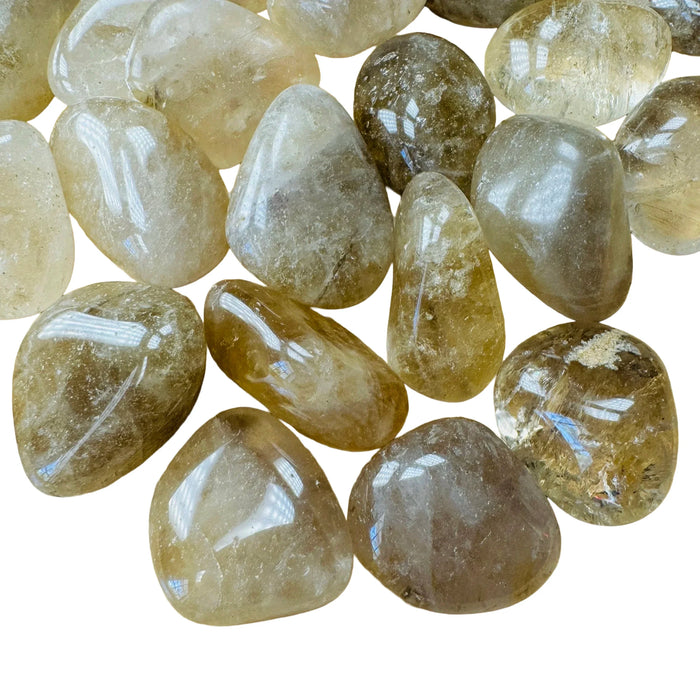
Explore the Crystal GuideLove Copal? Meet Citrine.
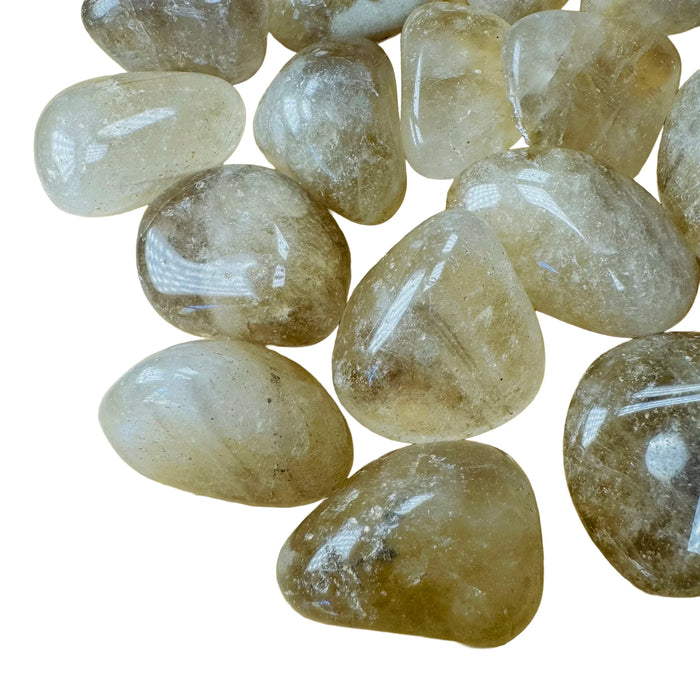
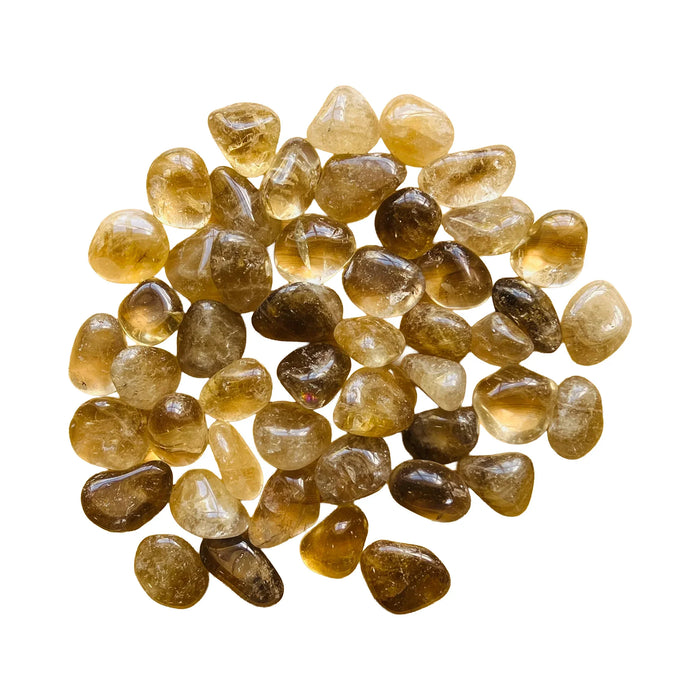
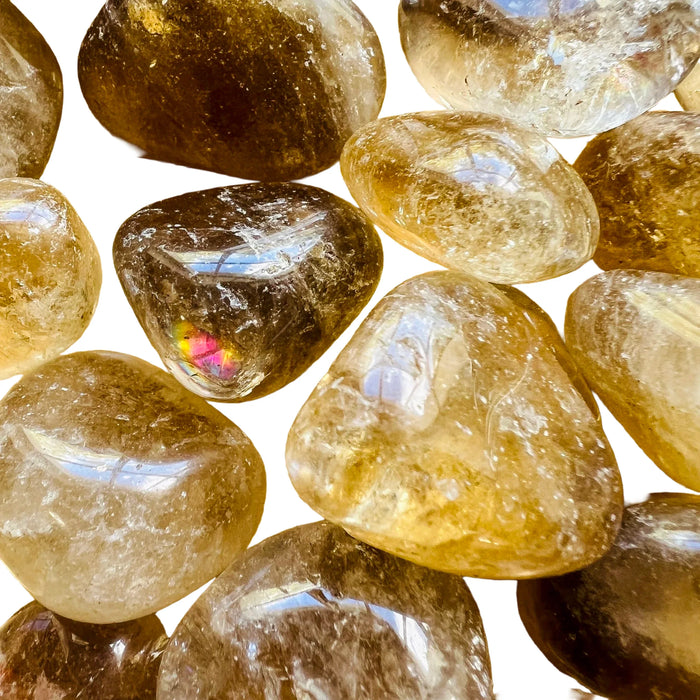
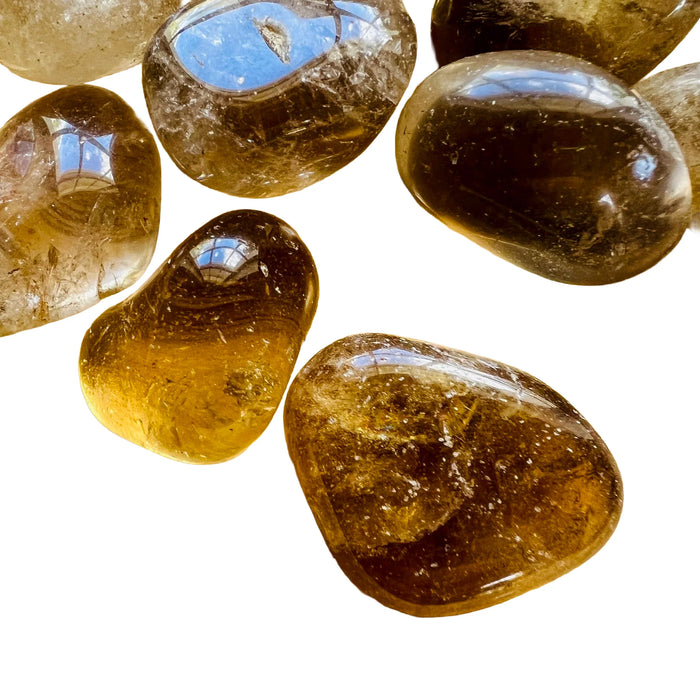
Copal is not something we carry. Citrine is the closest match in color, and every piece passes our sourcing standards: origin named, treatments disclosed.
- from 1,000+ reviews
- Ships within 72 hoursMonday to Friday, tracked
- 90 days to return itif you do not love it
- Free US shipping over $99$8.99 flat rate under
The Slow Note
New stones go to the list first.
No forwarding, no selling. Unsubscribe in one click. Privacy