


 Agatefor stress relief
 Amazonitefor stress relief
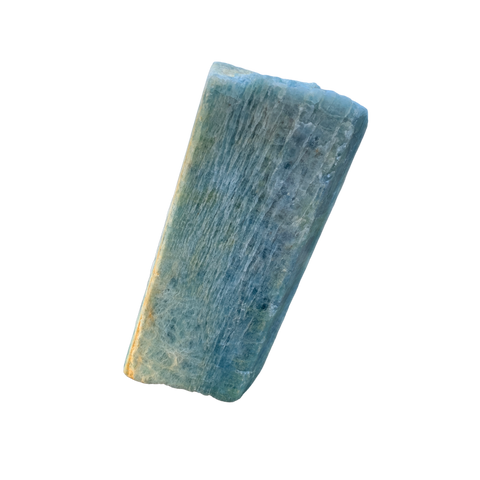
 Aquamarinefor serenity
 Aventurinefor luck
 Bloodstonefor energy
 Blue Kyanitefor confidence
 Blue Lace Agatefor stress relief
 Chrysocollafor emotional healing
 Fluoritefor focus
 Garnetfor energy
 Lepidolitefor stress relief
 Malachitefor emotional healing
 Moonstonefor grounding
 Obsidianfor protection
 Ocean Jasperfor emotional healing
 Red Jasperfor grounding
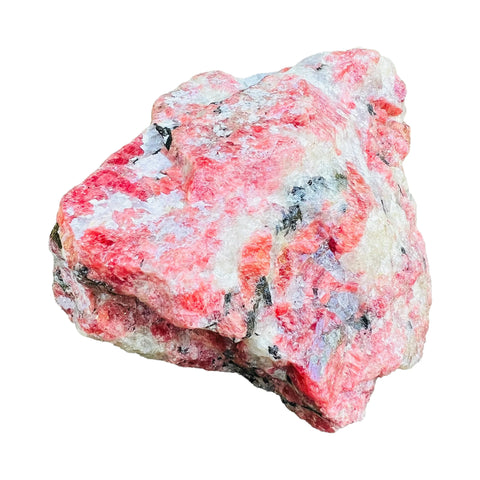
 Rhodonitefor emotional healing
 Selenitefor cleansing
 Sodalitefor focus
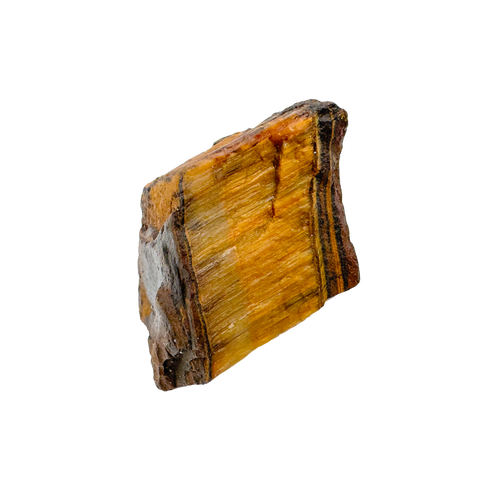
 Tiger Eyefor confidence
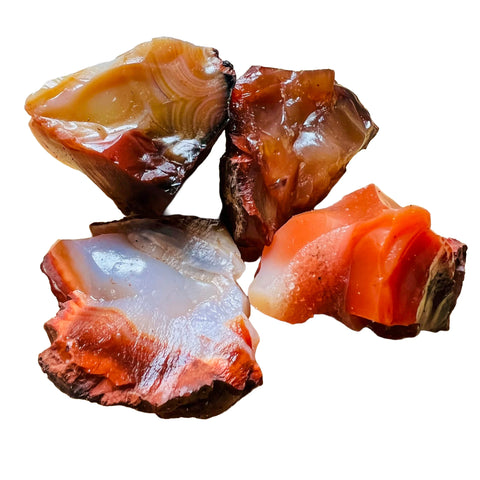
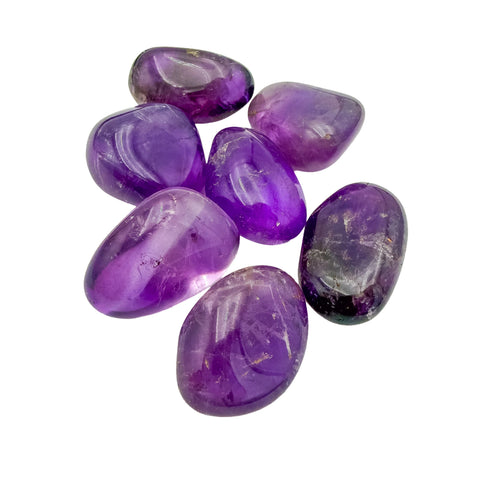

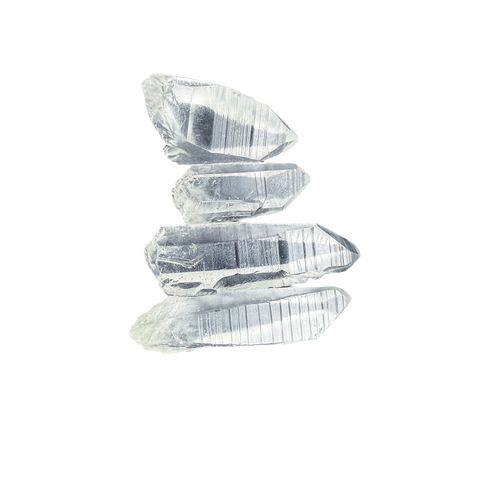
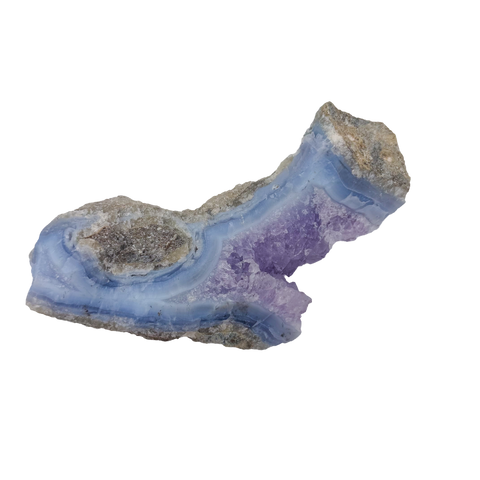

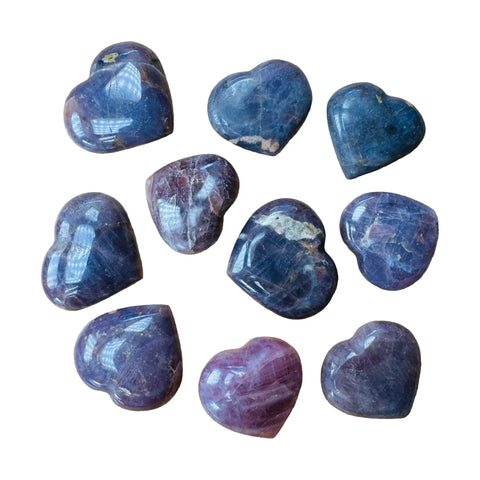
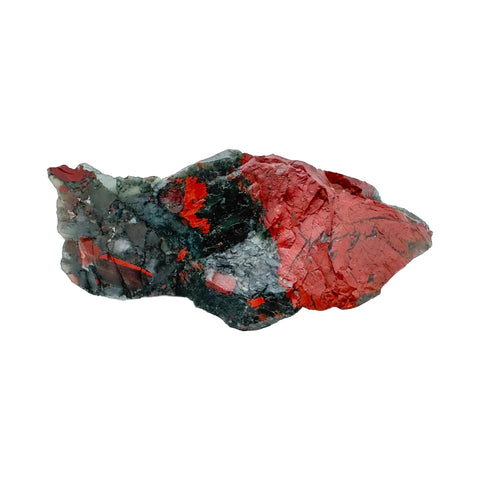
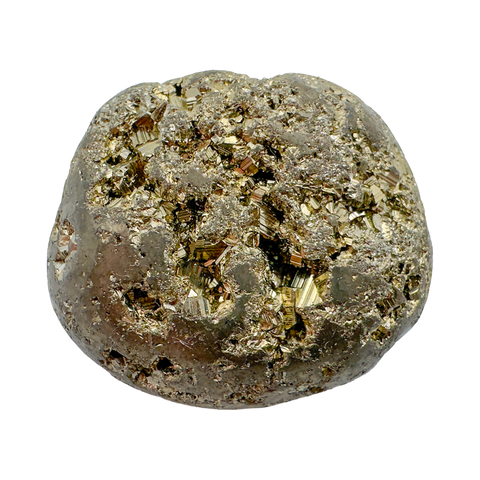
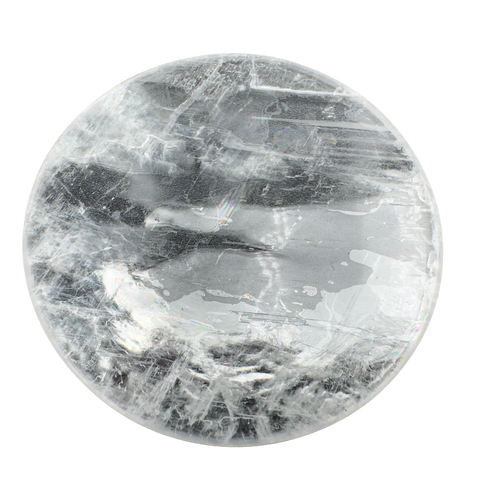


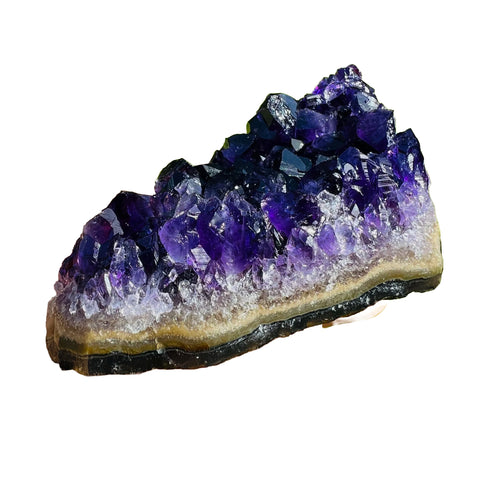





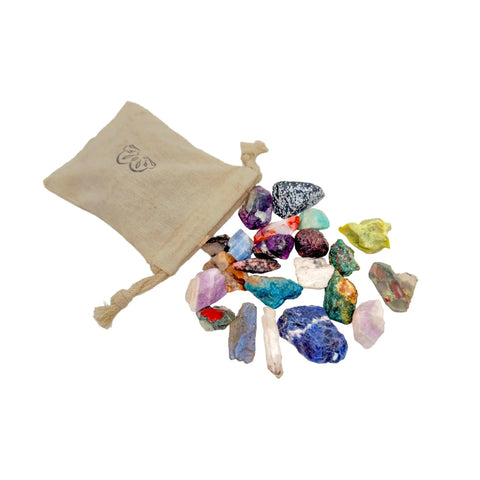
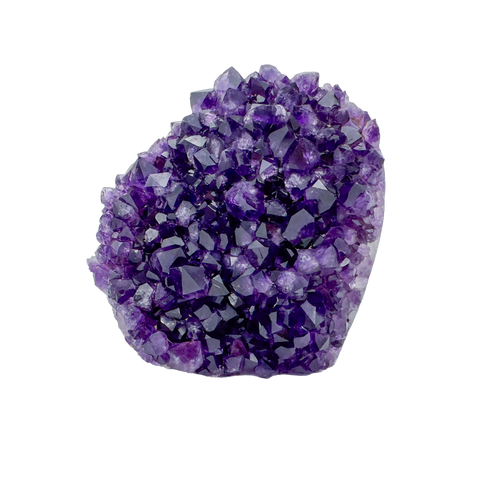
 Amethyst
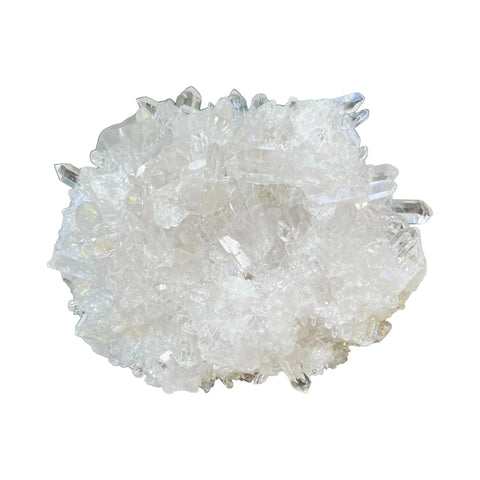
 Clear Quartz
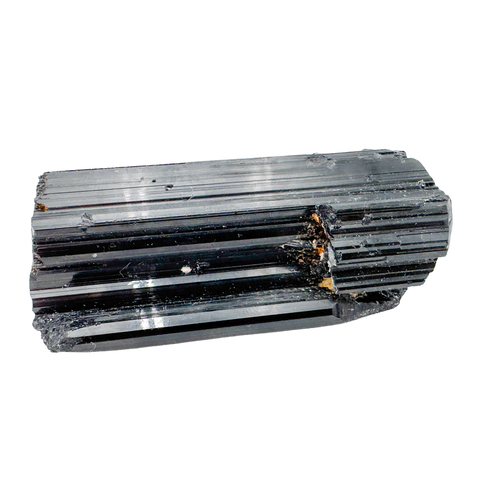
 Black Tourmaline
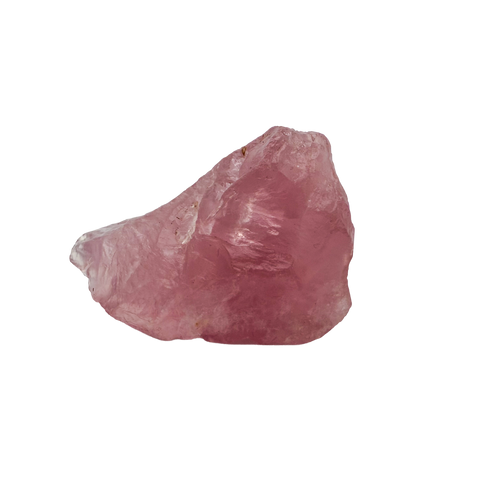
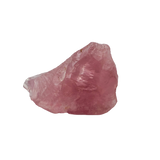 Rose Quartz
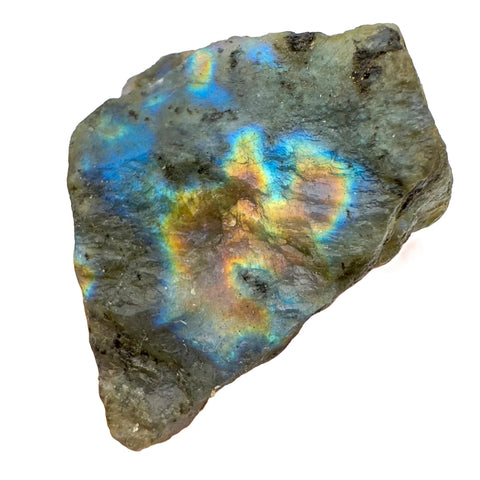
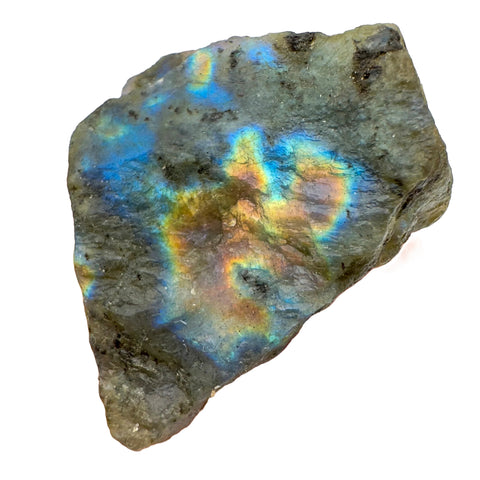
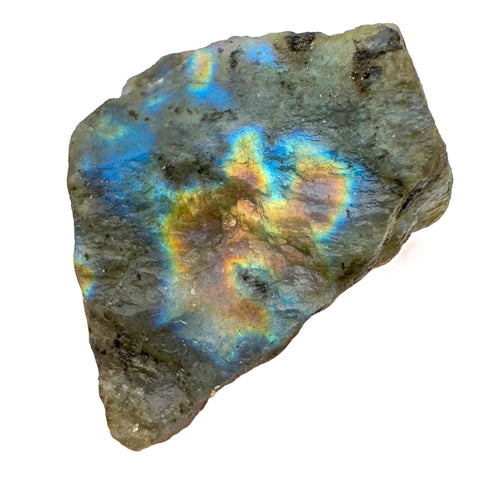
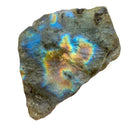 Labradorite
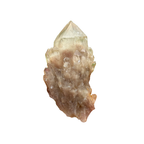 Natural Citrine
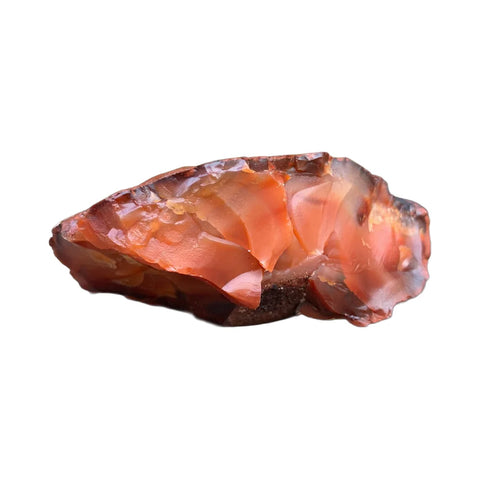
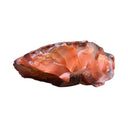 Carnelian
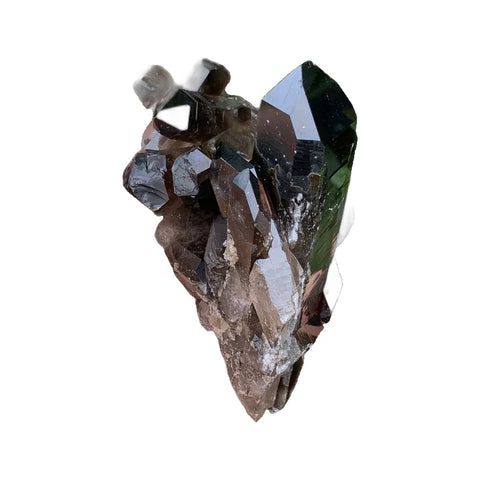
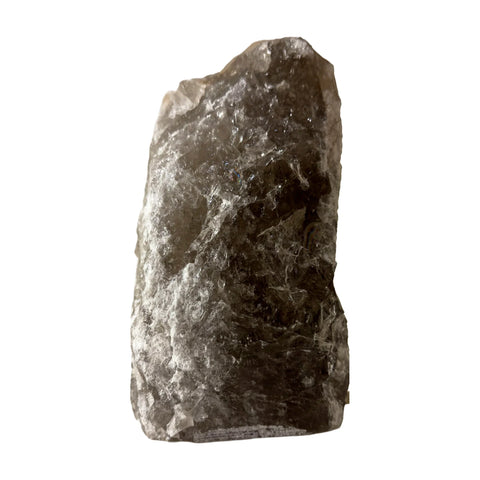
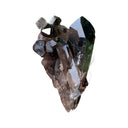 Smoky Quartz
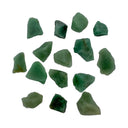 Aventurine
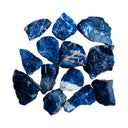 Sodalite
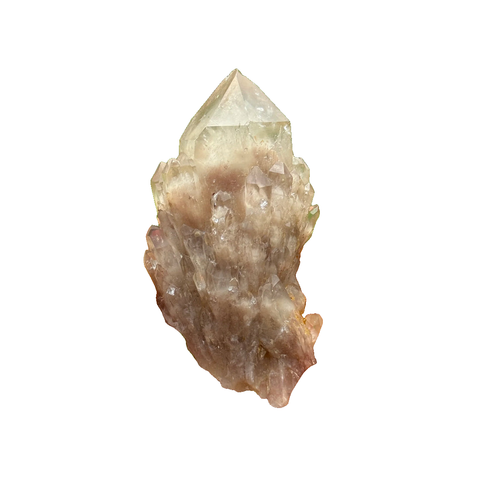
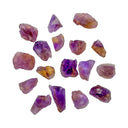 Ametrine
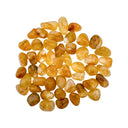 Golden Healer
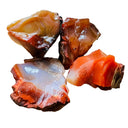 Raw Stones
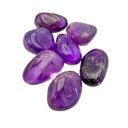 Tumbled Stones
 Palm Stones
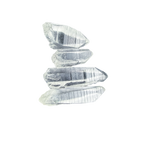 Crystal Points
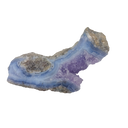 Clusters & Geodes
 Polished & Decor
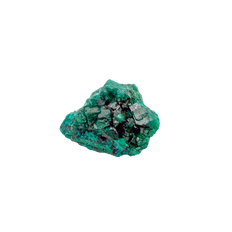 Mineral Specimens
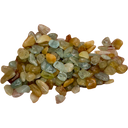 Crystal Chips
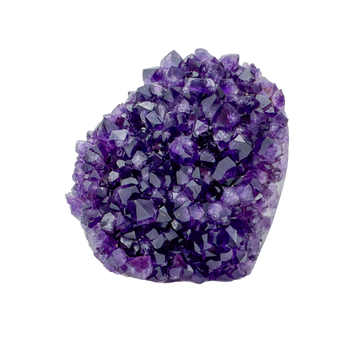
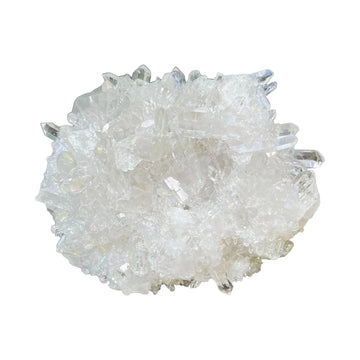
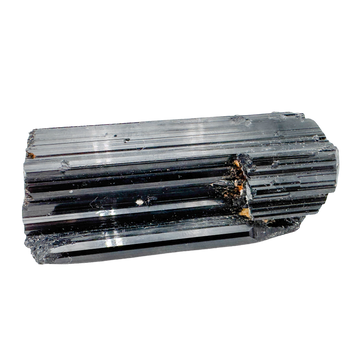
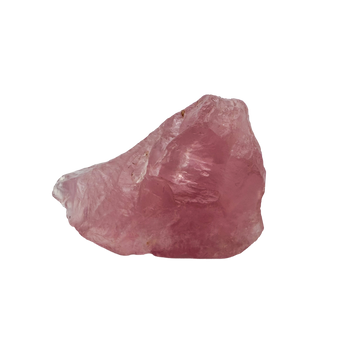
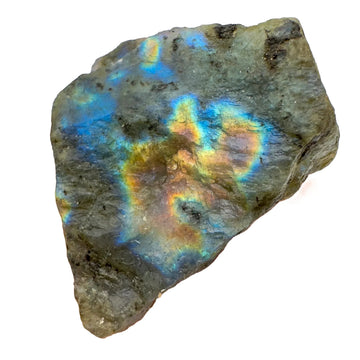
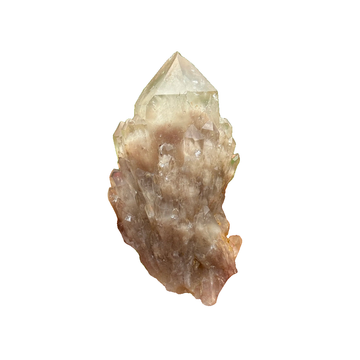
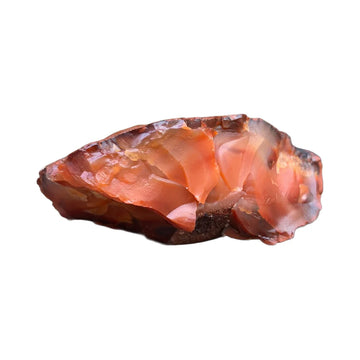
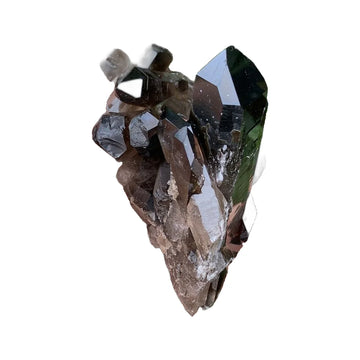
 Raw Stones
179 to choose from
Raw Stones
179 to choose from
 Tumbled Stones
162 to choose from
Tumbled Stones
162 to choose from
 Palm Stones
25 to choose from
Palm Stones
25 to choose from
 Crystal Points
23 to choose from
Crystal Points
23 to choose from
 Clusters & Geodes
101 to choose from
Clusters & Geodes
101 to choose from
 Polished & Decor
148 to choose from
Polished & Decor
148 to choose from
 Mineral Specimens
254 to choose from
Mineral Specimens
254 to choose from
 Crystal Chips
21 to choose from
Crystal Chips
21 to choose from


 AngolaAquamarine
›
AngolaAquamarine
›
 BotswanaCarnelian, Tree Agate
›
BotswanaCarnelian, Tree Agate
›
 DR CongoMalachite, Natural Citrine
›
DR CongoMalachite, Natural Citrine
›
 EswatiniBloodstone
›
EswatiniBloodstone
›
 MadagascarLabradorite, Clear Quartz
›
MadagascarLabradorite, Clear Quartz
›
 MalawiBlue Lace Agate, Garnet
›
MalawiBlue Lace Agate, Garnet
›
 MozambiqueAmazonite
›
MozambiqueAmazonite
›
 NamibiaSodalite, Blue Lace Agate
›
NamibiaSodalite, Blue Lace Agate
›
 Republic of the CongoDioptase
›
Republic of the CongoDioptase
›
 South AfricaTiger Eye, Unakite
›
South AfricaTiger Eye, Unakite
›
 ZambiaChevron Amethyst
›
ZambiaChevron Amethyst
›
 ZimbabweEmerald, Rhodonite
›
ZimbabweEmerald, Rhodonite
›
 ArgentinaBlack Obsidian, Rhodochrosite
›
ArgentinaBlack Obsidian, Rhodochrosite
›
 BoliviaAmetrine
›
BoliviaAmetrine
›
 BrazilAmethyst, Clear Quartz
›
BrazilAmethyst, Clear Quartz
›
 PeruSerpentine, Jade
›
PeruSerpentine, Jade
›
 UruguayAmethyst
›
UruguayAmethyst
›
 Dominican RepublicLarimar
›
Dominican RepublicLarimar
›
 MexicoRainbow Obsidian, Crazy Lace Agate
›
MexicoRainbow Obsidian, Crazy Lace Agate
›
 United StatesSelenite, Peridot
›
United StatesSelenite, Peridot
›
 ChinaFluorite
›
ChinaFluorite
›
 RussiaShungite
›
RussiaShungite
›
 AustraliaMookaite
›
AustraliaMookaite
›
 Where our crystals come from
See where we source →
Where our crystals come from
See where we source →


 Aries
Mar 21 to Apr 19
Carnelian
›
Aries
Mar 21 to Apr 19
Carnelian
›
 Taurus
Apr 20 to May 20
Rose Quartz
›
Taurus
Apr 20 to May 20
Rose Quartz
›
 Gemini
May 21 to Jun 20
Agate
›
Gemini
May 21 to Jun 20
Agate
›
 Cancer
Jun 21 to Jul 22
Moonstone
›
Cancer
Jun 21 to Jul 22
Moonstone
›
 Leo
Jul 23 to Aug 22
Citrine
›
Leo
Jul 23 to Aug 22
Citrine
›
 Virgo
Aug 23 to Sep 22
Amazonite
›
Virgo
Aug 23 to Sep 22
Amazonite
›
 Libra
Sep 23 to Oct 22
Blue Lace Agate
›
Libra
Sep 23 to Oct 22
Blue Lace Agate
›
 Scorpio
Oct 23 to Nov 21
Obsidian
›
Scorpio
Oct 23 to Nov 21
Obsidian
›
 Sagittarius
Nov 22 to Dec 21
Sodalite
›
Sagittarius
Nov 22 to Dec 21
Sodalite
›
 Capricorn
Dec 22 to Jan 19
Black Tourmaline
›
Capricorn
Dec 22 to Jan 19
Black Tourmaline
›
 Aquarius
Jan 20 to Feb 18
Amethyst
›
Aquarius
Jan 20 to Feb 18
Amethyst
›
 Pisces
Feb 19 to Mar 20
Aquamarine
›
Gifting?
A birthday stone is the safe bet.
Read the zodiac guide →
Pisces
Feb 19 to Mar 20
Aquamarine
›
Gifting?
A birthday stone is the safe bet.
Read the zodiac guide →


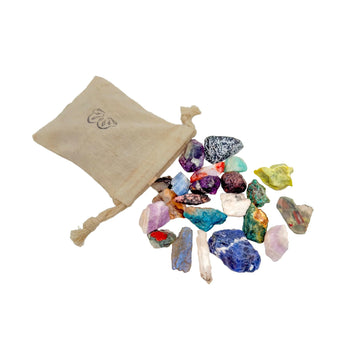
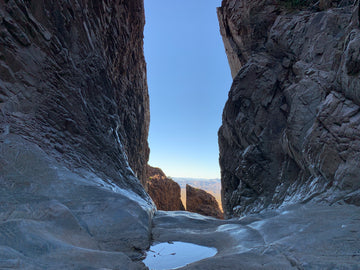
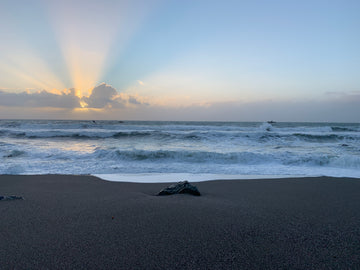
Coprolite
Coprolite is trace fossil (phosphatized/silicified dung), Calcium phosphate or silica replacement. In the hand, it rates 3 to 7 (phosphatic vs silicified) on the Mohs scale, and it runs brown-gray and tan with darker swirls. Novelty-priced; scientifically documented specimens are worth more.
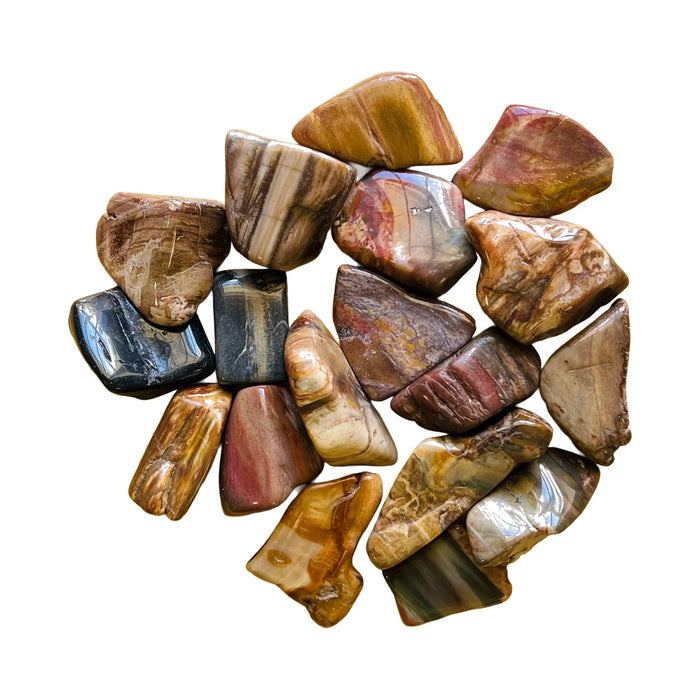
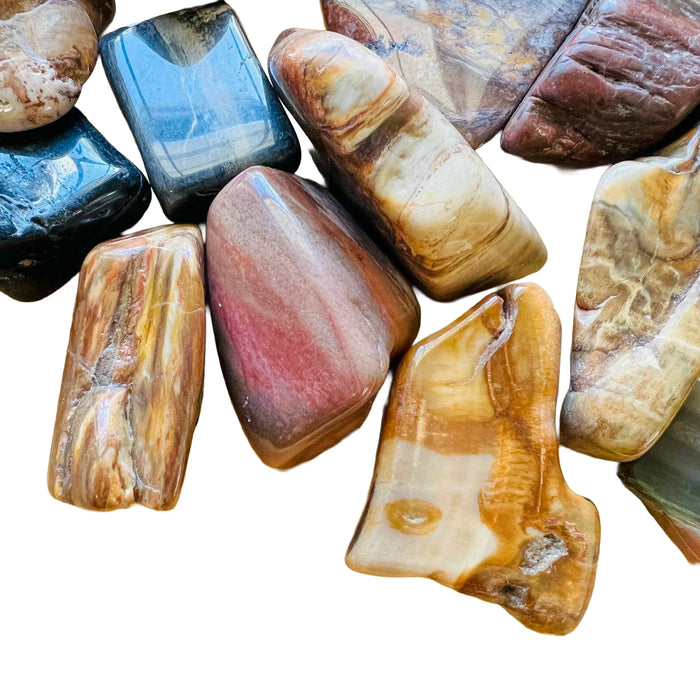
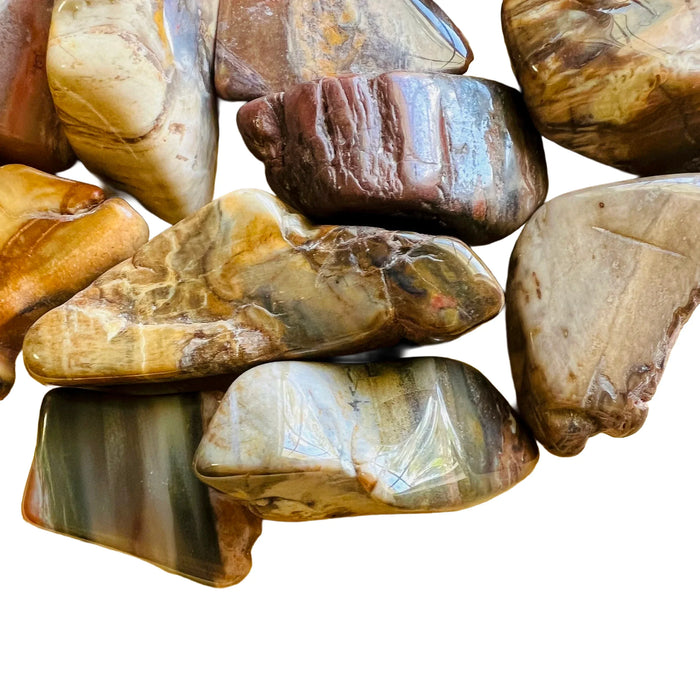
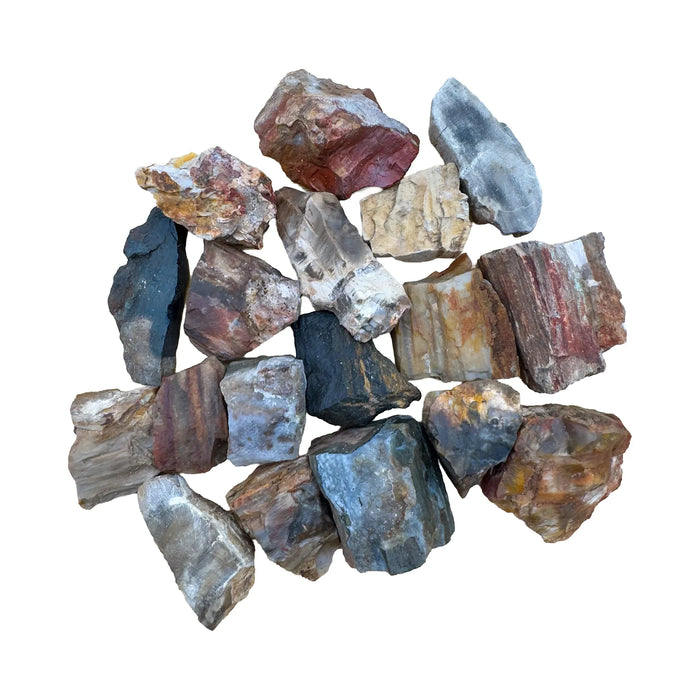
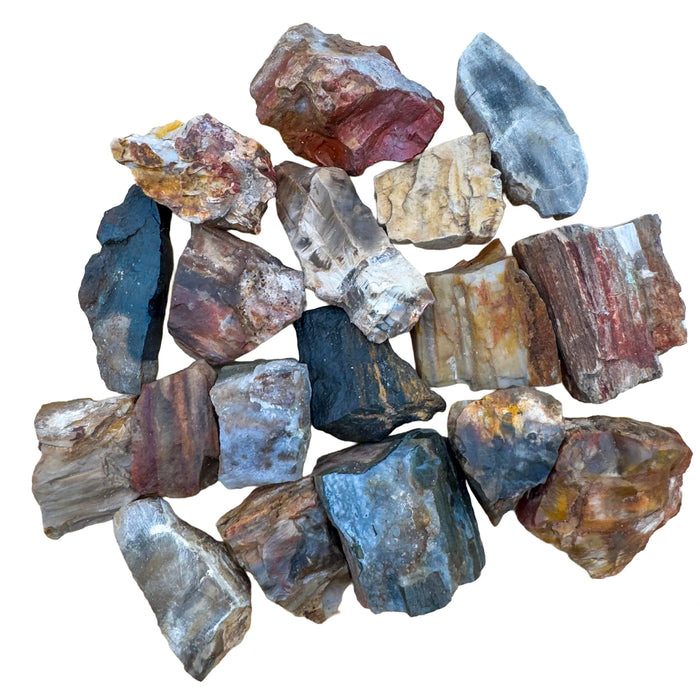
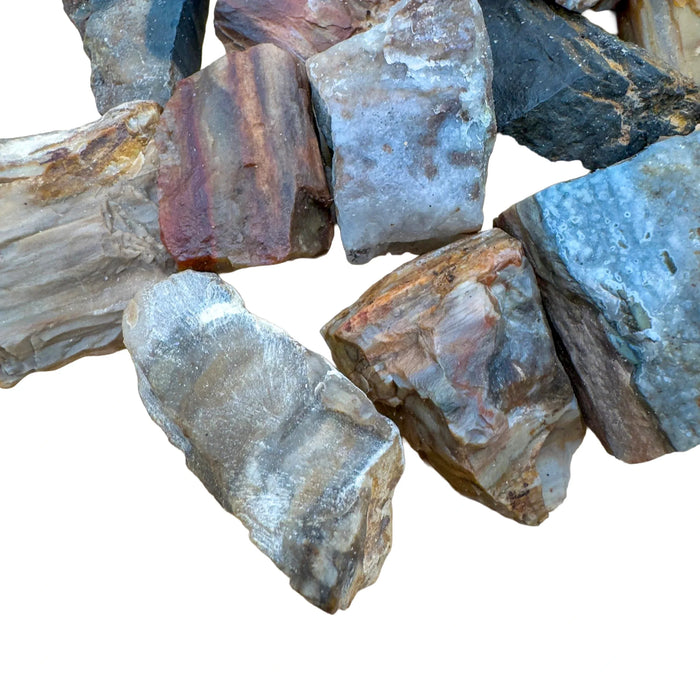
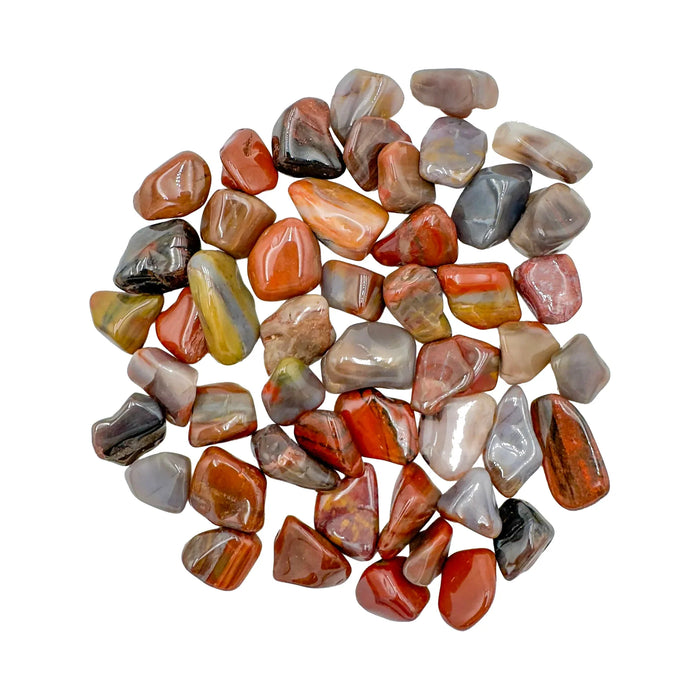
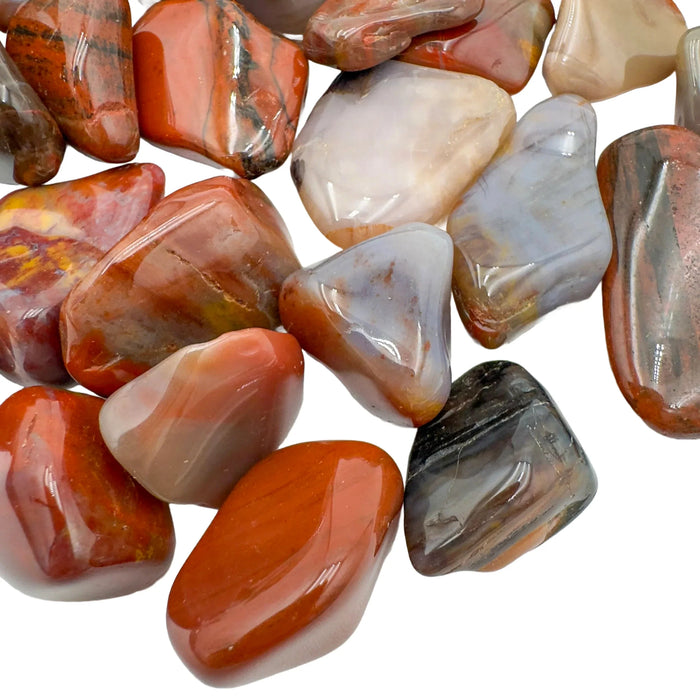
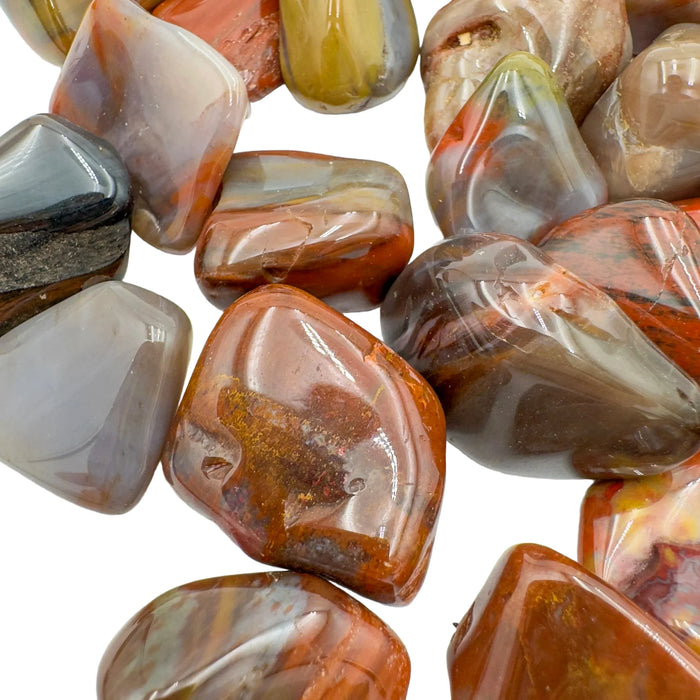
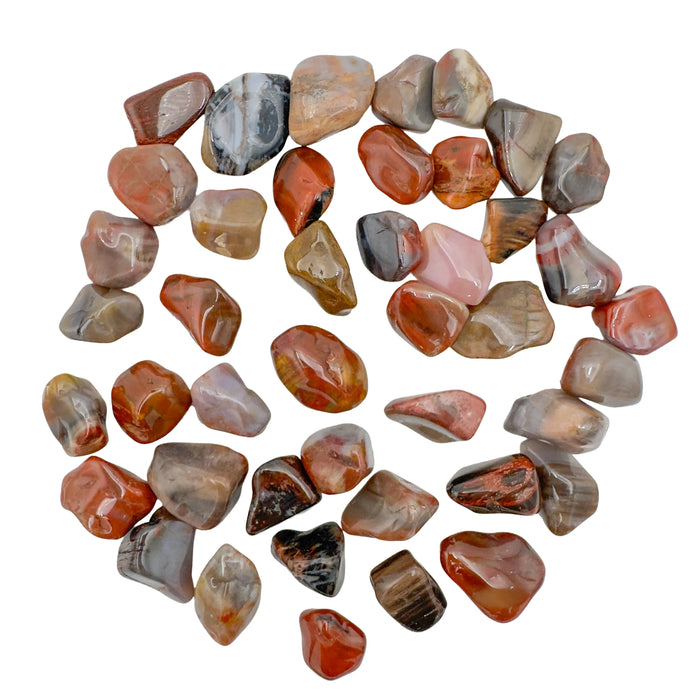
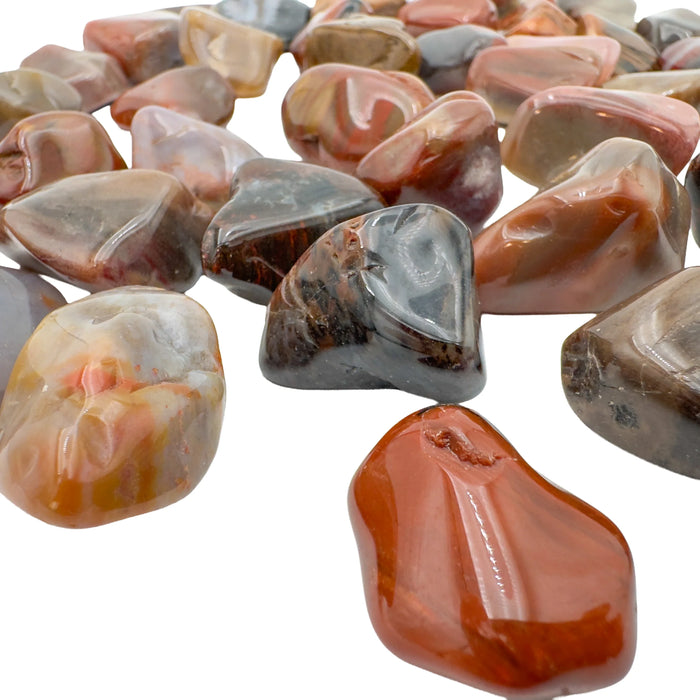
The closest match we carry: Petrified Wood.
Coprolite is not something we carry. Petrified Wood is the closest match in our collection, and every product page names its origin and grade.

- from 1,000+ reviews
- Ships within 72 hoursMonday to Friday, tracked
- 90 days to return itif you do not love it
- Free US shipping over $99$8.99 flat rate under
The geology.
Coprolite carries the formula Calcium phosphate or silica replacement. It belongs to the none (fossil) system. On paper it is trace fossil (phosphatized/silicified dung).
It sits at 3 to 7 (phosphatic vs silicified) on the Mohs scale. The surface reads dull to waxy polished. Light behavior is opaque. Specific gravity runs 2.4 to 3.0. The streak is white to brownish. It breaks with uneven to conchoidal fracture.
A suspiciously sculptural lump with rounded ropy or pinched contours, true coprolites show phosphatic composition, sometimes spiral structure, and may contain visible bone or scale fragments from the meal.
Expect to see it as rounded lumpy masses, spiral forms (shark), polished display halves or novelty gifts.
The origins.
Anywhere animals fossilized, Washington's Miocene beds, Utah's Morrison Formation (much debated), South Carolina phosphate beds (shark coprolites).
On value, the database notes: novelty-priced; scientifically documented specimens are worth more.
Traditional associations.
In energy work traditions, coprolite is offered with a wink as the ultimate transformation stone, proof anything can become beautiful with enough time.
Recorded here because it is part of how this material is sold, not because it is a property of the material.
Spotting the real thing.
A suspiciously sculptural lump with rounded ropy or pinched contours, true coprolites show phosphatic composition, sometimes spiral structure, and may contain visible bone or scale fragments from the meal.
The trade's open secret: most polished rainbow 'dinosaur coprolite' is plain agatized rock with a fun story, genuine identifiable coprolites usually look like, well, what they are.
| Looks like | How to tell them apart |
|---|---|
| Ordinary concretions | Concretions are the great pretender, uniform mineral inside, no phosphate chemistry, no food inclusions |
| Mud pebbles | No internal structure or inclusions at all |
| Agate nodules (Utah 'dino poop') | Much polished 'dinosaur coprolite' is actually just colorful jasper-agate, buyers beware, honest dealers note it |
At-home tests.
None of these need a lab. A 10x loupe, good daylight and a steady hand cover most of what a buyer needs to know about coprolite.
| Test | What you should see |
|---|---|
| Under a loupe | Loupe for fish scales, bone bits, or plant fragments inside |
| By weight | Phosphatic types feel dense; geologists confirm with chemistry |
| By eye | Spiral form suggests shark or primitive fish origin |
If these checks leave you unsure, that is what appraisers are for. Do not file, heat or soak a piece to find out.
Care & handling.
At 3 to 7 (phosphatic vs silicified) on the Mohs scale this is a soft material. Keep it as a display piece, store it apart from harder stones, and skip daily-wear settings.
It breaks with uneven to conchoidal fracture, which is worth knowing before you set it or drop it.
Most damage happens during cleaning, not wearing. Avoid steamers, ultrasonic tanks and anything from under the sink.
A deeper look.
Extended detail on composition, sourcing, authentication and market value.
The physical record
The formula on record is Calcium phosphate or silica replacement. Crystal system: None (fossil). Specific gravity: 2.4 to 3.0. Streak: White to brownish. Cleavage and fracture: Uneven to conchoidal fracture.
How it reaches the market
Anywhere animals fossilized, Washington's Miocene beds, Utah's Morrison Formation (much debated), South Carolina phosphate beds (shark coprolites).
What it gets confused with
Ordinary concretions: Concretions are the great pretender, uniform mineral inside, no phosphate chemistry, no food inclusions. Mud pebbles: No internal structure or inclusions at all. Agate nodules (Utah 'dino poop'): Much polished 'dinosaur coprolite' is actually just colorful jasper-agate, buyers beware, honest dealers note it.
What it is worth
Novelty-priced; scientifically documented specimens are worth more.
Where buyers get caught
The trade's open secret: most polished rainbow 'dinosaur coprolite' is plain agatized rock with a fun story, genuine identifiable coprolites usually look like, well, what they are.
One more thing
The Victorian scientist William Buckland coined 'coprolite' in 1829 after realizing the 'bezoar stones' in Lyme Regis cliffs were ichthyosaur droppings, his student Mary Anning had been finding them inside skeletons all along.
An education-first guide.
There is nothing to buy on this page. Coprolite is not part of our catalog, and the guide is here anyway because somebody searching the name deserves a straight answer.
Explore the Crystal GuideGrounded Connections
New stones go to the list first.
No forwarding, no selling. Unsubscribe in one click. Privacy