











Crystal Hardness and Durability: Which Stones Survive Daily Wear
Hardness is only one of three things that decide whether a stone lasts. Here is what actually scratches, chips, and dissolves, and what holds up.
Two crystals can sit at the same number on the hardness scale and live completely different lives. One rides on a finger for decades. The other clouds, chips, or dissolves. The difference comes down to three properties most labels never mention.

Hardness measures scratch resistance, and the practical line for daily wear sits near Mohs 7, because household dust carries quartz. Durability also depends on toughness, the resistance to breaking, and cleavage, the planes a crystal splits along. Quartz, Topaz, Sapphire, and tough Jade handle daily wear. Selenite, Fluorite, Calcite, and Opal are shelf stones.
Hardness Is Only One of Three Things
Most crystal care advice stops at one number, the Mohs hardness. It is useful, but on its own it explains only part of why a stone survives or fails. Three separate properties decide how a crystal holds up, and they do not always agree with each other.
Hardness is resistance to scratching. Toughness is resistance to breaking or chipping from a knock. Cleavage is the tendency to split cleanly along built-in planes of weakness. A stone can score well on one and poorly on another, which is how a very hard gem still chips, and a fairly soft one still lasts for generations.
Resistance to scratching, measured on the Mohs scale from 1 (Talc) to 10 (Diamond). It predicts how a stone handles dust and daily contact.
Resistance to breaking, chipping, or cracking from impact. A separate property from hardness. Jade is the classic example, tough far beyond its hardness.
Planes of weakness where a crystal splits cleanly. A stone can be hard and still cleave, which is why even Diamond can chip on the wrong blow.
What Hardness Actually Measures
The Mohs scale ranks minerals one through ten by which can scratch which. Talc sits at 1, Diamond at 10, and quartz lands right in the middle at 7. The scale is not evenly spaced, so the jump from 9 to 10 is far larger than from 2 to 3, but the order is what matters in daily life.
Seven is the number to remember. Ordinary household dust contains fine quartz particles, which sit at about 7. Any stone softer than that will slowly scratch and dull just from settling dust and routine wiping, with the polish and facets eroding over years. At or above 7, a stone shrugs off that everyday abrasion. This is why 7 is the working line for jewelry you wear without thinking about it.

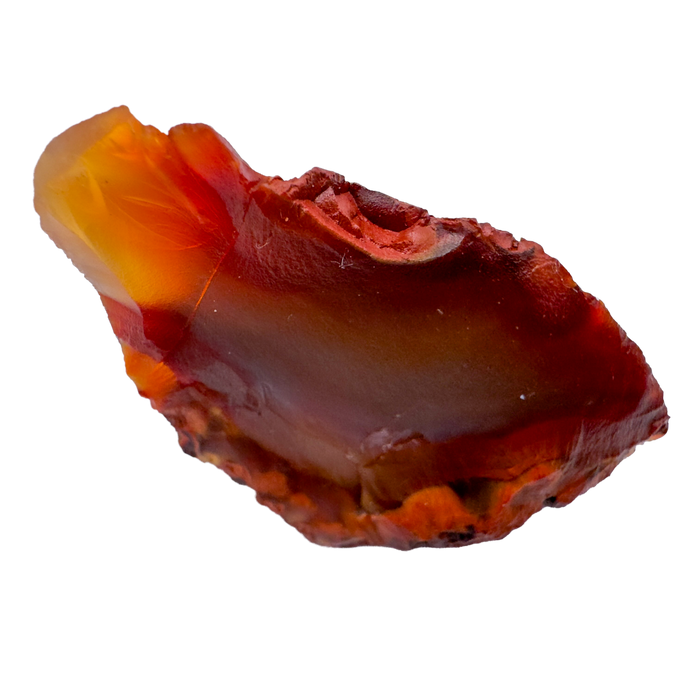
The mineral kingdom spans the whole scale, from soft Amber and Opal to Topaz, Corundum, and Ruby near the top.
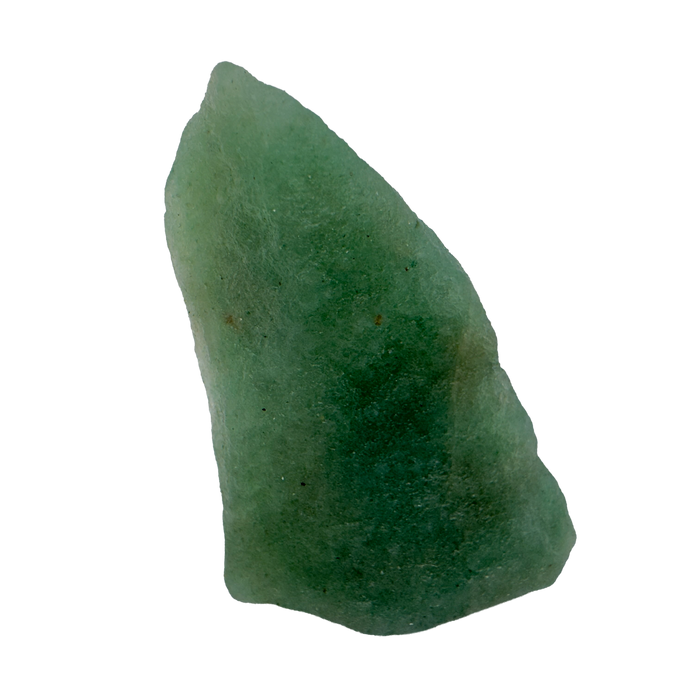
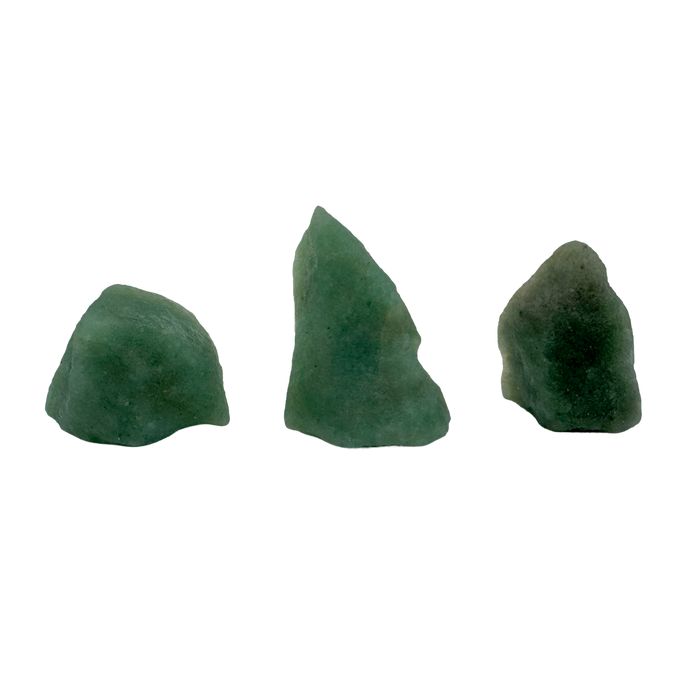
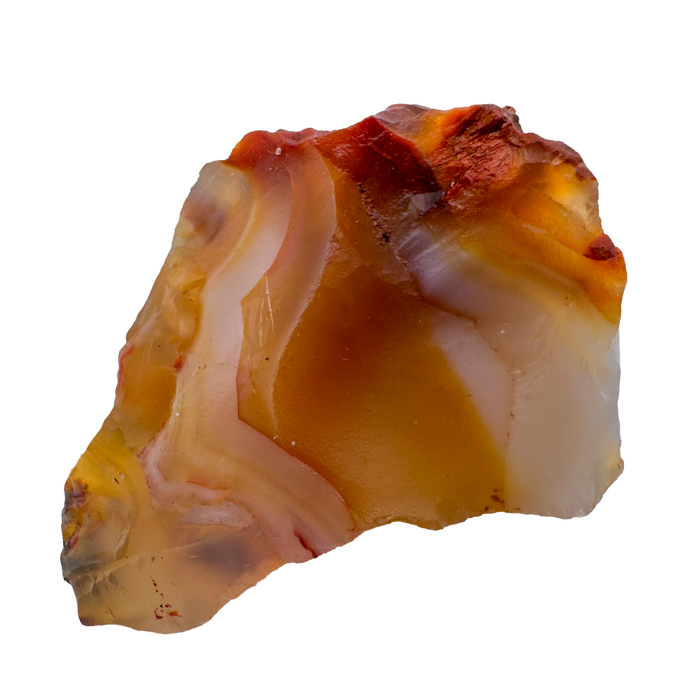
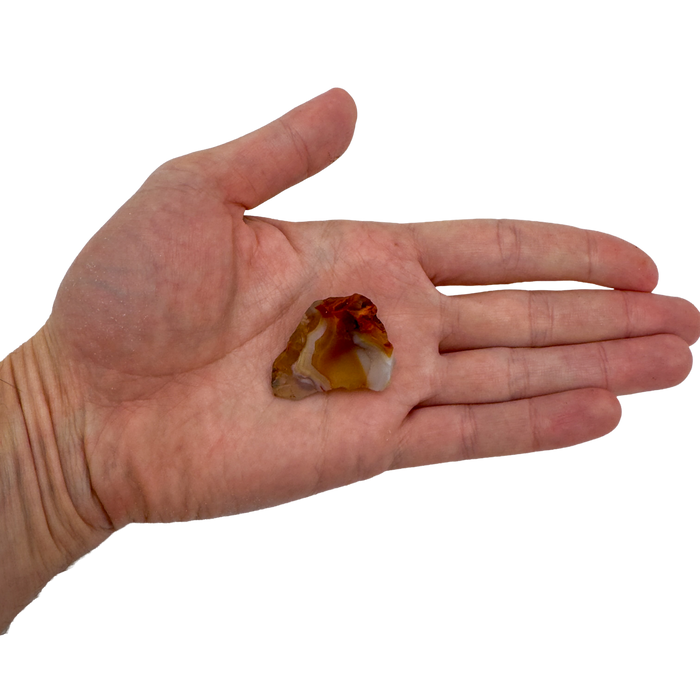
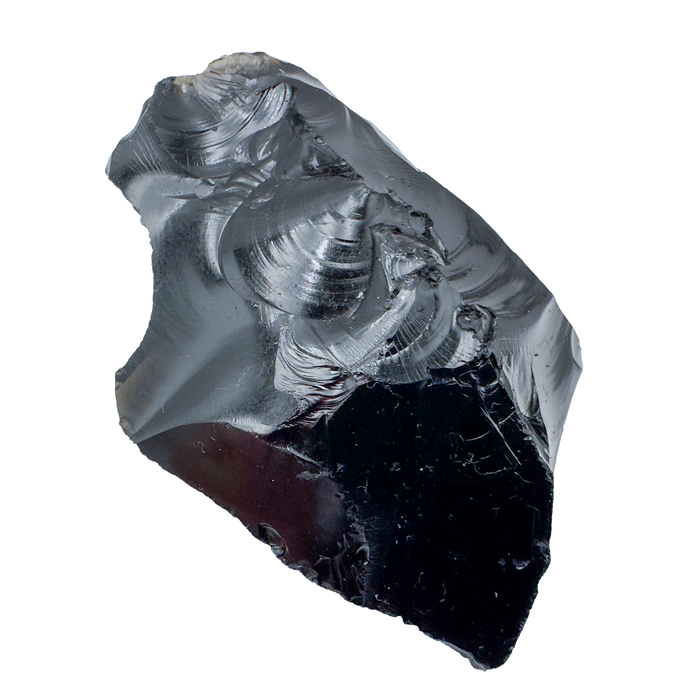
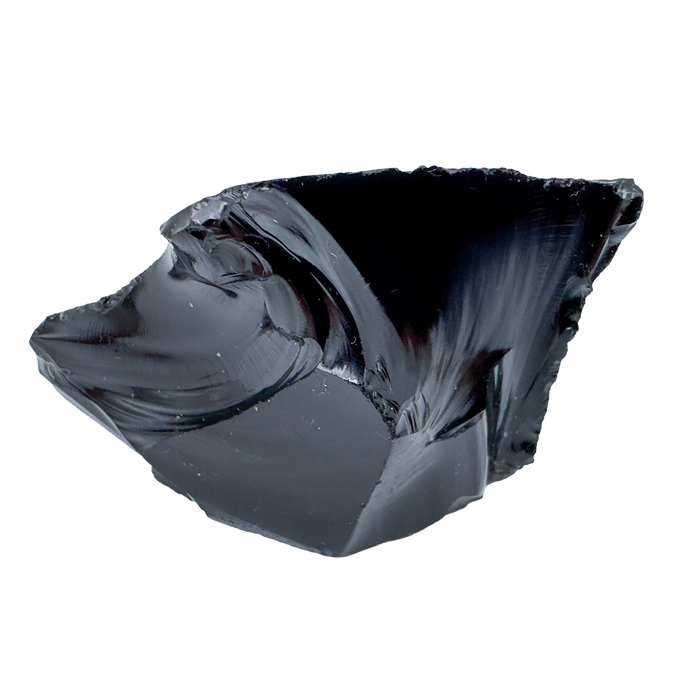
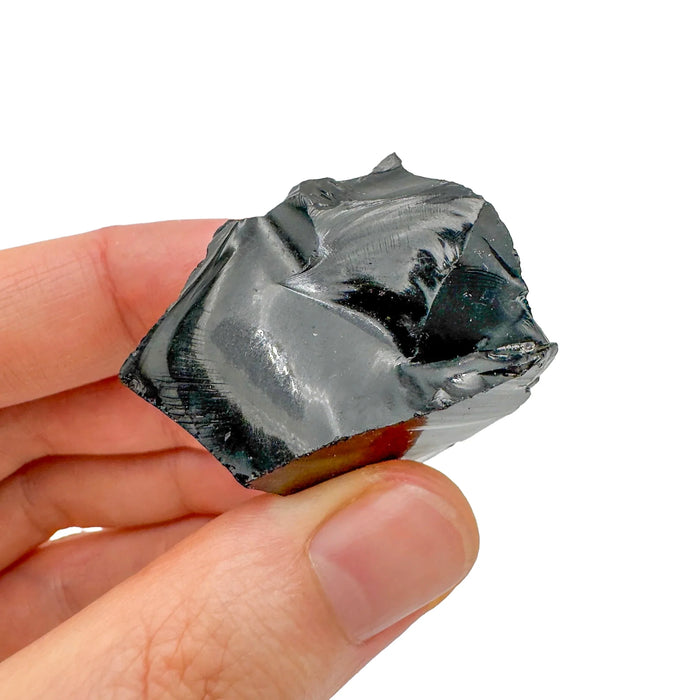
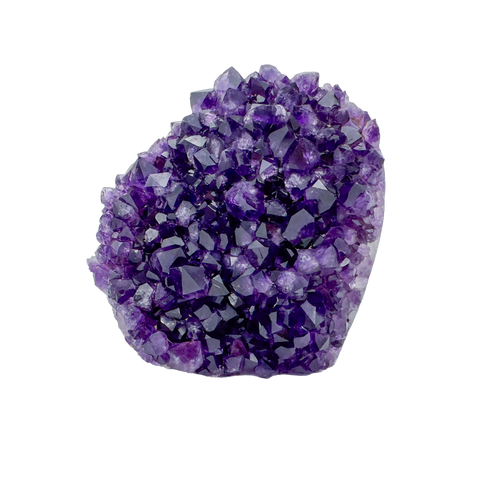
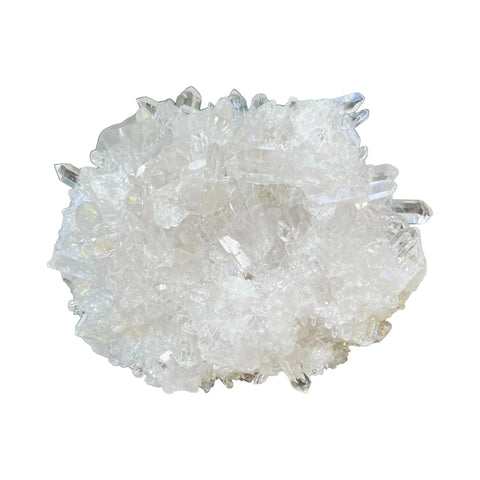
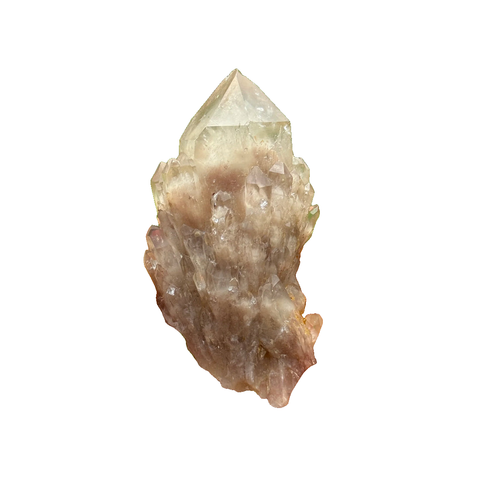
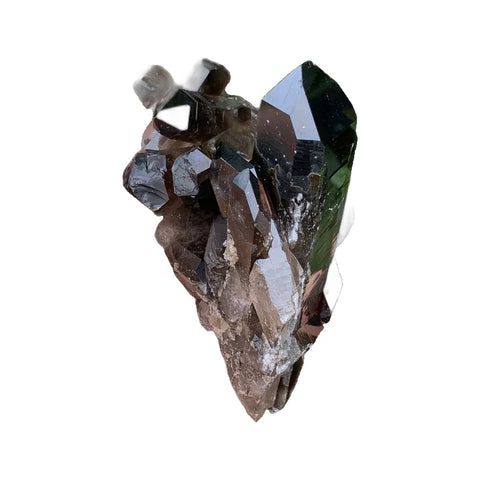
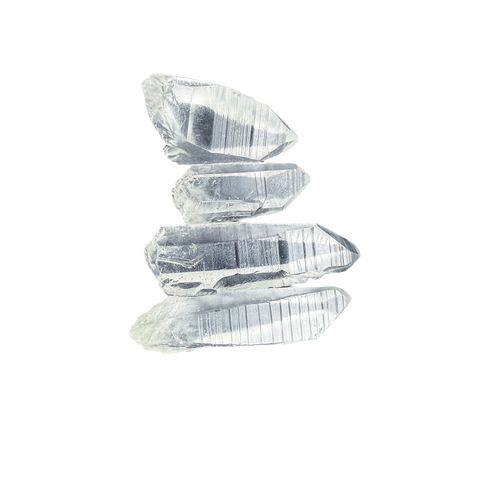
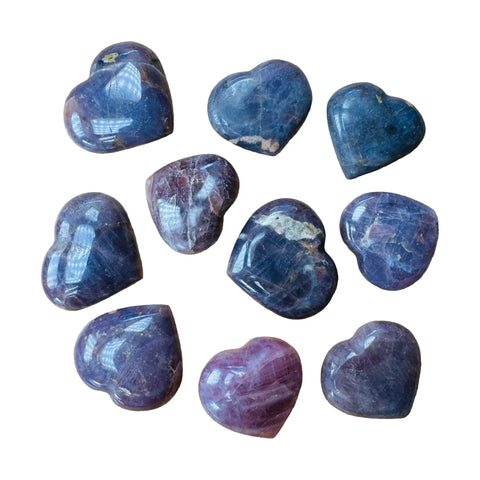
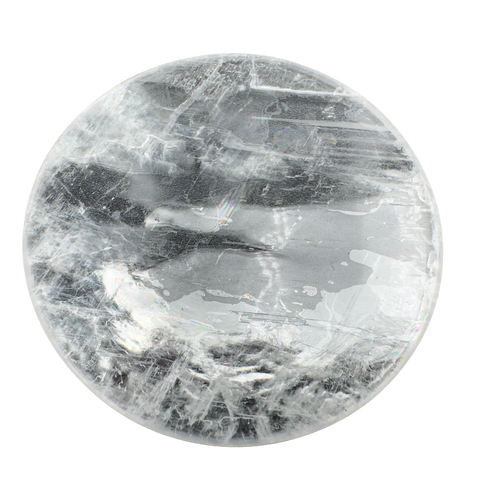
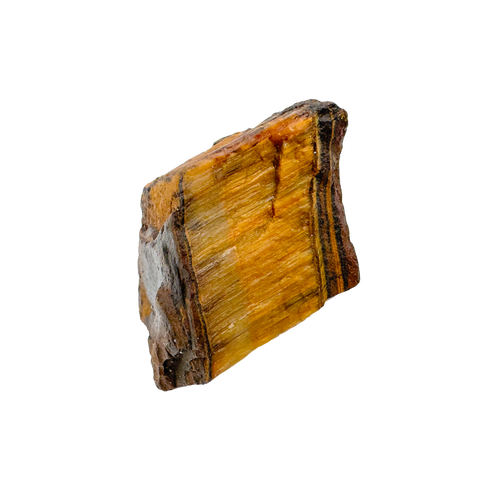
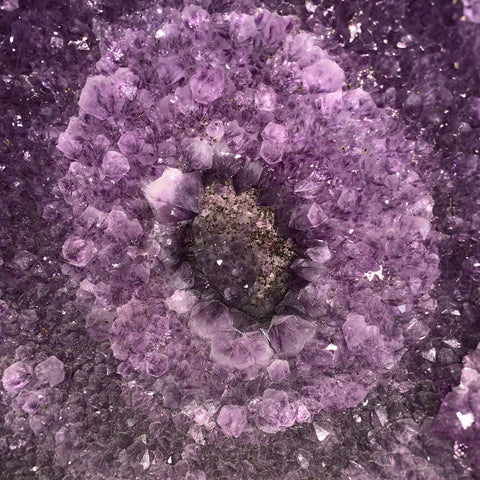
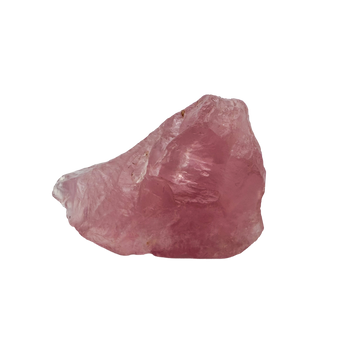
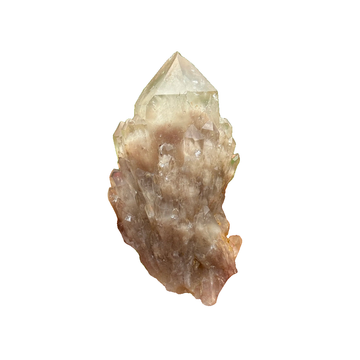
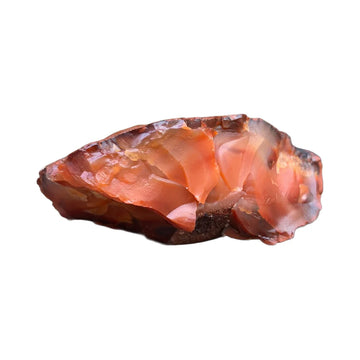
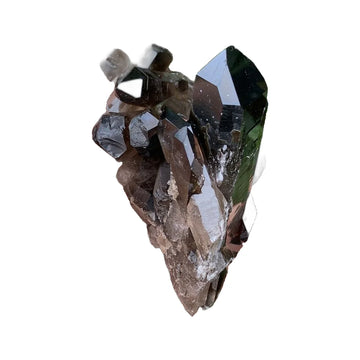
Mohs hardness of quartz, the mineral in household dust and the practical line for daily wear
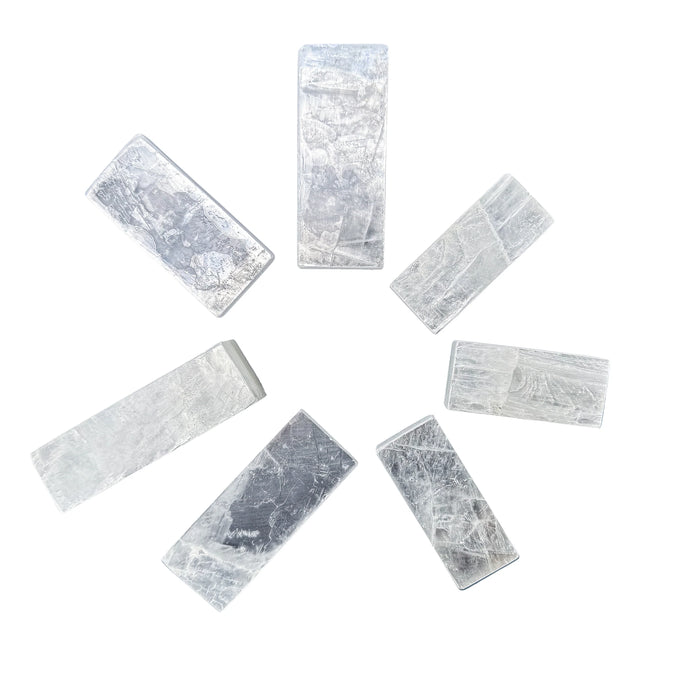
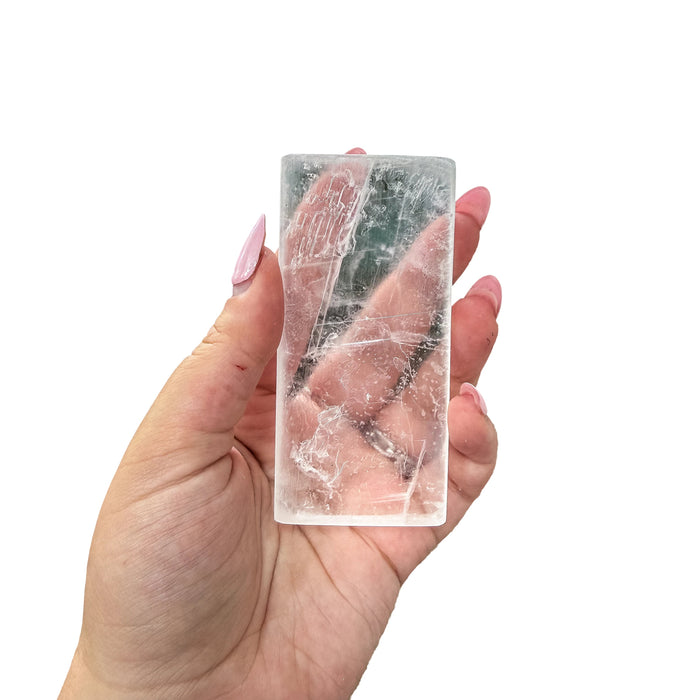
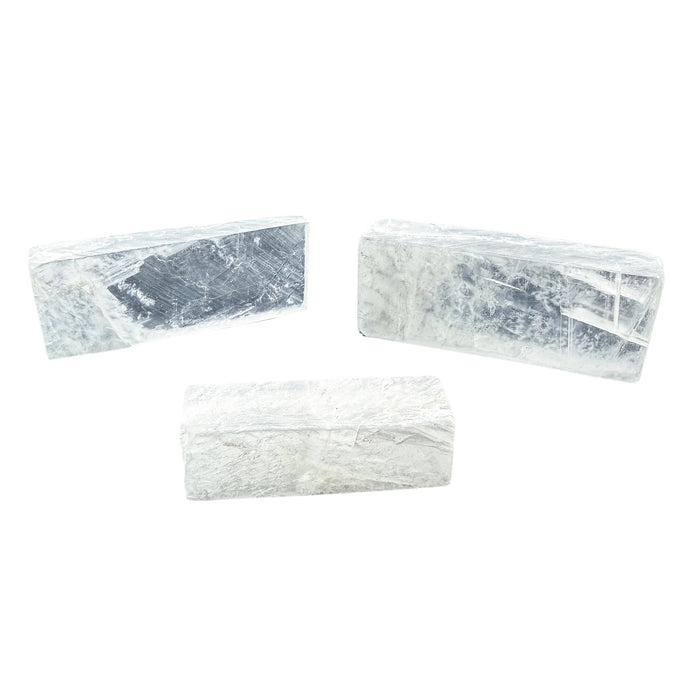
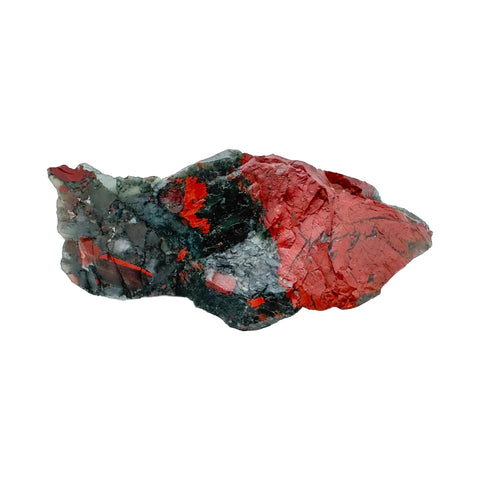
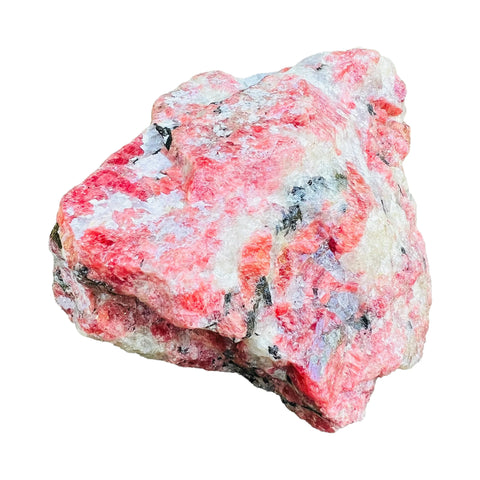
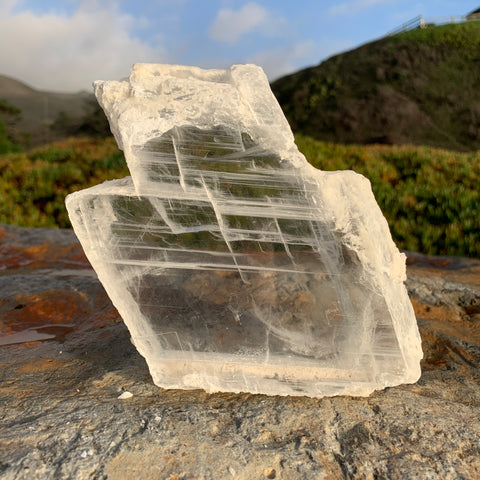
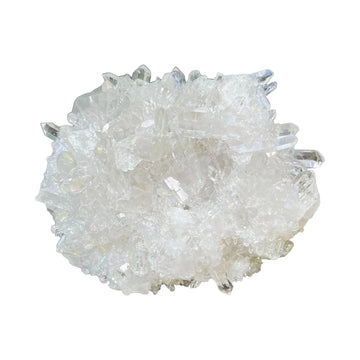
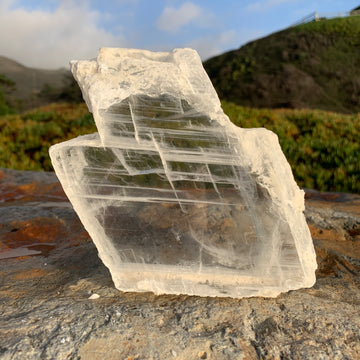
Mohs hardness of Selenite, soft enough to mark with a fingernail
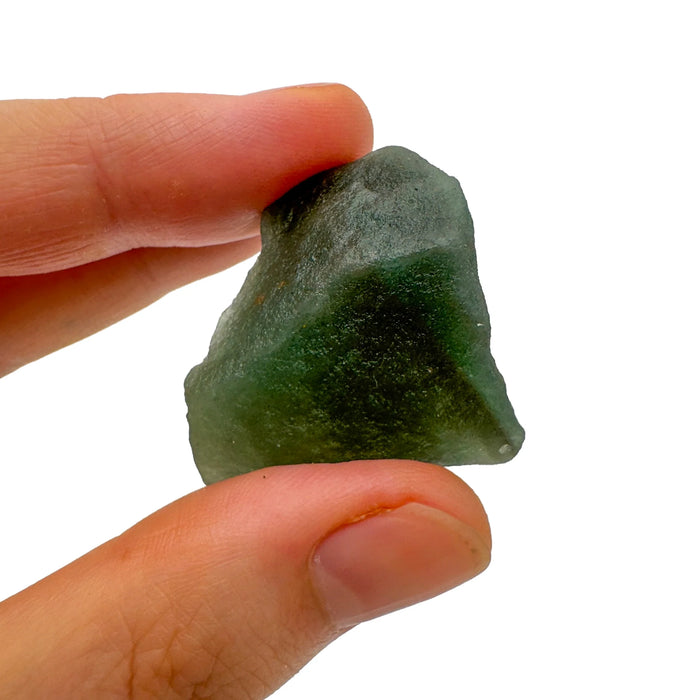
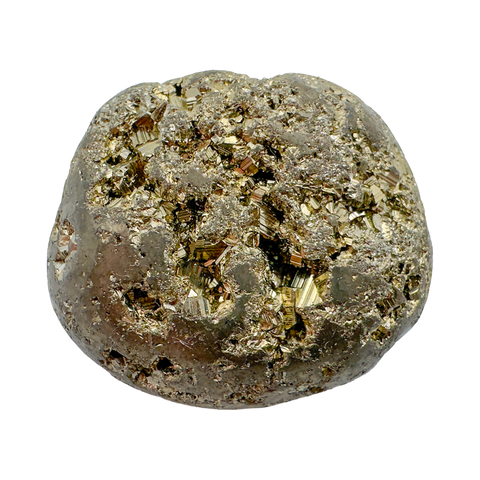
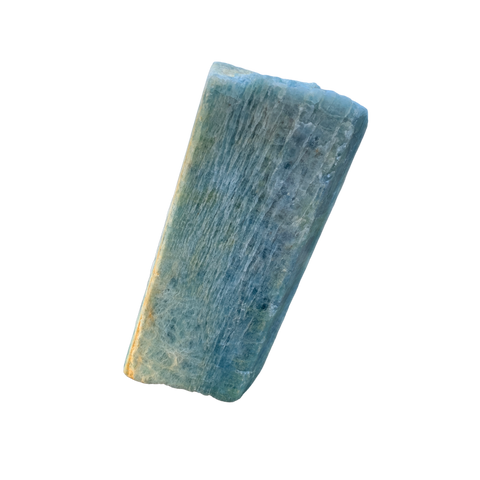
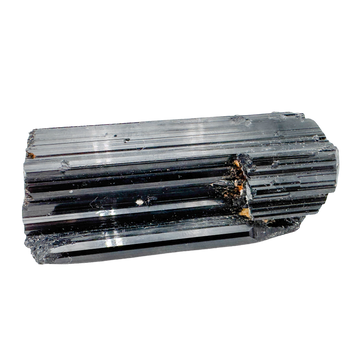
Mohs hardness of Jade, yet tough enough to outlast far harder stones
Mohs values from standard mineralogy. Wearability also depends on toughness and cleavage, not hardness alone.
Tough Is Not the Same as Hard

Jade rates only about 6 to 7, yet its interlocking fibers make it the toughest common stone of all.
Here is where the single number misleads people. Jade is not especially hard, around 6 to 7, but its fibrous, tightly woven structure makes it extraordinarily tough. It resists breaking far better than harder, more brittle stones, which is why it has been carved and worn for thousands of years.
Diamond shows the opposite trap. It is the hardest material at 10, yet it has cleavage planes, so a sharp knock at the wrong angle can chip it. Opal makes the point a third way. It is soft at 5 to 6.5, holds water in its structure, and can craze into fine surface cracks if it dries out or overheats. Hardness, toughness, and durability are three different questions.
A stone does not need to be the hardest to last. Jade is proof, softer than quartz yet tough enough to outlive stones that scratch it.
What Scratches, What Cleaves, What Dissolves
Crystals do not all fail the same way. Knowing how a given stone is likely to give out tells you how to treat it, and whether it belongs on a hand or on a shelf. There are six common ways a stone takes damage.
Anything under Mohs 7 slowly dulls, because airborne dust carries quartz. Polish and facets soften over the years.
Fluorite, Topaz, and Tanzanite have easy cleavage. One sharp knock on the plane can split or chip them, regardless of hardness.
Selenite, a soft gypsum, and Halite, which is rock salt, are water soluble. A soak clouds them and, given time, melts them away.
Opal holds water inside its structure. Heat and dry air can craze it into a web of fine surface cracks that does not reverse.
Iron-rich Pyrite and Hematite oxidize in water and damp air, leaving rust and, with Pyrite, an acidic residue.
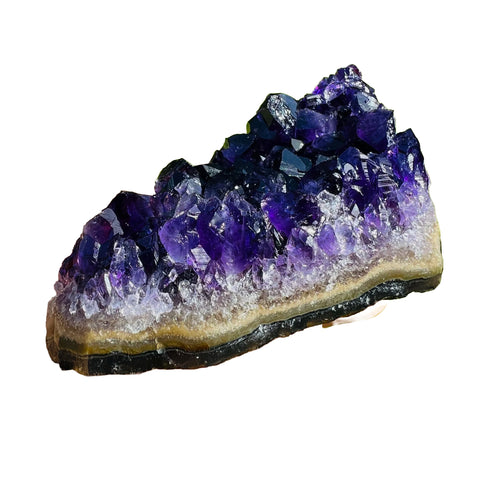
Amethyst, Citrine, and Kunzite can fade with long, direct sun. Durability is not only about breaking, but about color too.
Built for Daily Wear, or Better on a Shelf
Put hardness, toughness, and cleavage together and most stones sort into three groups. Each card gathers one group, so on a phone you read straight down instead of across a wide table.
Built for Everyday Wear
Hard and tough enough for rings
Wear With Care
Better in earrings and pendants
Shelf and Display
Keep them off your hands
This is why a jeweler reaches for Sapphire, Ruby, or a quartz like Amethyst when a stone needs to live on a hand. At Mohs 9, Sapphire and Ruby resist nearly everything short of Diamond, and they have no troublesome cleavage. They are the workhorses of stones meant to be worn hard.
It also explains why a stunning Fluorite or Selenite specimen is happiest on a shelf. There is no shame in a display stone. It simply tells you where the piece belongs, so you enjoy it for years instead of watching it dull.

Sapphire sits at Mohs 9 with no easy cleavage, which is why it has long been a stone made for rings.
How to Protect the Softer Stones
A soft stone is not a problem to solve, just a stone to handle with a little more thought. Four habits keep a mixed collection in good shape, whatever the hardness.
Keep anything under Mohs 7 away from your harder stones. A loose drawer lets a Quartz point scratch a Selenite wand in seconds.
Store soft or cleavage-prone pieces in their own pouch or a lined compartment, not jumbled together where they knock and rub.
Keep soluble and iron-rich stones dry, and keep fade-prone stones like Amethyst out of long, direct sunlight.
For jewelry, put softer stones in protected bezels and pendants, and save rings for the hard, tough stones that can take the contact.
We would rather tell you a stone is a shelf piece than sell it as something it is not. Knowing a crystal's hardness, toughness, and cleavage is part of buying honestly, the same care we put into sourcing. For the deeper, stone-by-stone care notes, see our Crystal Durability Guide.
Related Guides
What a 2.5 versus a 7 really means, and how to read the scale before you buy.
Read the guideOur stone-by-stone companion on caring for crystals by their hardness and habits.
Read the guideWhat actually damages stones in storage, and how to keep soft ones from scratching.
Read the guideThe full list of stones that dissolve, rust, or hold up when they get wet.
Read the guideAgate, jasper, amethyst, and the hard, wearable stones at the durable end of this guide.
Meet the familyEvery Beyond Bohemian guide to sourcing, value, and care, in one place.
Browse the LibraryCrystal Hardness and Durability FAQ
Which crystals are durable enough for jewelry?
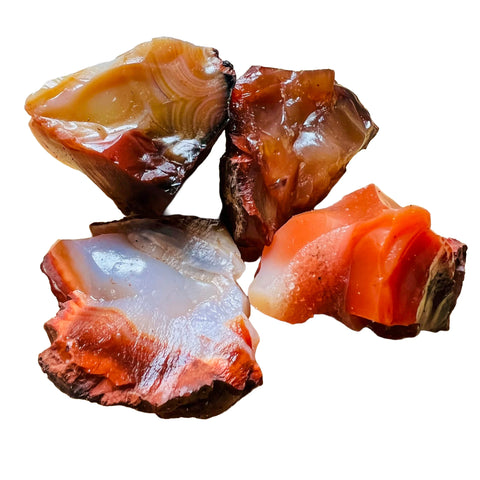
For rings and daily pieces, choose stones at Mohs 7 or above: the Quartz family (Amethyst, Citrine, Agate), Topaz at 8, Sapphire and Ruby at 9, and Diamond at 10. Jade also qualifies on its exceptional toughness. Softer or heavily included stones like Opal, Turquoise, and Emerald last longer in protected settings such as pendants and earrings.
What is the hardest common crystal?
Among everyday crystals, Quartz at Mohs 7 is the benchmark, hard enough to resist common dust. Harder gems exist, including Topaz at 8, Sapphire and Ruby at 9, and Diamond at 10, but quartz is the practical line that separates stones you can wear without worry from those that scratch.
Is hardness the same as durability?
No. Hardness is only resistance to scratching. Durability also needs toughness, the resistance to breaking from a knock, and it depends on cleavage, the planes a crystal splits along. A very hard stone with strong cleavage, like Topaz, can still chip, while a softer but tough stone like Jade endures.
Why is Jade so durable if it is not very hard?
Jade rates only about 6 to 7, but its interlocking fibrous structure makes it extraordinarily tough. It resists breaking and chipping far better than harder, more brittle stones, which is why it has been carved and worn for thousands of years. It is the clearest proof that hardness alone does not equal durability.
What crystals scratch easily?
Anything under Mohs 7, including Selenite at 2, Calcite at 3, Fluorite at 4, and Apatite at 5, plus Malachite and Lapis Lazuli. Below 7, ordinary household dust, which contains quartz, will gradually scratch and dull the surface, so these stones are better displayed than worn.
Is Fluorite fragile?
Yes. Fluorite is soft at about Mohs 4 and has perfect octahedral cleavage, so it chips, scratches, and loses its polish easily. It is a beautiful display stone and a favorite of collectors, but a poor choice for rings or anything handled often.
Can I wear Amethyst or Rose Quartz every day?
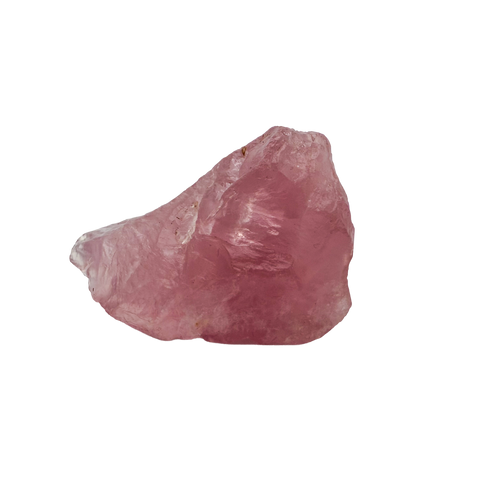
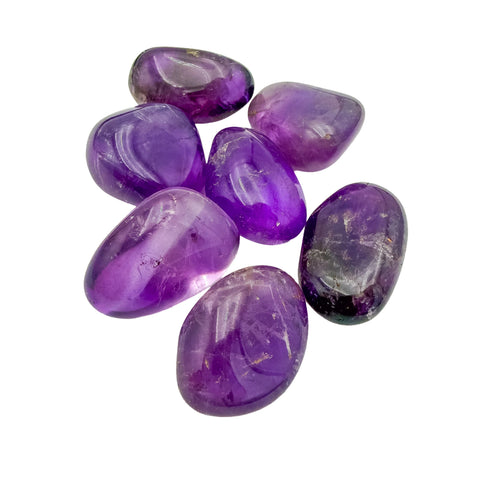
Yes. Both are quartz at about Mohs 7, hard enough for daily wear. The main caution is light rather than contact, since long stretches of direct sun can slowly fade Amethyst's purple. Keep worn pieces out of constant sunlight and they will hold up for years.
Can Selenite get wet?
Better not. Selenite is a soft gypsum at Mohs 2 that is water soluble, so a soak turns the surface chalky and, with enough exposure, the piece crumbles. Clean it with a dry, soft cloth instead. Our guide on which crystals can go in water covers the soluble stones in full.