























































Are Crystal Kits and Sets Worth It, or Just Filler?
A clear way to tell a thoughtfully built set from a bag of cheap, dyed padding.
Crystal kits promise an easy start. Seven stones, a pouch, a little card, one click. Some are honest value. Others are common rock and dyed glass at a curated markup. Here is how to tell the two apart before you spend.

A crystal set earns its price when every stone is named, natural, and a size you would have bought on its own, and the cost reflects real curation. It turns into filler when the stones are vague, dyed, or glass. Judge the named contents and the sourcing, never the bundle alone.
The Pull of a Ready-Made Set
A kit removes the hardest part of starting out, which is choosing. Instead of facing a wall of unfamiliar stones, you get a curated handful with a theme, a pouch, and a card that explains each one. For a first-time buyer or a gift, that is a real service.
The trouble is that the same format hides a lot. A drawstring bag and a pretty insert can dress up seven of the cheapest, most common stones on the market, or even dyed and glass imitations, and the single bundle price makes it hard to see what each piece is actually worth. The format is not the problem. What is inside it is.
One purchase replaces a dozen small decisions, which is why kits are the usual on-ramp for new collectors.
A boxed set with a card and pouch presents well, so kits sell heavily as presents and stocking fillers.
Most sets are organized around one idea, usually the seven-stone chakra lineup, which gives a beginner a simple structure.
What a Typical Set Actually Contains
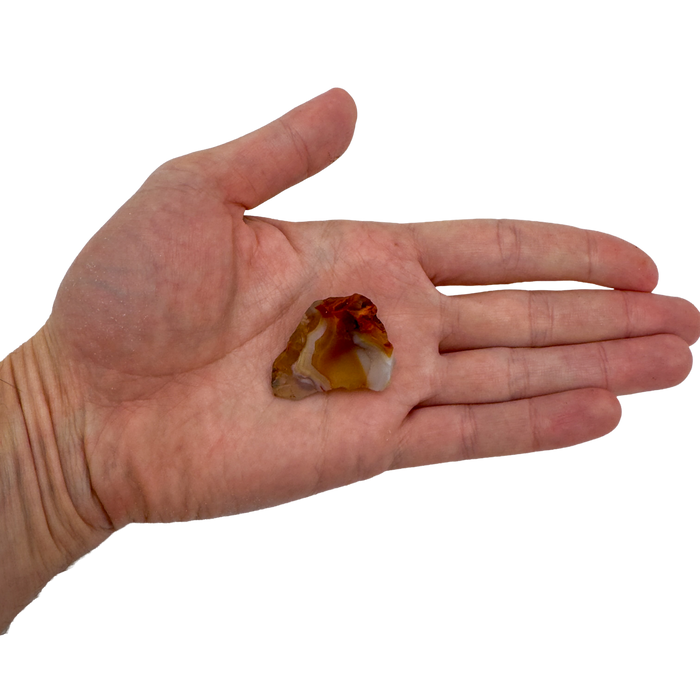
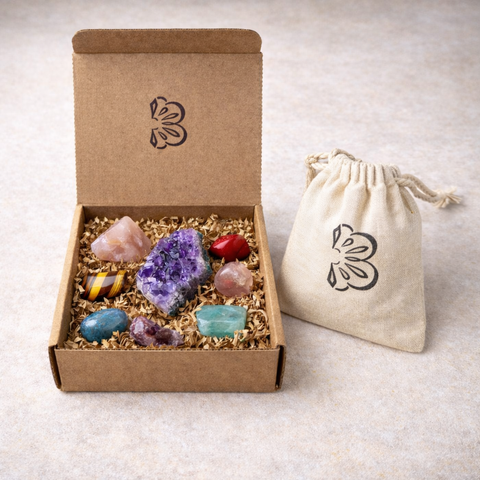
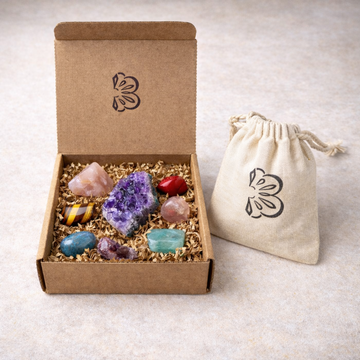
The most common kit on the market is the seven-stone set built around the chakra system. The exact stones vary by seller, but the lineup is remarkably consistent, leaning on the most abundant and inexpensive species in the trade. Most pieces are small tumbled stones, roughly half an inch to an inch, and the box usually adds a velvet pouch and a meanings card.
None of that is a bad thing on its own. Clear quartz, amethyst, and rose quartz are genuinely useful, attractive starter stones. The real question is whether the set gives you good examples of them at a fair size, or token chips chosen because they cost the seller almost nothing.
The chakra labels below are simply the common organizing theme. What matters for value is that each stone is a named, natural species you can actually identify.

A typical chakra-style set: small tumbled stones grouped around one theme. Value depends on whether each is a real, named stone.
| Position | Stones you will often see |
|---|---|
| Root | Red Jasper or Red Agate |
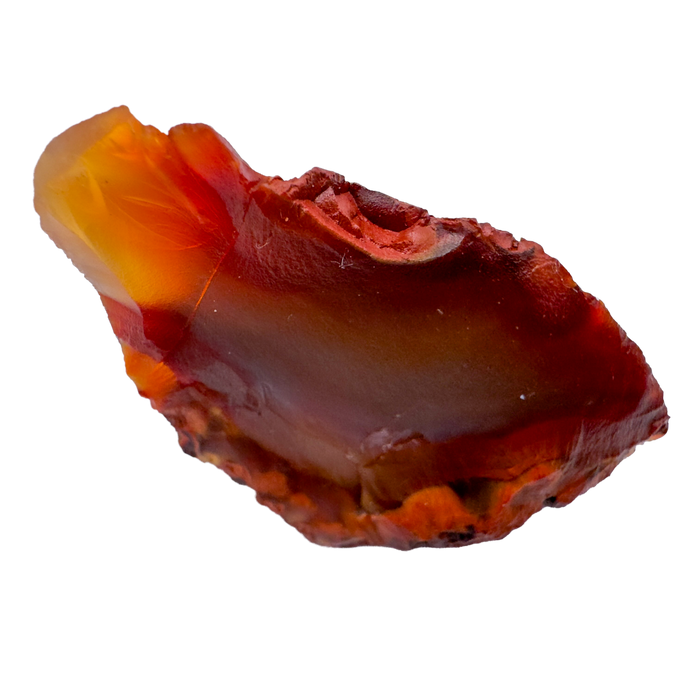
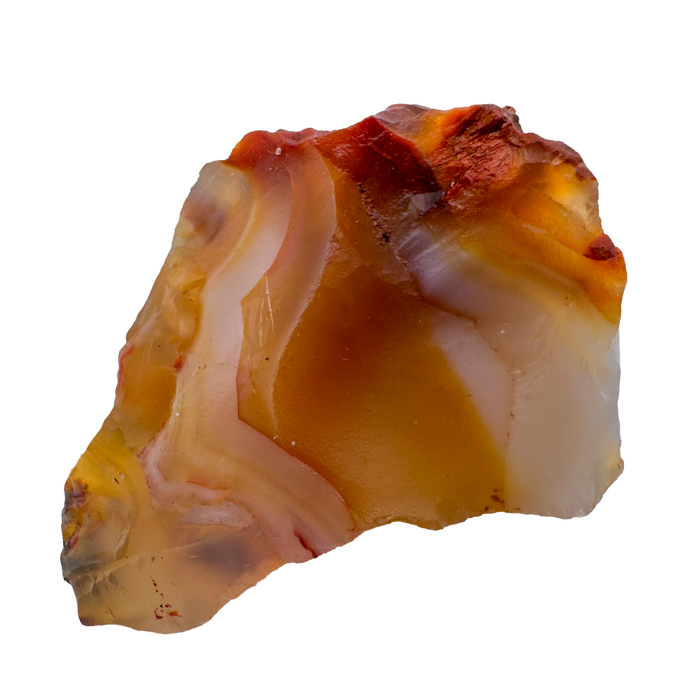
| Sacral | Carnelian |
| Solar Plexus | Citrine or Tiger's Eye |
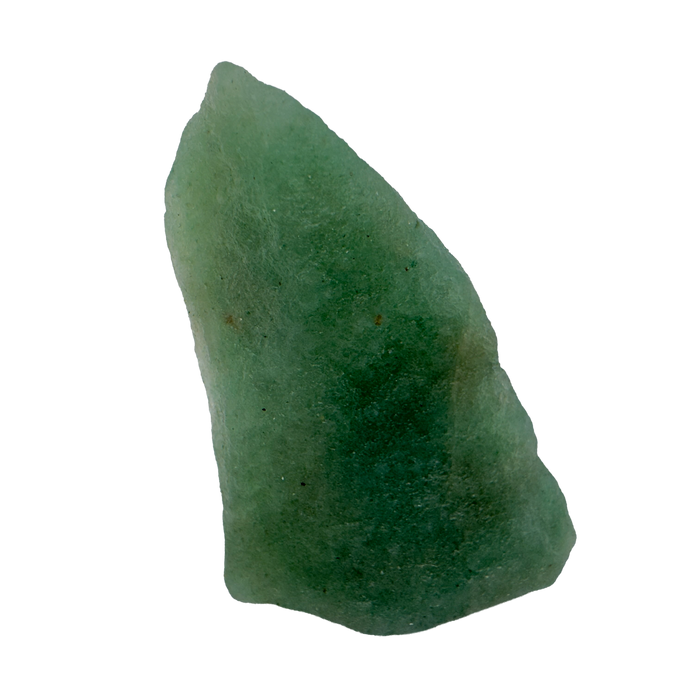
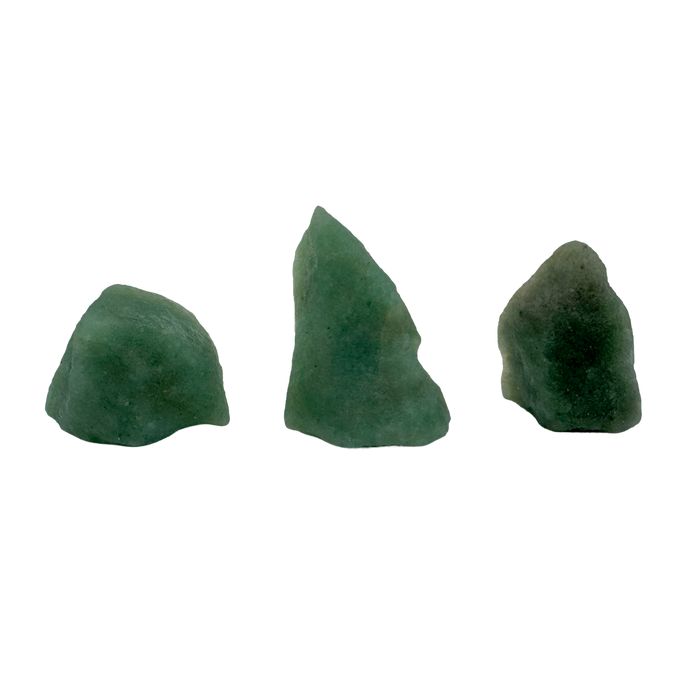
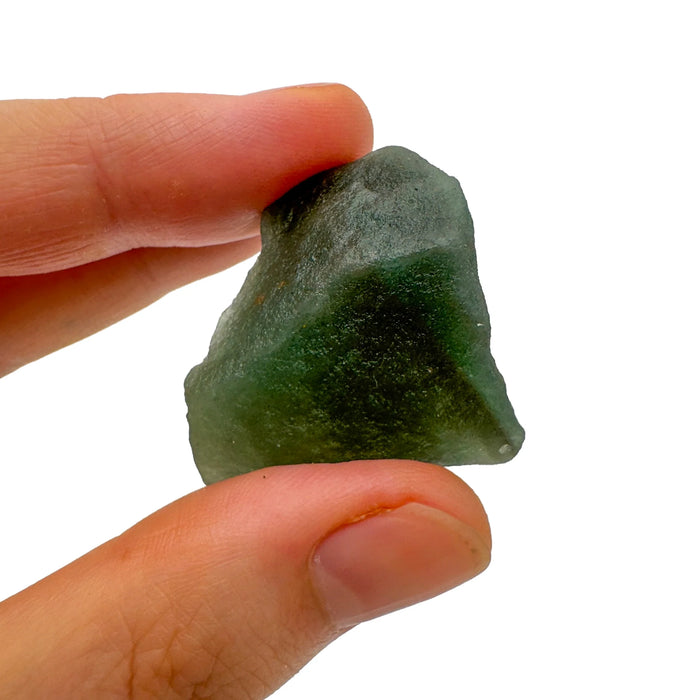
| Heart | Green Aventurine or Rose Quartz |
| Throat | Sodalite or Lapis Lazuli |
| Third Eye | Amethyst |
| Crown | Clear Quartz or Amethyst |
What You Are Really Paying For
Tumbled stones of common species are inexpensive once they are bought in volume, so the rock itself is rarely where a set's price comes from. You are paying for everything around the rock: the curation, the size and quality of the pieces, the screening that keeps dyed or broken stones out, the packaging, and, in an honest shop, the sourcing.

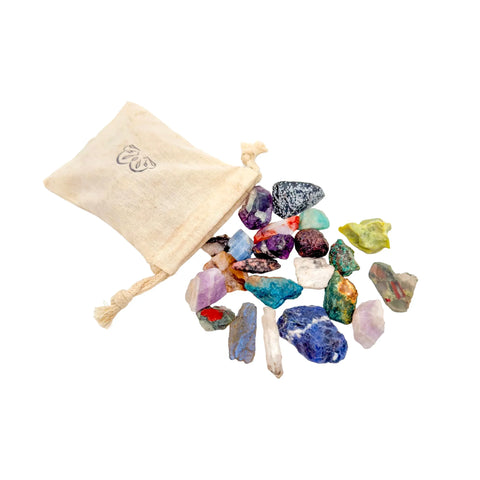
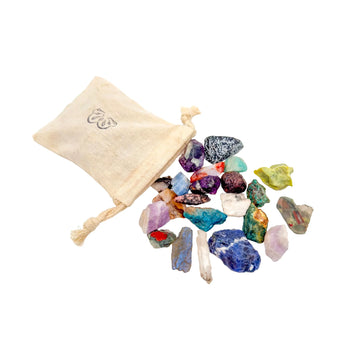
The same tumbled stones fill both fair sets and padded ones. The price should buy better, bigger, real pieces.
That is why two seven-stone sets can sit at very different prices and both be fair. A larger, hand-checked, transparently sourced set genuinely costs more to put together. The problem is the set that charges as if it did that work while quietly padding the pouch with the cheapest material available.
For the full picture on what moves a stone's price, see our guide to what drives a crystal's price.
Common tumbled species cost very little at volume, so the raw material is a small part of any set's price.
Choosing, sizing, and matching stones, and screening out dyed or damaged ones, is real work a good set pays for.
Named species, disclosed treatment, and traceable sourcing all add cost a padded set simply skips.
When a Set Is Mostly Padding
A padded set leans on a short list of tricks. Most are easy to catch once you know them, and almost all come down to one thing: the seller hiding what the stones actually are. The two most common substitutions are dyed porous stone and man-made glass.
Dyed howlite and magnesite are soft, chalky stones soaked in color to imitate turquoise, lapis, or sodalite, and the dye gives itself away in cracks and on a cotton pad with a little acetone. Opalite and goldstone are glass, not crystal, and tend to show tiny bubbles and an unnaturally even glow. Our guides on spotting dyed stones and glass sold as crystal go deeper on both.
A listing that says seven chakra stones but never names the species is hiding the cheapest possible substitutions.
Electric blue, hot pink, or perfectly uniform color across every piece usually means dye, not nature.
Color that pools in fractures, or rubs off onto an acetone-dampened pad, was added, not grown.
Tiny round bubbles, an oily even shine, and a piece that warms fast in the hand point to glass like opalite or goldstone.
No country, no word on treatment, and no photo of real stock are all signs the seller would rather you not ask.
A high stone count at a low price is often tiny chips, chosen to look generous while costing the seller next to nothing.
How to Judge a Set Before You Buy
You can settle most of the question before anything reaches your cart. A trustworthy set tells you exactly what you are getting and where it came from. A padded one stays vague and lets the packaging do the talking. Here is the same set, described two ways.
A Set Worth Buying
Named, sized, and sourced
A Set to Skip
Vague, padded, anonymous
When Building Your Own Beats a Kit
If you already know a stone or two you are drawn to, a few well-chosen pieces will almost always beat a padded set. Three or four good tumbled stones you actually want, bought individually so you can see size and quality, give you more for the money than seven anonymous chips.
Clear quartz, amethyst, and rose quartz are versatile anchors that show up in most starter lists for good reason, and you can add from there as your eye develops. You can build exactly that from our tumbled stones, each one named, sized, and sourced.

A small, deliberate handful of named stones often gives a beginner more than a padded set of seven.
"A good set saves you decisions, not money. A bad one sells you rocks you would never have chosen."
Related Guides
Why two similar stones can carry very different price tags, beyond the grade sticker.
Read the guideHow to catch added color in agate, howlite, and the other commonly dyed stones.
Learn the tellsOpalite, goldstone, and cherry quartz, explained plainly so you can recognize them.
See what is glassWhy the same crystal can cost a few dollars one place and far more in another.
Read the breakdownBuild your own set from named, sized, and sourced pieces, one stone at a time.
Browse tumblesOur full collection of trust-first crystal guides and honest comparisons.
Browse the LibraryFrequently Asked
Are crystal kits worth it for beginners?
They can be, if the stones are named, natural, and a fair size. A good set spares a beginner a dozen unfamiliar choices. A padded set just bundles the cheapest common stones, or dyed and glass imitations, behind a pouch and a card, so always read the named contents first.
What is usually in a 7-stone chakra set?
Most sets lean on the same abundant species: clear quartz, amethyst, sodalite or lapis lazuli, green aventurine or rose quartz, citrine or tiger's eye, carnelian, and red jasper or red agate. The exact lineup varies by seller, and the pieces are usually small tumbled stones.
How can I tell if a crystal set has fake or filler stones?
Look for vague names, neon or perfectly uniform color, dye pooled in cracks, tiny round bubbles that signal glass, and no stated origin. A listing that says seven chakra stones without naming each species is the easiest place for filler to hide.
Why are some crystal sets so cheap?
Common tumbled stones cost very little in volume, so a low price often means tiny chips, dyed porous stone, or glass like opalite and goldstone. A higher price is not automatically better, but a set far cheaper than the named stones would cost separately is usually padded.
Is it better to buy a crystal set or individual stones?
If you already know a stone or two you want, a few individually chosen pieces usually give you more for the money, since you can see size and quality before buying. A set mainly wins when you value the curation and the gift-ready presentation.
What should a good crystal set tell me before I buy?
Every stone named in full, a size or weight, natural and varied color, disclosed treatment, a named country or supply chain, a photo of real or representative stock, and a return policy. Missing several of those is a sign to skip it.
Are chakra crystal sets accurate, or just marketing?
The chakra lineup is a traditional organizing theme, not a quality standard, and the stones in it are chosen mostly because they are common and inexpensive. A set can still be good value if those stones are real and well made, so treat the theme as a starting structure rather than a promise.
Do crystal kits come with anything besides stones?
Often yes. Many add a velvet drawstring pouch and a card describing each stone, and some include a small selenite stick or dried herb for cleansing. Those extras add a little cost and presentation, but they do not make low-quality stones any better.