








Crystal shapes and forms, explained
A tower, a tumble, a cluster, and a sphere can be the same mineral. The form is a choice about finishing, display, and price.
One amethyst can reach you as a rough chunk, a smooth pocket stone, a standing tower, or a polished sphere. The stone underneath is identical. What changes is how much hand-finishing went into it, how it sits in a room, and what it costs. Here is what each form is, how it's made, and when to reach for it.
Buy raw or a cluster to see the stone as it grew. Buy tumbled or a palm stone to carry it. Buy a tower, sphere, or geode to display it. More hand-finishing means a higher price, so match the form to the job rather than paying for a shape you won't use.
Form is finishing, not mineral
The most useful thing to understand before you shop: the form tells you almost nothing about quality and everything about labor. A sphere costs more than a raw piece of the same amethyst because grinding a stone perfectly round by machine and hand takes time, not because the mineral is better.
So the price gap between forms is real and fair, but it is a gap in craft, not in the stone. Two exceptions worth knowing: raw and cluster forms preserve natural features like terminations and matrix that a tumble erases, and geodes are priced partly on the crystal cavity inside, which no amount of polishing adds. Everything else on this page is about picking the finish that fits how you'll actually live with the piece.
Eleven ways a stone is sold
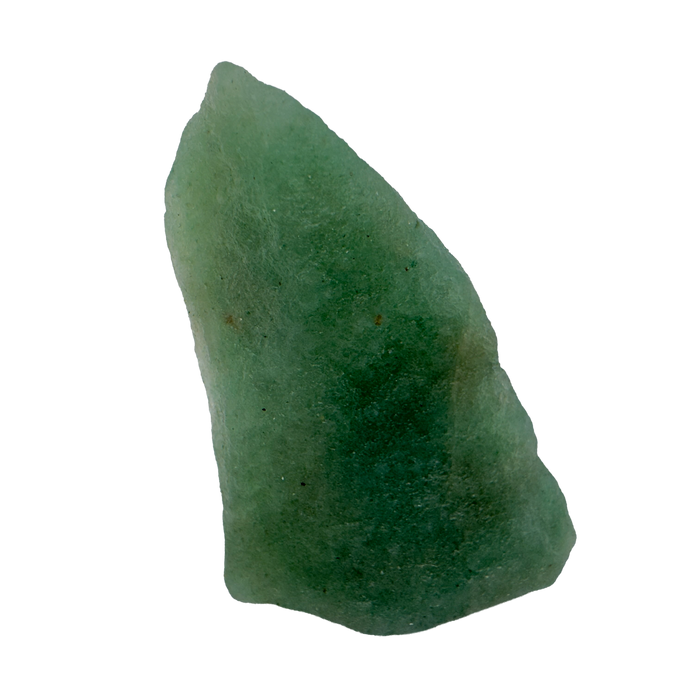
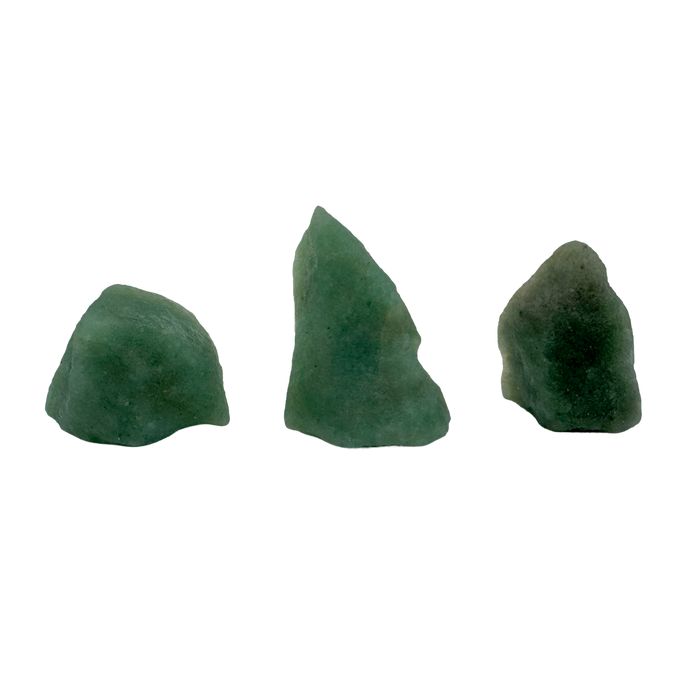
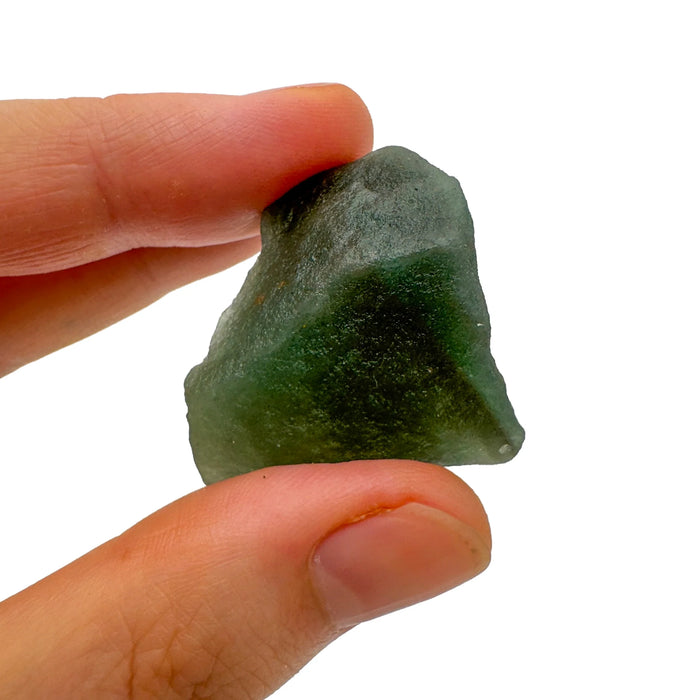
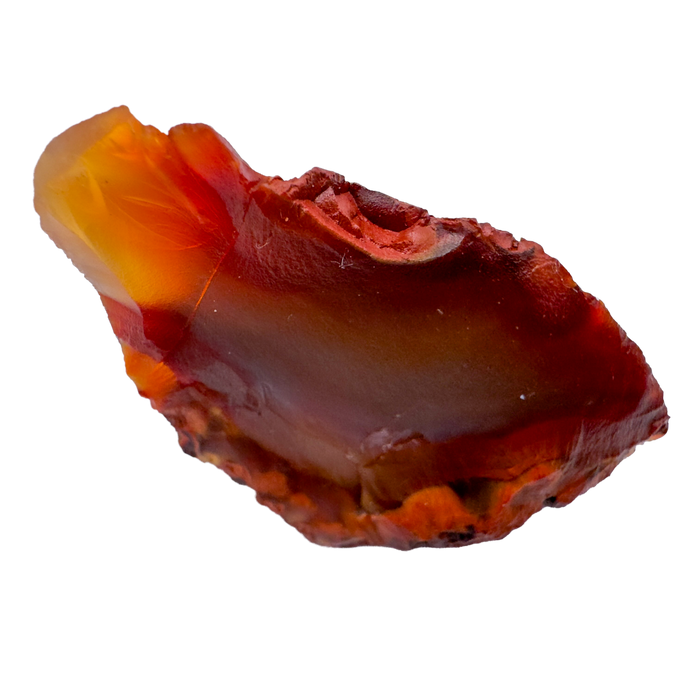
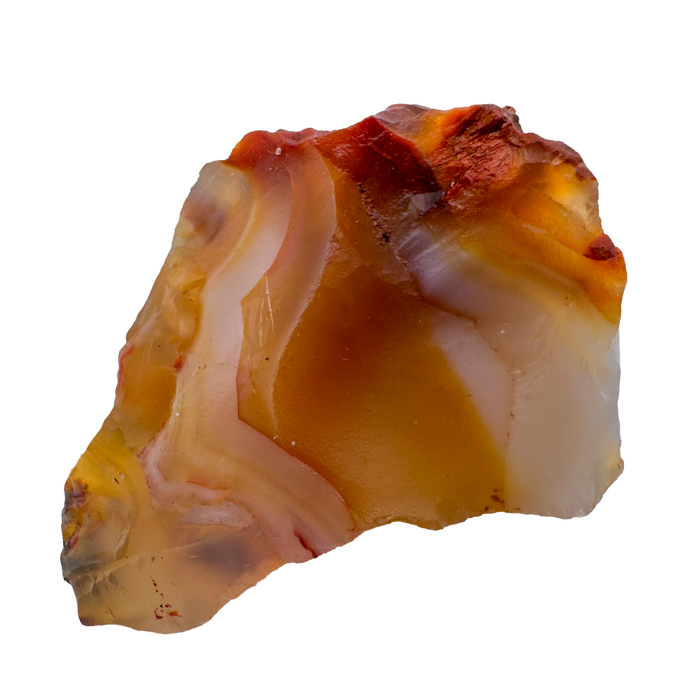
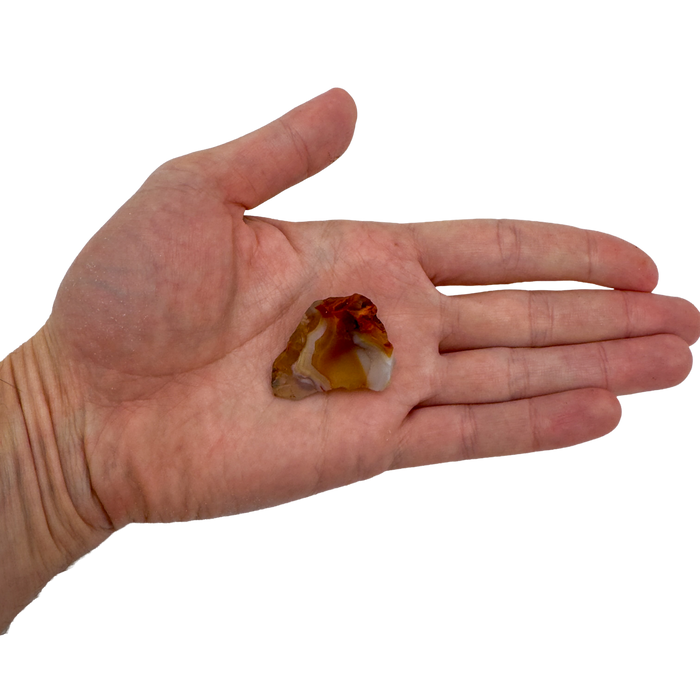
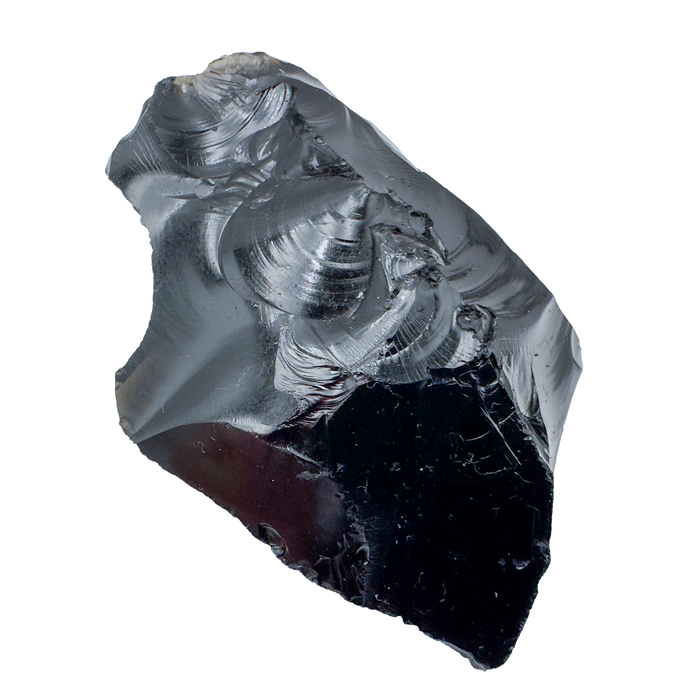
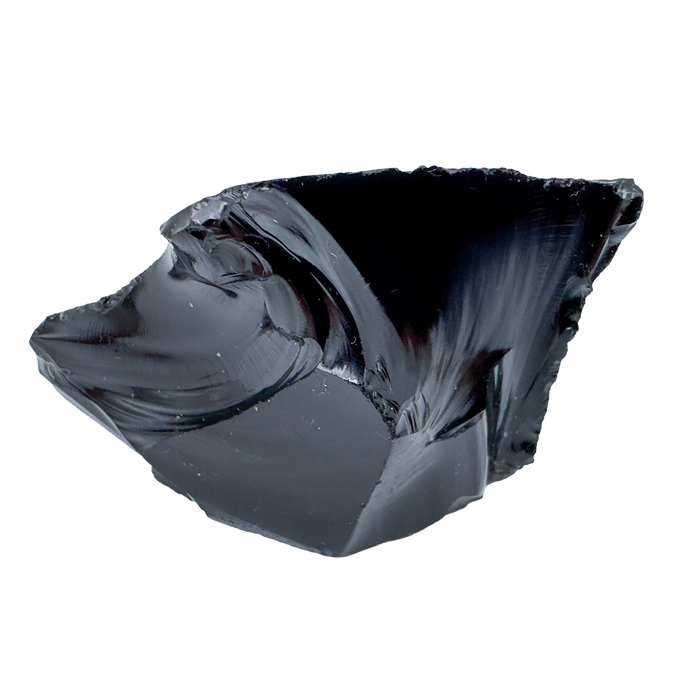
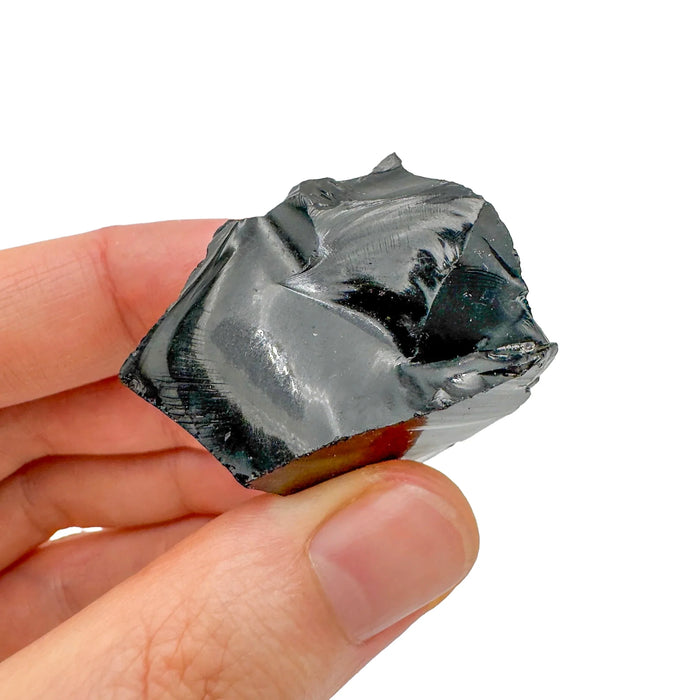
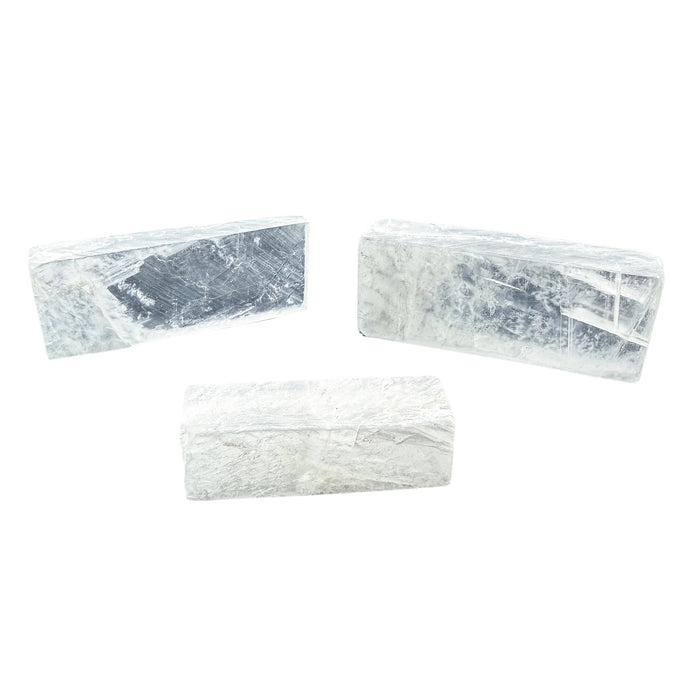
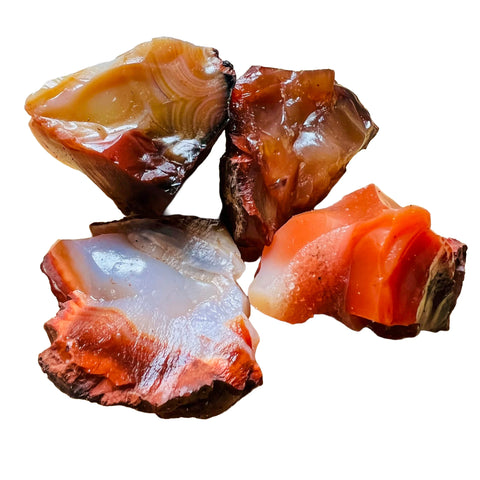
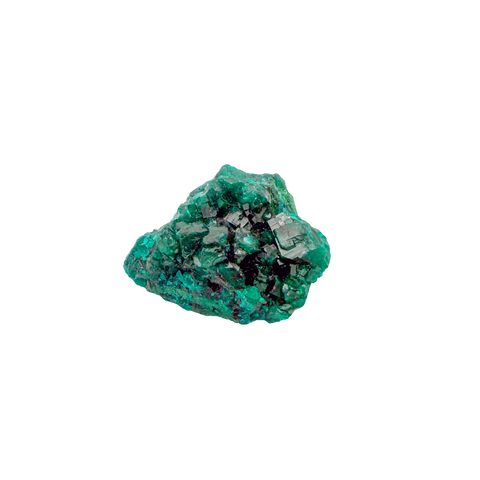
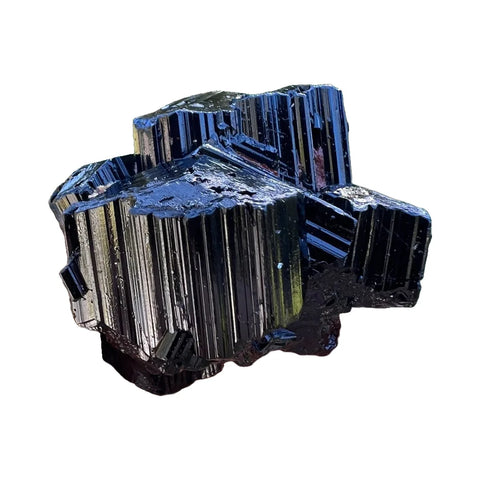
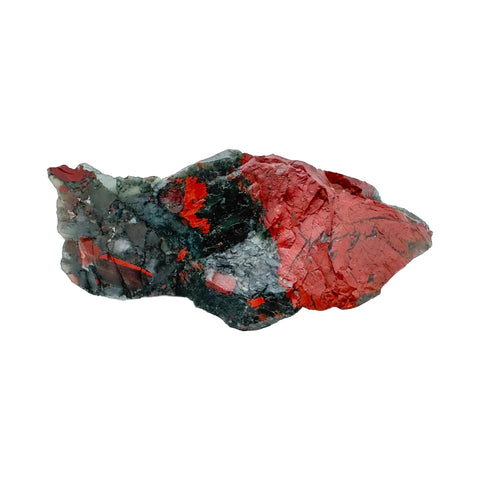
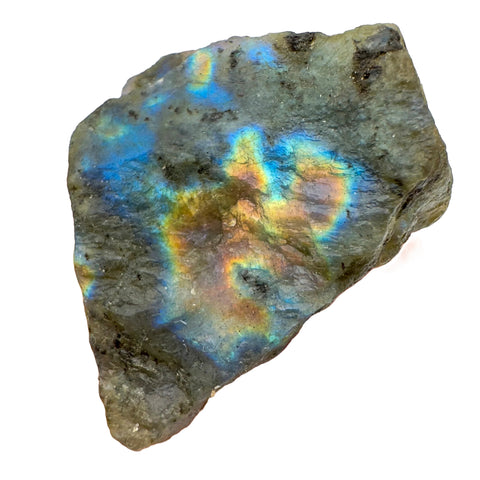
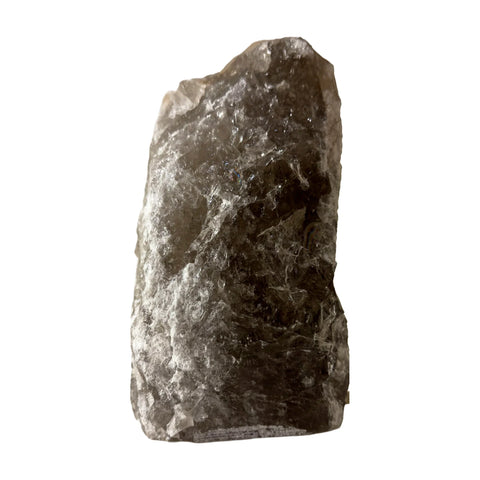
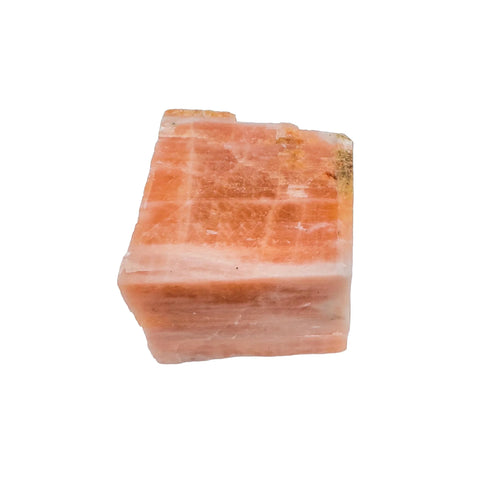
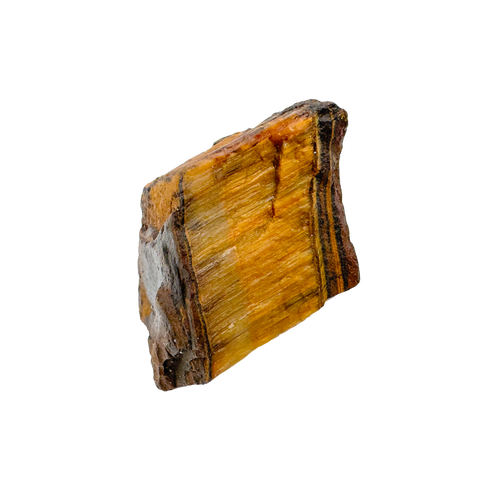
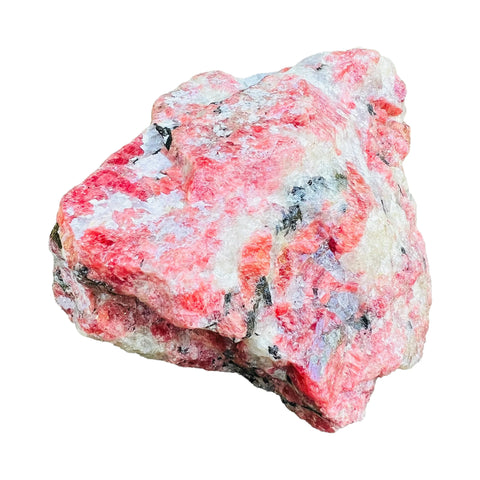
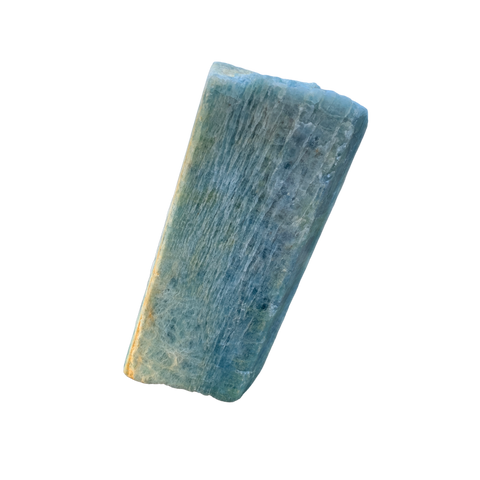
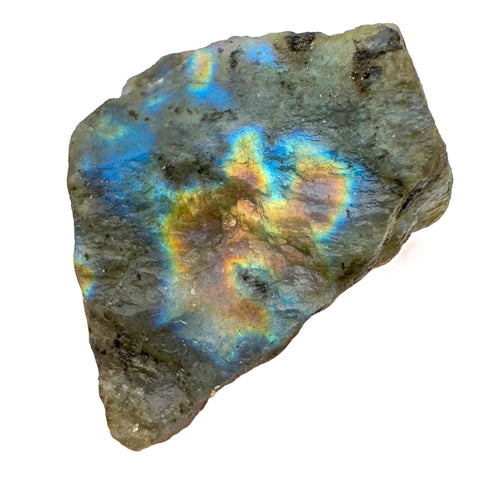
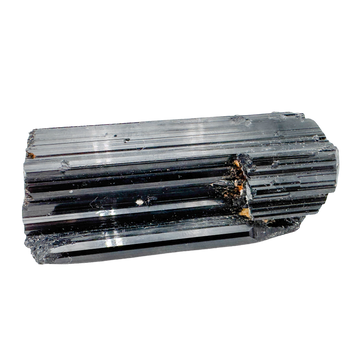
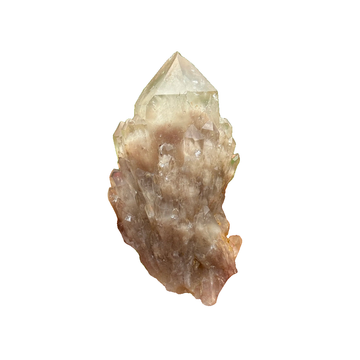
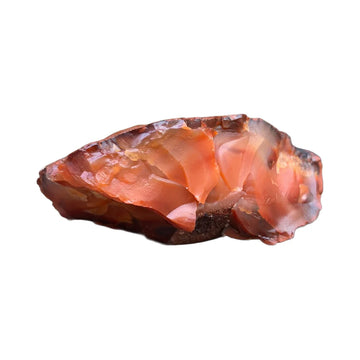
Raw
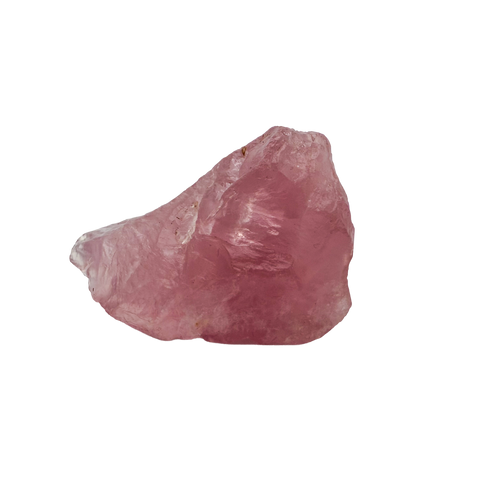
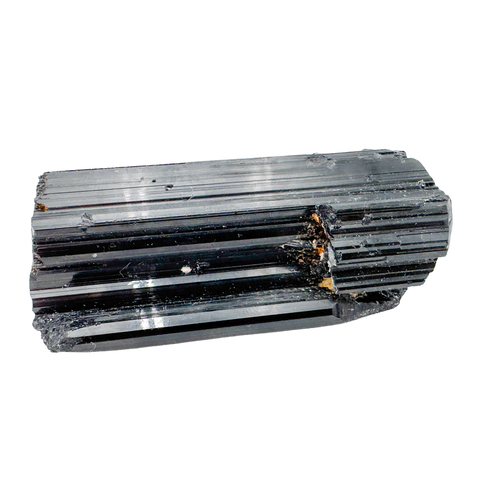
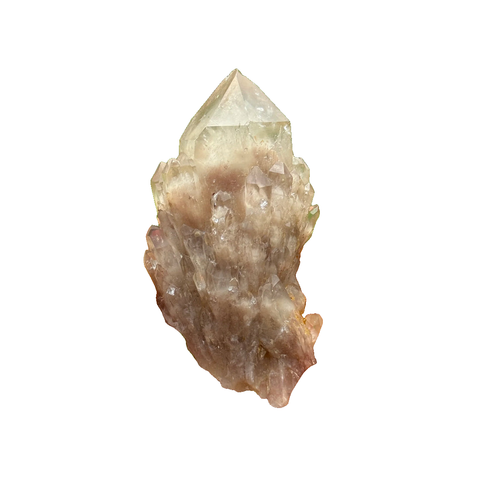
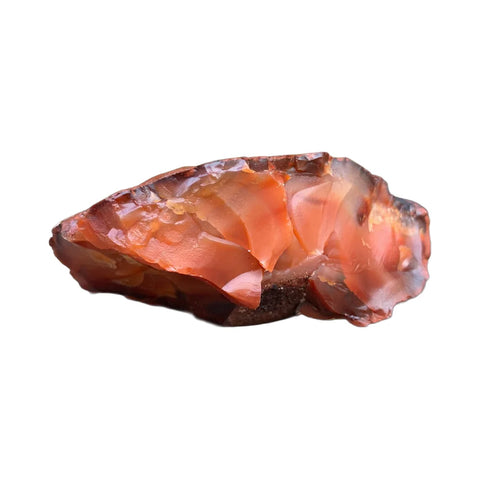
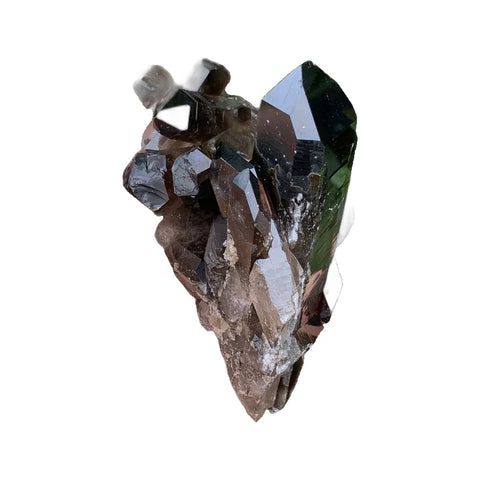
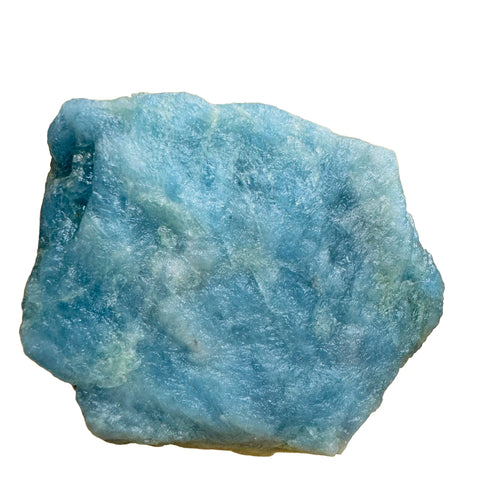
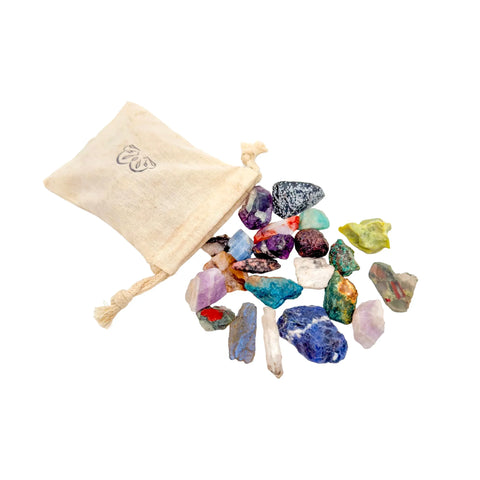
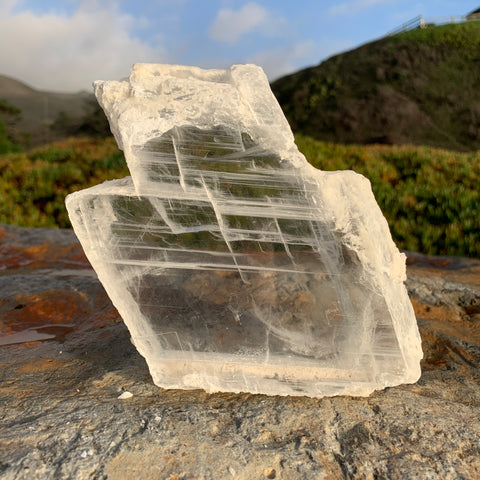
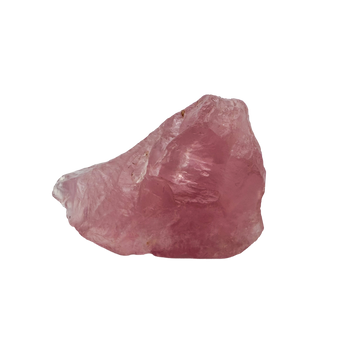
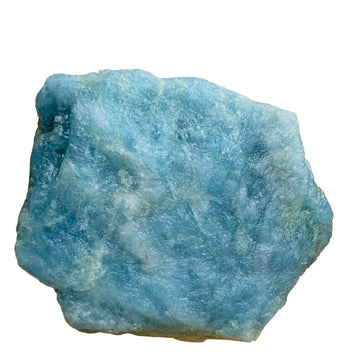
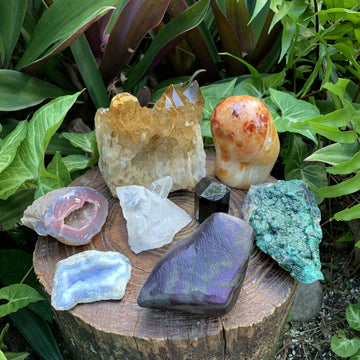
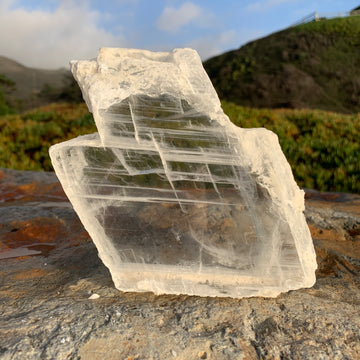
The stone as it came out of the ground, unpolished. You see the natural crystal faces, growth lines, and any matrix it grew on. The most honest look at a mineral and often the lowest price per gram.
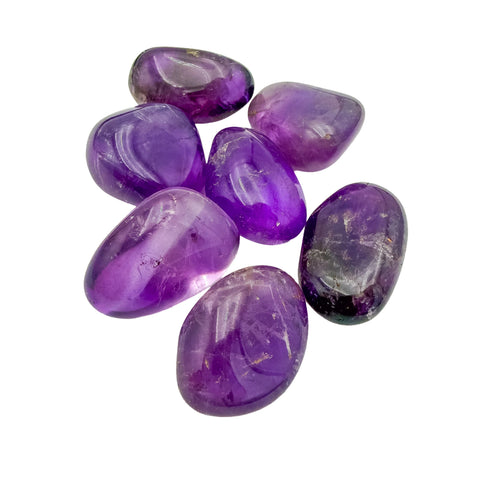
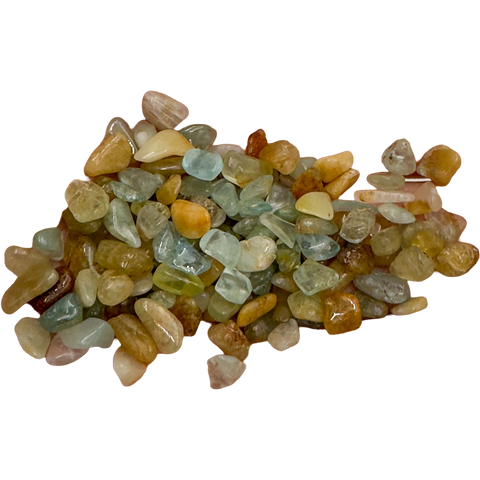
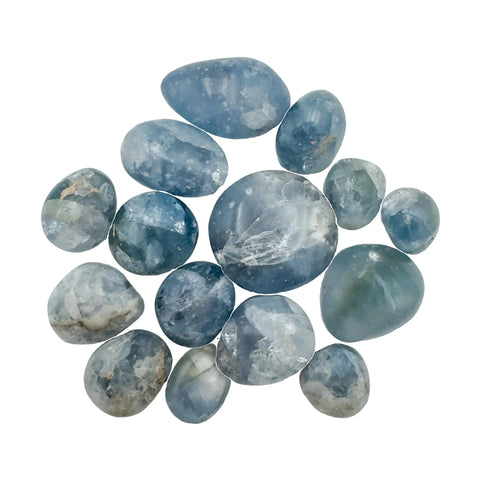
Tumbled
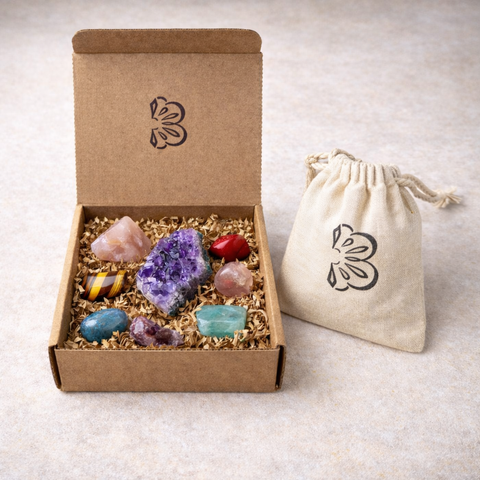
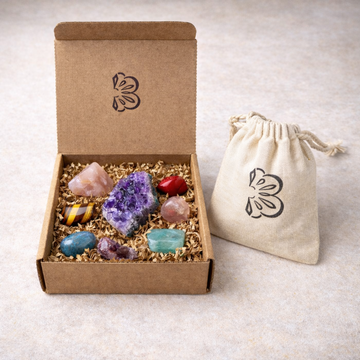
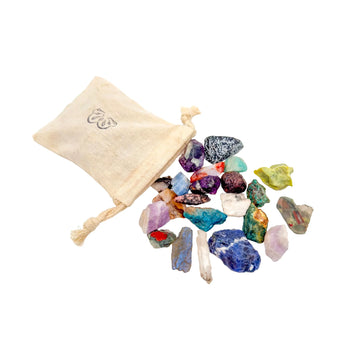
Small stones spun with grit in a rotating barrel over days or weeks until smooth and rounded. Durable, comfortable in the hand, and the easiest form to carry or gift in a set.
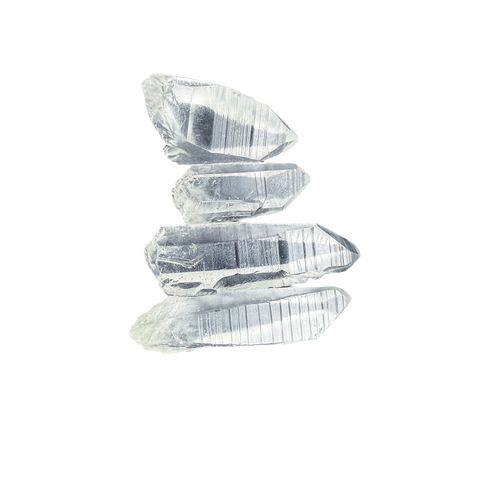
Point
A stone ending in a single terminated tip. A tower is a tall point with a flat base that stands on its own. A generator is a symmetrical six-faced point. Some points are natural, some are cut and polished to shape.
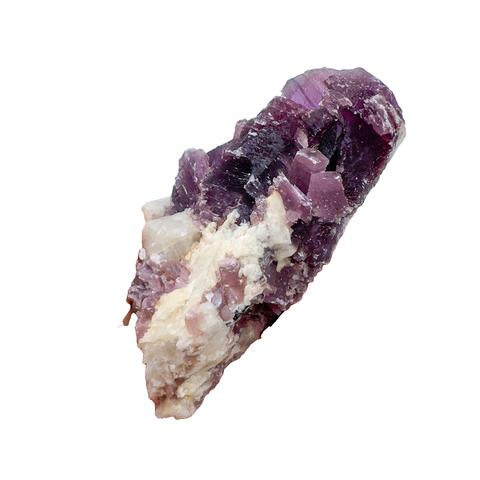
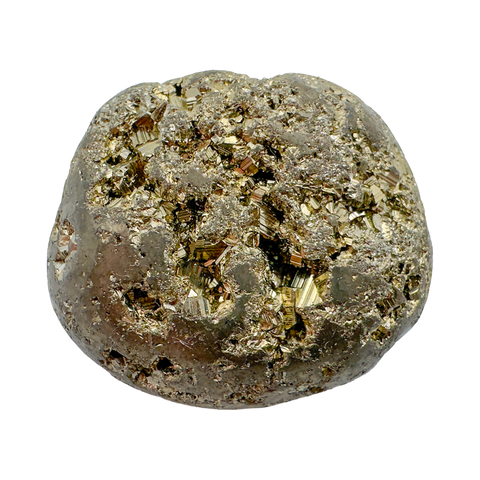
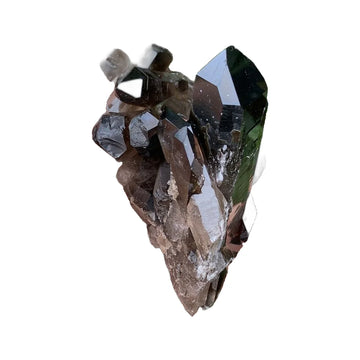
Cluster
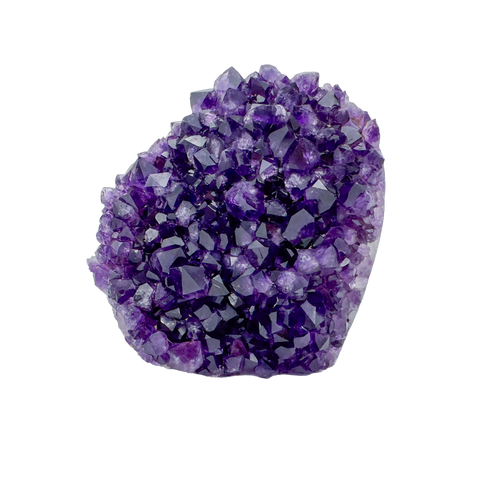
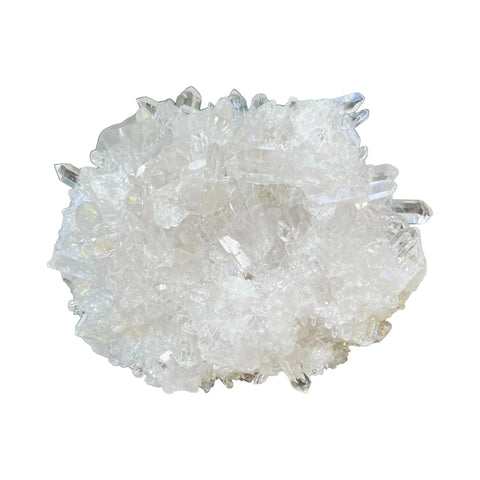
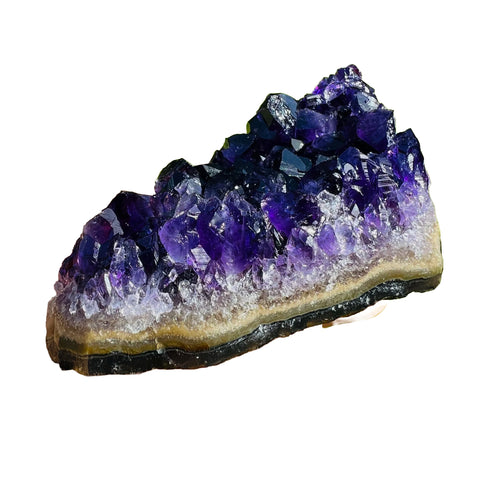
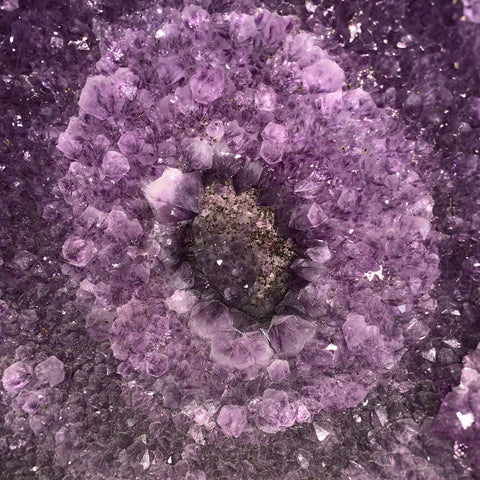
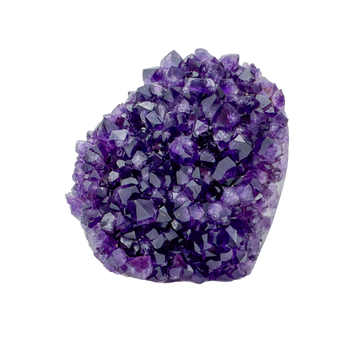
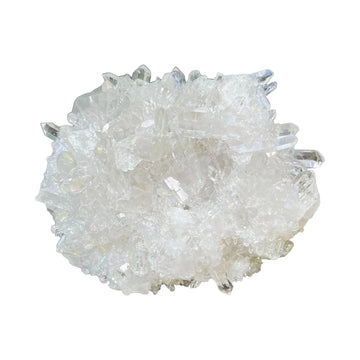
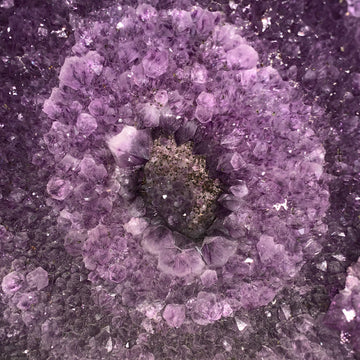
Many crystals grown together on one shared base, exactly as they formed. Nothing is cut to shape. Amethyst and clear quartz clusters are the familiar ones, and no two are alike.
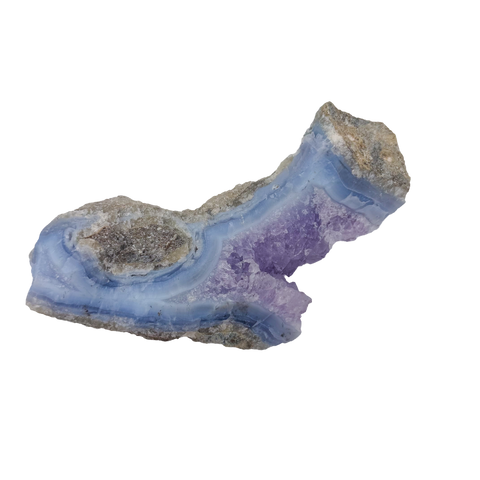
Geode
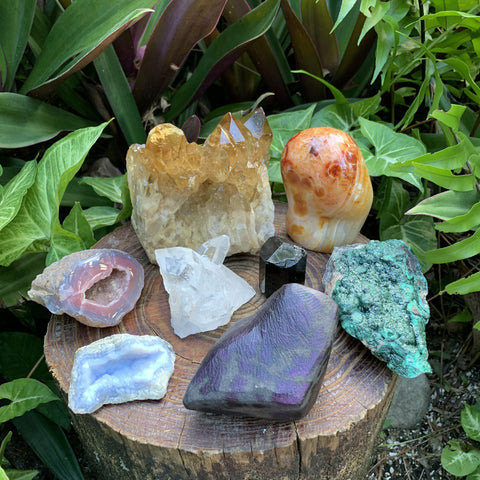
A rounded rock hollow inside and lined with crystals that grew inward from the walls. Sold whole to crack open, or already halved to reveal the cavity. Agate and amethyst geodes are the classics.
Sphere
A stone ground into a ball, one of the most labor-intensive forms to make well. Shows a stone's color and pattern evenly from every angle, and reveals flash in stones like labradorite as it turns.
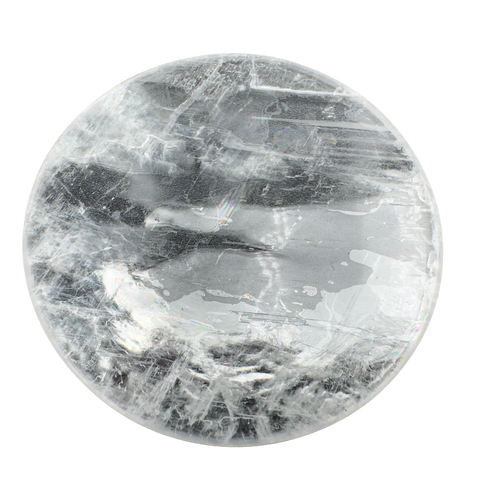
Palm stone
A flat, thumb-sized stone polished to sit in the palm. Larger and flatter than a tumble, shaped to hold and turn. A common choice for keeping a single stone close through the day.
Freeform
Polished to a smooth, one-of-a-kind shape that follows the best color and pattern in that specific piece, rather than a standard geometry. Every freeform is cut to flatter its own material.
Cabochon
Cut with a smooth, rounded, unfaceted top, usually set into jewelry. The cabochon is how optical effects like cat's eye and star are shown at their best.
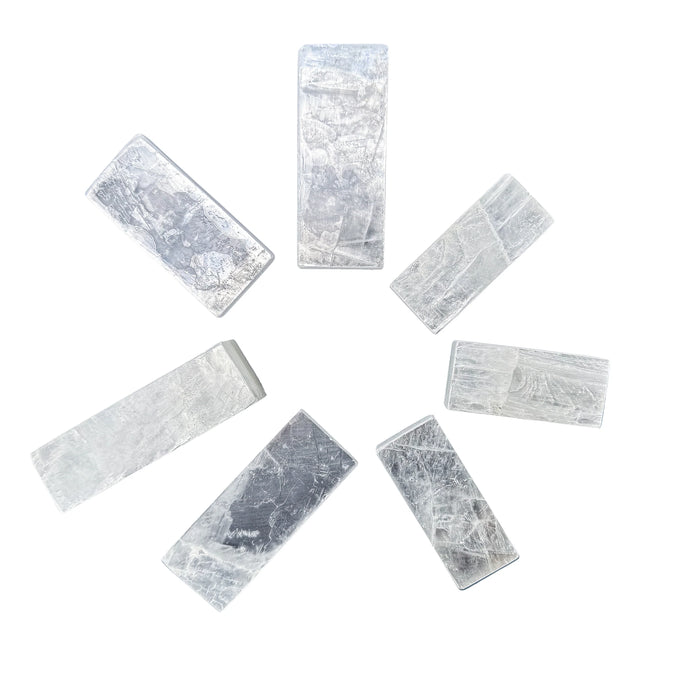
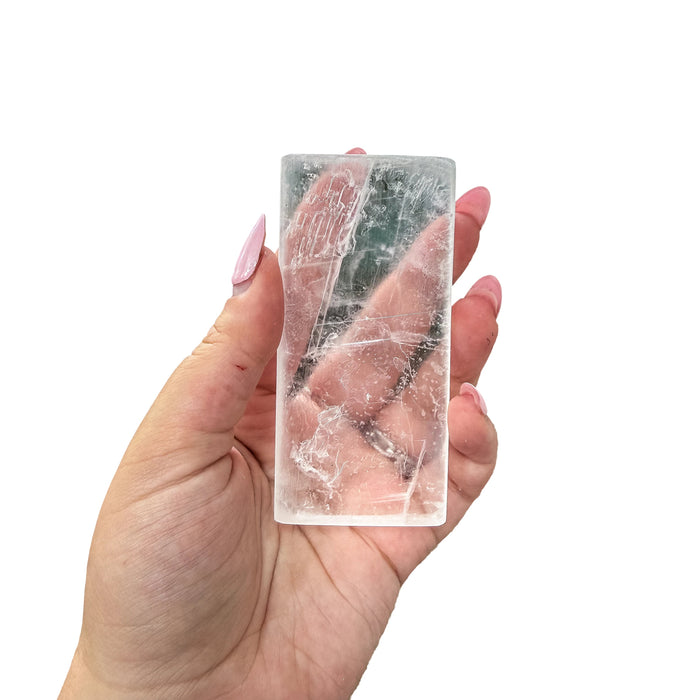
Slab
A thin cut across a stone, revealing the interior banding or pattern in one flat plane. Agate slices are the classic example, often thin enough for light to pass through.
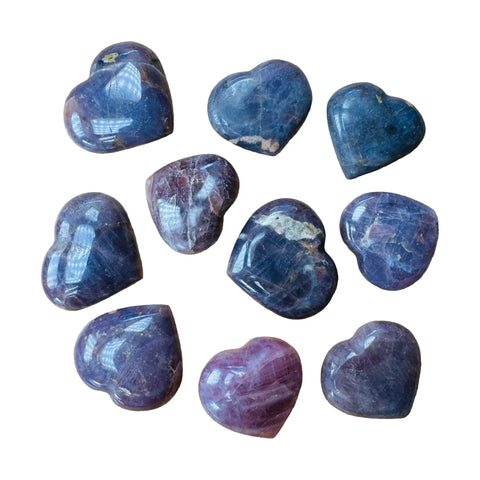
Heart
A stone carved and polished into a heart. A shaped, hand-finished form rather than a natural one, and one of the most popular pieces to give.
Raw or tumbled?
Choose raw if
You want to see the crystal as it grew, with its natural faces and terminations intact, and you like the idea of a piece that has not been reshaped. Raw is also usually the better value per gram, and it displays well as it is.
Choose tumbled if
You want to carry the stone, keep it in a pocket or bag, or start a small set without much cost. Tumbled stones are durable and comfortable, though the polishing removes the natural crystal shape.
No form is more genuine than another. A tumbled stone is not fake, and a raw one is not automatically higher quality. Grade, origin, and any treatment are separate questions the form does not answer, which is why we list all three on every product, whatever shape it takes.
If a word on a listing is unfamiliar, the crystal glossary defines the terms for forms, finishes, and treatments in plain language.
See the difference
Frequently asked
What is the difference between a crystal cluster and a geode?
A cluster has many crystals growing outward from a shared base, all on the outside where you can see them. A geode is a hollow rock with the crystals growing inward, hidden until it is cracked or cut open. Put simply, a geode is a cluster that formed inside a cavity.
Are raw or tumbled crystals better?
Neither is better. The form is a finishing choice, not a quality one, and the mineral is the same either way. Raw keeps the natural crystal shape and is usually better value. Tumbled is smooth, durable, and easy to carry. Choose raw to display or collect, tumbled to hold and carry.
What is a crystal tower used for?
A tower is a tall point with a flat base that stands on its own, chosen mostly to display on a shelf, desk, or altar. Some points are natural and some are cut and polished to shape, so it is worth checking which you are buying.
Why are crystal spheres so expensive?
A sphere is one of the most labor-intensive forms to make, since the stone has to be ground perfectly round by machine and by hand. The higher price reflects that cutting work, not a better or rarer mineral.
Does a crystal's shape change its properties?
No. The mineral is identical whatever the shape. Form changes how a piece looks, how it sits in a room, and what it costs, not what the stone is. Grade, origin, and treatment are the things that actually vary between pieces.