











Dropshipped Crystals: The Same Stone, Triple the Price
Why one crystal can sit in five different shops, and how to tell which one actually held it.
A surprising number of crystals sold online are never touched by the shop selling them. The listing, the photo, and the price all come from a warehouse the seller has never visited. Once you know the pattern, you can spot it in about a minute.

Dropshipped crystals are listed by a shop but shipped straight from a third-party warehouse, so the same stone and the same photo appear across many stores at very different prices. The markup itself is normal. The real cost is paying a premium for a stone no one hand-selected, inspected, or can trace.
What Dropshipping Actually Means for a Crystal
Dropshipping is a retail model where a shop lists a product it does not keep in stock. When an order comes in, the shop forwards it to a supplier, often an overseas warehouse, which ships the item straight to you. The shop never holds the stone, never inspects it, and never photographs it. It is a logistics arrangement, common across online retail, and it is not illegal or dishonest on its own.
The trouble is that a crystal is a natural object, not a phone case. No two pieces are alike, and a lot of what a good shop is worth lives in the parts dropshipping removes: hand-selecting pieces, checking for hidden dye or a repaired crack, and knowing where a stone was mined. Skip those steps and you receive whatever the warehouse pulls from a bin, marked up by a middle party who never saw it.
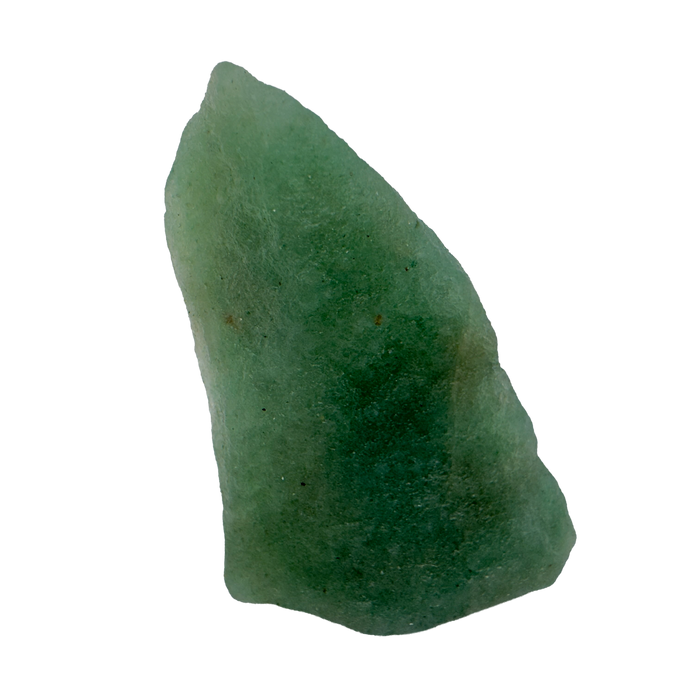
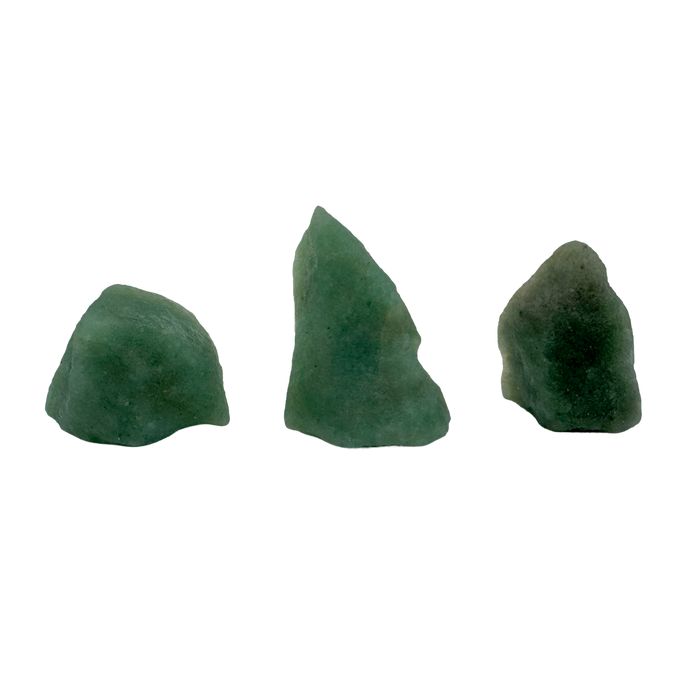
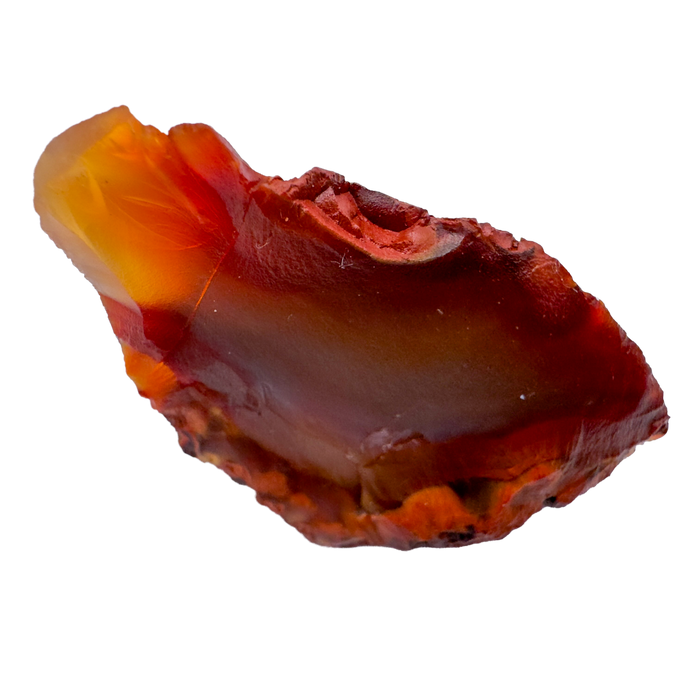
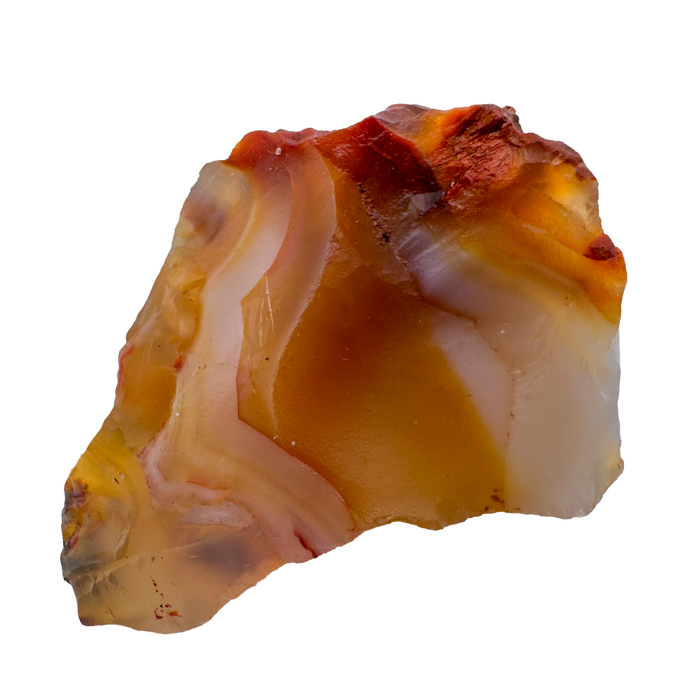
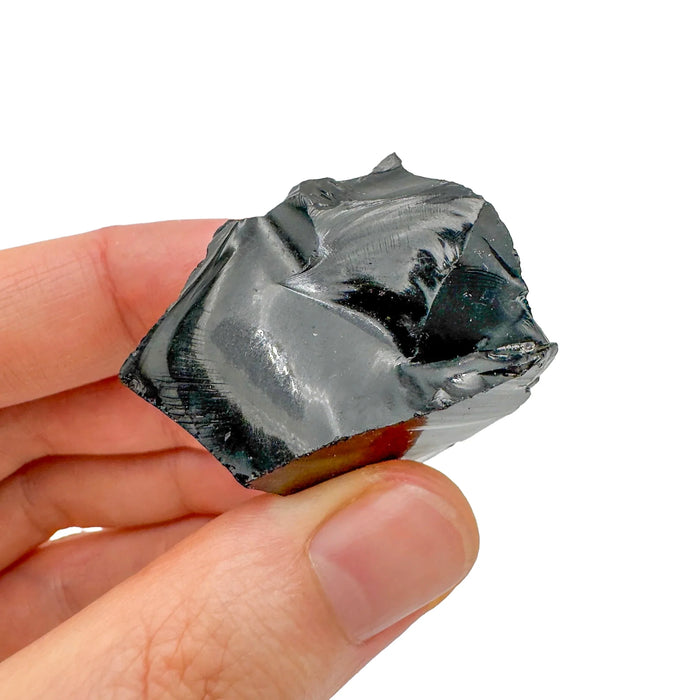
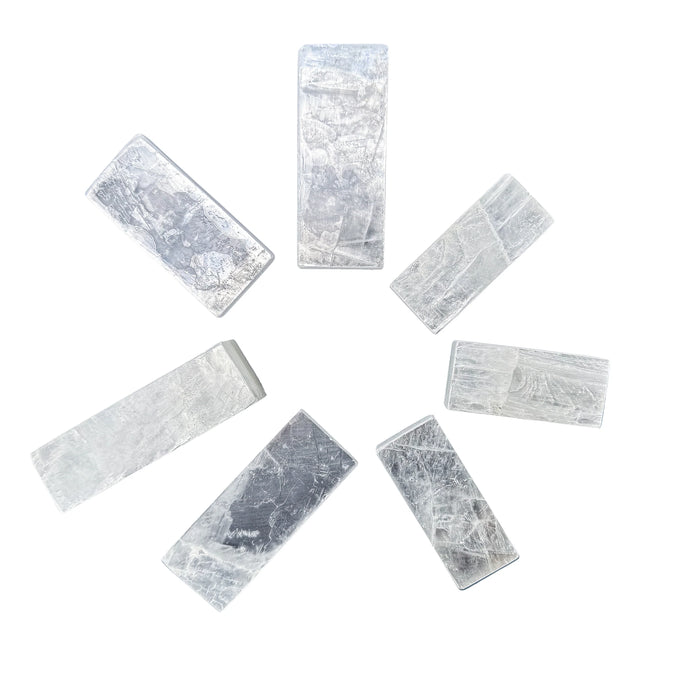
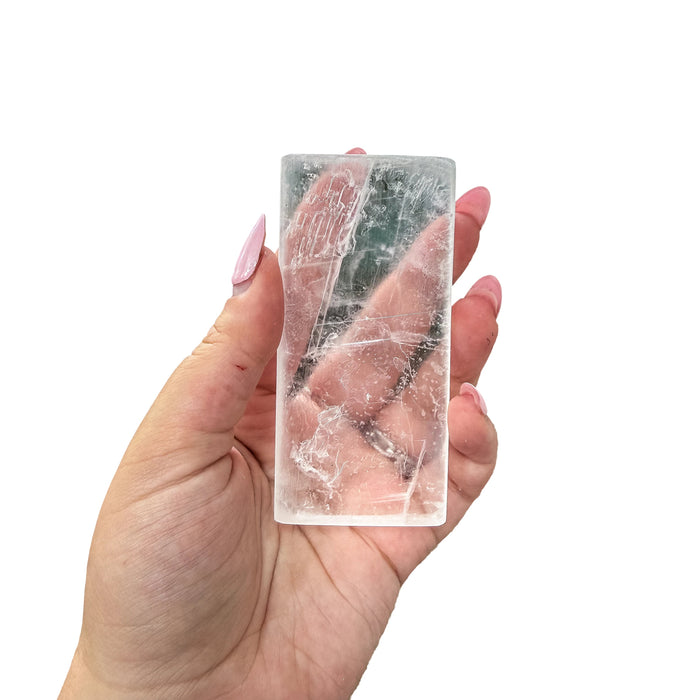
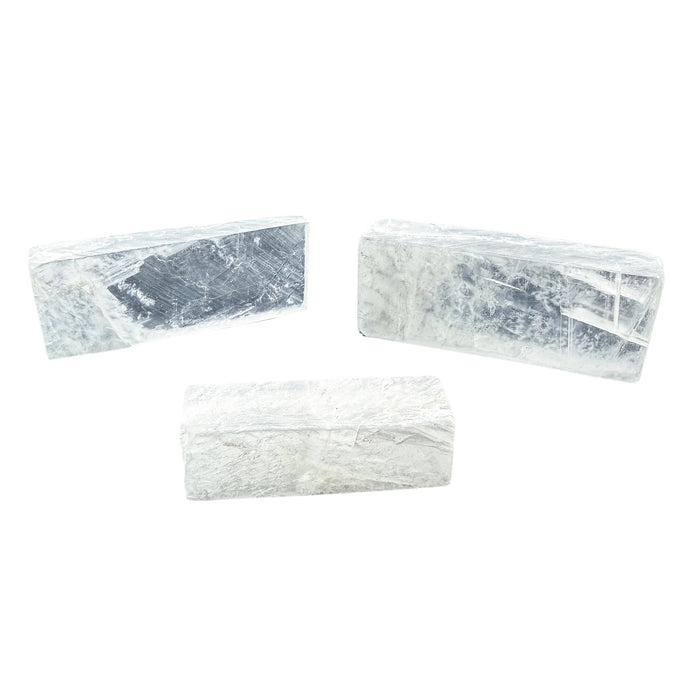
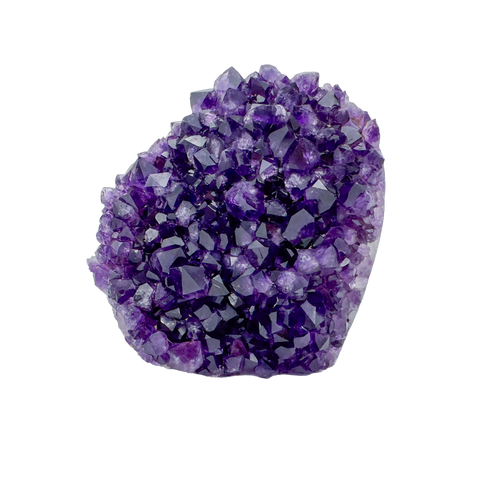
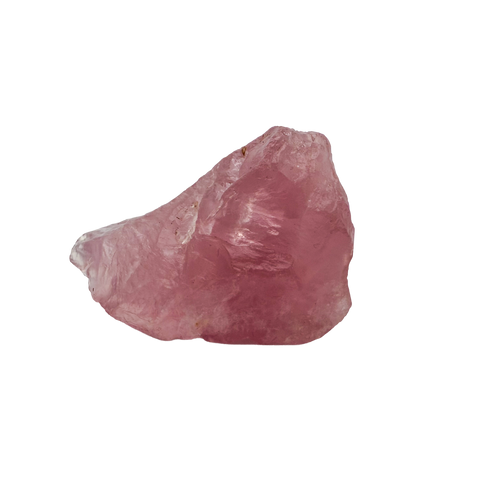
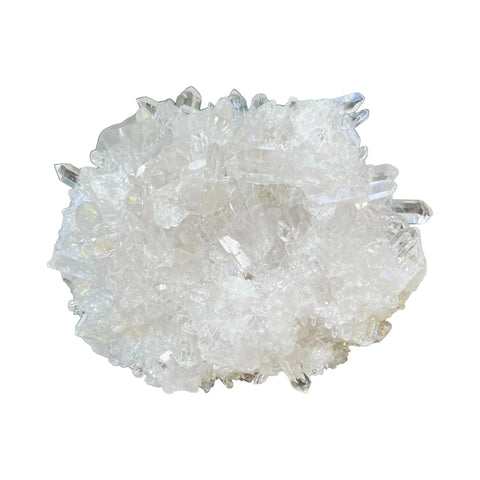
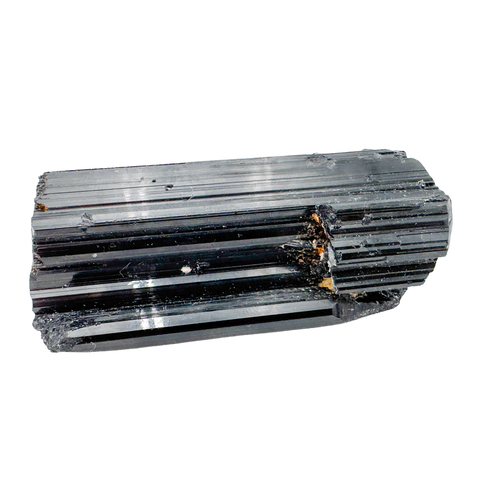
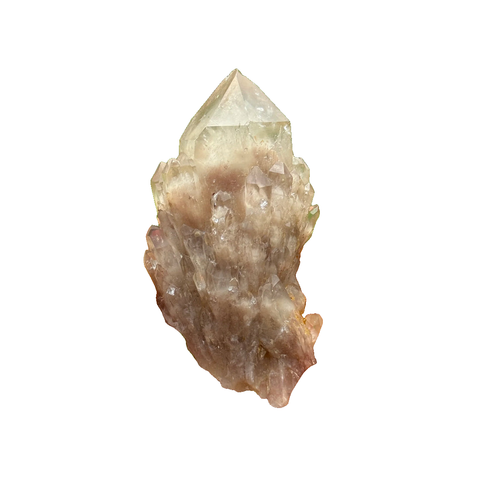
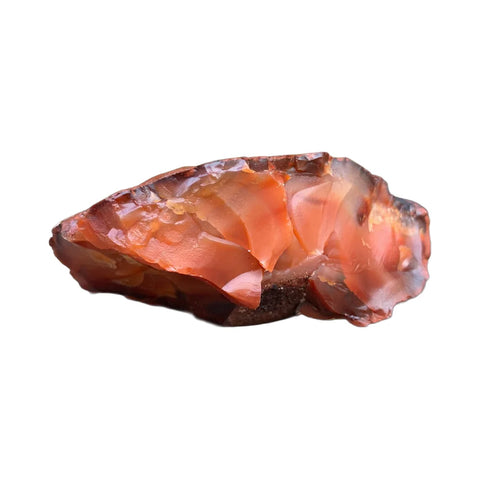
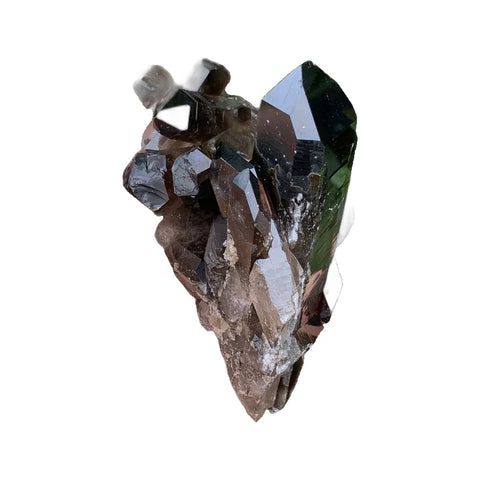
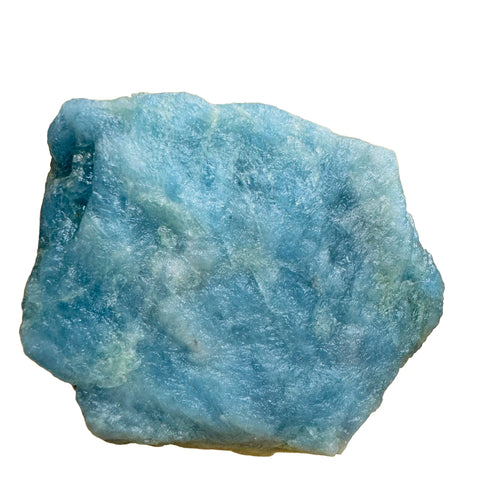
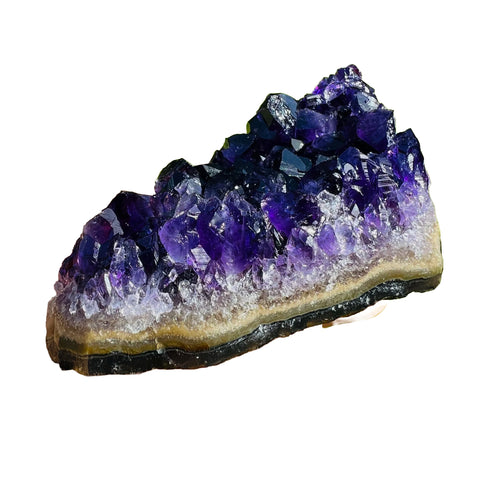
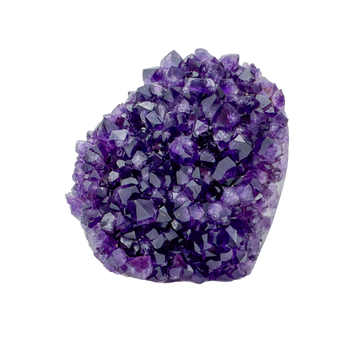
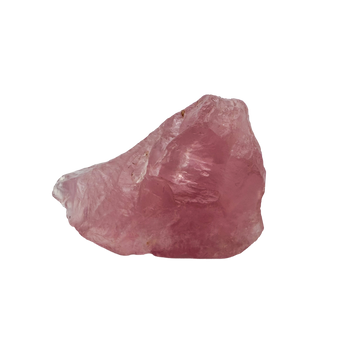
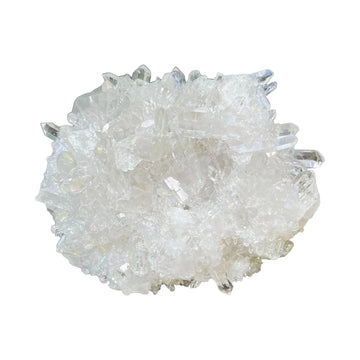
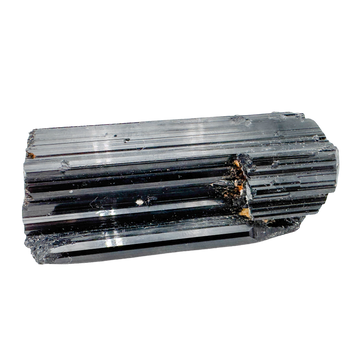
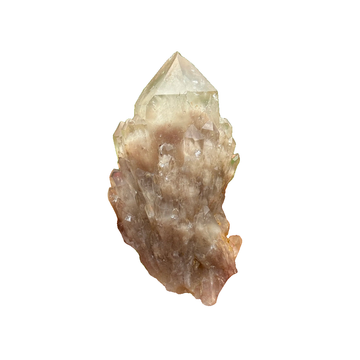
This is also why the same image turns up again and again. The supplier hands out one catalog photo, and dozens of storefronts post it as their own. The stone in that photo is not the stone in the box. It is a stand-in for a bin of lookalikes, any one of which might ship to you.

When a stone ships from a third-party warehouse, the shop you bought from never opened the box.
Six Signs a Crystal Is Dropshipped
No single sign is proof on its own. Look for several together. The more of these a listing shows, the more likely the shop is reselling a stone it has never handled.
Save the product image and run a reverse image search. If the identical photo appears on many different storefronts, it came from a shared supplier, not the shop you are buying from.
A single catalog shot, never the actual piece, and no second angle. For a one-of-a-kind stone, that means you cannot see what you are actually going to receive.
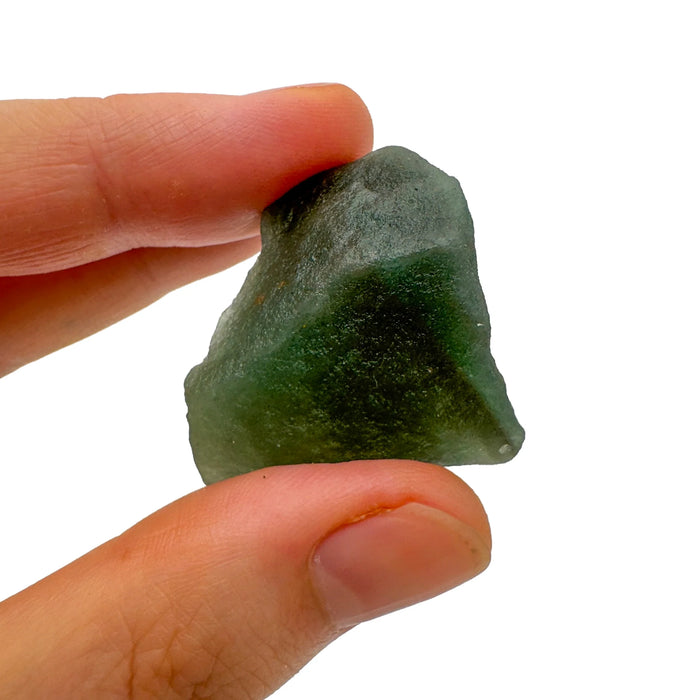
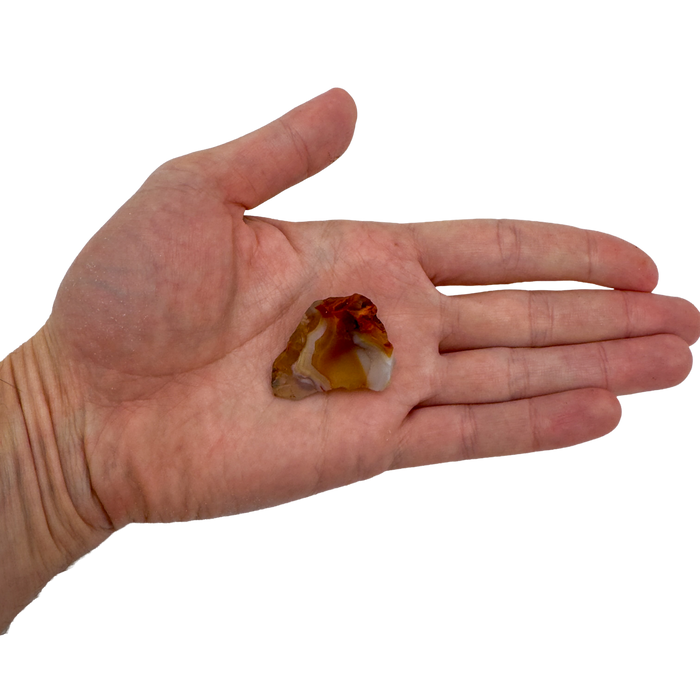
Measurements are missing, so a small stone can be photographed to look like a centerpiece. Honest listings give dimensions and weight because they know the exact piece.
Delivery measured in weeks rather than days, shipping from overseas, and tracking that goes quiet are classic signs the order is being relayed to a distant warehouse.
Word-for-word identical text across supposedly different brands, sometimes lightly machine-translated, points to one supplier feeding many shops the same listing.
No address, no name, possible customs charges mentioned, and an FAQ warning that items may arrive in separate packages. Anonymous shops are hard to hold accountable.
Dropshipped vs Hand-Selected
The difference is not always visible in the price. It is visible in who stands behind the stone. Each card gathers one path from supplier to your shelf, so on a phone you read straight down instead of across a wide table.
Dropshipped Stone
Relayed from a warehouse
Hand-Selected Stone
Chosen by a real buyer
Two shops can list the same supplier stone at the same price. Only one of them looked at it before it shipped. That is the part the listing rarely tells you, and the part worth paying for.
Why the Same Stone Can Cost Triple
Markup itself is normal, and it is worth being clear about that. Keystone pricing, the long-standing retail standard, sets a price at twice the wholesale cost. Specialty goods like jewelry and crystals commonly run higher, in the range of two to four times cost. A real shop has real expenses behind that number: photographing each piece, packing it well, covering returns, rent, and the time to answer your questions.
So a stone that costs more than warehouse price is not a warning sign by itself. The problem with a dropshipped piece is narrower. You pay the premium and receive none of the work it is supposed to cover. The same stone sits in another shop for less, and neither seller ever held it.
Keystone pricing, the standard retail baseline of double the wholesale cost
Typical markup range for specialty goods like jewelry and crystals
Keystone pricing and specialty-retail markup ranges, standard jewelry-trade references.
The markup is not the scam. Paying a premium for a stone that no one ever held is.
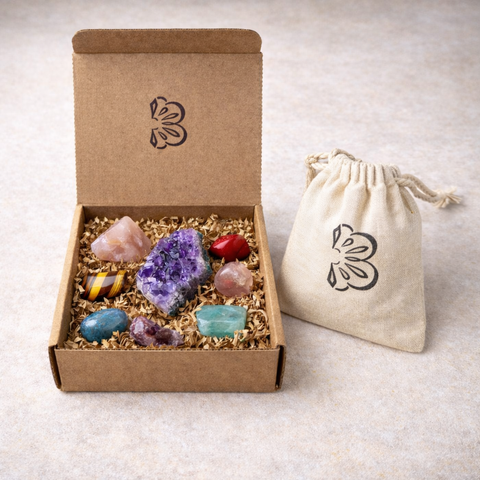
Beyond Bohemian publishes its sourcing approach and treatment notes, hand-checks what it sells, and photographs the actual piece for one-of-a-kind specimens. The point is not that a fair markup is wrong. It is that a price should buy you real work: selection, inspection, and a stone whose story we can stand behind.
How to Spot a Dropshipped Listing in About a Minute
You do not need a mineralogy degree or any special tools. Four quick checks settle most of it before you reach the checkout page.
A genuine listing gives you something to hold onto: real measurements, more than one photo, a clear shipping policy, and a person behind the shop. A dropshipped one tends to go quiet exactly where those details should be.
When you find a shop that photographs its own stones and names where they came from, you have found the opposite of a warehouse relay. That is what you are checking for.

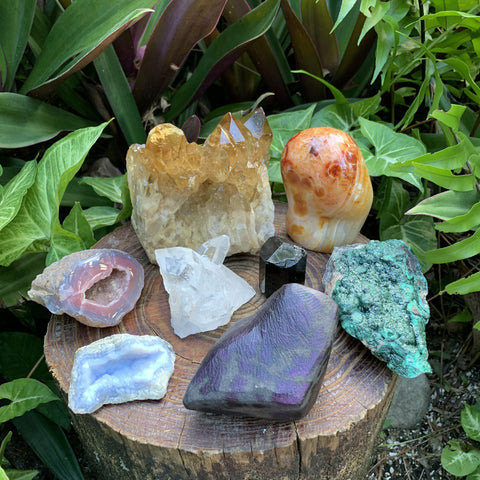
A shop that photographs its own stones, from real angles with real measurements, is the opposite of a warehouse relay.
Right-click the image and search it. If the same picture is on many shops, the stone is dropshipped.
A real listing measures the piece and shows it from more than one side, especially for unique specimens.
Long overseas times, customs warnings, and notes that items may arrive separately all point to a relay.
A real address, a name, honest reviews, and a shop that welcomes your questions are the strongest signs of all.
Related Guides
The gap between an eight dollar stone and a forty dollar one, explained without the mystery.
Read the guideBeyond the grade sticker, the real factors that set what a stone costs.
Read the guideHow a crystal actually reaches you, and how many hands it passes through first.
Follow the chainHow to read an origin claim and tell a real source from a vague one.
Read the guideWhy a printed certificate proves far less than it appears to.
Read the guideEvery Beyond Bohemian guide to sourcing, value, and care in one place.
Browse the LibraryDropshipped Crystals FAQ
Are crystals dropshipped?
Yes, and widely. A great many crystals sold online are dropshipped, listed by a shop but shipped straight from a third-party warehouse. The seller never holds, inspects, or photographs the stone. Dropshipping how-to guides openly promote it for crystals, which is why the same pieces show up across so many storefronts.
Why do different crystal shops use the same photo?
Because they buy from the same supplier and reuse its catalog images. The supplier provides product photos that any reseller can post, so one image ends up on dozens of shops. Save the photo and run a reverse image search. Seeing it across many stores is the clearest sign of a shared dropshipping source.
Why is the same crystal so much more expensive at one shop?
Different shops apply different markups, and they do different amounts of work. One may hand-select the piece, inspect it, and photograph the exact stone. Another may relay your order to a warehouse and add a blind markup. The price gap often reflects handling and accountability, not always a difference in the stone itself.
How can I tell if a crystal shop is dropshipping?
Reverse image search the product photo. If it appears on many storefronts, the stone is likely dropshipped. Other tells are missing size and weight, a single stock image with no second angle, long overseas shipping times, customs-charge warnings, copied descriptions, and an anonymous shop with no address or phone.
Is dropshipping crystals a scam?
Not by itself. Dropshipping is a legal logistics model used across online retail. It becomes a problem with crystals when it is hidden, when no one inspects or selects the natural stone, and when you pay a premium for a piece the seller never handled. Disclosure and real vetting are what separate a fair shop from a relay.
What is a fair markup on crystals?
Keystone pricing, double the wholesale cost, is the standard retail baseline. Specialty goods like jewelry and crystals commonly run two to four times cost. A markup is fair when it covers real work: hand-selection, inspection, photography, packing, returns, and support. It stops being fair when you pay it for a stone no one ever touched.
How do I find a real crystal source?
Look for a shop that photographs its own stones, states origin to a country or region, discloses any treatment, lists real size and weight, and has a findable business with reviews and a return policy. A seller who welcomes questions about sourcing and treatment is showing you the opposite of a warehouse relay.