


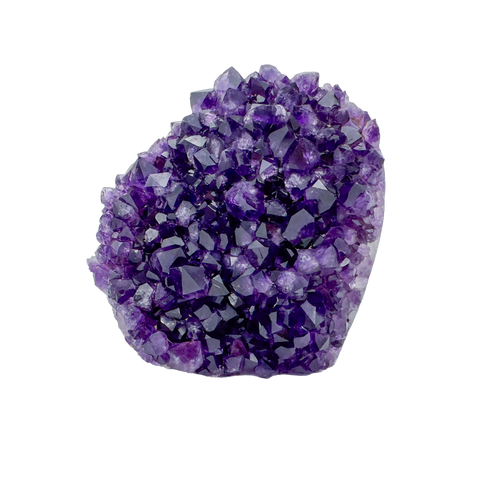
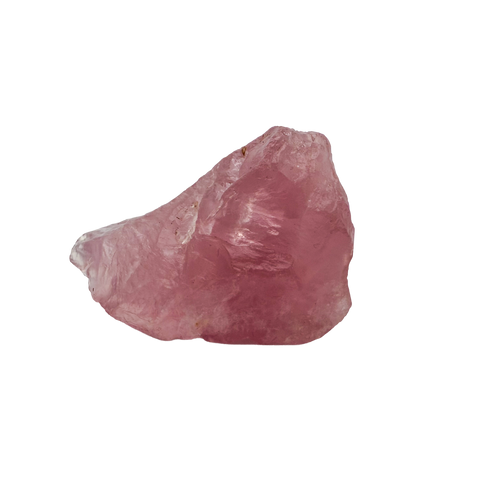
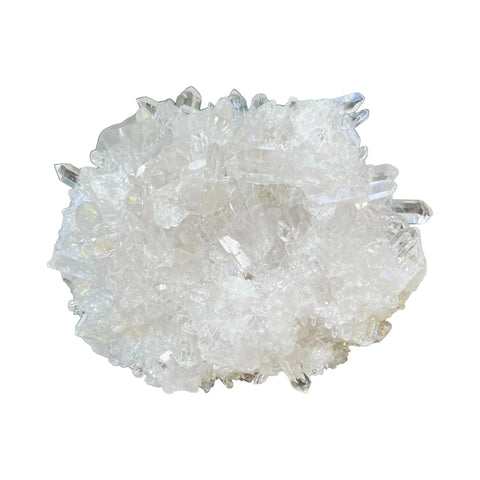
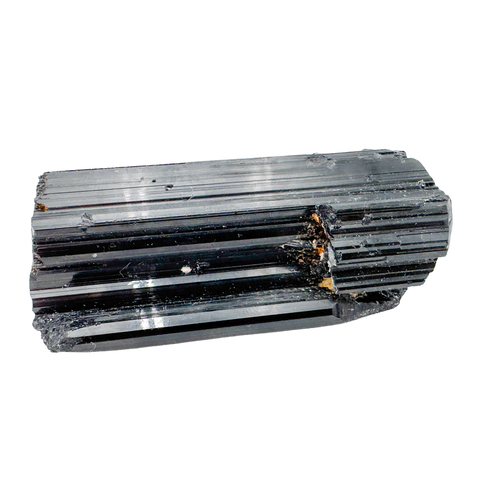
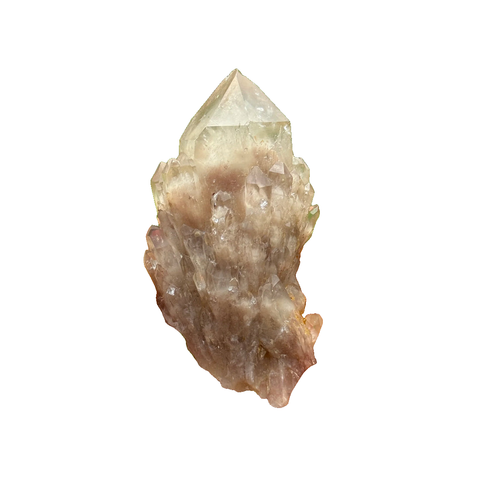
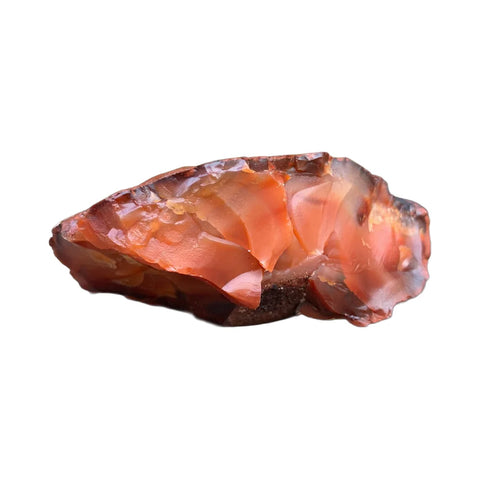
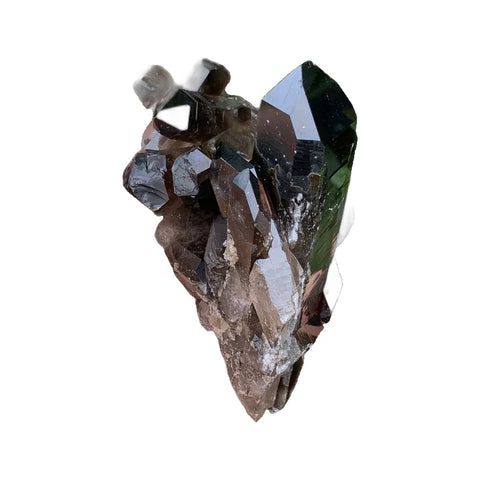
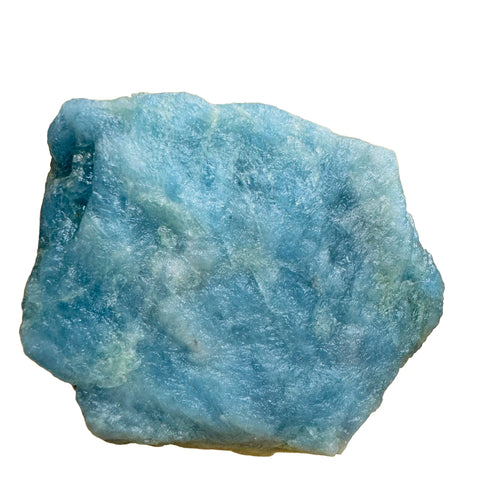
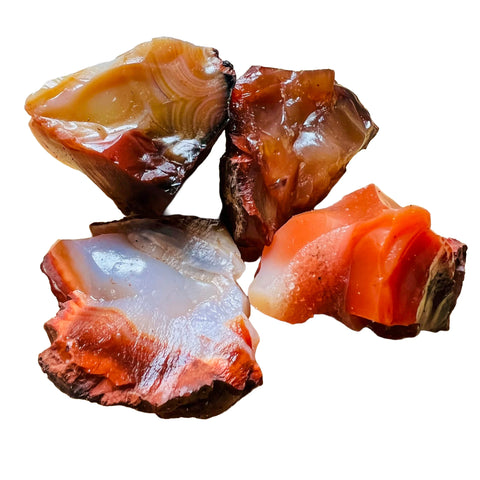


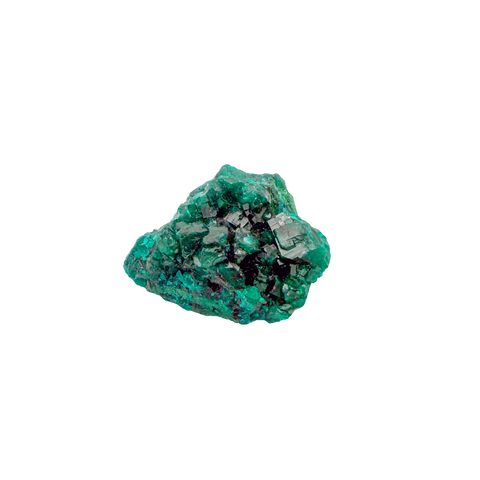
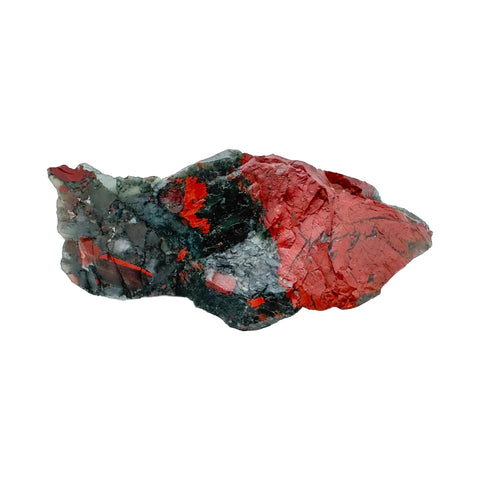
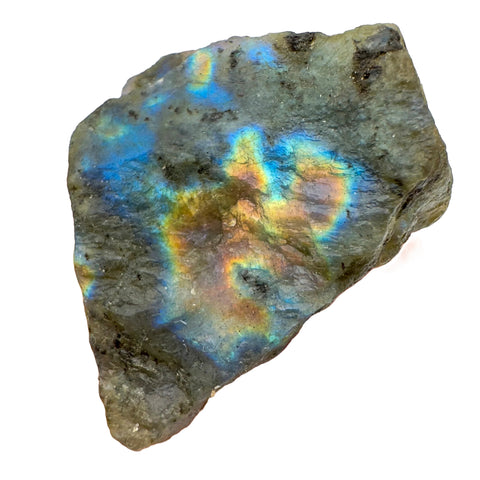
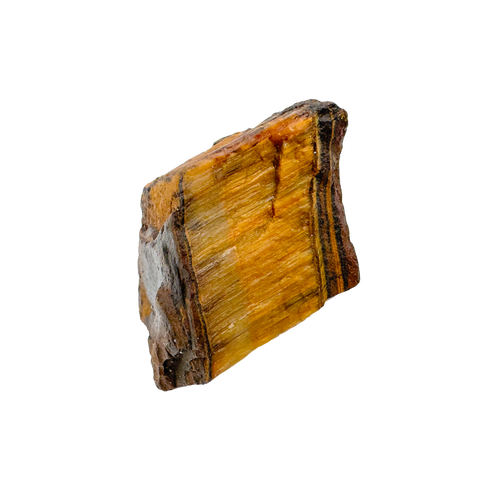
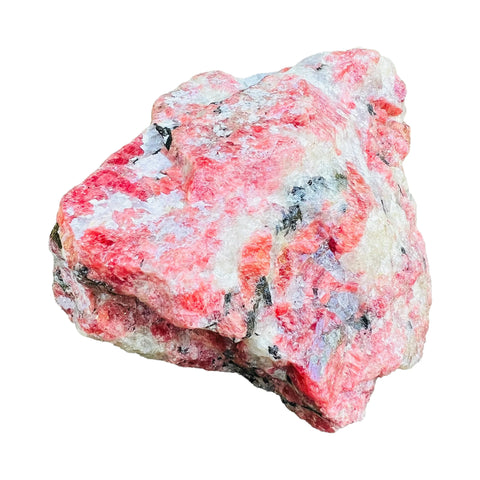
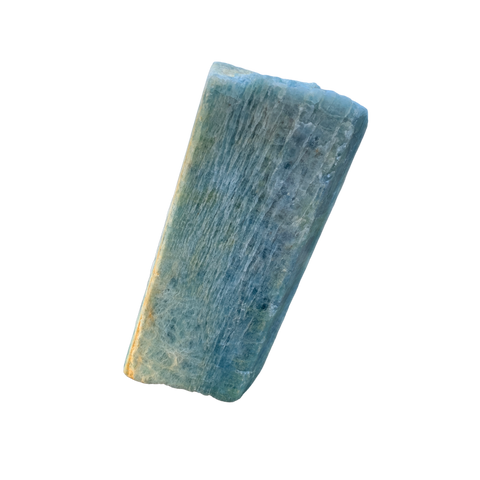
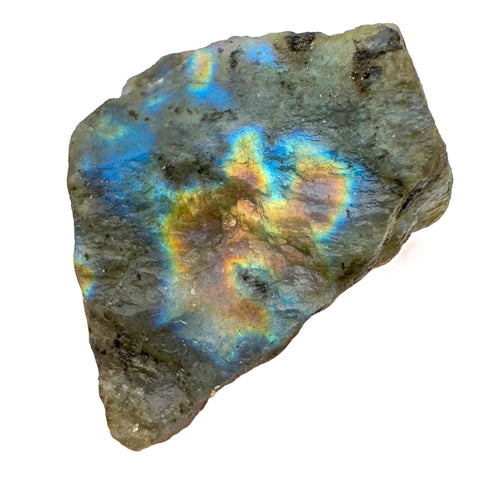
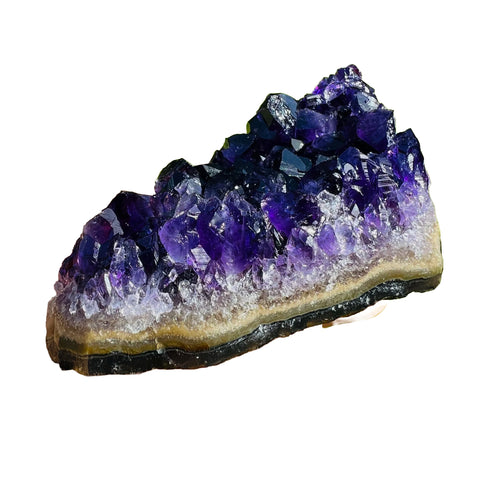



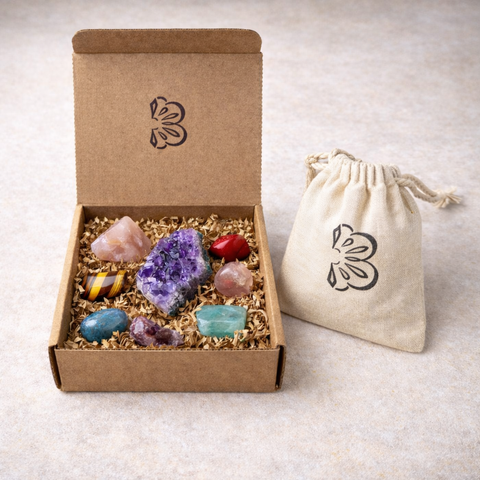
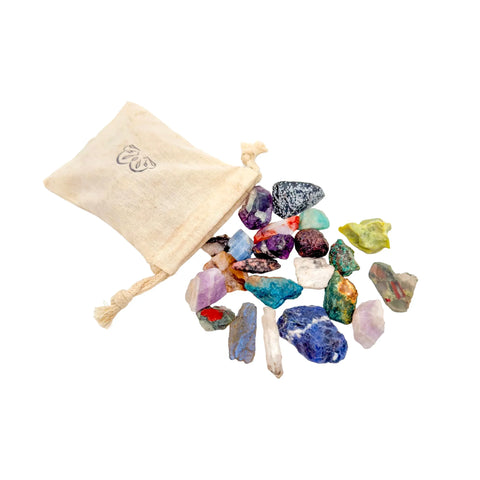
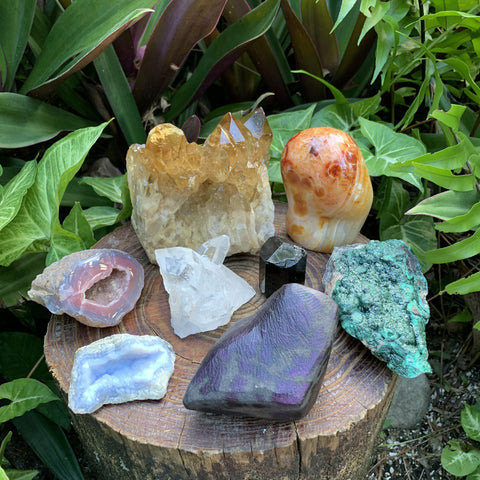
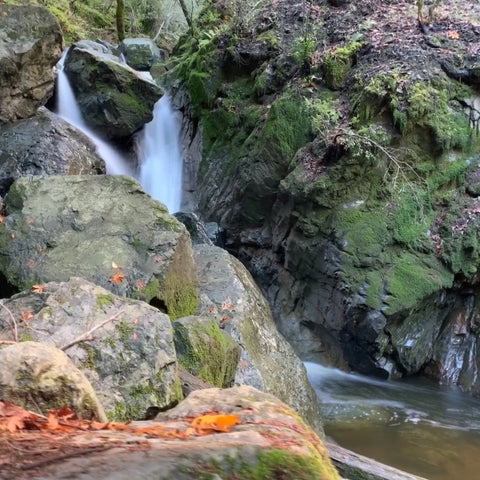
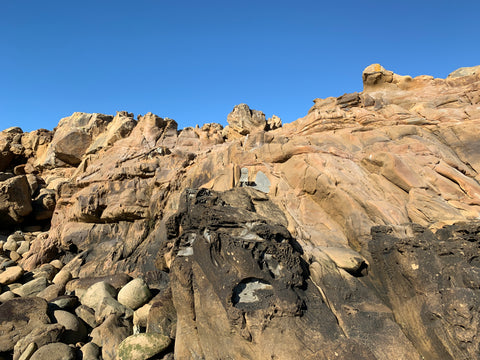
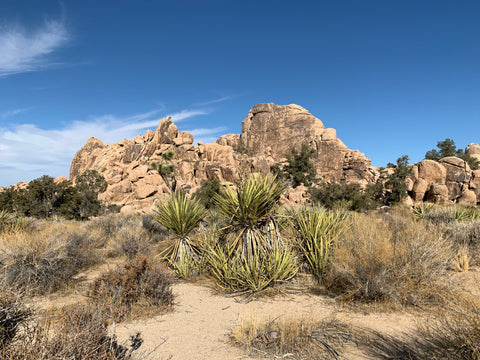
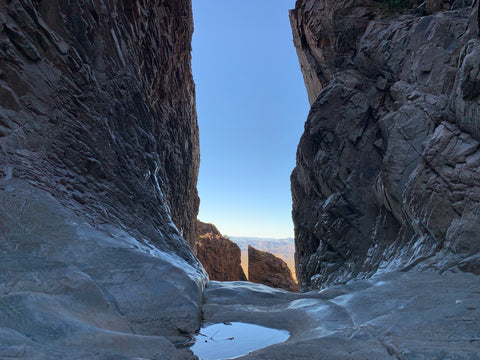
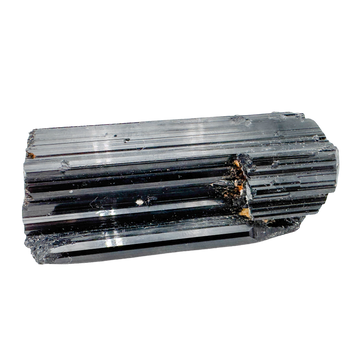
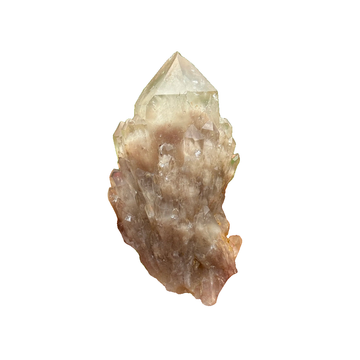
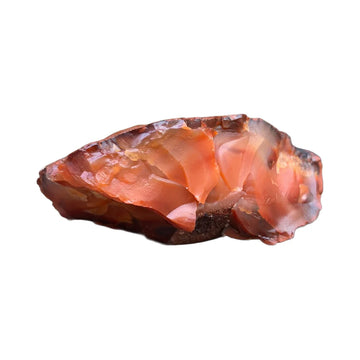
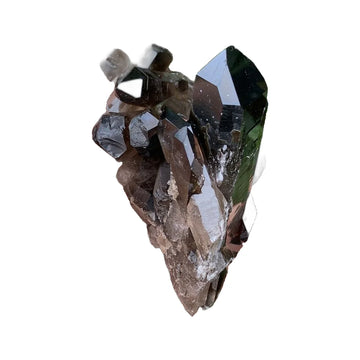
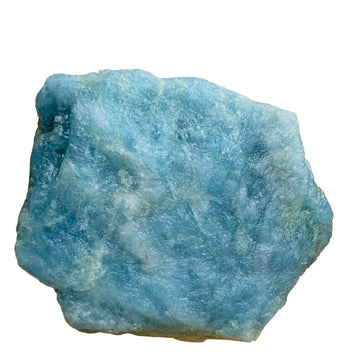
 Raw Stones
180 pieces
Raw Stones
180 pieces
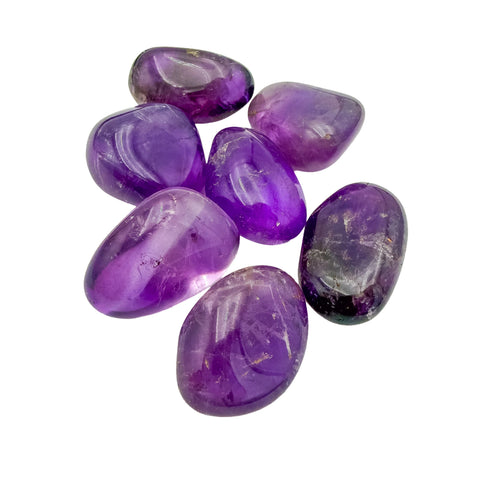
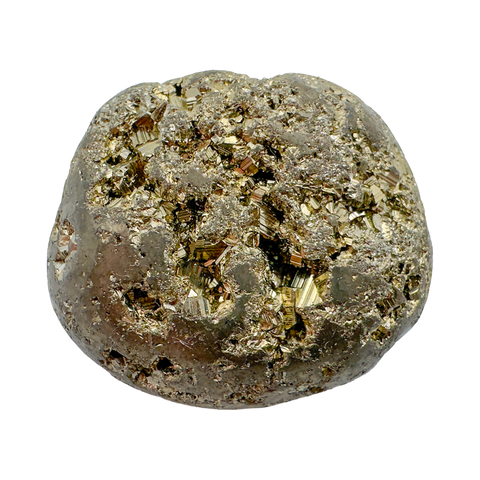
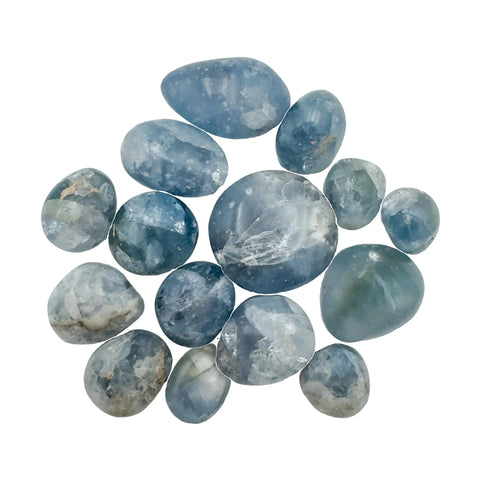
 Tumbled Stones
162 pieces
Tumbled Stones
162 pieces
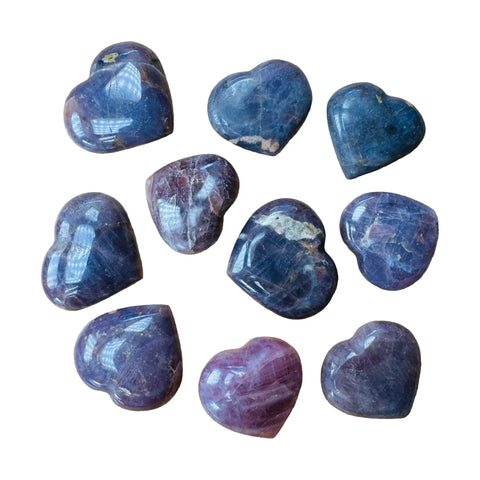
 Palm Stones
26 pieces
Palm Stones
26 pieces
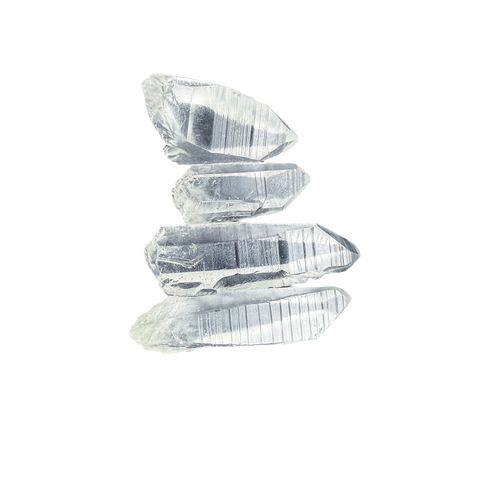
 Crystal Points
23 pieces
Crystal Points
23 pieces
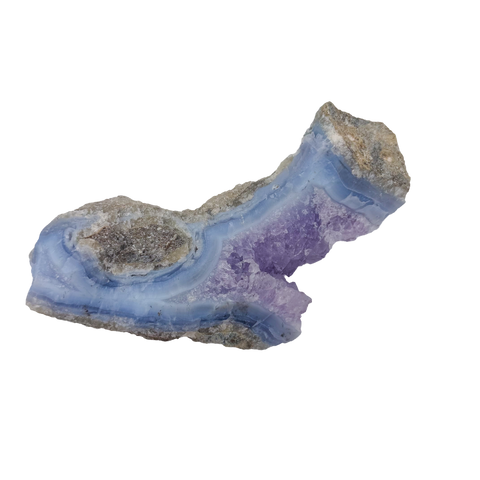
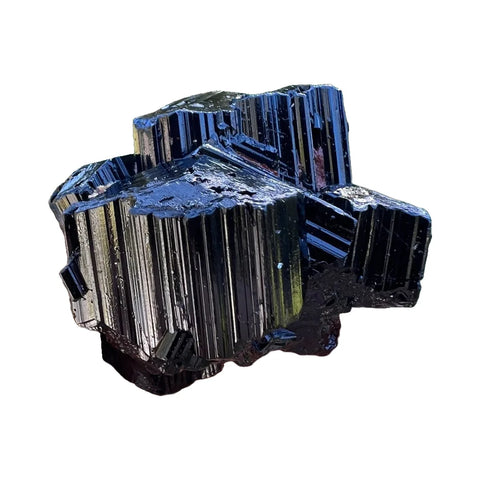
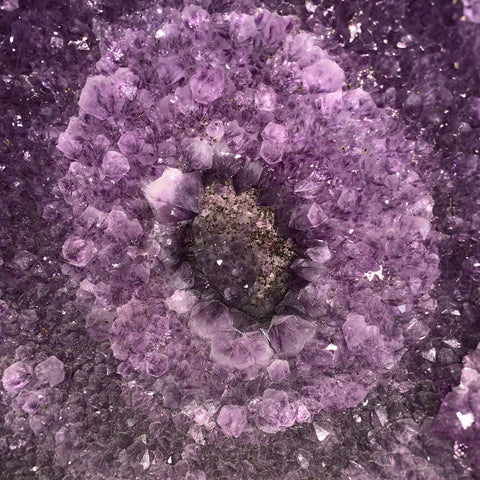
 Clusters & Geodes
112 pieces
Clusters & Geodes
112 pieces
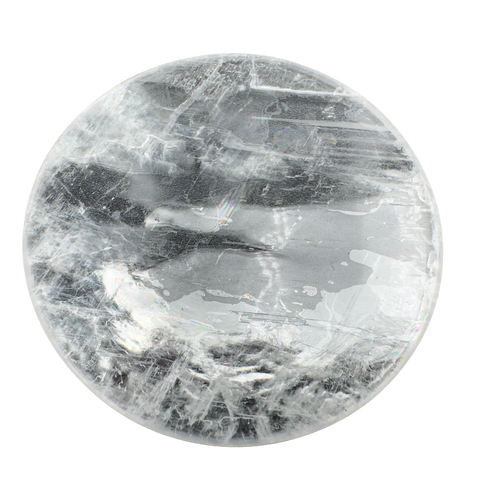
 Polished & Decor
155 pieces
Polished & Decor
155 pieces
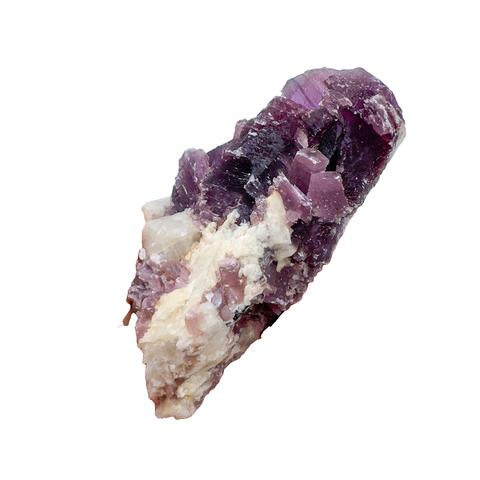
 Mineral Specimens
269 collector pieces
Mineral Specimens
269 collector pieces
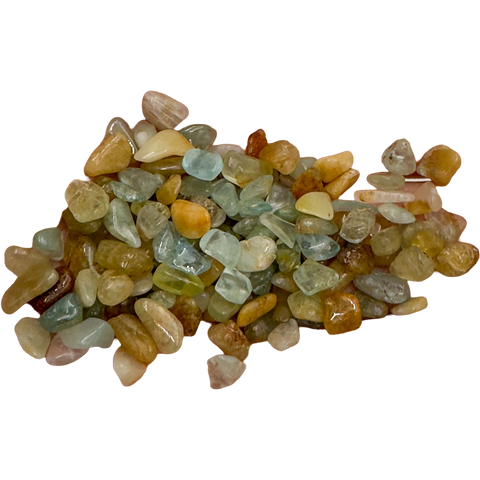
 Crystal Chips
21 pieces
Browse everything
Every collection, one page.
View All Collections →
Crystal Chips
21 pieces
Browse everything
Every collection, one page.
View All Collections →


 Aries
Mar 21 – Apr 19
Carnelian
›
Aries
Mar 21 – Apr 19
Carnelian
›
 Taurus
Apr 20 – May 20
Rose Quartz
›
Taurus
Apr 20 – May 20
Rose Quartz
›
 Gemini
May 21 – Jun 20
Agate
›
Gemini
May 21 – Jun 20
Agate
›
 Cancer
Jun 21 – Jul 22
Moonstone
›
Cancer
Jun 21 – Jul 22
Moonstone
›
 Leo
Jul 23 – Aug 22
Citrine
›
Leo
Jul 23 – Aug 22
Citrine
›
 Virgo
Aug 23 – Sep 22
Amazonite
›
Virgo
Aug 23 – Sep 22
Amazonite
›
 Libra
Sep 23 – Oct 22
Blue Lace Agate
›
Libra
Sep 23 – Oct 22
Blue Lace Agate
›
 Scorpio
Oct 23 – Nov 21
Obsidian
›
Scorpio
Oct 23 – Nov 21
Obsidian
›
 Sagittarius
Nov 22 – Dec 21
Sodalite
›
Sagittarius
Nov 22 – Dec 21
Sodalite
›
 Capricorn
Dec 22 – Jan 19
Black Tourmaline
›
Capricorn
Dec 22 – Jan 19
Black Tourmaline
›
 Aquarius
Jan 20 – Feb 18
Amethyst
›
Aquarius
Jan 20 – Feb 18
Amethyst
›
 Pisces
Feb 19 – Mar 20
Aquamarine
›
Gifting?
A birthday stone is the safe bet.
Read the zodiac guide →
Pisces
Feb 19 – Mar 20
Aquamarine
›
Gifting?
A birthday stone is the safe bet.
Read the zodiac guide →

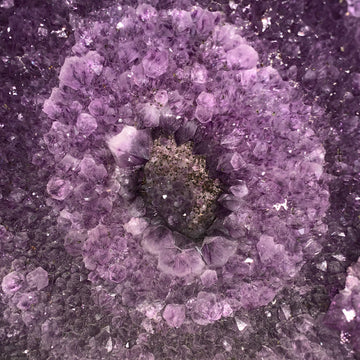
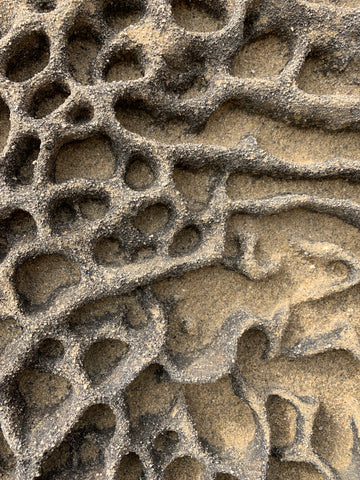
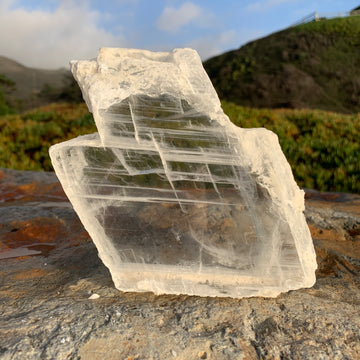
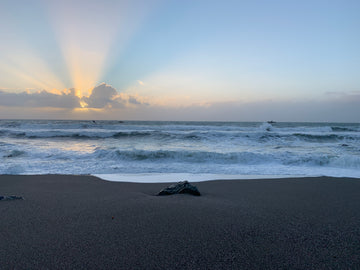
Antimony (Native)
Antimony (Native) is native element (semi-metal), Sb. In the hand, it rates 3 to 3.5 on the Mohs scale, and it runs tin white and silver-gray. Tin-white brittle metal of serious heft that cleaves into stepped mirror plates rather than denting like true metals. Hydrothermal veins; notable: Sala (Sweden), Kremnica (Slovakia), New Brunswick (Canada), China.
The geology.
Antimony (Native) carries the formula Sb. It belongs to the trigonal system. It is classified as native element (semi-metal).
It sits at 3 to 3.5 on the Mohs scale. The surface reads metallic, bright on fresh surfaces. Light behavior is opaque. Specific gravity runs 6.6 to 6.7. The streak is gray. It breaks with perfect basal cleavage; brittle.
Tin-white brittle metal of serious heft that cleaves into stepped mirror plates rather than denting like true metals.
You will most often meet it as massive cleavable lumps, botryoidal masses or rare crystals.
The origins.
Hydrothermal veins; notable: Sala (Sweden), Kremnica (Slovakia), New Brunswick (Canada), China.
On value, the database notes: collector specimen; uncommon in shops.
Traditional associations.
In energy work traditions, antimony has little established crystal lore; alchemists historically gave the metal transformative symbolism.
People buy on this language, so it belongs on the page. It belongs under the facts, though, not over them.
Spotting the real thing.
Tin-white brittle metal of serious heft that cleaves into stepped mirror plates rather than denting like true metals.
| Looks like | How to tell them apart |
|---|---|
| Stibnite | The sulfide cousin forms bladed crystals and is softer (Mohs 2); native antimony is blockier and cleavable |
| Arsenic (native) | Native arsenic is darker gray-black and tarnishes faster |
| Silver | Silver is malleable and dents; antimony shatters |
At-home tests.
You can run every one of these at a kitchen table. Good light matters more than gear when you are looking at antimony (native).
| Test | What you should see |
|---|---|
| By eye | Brittle, chips rather than dents |
| By eye | Very heavy (SG ~6.6) |
| By eye | Bright basal cleavage steps |
Anything that scratches, burns or dissolves the piece is a lab job. Get it appraised rather than testing it apart.
Care & handling.
At 3 to 3.5 on the Mohs scale this is a soft material. Keep it as a display piece, store it apart from harder stones, and skip daily-wear settings.
It breaks with perfect basal cleavage; brittle, which is worth knowing before you set it or drop it.
Warm water and a soft cloth clean almost everything. Ultrasonic tanks, steamers and household cleaners are where pieces get ruined.
Antimony is toxic if ingested or inhaled as dust, handle specimens normally, wash hands, and never grind them.
A deeper look.
Extended detail on composition, sourcing, authentication and market value.
The physical record
The formula on record is Sb. Crystal system: Trigonal. Specific gravity: 6.6 to 6.7. Streak: Gray. Cleavage and fracture: Perfect basal cleavage; brittle.
How it reaches the market
Hydrothermal veins; notable: Sala (Sweden), Kremnica (Slovakia), New Brunswick (Canada), China.
What it gets confused with
Stibnite: The sulfide cousin forms bladed crystals and is softer (Mohs 2); native antimony is blockier and cleavable. Arsenic (native): Native arsenic is darker gray-black and tarnishes faster. Silver: Silver is malleable and dents; antimony shatters.
What it is worth
Collector specimen; uncommon in shops.
One more thing
Antimony's symbol Sb comes from 'stibium', the Latin name for the kohl eyeliner made from its sulfide for millennia.
An education-first guide.
No product links here. We do not sell antimony (native), and a guide that only covers our own shelves would not be much of a guide.
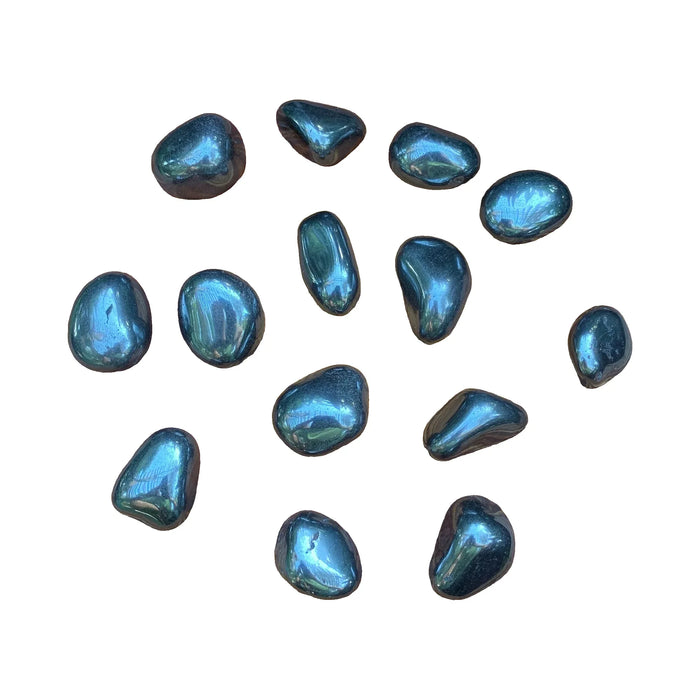
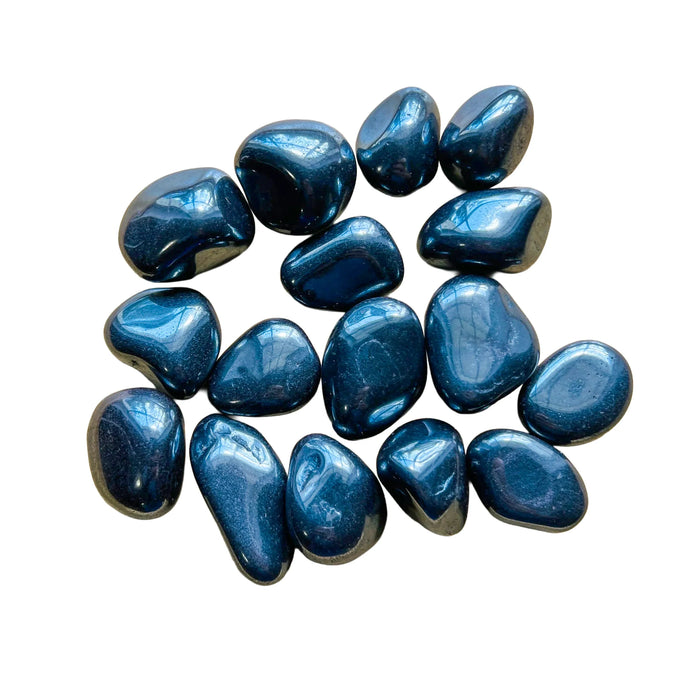
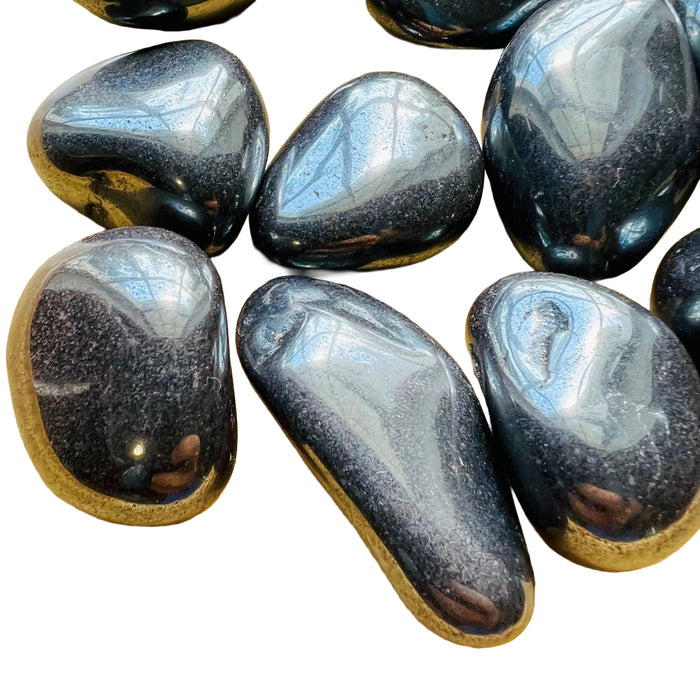
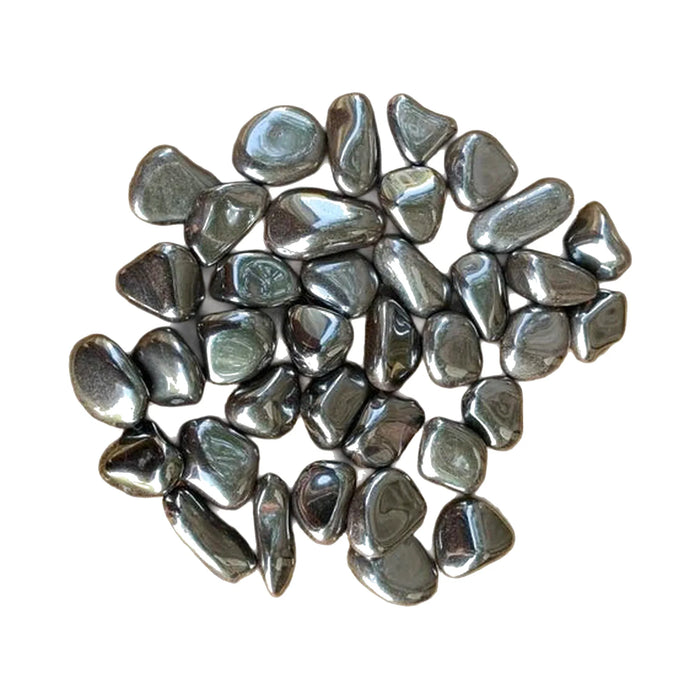
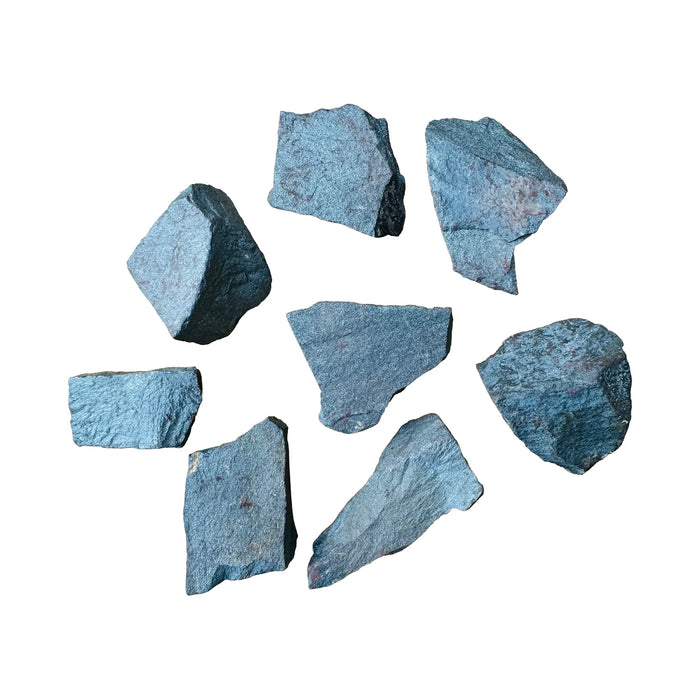
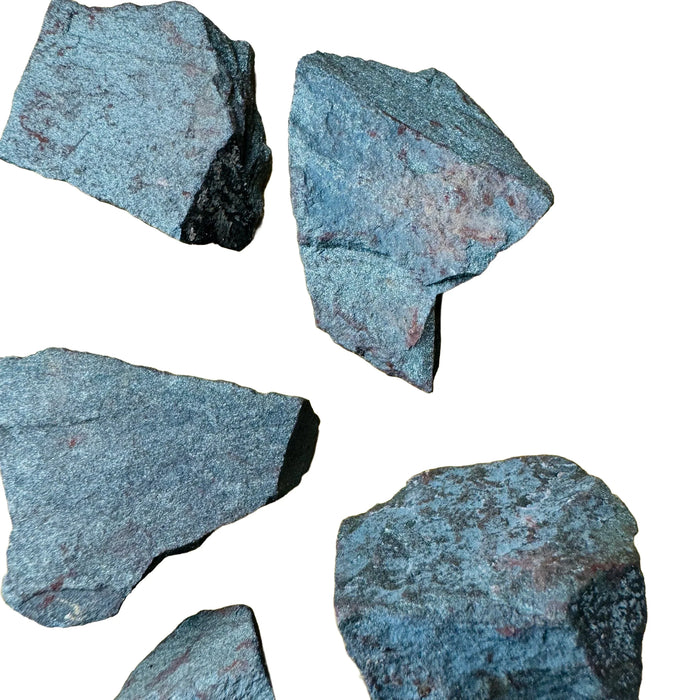
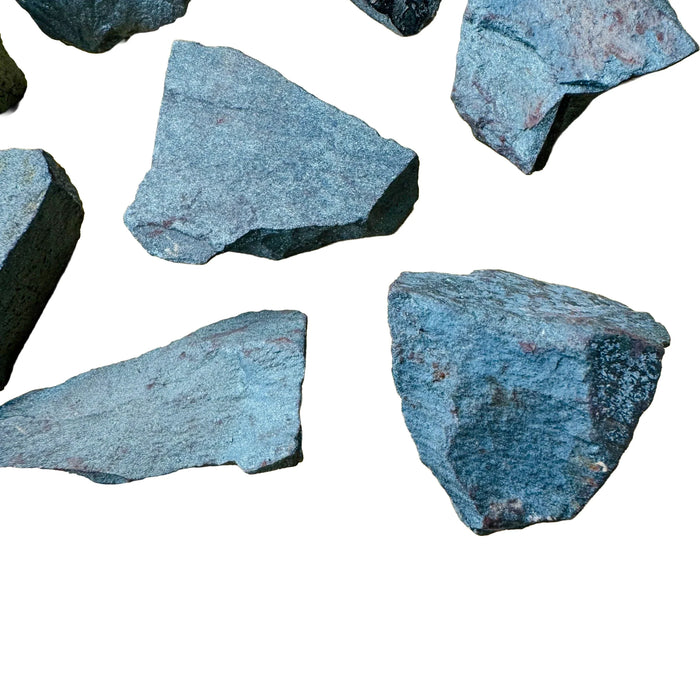
Explore the Crystal GuideThe closest match we carry: Hematite.
Antimony is not something we carry. Hematite is the closest match in our collection, and every piece passes our sourcing standards: origin named, treatments disclosed.
- 4.9 out of 5from 1,000+ reviews
- Ships within 72 hoursMonday to Friday, tracked
- 90 days to return itif you do not love it
- Free US shipping over $99$8.99 flat rate under