


 Agatefor stress relief
 Amazonitefor stress relief
 Aquamarinefor serenity
 Aventurinefor luck
 Bloodstonefor energy
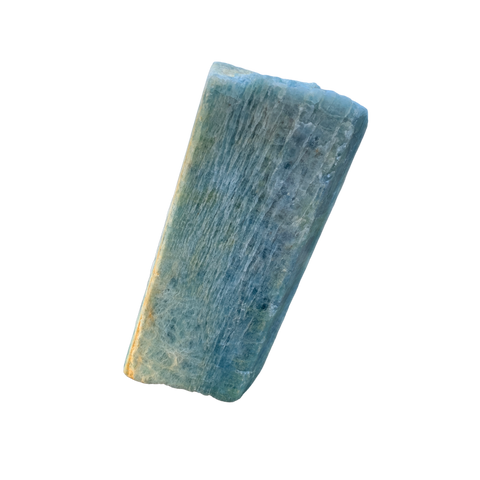
 Blue Kyanitefor confidence
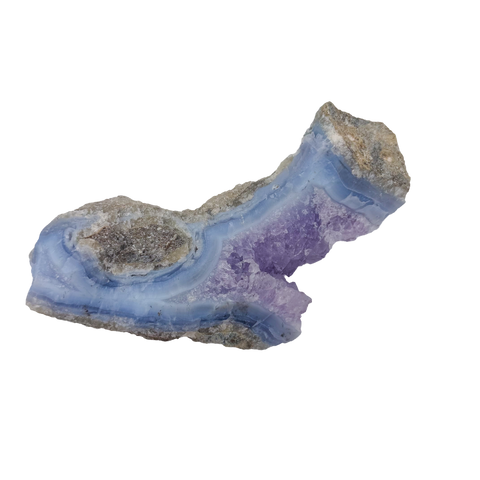
 Blue Lace Agatefor stress relief
 Chrysocollafor emotional healing
 Fluoritefor focus
 Garnetfor energy
 Lepidolitefor stress relief
 Malachitefor emotional healing
 Moonstonefor grounding
 Obsidianfor protection
 Ocean Jasperfor emotional healing
 Red Jasperfor grounding
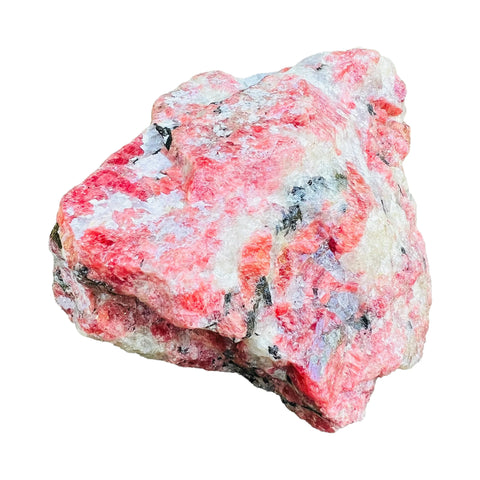
 Rhodonitefor emotional healing
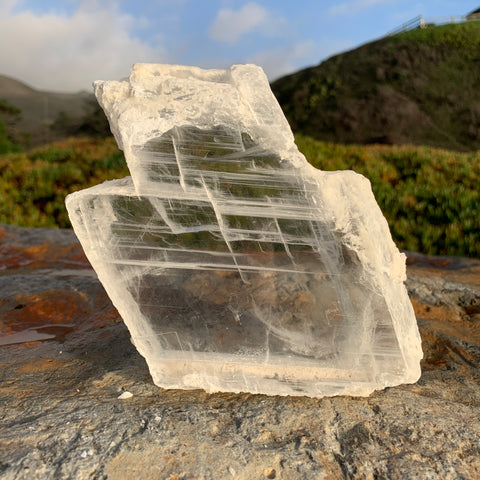
 Selenitefor cleansing
 Sodalitefor focus
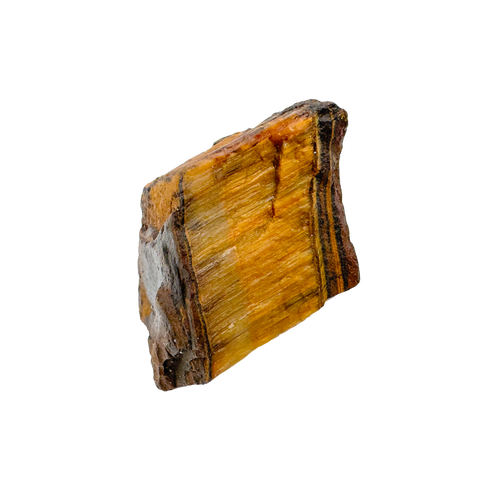
 Tiger Eyefor confidence
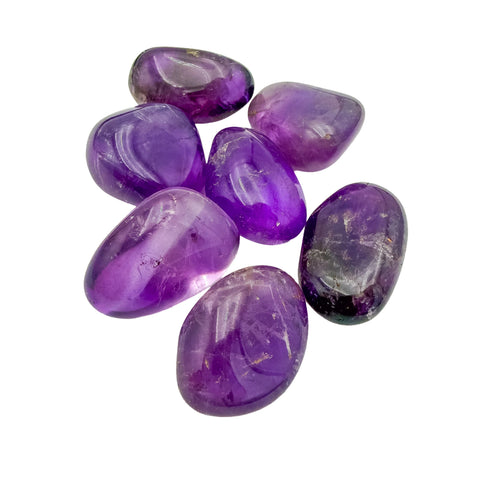


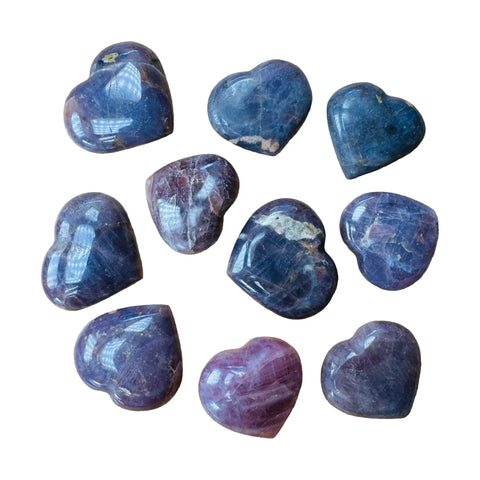
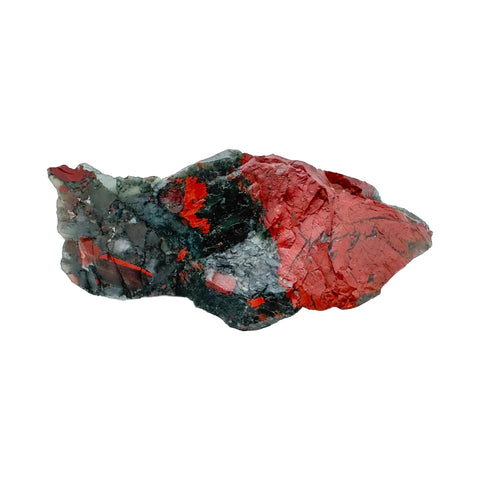
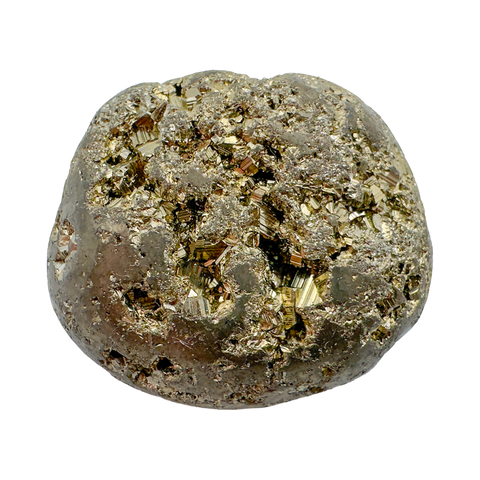
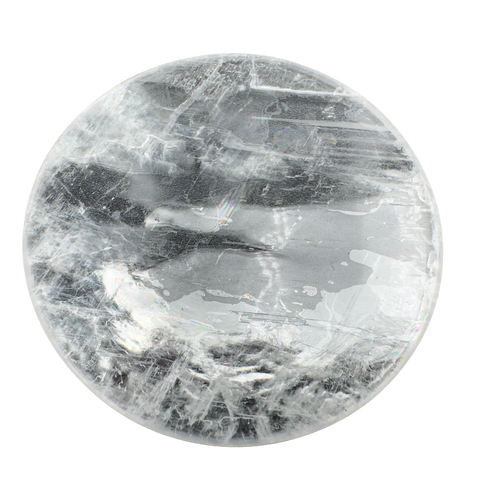


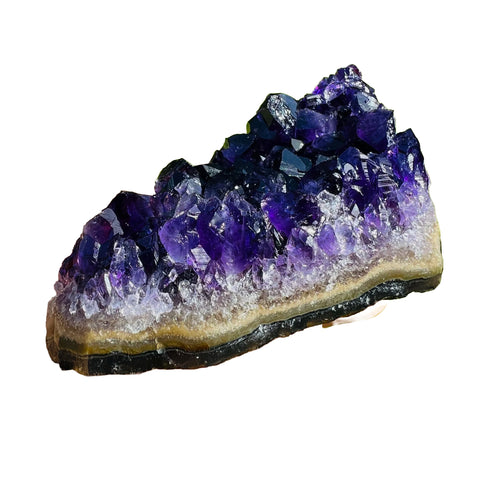





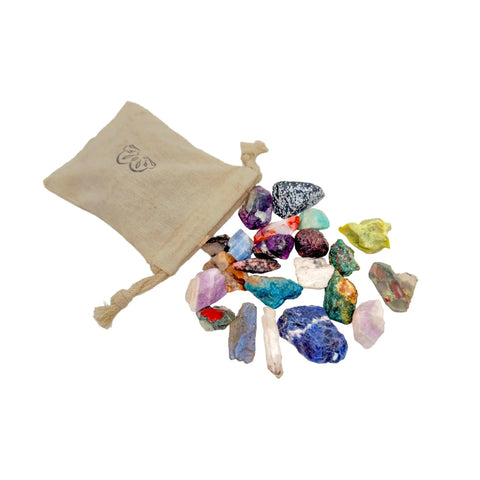
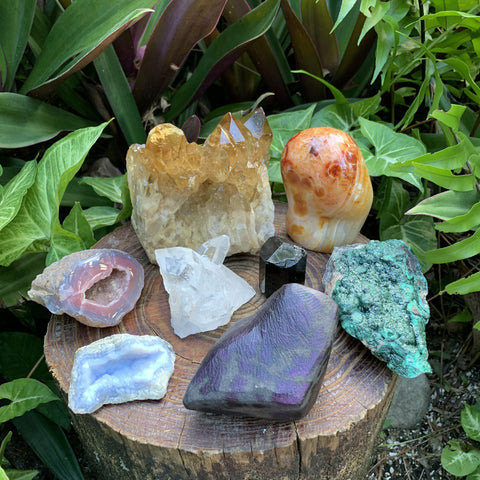
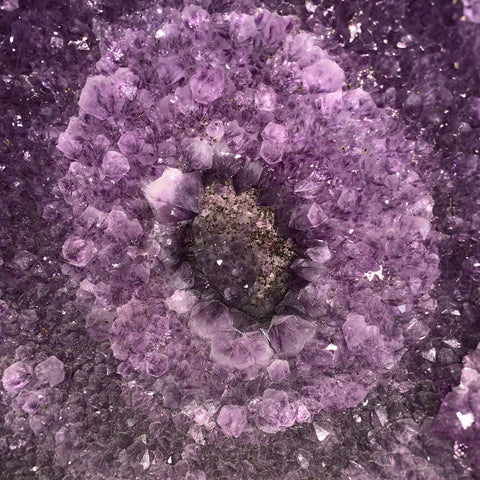
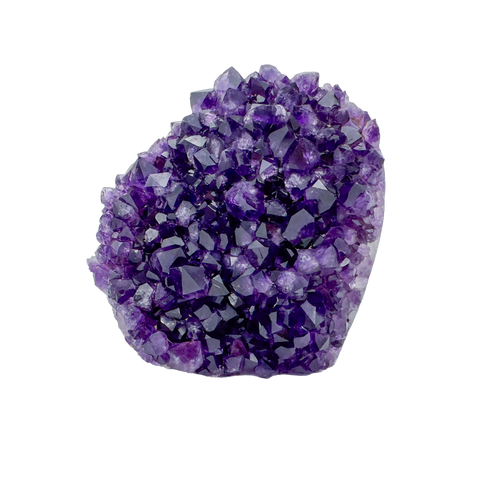
 Amethyst
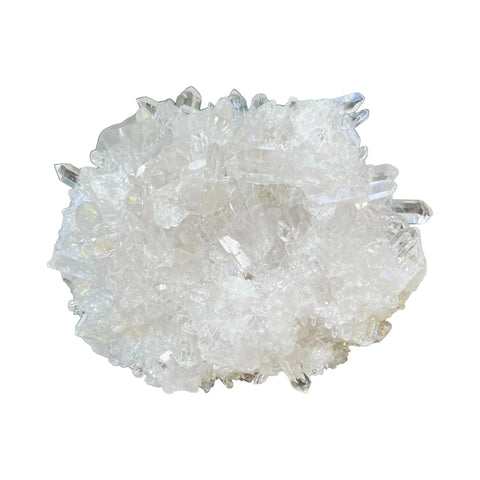
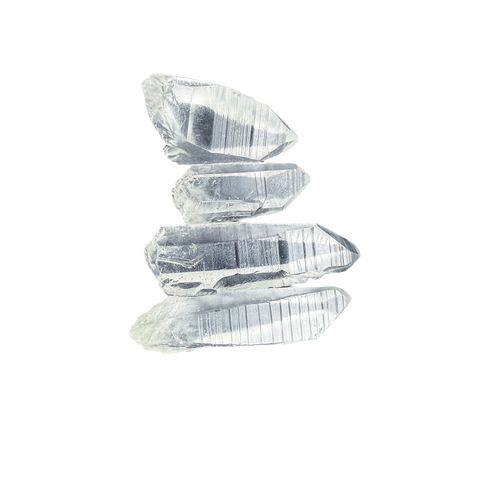
 Clear Quartz
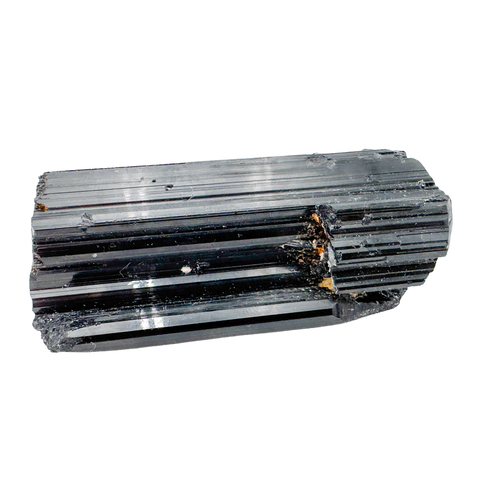
 Black Tourmaline
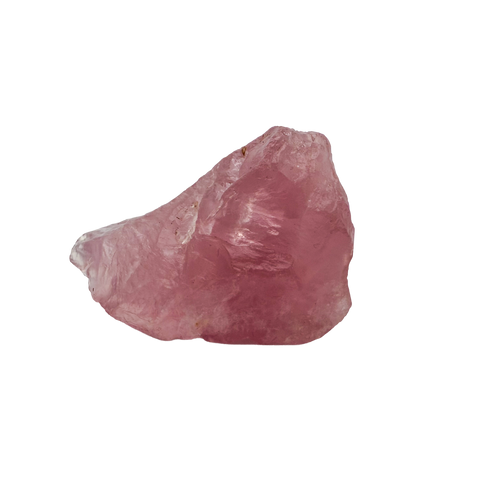
 Rose Quartz
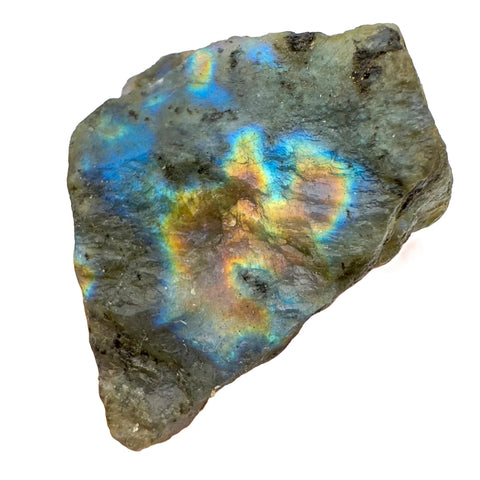
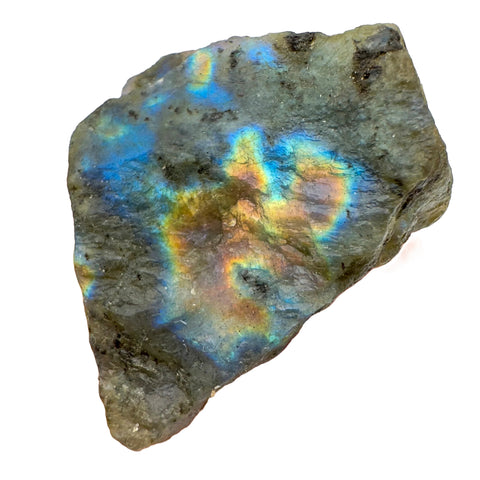
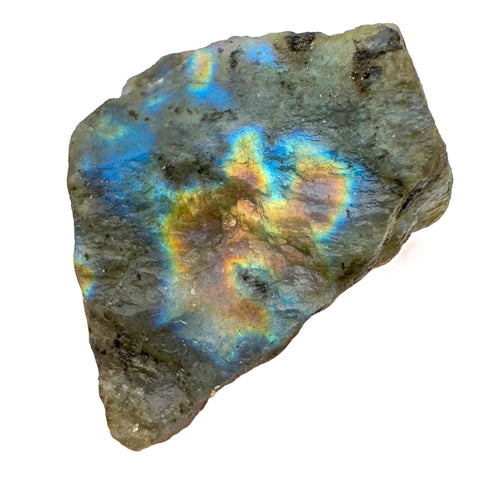
 Labradorite
 Natural Citrine
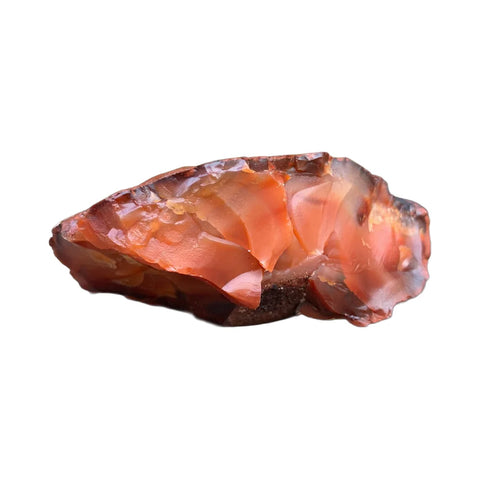
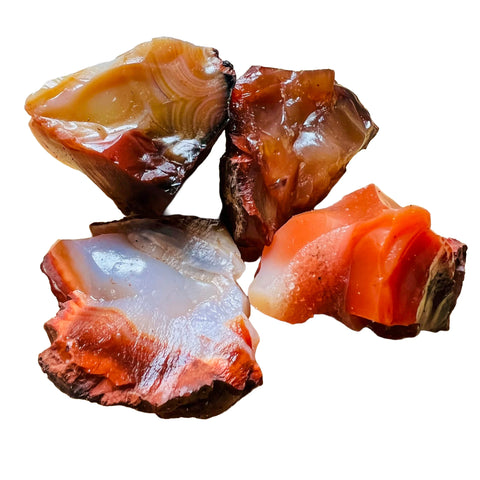
 Carnelian
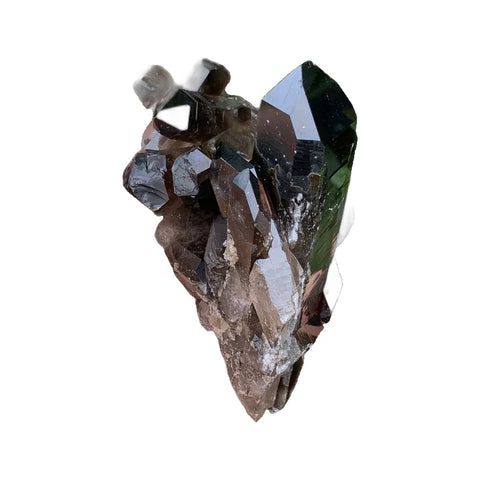
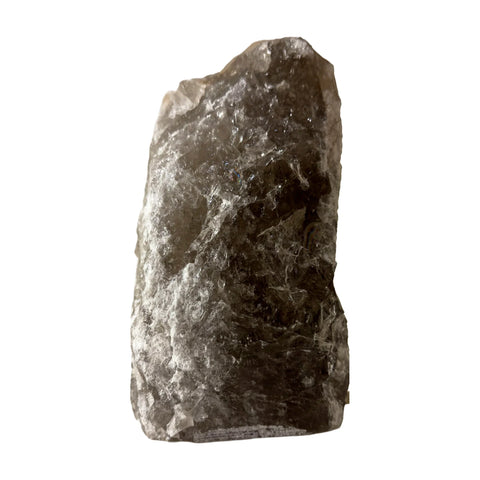
 Smoky Quartz
 Aventurine
 Sodalite
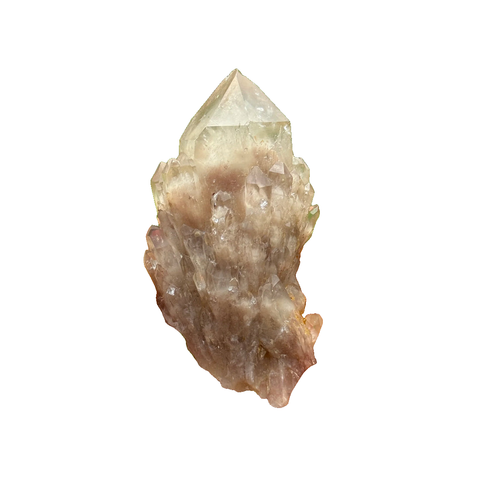
 Ametrine
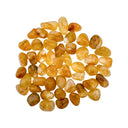 Golden Healer
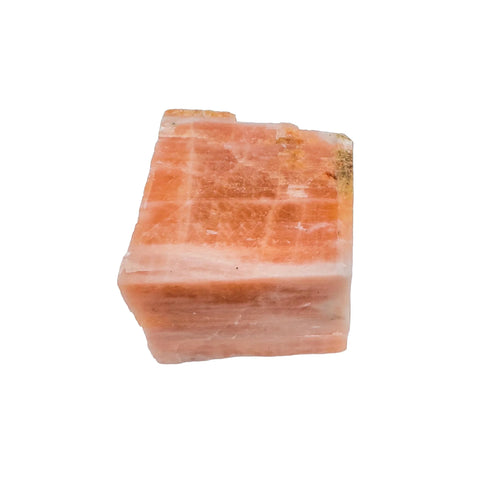
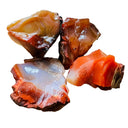 Raw Stones
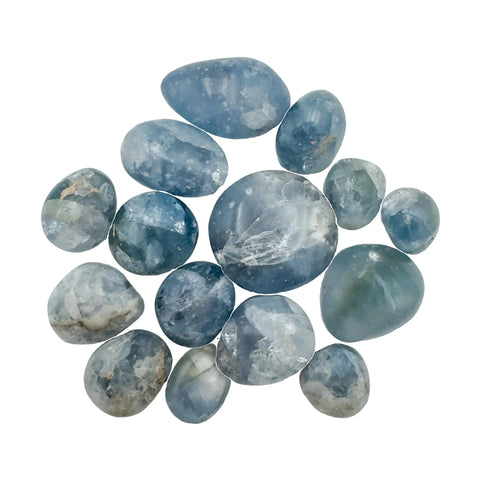
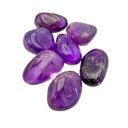 Tumbled Stones
 Palm Stones
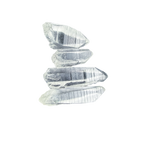 Crystal Points
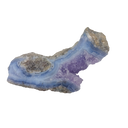 Clusters & Geodes
 Polished & Decor
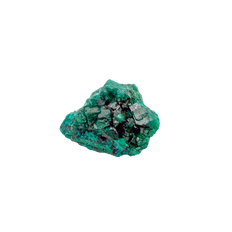 Mineral Specimens
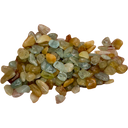 Crystal Chips
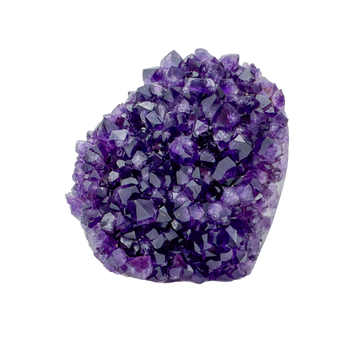
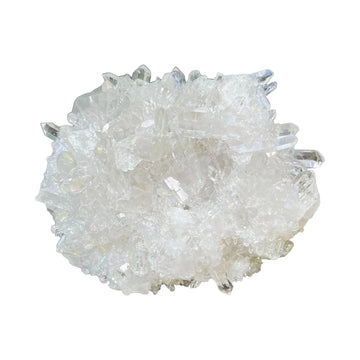
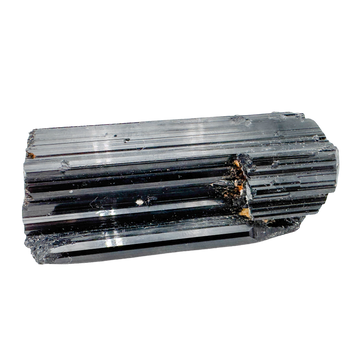
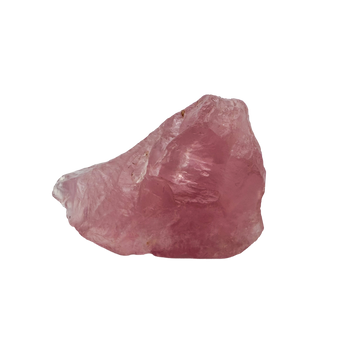
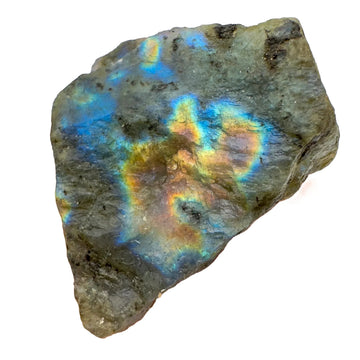
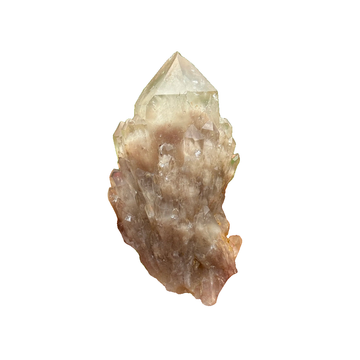
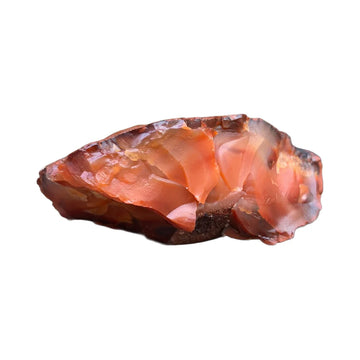
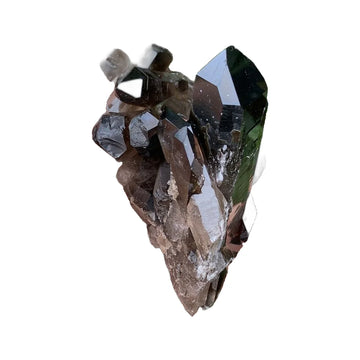
 Raw Stones
179 to choose from
Raw Stones
179 to choose from
 Tumbled Stones
162 to choose from
Tumbled Stones
162 to choose from
 Palm Stones
25 to choose from
Palm Stones
25 to choose from
 Crystal Points
23 to choose from
Crystal Points
23 to choose from
 Clusters & Geodes
101 to choose from
Clusters & Geodes
101 to choose from
 Polished & Decor
148 to choose from
Polished & Decor
148 to choose from
 Mineral Specimens
254 to choose from
Mineral Specimens
254 to choose from
 Crystal Chips
21 to choose from
Crystal Chips
21 to choose from


 AngolaAquamarine
›
AngolaAquamarine
›
 BotswanaCarnelian, Tree Agate
›
BotswanaCarnelian, Tree Agate
›
 DR CongoMalachite, Natural Citrine
›
DR CongoMalachite, Natural Citrine
›
 EswatiniBloodstone
›
EswatiniBloodstone
›
 MadagascarLabradorite, Clear Quartz
›
MadagascarLabradorite, Clear Quartz
›
 MalawiBlue Lace Agate, Garnet
›
MalawiBlue Lace Agate, Garnet
›
 MozambiqueAmazonite
›
MozambiqueAmazonite
›
 NamibiaSodalite, Blue Lace Agate
›
NamibiaSodalite, Blue Lace Agate
›
 Republic of the CongoDioptase
›
Republic of the CongoDioptase
›
 South AfricaTiger Eye, Unakite
›
South AfricaTiger Eye, Unakite
›
 ZambiaChevron Amethyst
›
ZambiaChevron Amethyst
›
 ZimbabweEmerald, Rhodonite
›
ZimbabweEmerald, Rhodonite
›
 ArgentinaBlack Obsidian, Rhodochrosite
›
ArgentinaBlack Obsidian, Rhodochrosite
›
 BoliviaAmetrine
›
BoliviaAmetrine
›
 BrazilAmethyst, Clear Quartz
›
BrazilAmethyst, Clear Quartz
›
 PeruSerpentine, Jade
›
PeruSerpentine, Jade
›
 UruguayAmethyst
›
UruguayAmethyst
›
 Dominican RepublicLarimar
›
Dominican RepublicLarimar
›
 MexicoRainbow Obsidian, Crazy Lace Agate
›
MexicoRainbow Obsidian, Crazy Lace Agate
›
 United StatesSelenite, Peridot
›
United StatesSelenite, Peridot
›
 ChinaFluorite
›
ChinaFluorite
›
 RussiaShungite
›
RussiaShungite
›
 AustraliaMookaite
›
AustraliaMookaite
›
 Where our crystals come from
See where we source →
Where our crystals come from
See where we source →


 Aries
Mar 21 to Apr 19
Carnelian
›
Aries
Mar 21 to Apr 19
Carnelian
›
 Taurus
Apr 20 to May 20
Rose Quartz
›
Taurus
Apr 20 to May 20
Rose Quartz
›
 Gemini
May 21 to Jun 20
Agate
›
Gemini
May 21 to Jun 20
Agate
›
 Cancer
Jun 21 to Jul 22
Moonstone
›
Cancer
Jun 21 to Jul 22
Moonstone
›
 Leo
Jul 23 to Aug 22
Citrine
›
Leo
Jul 23 to Aug 22
Citrine
›
 Virgo
Aug 23 to Sep 22
Amazonite
›
Virgo
Aug 23 to Sep 22
Amazonite
›
 Libra
Sep 23 to Oct 22
Blue Lace Agate
›
Libra
Sep 23 to Oct 22
Blue Lace Agate
›
 Scorpio
Oct 23 to Nov 21
Obsidian
›
Scorpio
Oct 23 to Nov 21
Obsidian
›
 Sagittarius
Nov 22 to Dec 21
Sodalite
›
Sagittarius
Nov 22 to Dec 21
Sodalite
›
 Capricorn
Dec 22 to Jan 19
Black Tourmaline
›
Capricorn
Dec 22 to Jan 19
Black Tourmaline
›
 Aquarius
Jan 20 to Feb 18
Amethyst
›
Aquarius
Jan 20 to Feb 18
Amethyst
›
 Pisces
Feb 19 to Mar 20
Aquamarine
›
Gifting?
A birthday stone is the safe bet.
Read the zodiac guide →
Pisces
Feb 19 to Mar 20
Aquamarine
›
Gifting?
A birthday stone is the safe bet.
Read the zodiac guide →


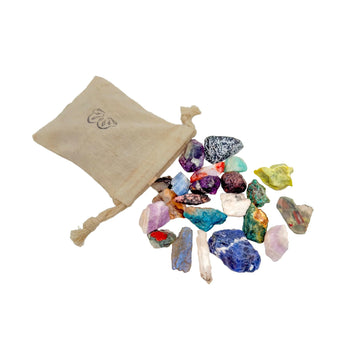

Pyrope Garnet
Pyrope Garnet is nesosilicate (garnet group, pyralspite series), Mg3Al2(SiO4)3. In the hand, it rates 7 to 7.5 on the Mohs scale, and it runs purple red and pinkish red. Pyrope gives a cleaner, more fiery red than almandine, often with a purple or orange cast, and it is usually free of inclusions you can see without magnification.
The geology.
Pyrope Garnet carries the formula Mg3Al2(SiO4)3. It belongs to the cubic (isometric) system. Catalogs list it as nesosilicate (garnet group, pyralspite series).
It sits at 7 to 7.5 on the Mohs scale. The surface reads vitreous. Light behavior is transparent to translucent. Specific gravity runs 3.65 to 3.87. The streak is white. It breaks with no cleavage; conchoidal fracture.
Pyrope gives a cleaner, more fiery red than almandine, often with a purple or orange cast, and it is usually free of inclusions you can see without magnification. It is noticeably lighter in the hand than an almandine of the same size. Faceted pyrope above one or two carats almost always goes very dark, so a large pyrope that stays bright and open is unusual.
It reaches buyers as dodecahedral and trapezohedral crystals, rounded grains in kimberlite and peridotite, faceted gems or small calibrated stones in antique jewelry.
The origins.
Pyrope forms at high pressure in ultramafic rocks, notably peridotite, kimberlite, eclogite and serpentinite, and is concentrated in the sands and gravels weathered from them. Documented sources include the area around Trebenice in the Czech Republic, which produced the Bohemian garnets of the nineteenth century trade; the Dora Maira massif in Piedmont, Italy; Zoeblitz in Saxony, Germany; the diamond mines around Kimberley in South Africa; and Garnet Ridge in Apache County, Arizona.
On value, the database notes: pyrope is inexpensive and its main limitation is tone, since stones much above a carat usually read as very dark. Bright, saturated red in a wearable size carries the premium, along with chromium rich material whose color approaches fine ruby.
Traditional associations.
Garnet is the January birthstone, and pyrope takes its name from the Greek pyropos, meaning fiery eyed. Pyrope from the historic Bohemian mines was intensely fashionable in Victorian jewelry, and the Smithsonian's antique Bohemian pyrope hair comb is among the best known surviving pieces of garnet jewelry. Sellers commonly connect pyrope to the root chakra, to Aquarius and Capricorn, and to the element of fire.
We keep this section because people ask. It sits below the geology on purpose, and none of it describes something the stone does.
Spotting the real thing.
Pyrope gives a cleaner, more fiery red than almandine, often with a purple or orange cast, and it is usually free of inclusions you can see without magnification. It is noticeably lighter in the hand than an almandine of the same size. Faceted pyrope above one or two carats almost always goes very dark, so a large pyrope that stays bright and open is unusual.
The most frequent misrepresentation is not an imitation at all but a misnaming: stones sold simply as pyrope, especially in larger sizes, are usually almandine rich blends, because near pure pyrope is rare and goes very dark. Chrome pyrope is also marketed under borrowed names that imply corundum, such as Cape ruby, Arizona ruby and Bohemian ruby, all of which describe garnet. Red glass, cubic zirconia and garnet topped doublets turn up in antique and low cost jewelry, so check the girdle for a join line and the interior for gas bubbles.
| Looks like | How to tell them apart |
|---|---|
| Ruby | Ruby is doubly refractive and dichroic, showing doubled back facet edges and two reds as it turns. Pyrope shows neither, and chrome rich pyrope is usually much darker in tone than a fine ruby. |
| Almandine garnet | Almandine is heavier for its size and browner or more violet in color, and it shows three strong absorption bands through a spectroscope where pyrope shows a narrow chromium doublet in the deep red instead. |
| Red glass or cubic zirconia | Glass is much lighter and often holds round gas bubbles; cubic zirconia is far heavier than pyrope and throws obvious rainbow fire that garnet does not. |
At-home tests.
Before anyone talks you into a lab report, these are the checks worth doing yourself on pyrope garnet.
| Test | What you should see |
|---|---|
| By eye | Hold the stone over a white surface in daylight: pyrope above about two carats that still looks bright rather than blackish is worth a closer look, because most does not. |
| Under a loupe | Check back facet edges with a loupe; pyrope is singly refractive and shows no doubling, which separates it from ruby and red tourmaline. |
| By weight | Compare weight against a same size almandine or cubic zirconia, since pyrope sits between glass and almandine in density. |
| By eye | Through a hand spectroscope, chrome bearing pyrope shows a narrow doublet in the far red rather than almandine's broad three band pattern. |
If these checks leave you unsure, that is what appraisers are for. Do not file, heat or soak a piece to find out.
Care & handling.
At 7 to 7.5 on the Mohs scale it stands up to everyday wear. It will still chip on a hard knock, so treat edges and points with respect.
It breaks with no cleavage; conchoidal fracture, which is worth knowing before you set it or drop it.
Most damage happens during cleaning, not wearing. Avoid steamers, ultrasonic tanks and anything from under the sink.
A deeper look.
Extended detail on composition, sourcing, authentication and market value.
The physical record
The formula on record is Mg3Al2(SiO4)3. Crystal system: Cubic (isometric). Specific gravity: 3.65 to 3.87. Streak: White. Cleavage and fracture: No cleavage; conchoidal fracture.
How it reaches the market
Pyrope forms at high pressure in ultramafic rocks, notably peridotite, kimberlite, eclogite and serpentinite, and is concentrated in the sands and gravels weathered from them. Documented sources include the area around Trebenice in the Czech Republic, which produced the Bohemian garnets of the nineteenth century trade; the Dora Maira massif in Piedmont, Italy; Zoeblitz in Saxony, Germany; the diamond mines around Kimberley in South Africa; and Garnet Ridge in Apache County, Arizona.
What it gets confused with
Ruby: Ruby is doubly refractive and dichroic, showing doubled back facet edges and two reds as it turns. Pyrope shows neither, and chrome rich pyrope is usually much darker in tone than a fine ruby.. Almandine garnet: Almandine is heavier for its size and browner or more violet in color, and it shows three strong absorption bands through a spectroscope where pyrope shows a narrow chromium doublet in the deep red instead.. Red glass or cubic zirconia: Glass is much lighter and often holds round gas bubbles; cubic zirconia is far heavier than pyrope and throws obvious rainbow fire that garnet does not..
What it is worth
Pyrope is inexpensive and its main limitation is tone, since stones much above a carat usually read as very dark. Bright, saturated red in a wearable size carries the premium, along with chromium rich material whose color approaches fine ruby.
Where buyers get caught
The most frequent misrepresentation is not an imitation at all but a misnaming: stones sold simply as pyrope, especially in larger sizes, are usually almandine rich blends, because near pure pyrope is rare and goes very dark. Chrome pyrope is also marketed under borrowed names that imply corundum, such as Cape ruby, Arizona ruby and Bohemian ruby, all of which describe garnet. Red glass, cubic zirconia and garnet topped doublets turn up in antique and low cost jewelry, so check the girdle for a join line and the interior for gas bubbles.
One more thing
In parts of Arizona, harvester ants tunneling into garnet bearing ground push pyrope grains up and leave them scattered on their mounds, which is why the local stones are known in the trade as anthill garnets.
An education-first guide.
There is nothing to buy on this page. Pyrope Garnet is not part of our catalog, and the guide is here anyway because somebody searching the name deserves a straight answer.
Explore the Crystal GuideGrounded Connections
New stones go to the list first.
No forwarding, no selling. Unsubscribe in one click. Privacy