









 Agatefor stress relief
 Amazonitefor stress relief
 Aquamarinefor serenity
 Aventurinefor luck
 Bloodstonefor energy
 Blue Kyanitefor confidence
 Blue Lace Agatefor stress relief
 Chrysocollafor emotional healing
 Fluoritefor focus
 Garnetfor energy
 Lepidolitefor stress relief
 Malachitefor emotional healing
 Moonstonefor grounding
 Obsidianfor protection
 Ocean Jasperfor emotional healing
 Red Jasperfor grounding
 Rhodonitefor emotional healing
 Selenitefor cleansing
 Sodalitefor focus
 Tiger Eyefor confidence








































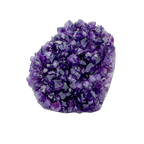 Amethyst
 Clear Quartz
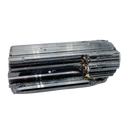 Black Tourmaline
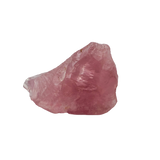 Rose Quartz
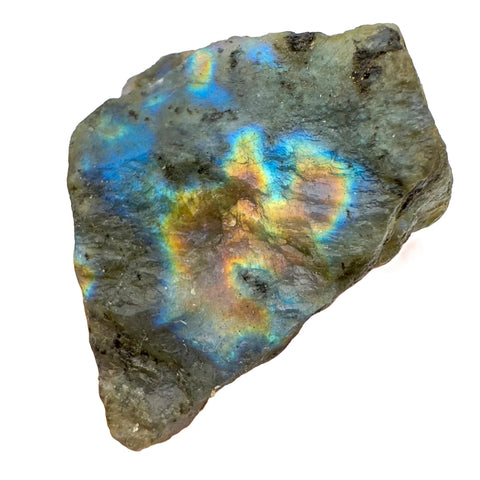
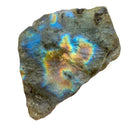 Labradorite
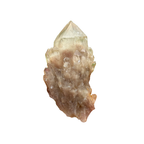 Natural Citrine
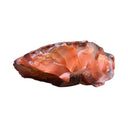 Carnelian
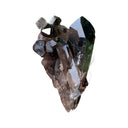 Smoky Quartz
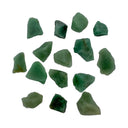 Aventurine
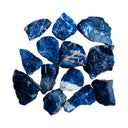 Sodalite
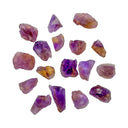 Ametrine
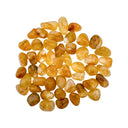 Golden Healer
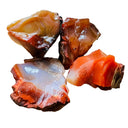 Raw Stones
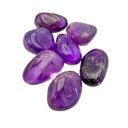 Tumbled Stones
 Palm Stones
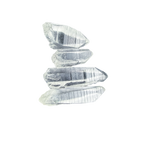 Crystal Points
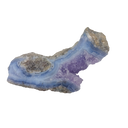 Clusters & Geodes
 Polished & Decor
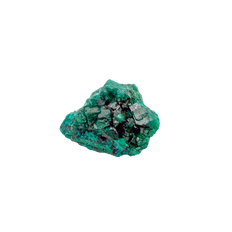 Mineral Specimens
 Crystal Chips




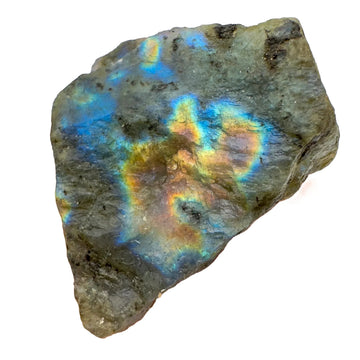



 Raw Stones
179 to choose from
Raw Stones
179 to choose from
 Tumbled Stones
162 to choose from
Tumbled Stones
162 to choose from
 Palm Stones
25 to choose from
Palm Stones
25 to choose from
 Crystal Points
23 to choose from
Crystal Points
23 to choose from
 Clusters & Geodes
101 to choose from
Clusters & Geodes
101 to choose from
 Polished & Decor
148 to choose from
Polished & Decor
148 to choose from
 Mineral Specimens
254 to choose from
Mineral Specimens
254 to choose from
 Crystal Chips
21 to choose from
Crystal Chips
21 to choose from


 AngolaAquamarine
›
AngolaAquamarine
›
 BotswanaCarnelian, Tree Agate
›
BotswanaCarnelian, Tree Agate
›
 DR CongoMalachite, Natural Citrine
›
DR CongoMalachite, Natural Citrine
›
 EswatiniBloodstone
›
EswatiniBloodstone
›
 MadagascarLabradorite, Clear Quartz
›
MadagascarLabradorite, Clear Quartz
›
 MalawiBlue Lace Agate, Garnet
›
MalawiBlue Lace Agate, Garnet
›
 MozambiqueAmazonite
›
MozambiqueAmazonite
›
 NamibiaSodalite, Blue Lace Agate
›
NamibiaSodalite, Blue Lace Agate
›
 Republic of the CongoDioptase
›
Republic of the CongoDioptase
›
 South AfricaTiger Eye, Unakite
›
South AfricaTiger Eye, Unakite
›
 ZambiaChevron Amethyst
›
ZambiaChevron Amethyst
›
 ZimbabweEmerald, Rhodonite
›
ZimbabweEmerald, Rhodonite
›
 ArgentinaBlack Obsidian, Rhodochrosite
›
ArgentinaBlack Obsidian, Rhodochrosite
›
 BoliviaAmetrine
›
BoliviaAmetrine
›
 BrazilAmethyst, Clear Quartz
›
BrazilAmethyst, Clear Quartz
›
 PeruSerpentine, Jade
›
PeruSerpentine, Jade
›
 UruguayAmethyst
›
UruguayAmethyst
›
 Dominican RepublicLarimar
›
Dominican RepublicLarimar
›
 MexicoRainbow Obsidian, Crazy Lace Agate
›
MexicoRainbow Obsidian, Crazy Lace Agate
›
 United StatesSelenite, Peridot
›
United StatesSelenite, Peridot
›
 ChinaFluorite
›
ChinaFluorite
›
 RussiaShungite
›
RussiaShungite
›
 AustraliaMookaite
›
AustraliaMookaite
›
 Where our crystals come from
See where we source →
Where our crystals come from
See where we source →


 Aries
Mar 21 to Apr 19
Carnelian
›
Aries
Mar 21 to Apr 19
Carnelian
›
 Taurus
Apr 20 to May 20
Rose Quartz
›
Taurus
Apr 20 to May 20
Rose Quartz
›
 Gemini
May 21 to Jun 20
Agate
›
Gemini
May 21 to Jun 20
Agate
›
 Cancer
Jun 21 to Jul 22
Moonstone
›
Cancer
Jun 21 to Jul 22
Moonstone
›
 Leo
Jul 23 to Aug 22
Citrine
›
Leo
Jul 23 to Aug 22
Citrine
›
 Virgo
Aug 23 to Sep 22
Amazonite
›
Virgo
Aug 23 to Sep 22
Amazonite
›
 Libra
Sep 23 to Oct 22
Blue Lace Agate
›
Libra
Sep 23 to Oct 22
Blue Lace Agate
›
 Scorpio
Oct 23 to Nov 21
Obsidian
›
Scorpio
Oct 23 to Nov 21
Obsidian
›
 Sagittarius
Nov 22 to Dec 21
Sodalite
›
Sagittarius
Nov 22 to Dec 21
Sodalite
›
 Capricorn
Dec 22 to Jan 19
Black Tourmaline
›
Capricorn
Dec 22 to Jan 19
Black Tourmaline
›
 Aquarius
Jan 20 to Feb 18
Amethyst
›
Aquarius
Jan 20 to Feb 18
Amethyst
›
 Pisces
Feb 19 to Mar 20
Aquamarine
›
Gifting?
A birthday stone is the safe bet.
Read the zodiac guide →
Pisces
Feb 19 to Mar 20
Aquamarine
›
Gifting?
A birthday stone is the safe bet.
Read the zodiac guide →


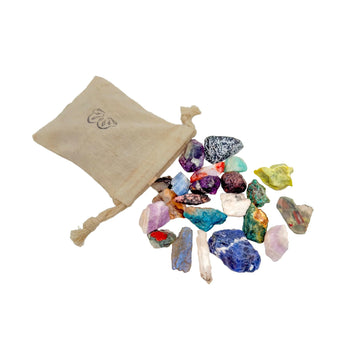










Almandine Garnet
Almandine Garnet is nesosilicate (garnet group, pyralspite series), Fe3Al2(SiO4)3. In the hand, it rates 7 to 7.5 on the Mohs scale, and it runs deep red and brownish red. Rough crystals are usually well formed dodecahedra or trapezohedra with flat, glassy faces, and chips break with curved conchoidal surfaces rather than flat cleavage planes.
The geology.
Almandine Garnet carries the formula Fe3Al2(SiO4)3. It belongs to the cubic (isometric) system. Catalogs list it as nesosilicate (garnet group, pyralspite series).
It sits at 7 to 7.5 on the Mohs scale. The surface reads vitreous to resinous. Light behavior is transparent to translucent. Specific gravity runs 3.95 to 4.30. The streak is white. It breaks with no cleavage; parting sometimes seen on {110}; subconchoidal to conchoidal fracture.
Almandine reads as a dark red with a brown or violet undertone rather than a pure red, and stones much over a centimeter across often look nearly black in the hand. Rough crystals are usually well formed dodecahedra or trapezohedra with flat, glassy faces, and chips break with curved conchoidal surfaces rather than flat cleavage planes. For its size it feels distinctly heavy, heavier than a red spinel or a piece of red glass of the same dimensions.
It reaches buyers as well formed dodecahedral crystals, trapezohedra, faceted gems or cabochons and tumbled stones.
The origins.
Almandine is the most common garnet, forming mainly in mica schists and gneisses produced by regional metamorphism of clay rich sediments, and also in contact hornfels, granites and eclogites. It survives weathering well and is widespread as a detrital mineral in sands and gravels. Documented localities include the Zillertal in Tirol, Austria; Falun, Sweden; the Barton mine at North Creek, Warren County, New York; Roxbury, Connecticut; Pernambuco and Bahia, Brazil; and Broken Hill, New South Wales, Australia.
On value, the database notes: almandine is abundant on every continent, so it is one of the least expensive garnets and the price per carat does not climb much with size. Value comes from bright, clean material that is not so dark it reads as black, and from the rare asteriated star garnets of Idaho and India.
Traditional associations.
Garnet is the birthstone for January and the stone traditionally given for a second wedding anniversary. The name comes from the medieval Latin granatus, meaning pomegranate, and red garnets were set in the jewelry of Egyptian pharaohs and carved into Roman signet rings used to stamp wax seals on documents. Sellers commonly connect almandine to the root chakra, to the zodiac signs Aquarius and Capricorn, and to the element of fire.
We keep this section because people ask. It sits below the geology on purpose, and none of it describes something the stone does.
Spotting the real thing.
Almandine reads as a dark red with a brown or violet undertone rather than a pure red, and stones much over a centimeter across often look nearly black in the hand. Rough crystals are usually well formed dodecahedra or trapezohedra with flat, glassy faces, and chips break with curved conchoidal surfaces rather than flat cleavage planes. For its size it feels distinctly heavy, heavier than a red spinel or a piece of red glass of the same dimensions.
Red glass is the oldest and still the most common imitation, and it gives itself away by being light in the hand, by rounded facet junctions and by gas bubbles inside. Garnet topped doublets, a thin slice of red garnet fused to colored glass, were made in quantity for antique and costume jewelry and can be spotted by looking for the join line at the girdle under a loupe. Almandine is also sold under misleading varietal names that borrow the prestige of other stones, so any description using the word ruby for a garnet should be checked against the actual species.
| Looks like | How to tell them apart |
|---|---|
| Ruby | Ruby is doubly refractive and strongly dichroic, so it shows two different reds as you rotate it and the back facet edges look doubled through a loupe. Almandine is singly refractive and does neither. |
| Red spinel | Spinel is noticeably lighter for its size (specific gravity near 3.6 against almandine's 4.0 or more) and tends to a purer, less brownish red. |
| Pyrope garnet | Pyrope is lighter in the hand and gives a brighter, more fiery red. A spectroscope shows almandine's three strong absorption bands, which pyrope either lacks or shows only weakly. |
At-home tests.
Before anyone talks you into a lab report, these are the checks worth doing yourself on almandine garnet.
| Test | What you should see |
|---|---|
| Under a loupe | Look down through the table with a loupe: almandine is singly refractive, so back facet edges appear as single crisp lines, never doubled as they do in ruby or tourmaline. |
| By weight | Heft it against a same size spinel, quartz or glass bead; almandine is one of the densest common red stones and feels obviously heavier. |
| By eye | Examine the girdle and any chips for flat, step like breaks, which would indicate a cleaving mineral rather than garnet. |
| By eye | Through a hand spectroscope, almandine shows a distinctive pattern of three strong absorption bands in the green and yellow green. |
If these checks leave you unsure, that is what appraisers are for. Do not file, heat or soak a piece to find out.
Care & handling.
At 7 to 7.5 on the Mohs scale it stands up to everyday wear. It will still chip on a hard knock, so treat edges and points with respect.
It breaks with no cleavage; parting sometimes seen on {110}; subconchoidal to conchoidal fracture, which is worth knowing before you set it or drop it.
Most damage happens during cleaning, not wearing. Avoid steamers, ultrasonic tanks and anything from under the sink.
A deeper look.
Extended detail on composition, sourcing, authentication and market value.
The physical record
The formula on record is Fe3Al2(SiO4)3. Crystal system: Cubic (isometric). Specific gravity: 3.95 to 4.30. Streak: White. Cleavage and fracture: No cleavage; parting sometimes seen on {110}; subconchoidal to conchoidal fracture.
How it reaches the market
Almandine is the most common garnet, forming mainly in mica schists and gneisses produced by regional metamorphism of clay rich sediments, and also in contact hornfels, granites and eclogites. It survives weathering well and is widespread as a detrital mineral in sands and gravels. Documented localities include the Zillertal in Tirol, Austria; Falun, Sweden; the Barton mine at North Creek, Warren County, New York; Roxbury, Connecticut; Pernambuco and Bahia, Brazil; and Broken Hill, New South Wales, Australia.
What it gets confused with
Ruby: Ruby is doubly refractive and strongly dichroic, so it shows two different reds as you rotate it and the back facet edges look doubled through a loupe. Almandine is singly refractive and does neither.. Red spinel: Spinel is noticeably lighter for its size (specific gravity near 3.6 against almandine's 4.0 or more) and tends to a purer, less brownish red.. Pyrope garnet: Pyrope is lighter in the hand and gives a brighter, more fiery red. A spectroscope shows almandine's three strong absorption bands, which pyrope either lacks or shows only weakly..
What it is worth
Almandine is abundant on every continent, so it is one of the least expensive garnets and the price per carat does not climb much with size. Value comes from bright, clean material that is not so dark it reads as black, and from the rare asteriated star garnets of Idaho and India.
Where buyers get caught
Red glass is the oldest and still the most common imitation, and it gives itself away by being light in the hand, by rounded facet junctions and by gas bubbles inside. Garnet topped doublets, a thin slice of red garnet fused to colored glass, were made in quantity for antique and costume jewelry and can be spotted by looking for the join line at the girdle under a loupe. Almandine is also sold under misleading varietal names that borrow the prestige of other stones, so any description using the word ruby for a garnet should be checked against the actual species.
One more thing
Almandine is the backbone of the industrial abrasives trade. Henry Hudson Barton began mining it at Gore Mountain in New York in 1878 because he judged garnet would make better sandpaper than anything then on the market, and garnet from those deposits is still crushed for waterjet cutting and abrasive blasting.
An education-first guide.
There is nothing to buy on this page. Almandine Garnet is not part of our catalog, and the guide is here anyway because somebody searching the name deserves a straight answer.
Explore the Crystal GuideGrounded Connections
New stones go to the list first.
No forwarding, no selling. Unsubscribe in one click. Privacy