







Labradorite, Andara Glass, and the Flash That Isn't Real
Real flash comes from inside the stone. Coatings, foils, and slag glass only pretend.
Walk through any crystal marketplace and you will meet two very different things wearing the same flash: genuine labradorite, and colored glass sold under names like andara. Here is how to tell them apart.

Genuine labradorite is a feldspar, and its flash, called labradorescence, comes from light bouncing off microscopic layers inside the stone, so the color moves as you tilt it. The crystals sold as andara are colored man-made glass. The clearest tells are flash that travels through the stone, no trapped air bubbles, a cool and heavy feel, and an honest origin.
A Feldspar That Plays With Light
Labradorite is a plagioclase feldspar, a calcium and sodium aluminum silicate from one of the most common mineral groups on Earth. On the Mohs scale it sits at about 6 to 6.5, and its specific gravity runs from roughly 2.68 to 2.72. Most rough is a quiet gray until the light catches it the right way.
What sets it apart is not its color but an optical effect called labradorescence. The flash is a kind of schiller, and the key fact is that it does not sit on the surface. It is created inside the stone, which is exactly why it behaves so differently from a painted coating or a colored piece of glass.
A calcium and sodium aluminum silicate, part of the most abundant mineral group in the Earth's crust.
Usually harder than glass and softer than quartz, with feldspar cleavage that can chip on a sharp knock.
Labradorescence is structural, not painted. It is generated inside the stone, never applied to the outside.
Where Labradorescence Comes From
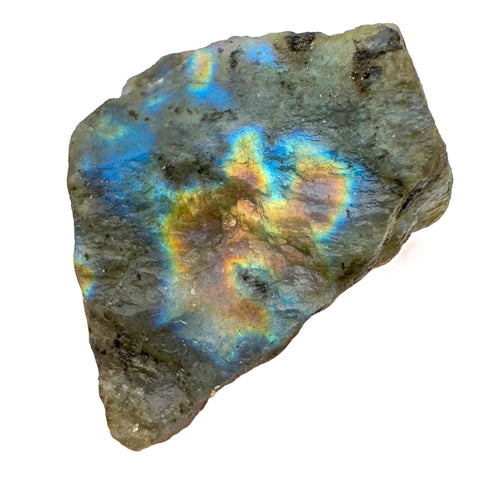
As labradorite cools deep underground, it separates into alternating microscopic layers of slightly different plagioclase. Those layers, called lamellae, are spaced only tens to a few hundred nanometers apart. When light enters the stone it reflects off the stacked layers and interferes with itself, throwing back blue, gold, green, and sometimes violet.
Because the effect depends on angle, the color appears, slides, and disappears as you turn the piece. That movement is the single most useful thing to watch for. Real labradorescence rolls across the interior of the stone, while a coating or a foil glints from one fixed plane and stays put.
The best material has a geography. The type locality is Labrador in Canada, where the stone was first described. Madagascar produces much of today's vivid blue, along with the rarer pink and red flashes, and Finland is the source of Spectrolite, a dark variety that can show the full spectrum.

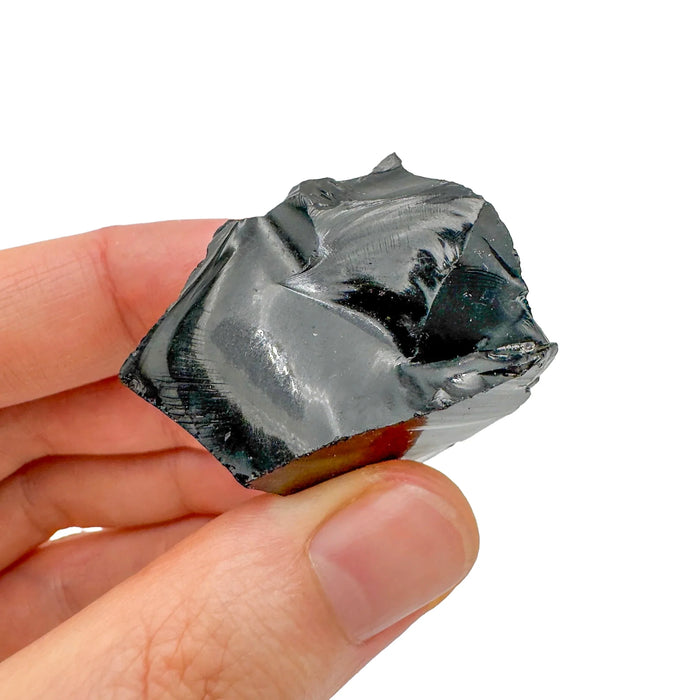
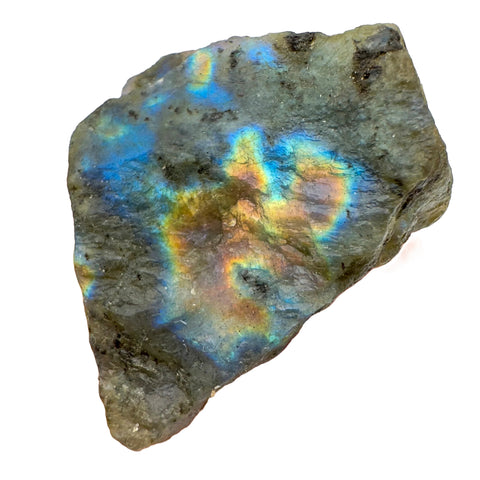
Genuine labradorite: the blue schiller sits below a polished surface, broken by natural cleavage lines and tonal shifts.
What "Andara Crystals" Actually Are
Andara is sold as an ancient, high-vibration crystal, usually tied to a story about being found near Mount Shasta in California in the 1960s. The pieces are translucent and come in candy blues, greens, ambers, and violets, and they are often priced by the gram like a rare gem.
Independent testing tells a plainer story. The material matches soda-lime glass, the same family used for bottles and tableware, and much of it appears to be slag or cullet, the colored glass left over from manufacturing. Claims that andara is monatomic or contains dozens of special elements have not been confirmed by any gemological lab.
None of that makes glass worthless. Art glass and slag glass can be genuinely beautiful. The issue is the label and the price. A piece of colored glass described as a one-of-a-kind earth crystal, and sold accordingly, is a marketing story rather than a mineral.

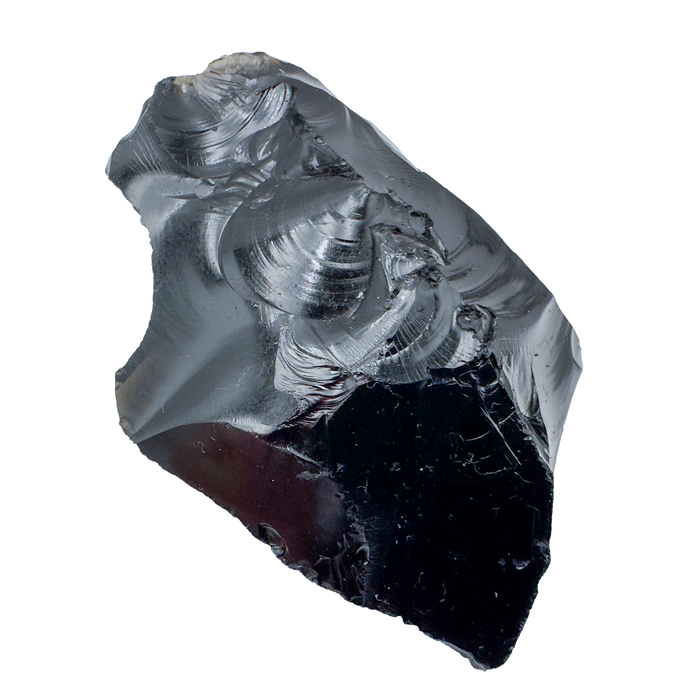
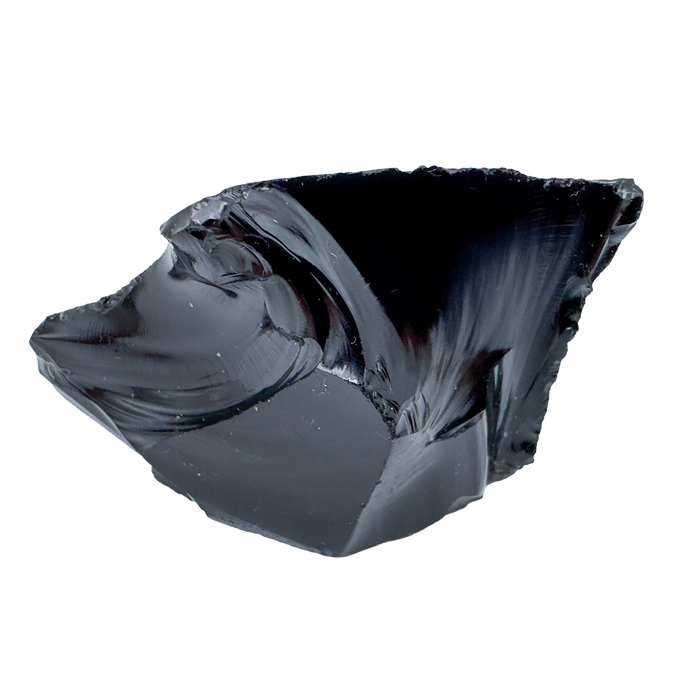
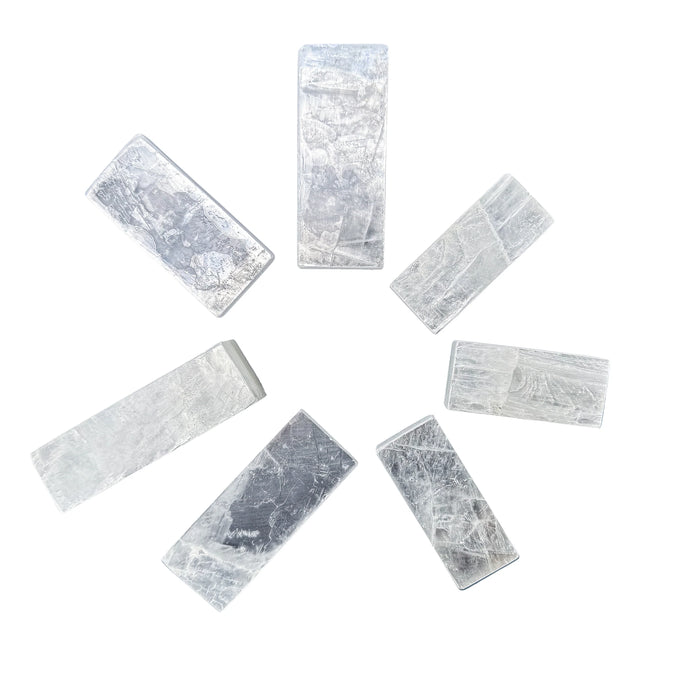
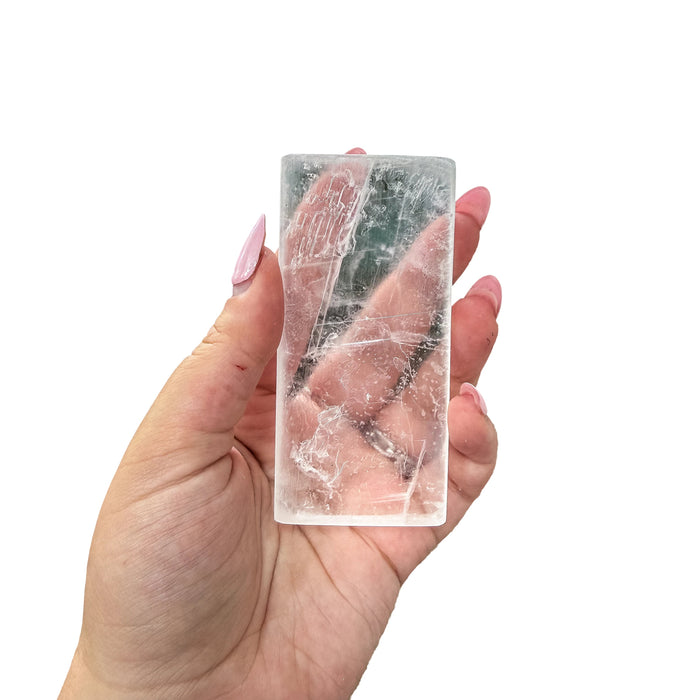
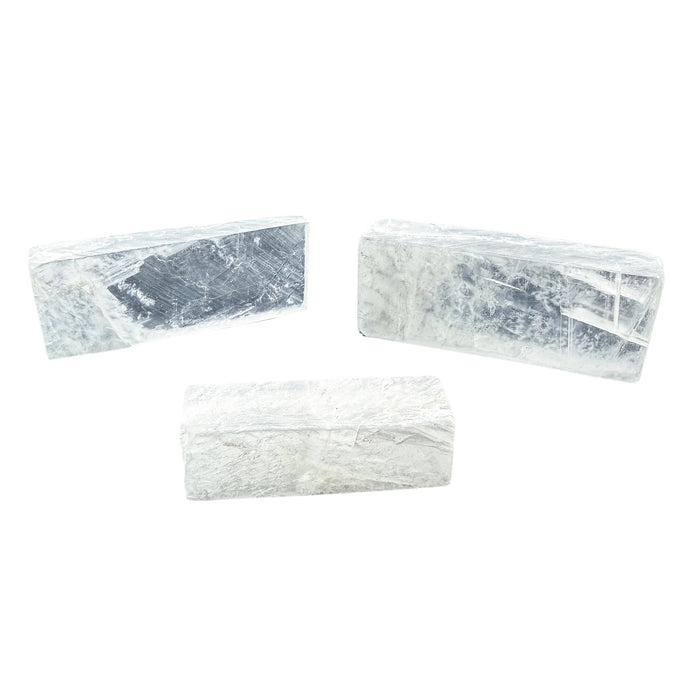
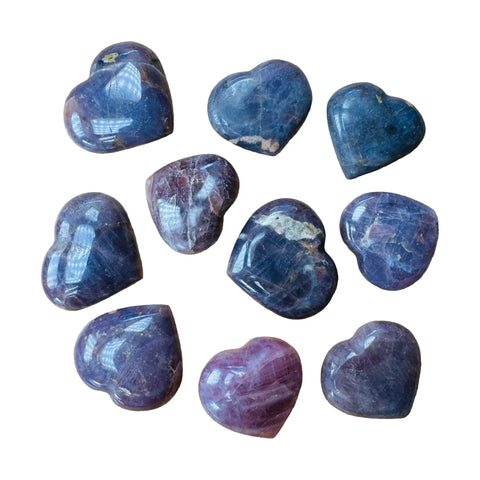
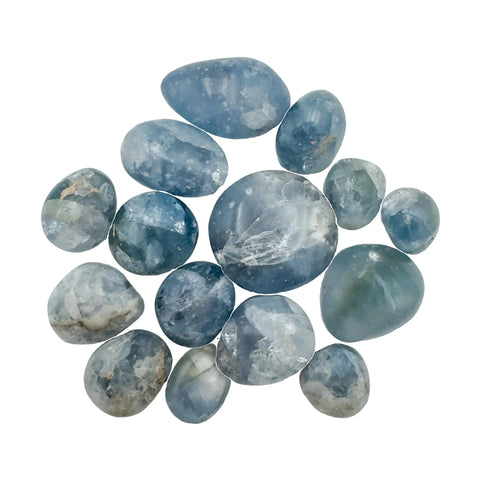
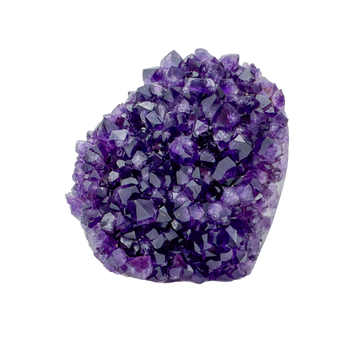
Colored man-made glass of the kind sold as andara. Translucent, vivid, and often full of tiny bubbles.
The Three Things Sold as "Labradorite Flash"
When a flashing stone is offered as labradorite, it is usually one of three things. Telling them apart comes down to where the color lives, how the piece feels, and what the seller will tell you about its origin.
Genuine Labradorite
Feldspar, mined
Coated or Foiled Glass
Glass with a shimmer layer
"Andara" Colored Glass
Slag or art glass
Six Checks Before You Buy
No single test settles it on its own, but run a few of these together and the picture usually gets clear fast.
Tilt the piece under light. Real labradorescence travels across the inside of the stone. A coating or foil flashes from one fixed surface and does not move.
Round trapped bubbles mean glass or resin. Labradorite, like any feldspar, never contains them.
Stone stays cool against the skin for a few seconds. Glass and plastic warm to body heat almost at once.
On glass the shimmer sits on top. On labradorite the color sits under a clear polished surface, often beside gray feldspar and natural cleavage lines.
Mold seams, a flawless body, or a rainbow that covers every angle point to molded or coated glass, not a cut mineral.
Honest labradorite names a source like Madagascar, Finland, or Canada. Words like monatomic or etherium, and pricing by the gram, are marketing, not mineralogy.
"If the color sits on the surface, the piece warms in your hand, and the seller talks about etherium instead of origin, you are looking at glass."
The Stone in Three Figures
Mohs hardness, usually harder than ordinary glass
specific gravity, denser than soda-lime glass at about 2.5
spacing of the internal layers that create the flash
Figures from standard mineralogical and gemological references.
Those three numbers explain the tells. The internal layering is what produces a flash that lives inside the stone instead of on it. The density is why a real piece feels a touch heavier than a same-size piece of glass. And the hardness, while respectable, still leaves feldspar cleavage, so genuine pieces show natural lines that a flawless glass copy does not.
We do not stock andara, and we do not treat colored glass as a crystal. We sell genuine labradorite, name its origin, and describe its flash honestly so you know what creates it. Glass can be lovely, but it should be called glass and priced like glass, not sold as a rare earth crystal.
Related Guides
Genuine Madagascar labradorite, graded and named by origin.
Browse the collectionOpalite, goldstone, and cherry quartz: how manufactured glass ends up with mineral names.
Read the guideLemurian, super seven, and the marketing names that hide an ordinary mineral.
Read the guideWhat angel, aqua, and flame coatings really are, and how to spot a coated surface.
Read the guideDyed agate and howlite, and the tells that give artificial color away.
Read the guideBrowse every Beyond Bohemian guide on sourcing, treatments, and value.
Back to the LibraryLabradorite and Andara FAQ
Are andara crystals real?
Andara is real as a material, but it is glass, not a natural crystal. Independent testing matches it to soda-lime glass, the same family used for bottles, and much of it appears to be colored slag or cullet left over from glass manufacturing.
What are andara crystals made of?
Soda-lime glass: mostly silica with sodium and calcium, then colored. The translucent candy colors, the rounded shapes, and the tiny internal bubbles are all signs of manufactured glass rather than a mineral that grew in the ground.
How do you tell real labradorite from glass?
Tilt it. Real labradorite flashes from inside the stone and the color moves as you turn it, while coated or colored glass shimmers from one fixed surface. Then check for round bubbles, feel the temperature, and look at the back for gray feldspar and natural cleavage lines.
Why does labradorite flash?
The effect, called labradorescence, comes from light reflecting off alternating microscopic layers inside the stone and interfering with itself. Because it depends on angle, the blue, gold, and green appear and slide as the stone moves.
Is my labradorite glass?
If the color sits on the surface, the piece warms quickly in your hand, you can see round bubbles, or there are mold seams, it is likely glass. Genuine labradorite is cool to the touch, free of bubbles, and shows flash that lives beneath a polished surface.
Is any andara natural?
No reputable gemological lab has confirmed a natural origin for andara. The pieces test as man-made glass, and sellers' claims that the material is monatomic or contains dozens of special elements have not been verified.
Does real labradorite have bubbles?
No. Like all feldspars, labradorite forms as a solid and never contains trapped round air bubbles. Bubbles are a reliable sign of glass or resin.
Where does real labradorite come from?
The stone was first described in Labrador, Canada. Today much of the vivid blue material comes from Madagascar, and Finland produces Spectrolite, a dark variety known for showing the full spectrum of colors.