


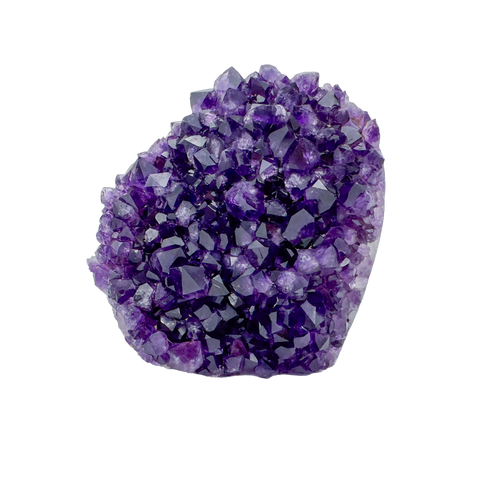
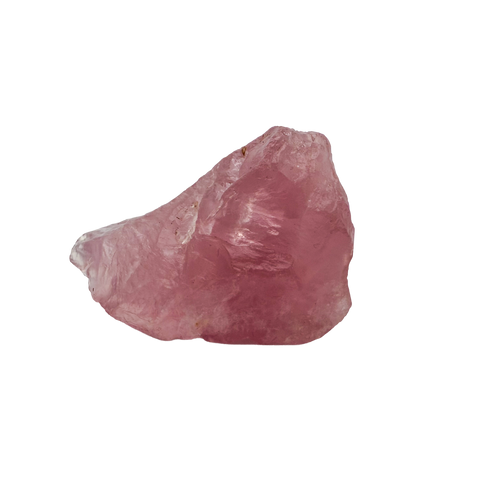
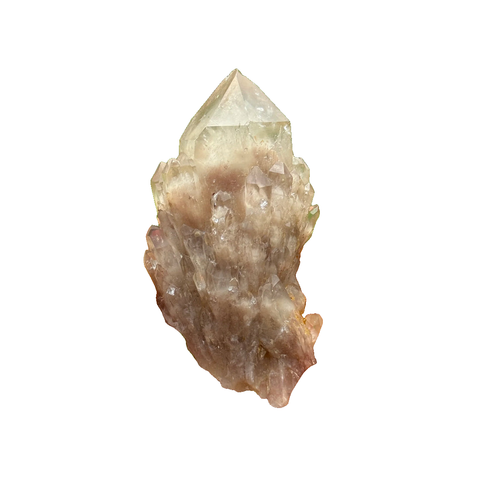
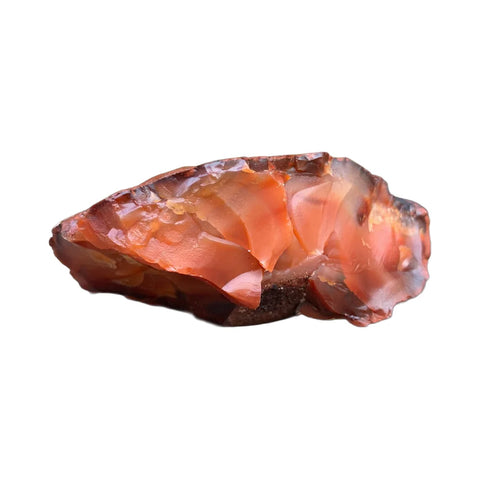
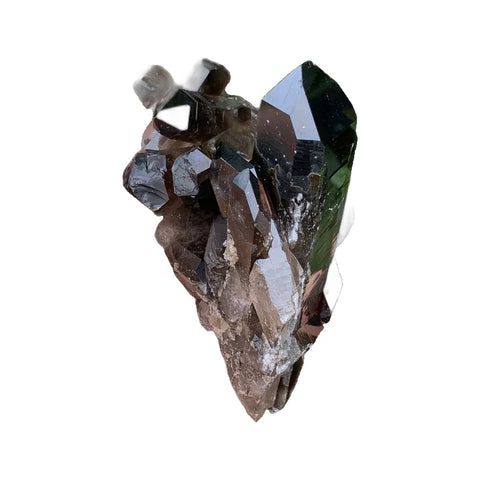
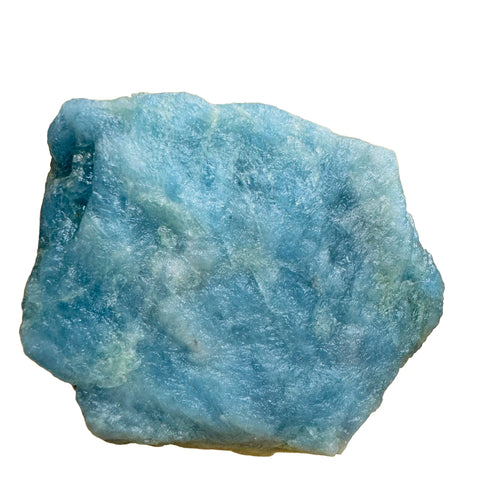
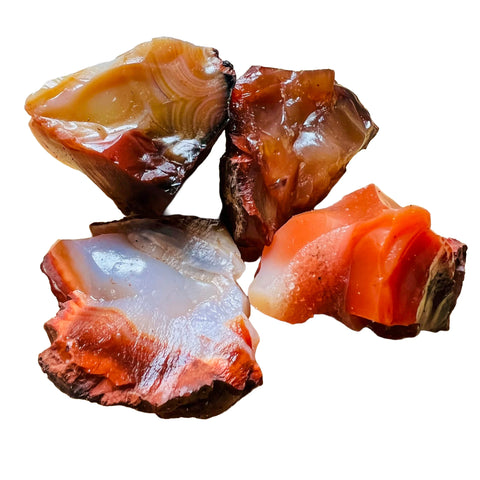


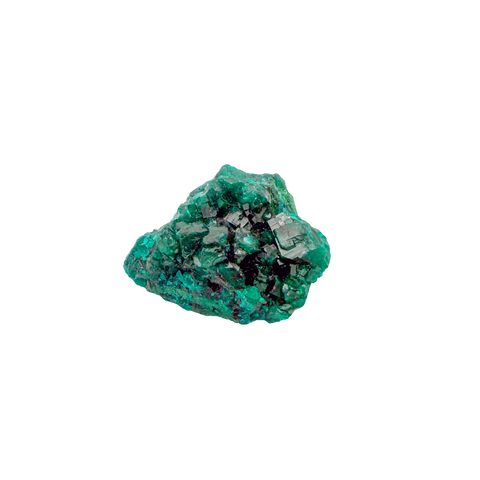
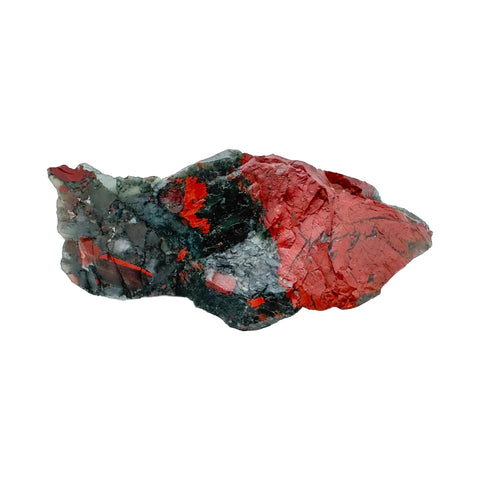
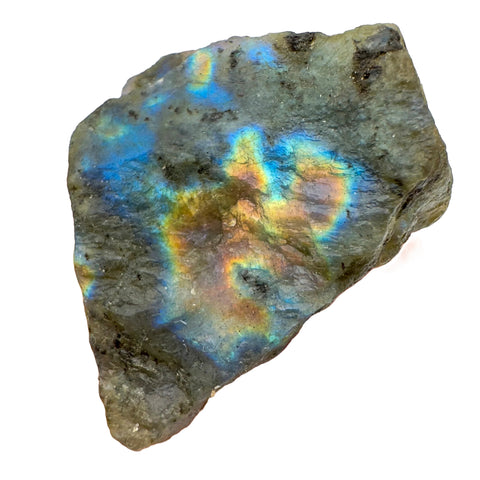
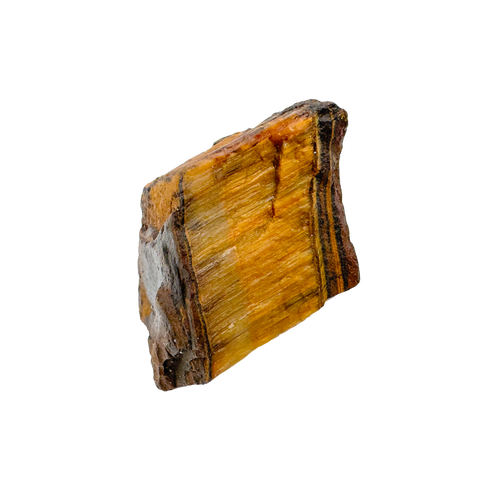
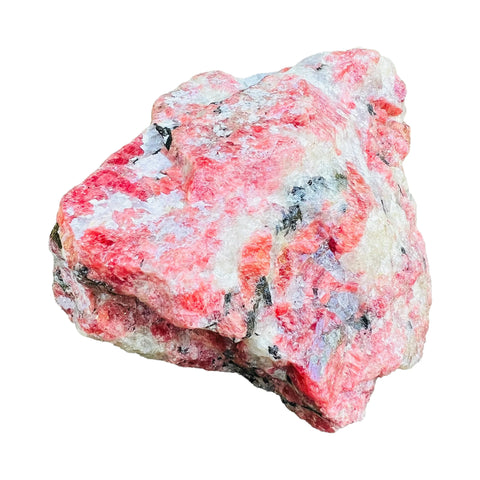
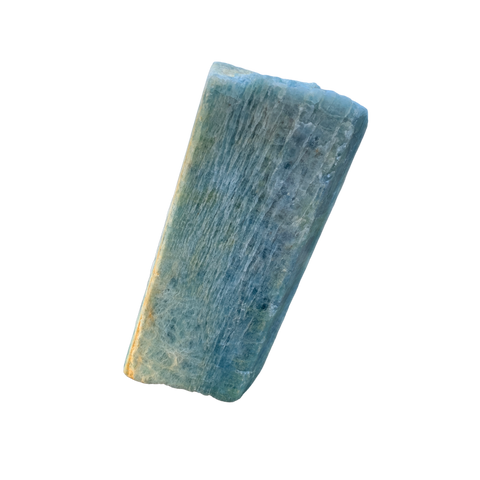
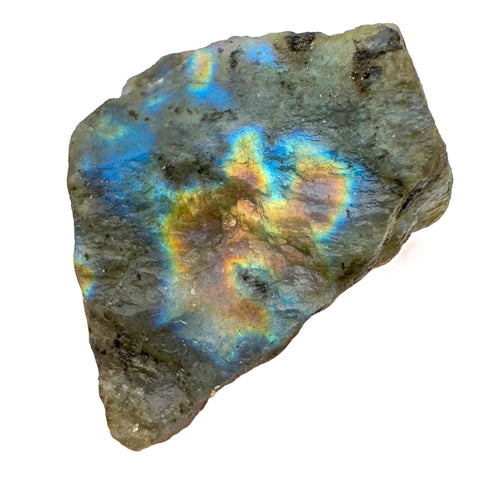
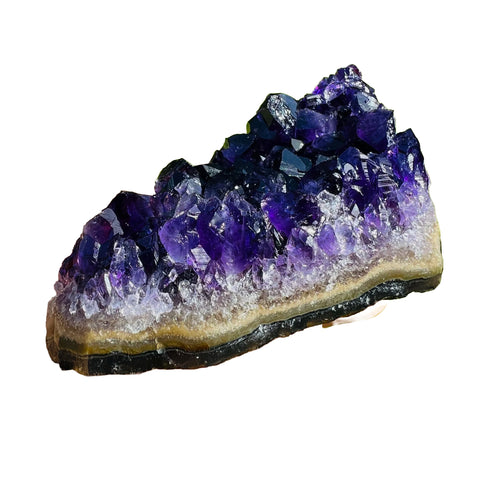



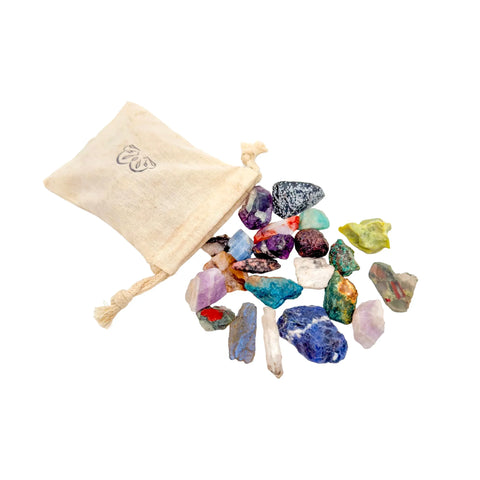
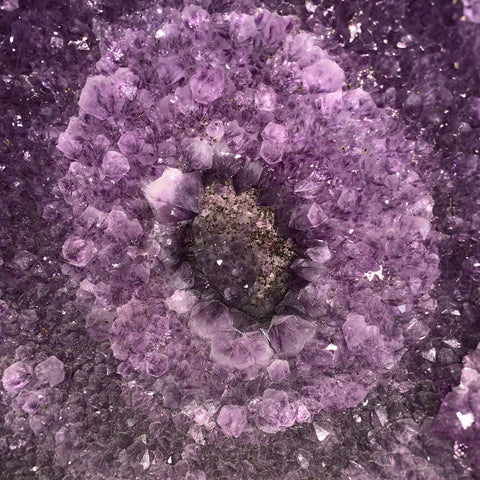
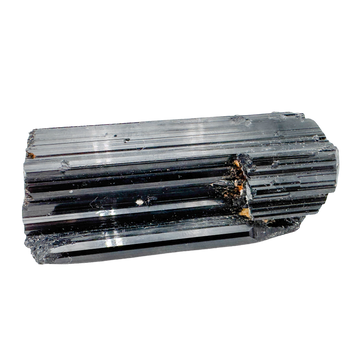
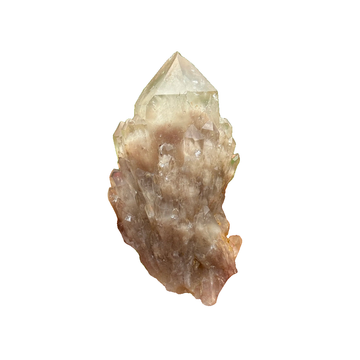
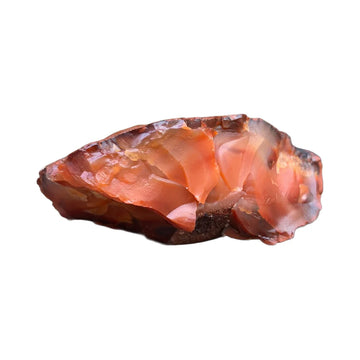
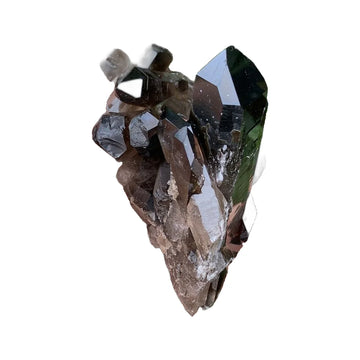
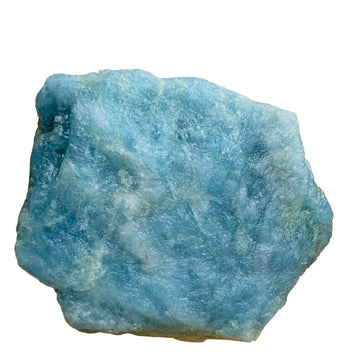
 Raw Stones
179 pieces
Raw Stones
179 pieces
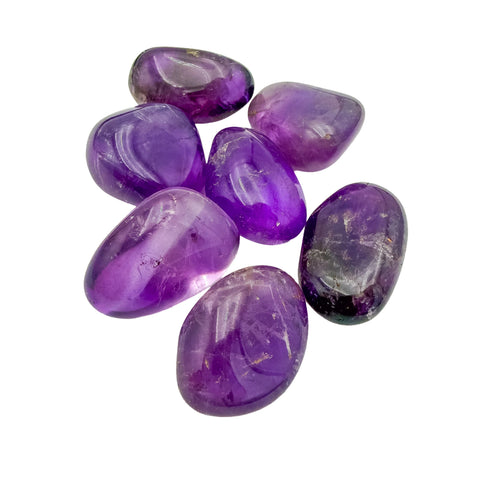
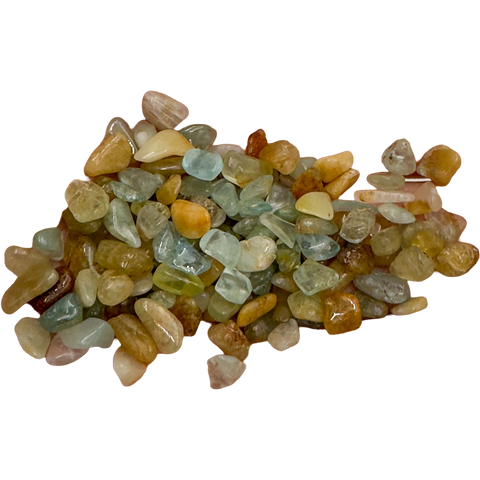
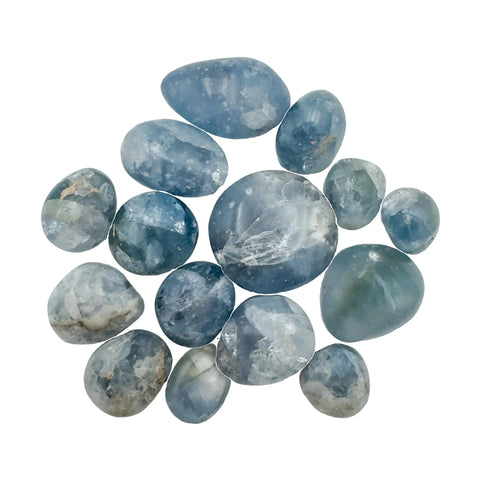
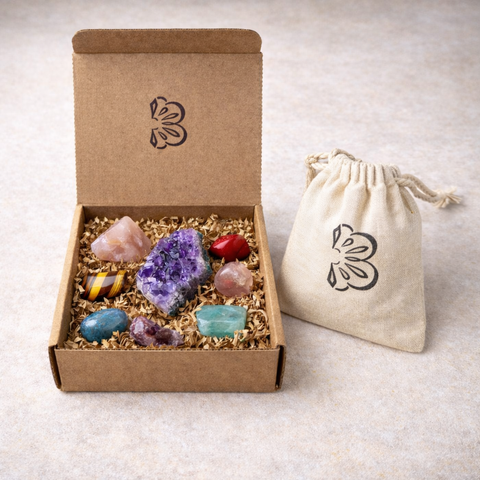
 Tumbled Stones
162 pieces
Tumbled Stones
162 pieces
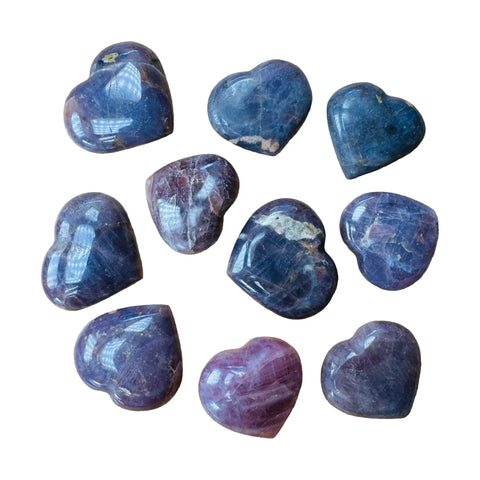
 Palm Stones
25 pieces
Palm Stones
25 pieces
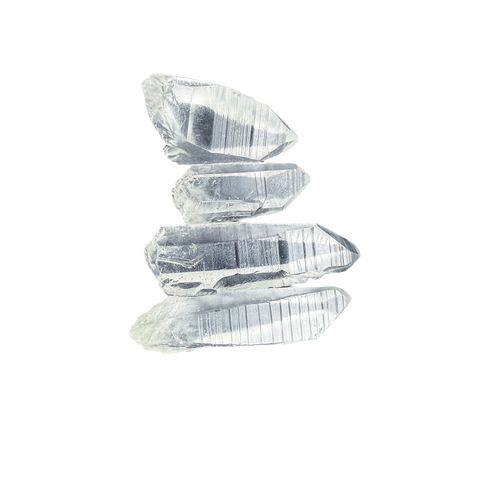
 Crystal Points
23 pieces
Crystal Points
23 pieces
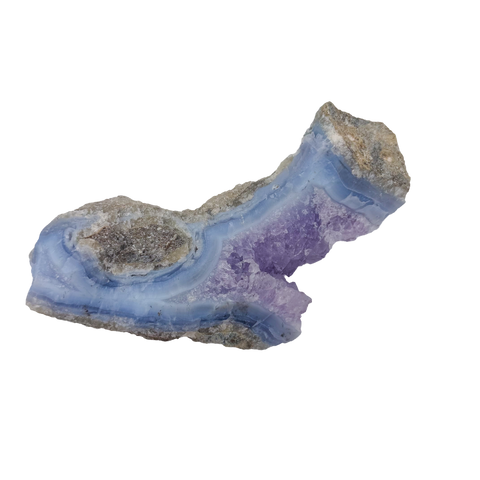
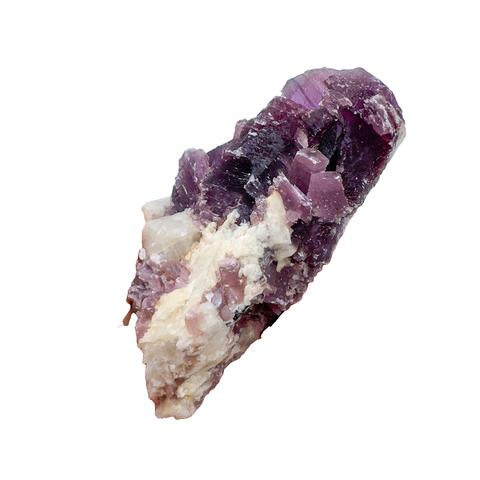
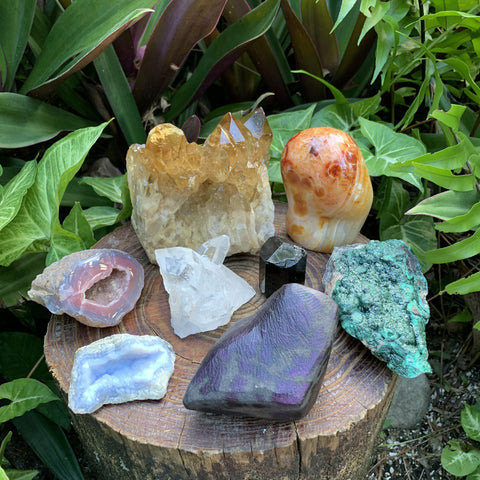
 Clusters & Geodes
104 pieces
Clusters & Geodes
104 pieces
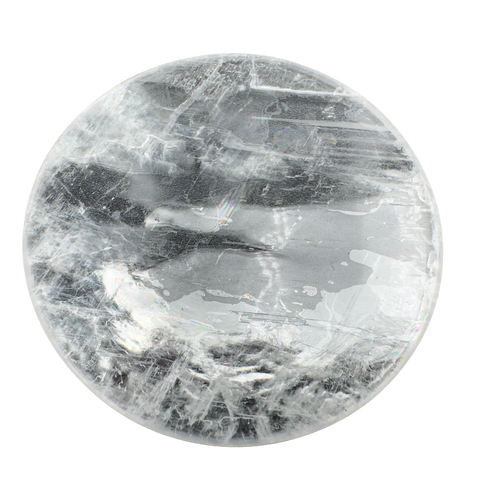
 Polished & Decor
148 pieces
Polished & Decor
148 pieces
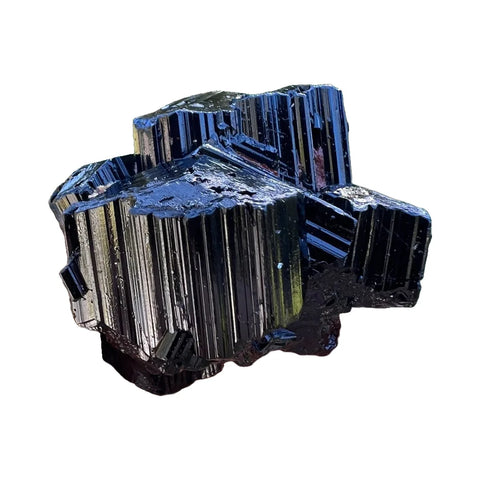
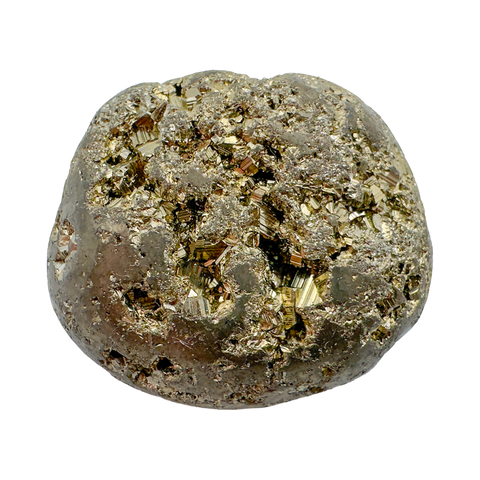
 Mineral Specimens
259 collector pieces
Mineral Specimens
259 collector pieces
 Crystal Chips
21 pieces
Browse everything
Every collection, one page.
View All Collections →
Crystal Chips
21 pieces
Browse everything
Every collection, one page.
View All Collections →


 Aries
Mar 21 – Apr 19
Carnelian
›
Aries
Mar 21 – Apr 19
Carnelian
›
 Taurus
Apr 20 – May 20
Rose Quartz
›
Taurus
Apr 20 – May 20
Rose Quartz
›
 Gemini
May 21 – Jun 20
Agate
›
Gemini
May 21 – Jun 20
Agate
›
 Cancer
Jun 21 – Jul 22
Moonstone
›
Cancer
Jun 21 – Jul 22
Moonstone
›
 Leo
Jul 23 – Aug 22
Citrine
›
Leo
Jul 23 – Aug 22
Citrine
›
 Virgo
Aug 23 – Sep 22
Amazonite
›
Virgo
Aug 23 – Sep 22
Amazonite
›
 Libra
Sep 23 – Oct 22
Blue Lace Agate
›
Libra
Sep 23 – Oct 22
Blue Lace Agate
›
 Scorpio
Oct 23 – Nov 21
Obsidian
›
Scorpio
Oct 23 – Nov 21
Obsidian
›
 Sagittarius
Nov 22 – Dec 21
Sodalite
›
Sagittarius
Nov 22 – Dec 21
Sodalite
›
 Capricorn
Dec 22 – Jan 19
Black Tourmaline
›
Capricorn
Dec 22 – Jan 19
Black Tourmaline
›
 Aquarius
Jan 20 – Feb 18
Amethyst
›
Aquarius
Jan 20 – Feb 18
Amethyst
›
 Pisces
Feb 19 – Mar 20
Aquamarine
›
Gifting?
A birthday stone is the safe bet.
Read the zodiac guide →
Pisces
Feb 19 – Mar 20
Aquamarine
›
Gifting?
A birthday stone is the safe bet.
Read the zodiac guide →


Brucite
Brucite is hydroxides, Mg(OH)2. In the hand, it rates 2.5 to 3 on the Mohs scale, and it runs lemon yellow and chartreuse. Soft waxy lemon-yellow to chartreuse botryoidal crusts that a fingernail can almost scratch; the vivid yellow Pakistani material made it a trade star.
The geology.
Brucite carries the formula Mg(OH)2. It belongs to the trigonal system. Its listing category is hydroxides.
It sits at 2.5 to 3 on the Mohs scale. The surface reads waxy to pearly. Light behavior is translucent. Specific gravity runs 2.39. The streak is white. It breaks with perfect basal cleavage; sectile.
Soft waxy lemon-yellow to chartreuse botryoidal crusts that a fingernail can almost scratch; the vivid yellow Pakistani material made it a trade star.
It turns up mostly as botryoidal crusts, platy aggregates, massive seams or tumbled (stabilized).
The origins.
Altered serpentinites and marbles: Killa Saifullah, Balochistan, Pakistan (vivid yellow), Russia, Texas (USA), Quebec (Canada).
On value, the database notes: affordable to mid; neon-yellow Pakistani botryoidal pieces run higher.
Traditional associations.
In energy work traditions, associated with optimism, willpower, and easing rigid thinking.
This is lore, and we label it as lore. The measurable facts are further up the page.
Spotting the real thing.
Soft waxy lemon-yellow to chartreuse botryoidal crusts that a fingernail can almost scratch; the vivid yellow Pakistani material made it a trade star.
Dyed magnesite tumbles are sold as brucite; real brucite is notably softer and waxier.
| Looks like | How to tell them apart |
|---|---|
| Sulfur | Sulfur is brittle, melts/burns with a match, and smells; brucite is sectile and odorless |
| Smithsonite (yellow) | Smithsonite is much harder (4 to 4.5), heavier, and fizzes in warm acid |
| Serpentine | Serpentine is harder (2.5 to 4) in massive greens; brucite's pearly flexible flakes differ |
At-home tests.
A loupe and a window seat settle most questions about brucite. No workshop required.
| Test | What you should see |
|---|---|
| By eye | Fingernail-to-copper-coin soft (2.5 to 3) |
| By eye | Flexible but inelastic cleavage flakes |
| Acid check | Feels light and waxy; no fizz with vinegar |
Destructive tests belong to a gemologist, not a kitchen table. If a piece matters to you, pay for an appraisal before you take a file to it.
Care & handling.
At 2.5 to 3 on the Mohs scale this is a soft material. Keep it as a display piece, store it apart from harder stones, and skip daily-wear settings.
It breaks with perfect basal cleavage; sectile, which is worth knowing before you set it or drop it.
Clean it by hand, dry it properly, and keep it away from ultrasonic cleaners and hot steam.
Soft and water-sensitive: keep dry; some fibrous brucite (nemalite) should not be handled as loose fibers.
A deeper look.
Extended detail on composition, sourcing, authentication and market value.
The physical record
The formula on record is Mg(OH)2. Crystal system: Trigonal. Specific gravity: 2.39. Streak: White. Cleavage and fracture: Perfect basal cleavage; sectile.
How it reaches the market
Altered serpentinites and marbles: Killa Saifullah, Balochistan, Pakistan (vivid yellow), Russia, Texas (USA), Quebec (Canada).
What it gets confused with
Sulfur: Sulfur is brittle, melts/burns with a match, and smells; brucite is sectile and odorless. Smithsonite (yellow): Smithsonite is much harder (4 to 4.5), heavier, and fizzes in warm acid. Serpentine: Serpentine is harder (2.5 to 4) in massive greens; brucite's pearly flexible flakes differ.
What it is worth
Affordable to mid; neon-yellow Pakistani botryoidal pieces run higher.
Where buyers get caught
Dyed magnesite tumbles are sold as brucite; real brucite is notably softer and waxier.
One more thing
Brucite is a main industrial source of magnesium and a fire-retardant filler, the same mineral in collector crusts also keeps cables from burning.
An education-first guide.
We do not stock brucite. Writing it up regardless is the point of a reference library.
Explore the Crystal GuideLove Brucite? Meet Prehnite.
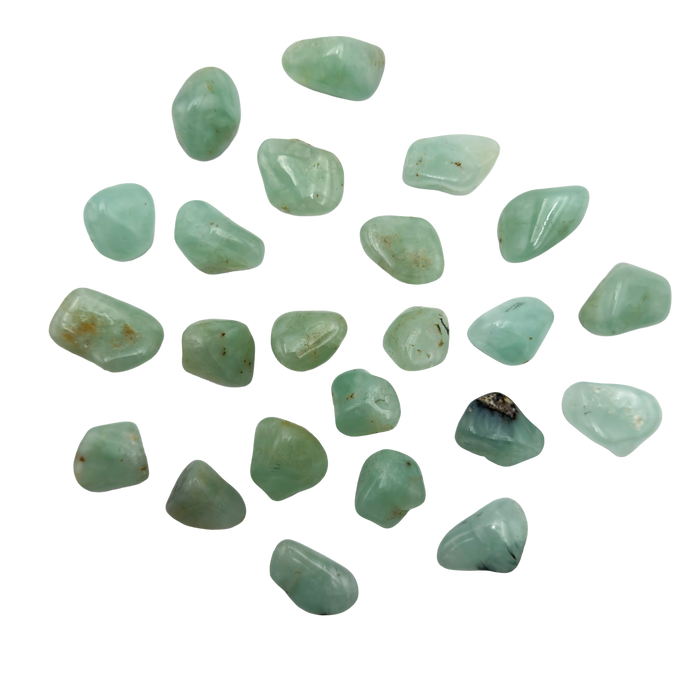
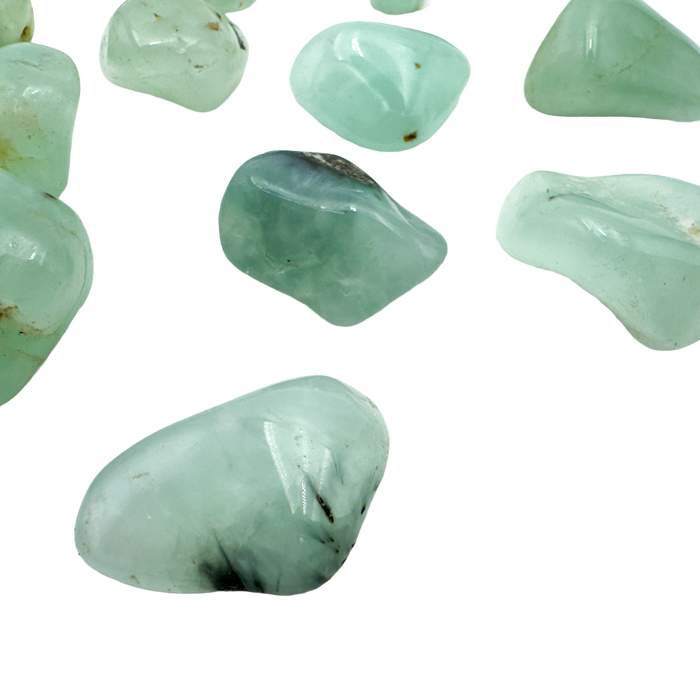
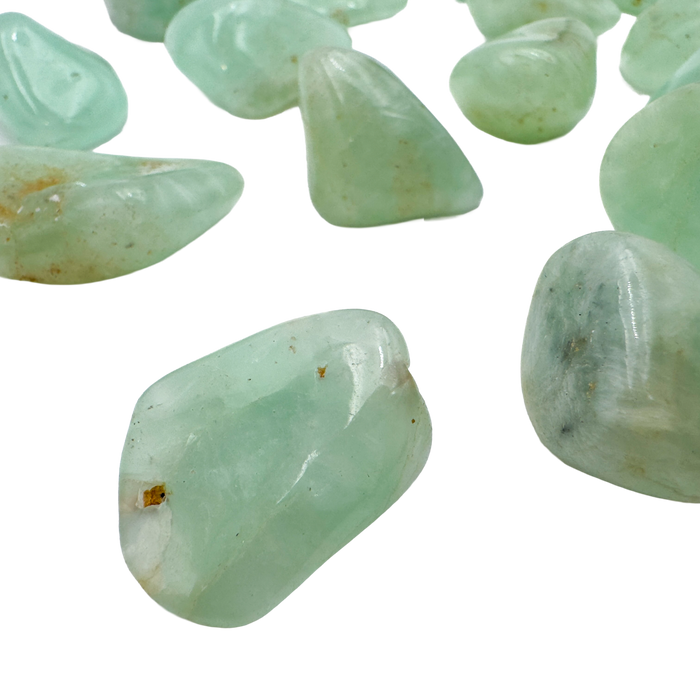
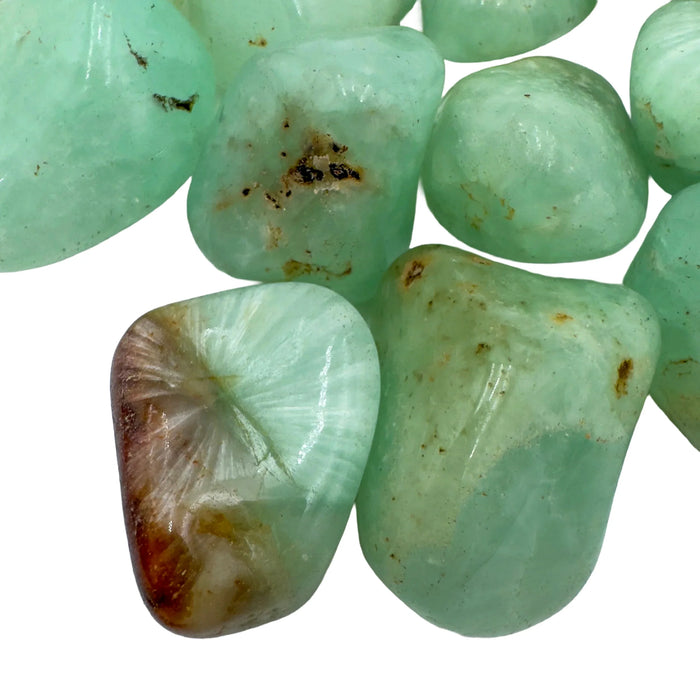
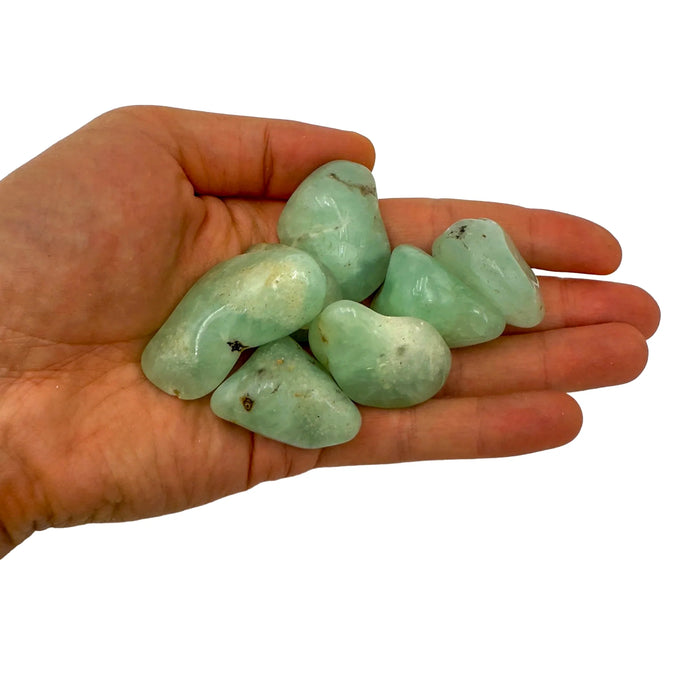
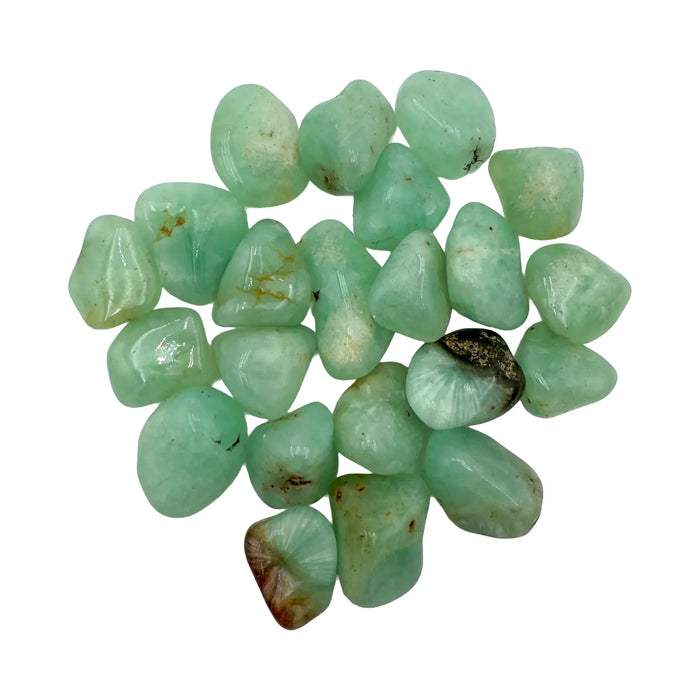
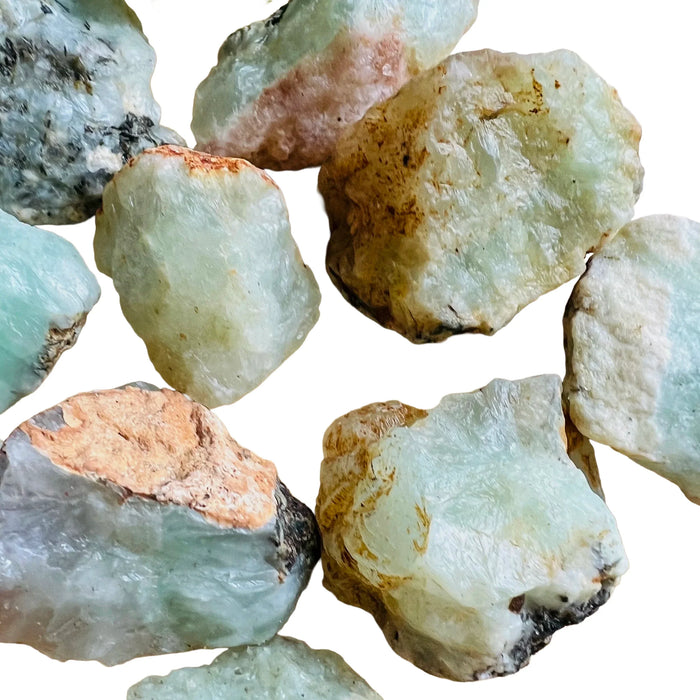
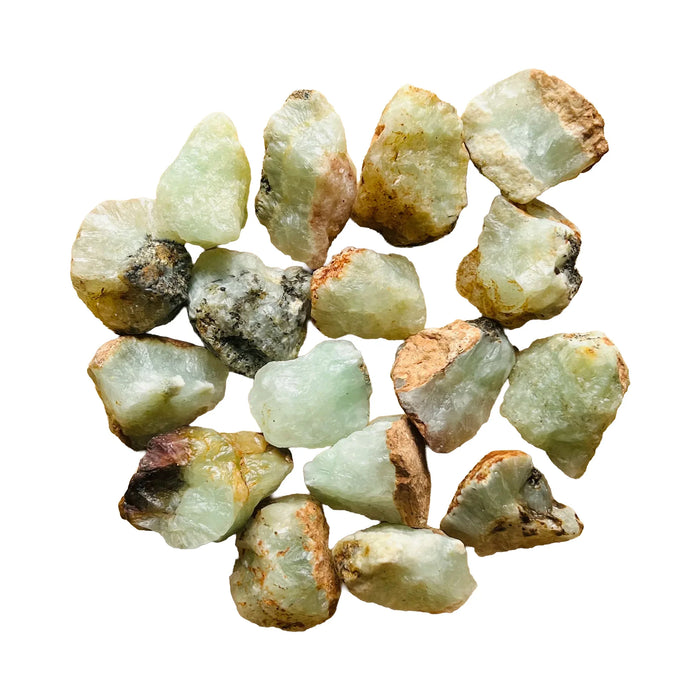
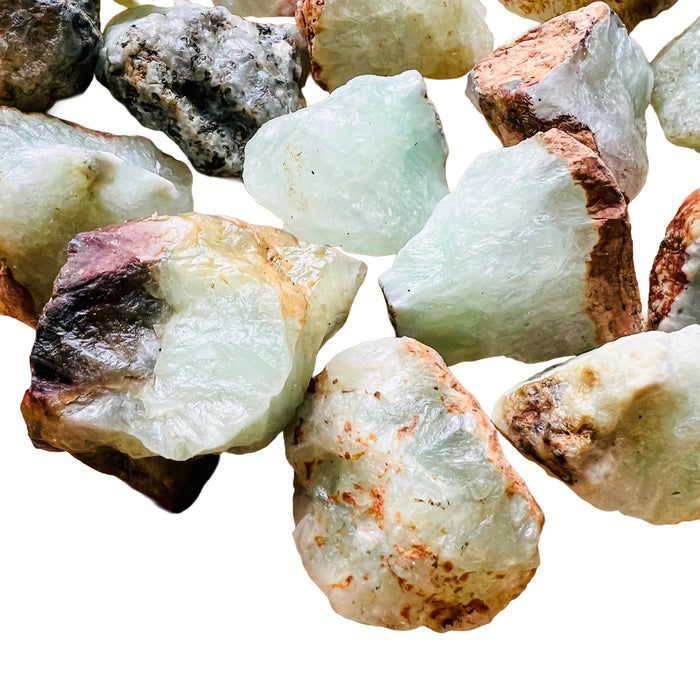
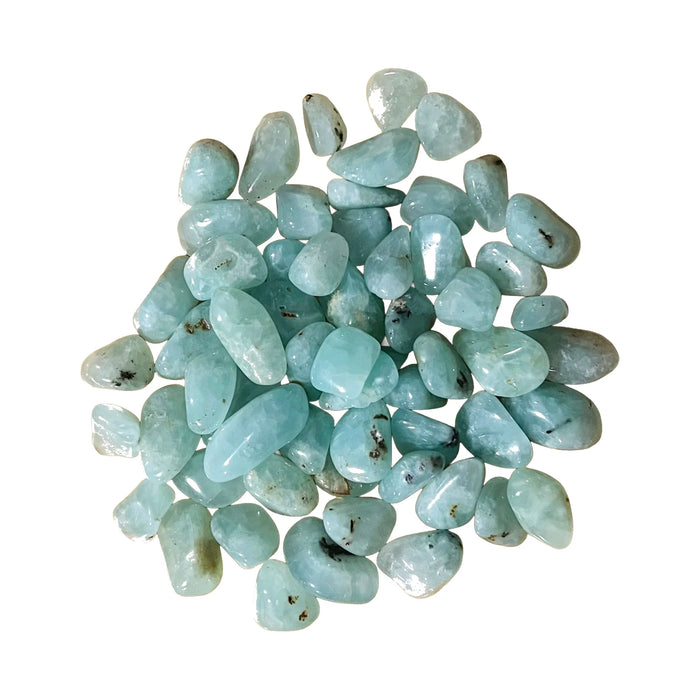
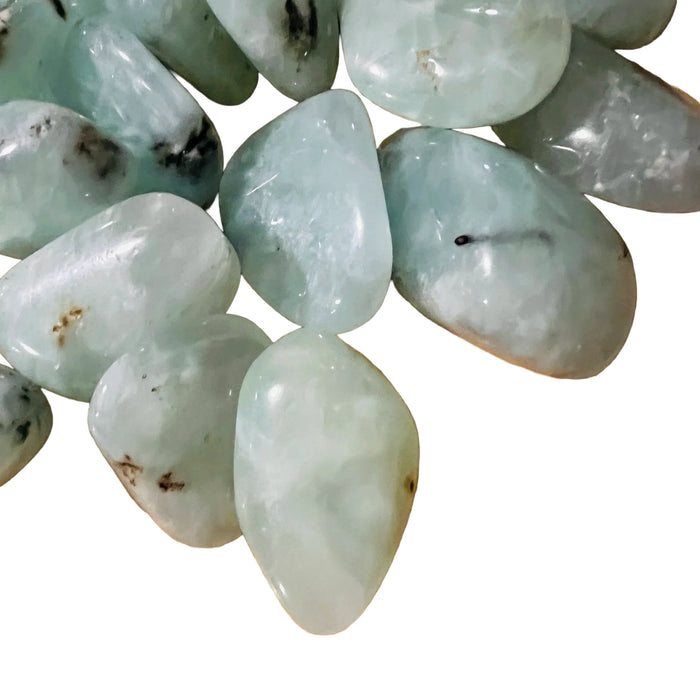
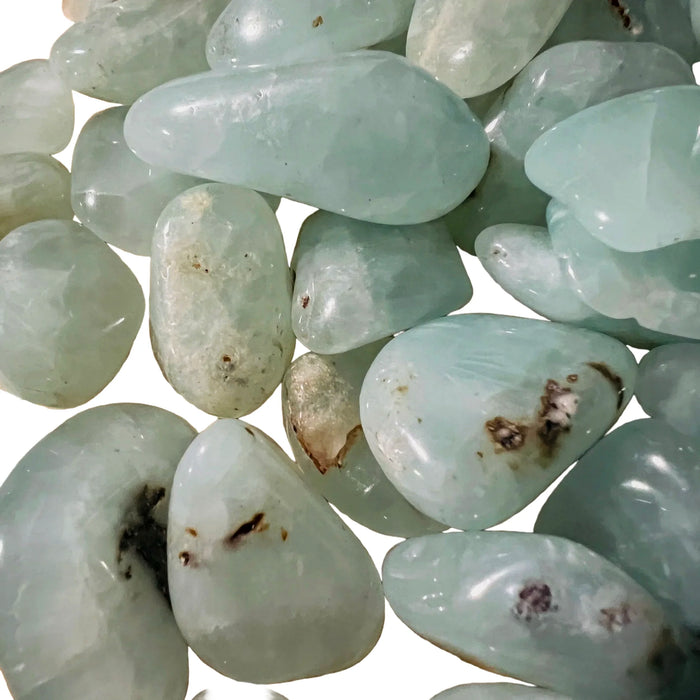
Brucite is not something we carry. Prehnite is the closest match in color, and every piece passes our sourcing standards: origin named, treatments disclosed.
- from 1,000+ reviews
- Ships within 72 hoursMonday to Friday, tracked
- 90 days to return itif you do not love it
- Free US shipping over $99$8.99 flat rate under
The Slow Note
New stones go to the list first.
No forwarding, no selling. Unsubscribe in one click. Privacy