


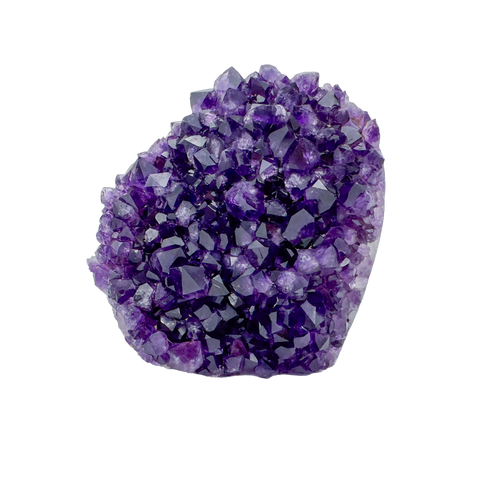
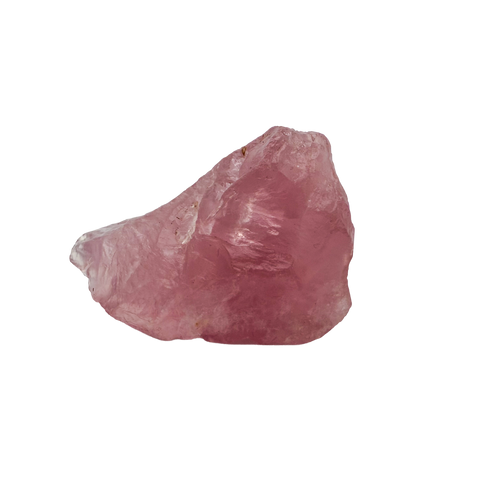
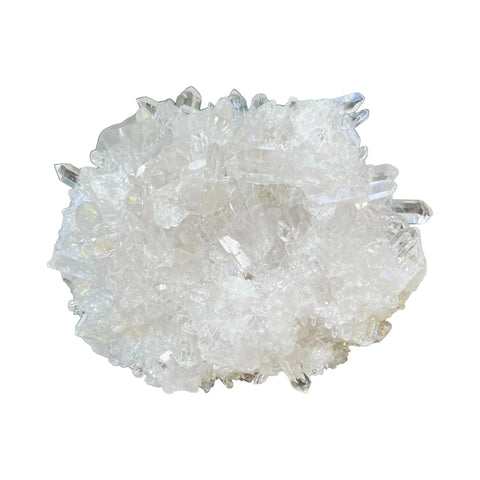
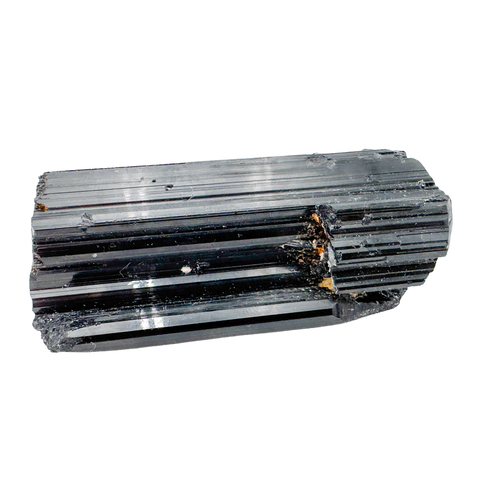
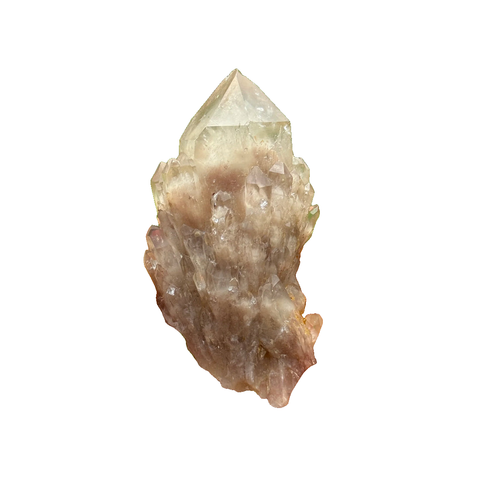
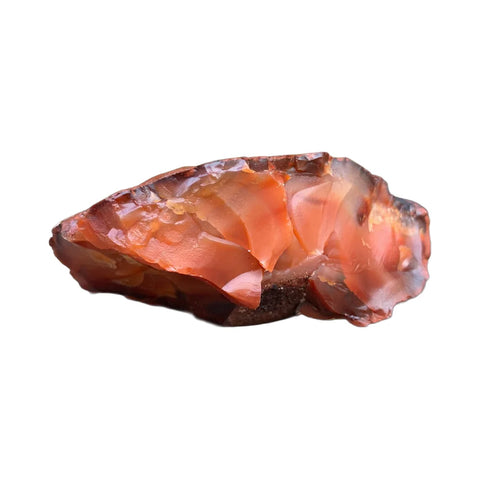
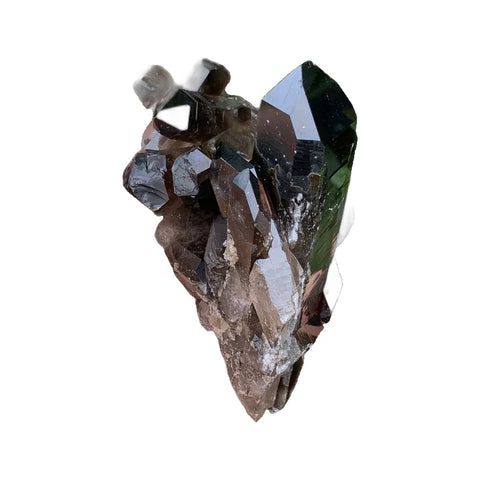
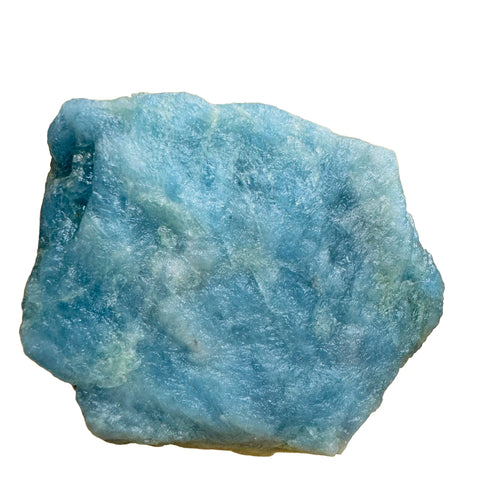
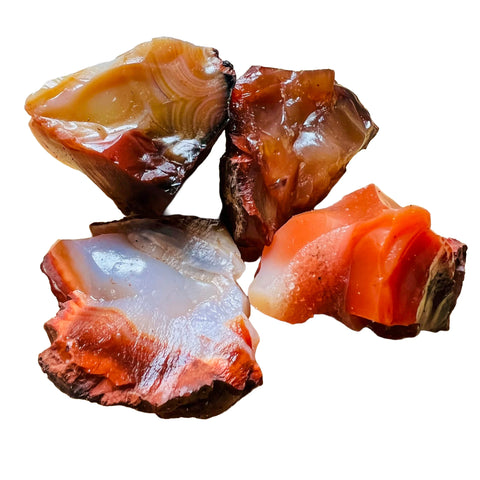


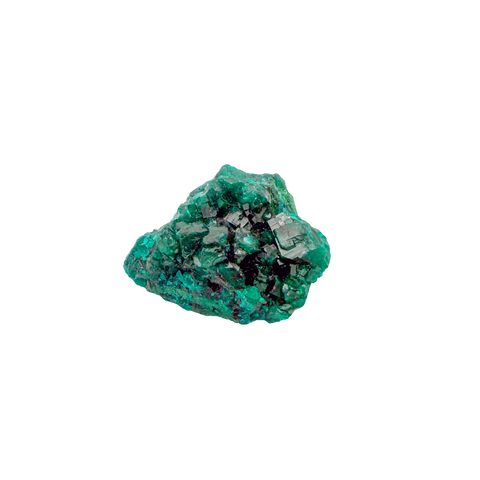
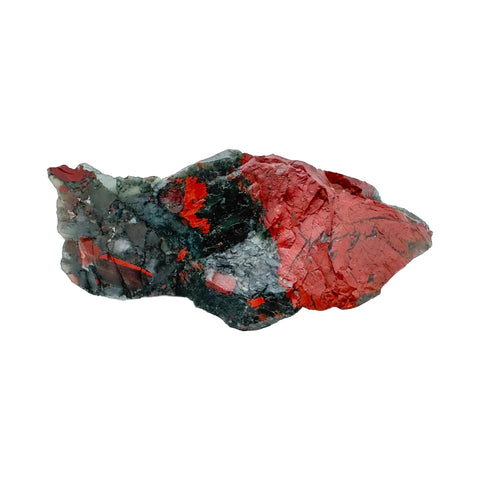
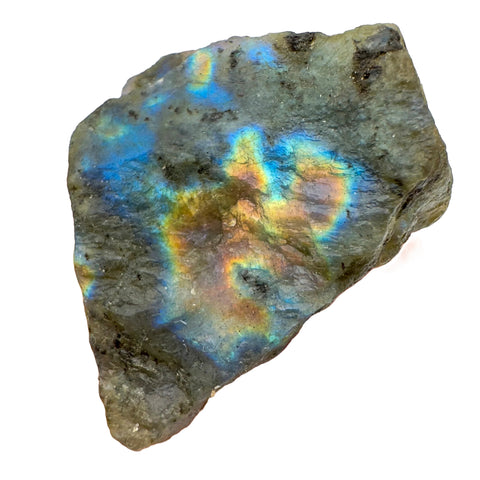
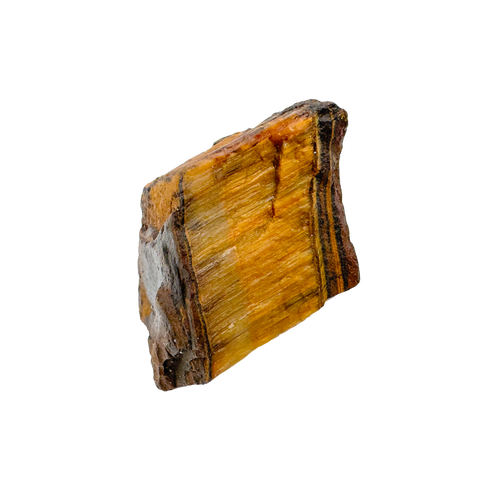
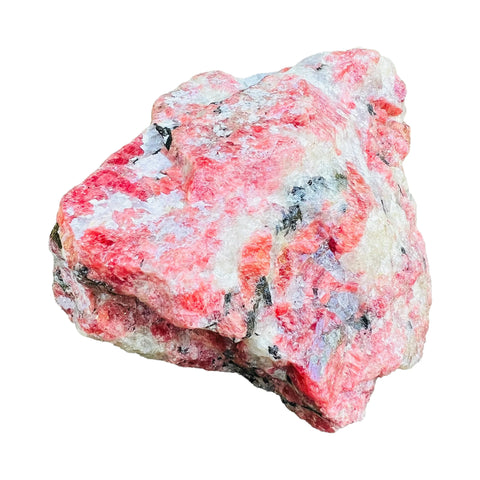
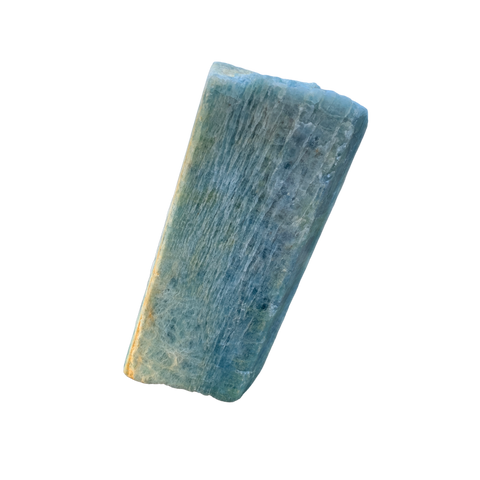
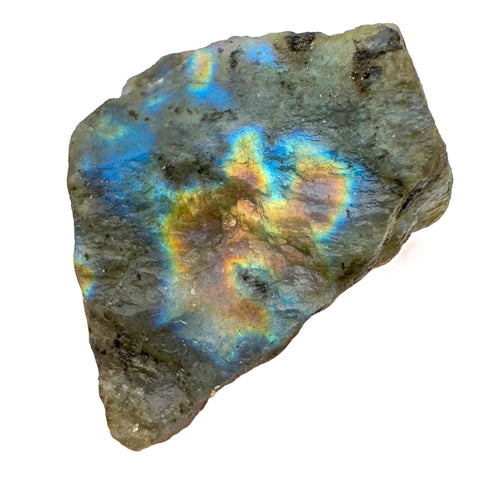
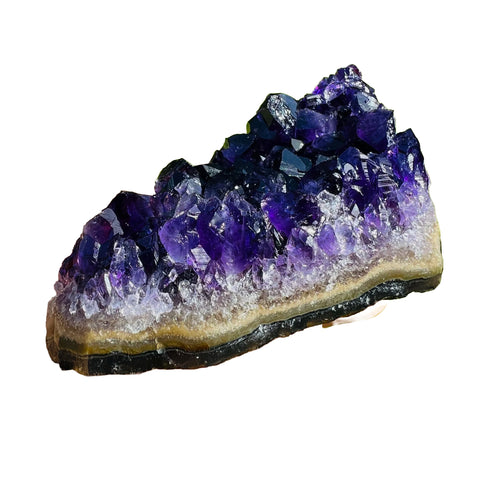



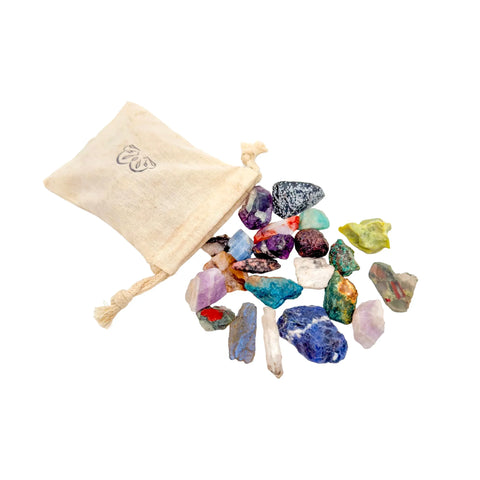
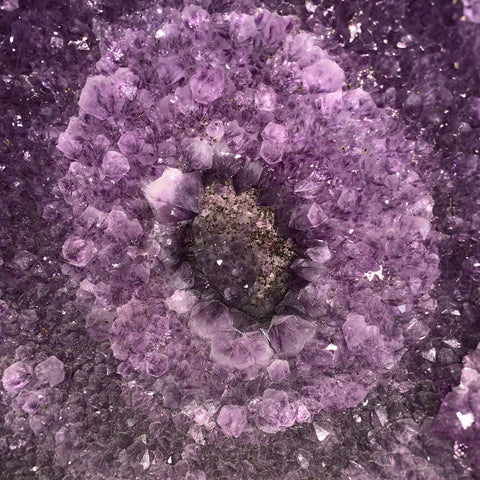
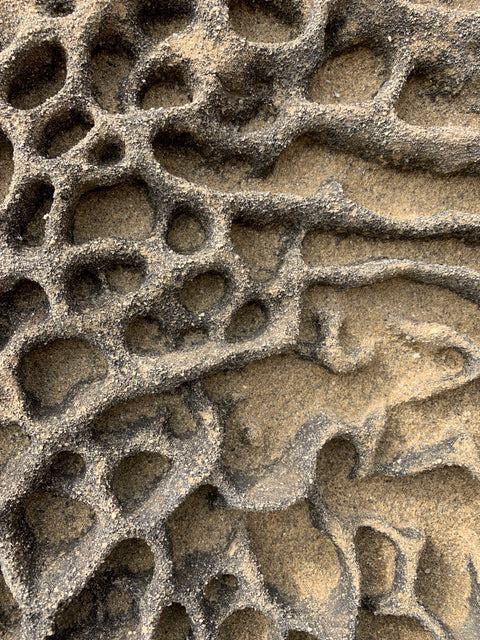
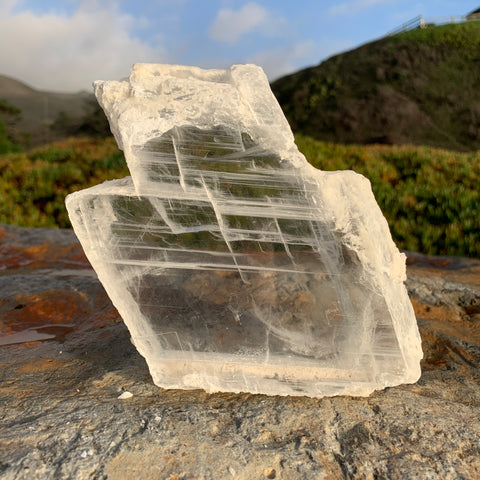
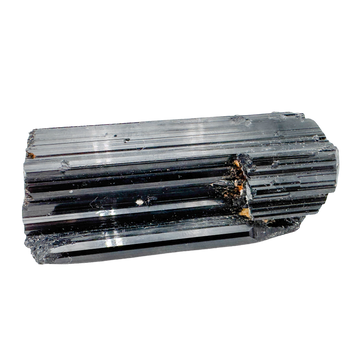
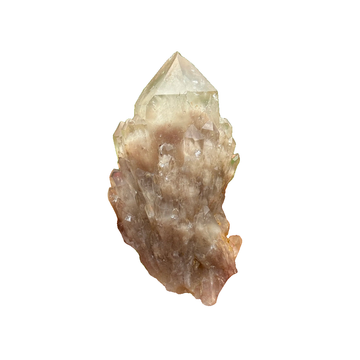
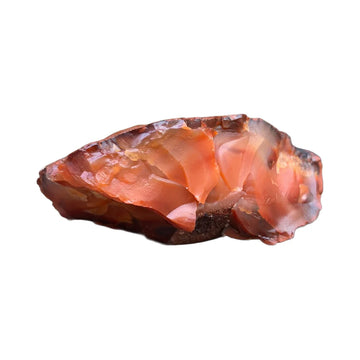
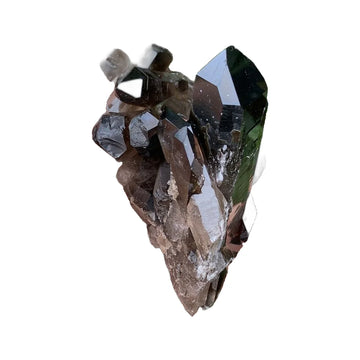
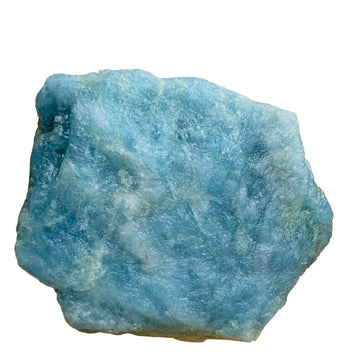
 Raw Stones
179 pieces
Raw Stones
179 pieces
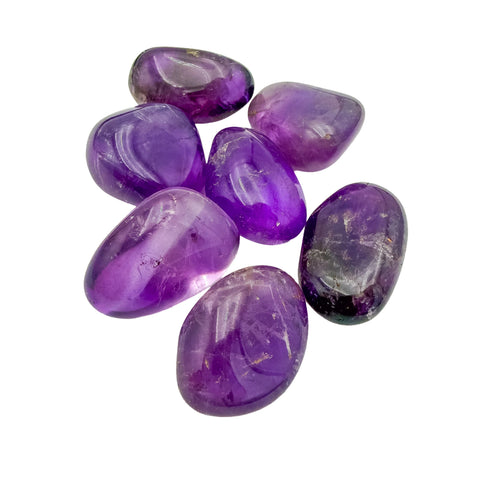
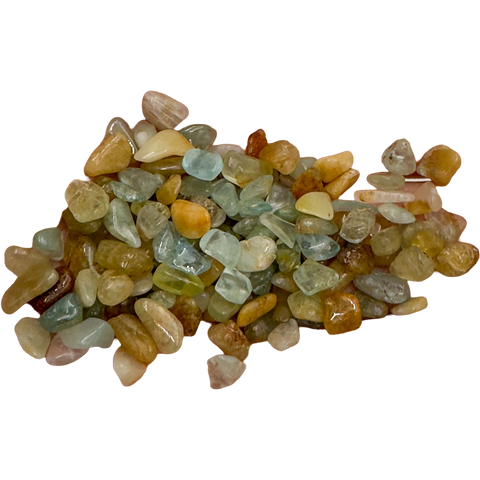
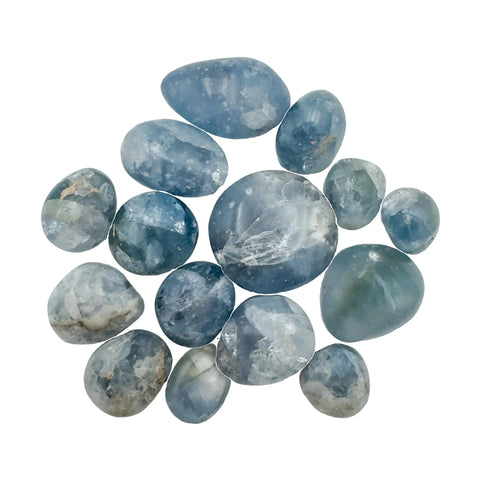
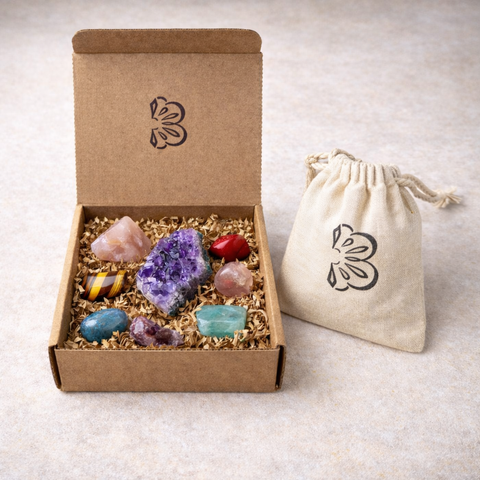
 Tumbled Stones
162 pieces
Tumbled Stones
162 pieces
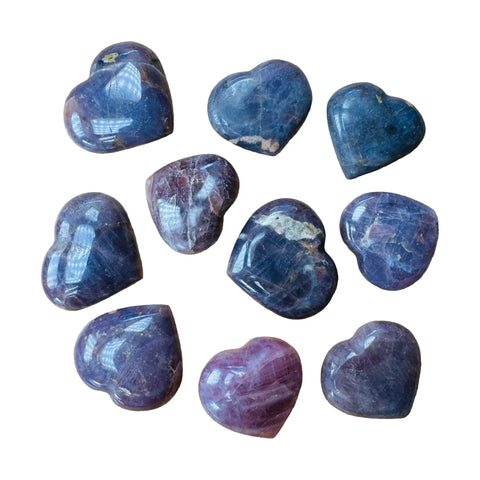
 Palm Stones
25 pieces
Palm Stones
25 pieces
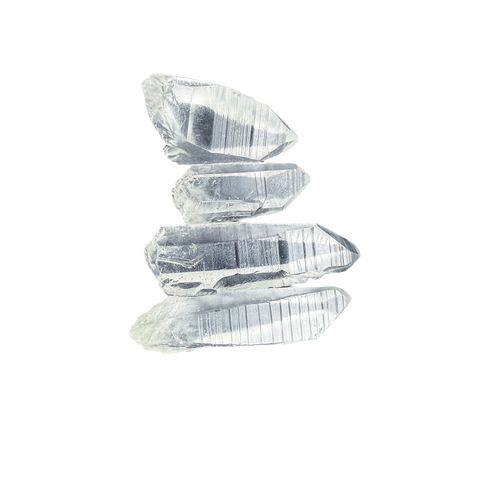
 Crystal Points
23 pieces
Crystal Points
23 pieces
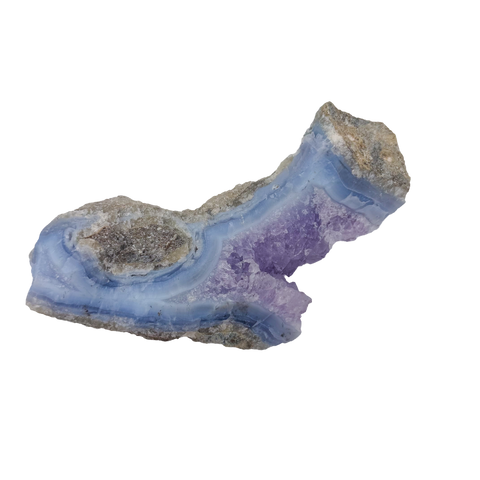
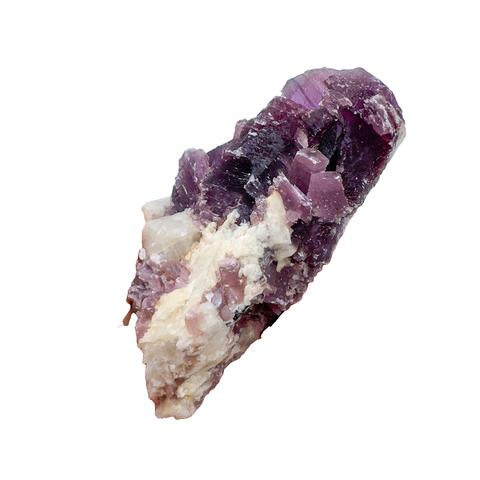
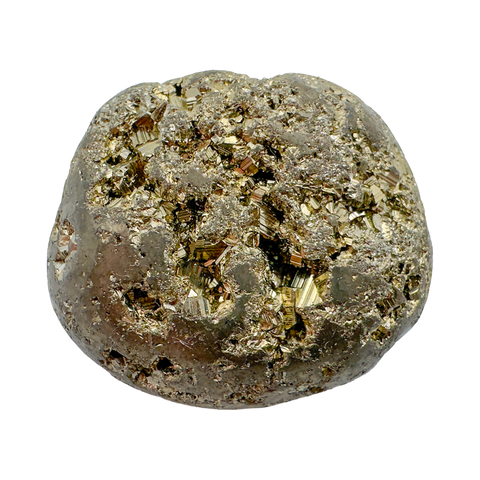
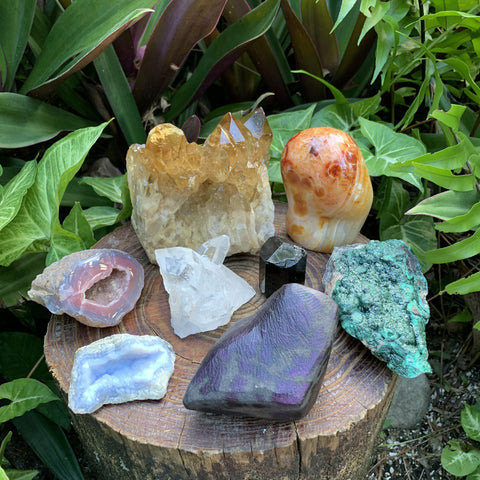
 Clusters & Geodes
104 pieces
Clusters & Geodes
104 pieces
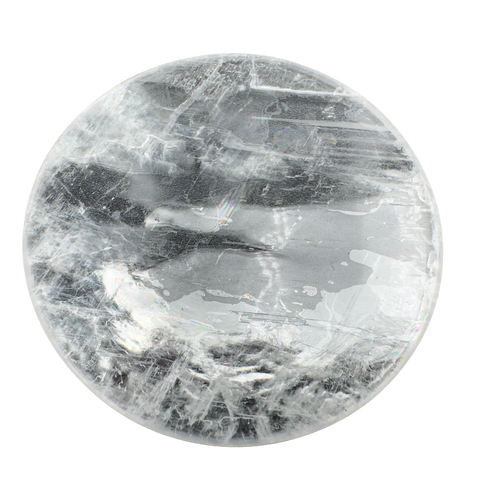
 Polished & Decor
148 pieces
Polished & Decor
148 pieces
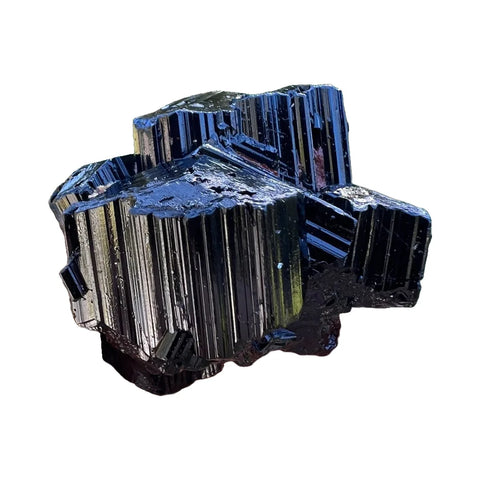
 Mineral Specimens
259 collector pieces
Mineral Specimens
259 collector pieces
 Crystal Chips
21 pieces
Browse everything
Every collection, one page.
View All Collections →
Crystal Chips
21 pieces
Browse everything
Every collection, one page.
View All Collections →


 Aries
Mar 21 – Apr 19
Carnelian
›
Aries
Mar 21 – Apr 19
Carnelian
›
 Taurus
Apr 20 – May 20
Rose Quartz
›
Taurus
Apr 20 – May 20
Rose Quartz
›
 Gemini
May 21 – Jun 20
Agate
›
Gemini
May 21 – Jun 20
Agate
›
 Cancer
Jun 21 – Jul 22
Moonstone
›
Cancer
Jun 21 – Jul 22
Moonstone
›
 Leo
Jul 23 – Aug 22
Citrine
›
Leo
Jul 23 – Aug 22
Citrine
›
 Virgo
Aug 23 – Sep 22
Amazonite
›
Virgo
Aug 23 – Sep 22
Amazonite
›
 Libra
Sep 23 – Oct 22
Blue Lace Agate
›
Libra
Sep 23 – Oct 22
Blue Lace Agate
›
 Scorpio
Oct 23 – Nov 21
Obsidian
›
Scorpio
Oct 23 – Nov 21
Obsidian
›
 Sagittarius
Nov 22 – Dec 21
Sodalite
›
Sagittarius
Nov 22 – Dec 21
Sodalite
›
 Capricorn
Dec 22 – Jan 19
Black Tourmaline
›
Capricorn
Dec 22 – Jan 19
Black Tourmaline
›
 Aquarius
Jan 20 – Feb 18
Amethyst
›
Aquarius
Jan 20 – Feb 18
Amethyst
›
 Pisces
Feb 19 – Mar 20
Aquamarine
›
Gifting?
A birthday stone is the safe bet.
Read the zodiac guide →
Pisces
Feb 19 – Mar 20
Aquamarine
›
Gifting?
A birthday stone is the safe bet.
Read the zodiac guide →

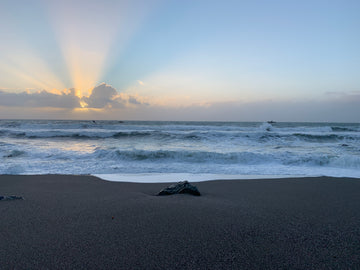
Hag Stone
Hag Stone is naturally pierced beach/river stone, Varies, typically flint, chert, or limestone. In the hand, it rates 3 to 7 (depends on rock type) on the Mohs scale, and it runs gray and tan-brown. Priceless to the finder; modest as merchandise.
The geology.
Hag Stone carries the formula Varies, typically flint, chert, or limestone. It belongs to the none (rock) system. Catalogs list it as naturally pierced beach/river stone.
It sits at 3 to 7 (depends on rock type) on the Mohs scale. The surface reads dull to waxy. Light behavior is opaque. Specific gravity runs 2.3 to 2.7. The streak is varies. It breaks with conchoidal (flint) to uneven fracture.
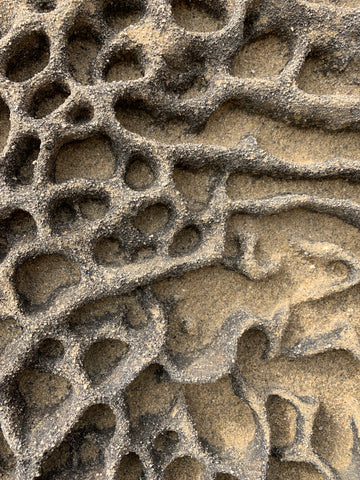
An ordinary pebble made extraordinary by a natural hole worn clean through, usually drilled over years by piddock clams, boring sponges, or a trapped pebble grinding in a pothole.
It reaches buyers as beach pebbles with natural through-holes, pendants strung as found or strung charm clusters.
The origins.
Shingle beaches and rivers, classic on England's Norfolk and Suffolk coasts, also found on stony shores worldwide where boring clams work soft rock.
On value, the database notes: priceless to the finder; modest as merchandise.
Traditional associations.
In energy work traditions, a hag stone is a protective talisman and a window to the unseen, strongest when found by chance.
We keep this section because people ask. It sits below the geology on purpose, and none of it describes something the stone does.
Spotting the real thing.
An ordinary pebble made extraordinary by a natural hole worn clean through, usually drilled over years by piddock clams, boring sponges, or a trapped pebble grinding in a pothole.
Machine-drilled pebbles are sold as hag stones online, folklore purists insist the hole (and the finding) must be nature's work.
| Looks like | How to tell them apart |
|---|---|
| Drilled pendant stones | Machine holes are cylindrical, smooth, and uniform; natural holes taper, wander, and wear smooth-edged |
| Crinoid stem segments | Crinoid 'beads' are small button-like fossils with a star or round central canal |
| Vesicular basalt/scoria | Gas bubbles pock the whole surface rather than one clean through-hole |
At-home tests.
Before anyone talks you into a lab report, these are the checks worth doing yourself on hag stone.
| Test | What you should see |
|---|---|
| Hole shape | tapering, slightly irregular tunnel = natural boring or erosion |
| By eye | Host rock is typically flint/chert on famous UK beaches |
| Under a loupe | No drill chatter marks under a loupe |
Stop short of anything that leaves a mark. A gemologist can answer the rest without damaging the stone.
Care & handling.
At 3 to 7 (depends on rock type) on the Mohs scale this is a soft material. Keep it as a display piece, store it apart from harder stones, and skip daily-wear settings.
It breaks with conchoidal (flint) to uneven fracture, which is worth knowing before you set it or drop it.
Skip the ultrasonic. Lukewarm water, mild soap and a soft cloth handle routine cleaning without risk.
A deeper look.
Extended detail on composition, sourcing, authentication and market value.
The physical record
The formula on record is Varies, typically flint, chert, or limestone. Crystal system: None (rock). Specific gravity: 2.3 to 2.7. Streak: Varies. Cleavage and fracture: Conchoidal (flint) to uneven fracture.
How it reaches the market
Shingle beaches and rivers, classic on England's Norfolk and Suffolk coasts, also found on stony shores worldwide where boring clams work soft rock.
What it gets confused with
Drilled pendant stones: Machine holes are cylindrical, smooth, and uniform; natural holes taper, wander, and wear smooth-edged. Crinoid stem segments: Crinoid 'beads' are small button-like fossils with a star or round central canal. Vesicular basalt/scoria: Gas bubbles pock the whole surface rather than one clean through-hole.
What it is worth
Priceless to the finder; modest as merchandise.
Where buyers get caught
Machine-drilled pebbles are sold as hag stones online, folklore purists insist the hole (and the finding) must be nature's work.
One more thing
Folklore across Europe held that peering through the hole revealed fairies and protected against witches, sailors nailed hag stones to masts, and the tradition of gifting a found one (never buying) survives today.
An education-first guide.
We do not carry hag stone. This page exists because the question comes up and the honest answer is worth writing down, whether or not there is anything here to sell you.
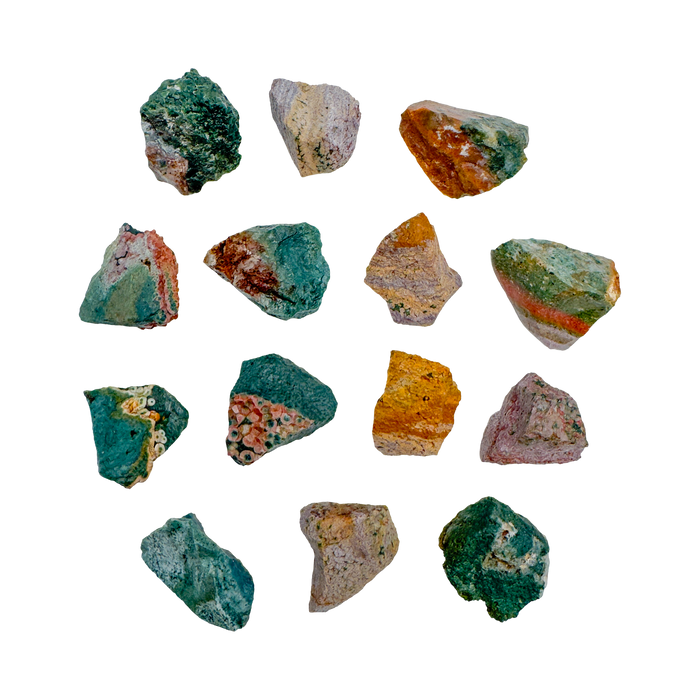
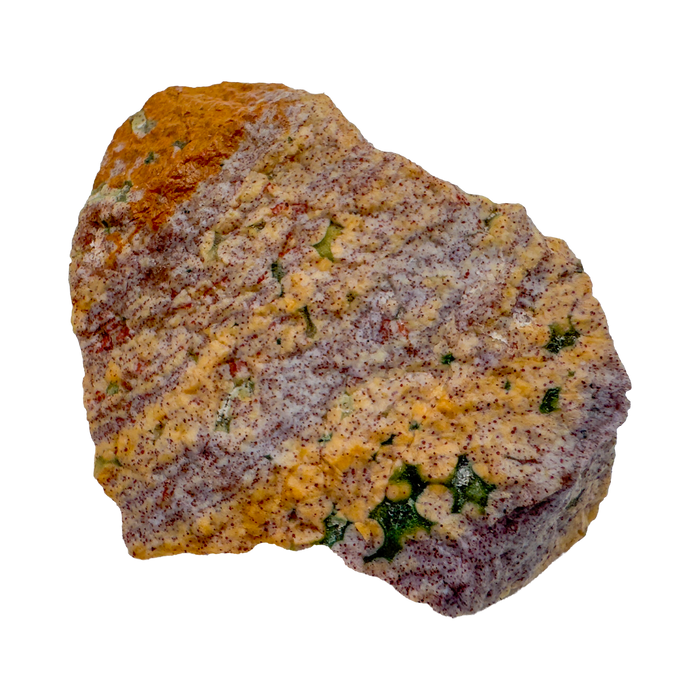
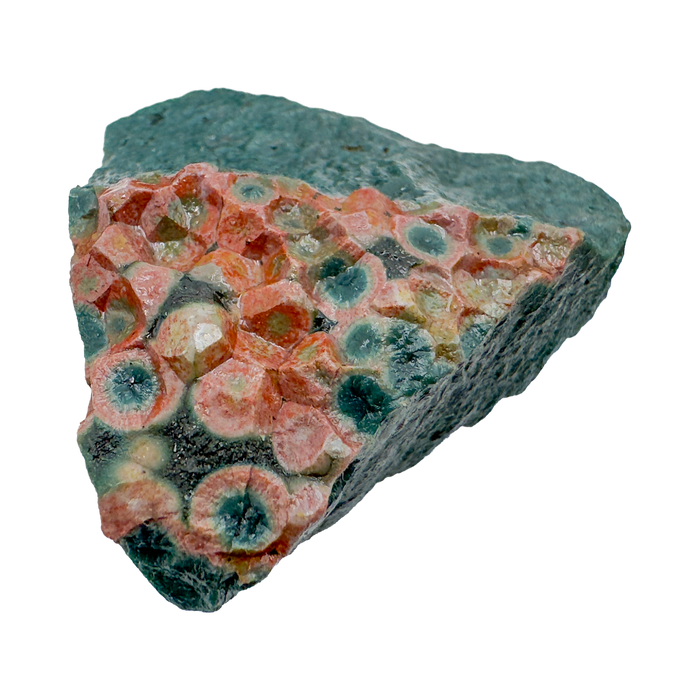
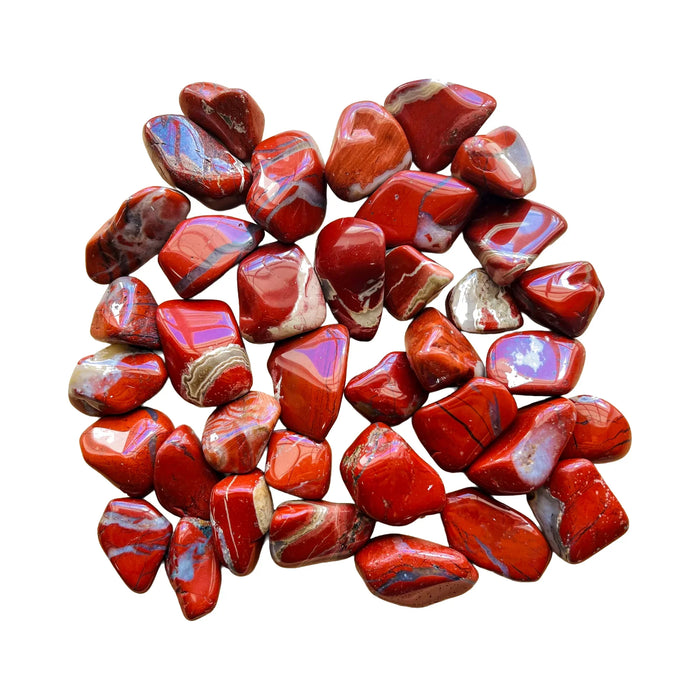
Explore the Crystal GuideLove Hag Stone? Meet Jasper.
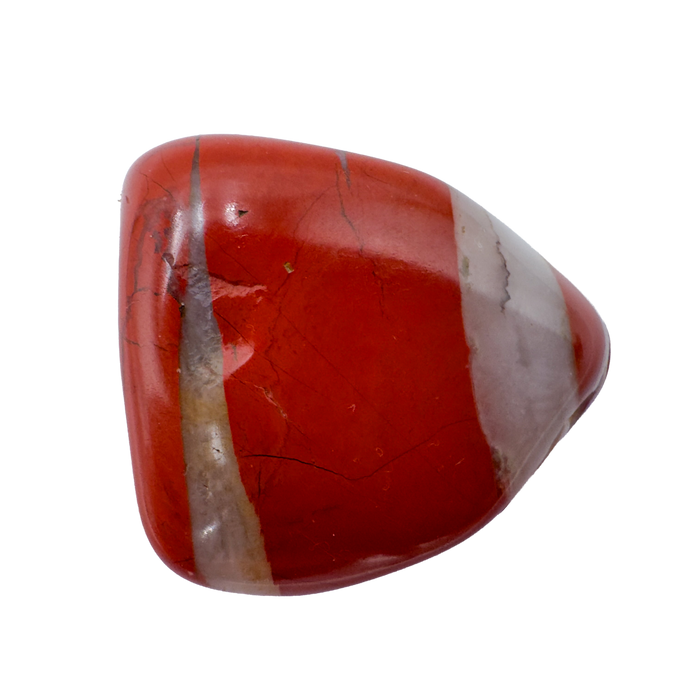
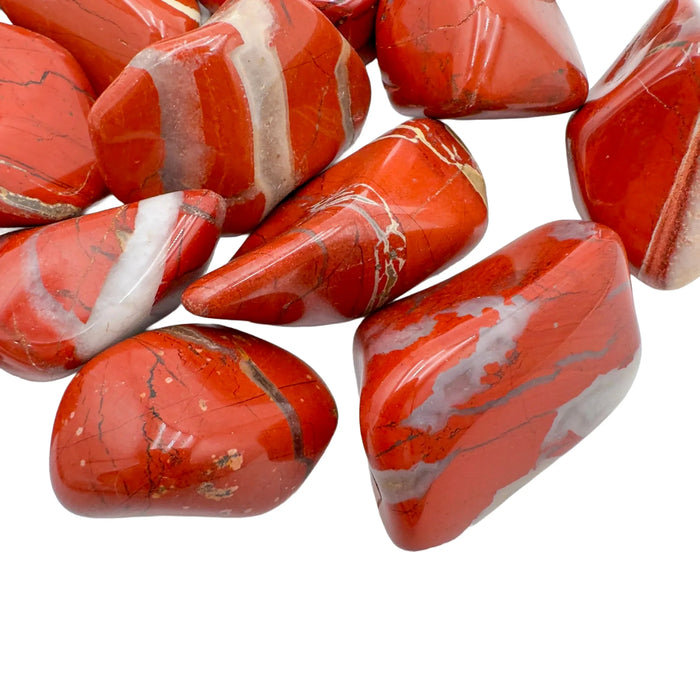
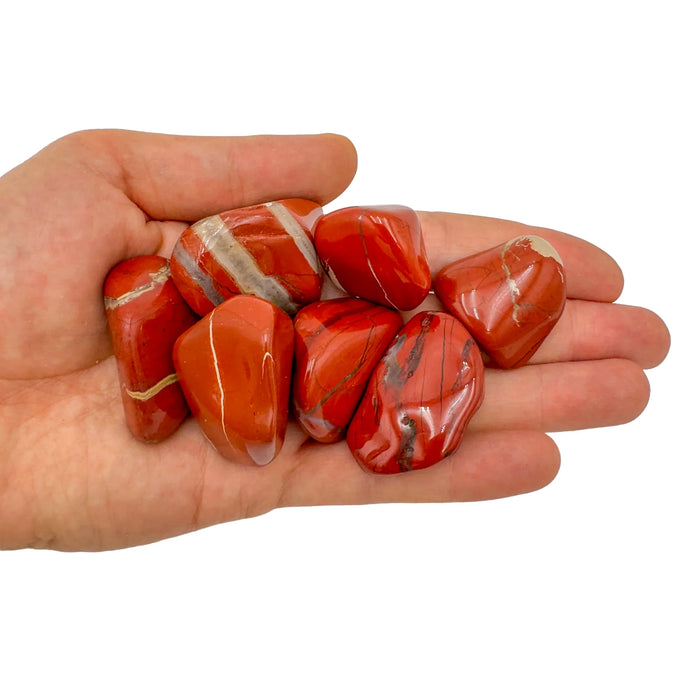
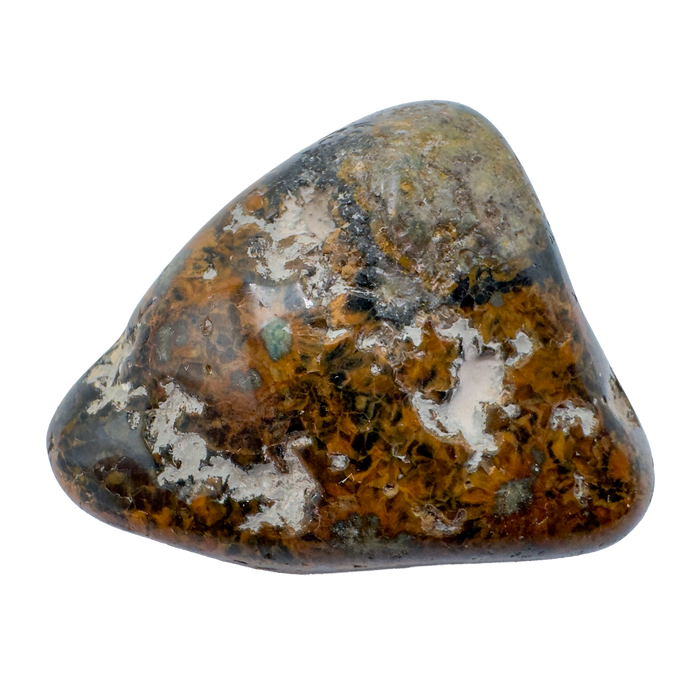
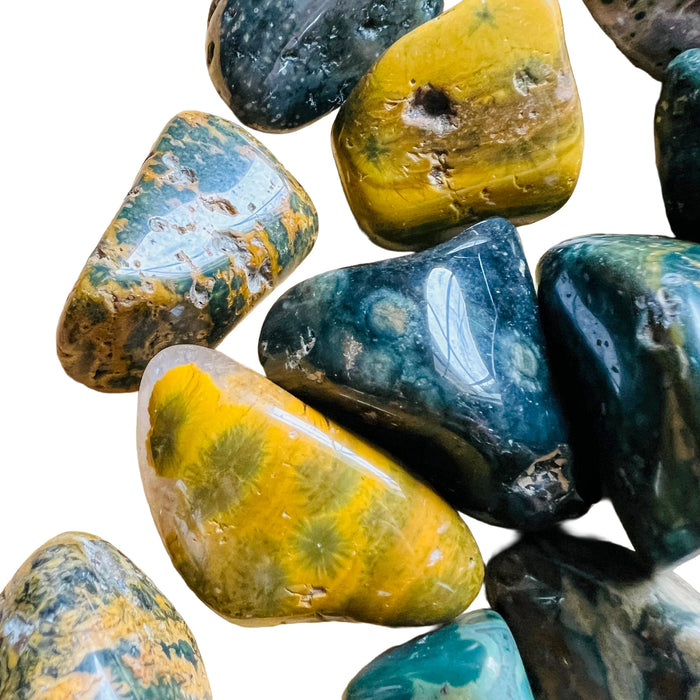
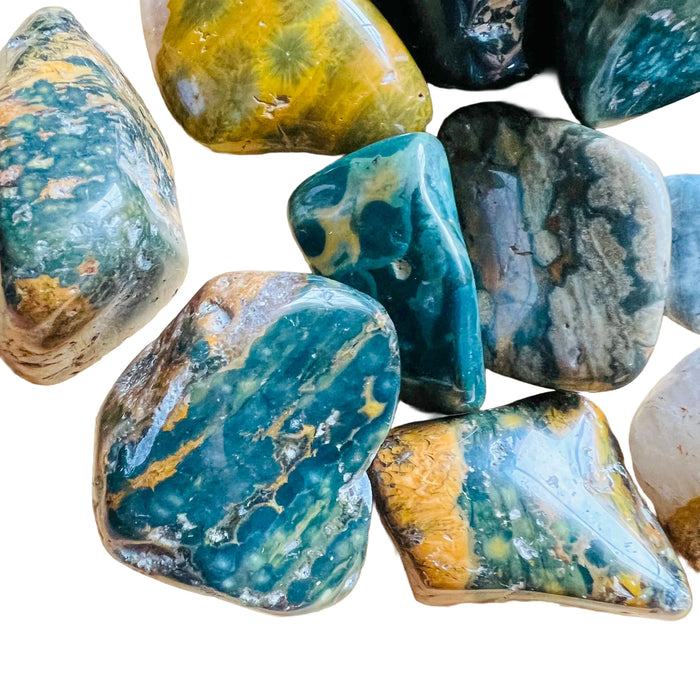
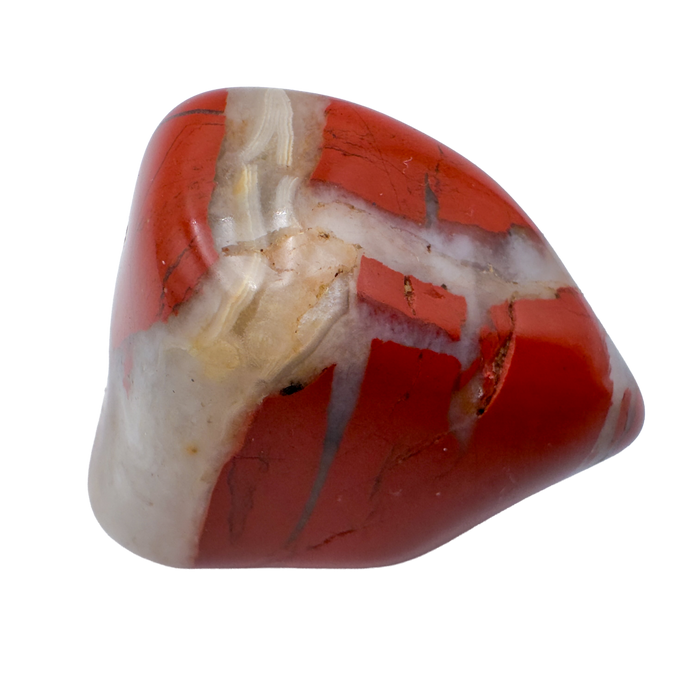
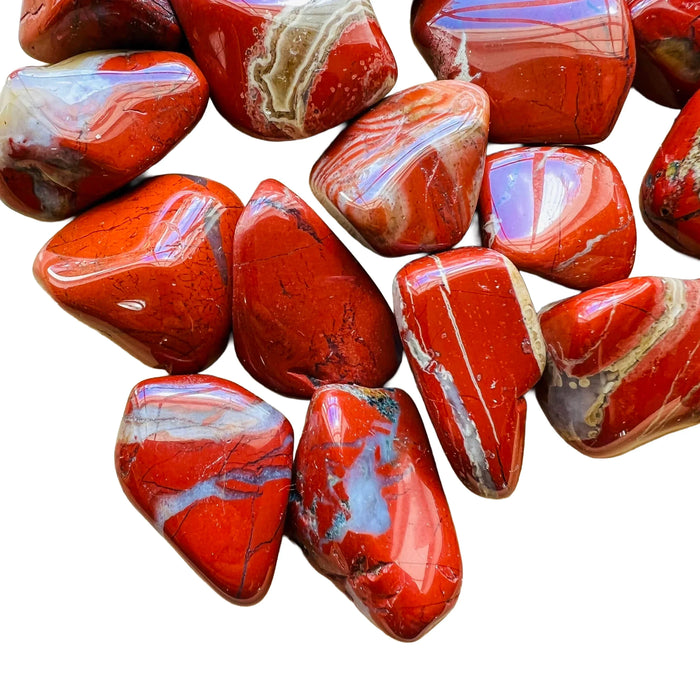
Hag Stone is not something we carry. Jasper is the closest match in color, and every piece passes our sourcing standards: origin named, treatments disclosed.
- from 1,000+ reviews
- Ships within 72 hoursMonday to Friday, tracked
- 90 days to return itif you do not love it
- Free US shipping over $99$8.99 flat rate under
The Slow Note
New stones go to the list first.
No forwarding, no selling. Unsubscribe in one click. Privacy