


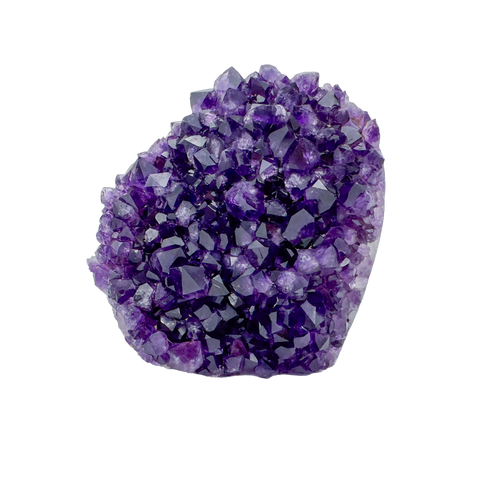
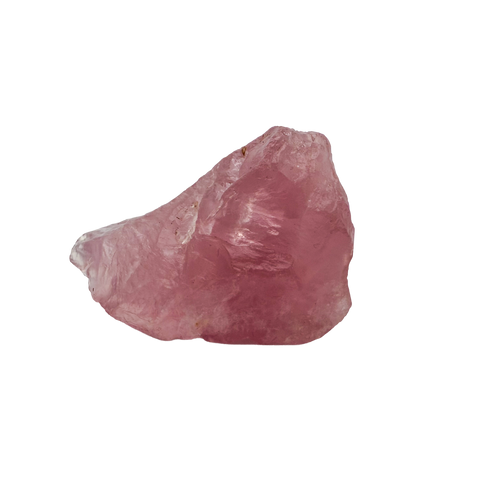
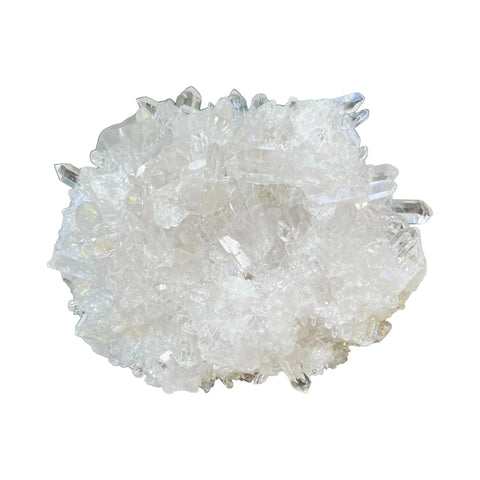
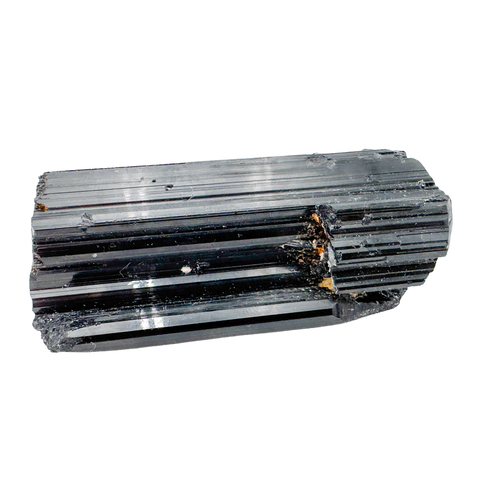
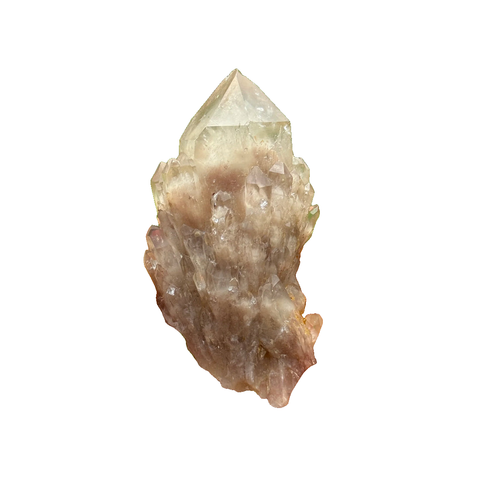
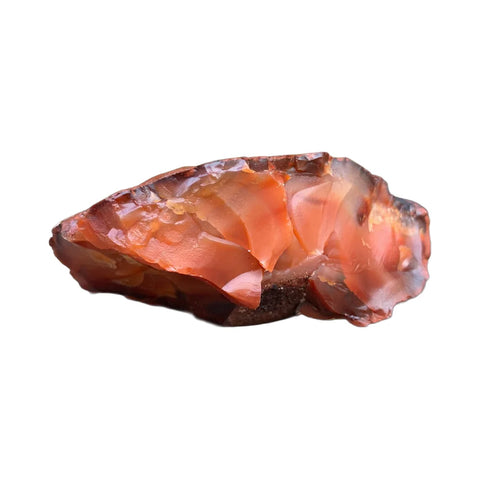
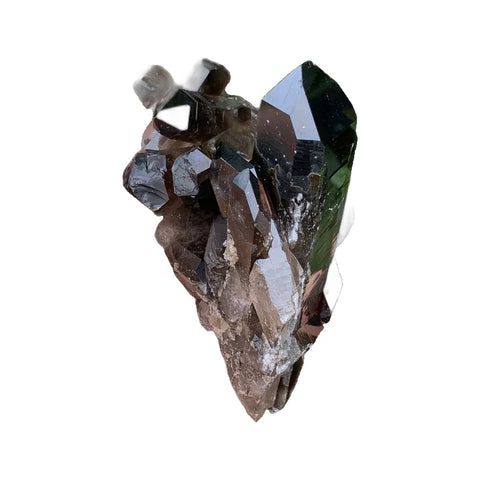
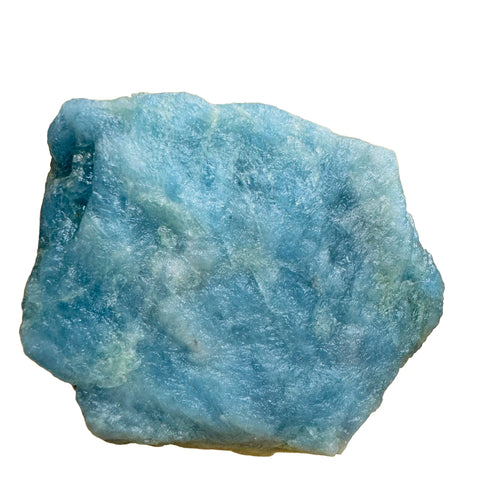
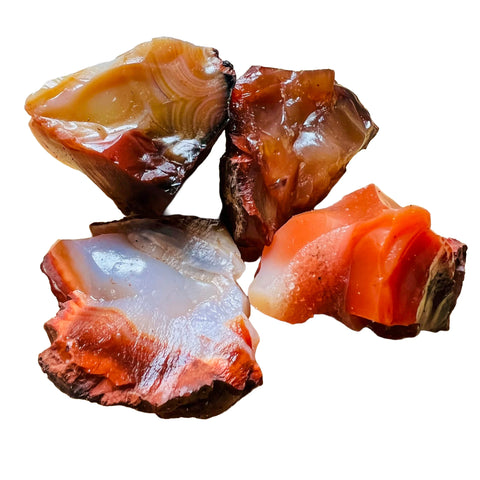


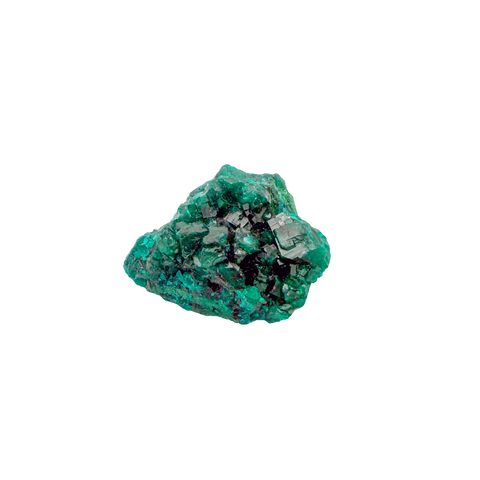
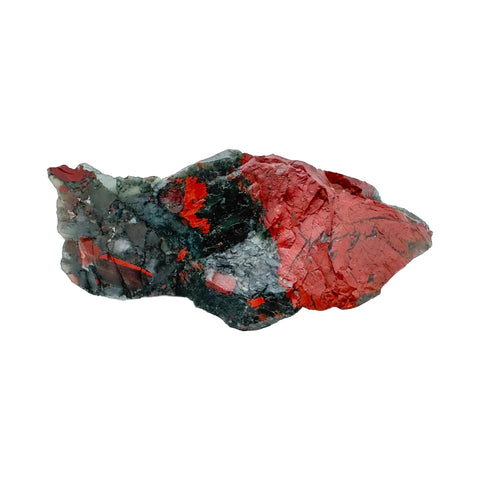
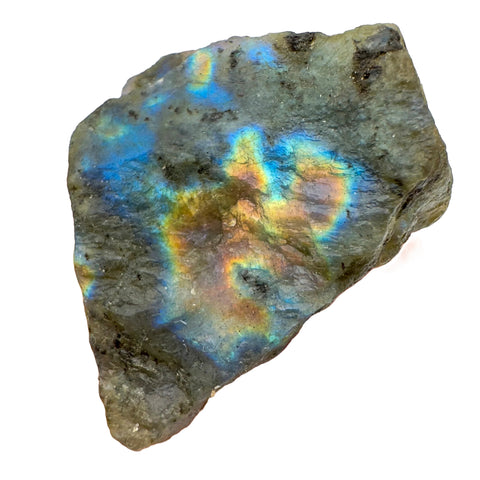
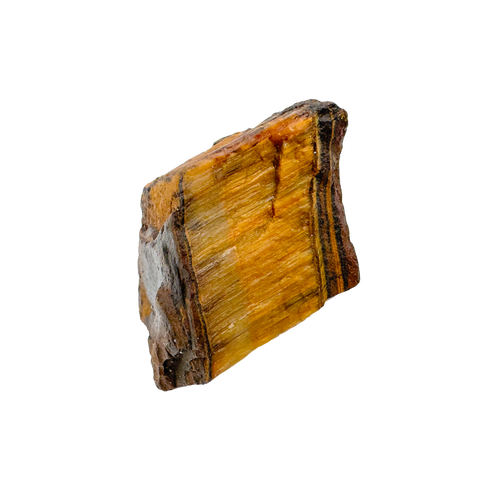
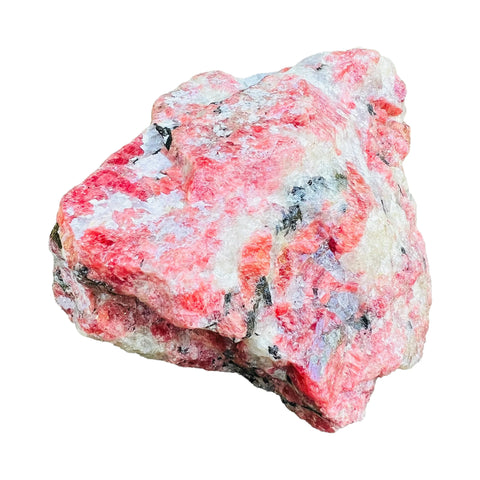
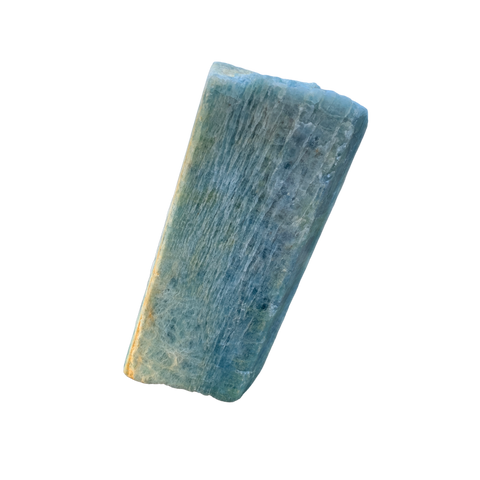
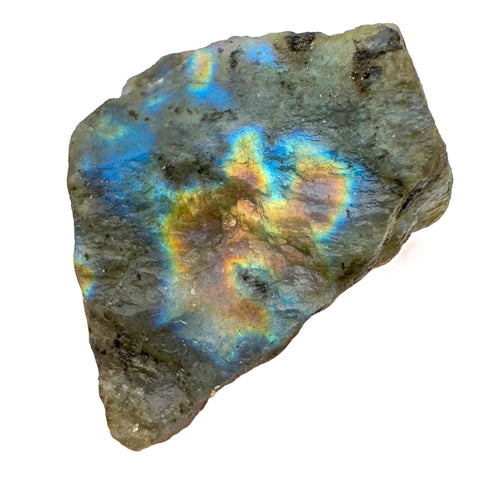
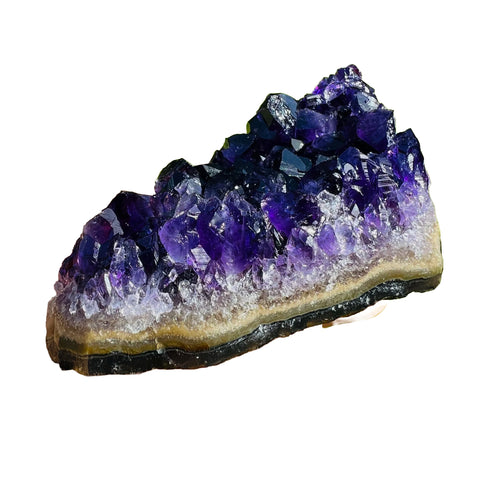



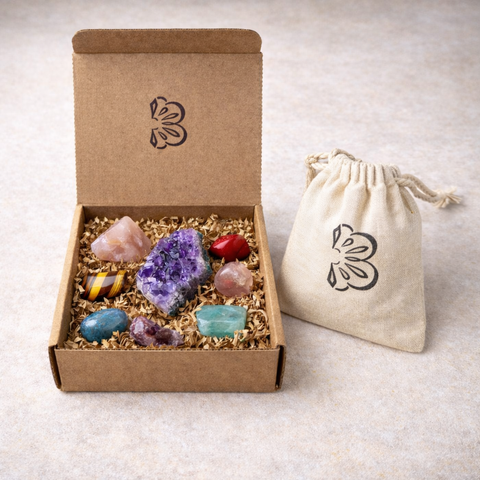
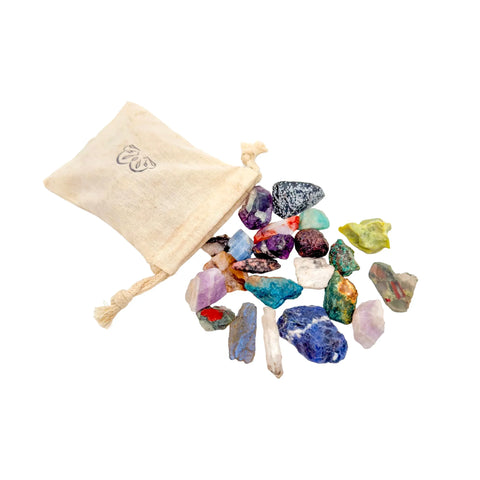
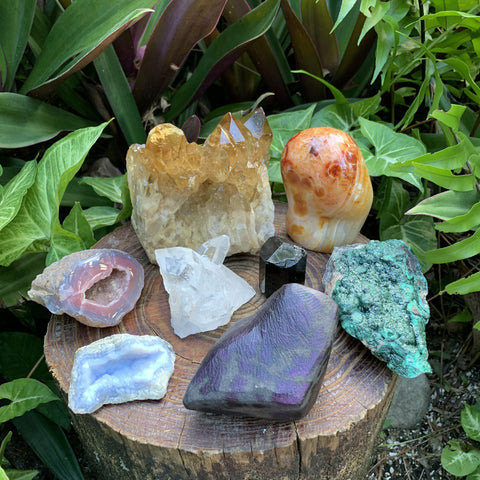
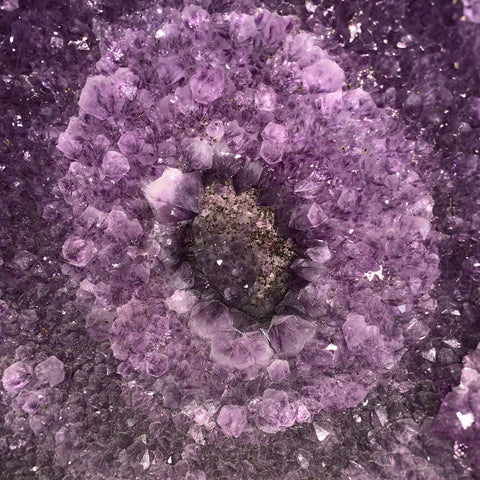
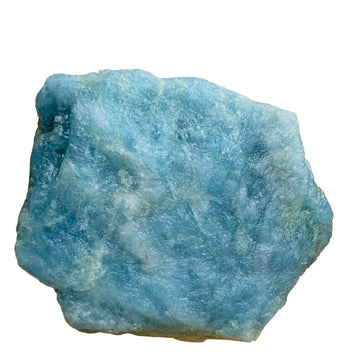
 Raw Stones
179 pieces
Raw Stones
179 pieces
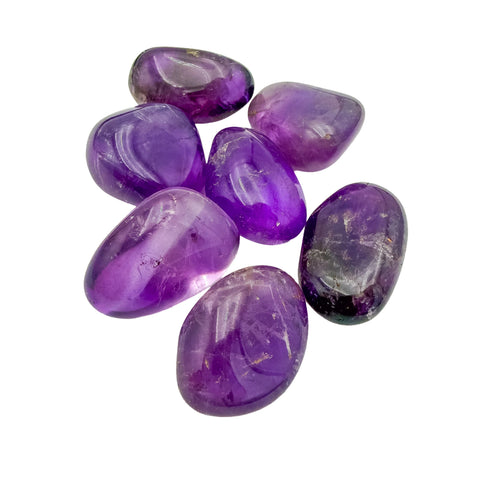
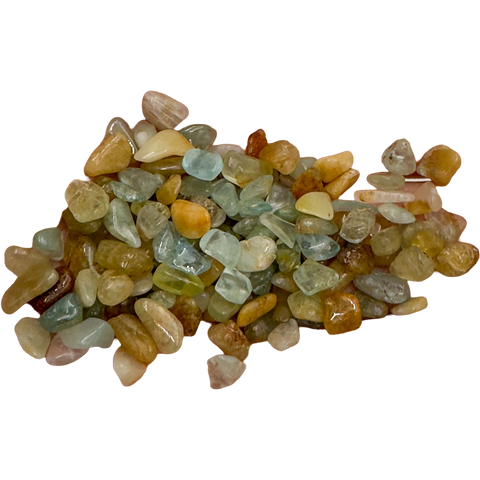
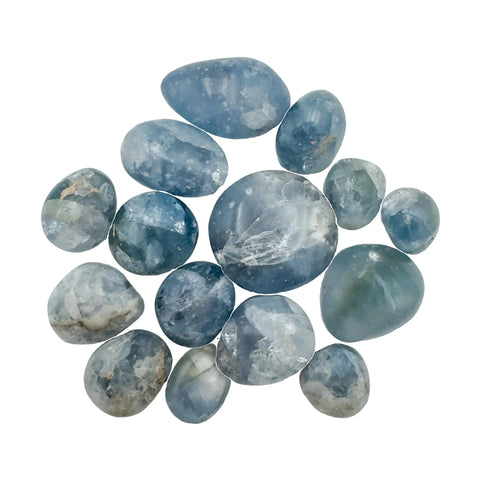
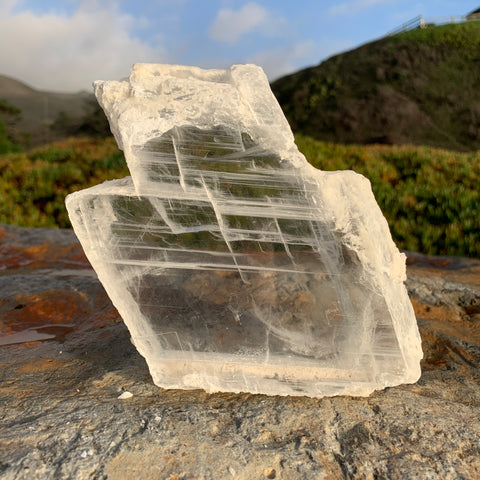
 Tumbled Stones
162 pieces
Tumbled Stones
162 pieces
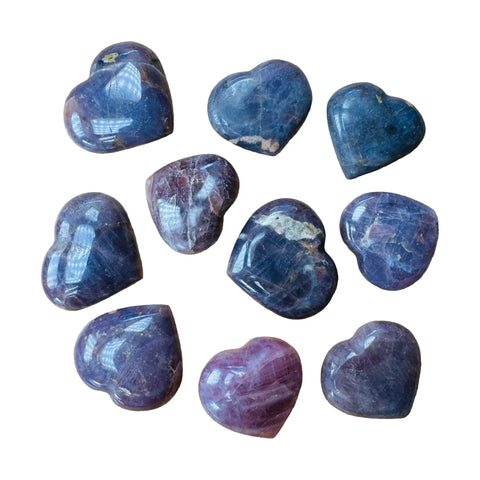
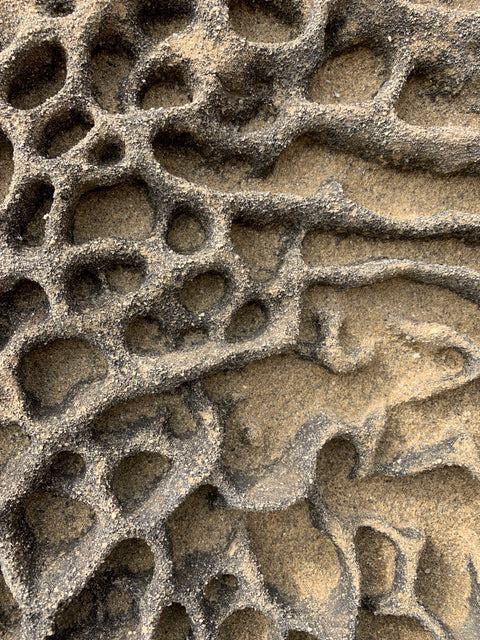
 Palm Stones
25 pieces
Palm Stones
25 pieces
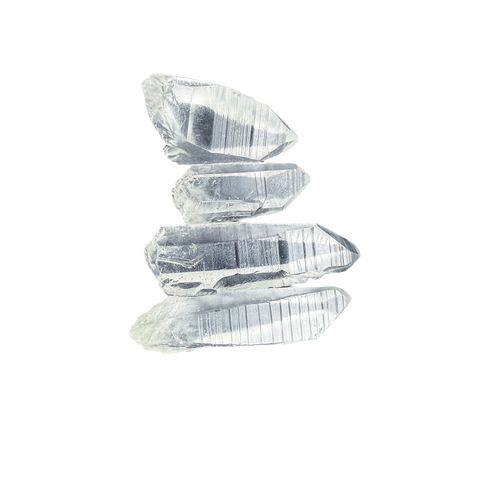
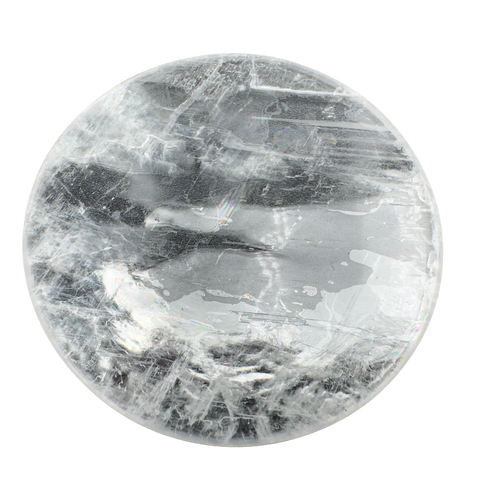
 Crystal Points
23 pieces
Crystal Points
23 pieces
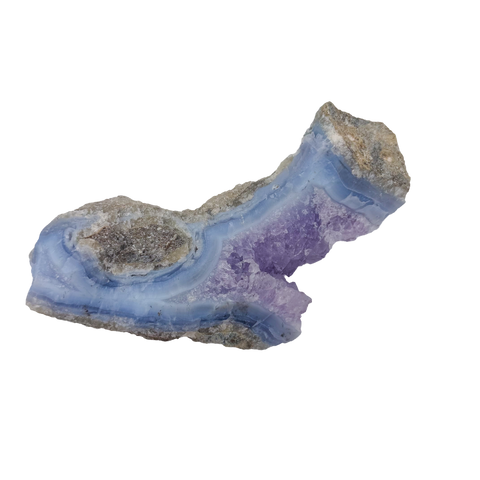
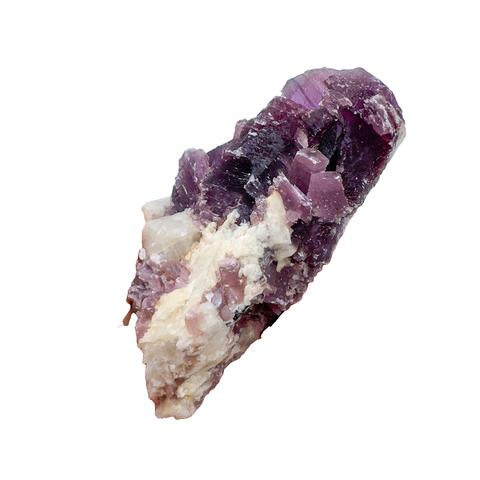
 Clusters & Geodes
104 pieces
Clusters & Geodes
104 pieces
 Polished & Decor
148 pieces
Polished & Decor
148 pieces
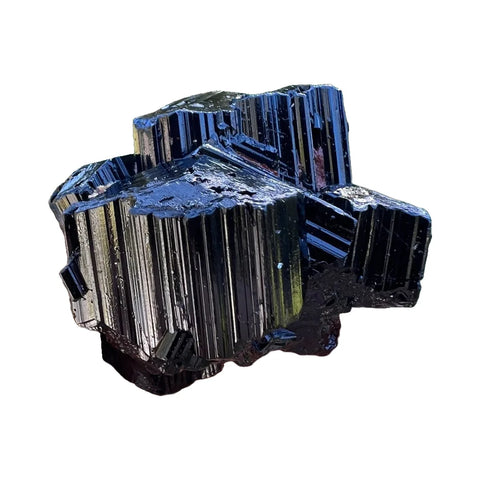
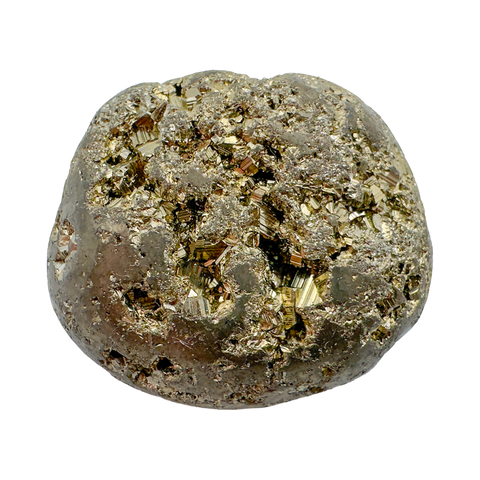
 Mineral Specimens
259 collector pieces
Mineral Specimens
259 collector pieces
 Crystal Chips
21 pieces
Browse everything
Every collection, one page.
View All Collections →
Crystal Chips
21 pieces
Browse everything
Every collection, one page.
View All Collections →


 Aries
Mar 21 – Apr 19
Carnelian
›
Aries
Mar 21 – Apr 19
Carnelian
›
 Taurus
Apr 20 – May 20
Rose Quartz
›
Taurus
Apr 20 – May 20
Rose Quartz
›
 Gemini
May 21 – Jun 20
Agate
›
Gemini
May 21 – Jun 20
Agate
›
 Cancer
Jun 21 – Jul 22
Moonstone
›
Cancer
Jun 21 – Jul 22
Moonstone
›
 Leo
Jul 23 – Aug 22
Citrine
›
Leo
Jul 23 – Aug 22
Citrine
›
 Virgo
Aug 23 – Sep 22
Amazonite
›
Virgo
Aug 23 – Sep 22
Amazonite
›
 Libra
Sep 23 – Oct 22
Blue Lace Agate
›
Libra
Sep 23 – Oct 22
Blue Lace Agate
›
 Scorpio
Oct 23 – Nov 21
Obsidian
›
Scorpio
Oct 23 – Nov 21
Obsidian
›
 Sagittarius
Nov 22 – Dec 21
Sodalite
›
Sagittarius
Nov 22 – Dec 21
Sodalite
›
 Capricorn
Dec 22 – Jan 19
Black Tourmaline
›
Capricorn
Dec 22 – Jan 19
Black Tourmaline
›
 Aquarius
Jan 20 – Feb 18
Amethyst
›
Aquarius
Jan 20 – Feb 18
Amethyst
›
 Pisces
Feb 19 – Mar 20
Aquamarine
›
Gifting?
A birthday stone is the safe bet.
Read the zodiac guide →
Pisces
Feb 19 – Mar 20
Aquamarine
›
Gifting?
A birthday stone is the safe bet.
Read the zodiac guide →


Petrified Palm Wood
Petrified Palm Wood is fossilized plant (silicified palm trunk), SiO2 replacing palm tissue. In the hand, it rates 6.5 to 7 on the Mohs scale, and it runs tan with dark rod dots and cream and caramel spotted. Affordable; sharply patterned Texas material prized by lapidaries.
The geology.
Petrified Palm Wood carries the formula SiO2 replacing palm tissue. It belongs to the trigonal (cryptocrystalline replacement) system. The trade files it under fossilized plant (silicified palm trunk).
It sits at 6.5 to 7 on the Mohs scale. The surface reads waxy to vitreous polished. Light behavior is opaque. Specific gravity runs 2.5 to 2.65. The streak is white. It breaks with conchoidal fracture.
Polished faces peppered with dark 'rain-drop' dots or streaming rods, not tree rings but the fossilized vascular bundles of an ancient palm, cut crosswise (dots) or lengthwise (rods).
Common cuts are polished slabs and cabochons, tumbled or rough trunk sections.
The origins.
Oligocene gulf-coast deposits, Texas and Louisiana are famous (Catahoula Formation); also Indonesia in quantity.
On value, the database notes: affordable; sharply patterned Texas material prized by lapidaries.
Traditional associations.
In energy work traditions, petrified palm wood is read as a stone of steady evolution, soft life turned patiently to stone.
Included for completeness. Tradition is worth knowing about, and it is worth keeping separate from the mineralogy.
Spotting the real thing.
Polished faces peppered with dark 'rain-drop' dots or streaming rods, not tree rings but the fossilized vascular bundles of an ancient palm, cut crosswise (dots) or lengthwise (rods).
Indonesian palmwood is sometimes dyed for color pop; the dot/rod structure itself is nearly impossible to fake.
| Looks like | How to tell them apart |
|---|---|
| Ordinary petrified wood | True woods show growth rings and grain; palms (grass relatives) show only the scattered rod-dots |
| Leopardskin jasper | Jasper's spots are rounded orbs, not the tight uniform vascular pinpoints |
| Coquina/fossil hash | Shell fragments curve and vary; palm dots are monotonously even |
At-home tests.
These checks cost nothing. Daylight, a 10x loupe and a little patience are the whole kit for petrified palm wood.
| Test | What you should see |
|---|---|
| By eye | Dot pattern flips to parallel rods on a lengthwise cut |
| Scratch check | Quartz hardness, scratches glass |
| Acid check | No fizz in vinegar |
Anything that scratches, burns or dissolves the piece is a lab job. Get it appraised rather than testing it apart.
Care & handling.
At 6.5 to 7 on the Mohs scale it handles careful wear but scratches against quartz and dust. Store it separately and take rings off before rough work.
It breaks with conchoidal fracture, which is worth knowing before you set it or drop it.
Warm water and a soft cloth clean almost everything. Ultrasonic tanks, steamers and household cleaners are where pieces get ruined.
A deeper look.
Extended detail on composition, sourcing, authentication and market value.
The physical record
The formula on record is SiO2 replacing palm tissue. Crystal system: Trigonal (cryptocrystalline replacement). Specific gravity: 2.5 to 2.65. Streak: White. Cleavage and fracture: Conchoidal fracture.
How it reaches the market
Oligocene gulf-coast deposits, Texas and Louisiana are famous (Catahoula Formation); also Indonesia in quantity.
What it gets confused with
Ordinary petrified wood: True woods show growth rings and grain; palms (grass relatives) show only the scattered rod-dots. Leopardskin jasper: Jasper's spots are rounded orbs, not the tight uniform vascular pinpoints. Coquina/fossil hash: Shell fragments curve and vary; palm dots are monotonously even.
What it is worth
Affordable; sharply patterned Texas material prized by lapidaries.
Where buyers get caught
Indonesian palmwood is sometimes dyed for color pop; the dot/rod structure itself is nearly impossible to fake.
One more thing
It's the official state stone of Texas AND the state fossil of Louisiana, a 30-million-year-old palm tree claimed by two states like a beloved local celebrity.
An education-first guide.
No product links here. We do not sell petrified palm wood, and a guide that only covers our own shelves would not be much of a guide.
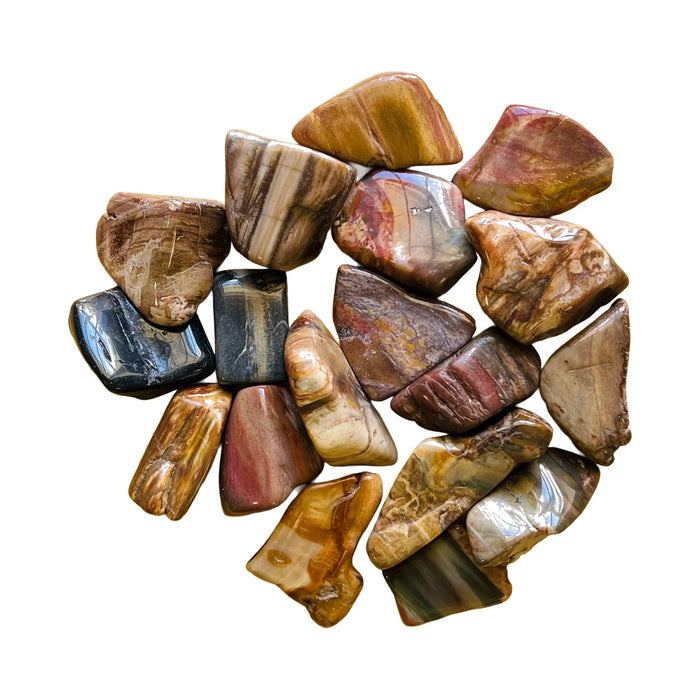
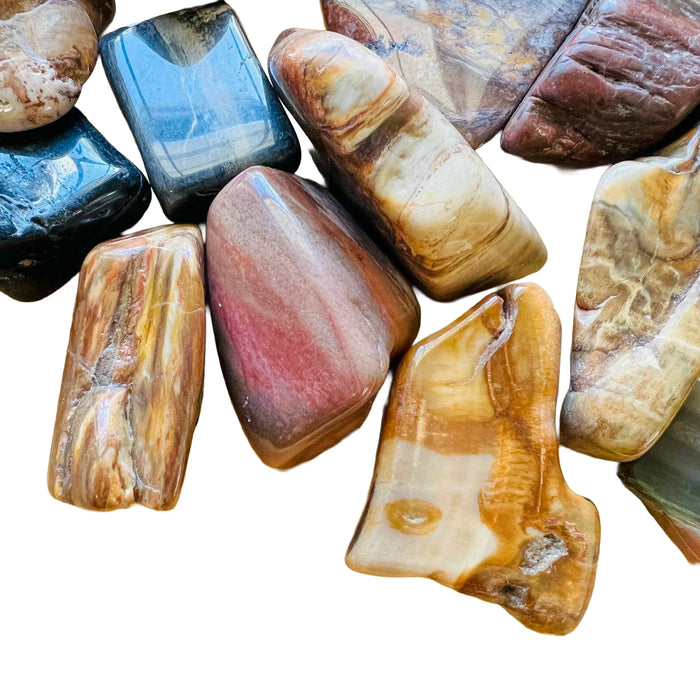
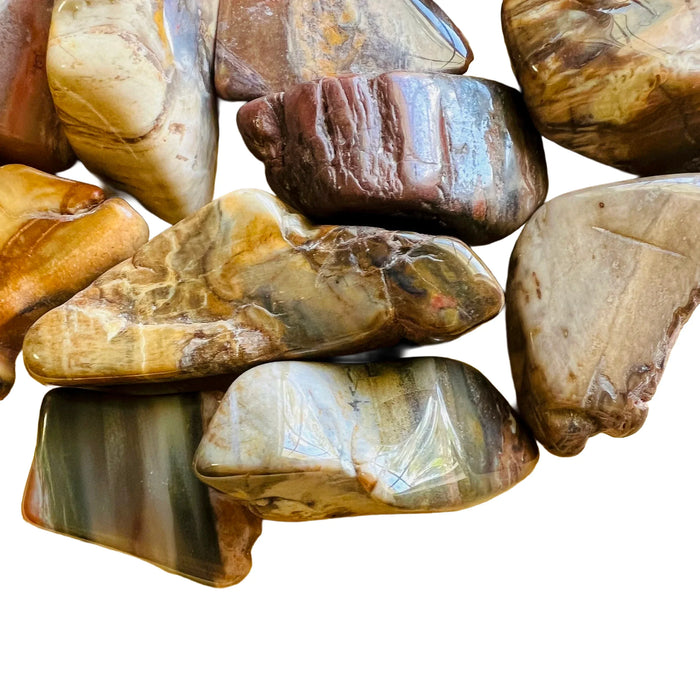
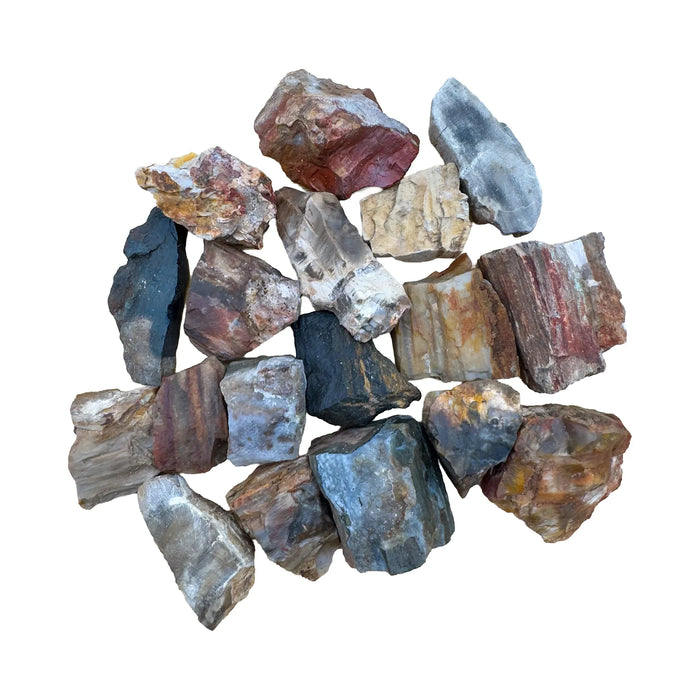
Explore the Crystal GuideThe closest match we carry: Petrified Wood.
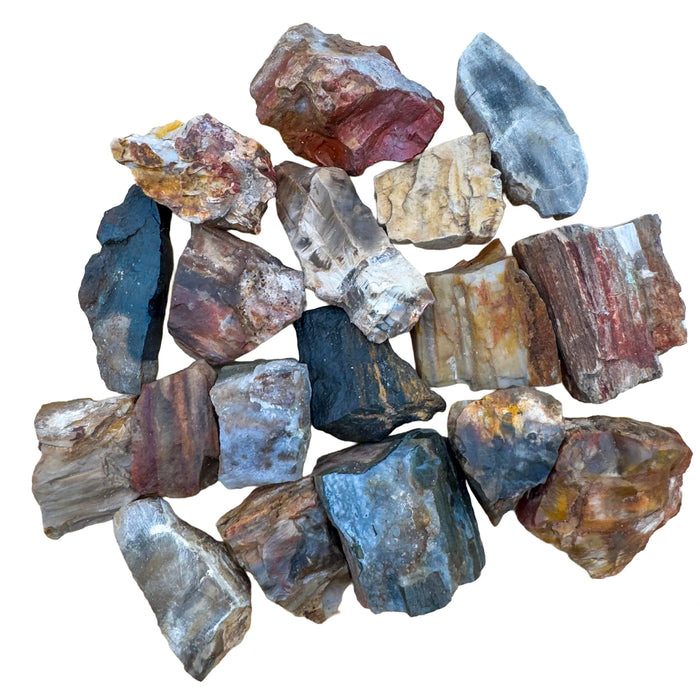
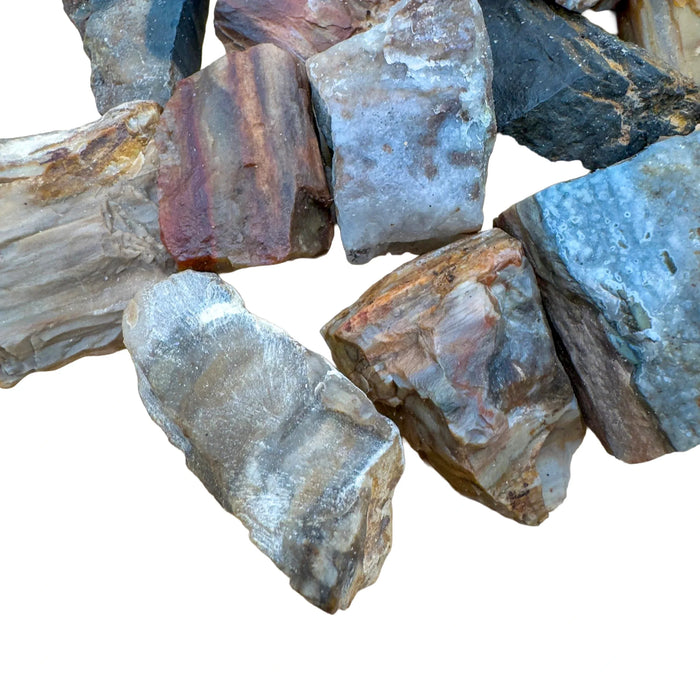
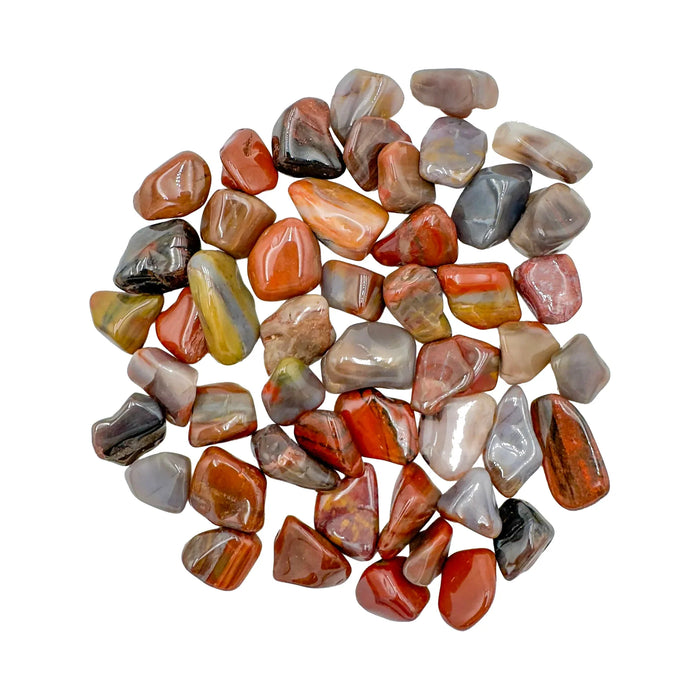
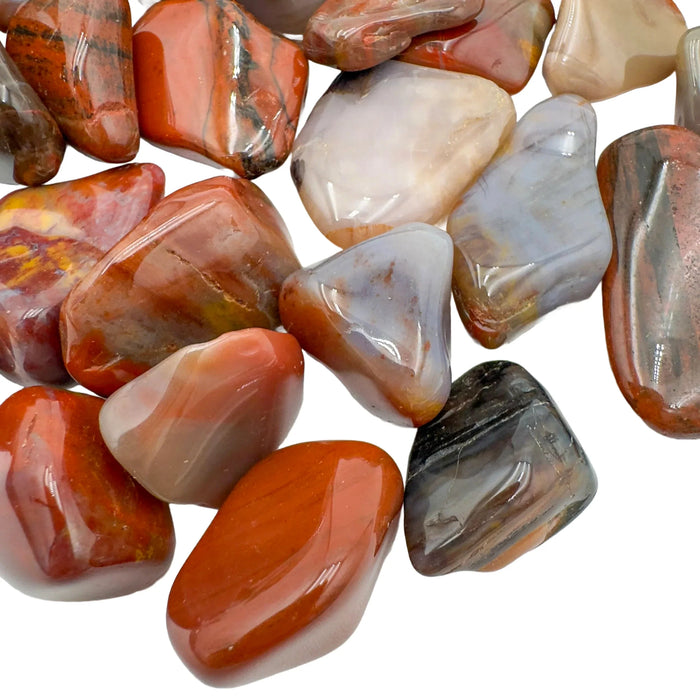
Petrified Palm Wood is not something we carry. Petrified Wood is the closest match in our collection, and every piece passes our sourcing standards: origin named, treatments disclosed.
- from 1,000+ reviews
- Ships within 72 hoursMonday to Friday, tracked
- 90 days to return itif you do not love it
- Free US shipping over $99$8.99 flat rate under
The Slow Note
New stones go to the list first.
No forwarding, no selling. Unsubscribe in one click. Privacy