


 Agatefor stress relief
 Amazonitefor stress relief
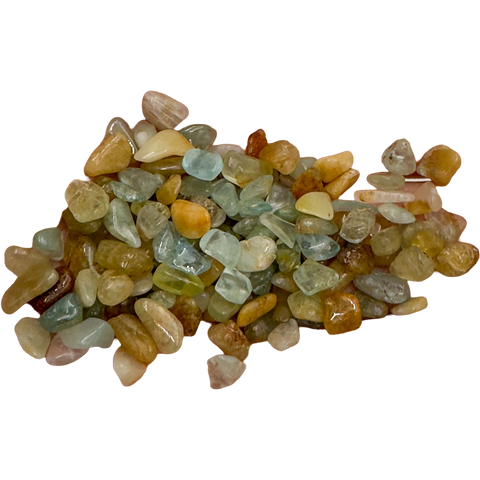
 Aquamarinefor serenity
 Aventurinefor luck
 Bloodstonefor energy
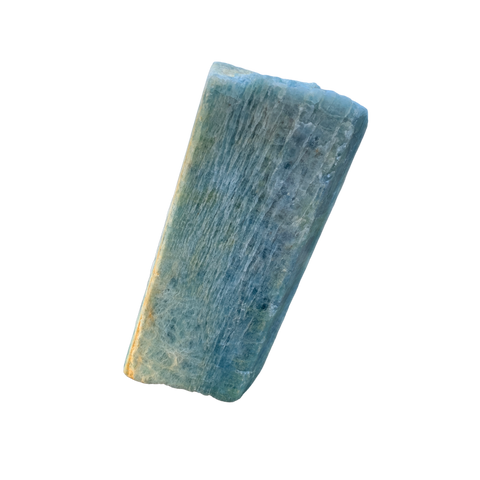
 Blue Kyanitefor confidence
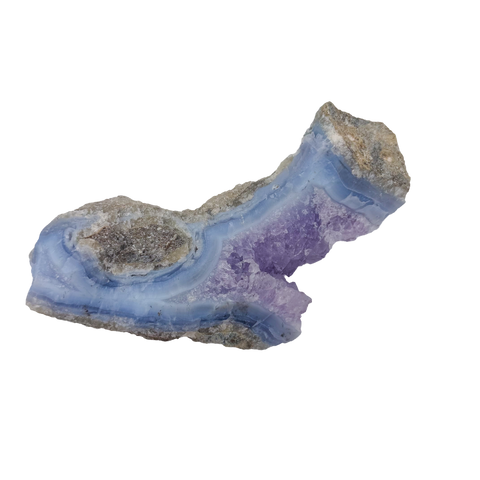
 Blue Lace Agatefor stress relief
 Chrysocollafor emotional healing
 Fluoritefor focus
 Garnetfor energy
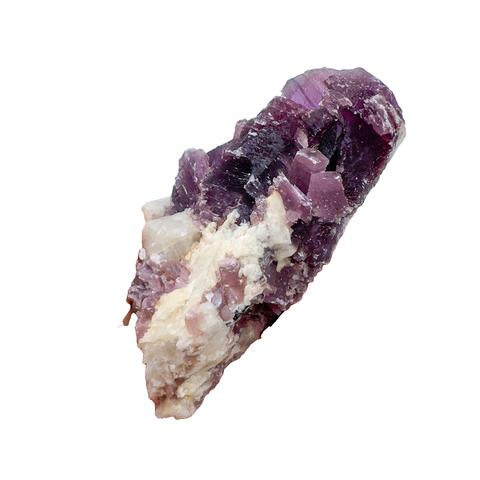
 Lepidolitefor stress relief
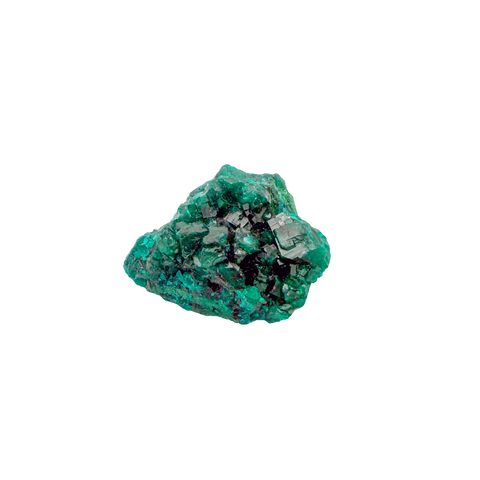
 Malachitefor emotional healing
 Moonstonefor grounding
 Obsidianfor protection
 Ocean Jasperfor emotional healing
 Red Jasperfor grounding
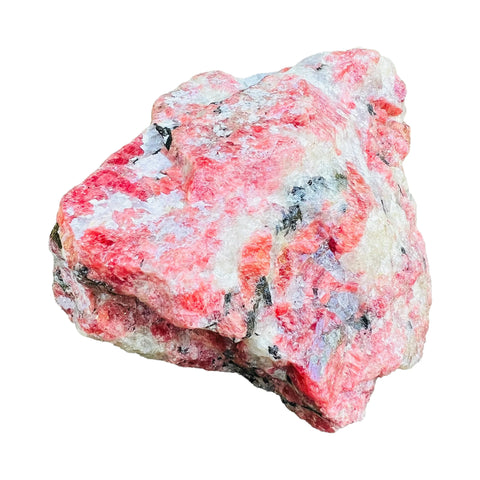
 Rhodonitefor emotional healing
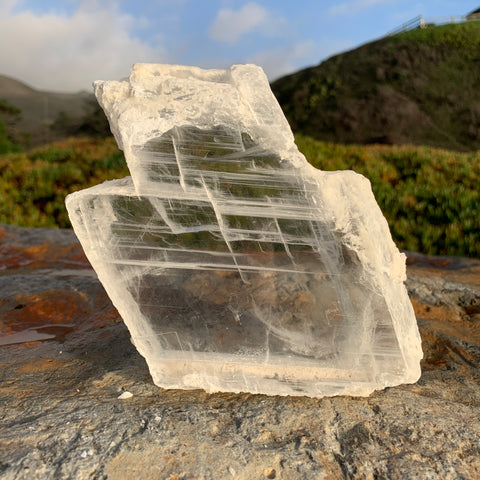
 Selenitefor cleansing
 Sodalitefor focus
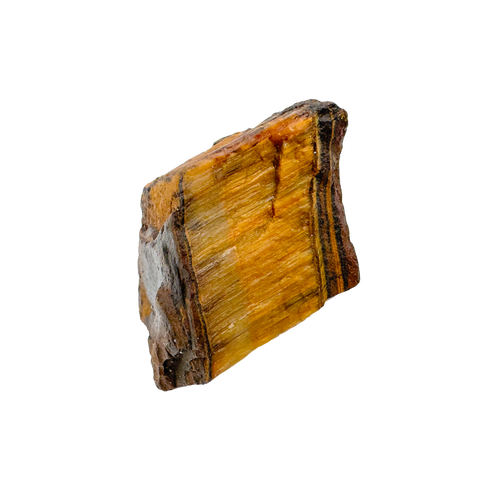
 Tiger Eyefor confidence
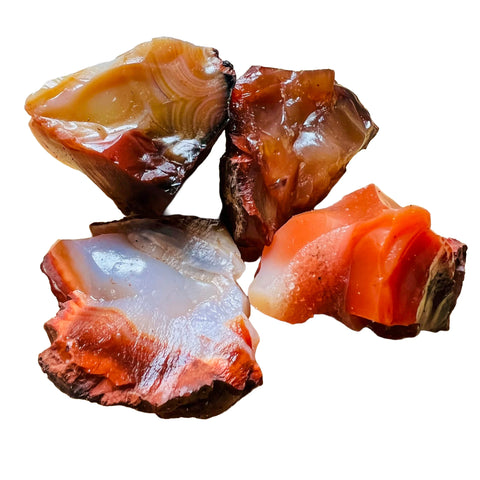
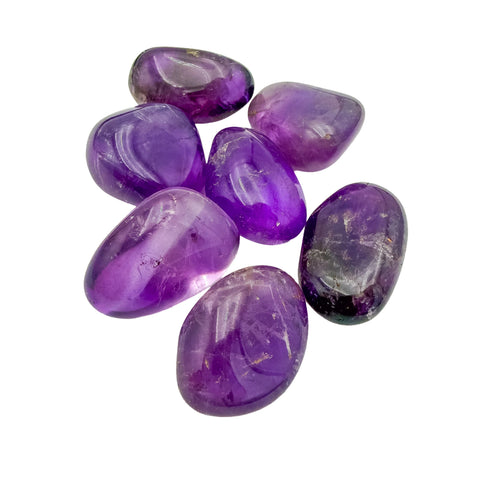


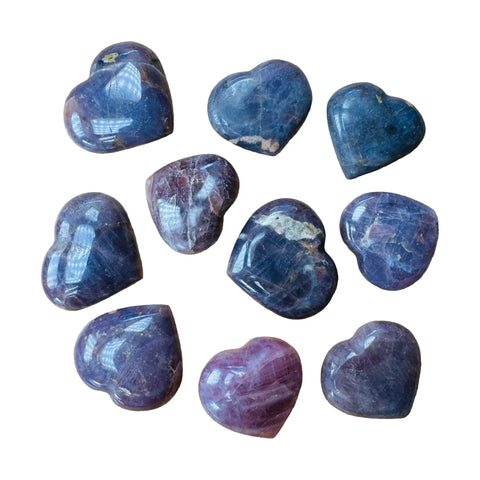
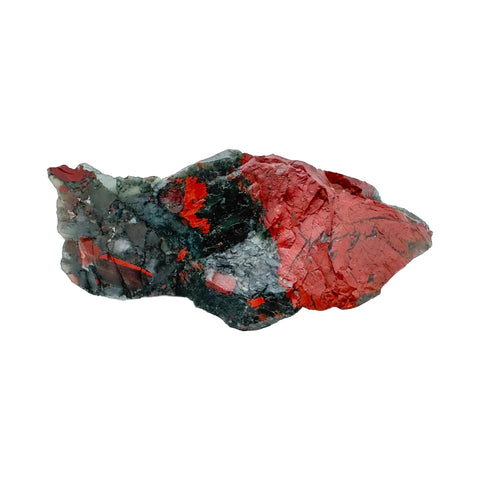
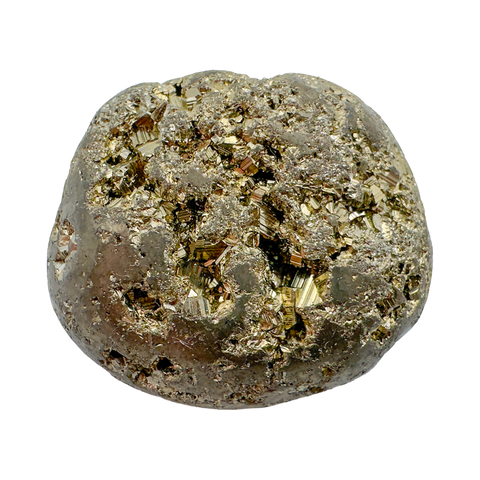
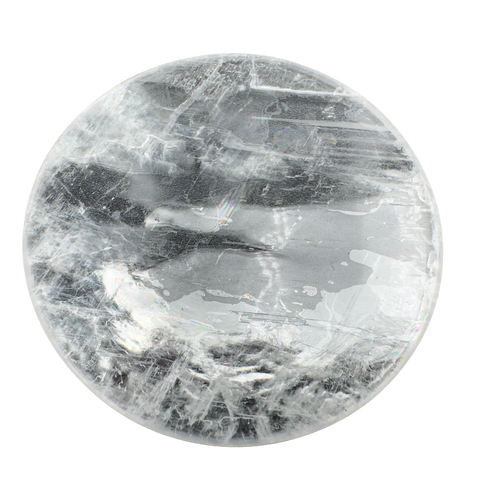
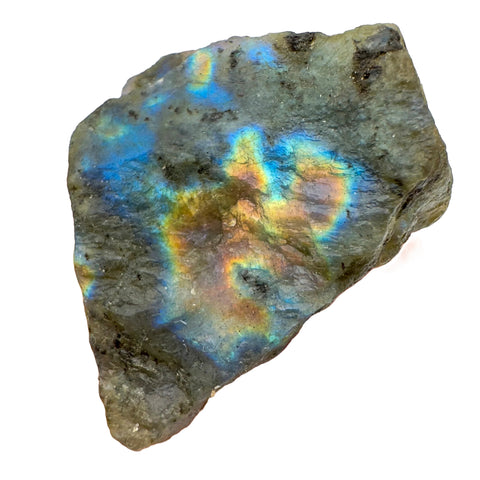
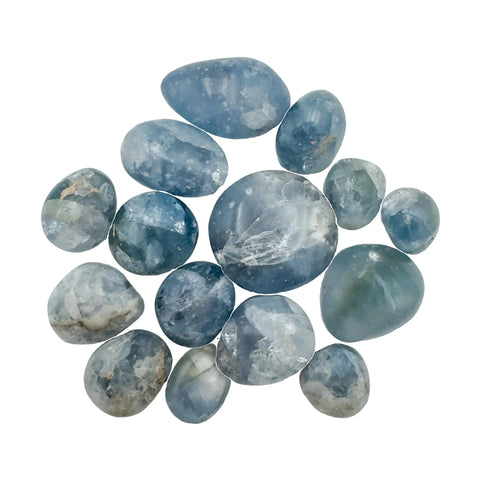


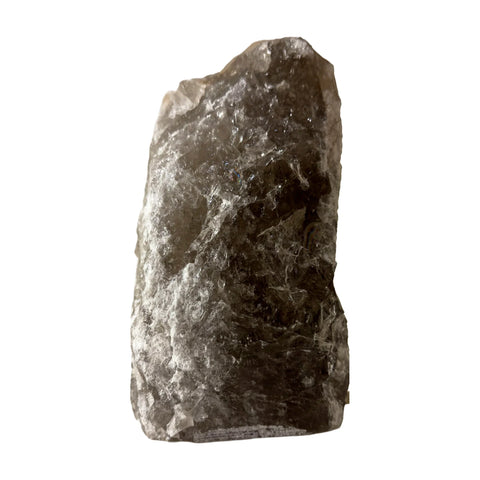
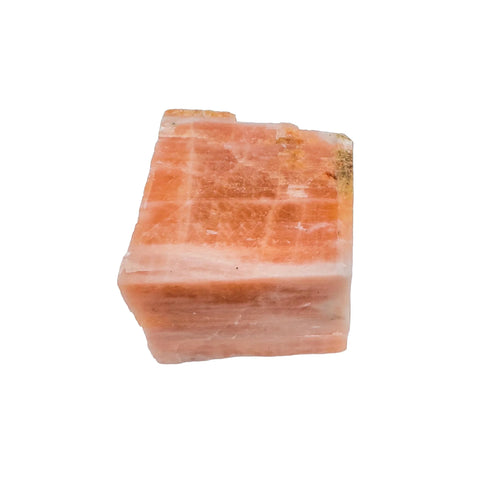
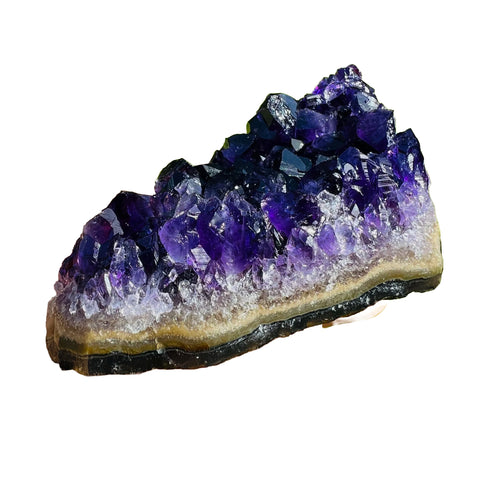





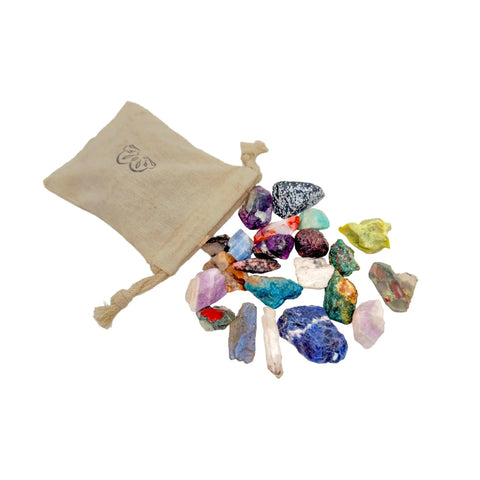
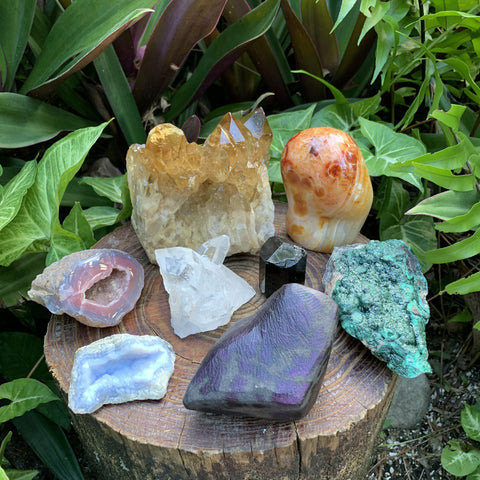
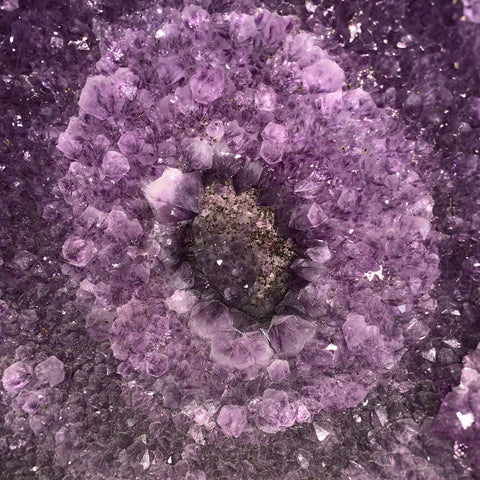
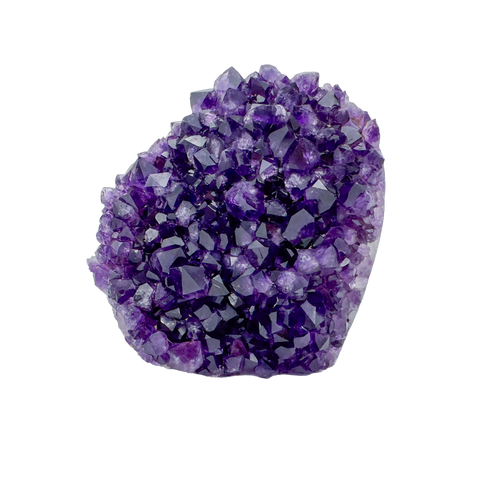
 Amethyst
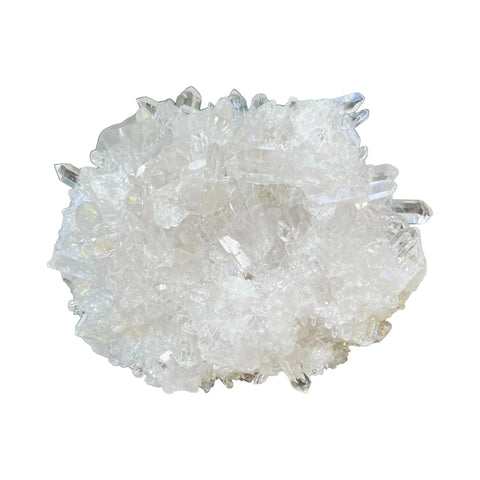
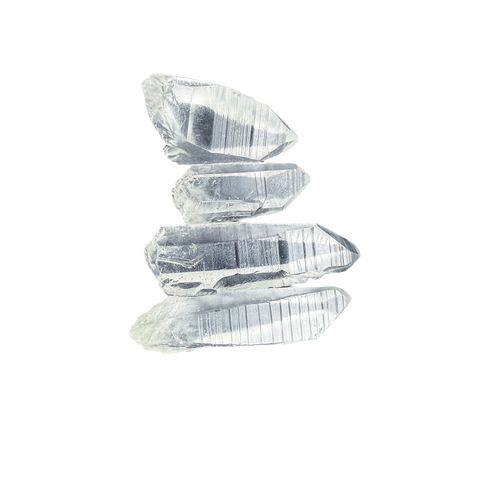
 Clear Quartz
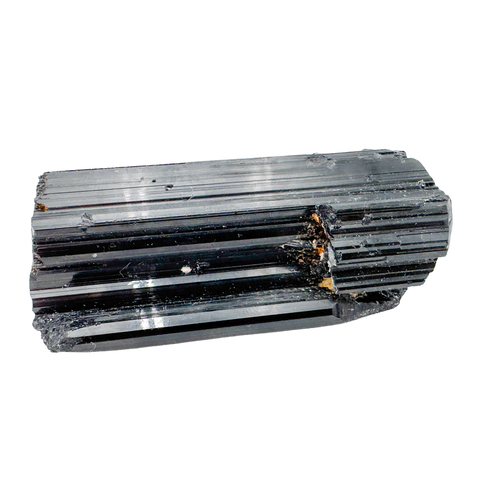
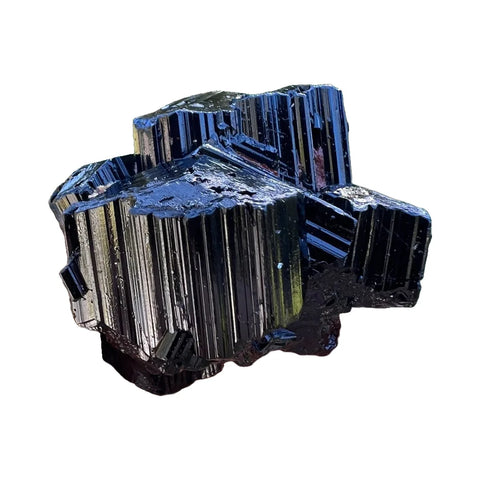
 Black Tourmaline
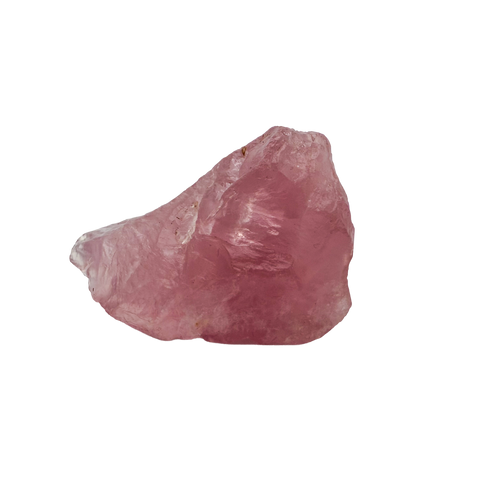
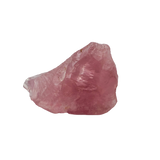 Rose Quartz
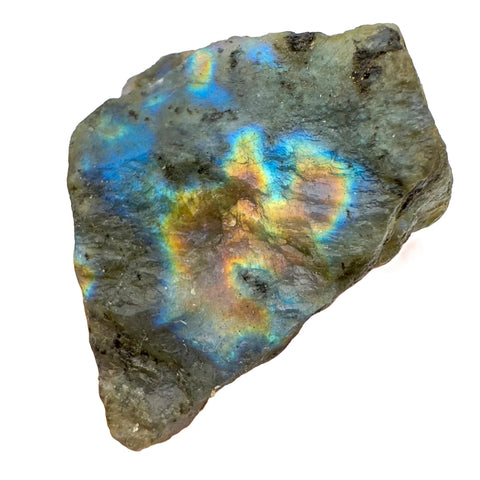
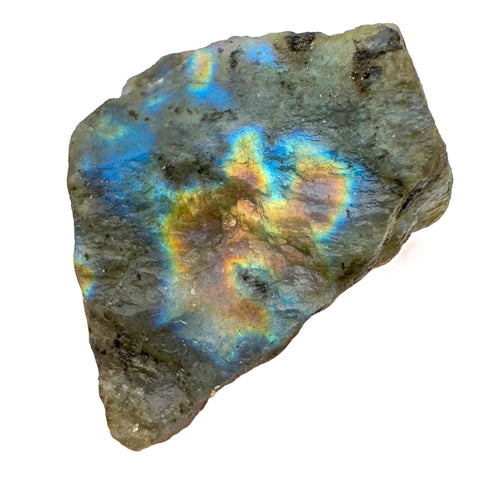
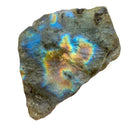 Labradorite
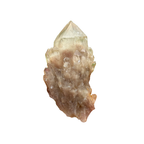 Natural Citrine
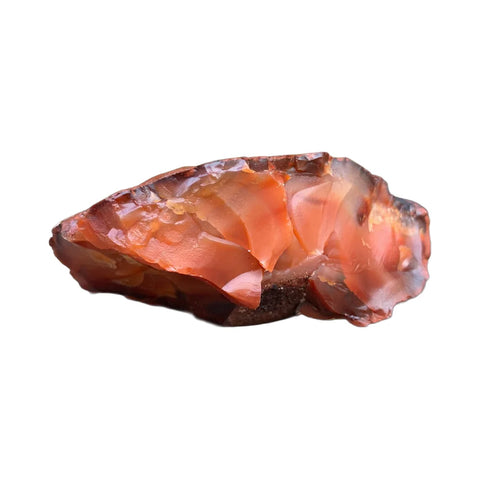
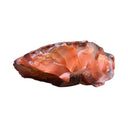 Carnelian
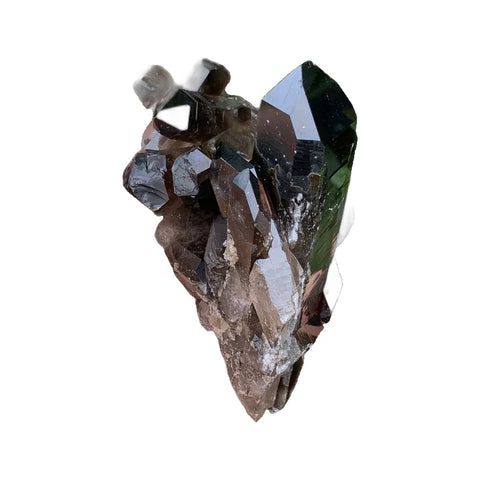
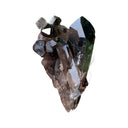 Smoky Quartz
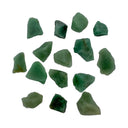 Aventurine
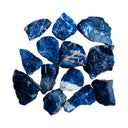 Sodalite
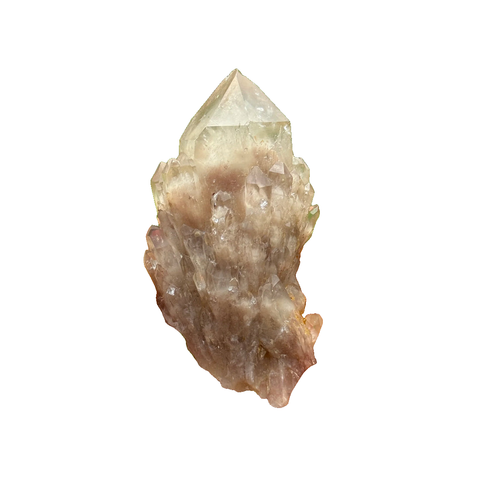
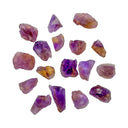 Ametrine
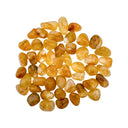 Golden Healer
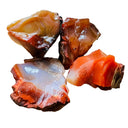 Raw Stones
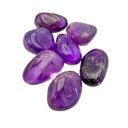 Tumbled Stones
 Palm Stones
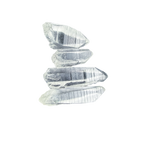 Crystal Points
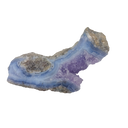 Clusters & Geodes
 Polished & Decor
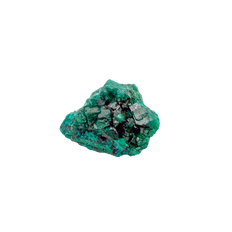 Mineral Specimens
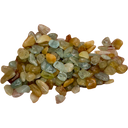 Crystal Chips
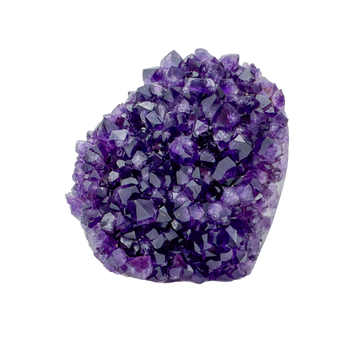
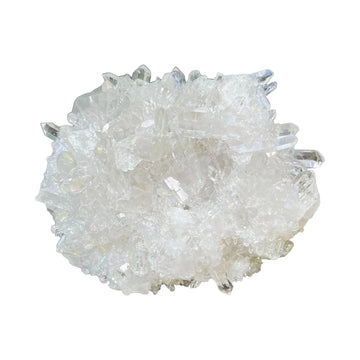
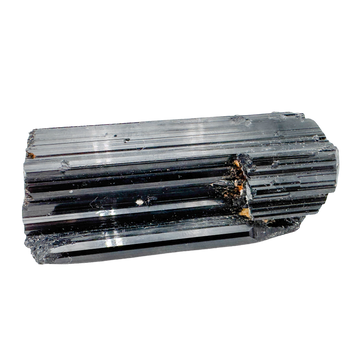
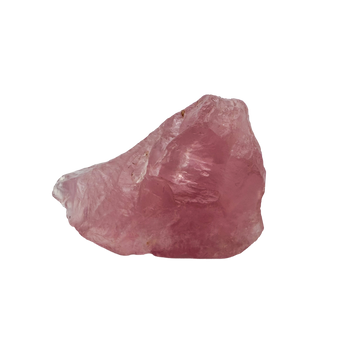
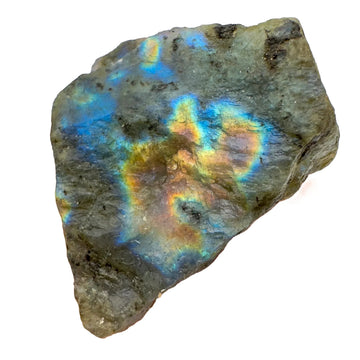
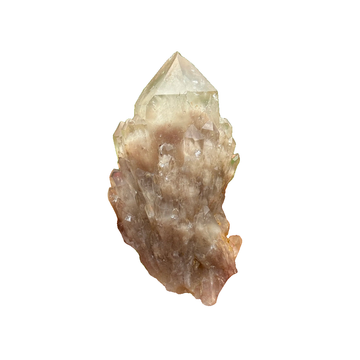
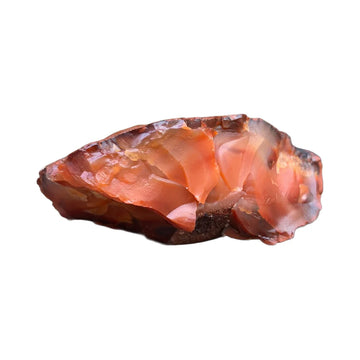
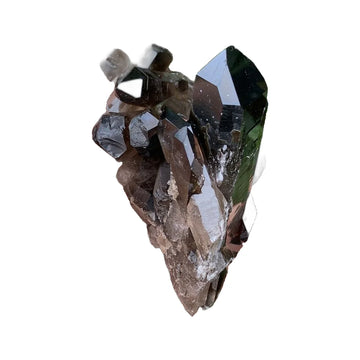
 Raw Stones
179 to choose from
Raw Stones
179 to choose from
 Tumbled Stones
162 to choose from
Tumbled Stones
162 to choose from
 Palm Stones
25 to choose from
Palm Stones
25 to choose from
 Crystal Points
23 to choose from
Crystal Points
23 to choose from
 Clusters & Geodes
101 to choose from
Clusters & Geodes
101 to choose from
 Polished & Decor
148 to choose from
Polished & Decor
148 to choose from
 Mineral Specimens
254 to choose from
Mineral Specimens
254 to choose from
 Crystal Chips
21 to choose from
Crystal Chips
21 to choose from


 AngolaAquamarine
›
AngolaAquamarine
›
 BotswanaCarnelian, Tree Agate
›
BotswanaCarnelian, Tree Agate
›
 DR CongoMalachite, Natural Citrine
›
DR CongoMalachite, Natural Citrine
›
 EswatiniBloodstone
›
EswatiniBloodstone
›
 MadagascarLabradorite, Clear Quartz
›
MadagascarLabradorite, Clear Quartz
›
 MalawiBlue Lace Agate, Garnet
›
MalawiBlue Lace Agate, Garnet
›
 MozambiqueAmazonite
›
MozambiqueAmazonite
›
 NamibiaSodalite, Blue Lace Agate
›
NamibiaSodalite, Blue Lace Agate
›
 Republic of the CongoDioptase
›
Republic of the CongoDioptase
›
 South AfricaTiger Eye, Unakite
›
South AfricaTiger Eye, Unakite
›
 ZambiaChevron Amethyst
›
ZambiaChevron Amethyst
›
 ZimbabweEmerald, Rhodonite
›
ZimbabweEmerald, Rhodonite
›
 ArgentinaBlack Obsidian, Rhodochrosite
›
ArgentinaBlack Obsidian, Rhodochrosite
›
 BoliviaAmetrine
›
BoliviaAmetrine
›
 BrazilAmethyst, Clear Quartz
›
BrazilAmethyst, Clear Quartz
›
 PeruSerpentine, Jade
›
PeruSerpentine, Jade
›
 UruguayAmethyst
›
UruguayAmethyst
›
 Dominican RepublicLarimar
›
Dominican RepublicLarimar
›
 MexicoRainbow Obsidian, Crazy Lace Agate
›
MexicoRainbow Obsidian, Crazy Lace Agate
›
 United StatesSelenite, Peridot
›
United StatesSelenite, Peridot
›
 ChinaFluorite
›
ChinaFluorite
›
 RussiaShungite
›
RussiaShungite
›
 AustraliaMookaite
›
AustraliaMookaite
›
 Where our crystals come from
See where we source →
Where our crystals come from
See where we source →


 Aries
Mar 21 to Apr 19
Carnelian
›
Aries
Mar 21 to Apr 19
Carnelian
›
 Taurus
Apr 20 to May 20
Rose Quartz
›
Taurus
Apr 20 to May 20
Rose Quartz
›
 Gemini
May 21 to Jun 20
Agate
›
Gemini
May 21 to Jun 20
Agate
›
 Cancer
Jun 21 to Jul 22
Moonstone
›
Cancer
Jun 21 to Jul 22
Moonstone
›
 Leo
Jul 23 to Aug 22
Citrine
›
Leo
Jul 23 to Aug 22
Citrine
›
 Virgo
Aug 23 to Sep 22
Amazonite
›
Virgo
Aug 23 to Sep 22
Amazonite
›
 Libra
Sep 23 to Oct 22
Blue Lace Agate
›
Libra
Sep 23 to Oct 22
Blue Lace Agate
›
 Scorpio
Oct 23 to Nov 21
Obsidian
›
Scorpio
Oct 23 to Nov 21
Obsidian
›
 Sagittarius
Nov 22 to Dec 21
Sodalite
›
Sagittarius
Nov 22 to Dec 21
Sodalite
›
 Capricorn
Dec 22 to Jan 19
Black Tourmaline
›
Capricorn
Dec 22 to Jan 19
Black Tourmaline
›
 Aquarius
Jan 20 to Feb 18
Amethyst
›
Aquarius
Jan 20 to Feb 18
Amethyst
›
 Pisces
Feb 19 to Mar 20
Aquamarine
›
Gifting?
A birthday stone is the safe bet.
Read the zodiac guide →
Pisces
Feb 19 to Mar 20
Aquamarine
›
Gifting?
A birthday stone is the safe bet.
Read the zodiac guide →


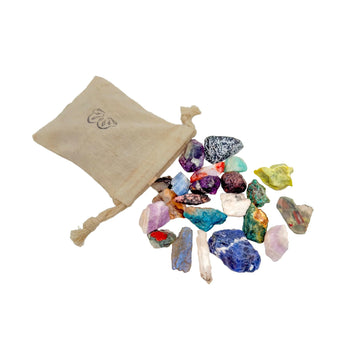
Tsavorite Garnet
Tsavorite Garnet is nesosilicate (garnet group, green grossular variety), Ca3Al2(SiO4)3. In the hand, it rates 7 to 7.5 on the Mohs scale, and it runs vivid green and yellowish green. Tsavorite is a vivid grass to emerald green that stays green under both daylight and incandescent light, with no color change.
The geology.
Tsavorite Garnet carries the formula Ca3Al2(SiO4)3. It belongs to the cubic (isometric) system. On paper it is nesosilicate (garnet group, green grossular variety).
It sits at 7 to 7.5 on the Mohs scale. The surface reads vitreous to greasy. Light behavior is transparent to translucent. Specific gravity runs 3.55 to 3.73. The streak is white. It breaks with no cleavage; conchoidal to uneven fracture.
Tsavorite is a vivid grass to emerald green that stays green under both daylight and incandescent light, with no color change. Looking down through the table with a loupe, the back facet edges appear as single crisp lines rather than doubled ones, and the stone is normally far cleaner than an emerald of comparable color. There are no cleavage planes, so chips and breaks are curved rather than flat.
Expect to see it as faceted gems, usually under two carats, rounded and dodecahedral crystals in graphite gneiss, crystal clusters on matrix or calibrated melee for pave settings.
The origins.
Tsavorite forms in metamorphosed impure calcareous rocks and graphite bearing gneisses along the Mozambique metamorphic belt, in contact zones where unusual rock chemistry supplies the vanadium and chromium. The Handbook of Mineralogy documents gem grossular from the Merelani Hills southeast of Arusha, Tanzania, and from the Taita Hills near Voi, Kenya. Commercial production comes mainly from Tanzania, Kenya and Madagascar, with small deposits reported in Pakistan and Queen Maud Land, Antarctica.
On value, the database notes: tsavorite is among the most expensive garnets. Clean stones over one carat are genuinely rare, so price per carat climbs sharply with size, and a vivid slightly bluish green is worth substantially more than a yellowish or olive green of the same weight.
Traditional associations.
Tsavorite is a garnet, so it carries the January birthstone association. Sellers commonly connect it to the heart chakra and to ideas of prosperity and growth, largely on the strength of its green color, and link it to Aquarius and Capricorn and to the element of earth. Its own folklore is thin, since the stone was not discovered until 1967 and not named until 1974.
Recorded here because it is part of how this material is sold, not because it is a property of the material.
Spotting the real thing.
Tsavorite is a vivid grass to emerald green that stays green under both daylight and incandescent light, with no color change. Looking down through the table with a loupe, the back facet edges appear as single crisp lines rather than doubled ones, and the stone is normally far cleaner than an emerald of comparable color. There are no cleavage planes, so chips and breaks are curved rather than flat.
Tsavorite has never been synthesized, so anything sold as synthetic tsavorite is something else. Green glass and green yttrium aluminium garnet, a man made garnet, are the usual substitutes, and both separate on density and on the glass showing bubbles or curved striae. The more common commercial problem is name stretching, where ordinary green or mint grossular from other deposits is sold as tsavorite, and buyers should also be wary of chrome diopside or green glass offered as tsavorite in inexpensive settings.
| Looks like | How to tell them apart |
|---|---|
| Emerald | Emerald is beryl, much lighter in the hand (specific gravity about 2.7 against 3.6), doubly refractive so facet edges double, and almost always visibly included. Tsavorite is dense, singly refractive and usually clean. |
| Chrome diopside | Chrome diopside is considerably softer at Mohs 5.5 to 6.5, has two directions of cleavage that show as flat breaks, and is doubly refractive. It also tends darker and blackens in larger sizes. |
| Demantoid garnet | Demantoid is the andradite green garnet and is both denser and far more dispersive, throwing rainbow fire tsavorite does not. It also frequently carries fibrous horsetail inclusions, which tsavorite lacks. |
At-home tests.
None of these need a lab. A 10x loupe, good daylight and a steady hand cover most of what a buyer needs to know about tsavorite garnet.
| Test | What you should see |
|---|---|
| Under a loupe | Check the back facet edges through the table with a loupe; tsavorite is singly refractive and shows no doubling, which rules out emerald, tourmaline and peridot. |
| By weight | Compare weight against a same size emerald or green beryl, since tsavorite is roughly a third denser. |
| By eye | Inspect the girdle and any chips for flat cleavage breaks, which would point to chrome diopside rather than garnet. |
| By eye | Look for rainbow fire in the stone's return; strong dispersion suggests demantoid or a synthetic garnet rather than tsavorite. |
If these checks leave you unsure, that is what appraisers are for. Do not file, heat or soak a piece to find out.
Care & handling.
At 7 to 7.5 on the Mohs scale it stands up to everyday wear. It will still chip on a hard knock, so treat edges and points with respect.
It breaks with no cleavage; conchoidal to uneven fracture, which is worth knowing before you set it or drop it.
Most damage happens during cleaning, not wearing. Avoid steamers, ultrasonic tanks and anything from under the sink.
A deeper look.
Extended detail on composition, sourcing, authentication and market value.
The physical record
The formula on record is Ca3Al2(SiO4)3. Crystal system: Cubic (isometric). Specific gravity: 3.55 to 3.73. Streak: White. Cleavage and fracture: No cleavage; conchoidal to uneven fracture.
How it reaches the market
Tsavorite forms in metamorphosed impure calcareous rocks and graphite bearing gneisses along the Mozambique metamorphic belt, in contact zones where unusual rock chemistry supplies the vanadium and chromium. The Handbook of Mineralogy documents gem grossular from the Merelani Hills southeast of Arusha, Tanzania, and from the Taita Hills near Voi, Kenya. Commercial production comes mainly from Tanzania, Kenya and Madagascar, with small deposits reported in Pakistan and Queen Maud Land, Antarctica.
What it gets confused with
Emerald: Emerald is beryl, much lighter in the hand (specific gravity about 2.7 against 3.6), doubly refractive so facet edges double, and almost always visibly included. Tsavorite is dense, singly refractive and usually clean.. Chrome diopside: Chrome diopside is considerably softer at Mohs 5.5 to 6.5, has two directions of cleavage that show as flat breaks, and is doubly refractive. It also tends darker and blackens in larger sizes.. Demantoid garnet: Demantoid is the andradite green garnet and is both denser and far more dispersive, throwing rainbow fire tsavorite does not. It also frequently carries fibrous horsetail inclusions, which tsavorite lacks..
What it is worth
Tsavorite is among the most expensive garnets. Clean stones over one carat are genuinely rare, so price per carat climbs sharply with size, and a vivid slightly bluish green is worth substantially more than a yellowish or olive green of the same weight.
Where buyers get caught
Tsavorite has never been synthesized, so anything sold as synthetic tsavorite is something else. Green glass and green yttrium aluminium garnet, a man made garnet, are the usual substitutes, and both separate on density and on the glass showing bubbles or curved striae. The more common commercial problem is name stretching, where ordinary green or mint grossular from other deposits is sold as tsavorite, and buyers should also be wary of chrome diopside or green glass offered as tsavorite in inexpensive settings.
One more thing
Campbell Bridges found the first tsavorite near Komolo, Tanzania in 1967 and a Kenyan source in 1970, but the stone had no market until Tiffany and Co. president Henry Platt named it after Tsavo National Park and launched it in 1974.
An education-first guide.
There is nothing to buy on this page. Tsavorite Garnet is not part of our catalog, and the guide is here anyway because somebody searching the name deserves a straight answer.
Explore the Crystal GuideGrounded Connections
New stones go to the list first.
No forwarding, no selling. Unsubscribe in one click. Privacy