







Made-Up Crystal Names, and the Real Minerals Underneath
Some invented names hide an ordinary mineral. Others hide a piece of glass. Here is how to tell which.
Walk a crystal market and you will meet names that appear in no mineralogy book: andara, super seven, auralite, azeztulite. Some are honest nicknames for real stones. Others are glass with a story attached. The skill worth having is telling them apart.

An invented crystal name is a commercial label, not an official mineral name. Some, like Super Seven and Auralite-23, are genuine quartz under a marketing nickname. Others, like Andara, are man-made glass. The fix is the same every time: find the real mineral species and the origin before you pay.
Why Invented Names Exist
Mineral names are not free for the taking. The species you can buy, from Quartz to Fluorite, are defined and approved by the International Mineralogical Association, the body that decides what counts as a distinct mineral. As of 2025 its list holds more than 6,000 recognized species, each with a fixed definition.
A trade name lives outside that system. Anyone can coin one, and that is precisely the appeal. A brand-new name carries no published price history, so a seller can set the number wherever they like. It also separates a piece from the competition, and it can wrap an ordinary stone in a story that feels rare. None of that is illegal. It only becomes a problem when the name is used to hide what the material actually is.
A name no one has sold before has no published price to compare against, so the seller sets it. Match the name to its real mineral and the markup usually appears.
A unique label makes an everyday stone look like a one-of-a-kind find, even when the same material sits in a hundred other shops under its plain name.
An origin myth or a vibration claim adds romance that a species name like Quartz never could. Often it is the story, not the stone, doing the selling.
Two Very Different Things Wear These Names
Almost every invented name falls into one of two camps, and the camps could not be further apart in what you are actually buying.
In the first, the name sits on top of a genuine mineral. Super Seven, Auralite-23, and Lemurian Quartz are all real quartz or amethyst. The stone is exactly what nature made, and the name is a marketing layer added on top. You pay a premium for the label, but the material is real.
In the second, the name sits on top of man-made glass. Andara is the headline example. Here the name is not dressing up a mineral, it is standing in for one that was never there. Telling the two camps apart is the whole job, and it usually comes down to finding the real material underneath.

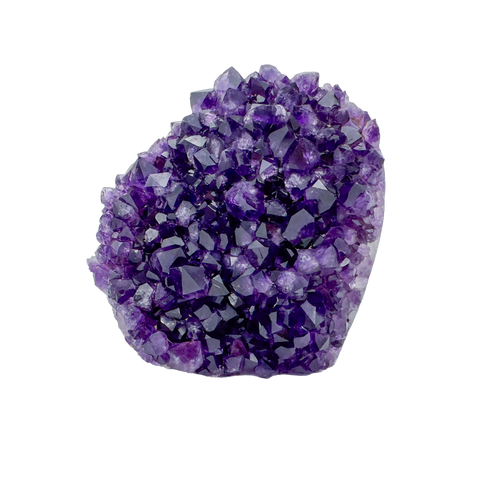
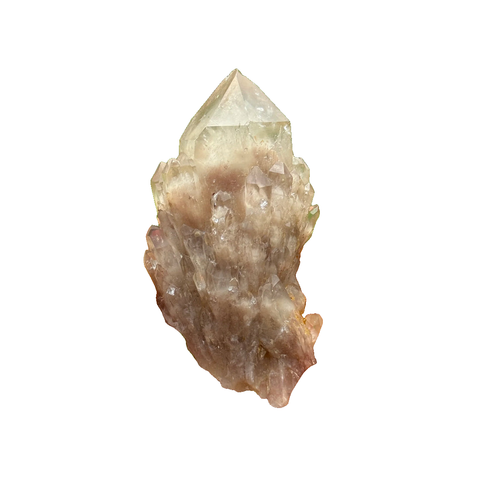
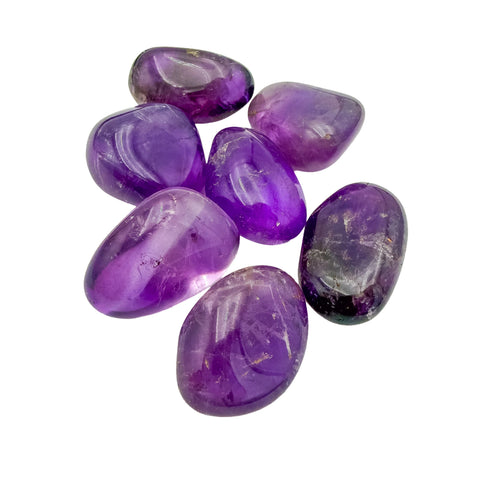
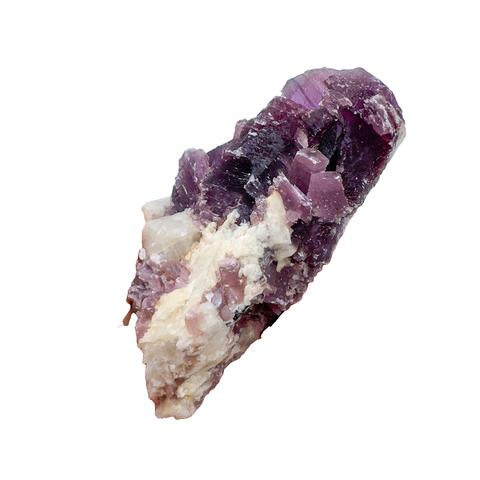
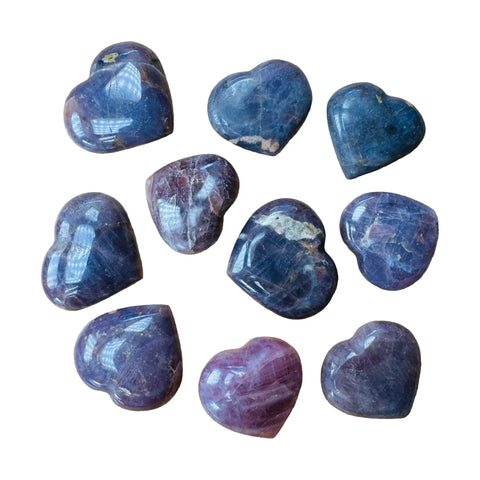
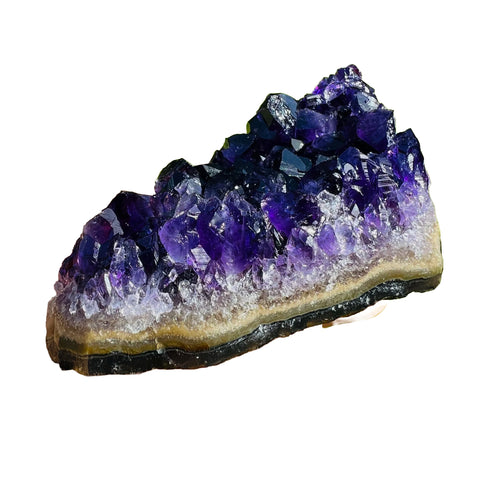
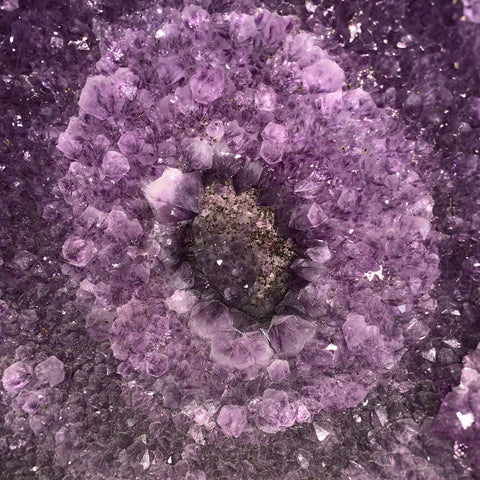
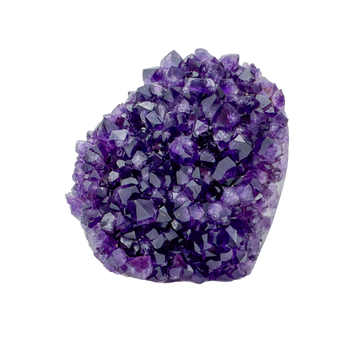
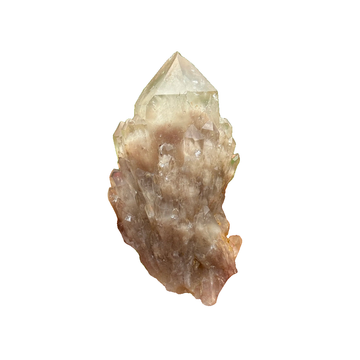
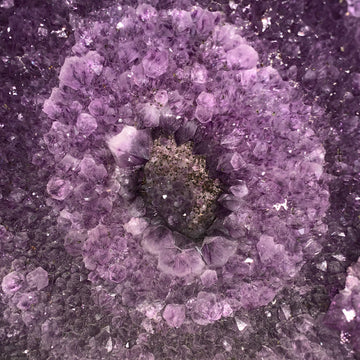
Genuine Amethyst. Names like Auralite-23 and Super Seven are built on real quartz and amethyst like this, then sold under a marketing label.
When the Name Hides a Real Mineral
Plenty of invented names are attached to honest material. The stone is real, and the name is the marketing. That does not make these a scam, but it helps to know you are paying for a label as much as for the rock.
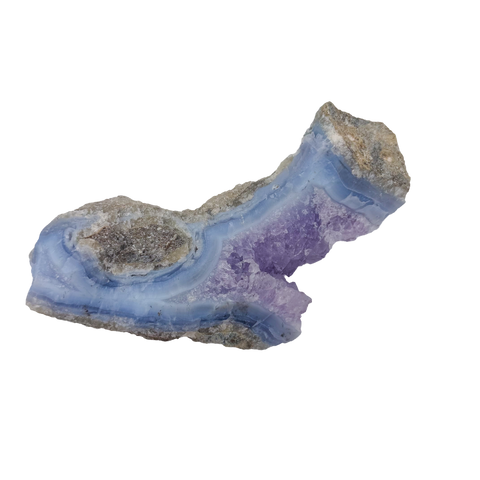
Also called Melody Stone. A genuine Quartz that contains seven minerals, among them Amethyst, Smoky Quartz, Cacoxenite, Goethite, and Rutile, found mainly in Espirito Santo, Brazil. Real material, marketed name.
Real Amethyst from the Thunder Bay area of Ontario, Canada. The 23 refers to minerals found in some crystals from the mine, not in every piece. Watch for heated Amethyst sold as imitation Auralite.
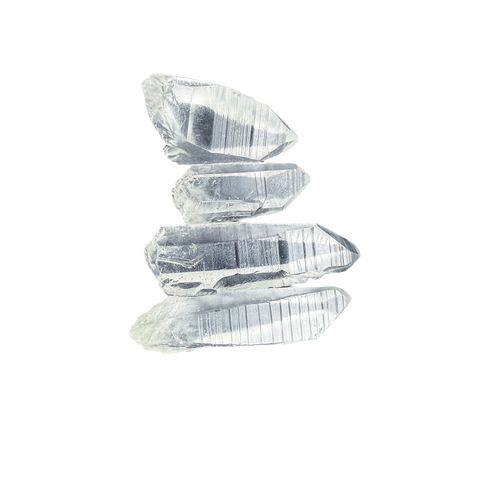
Ordinary Quartz, often from Brazil, with horizontal growth striations that appear on Quartz worldwide. The barcode lines are real, the Lemuria story is a 1990s invention.
A close cousin is the trademarked name. Azeztulite, for instance, is a registered name for Quartz. No test can separate trademarked Azeztulite from ordinary Quartz, because there is no physical difference between them. What you are buying is the trademark.
When the Name Hides Glass
The other camp is where invented names do real damage. The romantic label stands in for a mineral that is not present at all, because the material is manufactured glass.
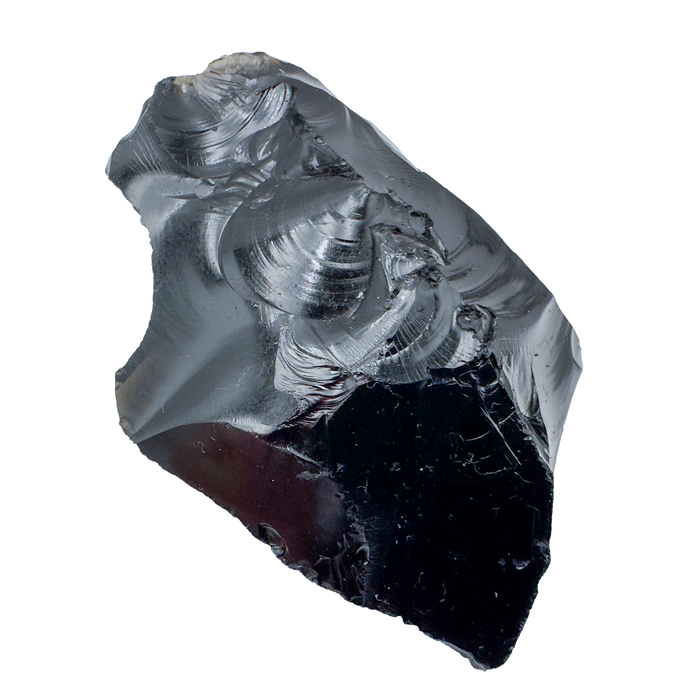
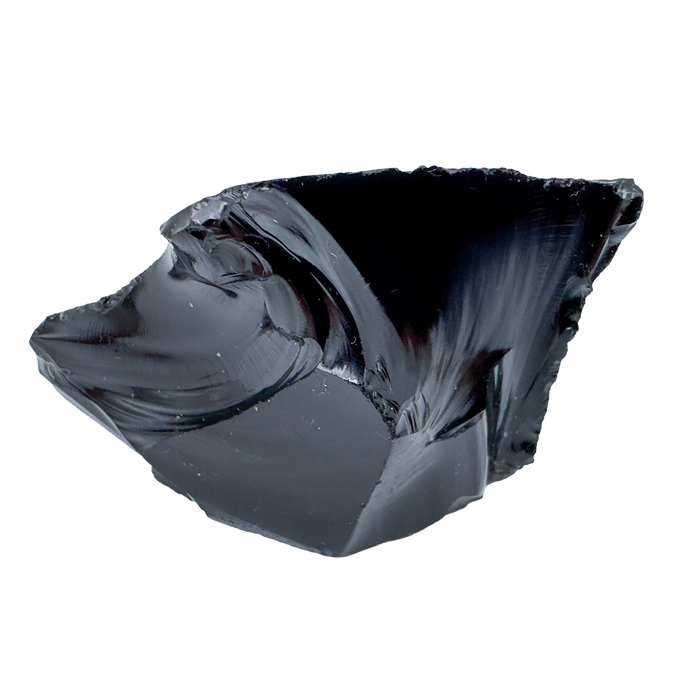
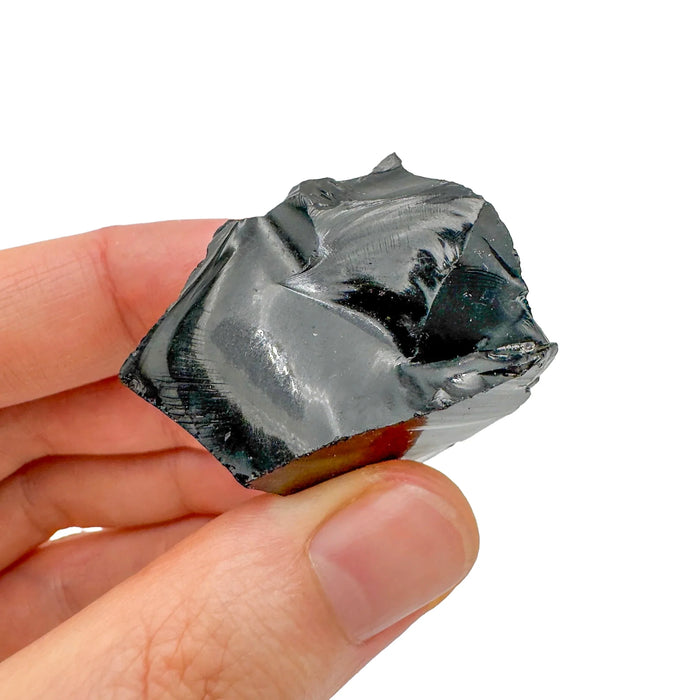
Andara is the clearest case. Sold as an ancient high-vibration crystal tied to a discovery story near Mount Shasta, it tests as soda-lime glass, the same family used for bottles and tableware, and much of it is colored slag or cullet, the leftover glass from manufacturing. Claims that it is monatomic or holds dozens of special elements have never been confirmed by a gemological lab, and the phrase monatomic glass does not describe anything real.
Andara is not alone. Opalite is manufactured opalescent glass, also sold as sea opal. Goldstone is glass shot through with copper or cobalt. Cherry Quartz and similar fruity names are often dyed glass. Glass can be genuinely lovely. The issue is selling it as a rare earth crystal, and pricing it like one.

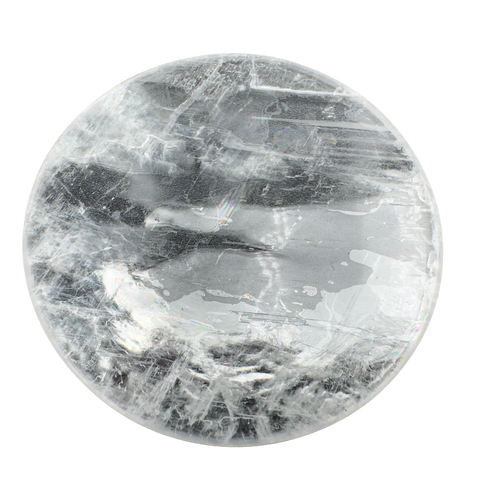
Soda-lime glass. Independent testing matches Andara to the same glass family used for bottles and jars, not to any mineral.
How to Decode Any Crystal Name
You do not need a lab. A few minutes and a search bar settle most invented names.
Type the name with the word mineral, or the site mindat.org. Real species turn up in databases. Trade names turn up only in shops.
Official mineral names are approved by the International Mineralogical Association. If a name is not on that list, it is a trade name, not a species.
A genuine stone always has a mineral species behind it. A seller who can name it is being straight. One who only repeats the trade name may not know.
Real minerals come from somewhere nameable, like Brazil or Ontario. A vague answer, or a tale about a lost continent, points to marketing over mineralogy.
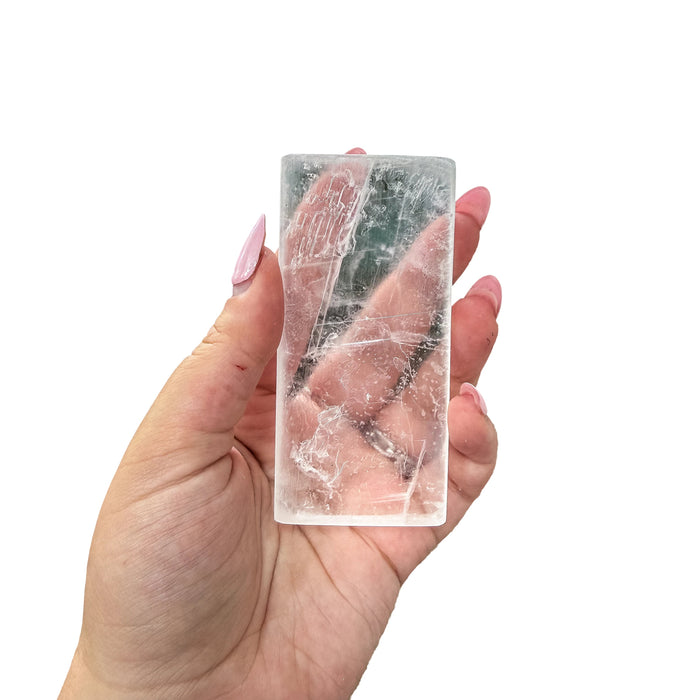
Round trapped bubbles mean glass or resin. No natural mineral grows with them. This one check unmasks most glass sold under a mystical name.
Pricing by the gram, like a rare gem, paired with a name no database recognizes, is the combination to walk away from.
"Find the mineral species and the origin, and the name stops mattering. If neither one exists, you are buying a story, not a stone."
Three Things an Invented Name Can Hide
When you meet a name you cannot place, it is almost always one of these three. The difference is what sits underneath, and how the seller answers a simple question about origin.
A Real Mineral, Renamed
Honest nickname
A Trademarked Material
Registered label
Man-Made Glass
No mineral present
Three Figures Worth Keeping
mineral species recognized by the International Mineralogical Association, the authority that defines real minerals
minerals inside a genuine Super Seven, an invented name that still names a real material
grams per cubic centimeter, the density of the soda-lime glass that Andara tests as
Figures from the IMA mineral list (2025) and standard gemological and materials references.
Those numbers map the whole field. Thousands of real species exist, each with a fixed name, which is why a label that appears in no list is a trade name by definition. Some invented names, like Super Seven, still sit on real material. And that density figure is a reminder that the glassy stones priced like gems are, by weight and by chemistry, ordinary glass.
We sell stones under their accepted mineral names and tell you where they came from. When a piece has a common trade name, we say what the real material is. We do not stock Andara, and we do not sell glass as crystal. A clear name and a real origin should never cost extra.
Related Guides
A glossary of the most common marketing names and the real minerals behind them.
Read the guideOpalite, goldstone, and cherry quartz: how manufactured glass earns a mineral name.
Read the guideWhat angel, aqua, and flame coatings really are, and how to spot a coated surface.
Read the guideHow to ask the origin question that separates real sourcing from a sales story.
Read the guideWhy a printed certificate proves far less about a crystal than it appears to.
Read the guideBrowse every Beyond Bohemian guide on sourcing, treatments, and value.
Back to the LibraryInvented Crystal Names FAQ
Is Andara a real crystal?
Andara is a real material, but it is man-made glass, not a natural crystal. Independent testing matches it to soda-lime glass, the same family used for bottles, and much of it is colored slag or cullet left over from glass manufacturing.
What is monatomic Andara?
It is a marketing phrase rather than a mineral. No gemological lab has confirmed the claims that Andara is monatomic or holds dozens of special elements, and the words monatomic and glass do not describe anything real together.
Is Super Seven a real crystal?
Yes. Super Seven, also called Melody Stone, is genuine quartz that contains seven minerals, including amethyst, smoky quartz, cacoxenite, goethite, and rutile. It comes mainly from Espirito Santo in Brazil. The name is a marketing label for real material.
Is Auralite-23 real?
It is real amethyst from the Thunder Bay area of Ontario, Canada. The 23 refers to minerals found in some crystals from that mine, not in every piece. The name is a trademarked marketing term, and heated amethyst is often sold as imitation Auralite.
Is Lemurian Quartz a real type of quartz?
It is ordinary quartz, often from Brazil, with horizontal growth striations that appear on quartz worldwide. The lines are natural, but Lemurian is a marketing story from the 1990s, not a recognized mineral variety.
What is a trade name in crystals?
A trade name is a commercial or fantasy label for a stone, separate from its official mineral name. Official names are set by the International Mineralogical Association. Trade names are not regulated, so one mineral can carry many invented labels.
How do I find the real mineral behind a name?
Search the name together with the word mineral, and check a database such as Mindat or the IMA list. If the name does not appear there, it is a trade name. Then ask the seller for the mineral species and the origin.
Are made-up crystal names always a scam?
No. Some are honest nicknames for real stones, like Super Seven and Auralite-23. The problem is when an invented name stands in for man-made glass, or when it is used to justify a price the material would never command under its real identity.