


 Agatefor stress relief
 Amazonitefor stress relief
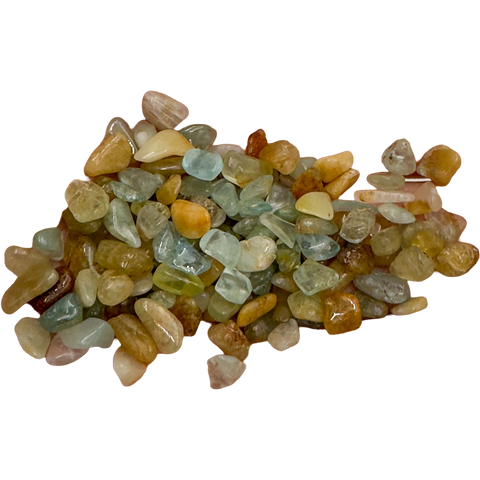
 Aquamarinefor serenity
 Aventurinefor luck
 Bloodstonefor energy
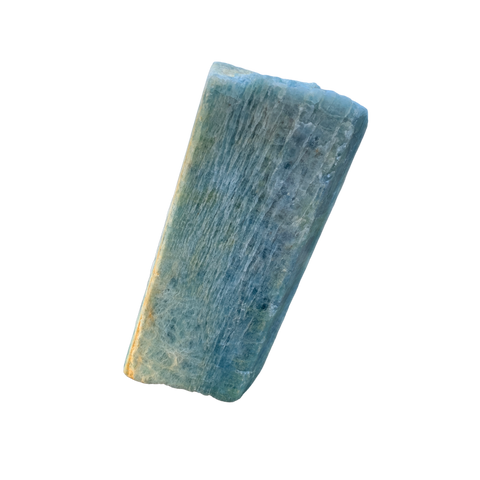
 Blue Kyanitefor confidence
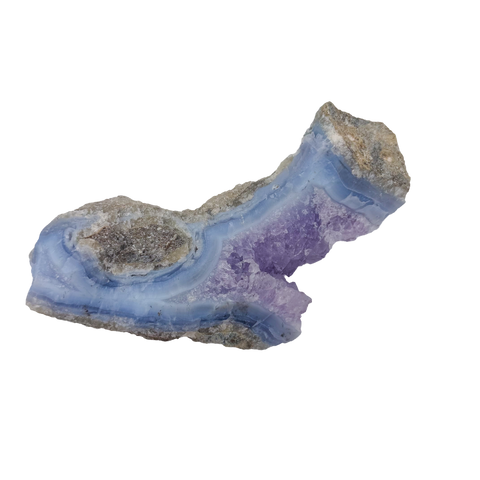
 Blue Lace Agatefor stress relief
 Chrysocollafor emotional healing
 Fluoritefor focus
 Garnetfor energy
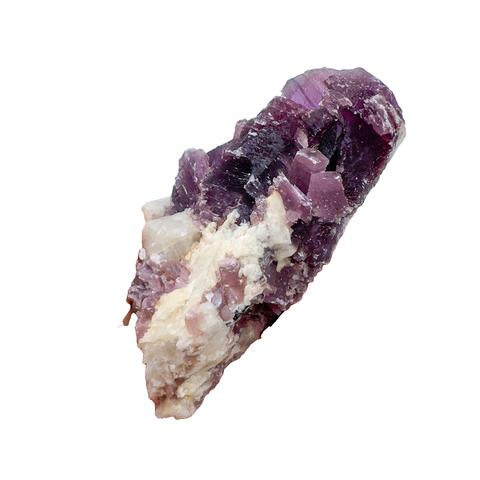
 Lepidolitefor stress relief
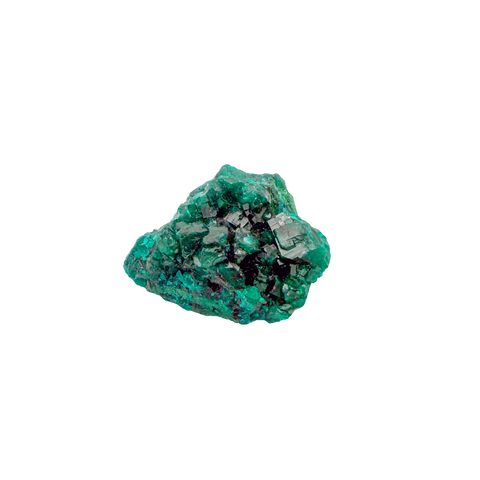
 Malachitefor emotional healing
 Moonstonefor grounding
 Obsidianfor protection
 Ocean Jasperfor emotional healing
 Red Jasperfor grounding
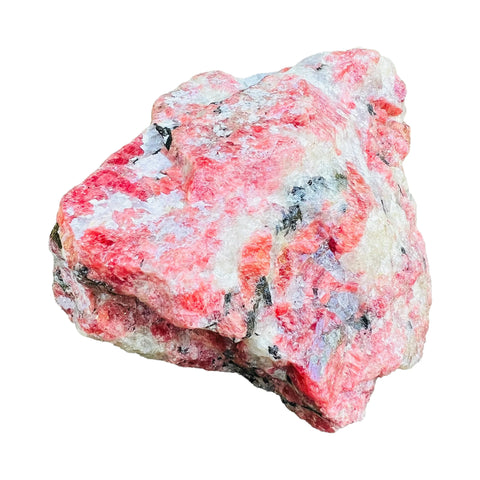
 Rhodonitefor emotional healing
 Selenitefor cleansing
 Sodalitefor focus
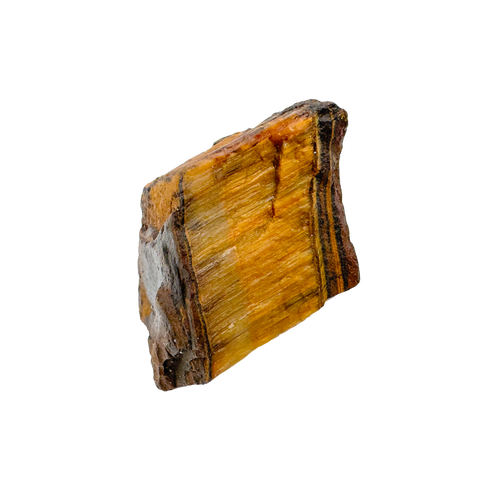
 Tiger Eyefor confidence
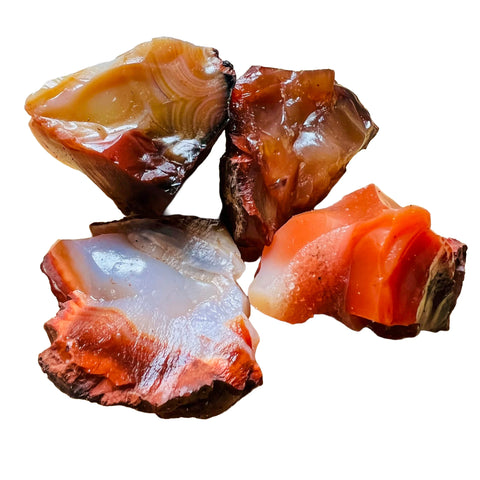
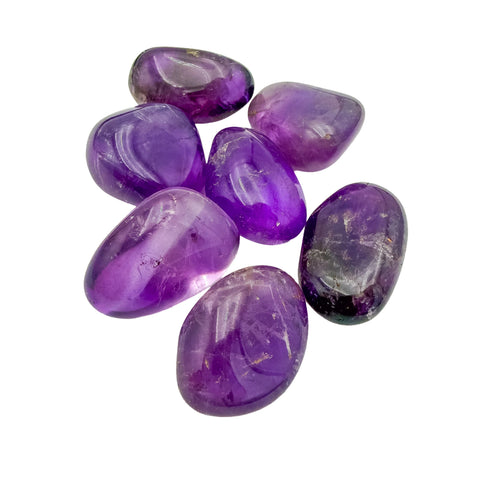


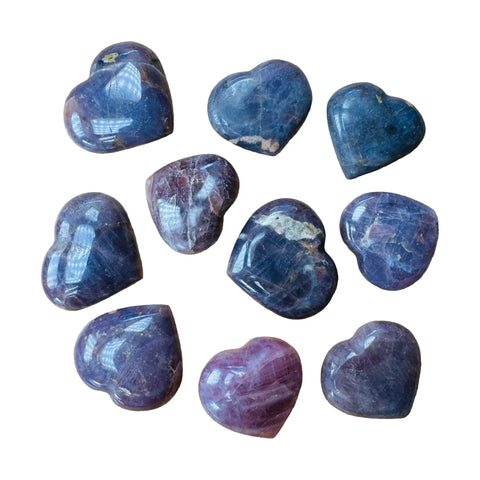
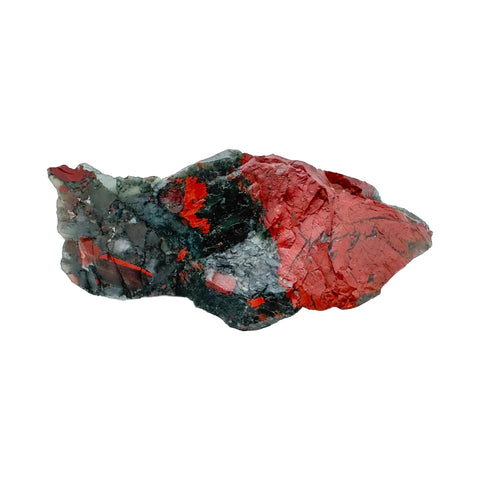
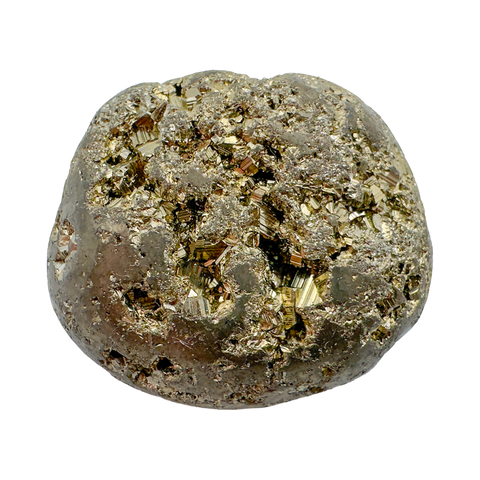


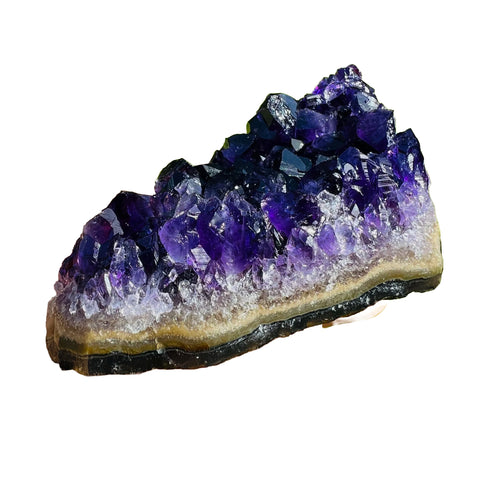







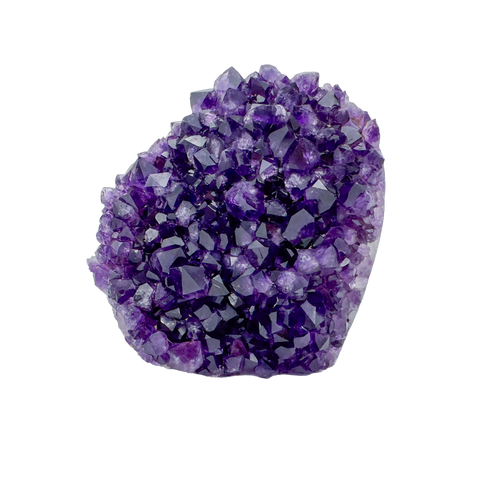
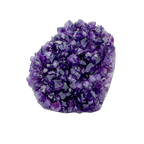 Amethyst
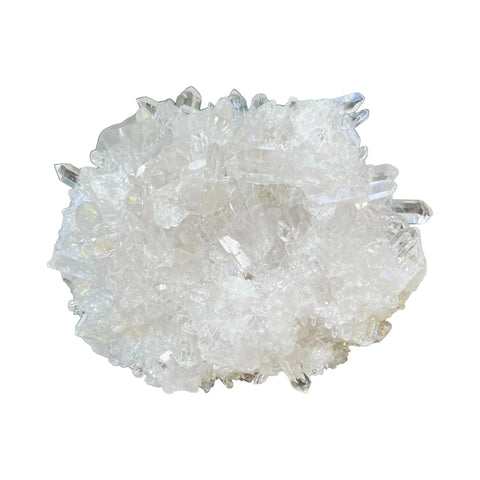
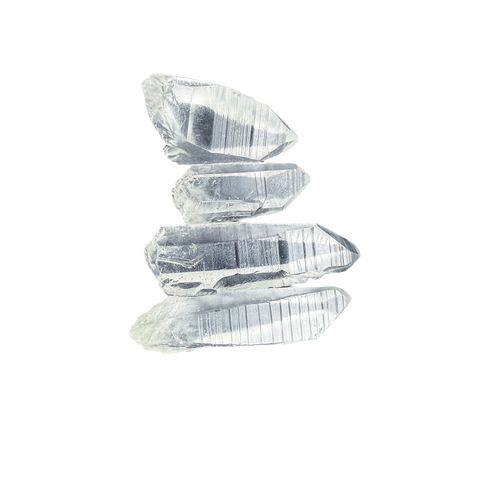
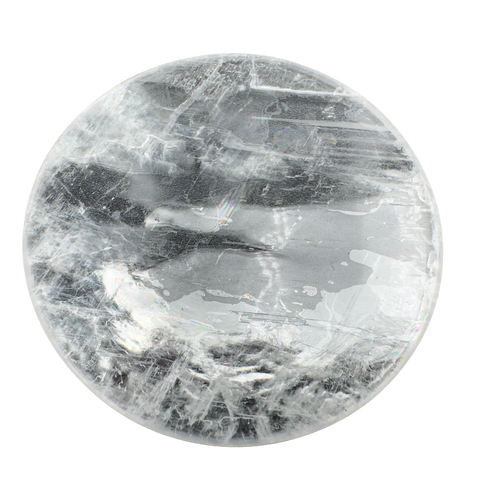
 Clear Quartz
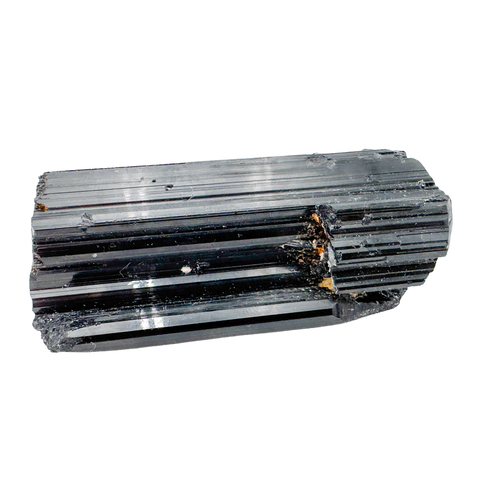
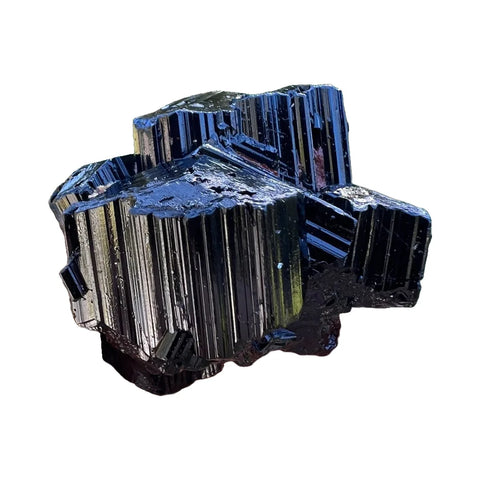
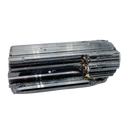 Black Tourmaline
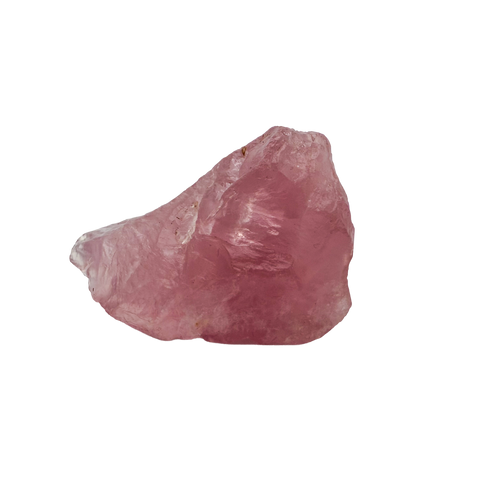
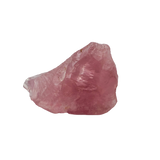 Rose Quartz
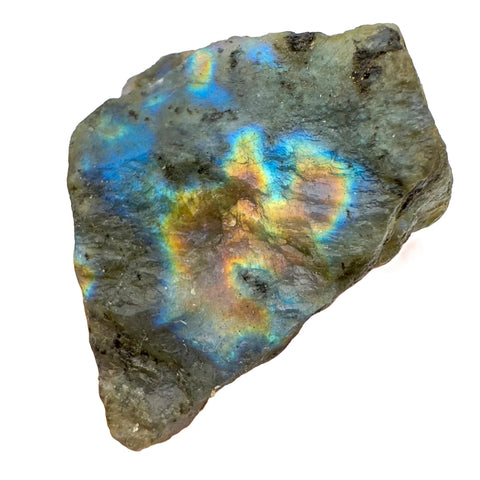
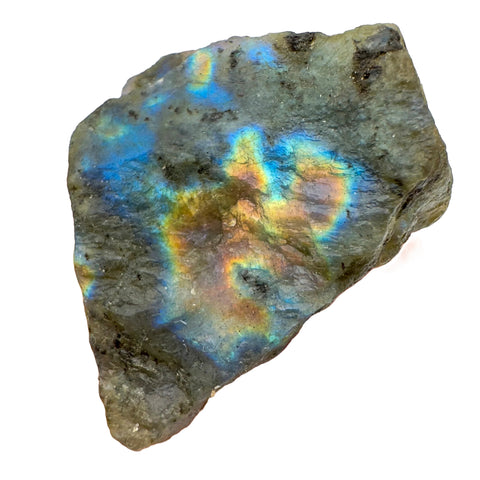
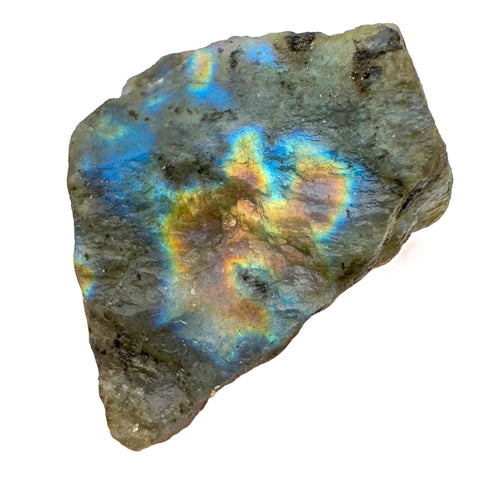
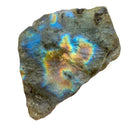 Labradorite
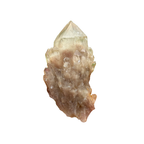 Natural Citrine
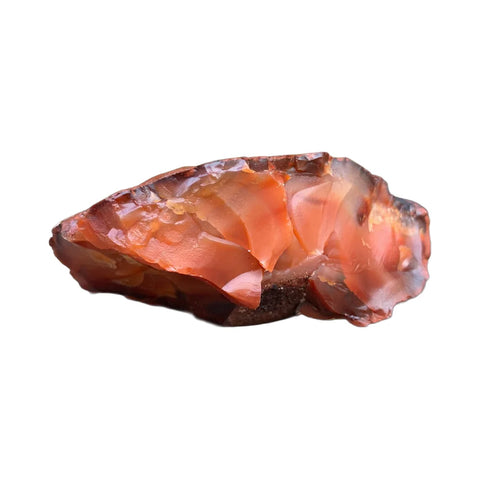
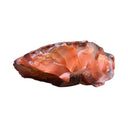 Carnelian
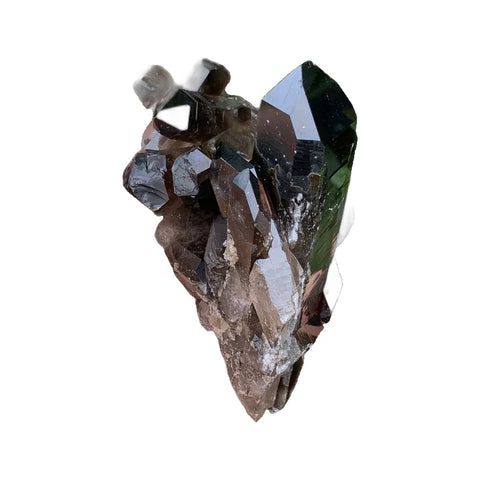
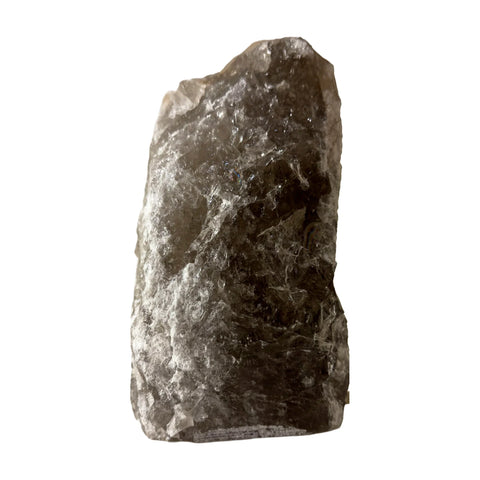
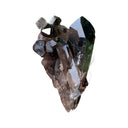 Smoky Quartz
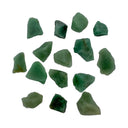 Aventurine
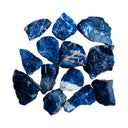 Sodalite
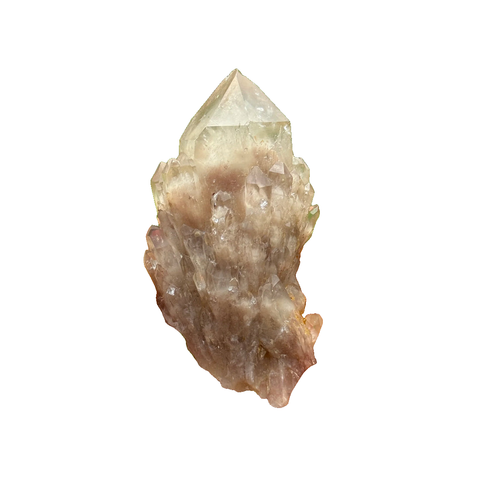
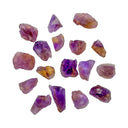 Ametrine
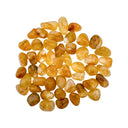 Golden Healer
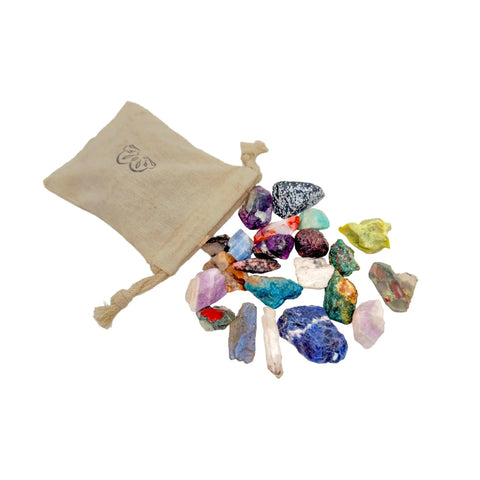
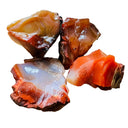 Raw Stones
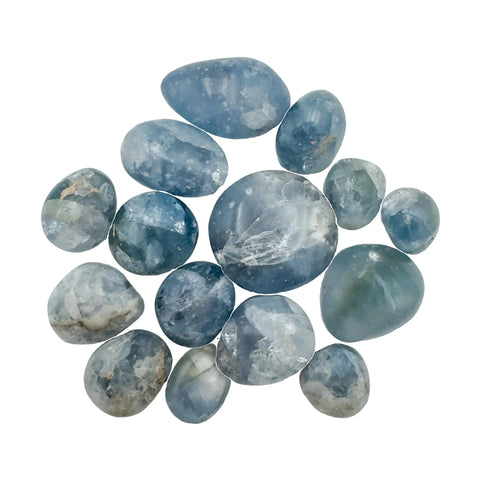
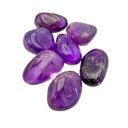 Tumbled Stones
 Palm Stones
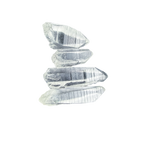 Crystal Points
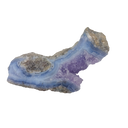 Clusters & Geodes
 Polished & Decor
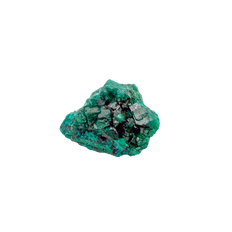 Mineral Specimens
 Crystal Chips
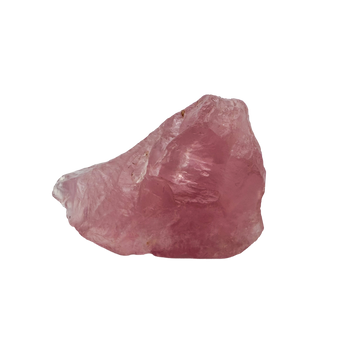
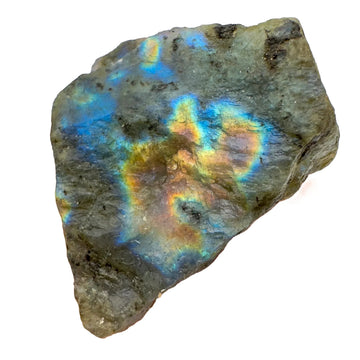
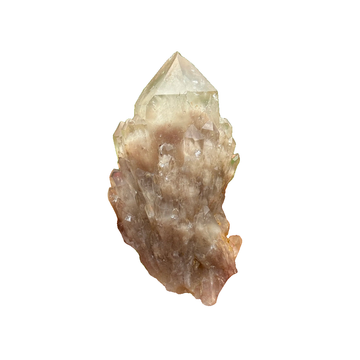
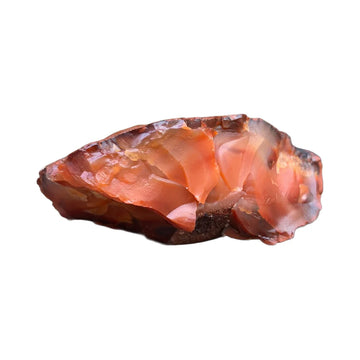
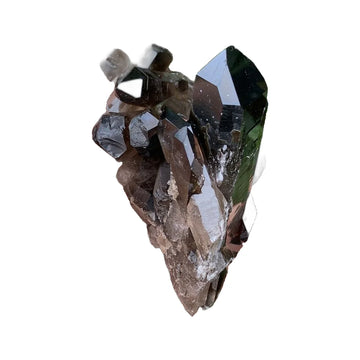
 Raw Stones
179 to choose from
Raw Stones
179 to choose from
 Tumbled Stones
162 to choose from
Tumbled Stones
162 to choose from
 Palm Stones
25 to choose from
Palm Stones
25 to choose from
 Crystal Points
23 to choose from
Crystal Points
23 to choose from
 Clusters & Geodes
101 to choose from
Clusters & Geodes
101 to choose from
 Polished & Decor
148 to choose from
Polished & Decor
148 to choose from
 Mineral Specimens
254 to choose from
Mineral Specimens
254 to choose from
 Crystal Chips
21 to choose from
Crystal Chips
21 to choose from


 AngolaAquamarine
›
AngolaAquamarine
›
 BotswanaCarnelian, Tree Agate
›
BotswanaCarnelian, Tree Agate
›
 DR CongoMalachite, Natural Citrine
›
DR CongoMalachite, Natural Citrine
›
 EswatiniBloodstone
›
EswatiniBloodstone
›
 MadagascarLabradorite, Clear Quartz
›
MadagascarLabradorite, Clear Quartz
›
 MalawiBlue Lace Agate, Garnet
›
MalawiBlue Lace Agate, Garnet
›
 MozambiqueAmazonite
›
MozambiqueAmazonite
›
 NamibiaSodalite, Blue Lace Agate
›
NamibiaSodalite, Blue Lace Agate
›
 Republic of the CongoDioptase
›
Republic of the CongoDioptase
›
 South AfricaTiger Eye, Unakite
›
South AfricaTiger Eye, Unakite
›
 ZambiaChevron Amethyst
›
ZambiaChevron Amethyst
›
 ZimbabweEmerald, Rhodonite
›
ZimbabweEmerald, Rhodonite
›
 ArgentinaBlack Obsidian, Rhodochrosite
›
ArgentinaBlack Obsidian, Rhodochrosite
›
 BoliviaAmetrine
›
BoliviaAmetrine
›
 BrazilAmethyst, Clear Quartz
›
BrazilAmethyst, Clear Quartz
›
 PeruSerpentine, Jade
›
PeruSerpentine, Jade
›
 UruguayAmethyst
›
UruguayAmethyst
›
 Dominican RepublicLarimar
›
Dominican RepublicLarimar
›
 MexicoRainbow Obsidian, Crazy Lace Agate
›
MexicoRainbow Obsidian, Crazy Lace Agate
›
 United StatesSelenite, Peridot
›
United StatesSelenite, Peridot
›
 ChinaFluorite
›
ChinaFluorite
›
 RussiaShungite
›
RussiaShungite
›
 AustraliaMookaite
›
AustraliaMookaite
›
 Where our crystals come from
See where we source →
Where our crystals come from
See where we source →


 Aries
Mar 21 to Apr 19
Carnelian
›
Aries
Mar 21 to Apr 19
Carnelian
›
 Taurus
Apr 20 to May 20
Rose Quartz
›
Taurus
Apr 20 to May 20
Rose Quartz
›
 Gemini
May 21 to Jun 20
Agate
›
Gemini
May 21 to Jun 20
Agate
›
 Cancer
Jun 21 to Jul 22
Moonstone
›
Cancer
Jun 21 to Jul 22
Moonstone
›
 Leo
Jul 23 to Aug 22
Citrine
›
Leo
Jul 23 to Aug 22
Citrine
›
 Virgo
Aug 23 to Sep 22
Amazonite
›
Virgo
Aug 23 to Sep 22
Amazonite
›
 Libra
Sep 23 to Oct 22
Blue Lace Agate
›
Libra
Sep 23 to Oct 22
Blue Lace Agate
›
 Scorpio
Oct 23 to Nov 21
Obsidian
›
Scorpio
Oct 23 to Nov 21
Obsidian
›
 Sagittarius
Nov 22 to Dec 21
Sodalite
›
Sagittarius
Nov 22 to Dec 21
Sodalite
›
 Capricorn
Dec 22 to Jan 19
Black Tourmaline
›
Capricorn
Dec 22 to Jan 19
Black Tourmaline
›
 Aquarius
Jan 20 to Feb 18
Amethyst
›
Aquarius
Jan 20 to Feb 18
Amethyst
›
 Pisces
Feb 19 to Mar 20
Aquamarine
›
Gifting?
A birthday stone is the safe bet.
Read the zodiac guide →
Pisces
Feb 19 to Mar 20
Aquamarine
›
Gifting?
A birthday stone is the safe bet.
Read the zodiac guide →


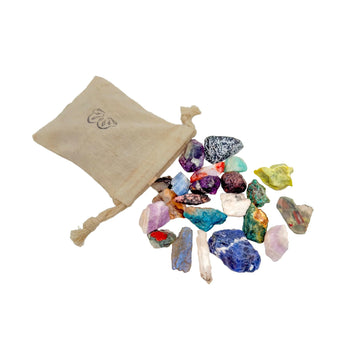
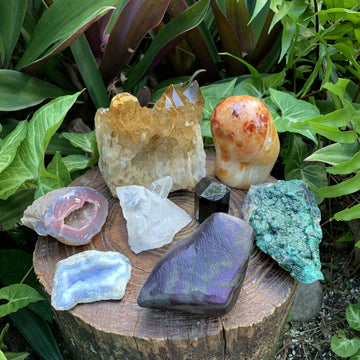
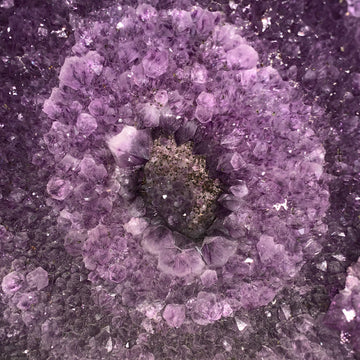


Imperial Topaz
Imperial Topaz is nesosilicate (topaz, orange to pinkish red variety), Al2SiO4(F,OH)2. In the hand, it rates 8 on the Mohs scale, and it runs orange red and golden orange. Topaz crystals are long prisms with fine grooves running down the prism faces and a flat, glassy plane where the basal cleavage lies.
The geology.
Imperial Topaz carries the formula Al2SiO4(F,OH)2. It belongs to the orthorhombic system. Catalogs list it as nesosilicate (topaz, orange to pinkish red variety).
It sits at 8 on the Mohs scale. The surface reads vitreous. Light behavior is transparent to translucent. Specific gravity runs 3.49 to 3.57. The streak is white. It breaks with perfect basal cleavage in one direction on {001}; subconchoidal to uneven fracture.
Topaz crystals are long prisms with fine grooves running down the prism faces and a flat, glassy plane where the basal cleavage lies. Imperial material is a reddish orange to orange red, and rocking a cut stone reveals two clearly different colors from different directions, typically a yellow or golden orange one way and a distinctly reddish one the other. It is harder and brighter than citrine and feels noticeably heavier.
It reaches buyers as prismatic crystals with vertically striated prism faces, faceted ovals and pears cut to follow the elongated rough, emerald cuts for strongly colored material or waterworn pebbles from alluvial workings.
The origins.
Topaz forms from high temperature, volatile rich fluids in veins and cavities in granite, granite pegmatite, rhyolite and greisen, and also survives as pebbles in alluvial deposits. Imperial material is specifically tied to the weathered, kaolin rich zones around Ouro Preto in Minas Gerais, Brazil, and GIA notes that commercial deposits of imperial topaz are so far known from that single area, with the Capao mine among the best known workings. The Handbook of Mineralogy also records Ouro Preto and Virgem da Lapa in Minas Gerais, and historic orange to pink topaz came from the Ural Mountains and Sanarka in Russia.
On value, the database notes: imperial topaz is by far the most valuable topaz. Red is under half of one percent of the facet grade topaz found, so price is driven by how much genuine red is present, by size, and by whether the color is natural rather than produced by heating.
Traditional associations.
Topaz is a November birthstone, and imperial topaz is the stone traditionally given for a twenty third wedding anniversary. The ancient Greeks associated topaz with strength, and between the 1300s and the 1600s Europeans held that it could thwart magic spells and dispel anger. Sellers commonly connect imperial topaz to the solar plexus chakra, to Sagittarius and Scorpio, and to the element of fire.
We keep this section because people ask. It sits below the geology on purpose, and none of it describes something the stone does.
Spotting the real thing.
Topaz crystals are long prisms with fine grooves running down the prism faces and a flat, glassy plane where the basal cleavage lies. Imperial material is a reddish orange to orange red, and rocking a cut stone reveals two clearly different colors from different directions, typically a yellow or golden orange one way and a distinctly reddish one the other. It is harder and brighter than citrine and feels noticeably heavier.
What counts as imperial is genuinely disputed. GIA describes imperial topaz as a medium reddish orange to orange red, and notes that many dealers insist a stone must show a reddish pleochroic color to earn the name, yet plain golden yellow Brazilian topaz is routinely sold as imperial. Heating yellow, orange and brown topaz to produce pink and red is common, stable and effectively undetectable, and separately the irradiation plus heating route that turns colorless topaz blue underpins most of the blue topaz on the market, so ask whether color is natural and expect an honest answer rather than proof. Citrine and smoky quartz are frequently misrepresented as topaz outright, surface coated material is sold as mystic topaz, and the word topaz attached to a very cheap stone usually signals quartz.
| Looks like | How to tell them apart |
|---|---|
| Citrine | Citrine is quartz: softer at Mohs 7, much lighter in the hand (specific gravity 2.65 against 3.5), with no cleavage and almost no visible pleochroism. This is the single most common substitution in the topaz trade. |
| Spessartine garnet | Garnet is singly refractive, so facet edges never double and the stone holds one color as it turns. It also has no cleavage, where topaz will show a flat basal plane or step like chipping. |
| Yellow sapphire | Sapphire is harder at Mohs 9, denser (about 4.0) and has no cleavage, so it takes sharper facet edges and shows no flat breaks. |
At-home tests.
Before anyone talks you into a lab report, these are the checks worth doing yourself on imperial topaz.
| Test | What you should see |
|---|---|
| By eye | Rock the stone slowly under a single light source and watch for two distinct colors from different directions; citrine shows almost none of this, imperial topaz shows it clearly. |
| Under a loupe | Examine the girdle and facet junctions with a loupe for flat, step like breaks or an incipient basal cleavage plane, which quartz and garnet do not produce. |
| By weight | Heft it against a same size citrine, since topaz is about a third denser and the difference is easy to feel. |
| By eye | Check back facet edges for doubling; topaz is doubly refractive and shows slight doubling, which rules out garnet. |
Destructive tests belong to a gemologist, not a kitchen table. If a piece matters to you, pay for an appraisal before you take a file to it.
Care & handling.
At 8 on the Mohs scale it stands up to everyday wear. It will still chip on a hard knock, so treat edges and points with respect.
It breaks with perfect basal cleavage in one direction on {001}; subconchoidal to uneven fracture, which is worth knowing before you set it or drop it.
Clean it by hand, dry it properly, and keep it away from ultrasonic cleaners and hot steam.
A deeper look.
Extended detail on composition, sourcing, authentication and market value.
The physical record
The formula on record is Al2SiO4(F,OH)2. Crystal system: Orthorhombic. Specific gravity: 3.49 to 3.57. Streak: White. Cleavage and fracture: Perfect basal cleavage in one direction on {001}; subconchoidal to uneven fracture.
How it reaches the market
Topaz forms from high temperature, volatile rich fluids in veins and cavities in granite, granite pegmatite, rhyolite and greisen, and also survives as pebbles in alluvial deposits. Imperial material is specifically tied to the weathered, kaolin rich zones around Ouro Preto in Minas Gerais, Brazil, and GIA notes that commercial deposits of imperial topaz are so far known from that single area, with the Capao mine among the best known workings. The Handbook of Mineralogy also records Ouro Preto and Virgem da Lapa in Minas Gerais, and historic orange to pink topaz came from the Ural Mountains and Sanarka in Russia.
What it gets confused with
Citrine: Citrine is quartz: softer at Mohs 7, much lighter in the hand (specific gravity 2.65 against 3.5), with no cleavage and almost no visible pleochroism. This is the single most common substitution in the topaz trade.. Spessartine garnet: Garnet is singly refractive, so facet edges never double and the stone holds one color as it turns. It also has no cleavage, where topaz will show a flat basal plane or step like chipping.. Yellow sapphire: Sapphire is harder at Mohs 9, denser (about 4.0) and has no cleavage, so it takes sharper facet edges and shows no flat breaks..
What it is worth
Imperial topaz is by far the most valuable topaz. Red is under half of one percent of the facet grade topaz found, so price is driven by how much genuine red is present, by size, and by whether the color is natural rather than produced by heating.
Where buyers get caught
What counts as imperial is genuinely disputed. GIA describes imperial topaz as a medium reddish orange to orange red, and notes that many dealers insist a stone must show a reddish pleochroic color to earn the name, yet plain golden yellow Brazilian topaz is routinely sold as imperial. Heating yellow, orange and brown topaz to produce pink and red is common, stable and effectively undetectable, and separately the irradiation plus heating route that turns colorless topaz blue underpins most of the blue topaz on the market, so ask whether color is natural and expect an honest answer rather than proof. Citrine and smoky quartz are frequently misrepresented as topaz outright, surface coated material is sold as mystic topaz, and the word topaz attached to a very cheap stone usually signals quartz.
One more thing
Two rival stories explain the name. One credits the Russian imperial family with reserving the finest Ural topaz for its own use, and the other, favored in Brazil, dates it to an 1881 visit by Emperor Pedro II to Ouro Preto and the gift of a reddish topaz.
An education-first guide.
We do not stock imperial topaz. Writing it up regardless is the point of a reference library.
Explore the Crystal GuideGrounded Connections
New stones go to the list first.
No forwarding, no selling. Unsubscribe in one click. Privacy