


 Agatefor stress relief
 Amazonitefor stress relief
 Aquamarinefor serenity
 Aventurinefor luck
 Bloodstonefor energy
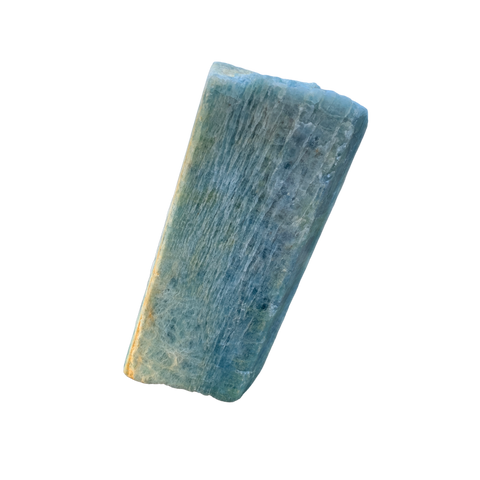
 Blue Kyanitefor confidence
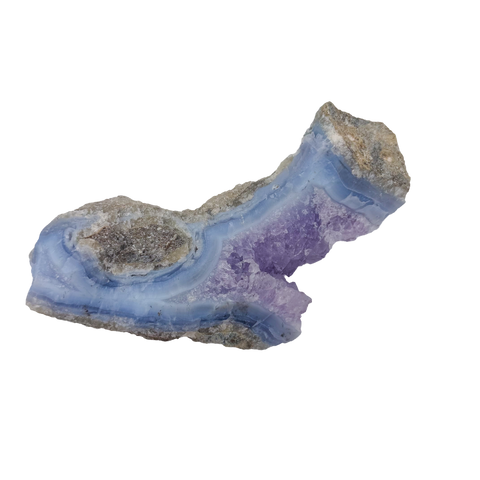
 Blue Lace Agatefor stress relief
 Chrysocollafor emotional healing
 Fluoritefor focus
 Garnetfor energy
 Lepidolitefor stress relief
 Malachitefor emotional healing
 Moonstonefor grounding
 Obsidianfor protection
 Ocean Jasperfor emotional healing
 Red Jasperfor grounding
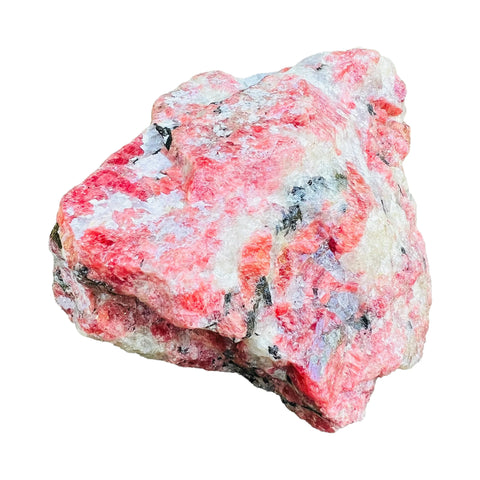
 Rhodonitefor emotional healing
 Selenitefor cleansing
 Sodalitefor focus
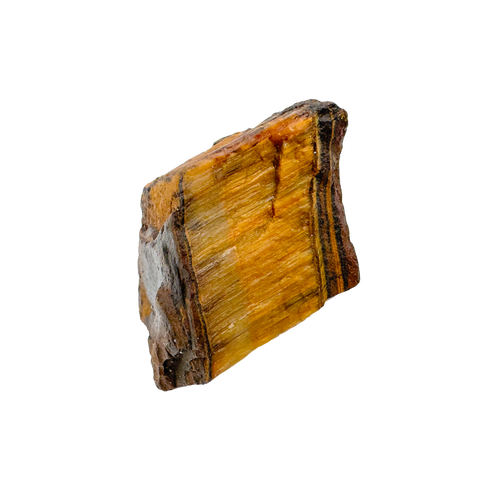
 Tiger Eyefor confidence
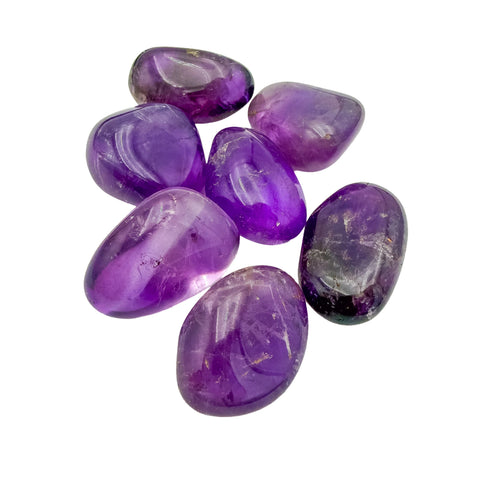


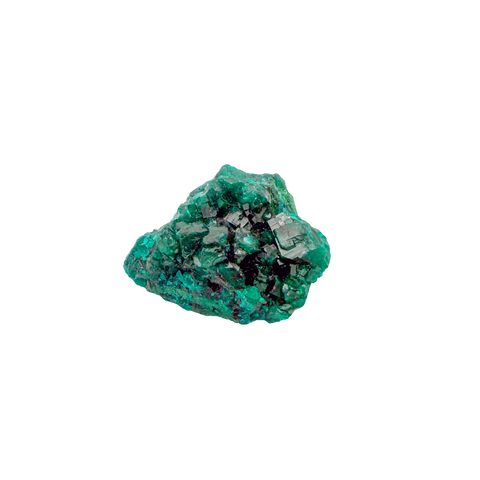
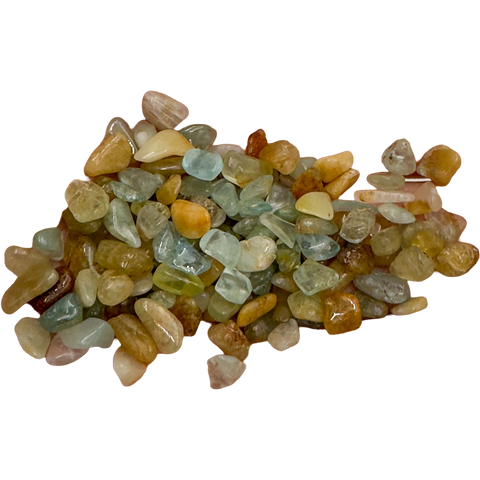
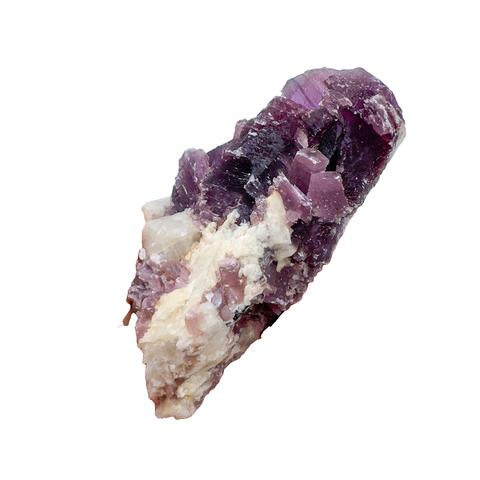
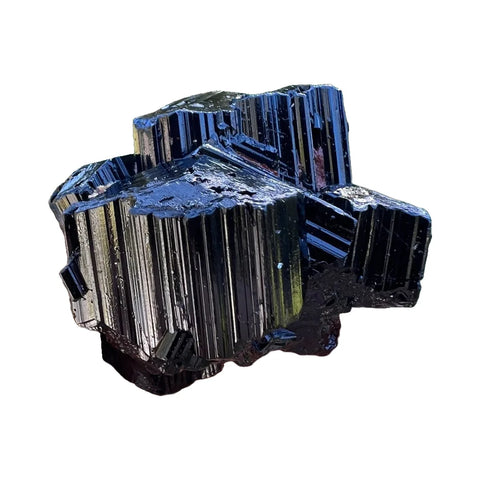
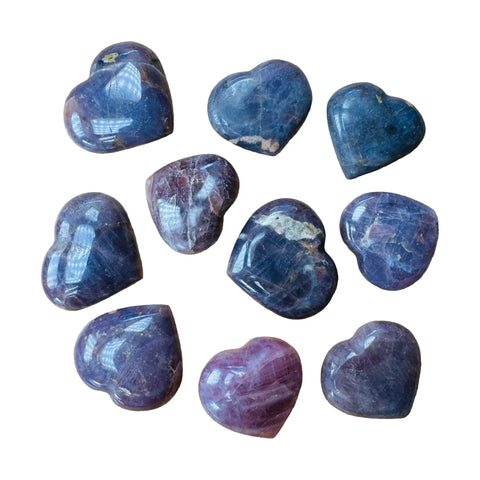
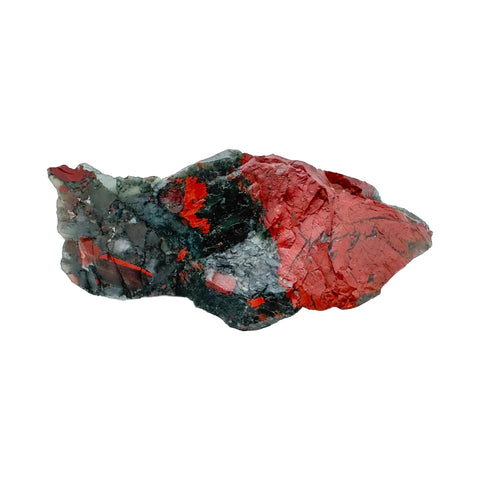
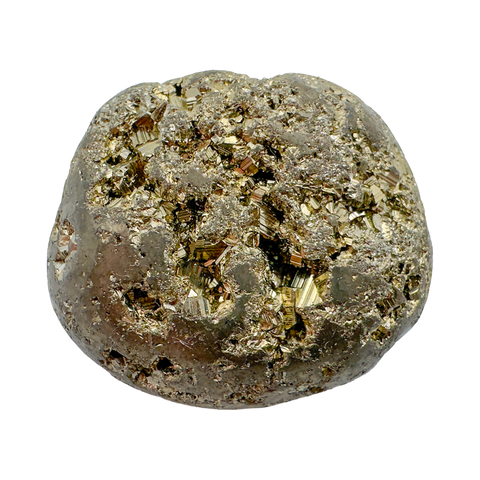
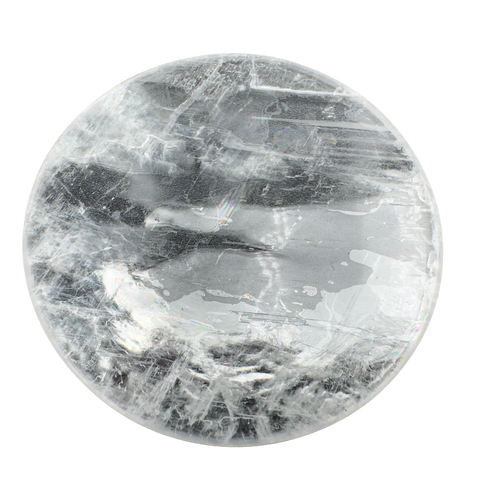


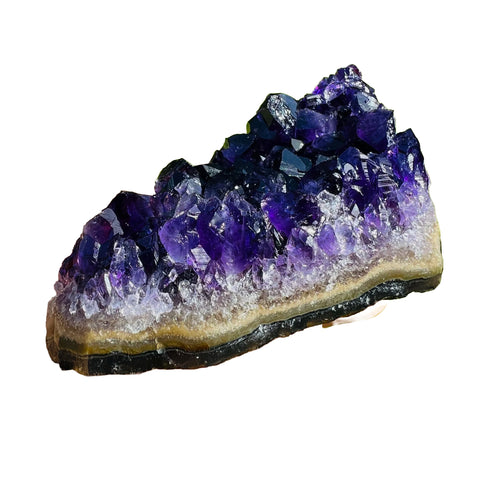





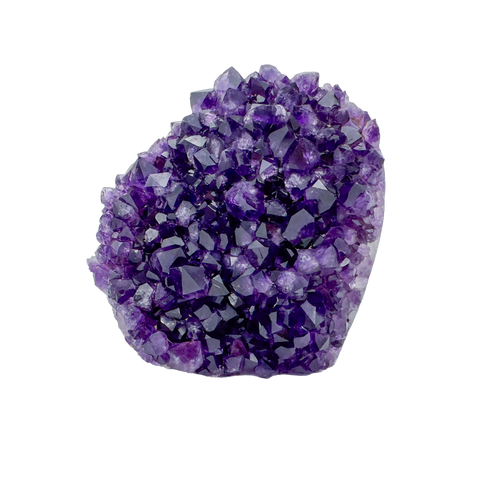
 Amethyst
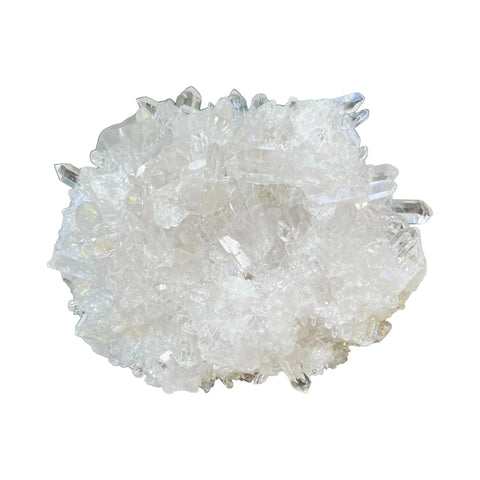
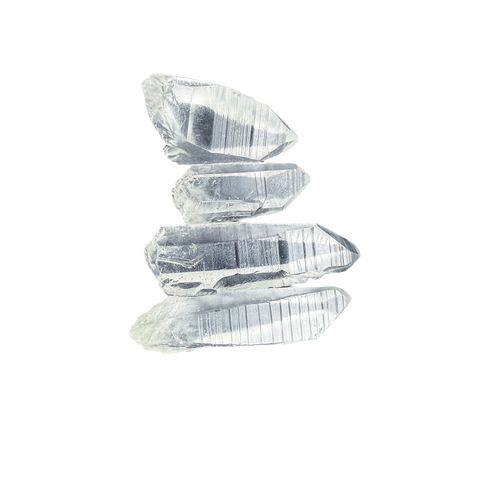
 Clear Quartz
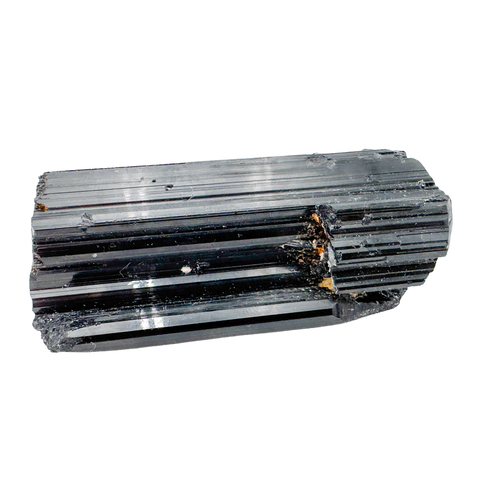
 Black Tourmaline
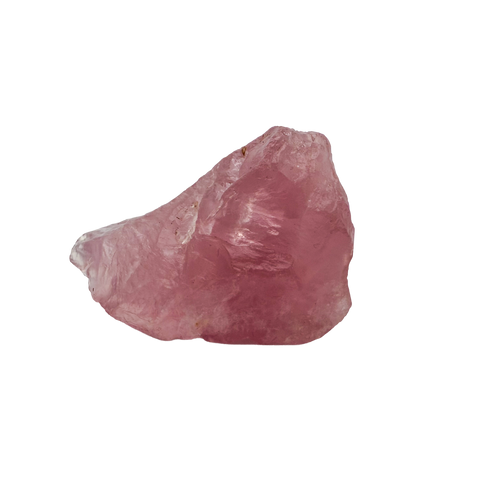
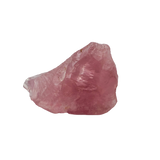 Rose Quartz
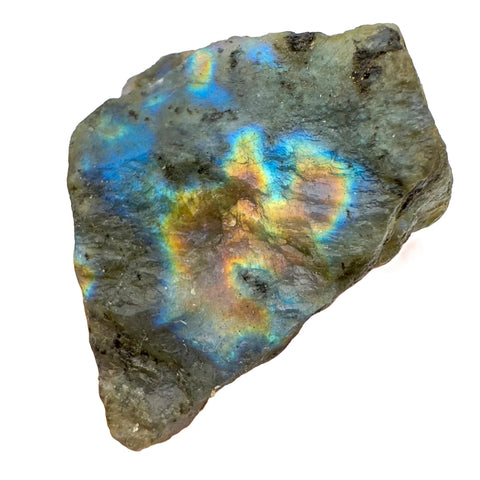
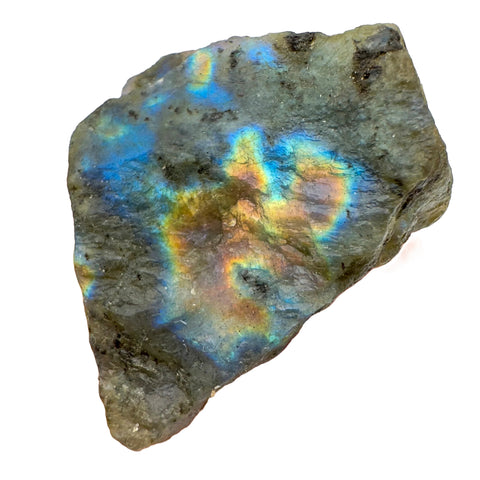
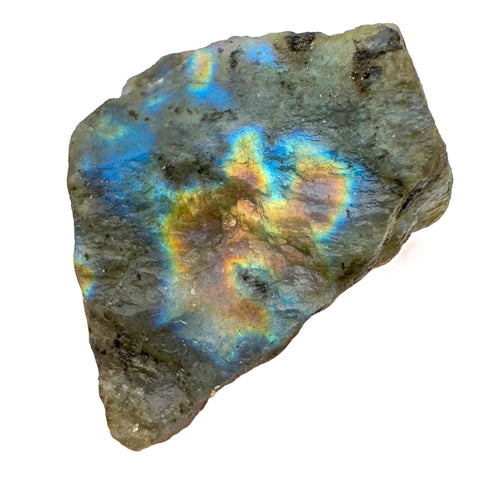
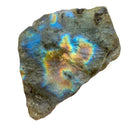 Labradorite
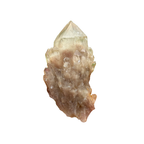 Natural Citrine
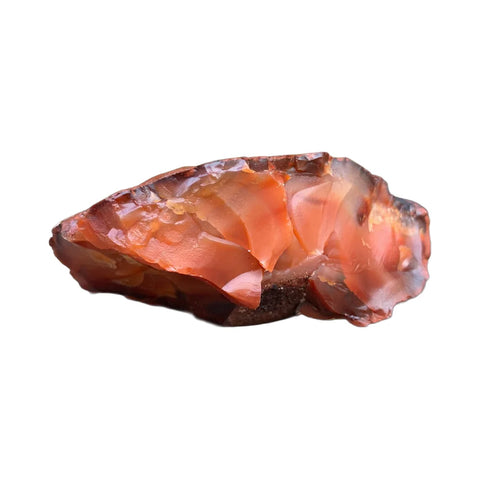
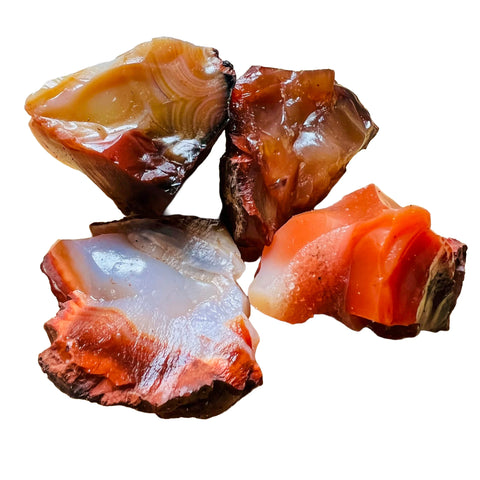
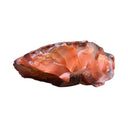 Carnelian
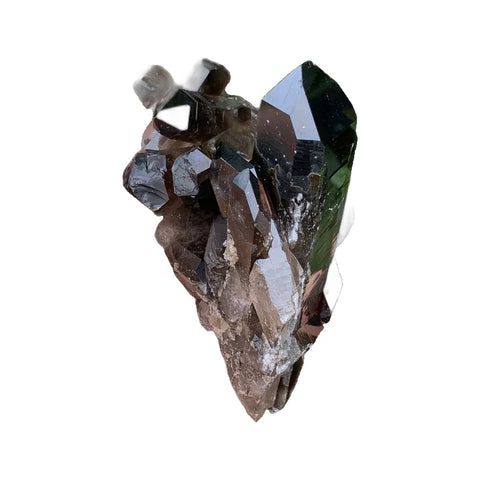
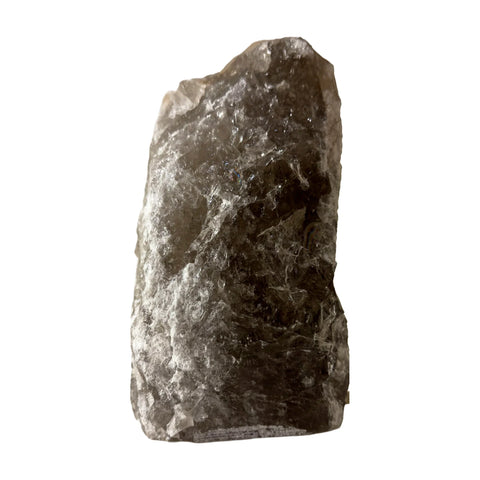
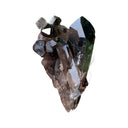 Smoky Quartz
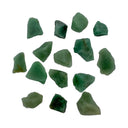 Aventurine
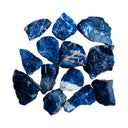 Sodalite
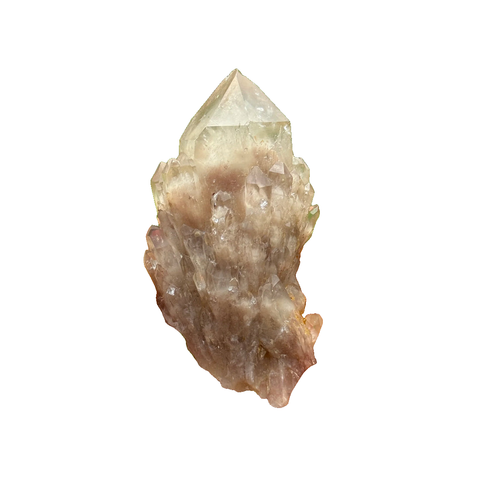
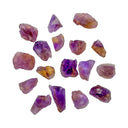 Ametrine
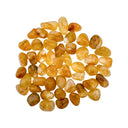 Golden Healer
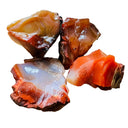 Raw Stones
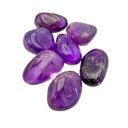 Tumbled Stones
 Palm Stones
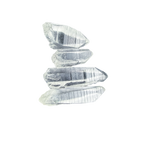 Crystal Points
 Clusters & Geodes
 Polished & Decor
 Mineral Specimens
 Crystal Chips
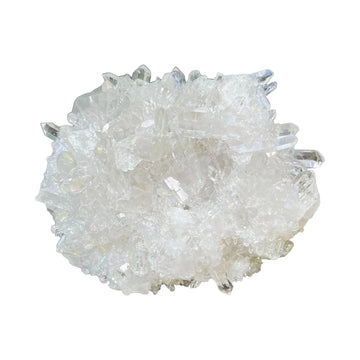
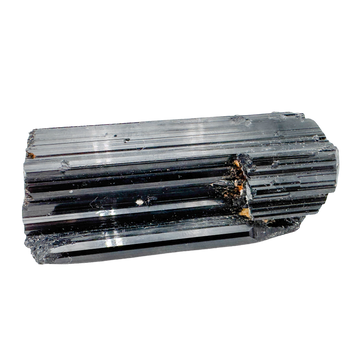
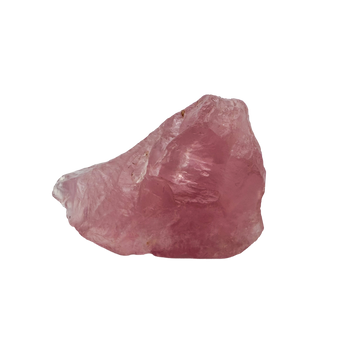
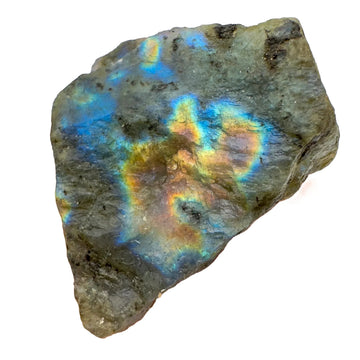
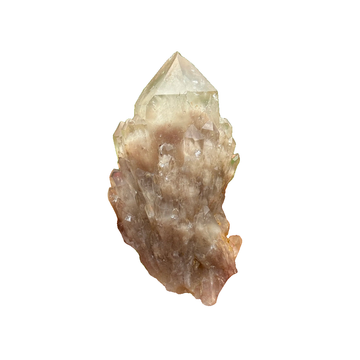
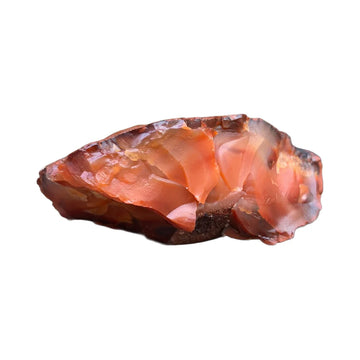
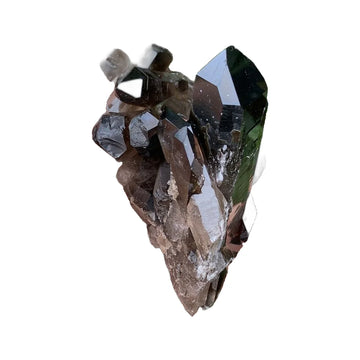
 Raw Stones
179 to choose from
Raw Stones
179 to choose from
 Tumbled Stones
162 to choose from
Tumbled Stones
162 to choose from
 Palm Stones
25 to choose from
Palm Stones
25 to choose from
 Crystal Points
23 to choose from
Crystal Points
23 to choose from
 Clusters & Geodes
101 to choose from
Clusters & Geodes
101 to choose from
 Polished & Decor
148 to choose from
Polished & Decor
148 to choose from
 Mineral Specimens
254 to choose from
Mineral Specimens
254 to choose from
 Crystal Chips
21 to choose from
Crystal Chips
21 to choose from


 AngolaAquamarine
›
AngolaAquamarine
›
 BotswanaCarnelian, Tree Agate
›
BotswanaCarnelian, Tree Agate
›
 DR CongoMalachite, Natural Citrine
›
DR CongoMalachite, Natural Citrine
›
 EswatiniBloodstone
›
EswatiniBloodstone
›
 MadagascarLabradorite, Clear Quartz
›
MadagascarLabradorite, Clear Quartz
›
 MalawiBlue Lace Agate, Garnet
›
MalawiBlue Lace Agate, Garnet
›
 MozambiqueAmazonite
›
MozambiqueAmazonite
›
 NamibiaSodalite, Blue Lace Agate
›
NamibiaSodalite, Blue Lace Agate
›
 Republic of the CongoDioptase
›
Republic of the CongoDioptase
›
 South AfricaTiger Eye, Unakite
›
South AfricaTiger Eye, Unakite
›
 ZambiaChevron Amethyst
›
ZambiaChevron Amethyst
›
 ZimbabweEmerald, Rhodonite
›
ZimbabweEmerald, Rhodonite
›
 ArgentinaBlack Obsidian, Rhodochrosite
›
ArgentinaBlack Obsidian, Rhodochrosite
›
 BoliviaAmetrine
›
BoliviaAmetrine
›
 BrazilAmethyst, Clear Quartz
›
BrazilAmethyst, Clear Quartz
›
 PeruSerpentine, Jade
›
PeruSerpentine, Jade
›
 UruguayAmethyst
›
UruguayAmethyst
›
 Dominican RepublicLarimar
›
Dominican RepublicLarimar
›
 MexicoRainbow Obsidian, Crazy Lace Agate
›
MexicoRainbow Obsidian, Crazy Lace Agate
›
 United StatesSelenite, Peridot
›
United StatesSelenite, Peridot
›
 ChinaFluorite
›
ChinaFluorite
›
 RussiaShungite
›
RussiaShungite
›
 AustraliaMookaite
›
AustraliaMookaite
›
 Where our crystals come from
See where we source →
Where our crystals come from
See where we source →


 Aries
Mar 21 to Apr 19
Carnelian
›
Aries
Mar 21 to Apr 19
Carnelian
›
 Taurus
Apr 20 to May 20
Rose Quartz
›
Taurus
Apr 20 to May 20
Rose Quartz
›
 Gemini
May 21 to Jun 20
Agate
›
Gemini
May 21 to Jun 20
Agate
›
 Cancer
Jun 21 to Jul 22
Moonstone
›
Cancer
Jun 21 to Jul 22
Moonstone
›
 Leo
Jul 23 to Aug 22
Citrine
›
Leo
Jul 23 to Aug 22
Citrine
›
 Virgo
Aug 23 to Sep 22
Amazonite
›
Virgo
Aug 23 to Sep 22
Amazonite
›
 Libra
Sep 23 to Oct 22
Blue Lace Agate
›
Libra
Sep 23 to Oct 22
Blue Lace Agate
›
 Scorpio
Oct 23 to Nov 21
Obsidian
›
Scorpio
Oct 23 to Nov 21
Obsidian
›
 Sagittarius
Nov 22 to Dec 21
Sodalite
›
Sagittarius
Nov 22 to Dec 21
Sodalite
›
 Capricorn
Dec 22 to Jan 19
Black Tourmaline
›
Capricorn
Dec 22 to Jan 19
Black Tourmaline
›
 Aquarius
Jan 20 to Feb 18
Amethyst
›
Aquarius
Jan 20 to Feb 18
Amethyst
›
 Pisces
Feb 19 to Mar 20
Aquamarine
›
Gifting?
A birthday stone is the safe bet.
Read the zodiac guide →
Pisces
Feb 19 to Mar 20
Aquamarine
›
Gifting?
A birthday stone is the safe bet.
Read the zodiac guide →


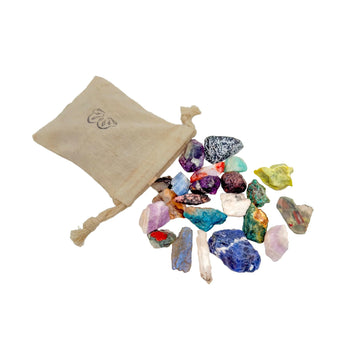
Spessartine Garnet
Spessartine Garnet is nesosilicate (garnet group, pyralspite series), Mn3Al2(SiO4)3. In the hand, it rates 7 to 7.5 on the Mohs scale, and it runs vivid orange and orange red. Spessartine is a strong orange to reddish orange with no purple in it, which separates it at a glance from the red garnets.
The geology.
Spessartine Garnet carries the formula Mn3Al2(SiO4)3. It belongs to the cubic (isometric) system. It is classified as nesosilicate (garnet group, pyralspite series).
It sits at 7 to 7.5 on the Mohs scale. The surface reads vitreous to resinous. Light behavior is transparent to translucent. Specific gravity runs 3.80 to 4.25. The streak is white. It breaks with no cleavage; uneven to conchoidal fracture.
Spessartine is a strong orange to reddish orange with no purple in it, which separates it at a glance from the red garnets. Many stones carry wavy, shredded looking liquid feathers that are easy to see with a loupe and sometimes visible unaided. It is one of the densest common garnets, so it feels noticeably heavier than a topaz or citrine cut to the same size.
You will most often meet it as euhedral dodecahedra and trapezohedra, crystal clusters on pegmatite matrix, faceted gems or cabochons and tumbled stones.
The origins.
Spessartine forms in granite pegmatites, granites and rhyolites, and in skarns and manganese rich rocks altered next to igneous intrusions. Documented localities include Aschaffenburg in the Spessart Mountains of Bavaria, Germany, which gave the mineral its name; the Ramona and Pala districts of San Diego County, California; the Rutherford mine in Amelia County, Virginia; Minas Gerais and Rio Grande do Norte in Brazil; the Gilgit district and Baltistan in Pakistan; and Madagascar. Namibia, Nigeria and Tanzania are the main modern sources of gem material.
On value, the database notes: color drives the price, with vivid slightly reddish orange mandarin material at the top and brownish or darkened stones well below it. Clean spessartine above a few carats is scarce, so value rises steeply with size once fine color is present.
Traditional associations.
As a garnet, spessartine falls under the January birthstone. Its vivid orange has led sellers to connect it with the sacral and solar plexus chakras, with creativity and confidence, and with the element of fire, and it is commonly linked to Aquarius. Its folklore is much shallower than that of the red garnets, because gem quality spessartine was practically unknown in jewelry until the 1990s.
People buy on this language, so it belongs on the page. It belongs under the facts, though, not over them.
Spotting the real thing.
Spessartine is a strong orange to reddish orange with no purple in it, which separates it at a glance from the red garnets. Many stones carry wavy, shredded looking liquid feathers that are easy to see with a loupe and sometimes visible unaided. It is one of the densest common garnets, so it feels noticeably heavier than a topaz or citrine cut to the same size.
Orange glass and synthetic yttrium aluminium garnet are both used as substitutes and are separated by density and by bubbles or curved growth in the glass. The bigger issue is loose naming: mandarin garnet properly refers to material that is overwhelmingly spessartine, but the term and the newer Fanta garnet label are often stretched to cover malaia and other pyrope spessartine blends that are chemically different and cheaper. Spessartine is also passed off as, or confused with, padparadscha sapphire and imperial topaz, both of which carry far higher prices.
| Looks like | How to tell them apart |
|---|---|
| Hessonite garnet | Hessonite is lighter in the hand, usually shows a roiled whisky in water turbulence inside, and is a touch softer. Spessartine is cleaner, more vivid and markedly denser. |
| Imperial topaz | Topaz has one direction of perfect cleavage and is doubly refractive, so back facet edges look doubled and chips break flat. Spessartine has no cleavage and shows no doubling. |
| Orange sapphire | Sapphire is doubly refractive and pleochroic, harder at Mohs 9, and shows doubled facet edges. Spessartine stays a single color as it turns. |
At-home tests.
You can run every one of these at a kitchen table. Good light matters more than gear when you are looking at spessartine garnet.
| Test | What you should see |
|---|---|
| Under a loupe | Look for wavy, shredded liquid feathers with a loupe, which are characteristic of spessartine from Sri Lanka and Brazil. |
| By eye | Check back facet edges for doubling; spessartine is singly refractive and shows none, unlike topaz, sapphire or zircon. |
| By weight | Heft it against a same size citrine or topaz, since spessartine is roughly a third denser and the difference is easy to feel. |
| By eye | A hand spectroscope shows strong manganese absorption lines in the violet and blue, which is the standard confirmation for spessartine. |
If these checks leave you unsure, that is what appraisers are for. Do not file, heat or soak a piece to find out.
Care & handling.
At 7 to 7.5 on the Mohs scale it stands up to everyday wear. It will still chip on a hard knock, so treat edges and points with respect.
It breaks with no cleavage; uneven to conchoidal fracture, which is worth knowing before you set it or drop it.
Most damage happens during cleaning, not wearing. Avoid steamers, ultrasonic tanks and anything from under the sink.
A deeper look.
Extended detail on composition, sourcing, authentication and market value.
The physical record
The formula on record is Mn3Al2(SiO4)3. Crystal system: Cubic (isometric). Specific gravity: 3.80 to 4.25. Streak: White. Cleavage and fracture: No cleavage; uneven to conchoidal fracture.
How it reaches the market
Spessartine forms in granite pegmatites, granites and rhyolites, and in skarns and manganese rich rocks altered next to igneous intrusions. Documented localities include Aschaffenburg in the Spessart Mountains of Bavaria, Germany, which gave the mineral its name; the Ramona and Pala districts of San Diego County, California; the Rutherford mine in Amelia County, Virginia; Minas Gerais and Rio Grande do Norte in Brazil; the Gilgit district and Baltistan in Pakistan; and Madagascar. Namibia, Nigeria and Tanzania are the main modern sources of gem material.
What it gets confused with
Hessonite garnet: Hessonite is lighter in the hand, usually shows a roiled whisky in water turbulence inside, and is a touch softer. Spessartine is cleaner, more vivid and markedly denser.. Imperial topaz: Topaz has one direction of perfect cleavage and is doubly refractive, so back facet edges look doubled and chips break flat. Spessartine has no cleavage and shows no doubling.. Orange sapphire: Sapphire is doubly refractive and pleochroic, harder at Mohs 9, and shows doubled facet edges. Spessartine stays a single color as it turns..
What it is worth
Color drives the price, with vivid slightly reddish orange mandarin material at the top and brownish or darkened stones well below it. Clean spessartine above a few carats is scarce, so value rises steeply with size once fine color is present.
Where buyers get caught
Orange glass and synthetic yttrium aluminium garnet are both used as substitutes and are separated by density and by bubbles or curved growth in the glass. The bigger issue is loose naming: mandarin garnet properly refers to material that is overwhelmingly spessartine, but the term and the newer Fanta garnet label are often stretched to cover malaia and other pyrope spessartine blends that are chemically different and cheaper. Spessartine is also passed off as, or confused with, padparadscha sapphire and imperial topaz, both of which carry far higher prices.
One more thing
The mandarin garnet trade was created by one remote find. The first stones were recovered in 1991 from mica schist along the Kunene River on the Namibia and Angola border, and the deposit was worked out within a few years.
An education-first guide.
There is nothing to buy on this page. Spessartine Garnet is not part of our catalog, and the guide is here anyway because somebody searching the name deserves a straight answer.
Explore the Crystal GuideGrounded Connections
New stones go to the list first.
No forwarding, no selling. Unsubscribe in one click. Privacy