


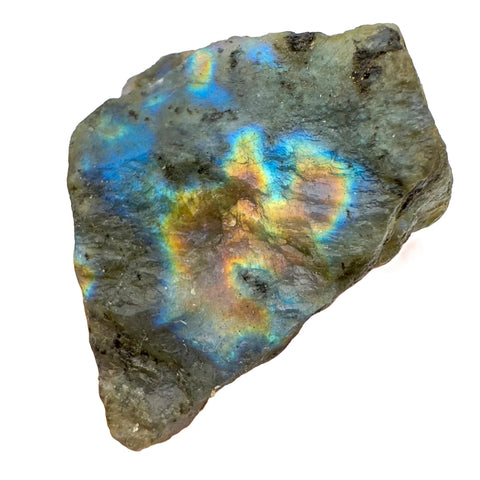
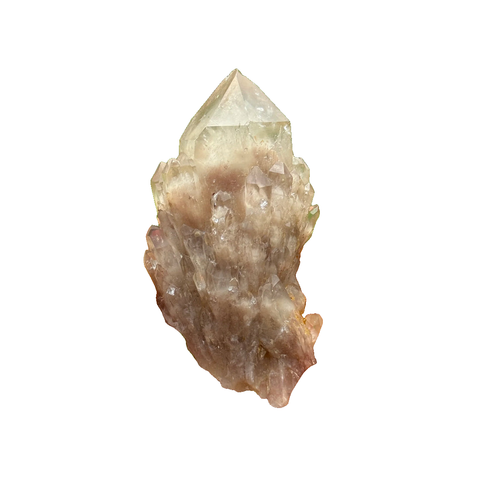
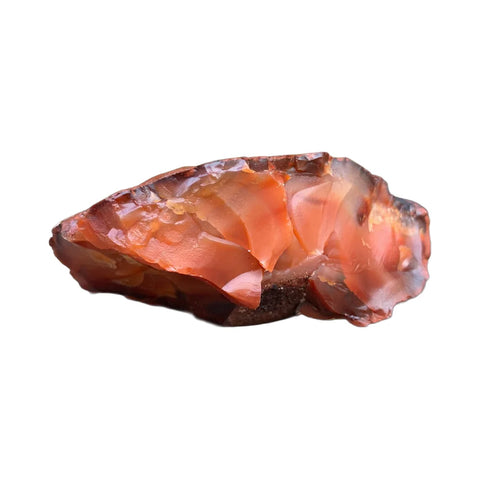
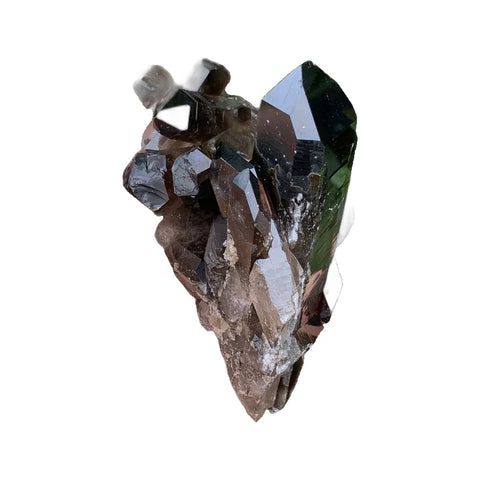
 Agatefor stress relief
 Amazonitefor stress relief
 Aquamarinefor serenity
 Aventurinefor luck
 Bloodstonefor energy
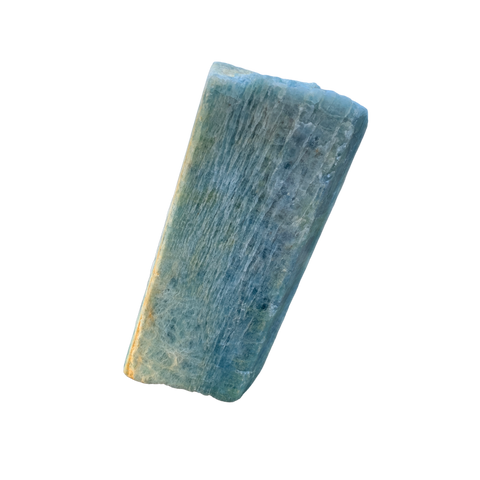
 Blue Kyanitefor confidence
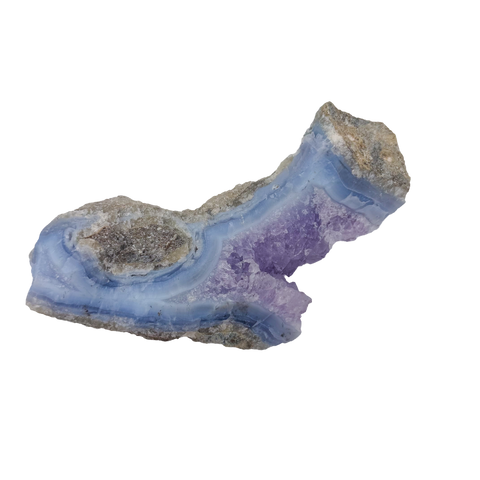
 Blue Lace Agatefor stress relief
 Chrysocollafor emotional healing
 Fluoritefor focus
 Garnetfor energy
 Lepidolitefor stress relief
 Malachitefor emotional healing
 Moonstonefor grounding
 Obsidianfor protection
 Ocean Jasperfor emotional healing
 Red Jasperfor grounding
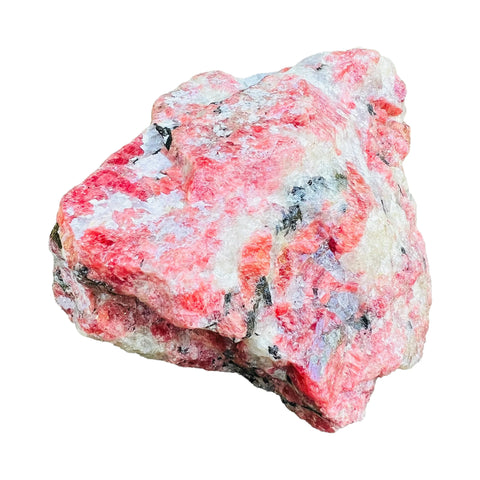
 Rhodonitefor emotional healing
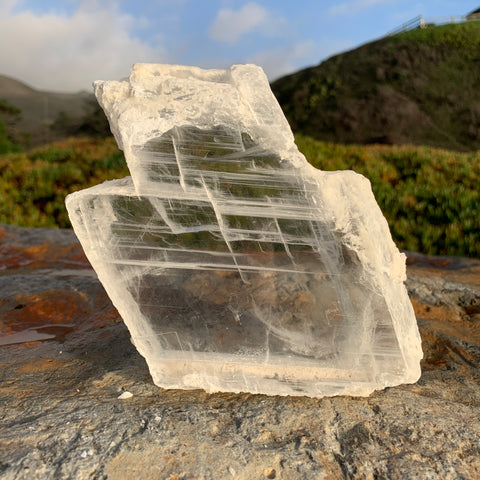
 Selenitefor cleansing
 Sodalitefor focus
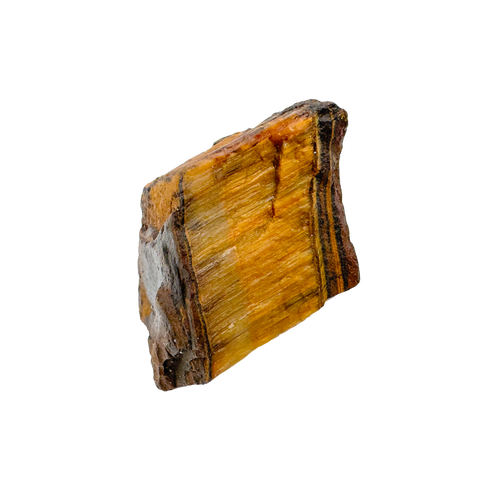
 Tiger Eyefor confidence
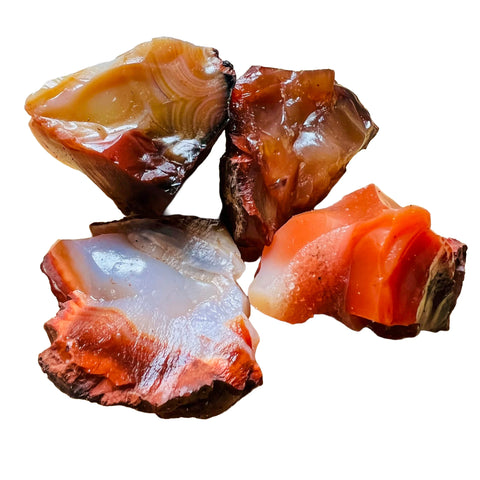
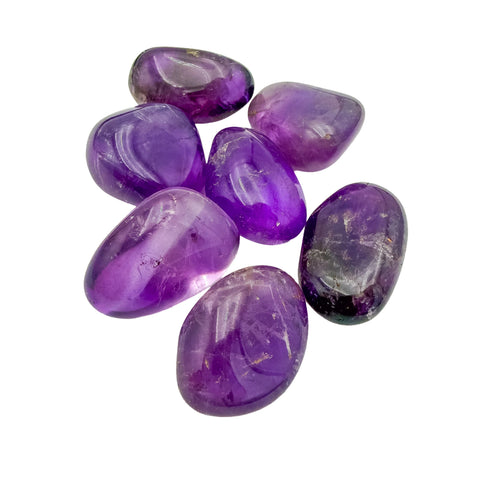


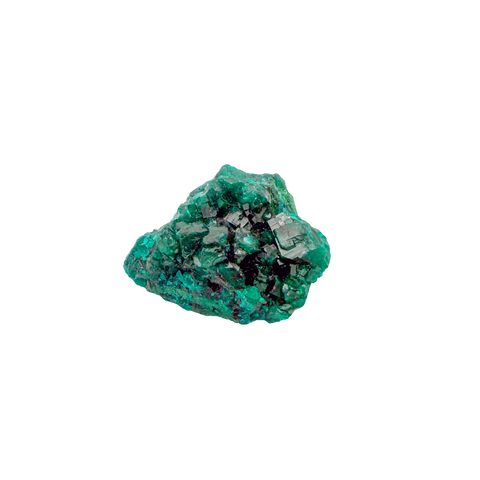
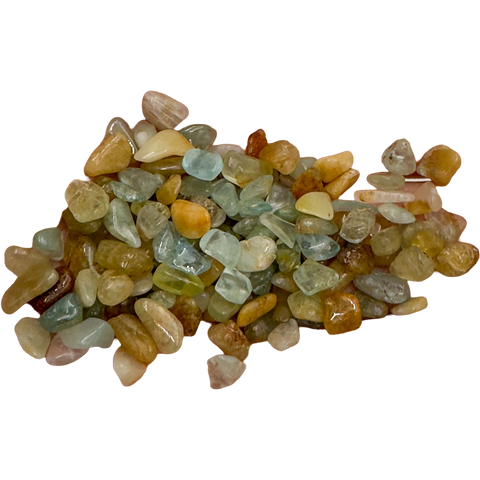
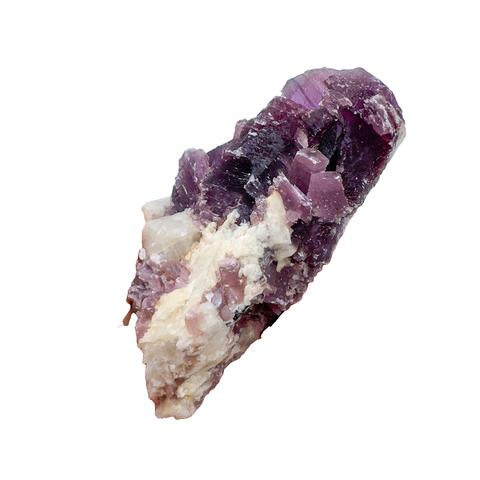
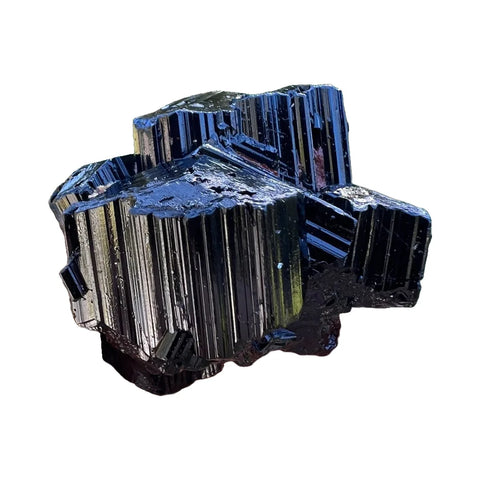
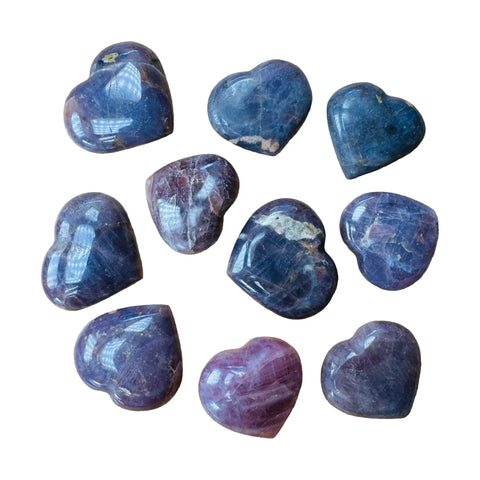
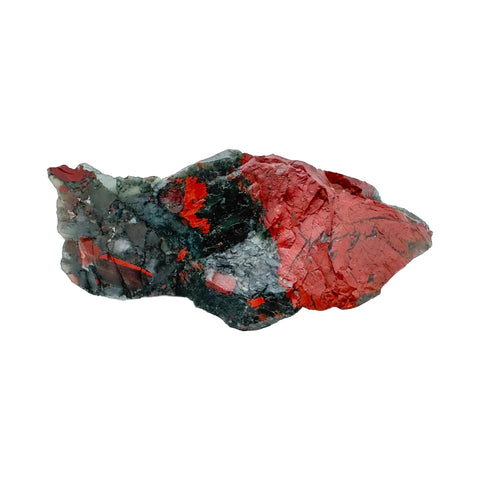
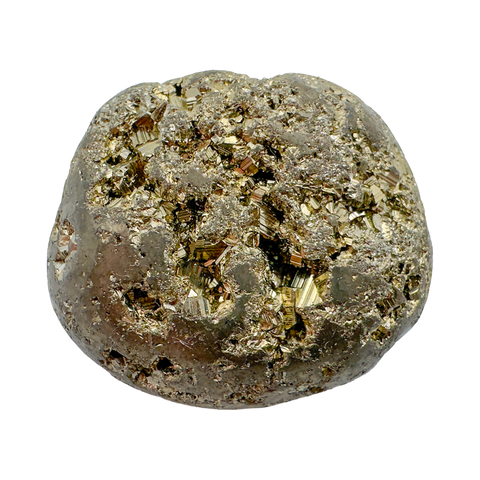
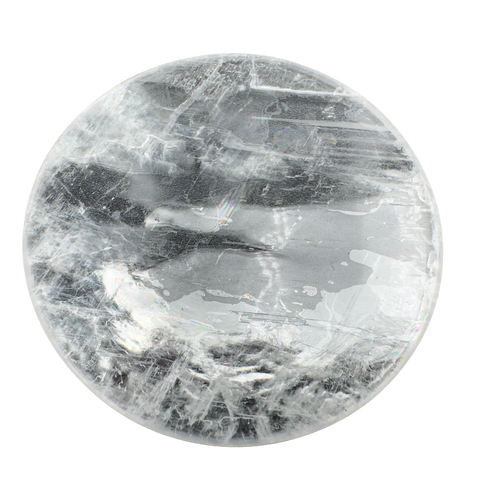
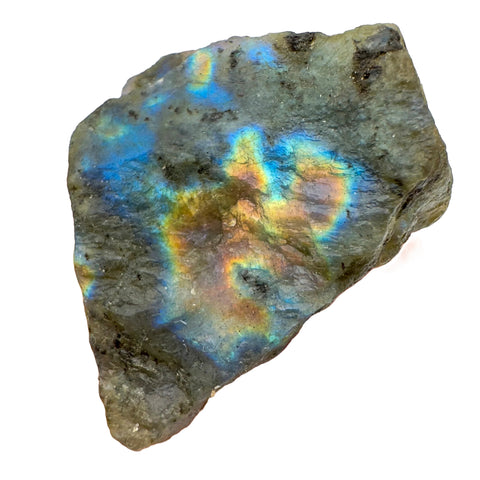
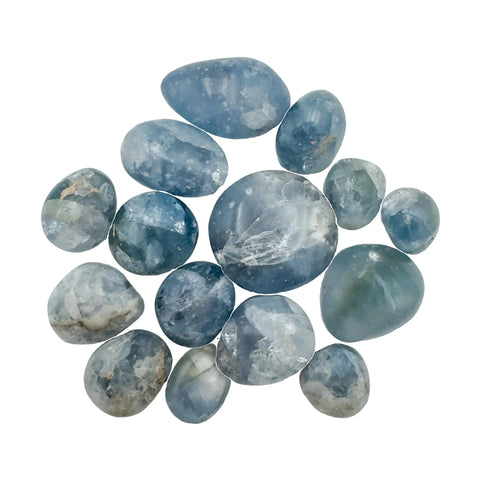


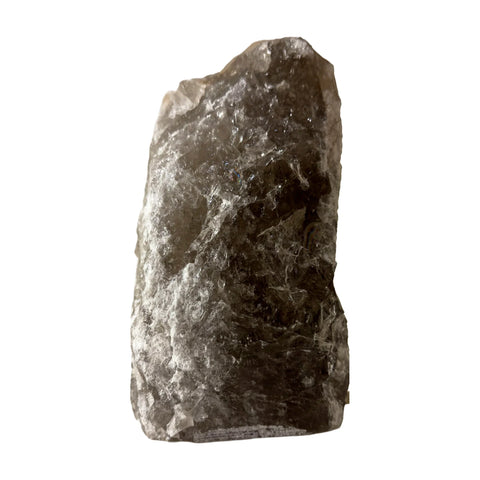
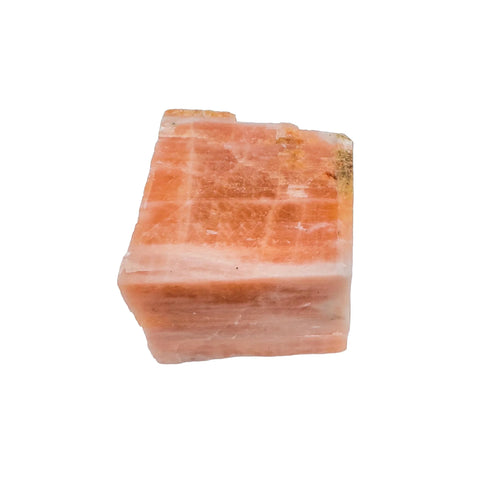
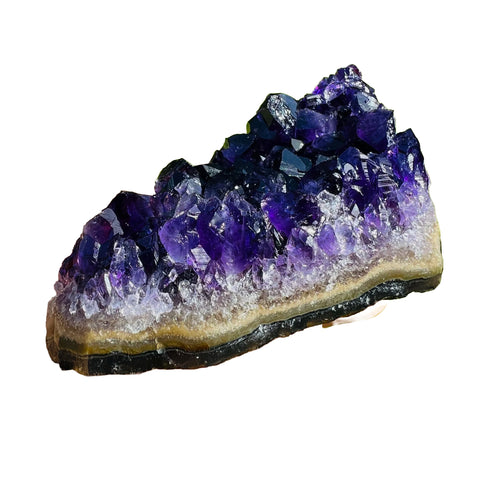





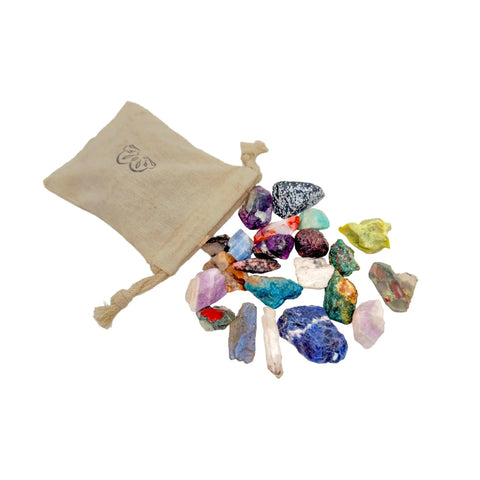
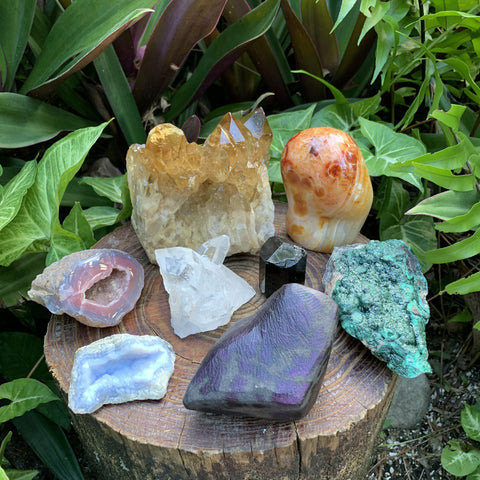
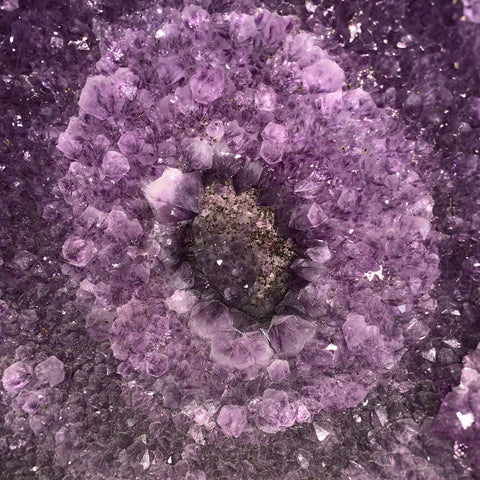
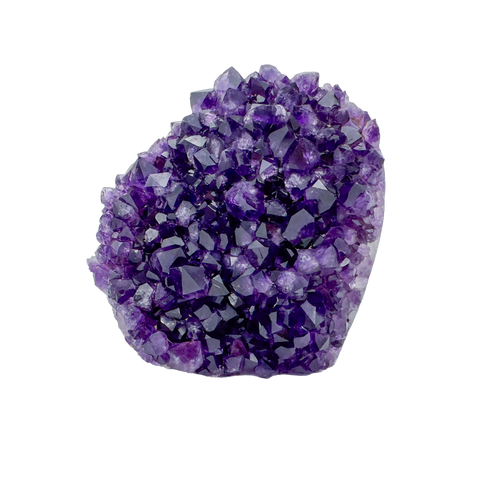
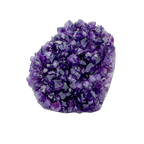 Amethyst
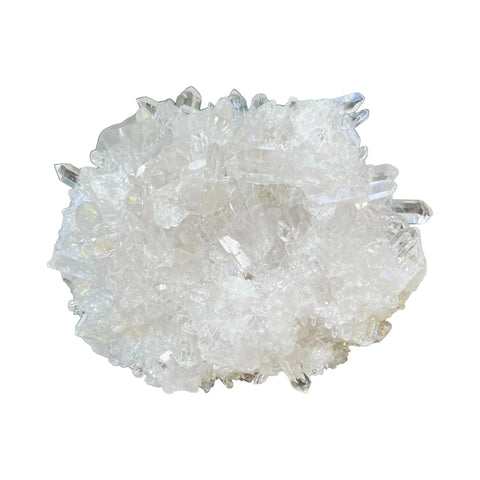
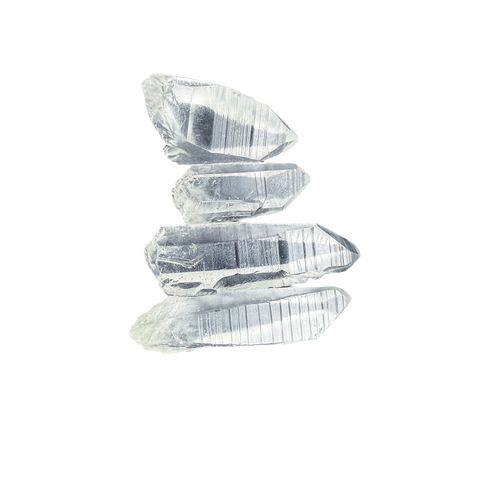
 Clear Quartz
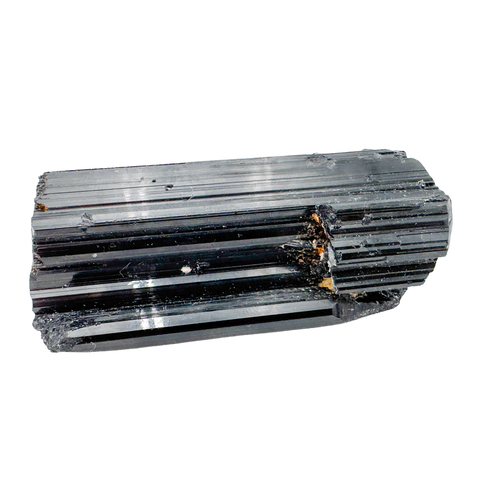
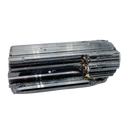 Black Tourmaline
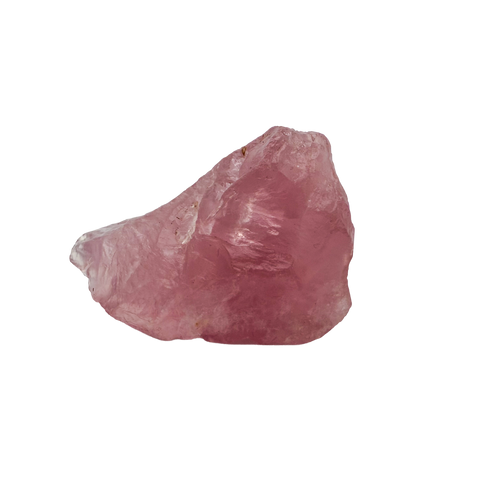
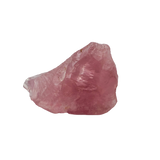 Rose Quartz
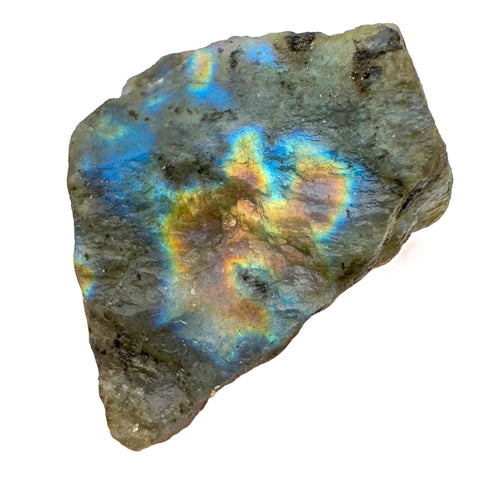
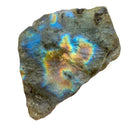 Labradorite
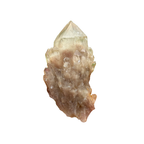 Natural Citrine
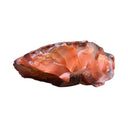 Carnelian
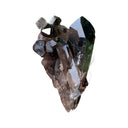 Smoky Quartz
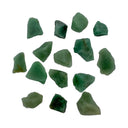 Aventurine
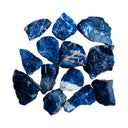 Sodalite
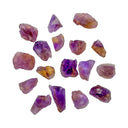 Ametrine
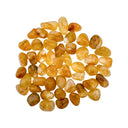 Golden Healer
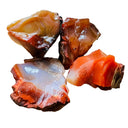 Raw Stones
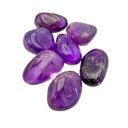 Tumbled Stones
 Palm Stones
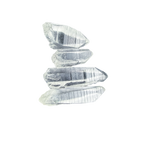 Crystal Points
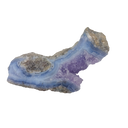 Clusters & Geodes
 Polished & Decor
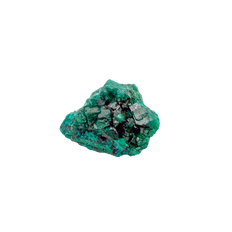 Mineral Specimens
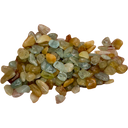 Crystal Chips
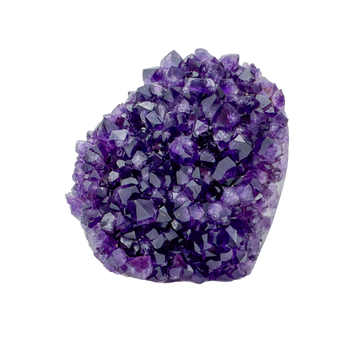
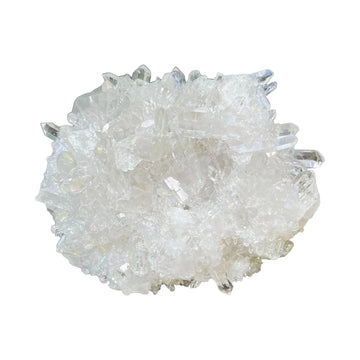
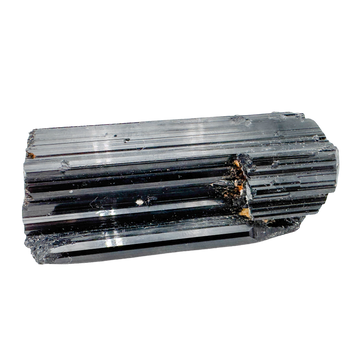
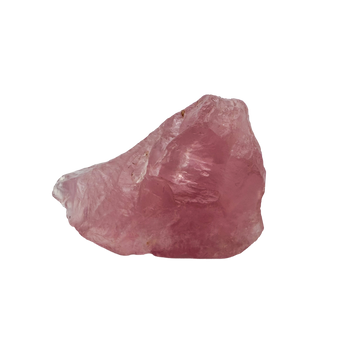
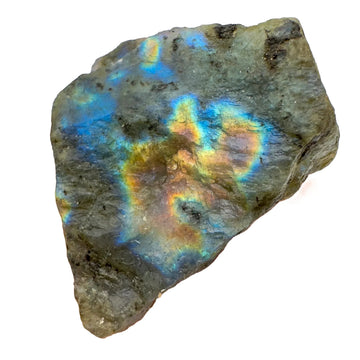
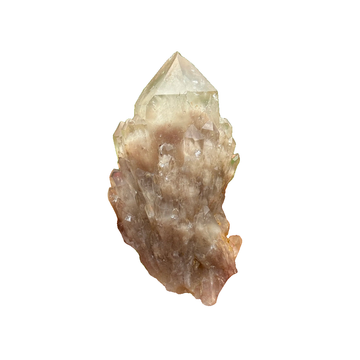
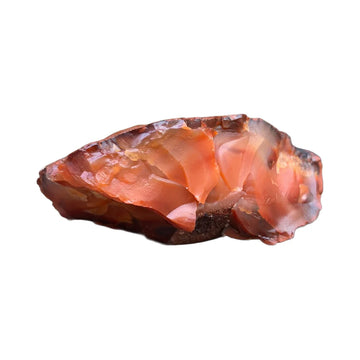
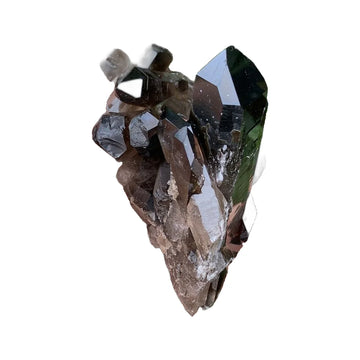
 Raw Stones
179 to choose from
Raw Stones
179 to choose from
 Tumbled Stones
162 to choose from
Tumbled Stones
162 to choose from
 Palm Stones
25 to choose from
Palm Stones
25 to choose from
 Crystal Points
23 to choose from
Crystal Points
23 to choose from
 Clusters & Geodes
101 to choose from
Clusters & Geodes
101 to choose from
 Polished & Decor
148 to choose from
Polished & Decor
148 to choose from
 Mineral Specimens
254 to choose from
Mineral Specimens
254 to choose from
 Crystal Chips
21 to choose from
Crystal Chips
21 to choose from


 AngolaAquamarine
›
AngolaAquamarine
›
 BotswanaCarnelian, Tree Agate
›
BotswanaCarnelian, Tree Agate
›
 DR CongoMalachite, Natural Citrine
›
DR CongoMalachite, Natural Citrine
›
 EswatiniBloodstone
›
EswatiniBloodstone
›
 MadagascarLabradorite, Clear Quartz
›
MadagascarLabradorite, Clear Quartz
›
 MalawiBlue Lace Agate, Garnet
›
MalawiBlue Lace Agate, Garnet
›
 MozambiqueAmazonite
›
MozambiqueAmazonite
›
 NamibiaSodalite, Blue Lace Agate
›
NamibiaSodalite, Blue Lace Agate
›
 Republic of the CongoDioptase
›
Republic of the CongoDioptase
›
 South AfricaTiger Eye, Unakite
›
South AfricaTiger Eye, Unakite
›
 ZambiaChevron Amethyst
›
ZambiaChevron Amethyst
›
 ZimbabweEmerald, Rhodonite
›
ZimbabweEmerald, Rhodonite
›
 ArgentinaBlack Obsidian, Rhodochrosite
›
ArgentinaBlack Obsidian, Rhodochrosite
›
 BoliviaAmetrine
›
BoliviaAmetrine
›
 BrazilAmethyst, Clear Quartz
›
BrazilAmethyst, Clear Quartz
›
 PeruSerpentine, Jade
›
PeruSerpentine, Jade
›
 UruguayAmethyst
›
UruguayAmethyst
›
 Dominican RepublicLarimar
›
Dominican RepublicLarimar
›
 MexicoRainbow Obsidian, Crazy Lace Agate
›
MexicoRainbow Obsidian, Crazy Lace Agate
›
 United StatesSelenite, Peridot
›
United StatesSelenite, Peridot
›
 ChinaFluorite
›
ChinaFluorite
›
 RussiaShungite
›
RussiaShungite
›
 AustraliaMookaite
›
AustraliaMookaite
›
 Where our crystals come from
See where we source →
Where our crystals come from
See where we source →


 Aries
Mar 21 to Apr 19
Carnelian
›
Aries
Mar 21 to Apr 19
Carnelian
›
 Taurus
Apr 20 to May 20
Rose Quartz
›
Taurus
Apr 20 to May 20
Rose Quartz
›
 Gemini
May 21 to Jun 20
Agate
›
Gemini
May 21 to Jun 20
Agate
›
 Cancer
Jun 21 to Jul 22
Moonstone
›
Cancer
Jun 21 to Jul 22
Moonstone
›
 Leo
Jul 23 to Aug 22
Citrine
›
Leo
Jul 23 to Aug 22
Citrine
›
 Virgo
Aug 23 to Sep 22
Amazonite
›
Virgo
Aug 23 to Sep 22
Amazonite
›
 Libra
Sep 23 to Oct 22
Blue Lace Agate
›
Libra
Sep 23 to Oct 22
Blue Lace Agate
›
 Scorpio
Oct 23 to Nov 21
Obsidian
›
Scorpio
Oct 23 to Nov 21
Obsidian
›
 Sagittarius
Nov 22 to Dec 21
Sodalite
›
Sagittarius
Nov 22 to Dec 21
Sodalite
›
 Capricorn
Dec 22 to Jan 19
Black Tourmaline
›
Capricorn
Dec 22 to Jan 19
Black Tourmaline
›
 Aquarius
Jan 20 to Feb 18
Amethyst
›
Aquarius
Jan 20 to Feb 18
Amethyst
›
 Pisces
Feb 19 to Mar 20
Aquamarine
›
Gifting?
A birthday stone is the safe bet.
Read the zodiac guide →
Pisces
Feb 19 to Mar 20
Aquamarine
›
Gifting?
A birthday stone is the safe bet.
Read the zodiac guide →


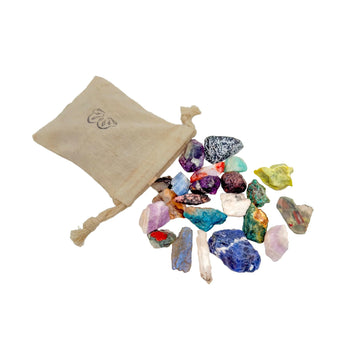
Hessonite Garnet
Hessonite Garnet is nesosilicate (garnet group, orange grossular variety), Ca3Al2(SiO4)3. In the hand, it rates 6.5 to 7 on the Mohs scale, and it runs honey yellow and cinnamon brown. The giveaway is the interior. Hessonite commonly shows a swirling, turbulent texture the trade calls roiled, also described as heat waves or as whisky poured into water.
The geology.
Hessonite Garnet carries the formula Ca3Al2(SiO4)3. It belongs to the cubic (isometric) system. Catalogs list it as nesosilicate (garnet group, orange grossular variety).
It sits at 6.5 to 7 on the Mohs scale. The surface reads vitreous to resinous. Light behavior is transparent to translucent. Specific gravity runs 3.40 to 3.71. The streak is white. It breaks with no cleavage; conchoidal fracture.
The giveaway is the interior. Hessonite commonly shows a swirling, turbulent texture the trade calls roiled, also described as heat waves or as whisky poured into water, which makes the stone look faintly syrupy rather than crisply transparent. Color runs from honey yellow through cinnamon brown to reddish orange, and rounded crystal inclusions of apatite, calcite, diopside and zircon are common.
It reaches buyers as dodecahedral and trapezohedral crystals, faceted gems, waterworn pebbles from gem gravels or cabochons and tumbled stones.
The origins.
Hessonite forms in metamorphosed impure calcareous rocks, especially contact zones, and in schists and serpentinites, and much of the cut material comes from weathered alluvial gem gravels. Canada, Sri Lanka and Tanzania are the major sources of gem quality material. The Sri Lankan gem gravels have produced orange and brown grossular in sizes of several hundred carats, and pinkish orange crystals have been recovered from the asbestos workings at Asbestos in Quebec. More recent finds from Afghanistan and Orissa in India are more transparent and lack the classic roiled effect.
On value, the database notes: hessonite is among the most affordable garnets. Inclusions are expected and do not usually reduce value unless they threaten the stone's structural integrity, so price mostly follows a warm, saturated cinnamon to reddish orange color and clean material in larger sizes.
Traditional associations.
Hessonite falls under garnet as the January birthstone, and in earlier centuries it was one of several orange to red stones grouped under the names jacinth and hyacinth. In Vedic astrology it is known as gomed and is one of the nine stones of the Navaratna setting, where it is assigned to the lunar node Rahu. Sellers commonly connect hessonite to the sacral and solar plexus chakras and to the element of fire.
We keep this section because people ask. It sits below the geology on purpose, and none of it describes something the stone does.
Spotting the real thing.
The giveaway is the interior. Hessonite commonly shows a swirling, turbulent texture the trade calls roiled, also described as heat waves or as whisky poured into water, which makes the stone look faintly syrupy rather than crisply transparent. Color runs from honey yellow through cinnamon brown to reddish orange, and rounded crystal inclusions of apatite, calcite, diopside and zircon are common.
Because hessonite carries strong astrological demand, particularly for Navaratna jewelry, dyed glass, plastic and synthetic quartz imitations are widespread in online sales, and buyers should look for bubbles, mold marks and a suspiciously light feel. Some low grade, heavily fractured hessonite is stabilized with polymer fracture fillings so it can be cut, which is an enhancement that should be disclosed. Laboratory grown grossular exists but is not a realistic commercial concern, and while heated rhodolite can reach a hessonite like brownish color, rhodolite is harder and worth more so the substitution rarely makes commercial sense.
| Looks like | How to tell them apart |
|---|---|
| Spessartine garnet | Spessartine is markedly denser, cleaner and a purer, more vivid orange. Hessonite is lighter in the hand, softer, and usually shows the roiled interior spessartine does not. |
| Imperial topaz | Topaz has one direction of perfect cleavage and is doubly refractive, so facet edges double and chips break flat. Hessonite has no cleavage, shows no doubling, and is a duller, more brownish orange. |
| Zircon | Zircon is much denser and strongly doubly refractive, giving obvious doubled back facet edges and a fuzzy look through the table. Both stones were historically called jacinth, which is why the confusion persists. |
At-home tests.
Before anyone talks you into a lab report, these are the checks worth doing yourself on hessonite garnet.
| Test | What you should see |
|---|---|
| Under a loupe | Hold the stone to a light and look through the table with a loupe for the roiled, heat wave turbulence, which is a strong indicator of hessonite in a garnet. |
| By eye | Check for doubled back facet edges; hessonite is singly refractive and shows none, which separates it from zircon and topaz. |
| By weight | Heft it against a same size spessartine, which is noticeably denser. |
| Look for bubbles | Scan the interior for rounded crystal inclusions rather than gas bubbles, since bubbles would indicate glass. |
Destructive tests belong to a gemologist, not a kitchen table. If a piece matters to you, pay for an appraisal before you take a file to it.
Care & handling.
At 6.5 to 7 on the Mohs scale it handles careful wear but scratches against quartz and dust. Store it separately and take rings off before rough work.
It breaks with no cleavage; conchoidal fracture, which is worth knowing before you set it or drop it.
Clean it by hand, dry it properly, and keep it away from ultrasonic cleaners and hot steam.
A deeper look.
Extended detail on composition, sourcing, authentication and market value.
The physical record
The formula on record is Ca3Al2(SiO4)3. Crystal system: Cubic (isometric). Specific gravity: 3.40 to 3.71. Streak: White. Cleavage and fracture: No cleavage; conchoidal fracture.
How it reaches the market
Hessonite forms in metamorphosed impure calcareous rocks, especially contact zones, and in schists and serpentinites, and much of the cut material comes from weathered alluvial gem gravels. Canada, Sri Lanka and Tanzania are the major sources of gem quality material. The Sri Lankan gem gravels have produced orange and brown grossular in sizes of several hundred carats, and pinkish orange crystals have been recovered from the asbestos workings at Asbestos in Quebec. More recent finds from Afghanistan and Orissa in India are more transparent and lack the classic roiled effect.
What it gets confused with
Spessartine garnet: Spessartine is markedly denser, cleaner and a purer, more vivid orange. Hessonite is lighter in the hand, softer, and usually shows the roiled interior spessartine does not.. Imperial topaz: Topaz has one direction of perfect cleavage and is doubly refractive, so facet edges double and chips break flat. Hessonite has no cleavage, shows no doubling, and is a duller, more brownish orange.. Zircon: Zircon is much denser and strongly doubly refractive, giving obvious doubled back facet edges and a fuzzy look through the table. Both stones were historically called jacinth, which is why the confusion persists..
What it is worth
Hessonite is among the most affordable garnets. Inclusions are expected and do not usually reduce value unless they threaten the stone's structural integrity, so price mostly follows a warm, saturated cinnamon to reddish orange color and clean material in larger sizes.
Where buyers get caught
Because hessonite carries strong astrological demand, particularly for Navaratna jewelry, dyed glass, plastic and synthetic quartz imitations are widespread in online sales, and buyers should look for bubbles, mold marks and a suspiciously light feel. Some low grade, heavily fractured hessonite is stabilized with polymer fracture fillings so it can be cut, which is an enhancement that should be disclosed. Laboratory grown grossular exists but is not a realistic commercial concern, and while heated rhodolite can reach a hessonite like brownish color, rhodolite is harder and worth more so the substitution rarely makes commercial sense.
One more thing
The name is effectively an insult. It comes from the Greek hesson, meaning inferior, applied because hessonite is both softer and less dense than the red garnets it was measured against.
An education-first guide.
We do not stock hessonite garnet. Writing it up regardless is the point of a reference library.
Explore the Crystal GuideGrounded Connections
New stones go to the list first.
No forwarding, no selling. Unsubscribe in one click. Privacy