


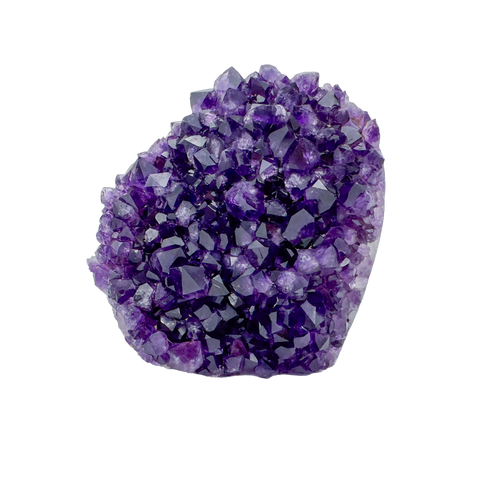
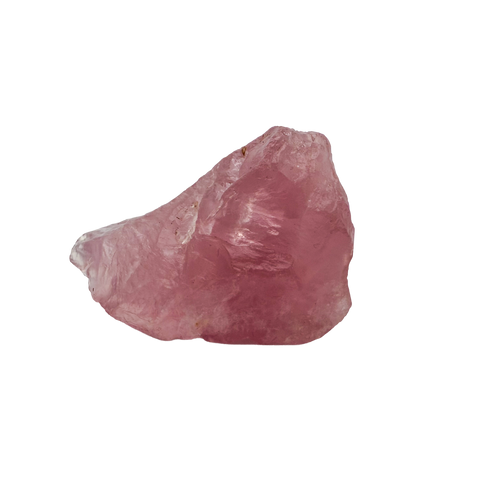
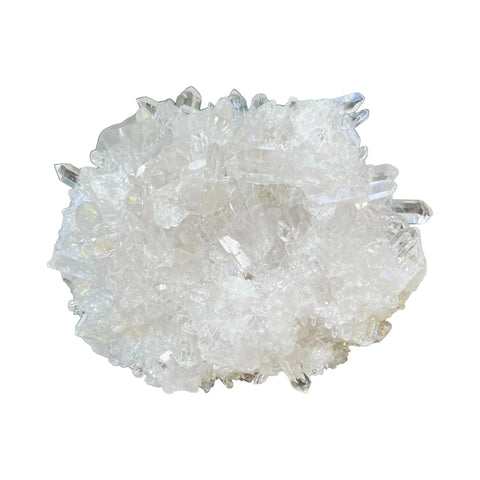
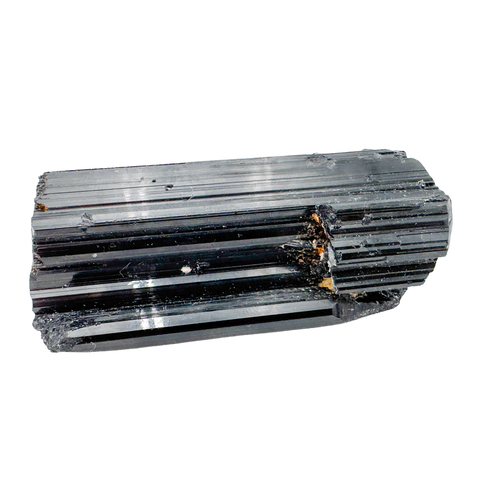
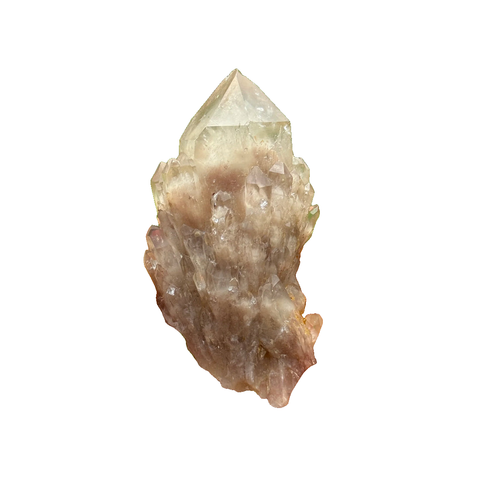
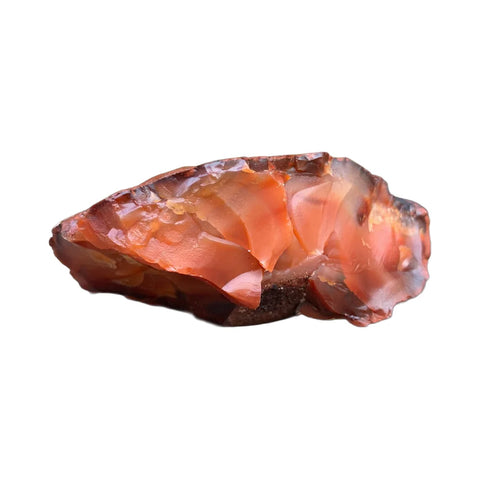
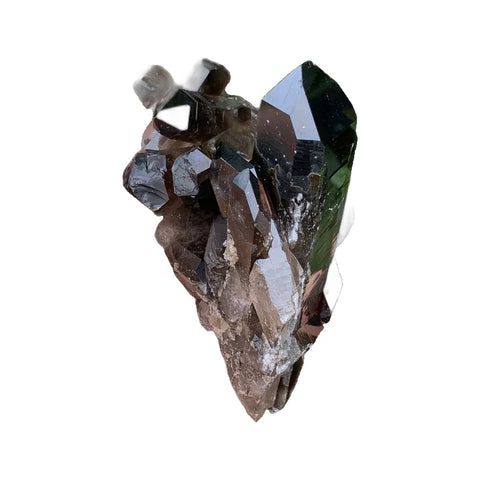
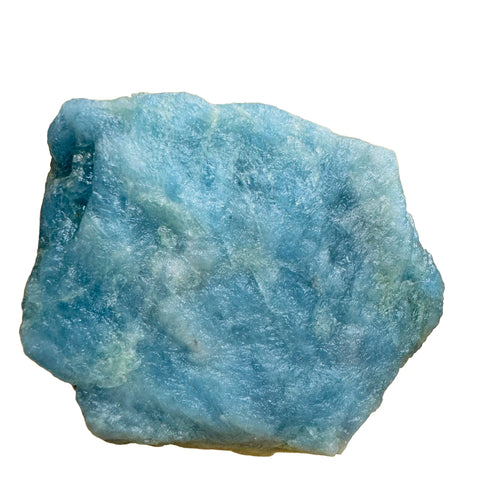
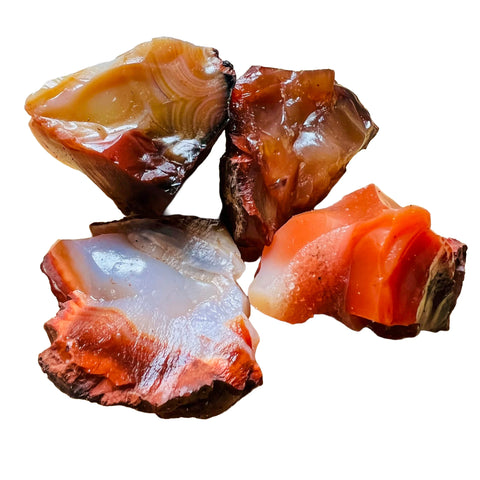


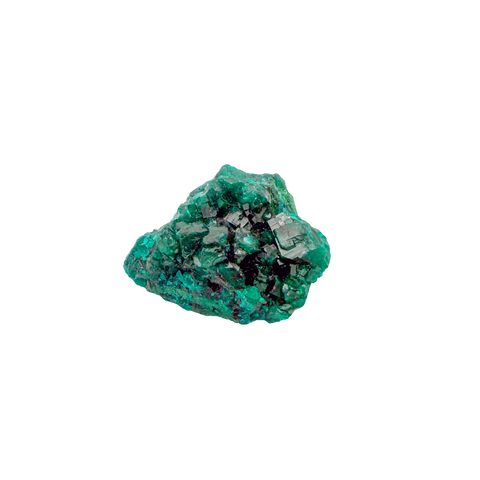
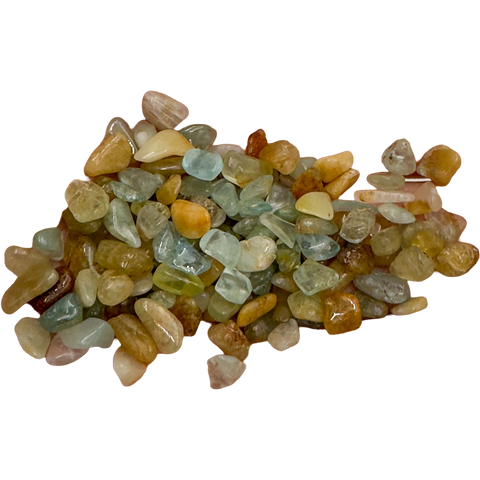
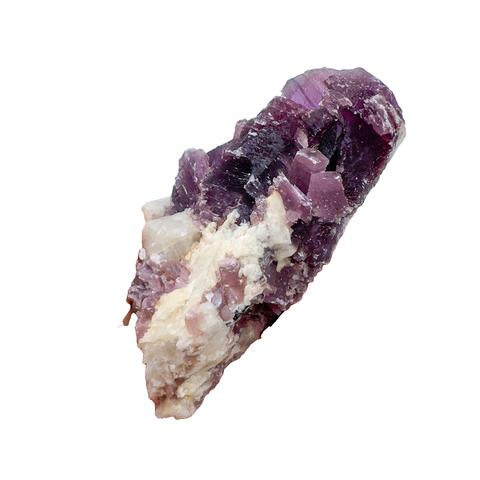
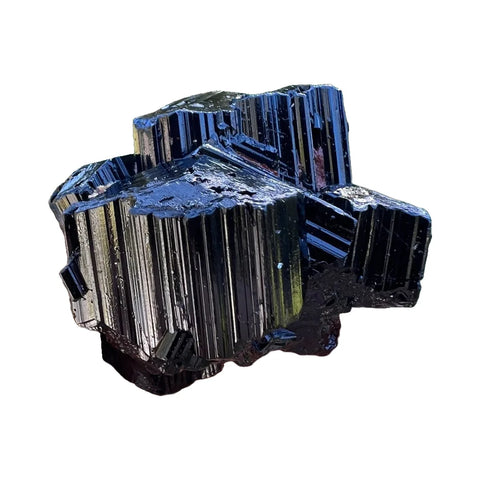
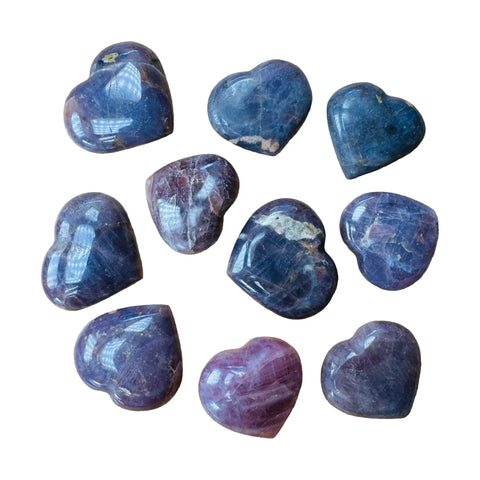
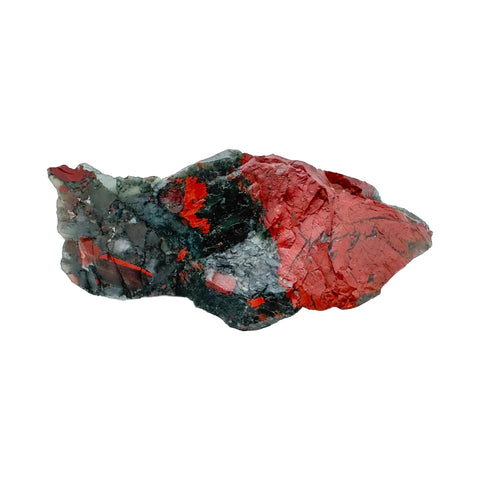
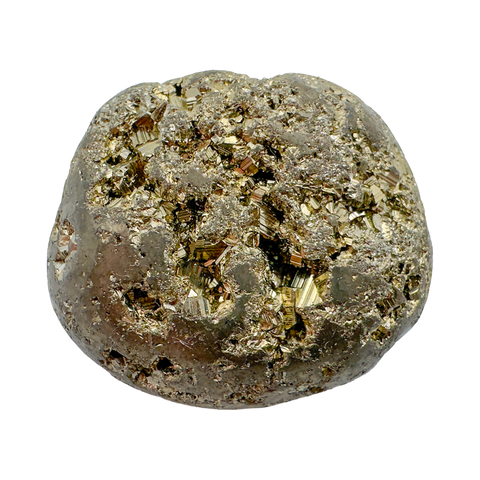
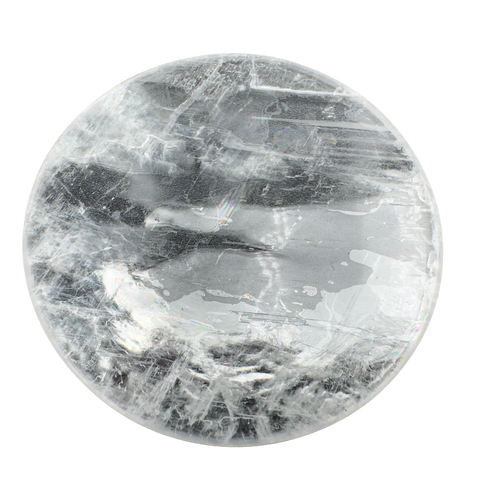
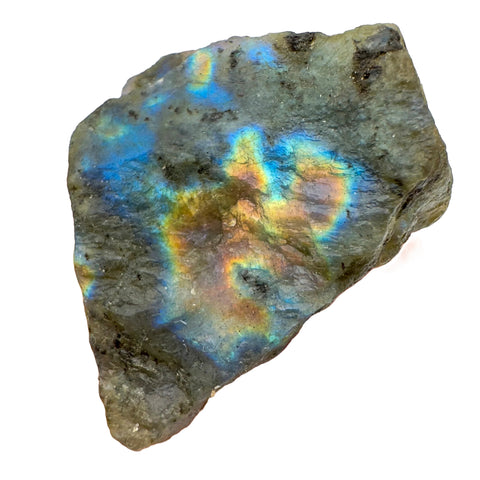
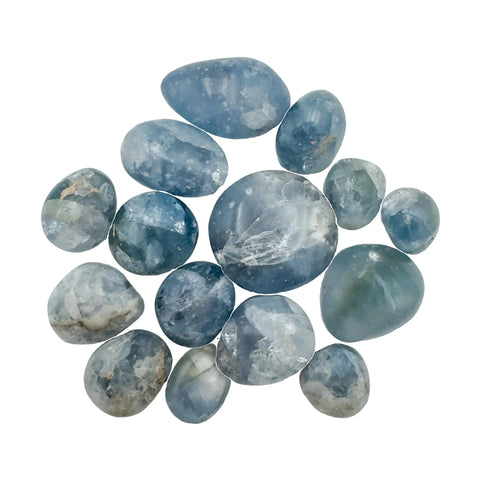
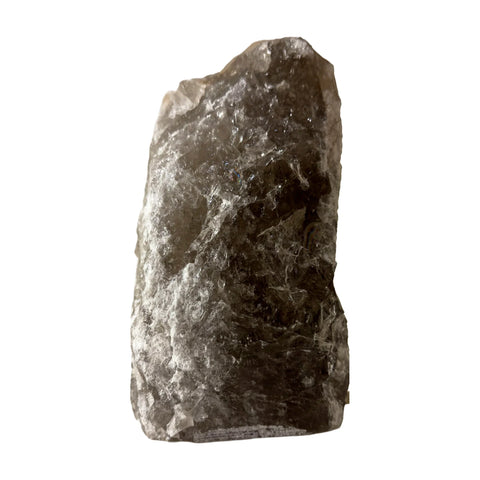
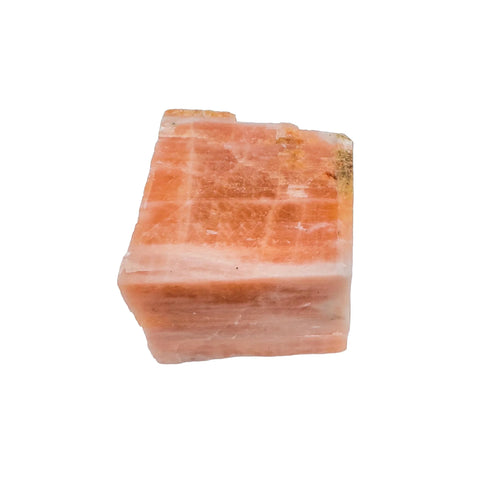
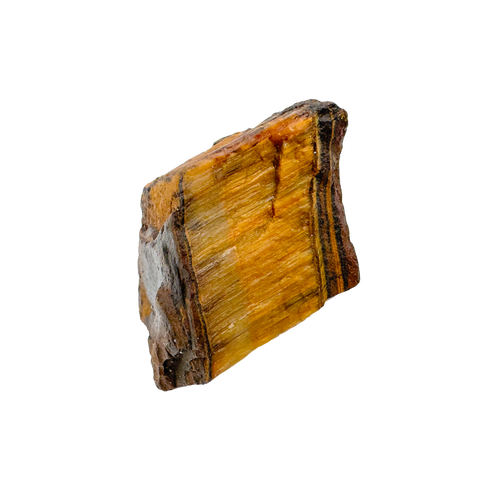
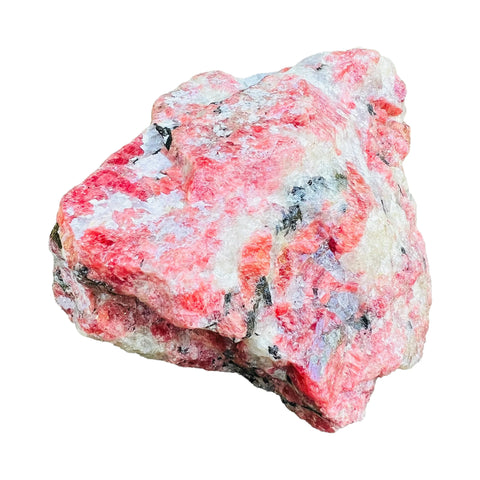
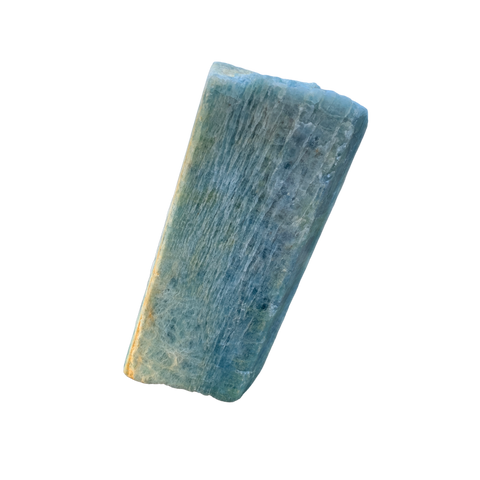
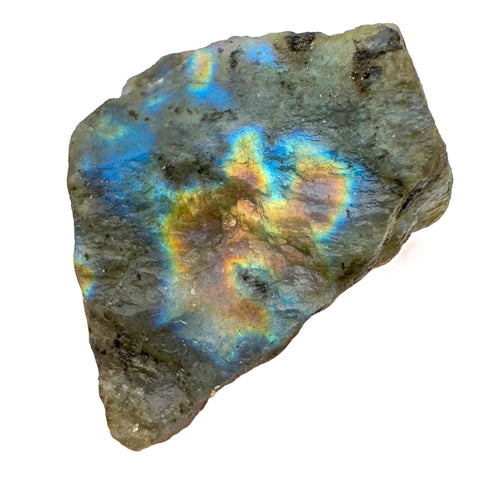
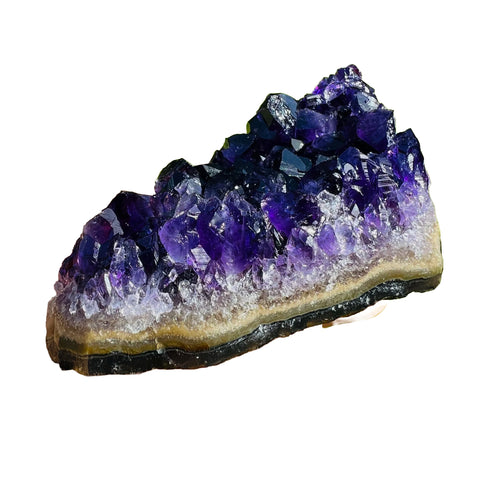



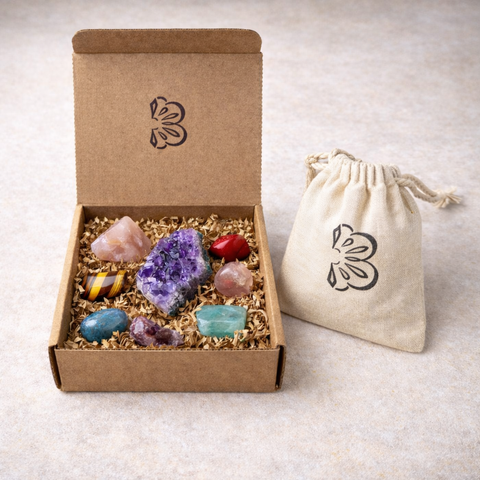
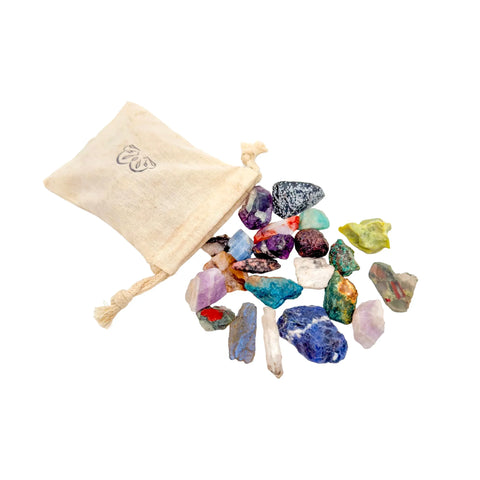
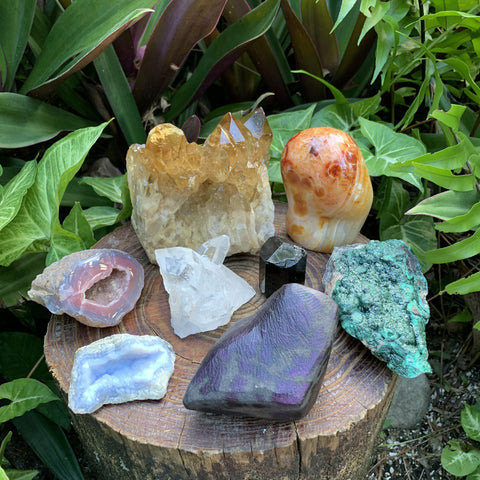
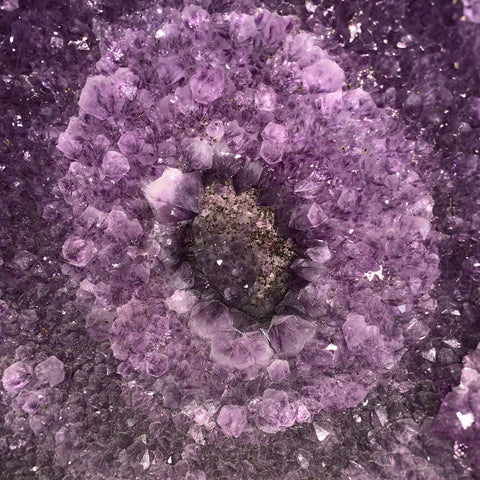
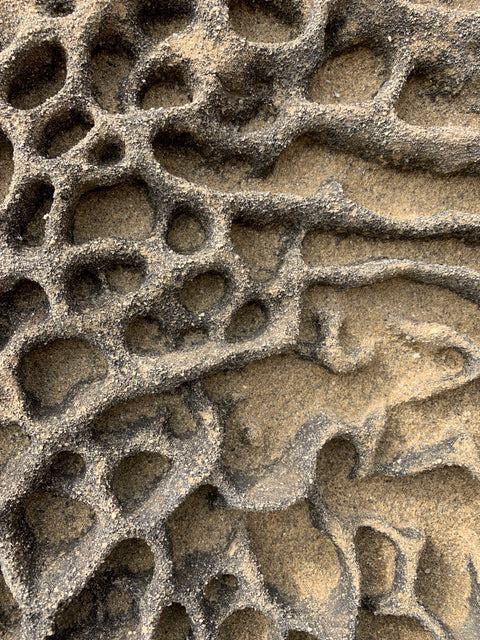
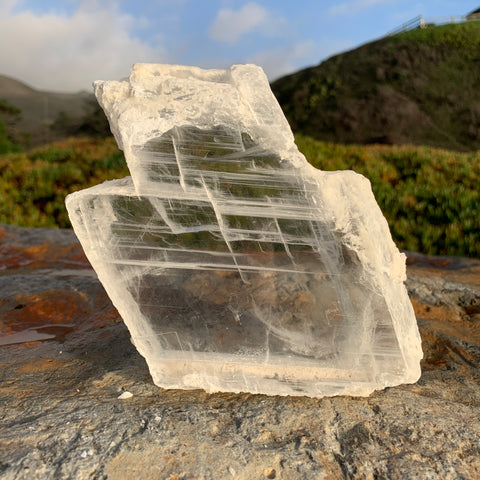
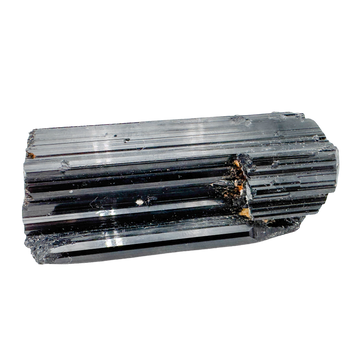
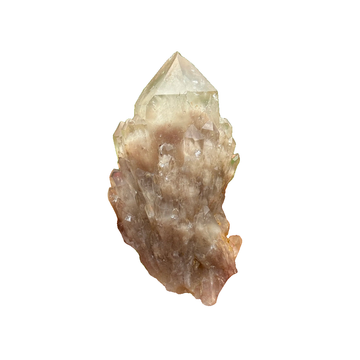
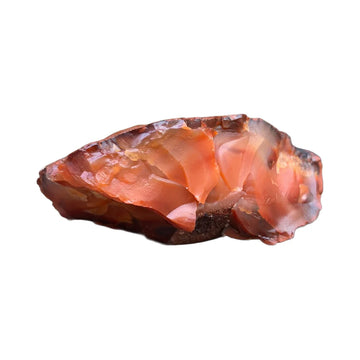
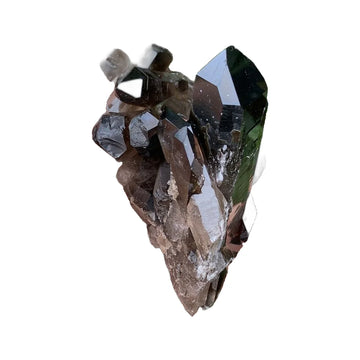
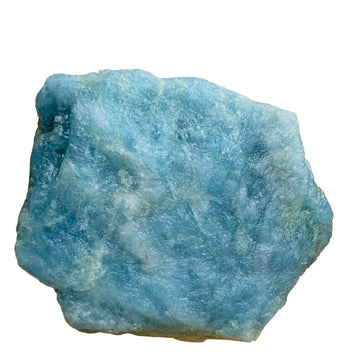
 Raw Stones
180 pieces
Raw Stones
180 pieces
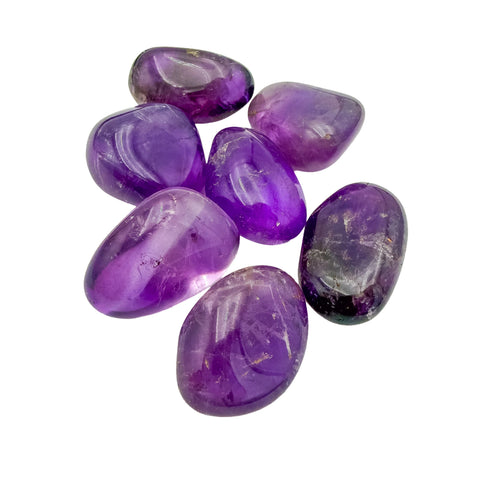
 Tumbled Stones
162 pieces
Tumbled Stones
162 pieces
 Palm Stones
26 pieces
Palm Stones
26 pieces
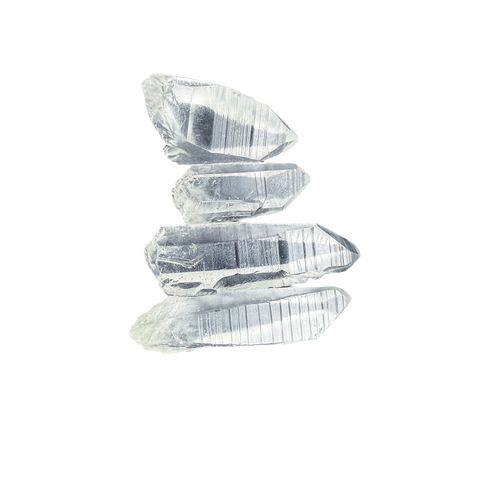
 Crystal Points
23 pieces
Crystal Points
23 pieces
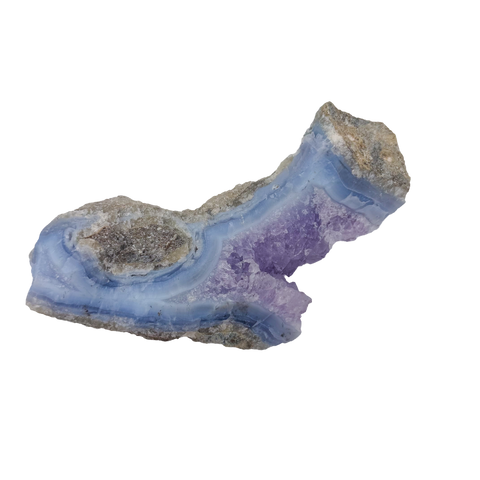
 Clusters & Geodes
112 pieces
Clusters & Geodes
112 pieces
 Polished & Decor
155 pieces
Polished & Decor
155 pieces
 Mineral Specimens
269 collector pieces
Mineral Specimens
269 collector pieces
 Crystal Chips
21 pieces
Browse everything
Every collection, one page.
View All Collections →
Crystal Chips
21 pieces
Browse everything
Every collection, one page.
View All Collections →


 Aries
Mar 21 – Apr 19
Carnelian
›
Aries
Mar 21 – Apr 19
Carnelian
›
 Taurus
Apr 20 – May 20
Rose Quartz
›
Taurus
Apr 20 – May 20
Rose Quartz
›
 Gemini
May 21 – Jun 20
Agate
›
Gemini
May 21 – Jun 20
Agate
›
 Cancer
Jun 21 – Jul 22
Moonstone
›
Cancer
Jun 21 – Jul 22
Moonstone
›
 Leo
Jul 23 – Aug 22
Citrine
›
Leo
Jul 23 – Aug 22
Citrine
›
 Virgo
Aug 23 – Sep 22
Amazonite
›
Virgo
Aug 23 – Sep 22
Amazonite
›
 Libra
Sep 23 – Oct 22
Blue Lace Agate
›
Libra
Sep 23 – Oct 22
Blue Lace Agate
›
 Scorpio
Oct 23 – Nov 21
Obsidian
›
Scorpio
Oct 23 – Nov 21
Obsidian
›
 Sagittarius
Nov 22 – Dec 21
Sodalite
›
Sagittarius
Nov 22 – Dec 21
Sodalite
›
 Capricorn
Dec 22 – Jan 19
Black Tourmaline
›
Capricorn
Dec 22 – Jan 19
Black Tourmaline
›
 Aquarius
Jan 20 – Feb 18
Amethyst
›
Aquarius
Jan 20 – Feb 18
Amethyst
›
 Pisces
Feb 19 – Mar 20
Aquamarine
›
Gifting?
A birthday stone is the safe bet.
Read the zodiac guide →
Pisces
Feb 19 – Mar 20
Aquamarine
›
Gifting?
A birthday stone is the safe bet.
Read the zodiac guide →

Resin Amber (Imitation)
Resin Amber (Imitation) is plastic / polyester imitation, (polyester, phenolic, or epoxy resins). In the hand, it rates 1.5 to 3 on the Mohs scale, and it runs honey yellow and cognac orange. Worthless as amber; genuine Bakelite pieces have antique value.
The geology.
Resin Amber (Imitation) carries the formula (polyester, phenolic, or epoxy resins). It belongs to the amorphous (none) system. Catalogs list it as plastic / polyester imitation.
It sits at 1.5 to 3 on the Mohs scale. The surface reads resinous to plastic. Light behavior is transparent to translucent. Specific gravity runs 1.05 to 1.40. The streak is white. It breaks with conchoidal fracture.
Big, flawless, glowing 'amber' at a tiny price, often with a large, perfectly posed modern beetle or scorpion centered inside, where real fossil inclusions are tiny, rare, and caught mid-struggle.
It reaches buyers as large beads, blocks with embedded insects, pendants or prayer beads.
The origins.
Factory product worldwide; antique 'cherry amber' bangles and beads are usually 1920s to 40s Bakelite.
On value, the database notes: worthless as amber; genuine Bakelite pieces have antique value.
Traditional associations.
In energy work traditions, plastic imitations are regarded as empty stand-ins for amber's ancient warming reputation.
We keep this section because people ask. It sits below the geology on purpose, and none of it describes something the stone does.
Spotting the real thing.
Big, flawless, glowing 'amber' at a tiny price, often with a large, perfectly posed modern beetle or scorpion centered inside, where real fossil inclusions are tiny, rare, and caught mid-struggle.
This IS the fake: oversized insect inclusions, bargain prices on big flawless beads, and chemical hot-needle smell all scream resin, the saltwater float test settles it in a minute.
| Looks like | How to tell them apart |
|---|---|
| Baltic amber | Real amber floats in saturated salt water, smells of pine under a hot needle, and fluoresces milky blue under UV |
| Copal | Copal is genuine young resin, sticky under acetone, but natural; plastics shrug acetone off and smell acrid when hot |
| Pressed amber | Pressed amber is real amber fused from chips, flow lines and flattened bubbles, but it passes the float test |
At-home tests.
Before anyone talks you into a lab report, these are the checks worth doing yourself on resin amber (imitation).
| Test | What you should see |
|---|---|
| Saturated saltwater float | amber floats, most plastics and polyester sink |
| Hot needle (hidden spot) | pine resin scent = amber; sharp chemical smell = plastic |
| UV | Baltic amber glows soft blue-white; polyester stays dull |
| Loupe the insect | large, perfect, centered specimens are staged |
Anything that scratches, burns or dissolves the piece is a lab job. Get it appraised rather than testing it apart.
Care & handling.
At 1.5 to 3 on the Mohs scale this is a soft material. Keep it as a display piece, store it apart from harder stones, and skip daily-wear settings.
It breaks with conchoidal fracture, which is worth knowing before you set it or drop it.
Warm water and a soft cloth clean almost everything. Ultrasonic tanks, steamers and household cleaners are where pieces get ruined.
A deeper look.
Extended detail on composition, sourcing, authentication and market value.
The physical record
The formula on record is (polyester, phenolic, or epoxy resins). Crystal system: Amorphous (none). Specific gravity: 1.05 to 1.40. Streak: White. Cleavage and fracture: Conchoidal fracture.
How it reaches the market
Factory product worldwide; antique 'cherry amber' bangles and beads are usually 1920s to 40s Bakelite.
What it gets confused with
Baltic amber: Real amber floats in saturated salt water, smells of pine under a hot needle, and fluoresces milky blue under UV. Copal: Copal is genuine young resin, sticky under acetone, but natural; plastics shrug acetone off and smell acrid when hot. Pressed amber: Pressed amber is real amber fused from chips, flow lines and flattened bubbles, but it passes the float test.
What it is worth
Worthless as amber; genuine Bakelite pieces have antique value.
Where buyers get caught
This IS the fake: oversized insect inclusions, bargain prices on big flawless beads, and chemical hot-needle smell all scream resin, the saltwater float test settles it in a minute.
One more thing
Vintage Bakelite 'cherry amber' is now so collectible that the fake outprices cheap real amber, test swabs (Simichrome turning yellow) are the antique trade's standard check.
An education-first guide.
No product links here. We do not sell resin amber (imitation), and a guide that only covers our own shelves would not be much of a guide.
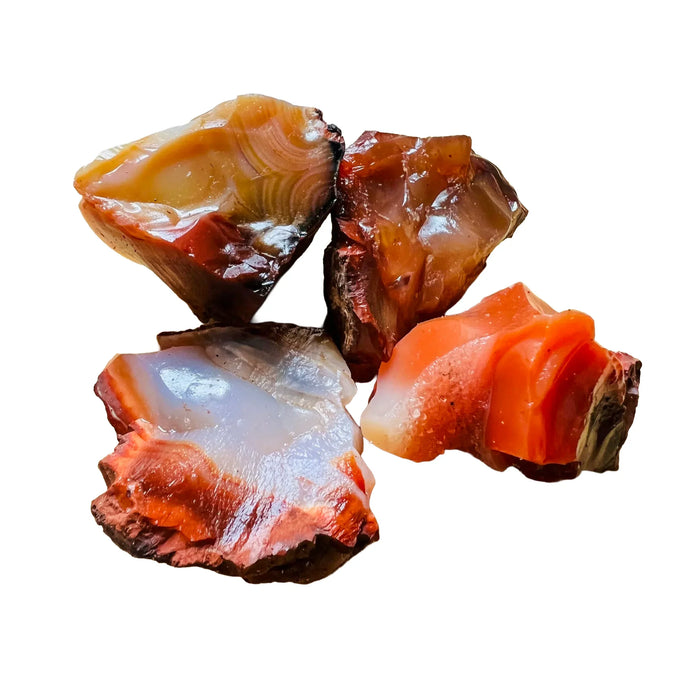
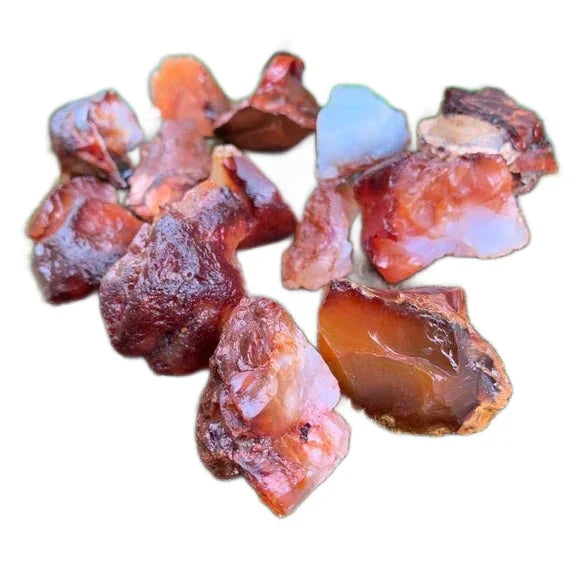
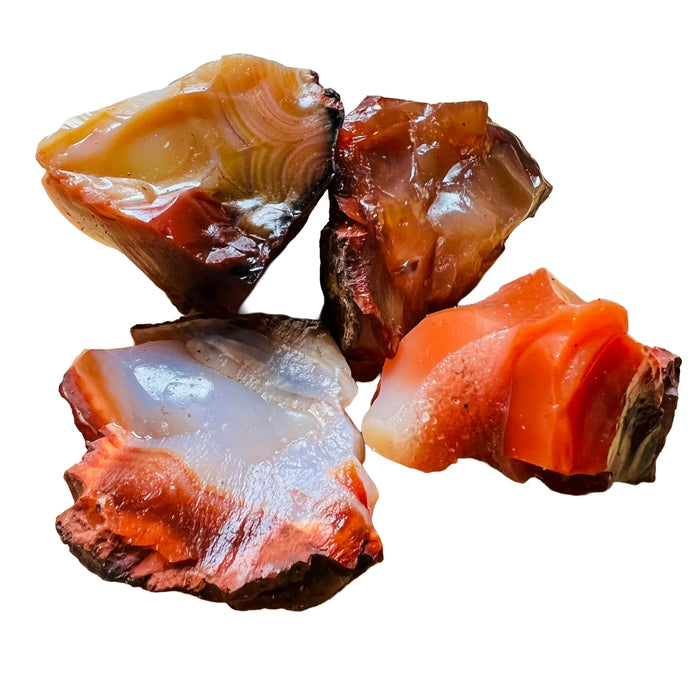
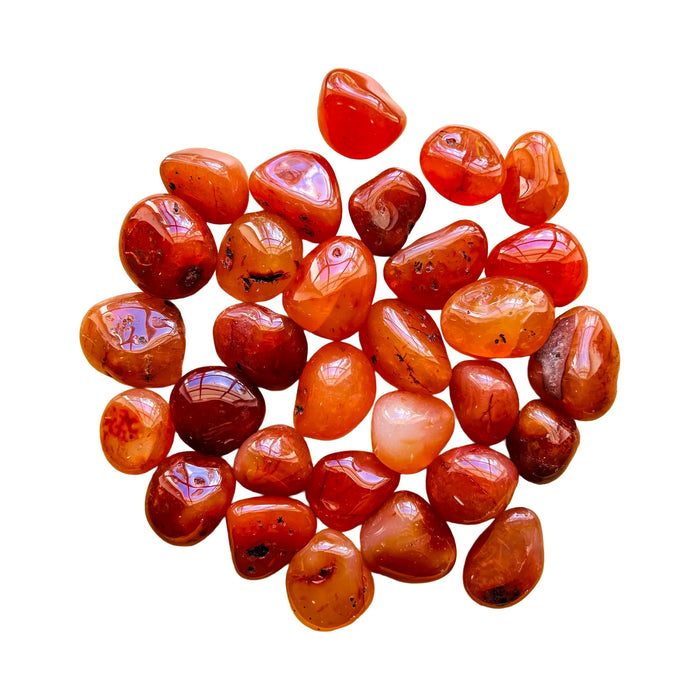
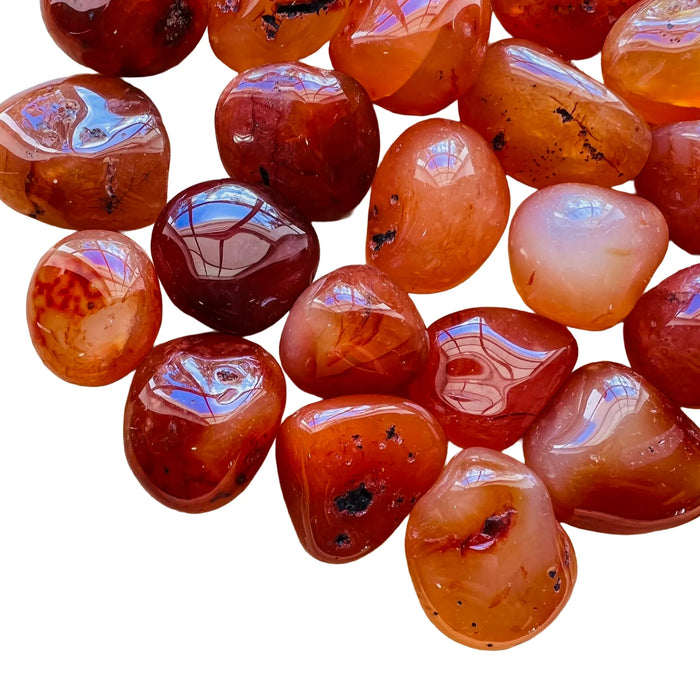
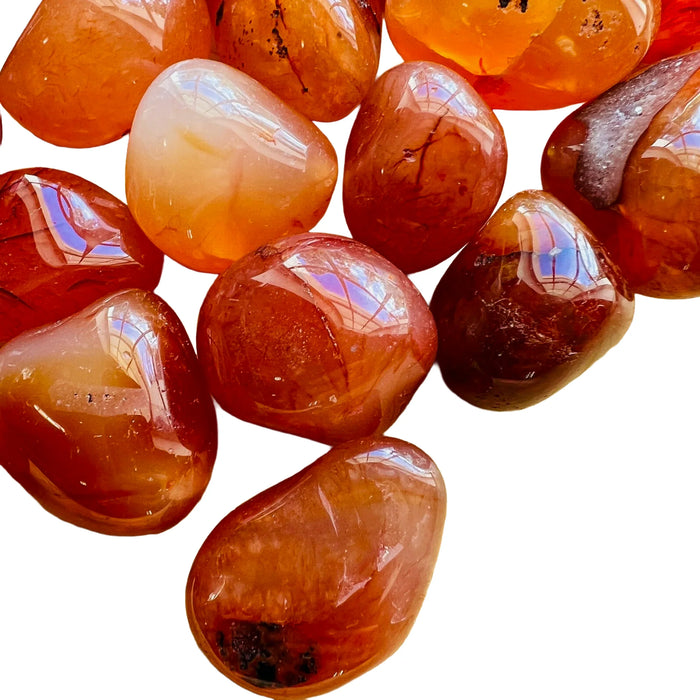
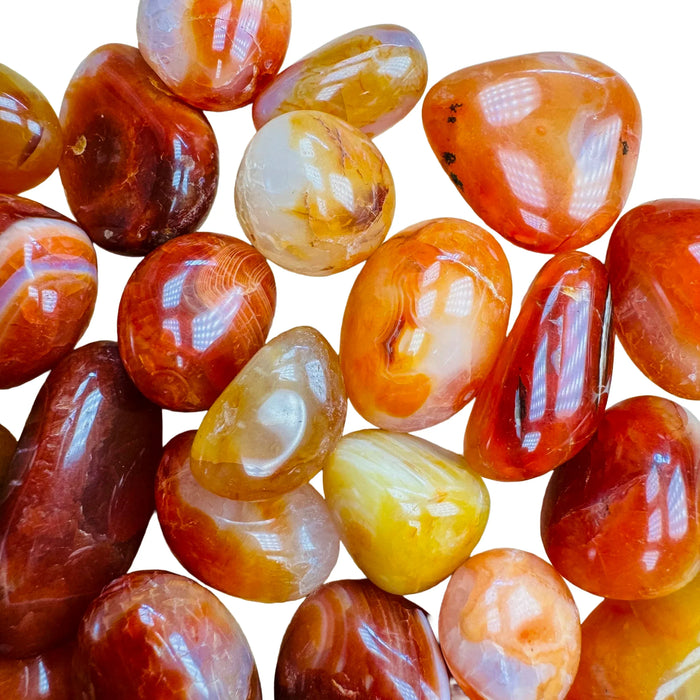
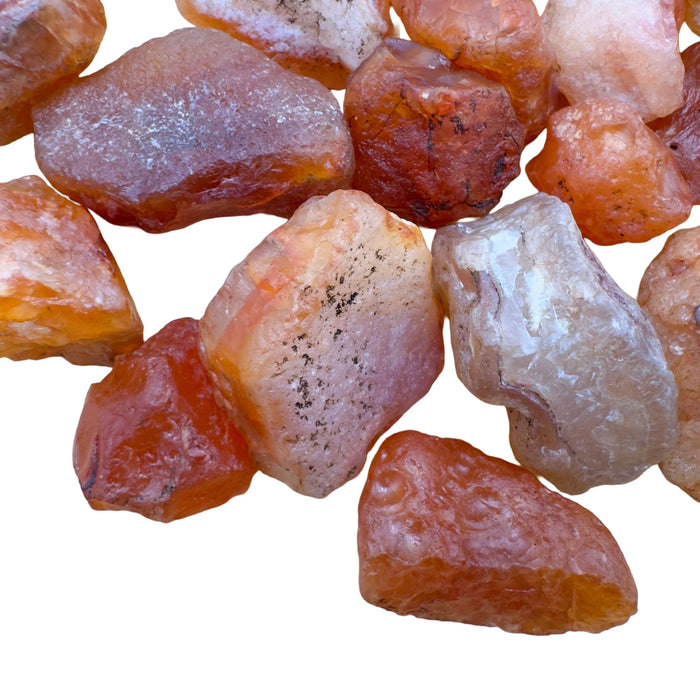
Explore the Crystal GuideThe closest match we carry: Carnelian.
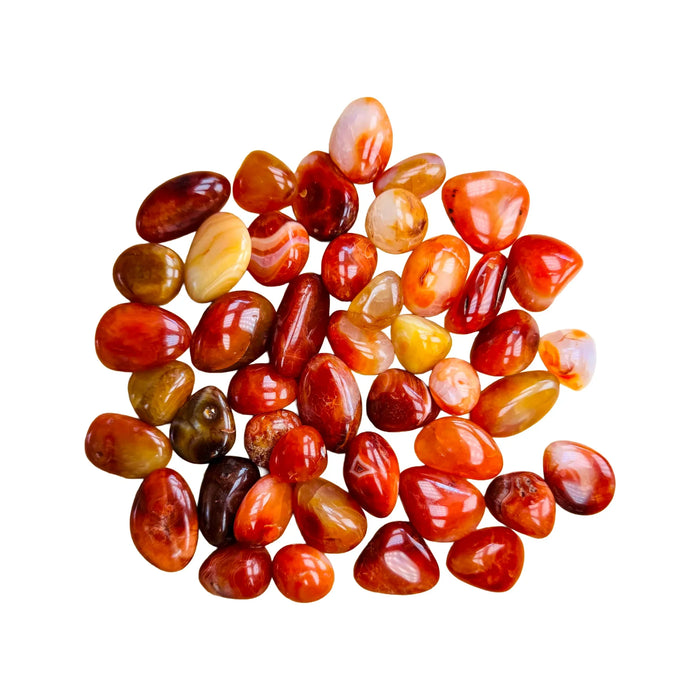
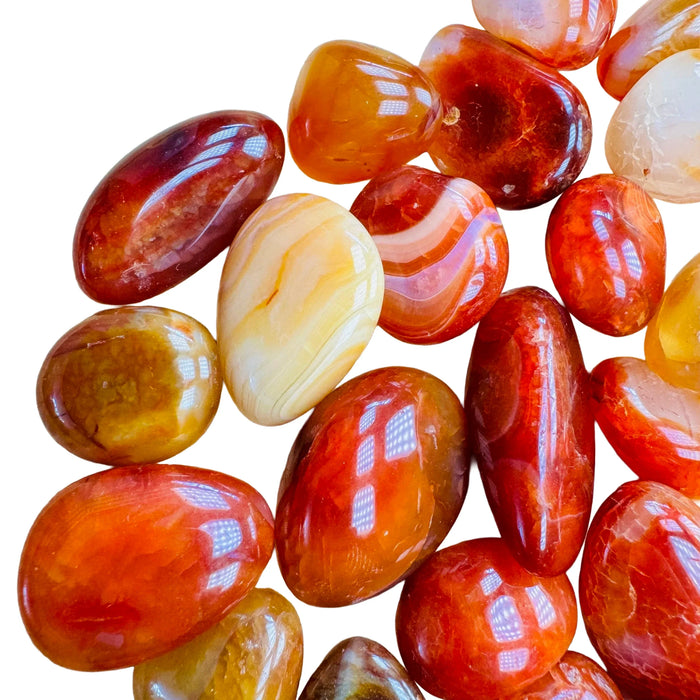
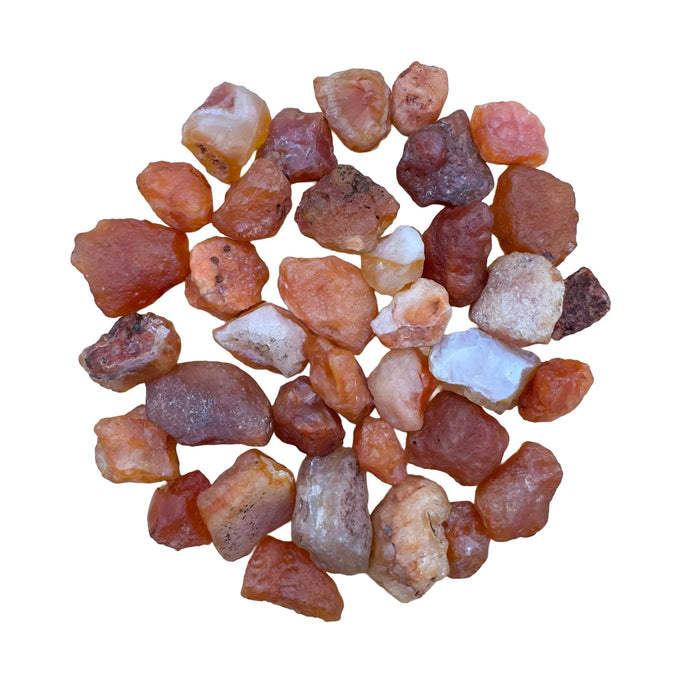
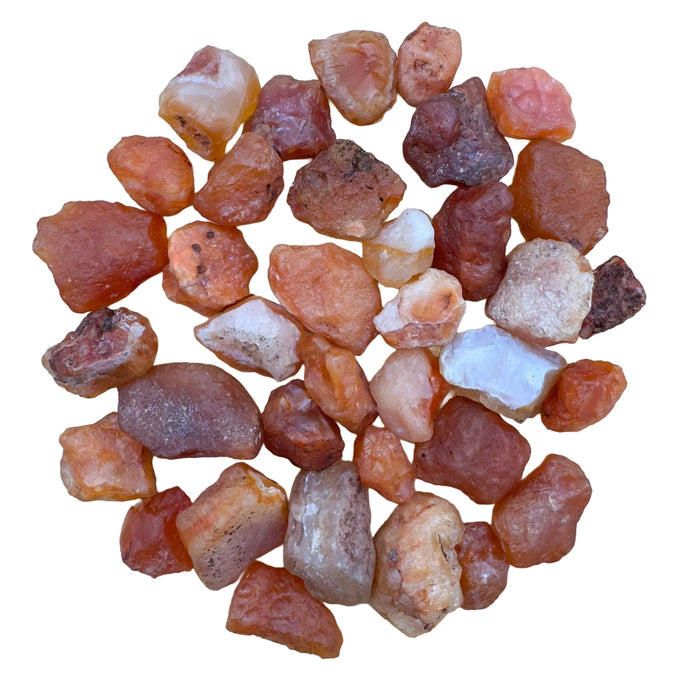
Resin Amber is not something we carry. Carnelian is the closest match in our collection, and every piece passes our sourcing standards: origin named, treatments disclosed.
- 4.9 out of 5from 1,000+ reviews
- Ships within 72 hoursMonday to Friday, tracked
- 90 days to return itif you do not love it
- Free US shipping over $99$8.99 flat rate under