


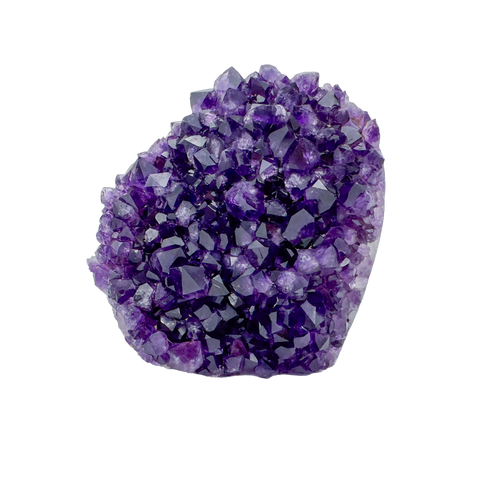
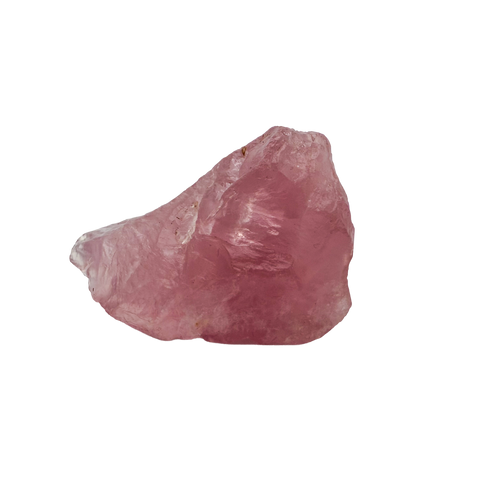
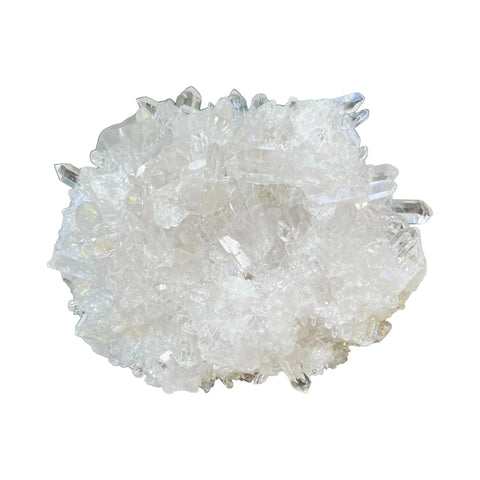
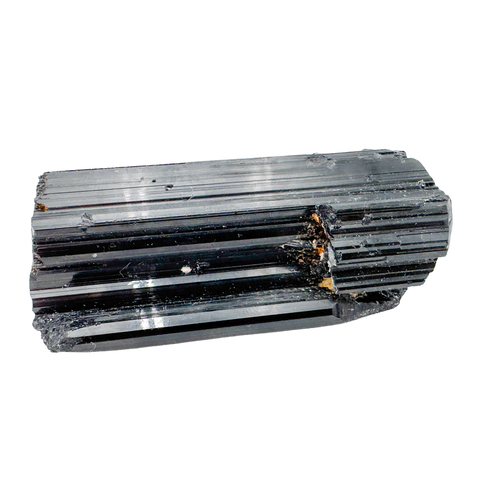
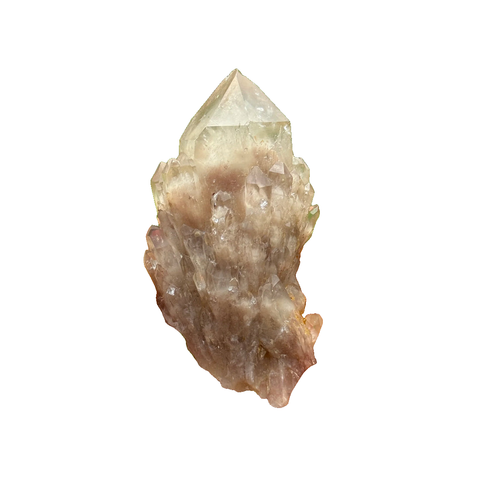
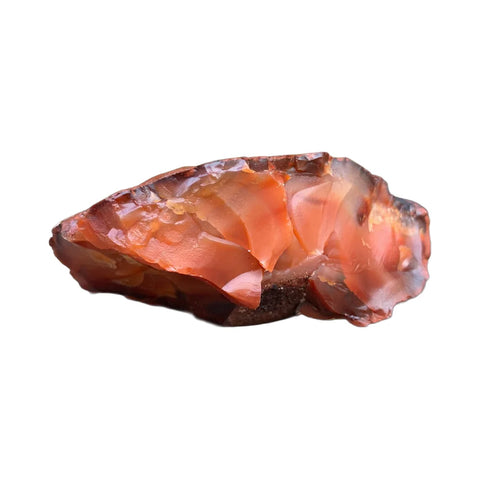
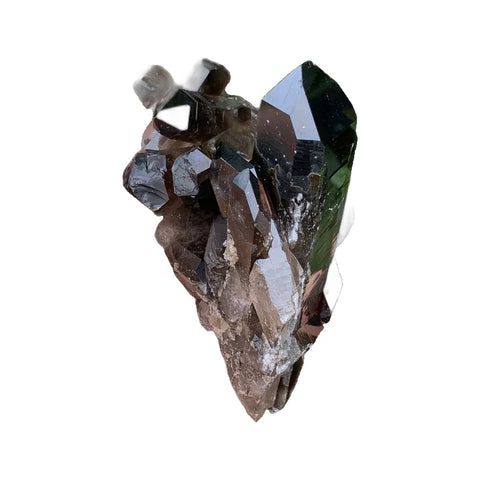
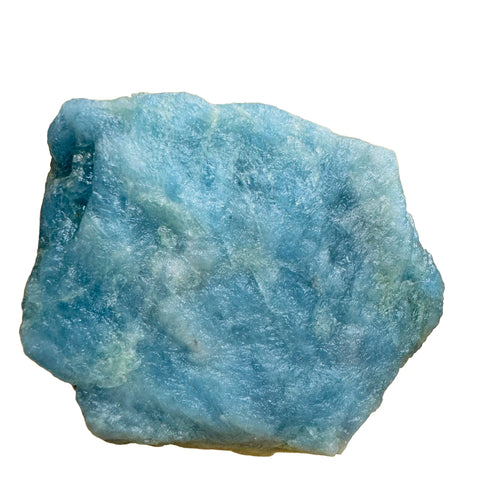
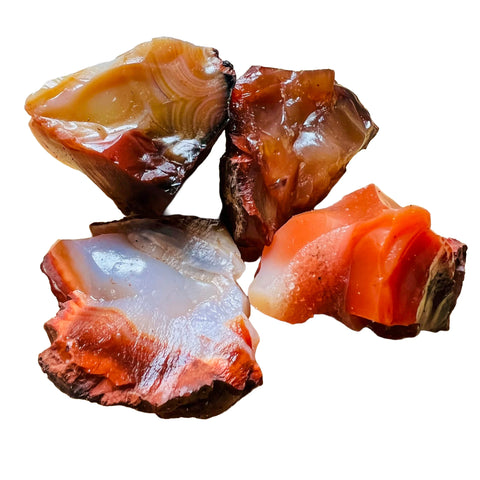


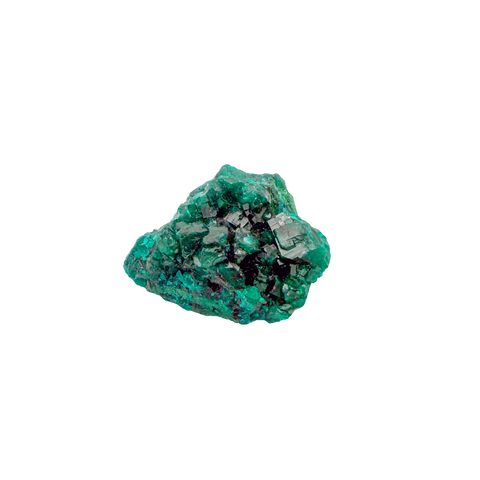
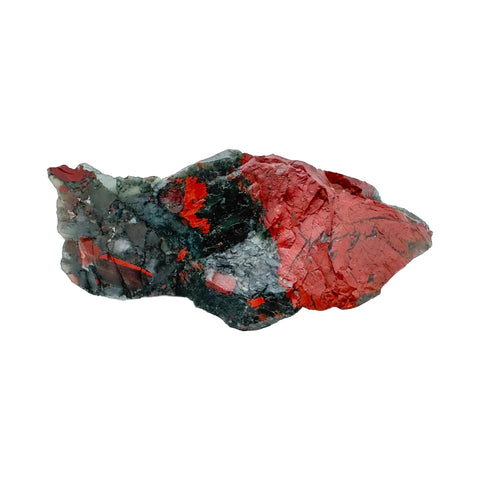
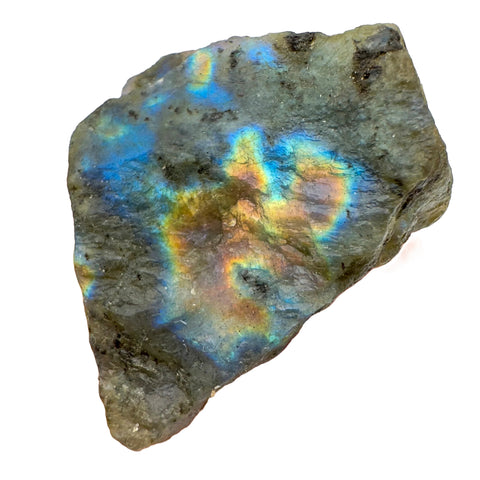
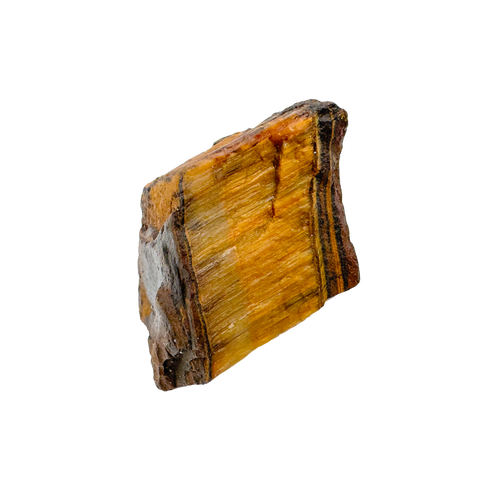
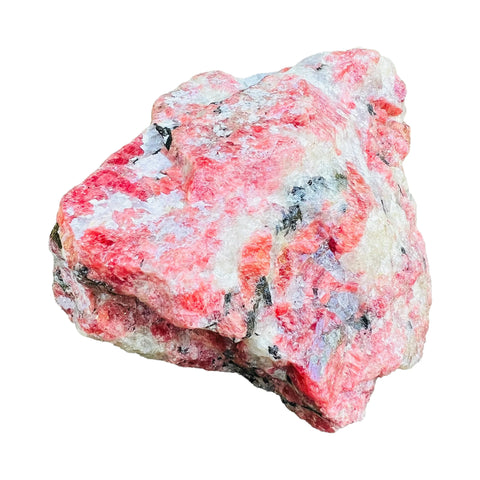
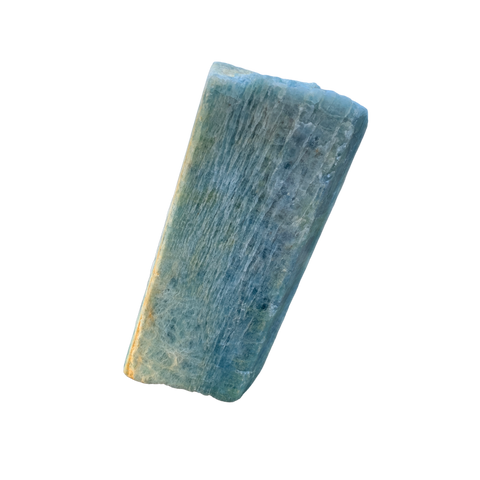
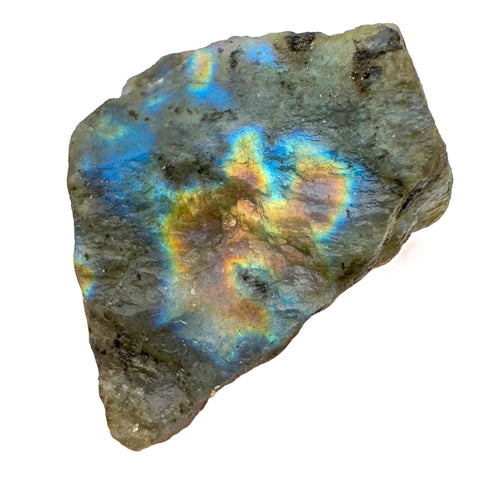



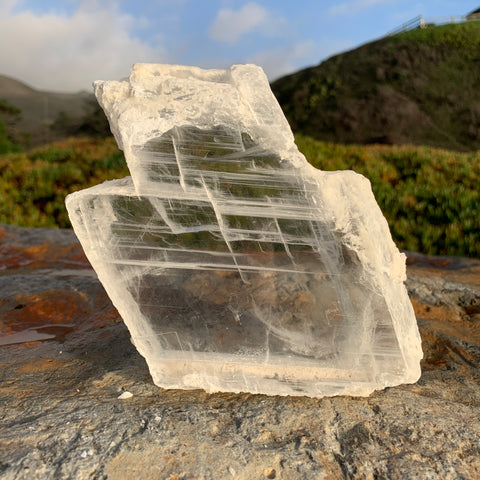
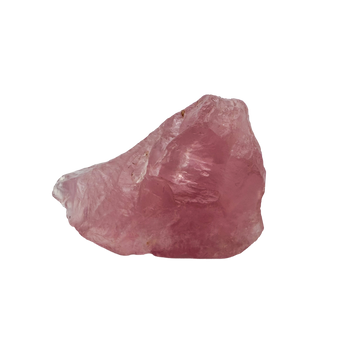
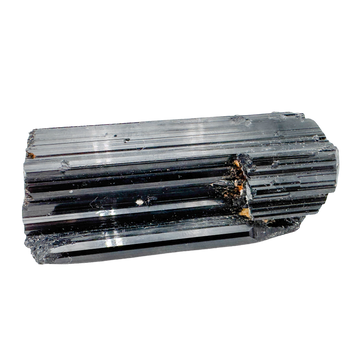
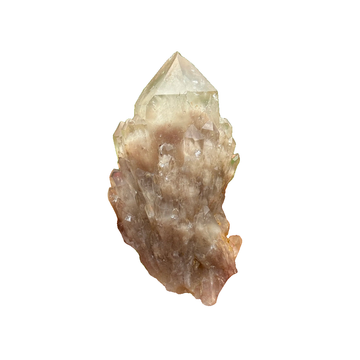
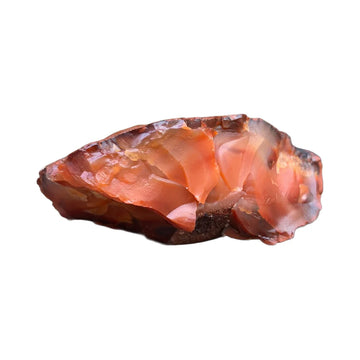
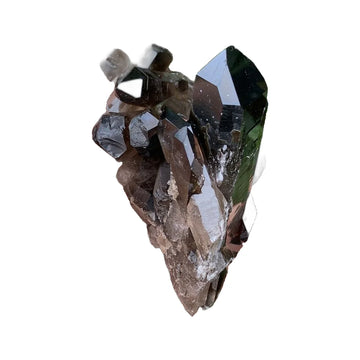
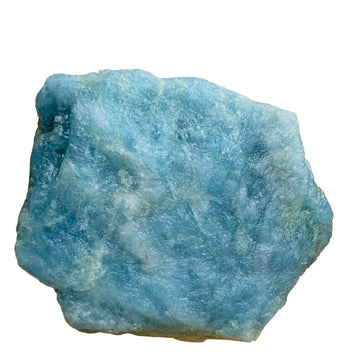
 Raw Stones
179 pieces
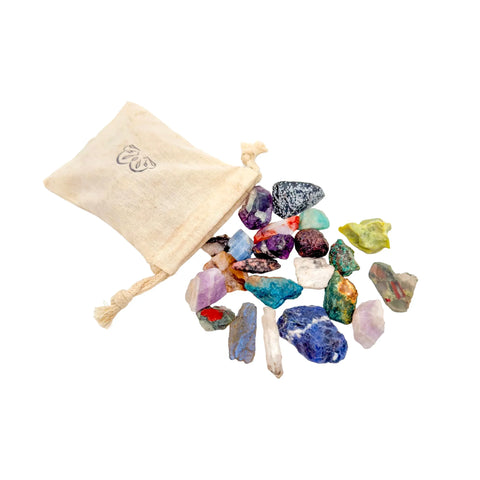
Raw Stones
179 pieces
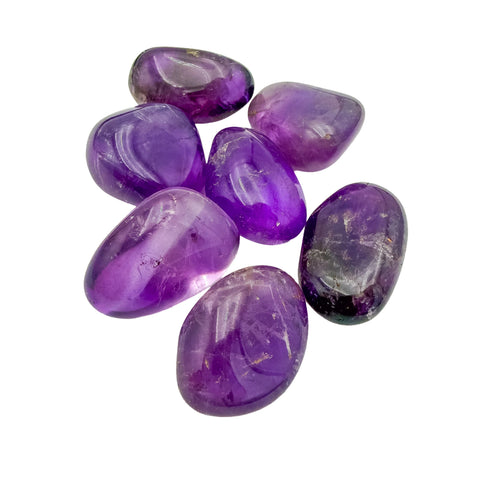
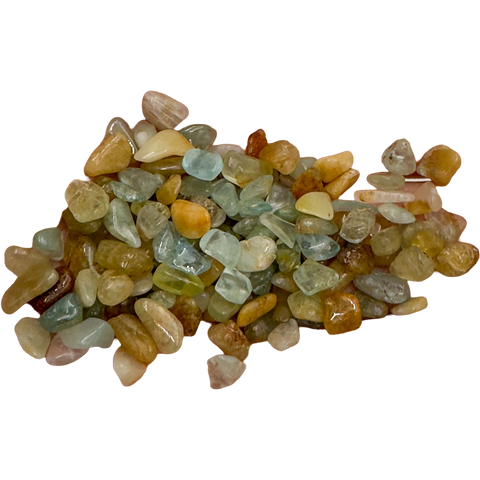
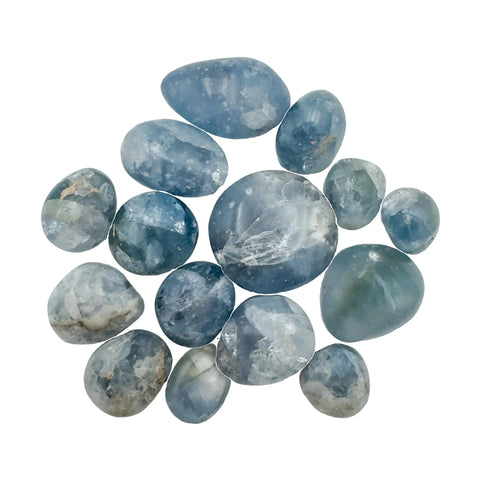
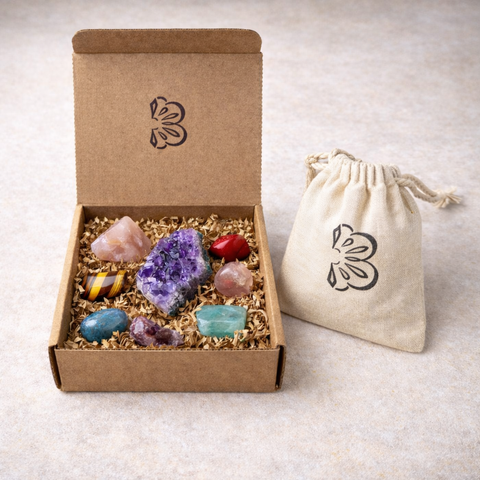
 Tumbled Stones
162 pieces
Tumbled Stones
162 pieces
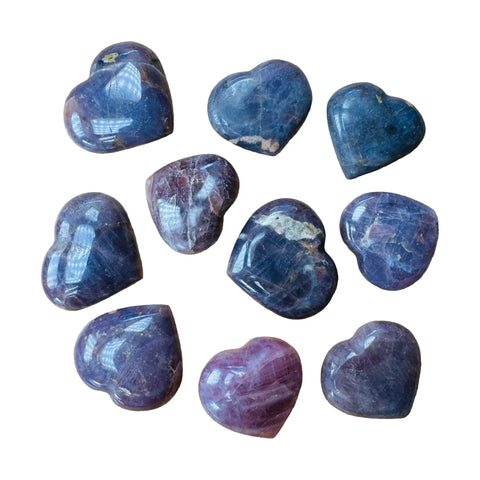
 Palm Stones
25 pieces
Palm Stones
25 pieces
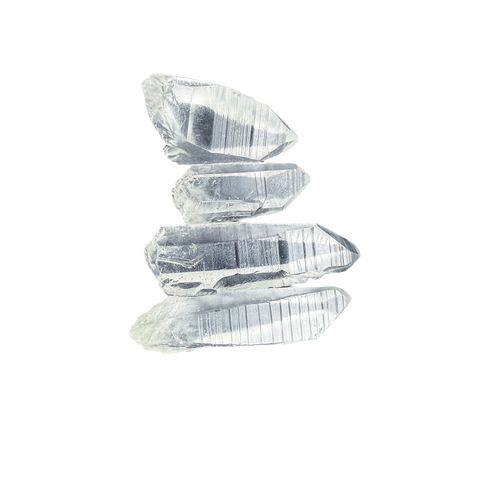
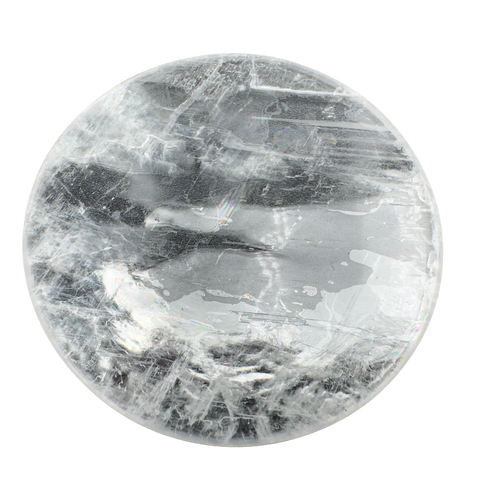
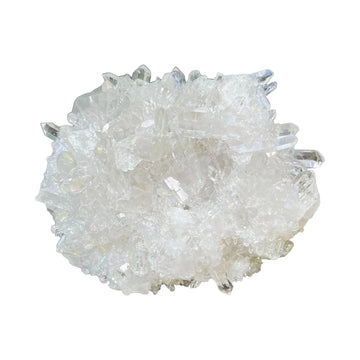
 Crystal Points
23 pieces
Crystal Points
23 pieces
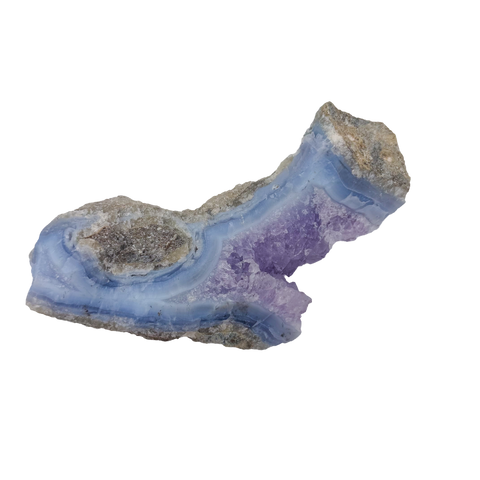
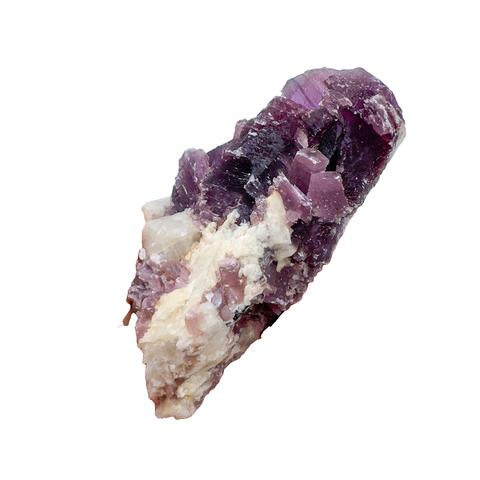
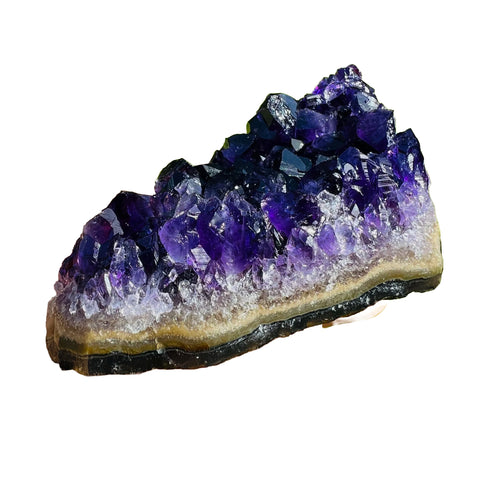
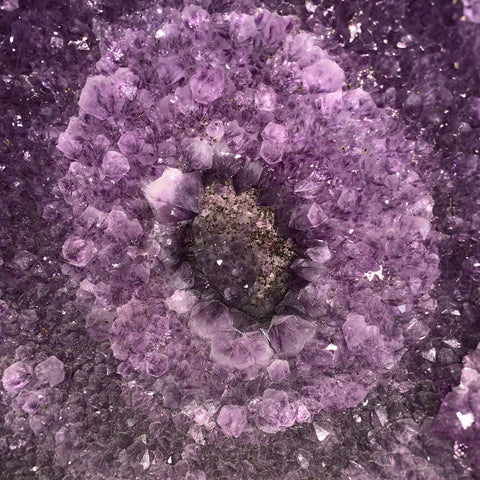
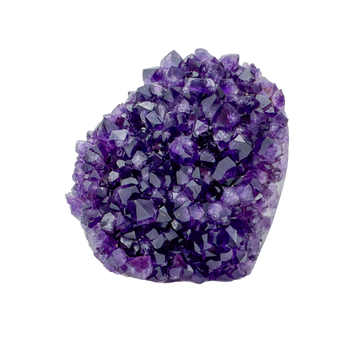
 Clusters & Geodes
104 pieces
Clusters & Geodes
104 pieces
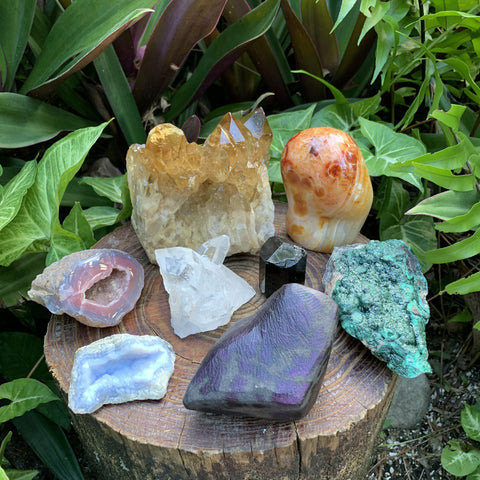
 Polished & Decor
148 pieces
Polished & Decor
148 pieces
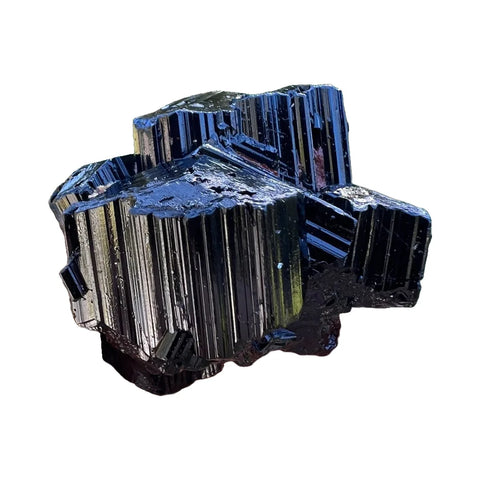
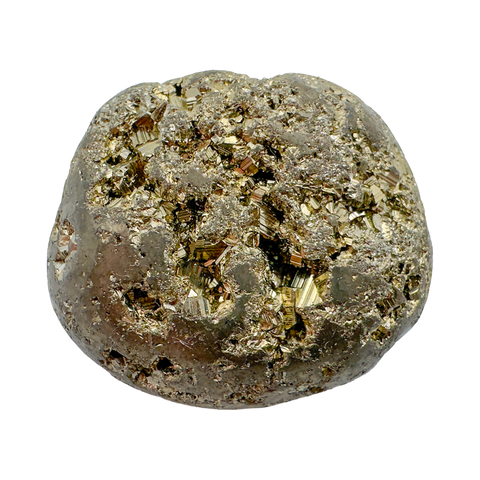
 Mineral Specimens
259 collector pieces
Mineral Specimens
259 collector pieces
 Crystal Chips
21 pieces
Browse everything
Every collection, one page.
View All Collections →
Crystal Chips
21 pieces
Browse everything
Every collection, one page.
View All Collections →


 Aries
Mar 21 – Apr 19
Carnelian
›
Aries
Mar 21 – Apr 19
Carnelian
›
 Taurus
Apr 20 – May 20
Rose Quartz
›
Taurus
Apr 20 – May 20
Rose Quartz
›
 Gemini
May 21 – Jun 20
Agate
›
Gemini
May 21 – Jun 20
Agate
›
 Cancer
Jun 21 – Jul 22
Moonstone
›
Cancer
Jun 21 – Jul 22
Moonstone
›
 Leo
Jul 23 – Aug 22
Citrine
›
Leo
Jul 23 – Aug 22
Citrine
›
 Virgo
Aug 23 – Sep 22
Amazonite
›
Virgo
Aug 23 – Sep 22
Amazonite
›
 Libra
Sep 23 – Oct 22
Blue Lace Agate
›
Libra
Sep 23 – Oct 22
Blue Lace Agate
›
 Scorpio
Oct 23 – Nov 21
Obsidian
›
Scorpio
Oct 23 – Nov 21
Obsidian
›
 Sagittarius
Nov 22 – Dec 21
Sodalite
›
Sagittarius
Nov 22 – Dec 21
Sodalite
›
 Capricorn
Dec 22 – Jan 19
Black Tourmaline
›
Capricorn
Dec 22 – Jan 19
Black Tourmaline
›
 Aquarius
Jan 20 – Feb 18
Amethyst
›
Aquarius
Jan 20 – Feb 18
Amethyst
›
 Pisces
Feb 19 – Mar 20
Aquamarine
›
Gifting?
A birthday stone is the safe bet.
Read the zodiac guide →
Pisces
Feb 19 – Mar 20
Aquamarine
›
Gifting?
A birthday stone is the safe bet.
Read the zodiac guide →

Trilobite Fossil
Trilobite Fossil is fossilized arthropod. In the hand, it rates 3 to 4 (matrix dependent) on the Mohs scale, and it runs chocolate brown on gray shale and black on tan limestone. Common Elrathia a few dollars; rare prepared species fetch thousands.
The geology.
Trilobite Fossil carries the formula CaCO3/calcite shell, often in shale or limestone. It belongs to the none (fossil) system. Its listing category is fossilized arthropod.
It sits at 3 to 4 (matrix dependent) on the Mohs scale. The surface reads dull; shell can be subvitreous. Light behavior is opaque. Specific gravity runs 2.5 to 2.8. The streak is white to gray. It breaks with splits along shale bedding; uneven fracture.
A three-lobed oval armored body with a head shield, segmented thorax, and tail, like a stone pill bug; genuine specimens show fine segment detail and matching part/counterpart impressions in split rock.
It turns up mostly as whole specimens on matrix, enrolled 'rolled-up' balls, pendants (Elrathia) or prepared display pieces.
The origins.
Cambrian-to-Permian marine rocks, Wheeler Shale (Utah) Elrathia by the thousand, Moroccan Devonian beds, New York, Oklahoma, Russia.
On value, the database notes: common Elrathia a few dollars; rare prepared species fetch thousands.
Traditional associations.
In energy work traditions, trilobites are touchstones of adaptation and ancient resilience across half a billion years.
This is lore, and we label it as lore. The measurable facts are further up the page.
Spotting the real thing.
A three-lobed oval armored body with a head shield, segmented thorax, and tail, like a stone pill bug; genuine specimens show fine segment detail and matching part/counterpart impressions in split rock.
Morocco's fake-trilobite industry is legendary: resin casts, composites of real parts on carved matrix, and 'enhanced' carving, spectacular cheap specimens of rare species deserve hard scrutiny.
| Looks like | How to tell them apart |
|---|---|
| Resin/composite fakes (Morocco) | Cast fakes show air bubbles, repeating identical 'specimens', carved-looking matrix, and shells that look painted on |
| Horseshoe crab molts (modern) | Modern, flexible, and smelling of the sea, not stone |
| Concretion shapes | Concretions lack segmentation and bilateral symmetry |
At-home tests.
A loupe and a window seat settle most questions about trilobite fossil. No workshop required.
| Test | What you should see |
|---|---|
| Loupe | real shell shows micro-detail (eye facets!) and continues into matrix naturally |
| Look for bubbles | Bubbles, seams, or identical twins on a dealer's table = casts |
| Under UV | UV light often reveals resin repairs glowing differently |
Stop short of anything that leaves a mark. A gemologist can answer the rest without damaging the stone.
Care & handling.
At 3 to 4 (matrix dependent) on the Mohs scale this is a soft material. Keep it as a display piece, store it apart from harder stones, and skip daily-wear settings.
It breaks with splits along shale bedding; uneven fracture, which is worth knowing before you set it or drop it.
Skip the ultrasonic. Lukewarm water, mild soap and a soft cloth handle routine cleaning without risk.
A deeper look.
Extended detail on composition, sourcing, authentication and market value.
The physical record
The formula on record is CaCO3/calcite shell, often in shale or limestone. Crystal system: None (fossil). Specific gravity: 2.5 to 2.8. Streak: White to gray. Cleavage and fracture: Splits along shale bedding; uneven fracture.
How it reaches the market
Cambrian-to-Permian marine rocks, Wheeler Shale (Utah) Elrathia by the thousand, Moroccan Devonian beds, New York, Oklahoma, Russia.
What it gets confused with
Resin/composite fakes (Morocco): Cast fakes show air bubbles, repeating identical 'specimens', carved-looking matrix, and shells that look painted on. Horseshoe crab molts (modern): Modern, flexible, and smelling of the sea, not stone. Concretion shapes: Concretions lack segmentation and bilateral symmetry.
What it is worth
Common Elrathia a few dollars; rare prepared species fetch thousands.
Where buyers get caught
Morocco's fake-trilobite industry is legendary: resin casts, composites of real parts on carved matrix, and 'enhanced' carving, spectacular cheap specimens of rare species deserve hard scrutiny.
One more thing
Trilobites evolved the first sophisticated eyes, lenses of clear crystalline calcite, meaning some trilobites literally looked through gemstone, and Utah's Ute people wore Elrathia amulets they called 'little water bugs in stone houses'.
An education-first guide.
We do not carry trilobite fossil. This page exists because the question comes up and the honest answer is worth writing down, whether or not there is anything here to sell you.
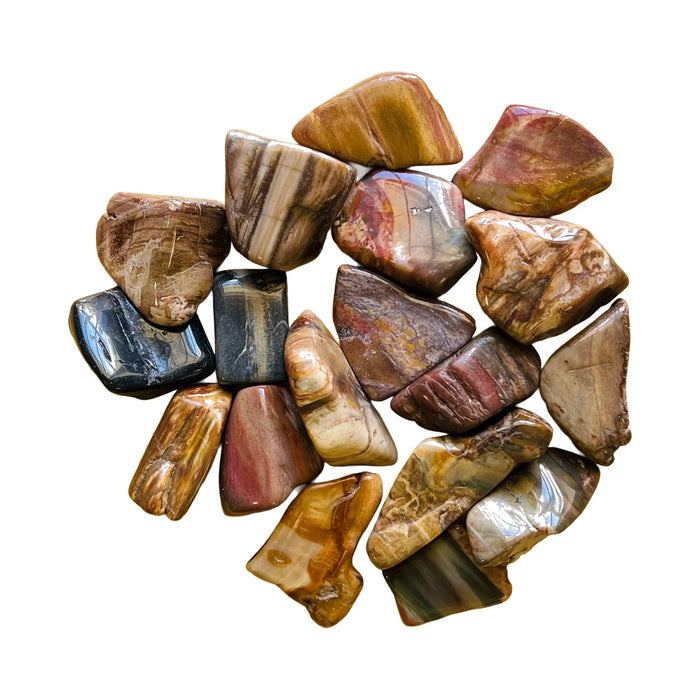
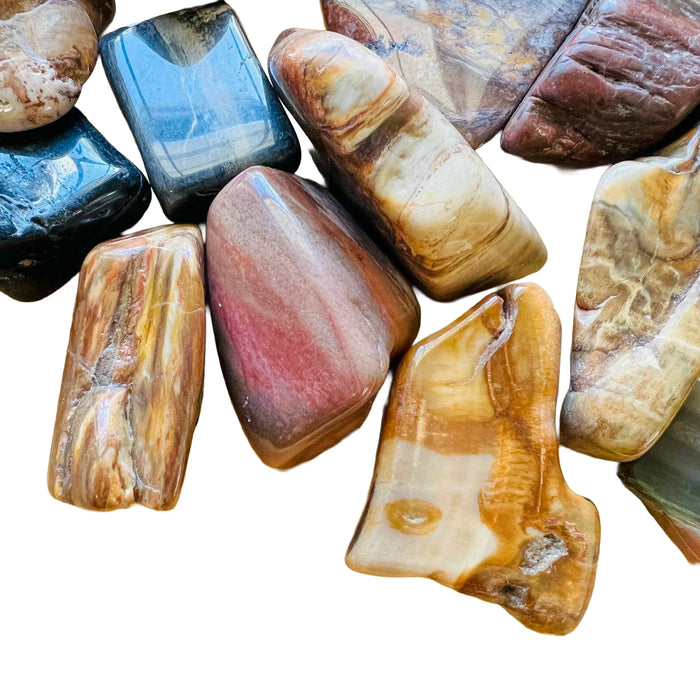
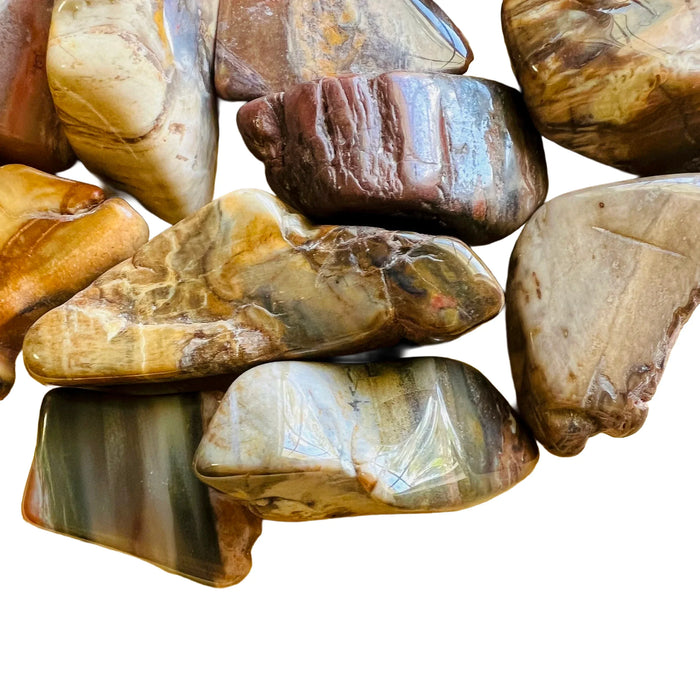
Explore the Crystal GuideThe closest match we carry: Petrified Wood.
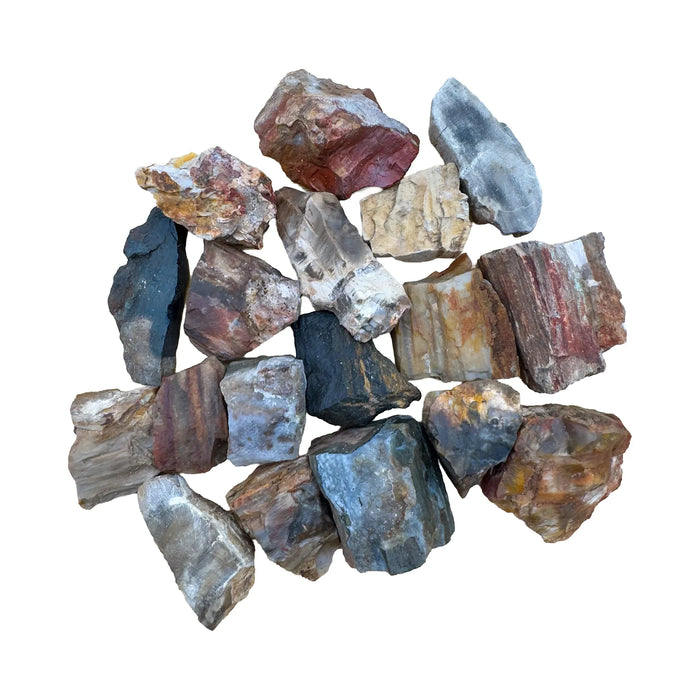
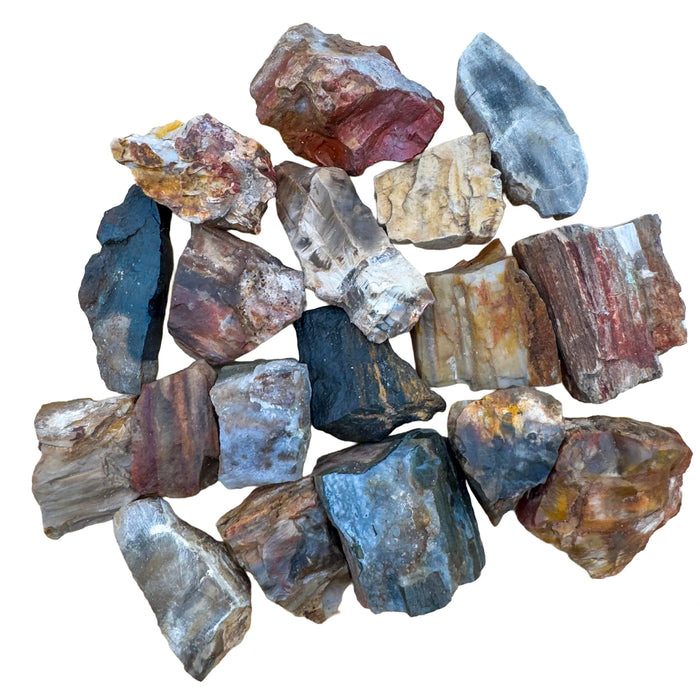
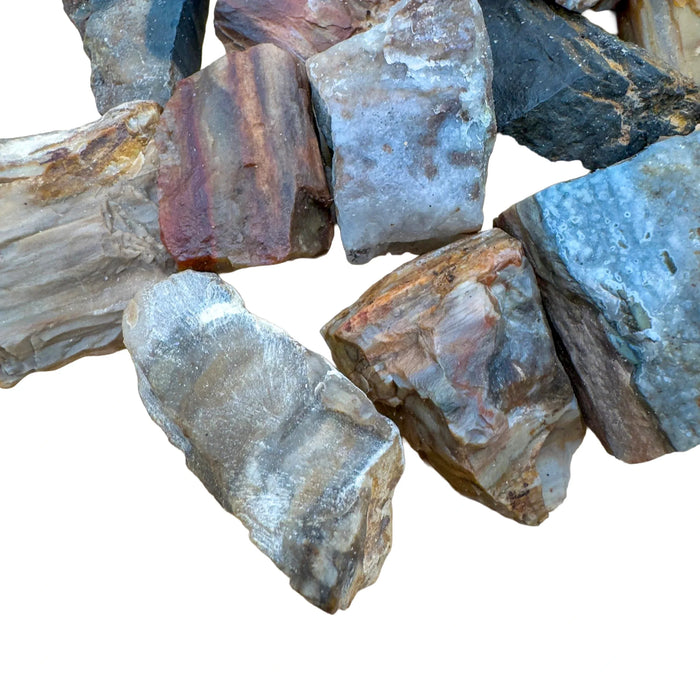
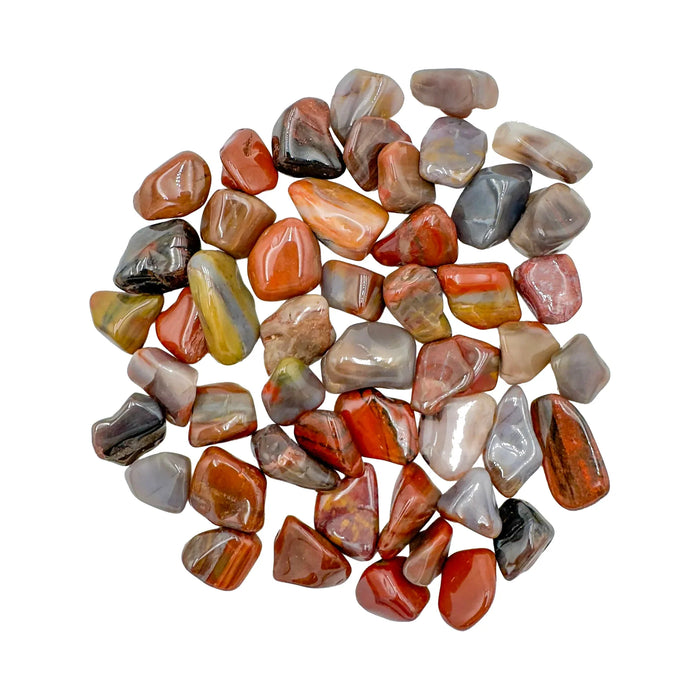
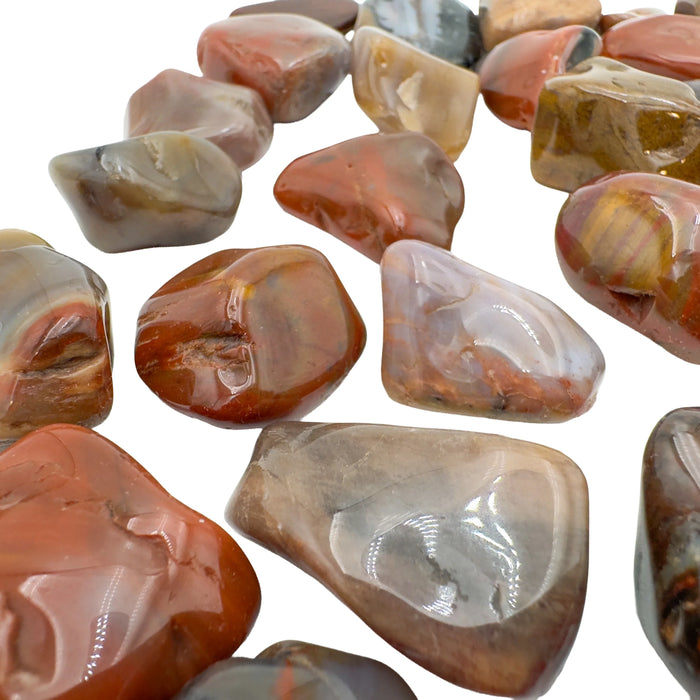
Trilobite Fossil is not something we carry. Petrified Wood is the closest match in our collection, and every piece passes our sourcing standards: origin named, treatments disclosed.
- from 1,000+ reviews
- Ships within 72 hoursMonday to Friday, tracked
- 90 days to return itif you do not love it
- Free US shipping over $99$8.99 flat rate under
The Slow Note
New stones go to the list first.
No forwarding, no selling. Unsubscribe in one click. Privacy