























































Crystal Water Bottles and Elixirs: What's Safe to Soak
Some stones dissolve. Some can shed metal. Here is how to tell, and the method that skips the risk entirely.
Gem water bottles and crystal elixirs turned a quiet ritual into a shelf of products. The idea sounds simple. Rest a stone in water, then drink the water. The catch is that water is not kind to every mineral, and not every mineral is something you want in a glass you plan to drink from.

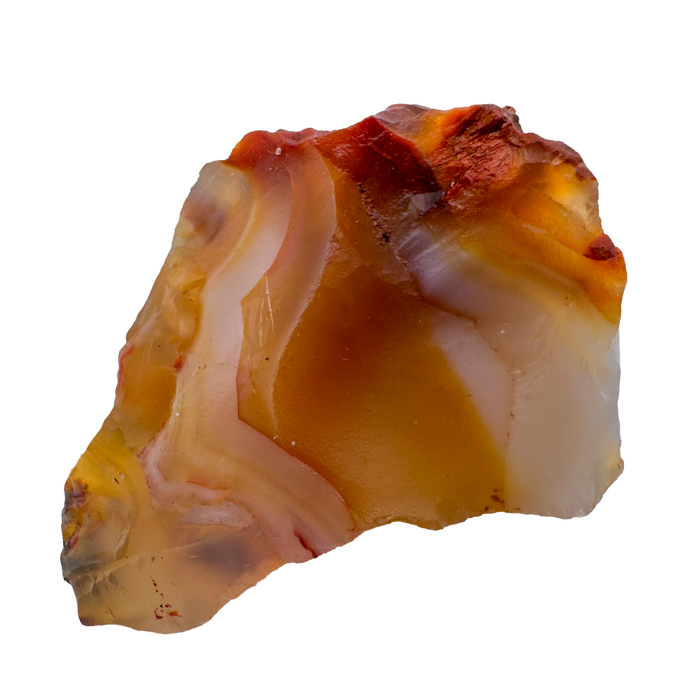
Hard, quartz-family stones like Clear Quartz, Amethyst, and Agate are stable enough to sit in water. Soft or soluble stones like Selenite and Halite dissolve, and metallic or sulfide minerals like Malachite, Pyrite, Cinnabar, and Galena can shed copper, iron, mercury, or lead. When you are unsure, use the no-contact method.
Two Questions Before You Soak a Stone
Before any stone goes near drinking water, two separate questions decide whether it is a good idea. They are easy to mix up, and they have nothing to do with each other.
The first is about the stone. Will the water damage it? Soft and water soluble minerals can dull, crumble, or dissolve, and a few rust. The second is about the water. Will the stone release something into it? Some minerals are built from elements like copper, lead, or mercury that you do not want to drink. A stone can be perfectly safe to hold and still be a poor choice to soak.
Soft, soluble, or iron-rich stones can dull, dissolve, crumble, or rust once they sit in water.
Stones built from copper, lead, mercury, arsenic, or antimony can shed those elements into the water around them.
A stone is only safe to soak if it passes both tests. Failing either one is reason enough to keep it dry.
This guide is about material safety, not health. We make no claims that crystal-infused water does anything for your body. The aim is narrower and more useful. Do not drink something that could carry metals you would never choose, and do not ruin a stone you care about by dropping it in a glass.
The Hardness Rule, and Why It Is Only a Start
A quick rule gets you most of the way. Stones at about Mohs 6 or harder, with no obvious metal content, are usually stable in water. The quartz family sits right here. Clear Quartz, Amethyst, Citrine, Rose Quartz, Smoky Quartz, and the agates and jaspers all measure around 7 on the Mohs scale, and they do not dissolve.
The rule has a limit, and it matters. Hardness tells you whether water will physically wear a stone down. It says nothing about what the stone is made of. A mineral can be reasonably hard and still be built around an element you should not drink. Treat the hardness shortcut as a first filter, not a final answer.

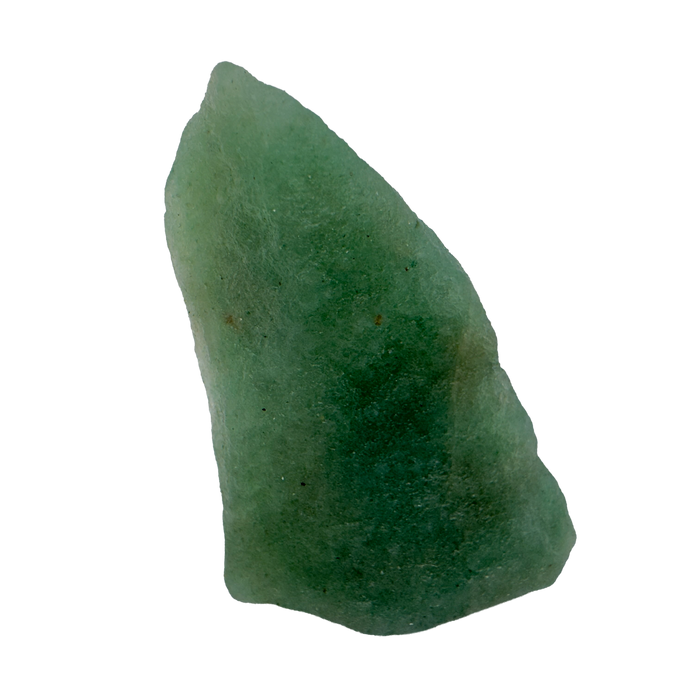
Clear Quartz, around Mohs 7 and chemically inert, is the stone most people mean when they call a crystal water safe.
Mohs hardness of Selenite, soft enough to scratch with a fingernail
Mohs hardness of the quartz family, hard and water stable
the rough cutoff where a stone usually tolerates water
Mohs values from standard mineralogy. Composition still matters more than hardness for what leaches.
Stones That Dissolve, Crumble, or Rust
The first group to keep out of water is the soft and soluble stones. Water does not just risk these. Given time, it ruins them.
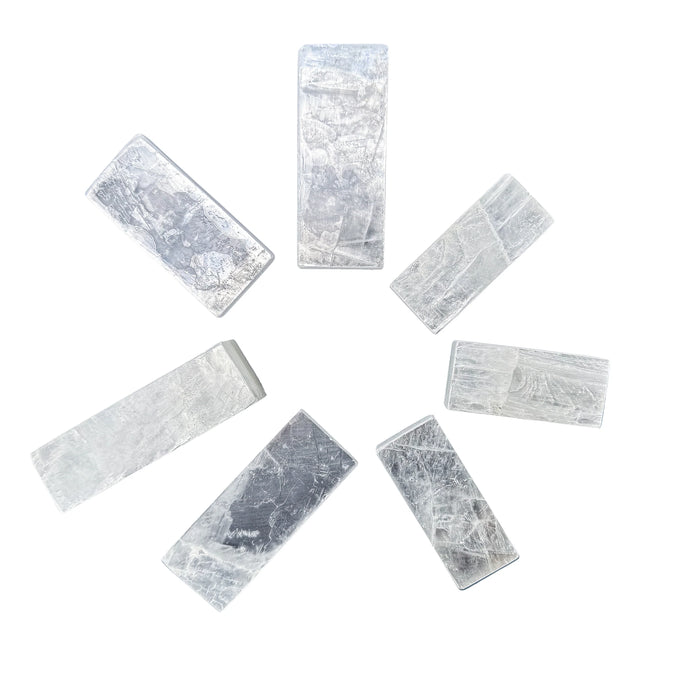
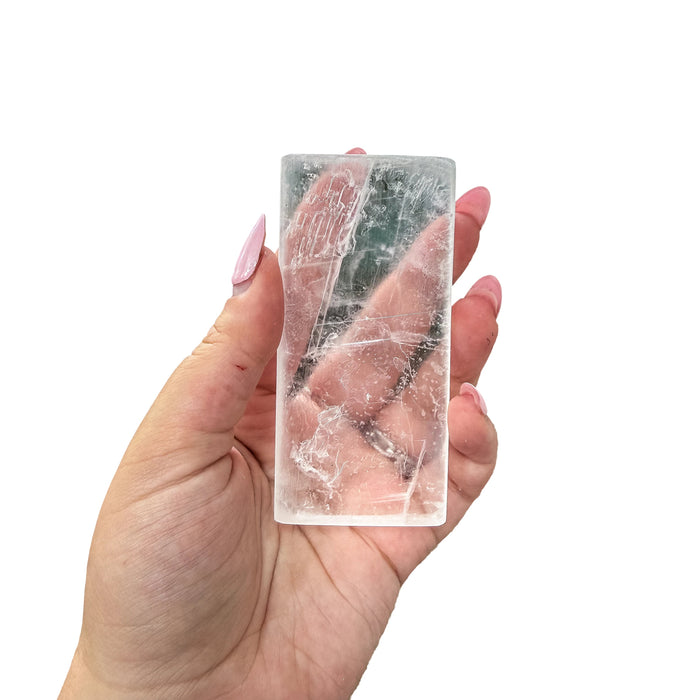
Selenite is the headline case. It is a form of gypsum, a calcium sulfate that already holds water inside its structure, and it rates a very soft 2 on the Mohs scale. Add liquid water and the surface goes chalky, then begins to dissolve. Satin Spar, its fibrous cousin, behaves the same way. A handful of other soft or reactive stones follow close behind, and a couple of iron-rich ones rust rather than dissolve.
Gypsum, Mohs 2. Goes chalky and dissolves. Even damp hands can leave marks over time.
Rock salt. It is literally water soluble and will cloud the water as it shrinks and disappears.
Soft at about Mohs 3 and chemically reactive. Dulls fast and etches in anything acidic.
Soft and fragile. Angelite is anhydrite, and it can swell and crumble as it takes on water.
Around Mohs 4 with easy cleavage. Not soluble, but soft enough to chip, dull, and scratch.
Iron-bearing. They oxidize and rust in water, and Pyrite can leave a sulfuric, acidic residue.
Stones That Can Make the Water Unsafe
The second group is more serious, because the danger is not to the stone but to you. These minerals are built from elements that can leach into water, especially when it is warm, acidic, or left standing for long stretches. Holding them with clean, dry hands is usually fine. Soaking them in water you intend to drink is not.
You do not need to memorize a long list. You need to recognize the families. Bright copper greens and blues, soft metallic lusters, and anything with a known heavy metal in its name all deserve caution.
Copper carbonates. The same copper that makes them green and blue can leach into water.
A mercury mineral. Mercury is exactly what you do not want dissolving into a drink.
Lead minerals. Lead can release into water slowly, and there is no amount worth adding on purpose.
An antimony mineral, more soluble in acidic water, and antimony is toxic to ingest.
Arsenic sulfides. They can break down with light and moisture and release arsenic.
Lithium-bearing and often flaky. A reminder that a pretty stone tells you nothing about what is safe to drink.
Safe, Soluble, or Toxic: The Three Groups
Almost every stone you might reach for falls into one of three groups. Each card gathers one group, so on a phone you read straight down instead of across a wide table.
Generally Safe to Soak
Hard and inert
Avoid: Soluble or Soft
The water wins
Avoid: Toxic Elements
You would drink the metal
The No-Contact Method Works for Every Stone
Here is the part that makes the whole question optional. You can keep the ritual and the look of a gem water bottle without ever letting the stone touch the water. It is called the indirect, or no-contact, method, and it sidesteps both dissolving and leaching at once.
The principle is a barrier. The stone sits in its own sealed chamber or a separate small glass, and the water you drink never touches it. Many gem water bottles are built exactly this way, with a closed compartment that holds the crystal apart from the liquid.
Wipe off dust and handling grime first, using a method the stone can handle. Selenite, for one, prefers a dry cloth over a rinse.
Place the stone in a sealed gem chamber, or stand a small glass holding the stone inside a larger bowl of water.
Pour drinking water into the outer container only. The stone stays dry in its own compartment the entire time.
Drink within the day, then wash the vessel. Standing water and a wet crevice are where bacteria gather.
The trade is small and the payoff is large. You give up direct contact, which most people never needed, and in return you can use any stone you like. A soluble Selenite or a copper-rich Malachite becomes perfectly safe to keep nearby, because it never meets the water at all.

A simple glass bottle of water. In a two-chamber gem bottle, the crystal sits sealed below the water it never touches.
When you cannot name what a stone is made of, keep it out of the glass. The no-contact method works for every crystal.
Hygiene, Dyes, and Treated Stones
Two smaller points round out a safe practice. Both are about what is on a stone rather than what it is made of.
The first is hygiene. Standing water grows bacteria, and porous or cracked stones can trap it in gaps that are hard to clean. If you use direct contact at all, use filtered water, keep it brief, and wash everything afterward.
The second is treatment. A dyed, coated, or stabilized stone can bleed color or shed its coating into water even when the underlying mineral would have been fine. Aura coatings, dyed agates, and resin-stabilized pieces all belong outside the glass. If you cannot confirm a stone is natural and untreated, treat it as a no-contact stone.
Beyond Bohemian does not sell gem water bottles or make elixir claims, so this guide is education rather than a pitch. The same honesty we want on a label applies here. Know what a stone actually is, and you will know what it can safely do.
Related Guides
The full breakdown of which stones tolerate water and which do not, beyond just elixirs.
Read the guideA calm, accurate look at which minerals carry metals, and what that means for handling.
Read the guideWhat a 2.5 versus a 7 really means for a stone's durability and care.
Read the guideAgate, jasper, amethyst, and the hard, water-stable stones at the safe end of this guide.
Meet the familyWhy dyed and coated stones belong outside the glass, and how to spot them first.
Spot the dyeEvery Beyond Bohemian guide to sourcing, value, and care.
Browse the LibraryCrystal Water Safety FAQ
Which crystals are unsafe in water?
Two kinds. Soft or soluble stones such as Selenite, Satin Spar, Halite, Calcite, and Celestite dissolve or break down. Metallic and sulfide minerals such as Malachite, Cinnabar, Galena, Stibnite, Realgar, and Pyrite can shed copper, mercury, lead, antimony, or arsenic into the water. Keep both groups out of anything you plan to drink.
Can I put amethyst in water?
Yes, briefly. Amethyst is a quartz, around Mohs 7, and it does not dissolve or leach metals. It is fine for short contact in a clean glass. The main caution is unrelated to water, since long stretches in direct sunlight can fade its purple color over time, so do not leave it soaking on a sunny sill.
Are crystal water bottles safe?
It depends on the design and the stone. Bottles that seal the crystal in a separate chamber are safe with any stone, because the water never touches it. Bottles that drop the stone straight into the water are only safe with hard, inert stones like clear quartz, and never with soluble or metallic minerals.
What is the indirect or no-contact elixir method?
It is a way to make crystal water without the stone touching the water. You place the crystal in a sealed chamber, or in a small glass set inside a larger bowl of water, then drink only from the outer container. Because there is no contact, even soluble or toxic stones can be used safely this way.
Which crystals are toxic?
The ones built from heavy or reactive elements. Malachite and Azurite carry copper, Cinnabar carries mercury, Galena and Cerussite carry lead, Stibnite carries antimony, and Realgar and Orpiment carry arsenic. These are usually fine to hold with dry hands, but they should never soak in water you intend to drink.
Can clear quartz go in water?
Yes. Clear Quartz is one of the safest choices for water. It rates about 7 on the Mohs scale, has no soluble or metallic content, and does not dissolve or rust. It is the stone most people picture when they call a crystal water safe, which is why it appears in so many gem water bottles.
Why can't selenite go in water?
Selenite is a form of gypsum, a soft calcium sulfate that rates just 2 on the Mohs scale and already holds water in its structure. Liquid water dissolves it. The surface turns chalky, the polish dulls, and with enough exposure the piece can crumble. The damage cannot be undone, so Selenite is a dry-care stone.
Does pyrite rust in water?
Yes. Pyrite is an iron sulfide, so water and oxygen make it oxidize and rust. Beyond the damage to the stone, that reaction can produce a sulfuric, acidic residue, and natural pyrite can carry trace arsenic. For both reasons it is a stone to keep dry and out of any water you would drink.