


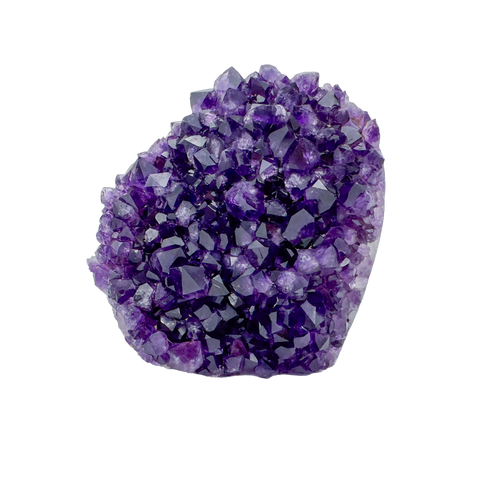
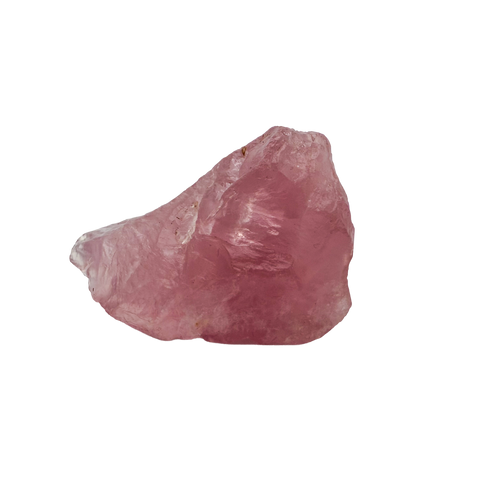
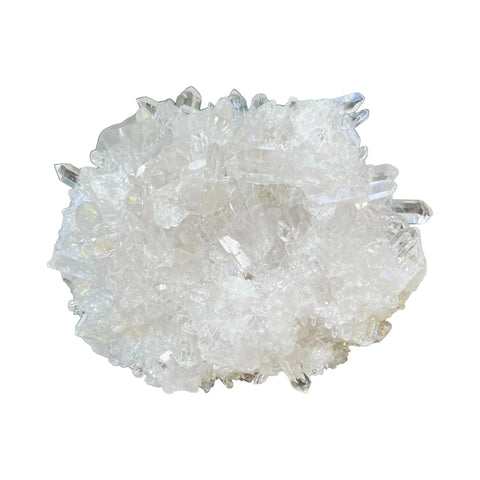
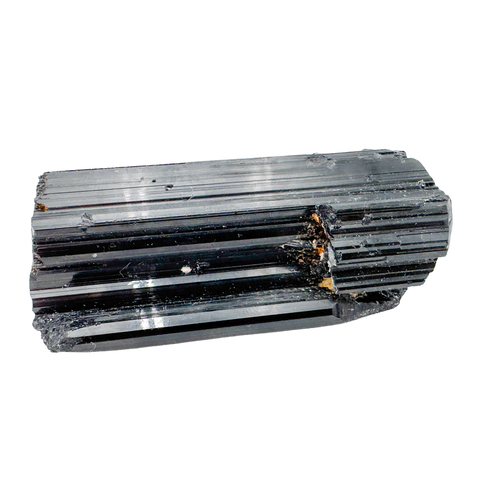
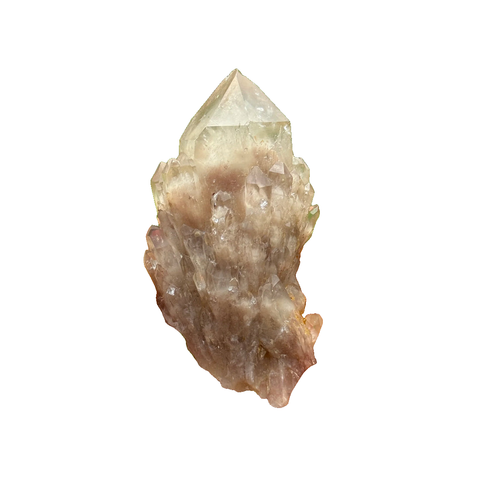
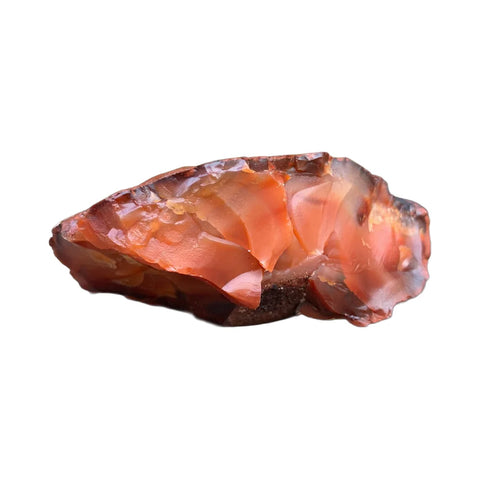
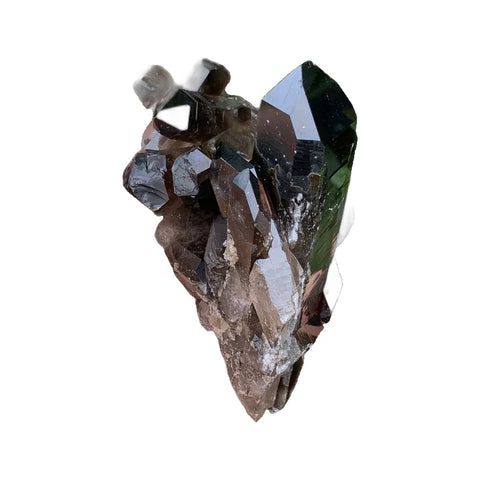
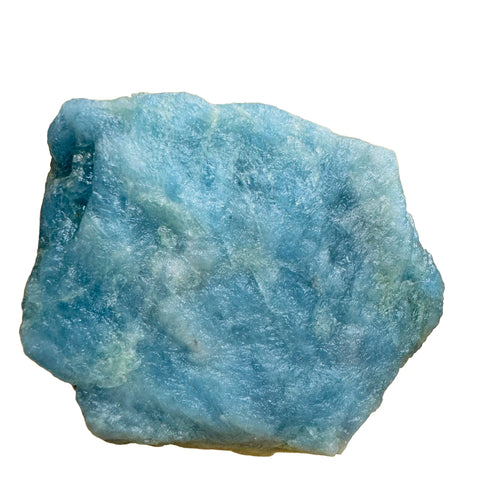
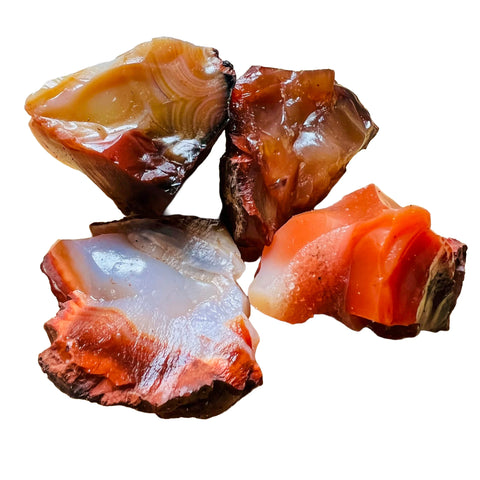


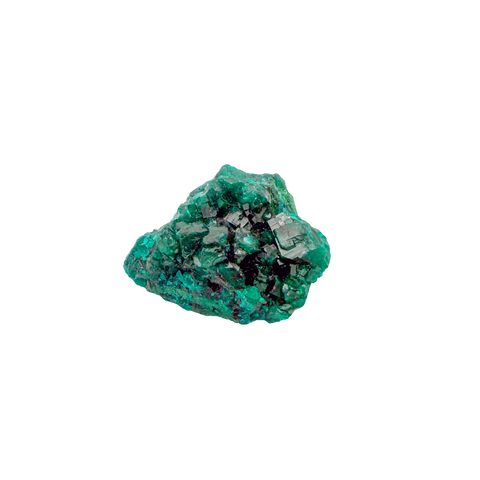
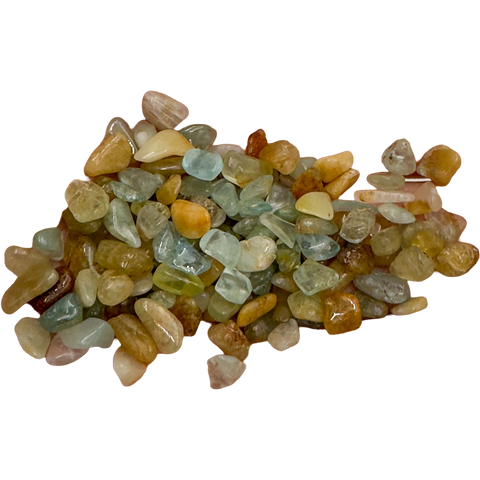
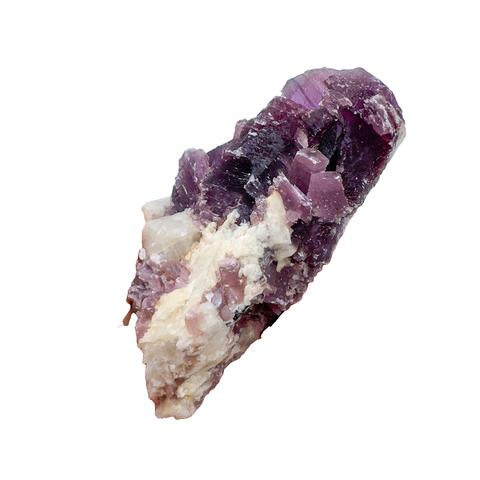
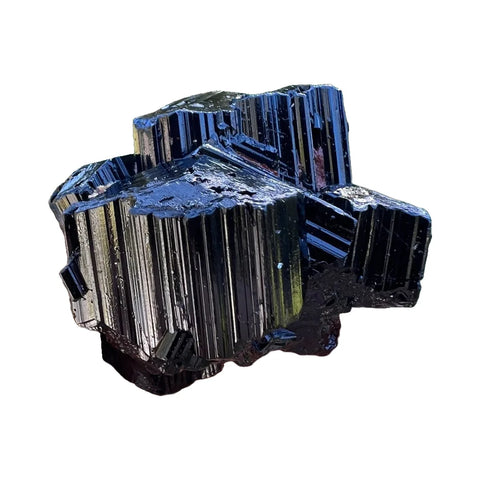
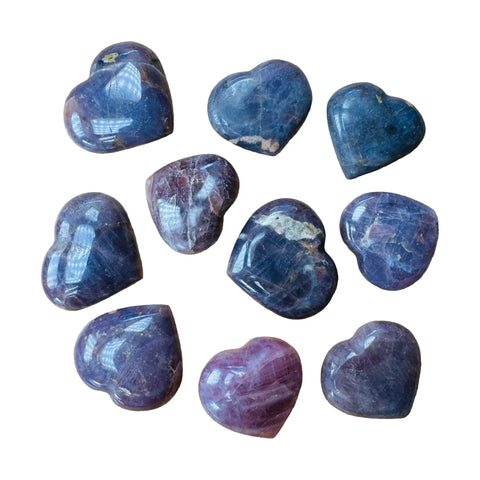
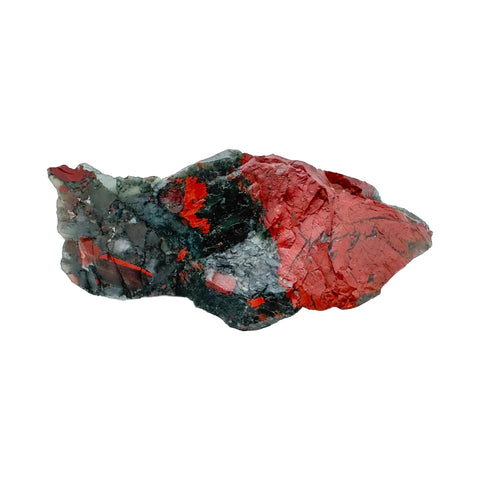
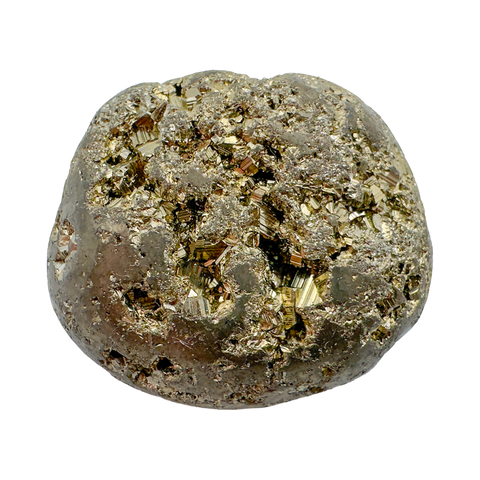
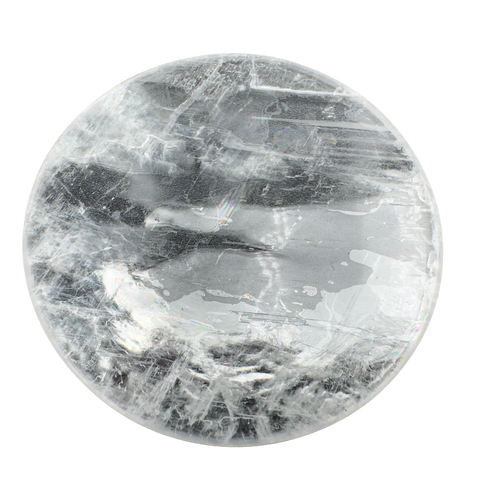
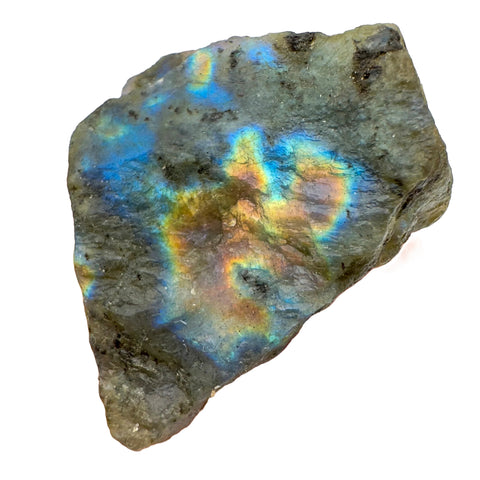
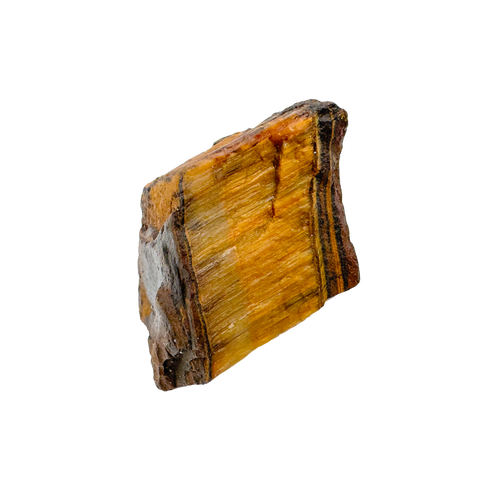
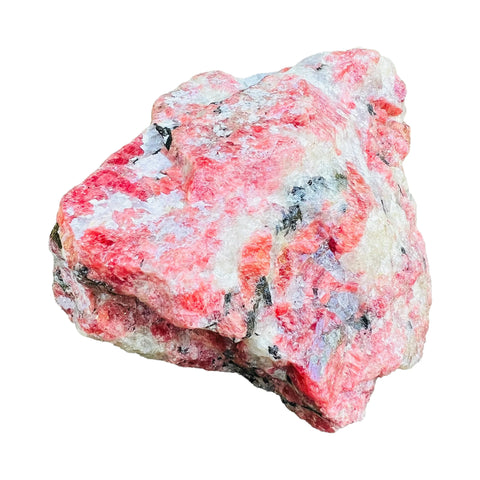
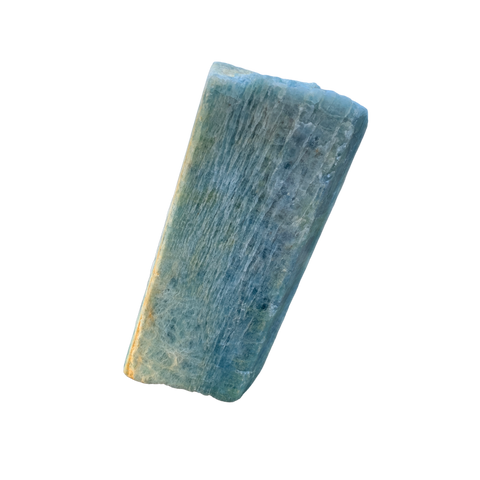
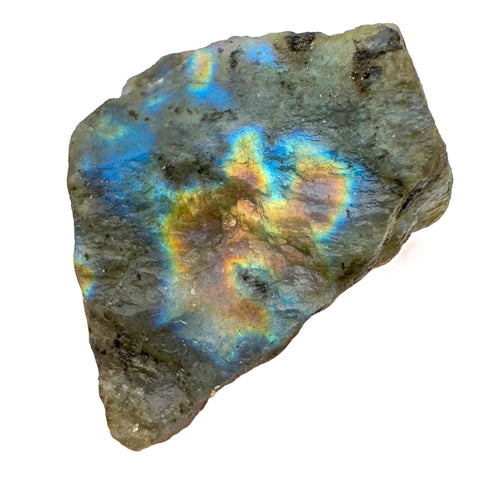


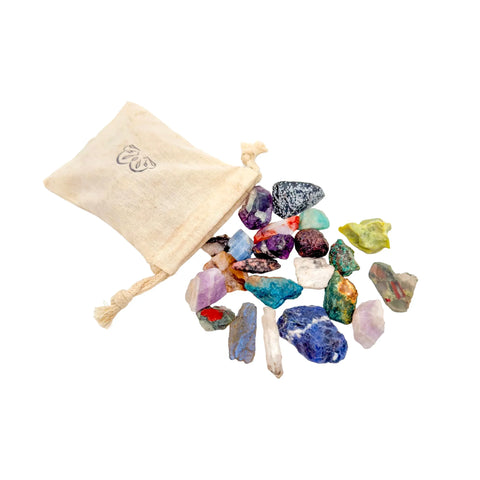
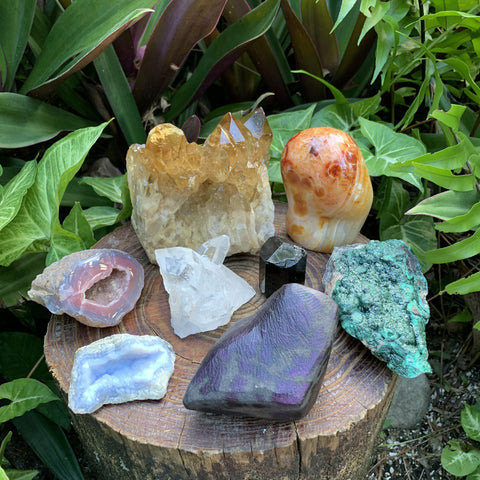
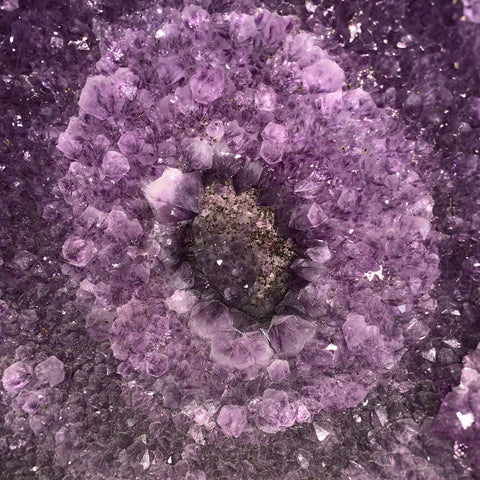
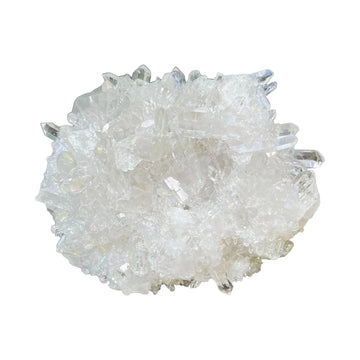
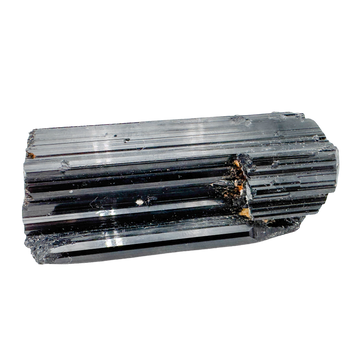
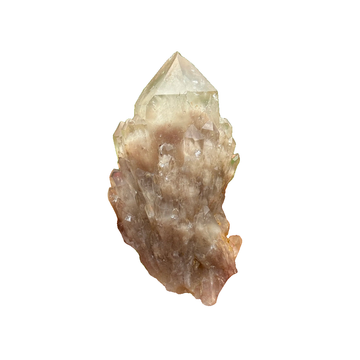
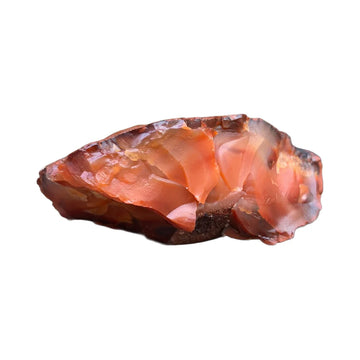
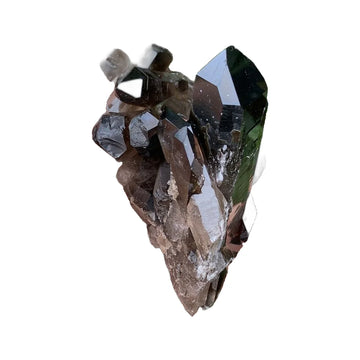
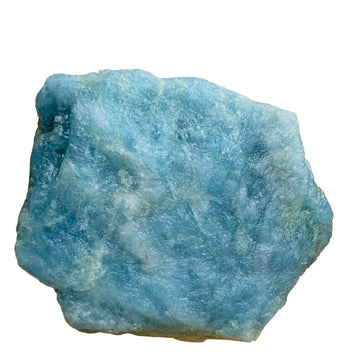
 Raw Stones
180 pieces
Raw Stones
180 pieces
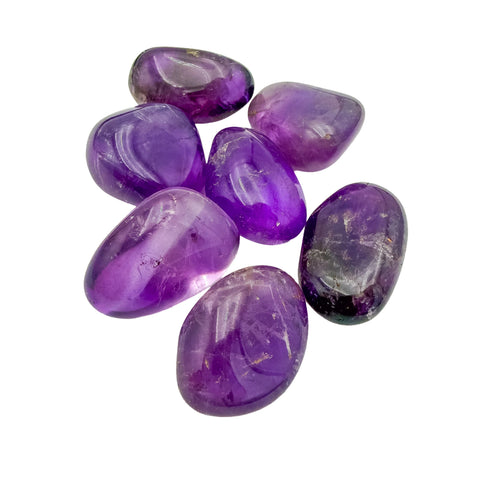
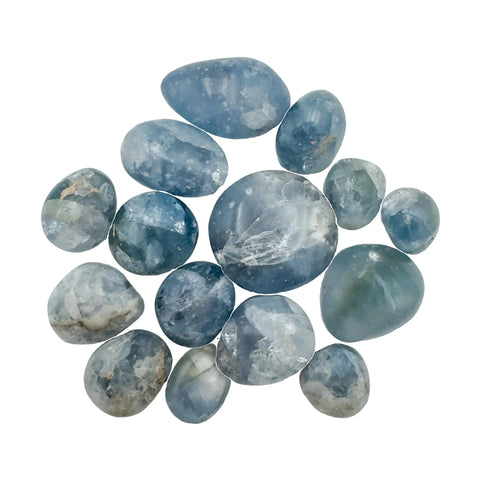
 Tumbled Stones
162 pieces
Tumbled Stones
162 pieces
 Palm Stones
26 pieces
Palm Stones
26 pieces
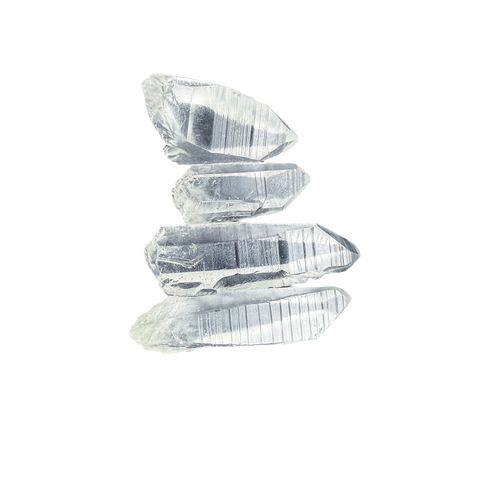
 Crystal Points
23 pieces
Crystal Points
23 pieces
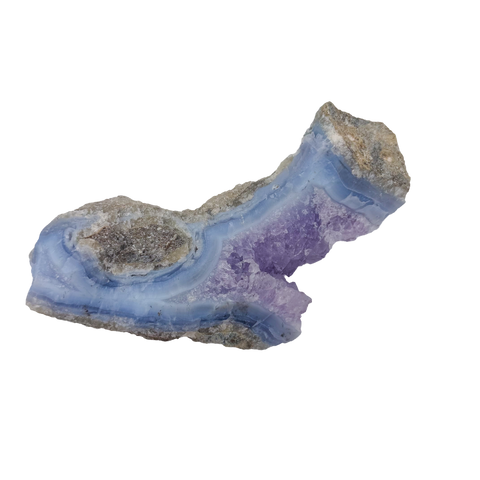
 Clusters & Geodes
108 pieces
Clusters & Geodes
108 pieces
 Polished & Decor
152 pieces
Polished & Decor
152 pieces
 Mineral Specimens
258 collector pieces
Mineral Specimens
258 collector pieces
 Crystal Chips
21 pieces
Browse everything
Every collection, one page.
View All Collections →
Crystal Chips
21 pieces
Browse everything
Every collection, one page.
View All Collections →


 Aries
Mar 21 – Apr 19
Carnelian
›
Aries
Mar 21 – Apr 19
Carnelian
›
 Taurus
Apr 20 – May 20
Rose Quartz
›
Taurus
Apr 20 – May 20
Rose Quartz
›
 Gemini
May 21 – Jun 20
Agate
›
Gemini
May 21 – Jun 20
Agate
›
 Cancer
Jun 21 – Jul 22
Moonstone
›
Cancer
Jun 21 – Jul 22
Moonstone
›
 Leo
Jul 23 – Aug 22
Citrine
›
Leo
Jul 23 – Aug 22
Citrine
›
 Virgo
Aug 23 – Sep 22
Amazonite
›
Virgo
Aug 23 – Sep 22
Amazonite
›
 Libra
Sep 23 – Oct 22
Blue Lace Agate
›
Libra
Sep 23 – Oct 22
Blue Lace Agate
›
 Scorpio
Oct 23 – Nov 21
Obsidian
›
Scorpio
Oct 23 – Nov 21
Obsidian
›
 Sagittarius
Nov 22 – Dec 21
Sodalite
›
Sagittarius
Nov 22 – Dec 21
Sodalite
›
 Capricorn
Dec 22 – Jan 19
Black Tourmaline
›
Capricorn
Dec 22 – Jan 19
Black Tourmaline
›
 Aquarius
Jan 20 – Feb 18
Amethyst
›
Aquarius
Jan 20 – Feb 18
Amethyst
›
 Pisces
Feb 19 – Mar 20
Aquamarine
›
Gifting?
A birthday stone is the safe bet.
Read the zodiac guide →
Pisces
Feb 19 – Mar 20
Aquamarine
›
Gifting?
A birthday stone is the safe bet.
Read the zodiac guide →

Jadeite Jade
Jadeite Jade is inosilicate (pyroxene), NaAlSi₂O₆. In the hand, it rates 6.5 to 7 on the Mohs scale, and it runs emerald 'imperial' green and apple green. The denser, glassier jade, granular-sparkly texture under a loupe, icy heft, ringing chime when tapped, polishing to a sharper gloss than nephrite's oily sheen.
The geology.
Jadeite Jade carries the formula NaAlSi₂O₆. It belongs to the monoclinic (granular aggregate) system. Its listing category is inosilicate (pyroxene).
It sits at 6.5 to 7 on the Mohs scale. The surface reads greasy to vitreous; takes glassy polish. Light behavior is translucent to opaque. Specific gravity runs 3.30 to 3.38. The streak is white. It breaks with splintery; extremely tough interlocking texture.
The denser, glassier jade, granular-sparkly texture under a loupe, icy heft, ringing chime when tapped, polishing to a sharper gloss than nephrite's oily sheen.
It turns up mostly as bangles, cabochons, carvings or boulders with weathered rind.
The origins.
Myanmar (Kachin, the world's gem source), Guatemala (Motagua Valley), Japan, California (USA).
On value, the database notes: from affordable utility grades to record-shattering imperial green.
Traditional associations.
In energy work traditions, associated with harmony, prosperity, and protective good fortune.
This is lore, and we label it as lore. The measurable facts are further up the page.
Spotting the real thing.
The denser, glassier jade, granular-sparkly texture under a loupe, icy heft, ringing chime when tapped, polishing to a sharper gloss than nephrite's oily sheen.
The most treatment-ridden gem on Earth: polymer-impregnated and dyed 'B/C jade' saturates tourist markets, untreated 'Type A' certification is the standard.
| Looks like | How to tell them apart |
|---|---|
| Nephrite jade | Nephrite is fibrous-silky, slightly lighter, with an oilier polish, both are true jade |
| Dyed/polymer 'B/C' jadeite | Treated jadeite shows acid-etch spiderweb under magnification and dye in fractures |
| Serpentine and dyed quartzite | Serpentine is knife-soft; quartzite shows granular sparkle with boundary dye |
At-home tests.
A loupe and a window seat settle most questions about jadeite jade. No workshop required.
| Test | What you should see |
|---|---|
| Heft | noticeably dense (SG 3.3+) |
| Chime test on bangles | long bright ring |
| Loupe | fine granular (not fibrous) interlocked texture |
| By eye | No dye in fractures |
Anything that scratches, burns or dissolves the piece is a lab job. Get it appraised rather than testing it apart.
Care & handling.
At 6.5 to 7 on the Mohs scale it handles careful wear but scratches against quartz and dust. Store it separately and take rings off before rough work.
It breaks with splintery; extremely tough interlocking texture, which is worth knowing before you set it or drop it.
Warm water and a soft cloth clean almost everything. Ultrasonic tanks, steamers and household cleaners are where pieces get ruined.
A deeper look.
Extended detail on composition, sourcing, authentication and market value.
The physical record
The formula on record is NaAlSi₂O₆. Crystal system: Monoclinic (granular aggregate). Specific gravity: 3.30 to 3.38. Streak: White. Cleavage and fracture: Splintery; extremely tough interlocking texture.
How it reaches the market
Myanmar (Kachin, the world's gem source), Guatemala (Motagua Valley), Japan, California (USA).
What it gets confused with
Nephrite jade: Nephrite is fibrous-silky, slightly lighter, with an oilier polish, both are true jade. Dyed/polymer 'B/C' jadeite: Treated jadeite shows acid-etch spiderweb under magnification and dye in fractures. Serpentine and dyed quartzite: Serpentine is knife-soft; quartzite shows granular sparkle with boundary dye.
What it is worth
From affordable utility grades to record-shattering imperial green.
Where buyers get caught
The most treatment-ridden gem on Earth: polymer-impregnated and dyed 'B/C jade' saturates tourist markets, untreated 'Type A' certification is the standard.
One more thing
Imperial jadeite is the world's most expensive gem material by weight at auction, single bangles have passed US$25 million.
An education-first guide.
No product links here. We do not sell jadeite jade, and a guide that only covers our own shelves would not be much of a guide.
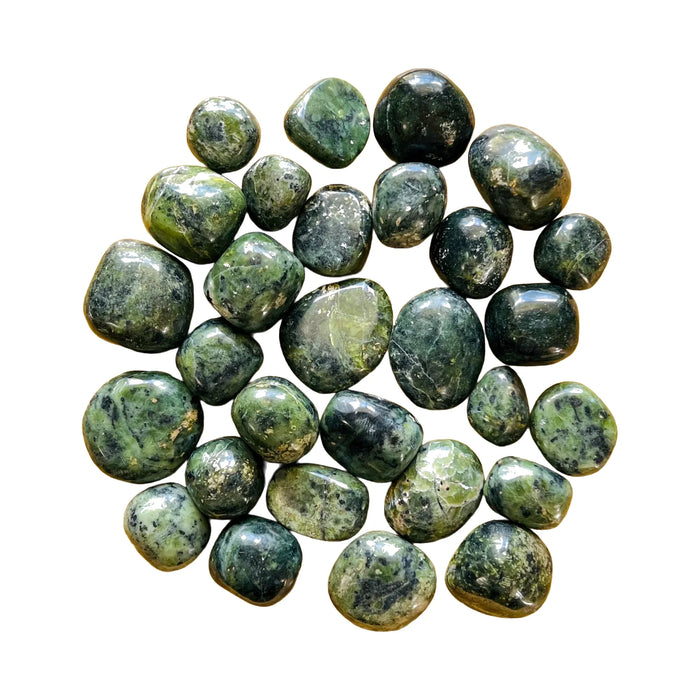
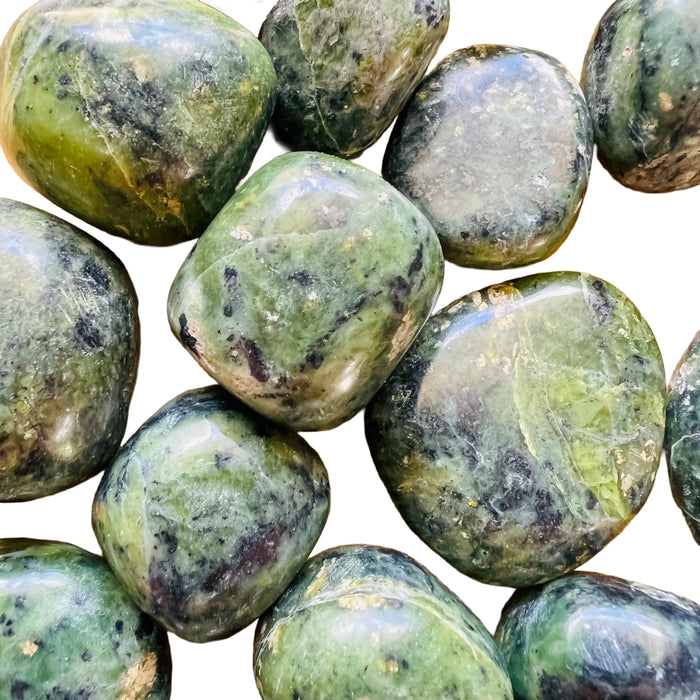
Explore the Crystal GuideThe closest match we carry: Jade.
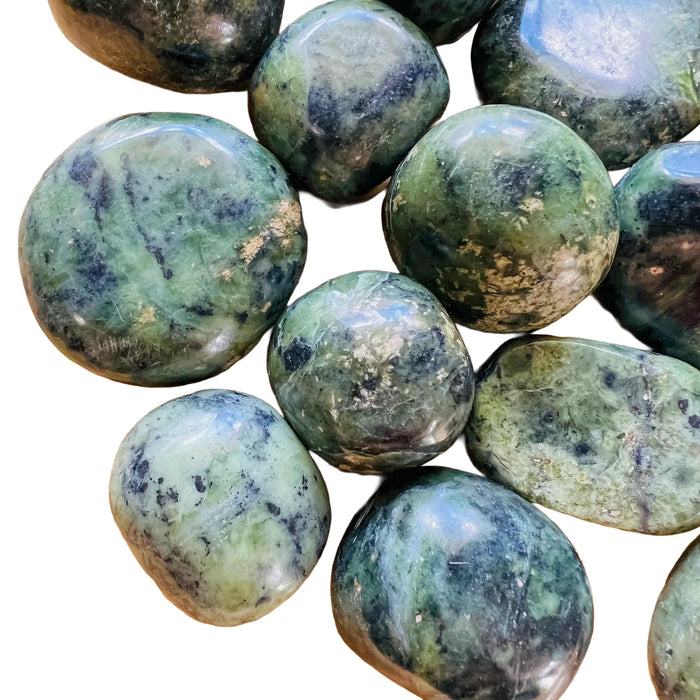
Jadeite Jade is not something we carry. Jade is the closest match in our collection, and every piece passes our sourcing standards: origin named, treatments disclosed.
- from 1,000+ reviews
- Ships within 72 hoursMonday to Friday, tracked
- 90 days to return itif you do not love it
- Free US shipping over $99$8.99 flat rate under
The Slow Note
New stones go to the list first.
No forwarding, no selling. Unsubscribe in one click. Privacy