


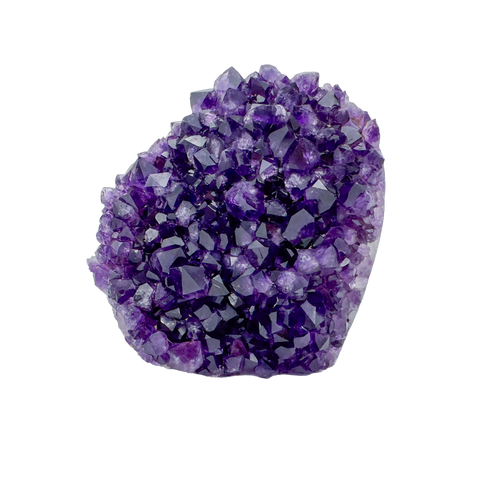
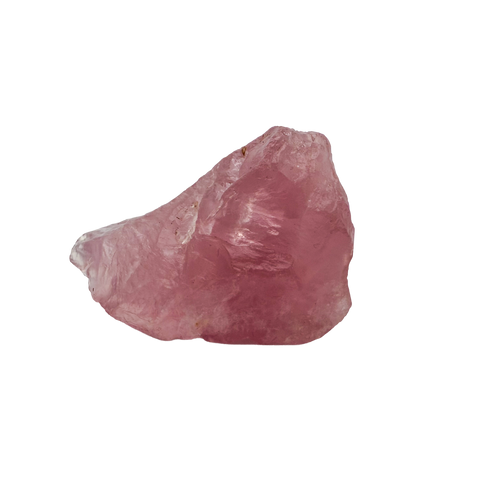
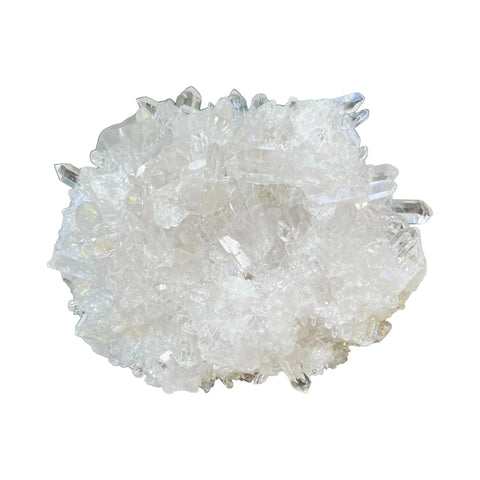
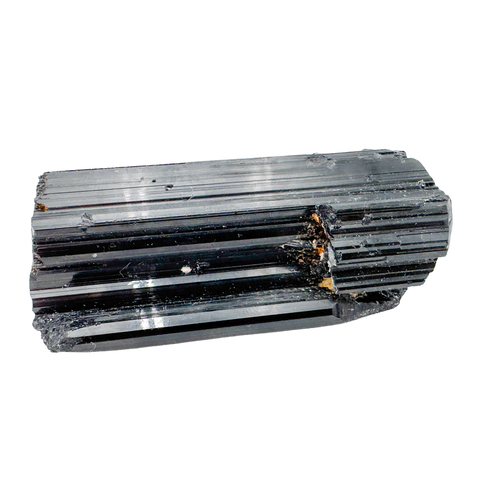
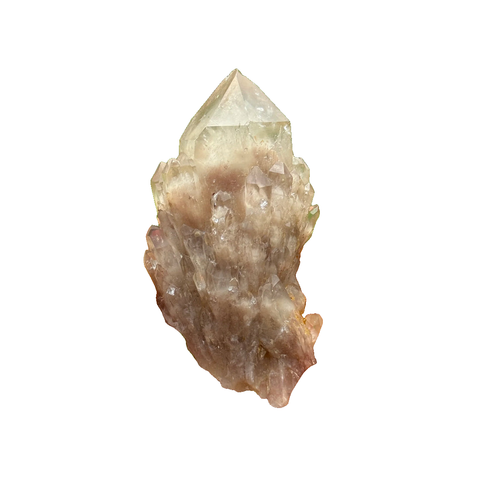
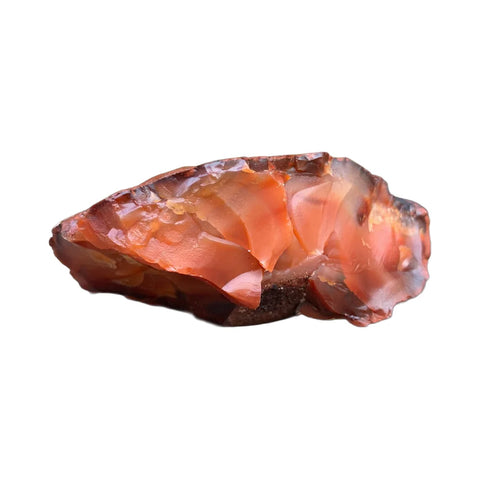
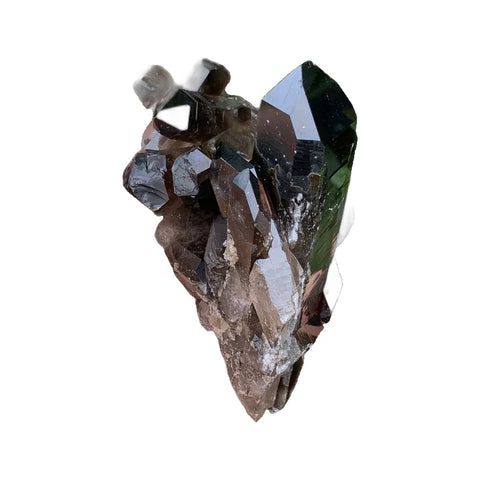
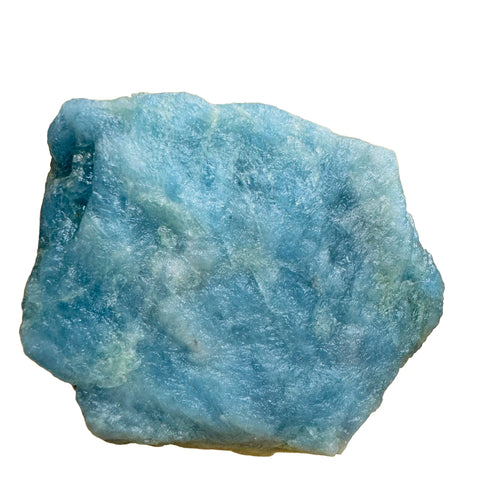
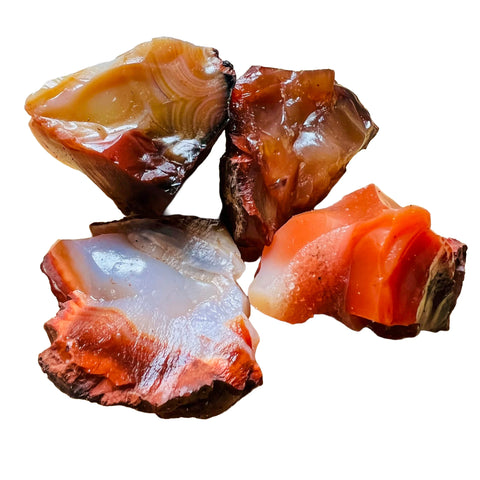


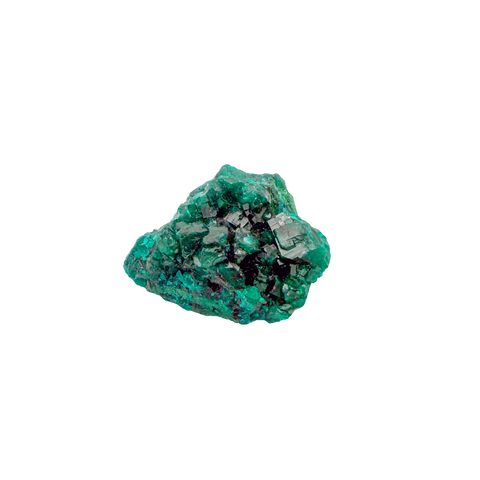
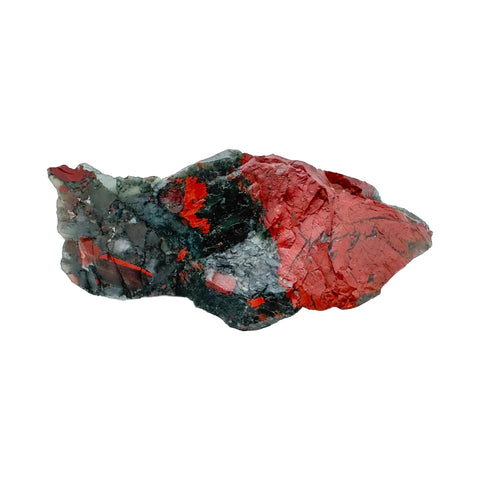
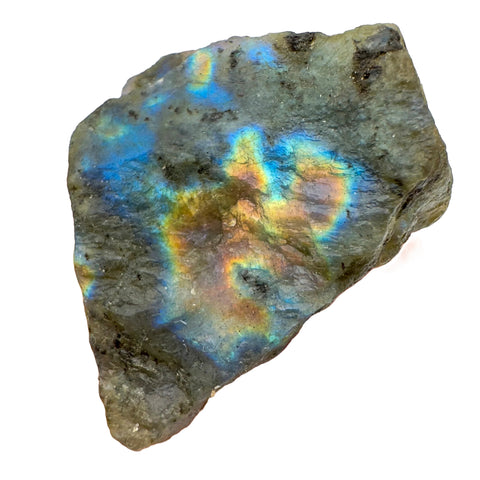
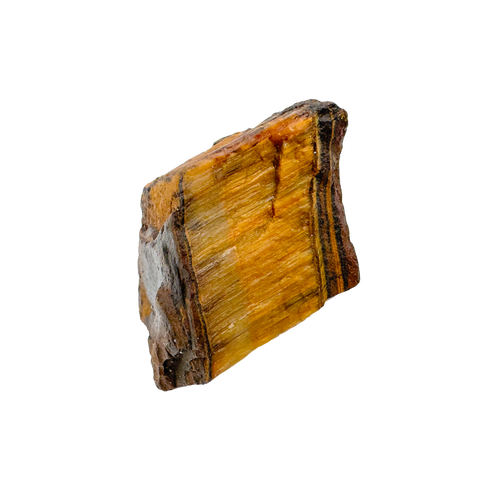
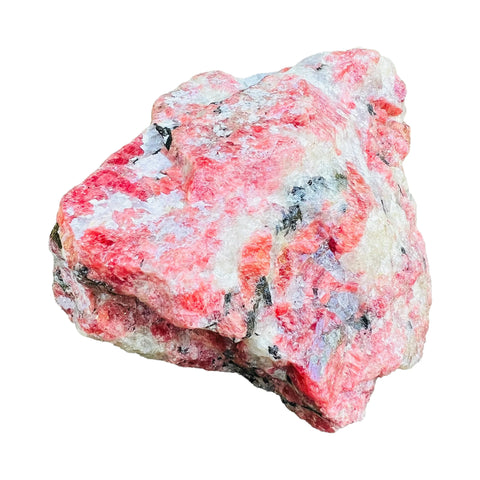
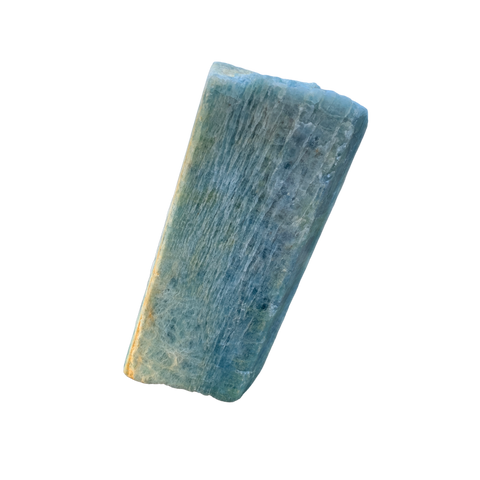
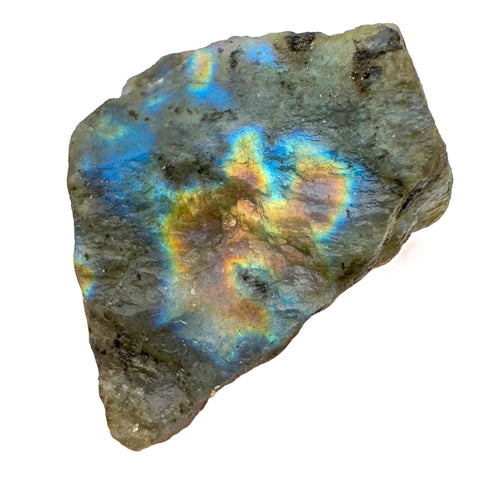
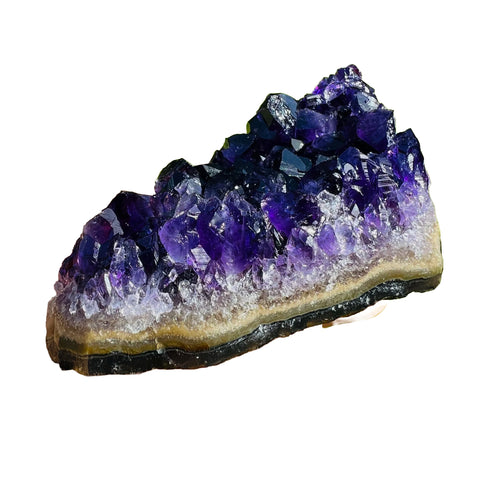


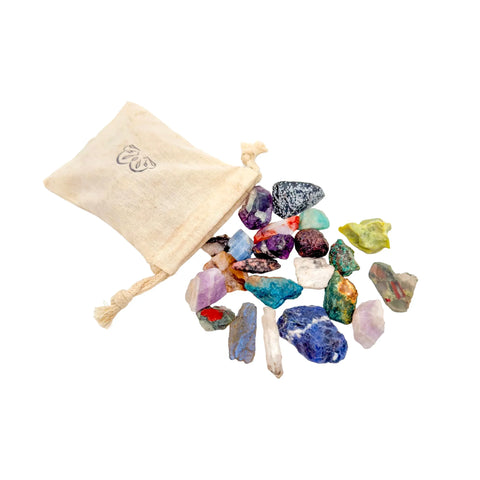
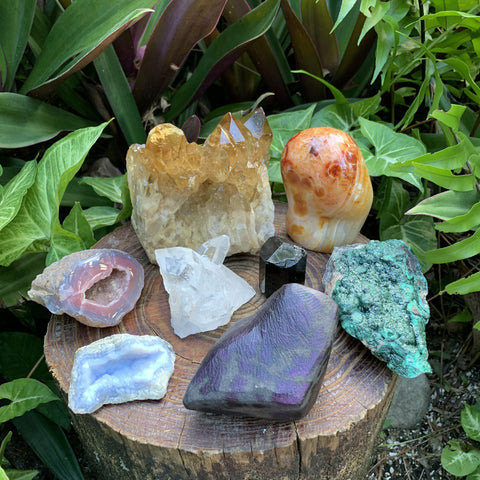
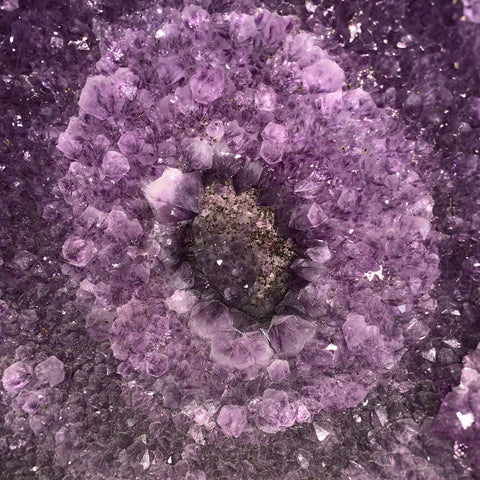
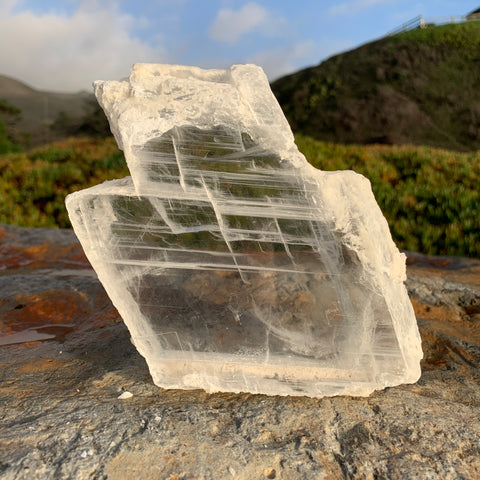
 Raw Stones
179 pieces
Raw Stones
179 pieces
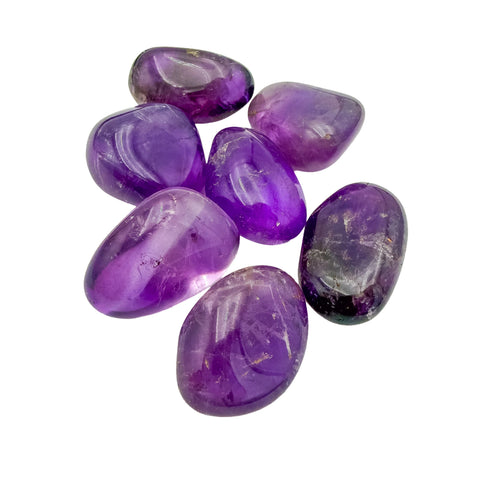
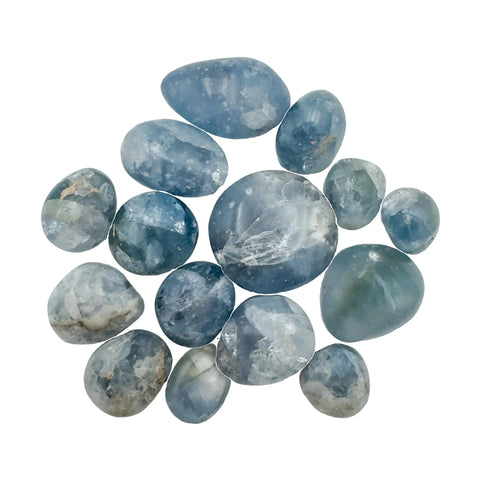
 Tumbled Stones
162 pieces
Tumbled Stones
162 pieces
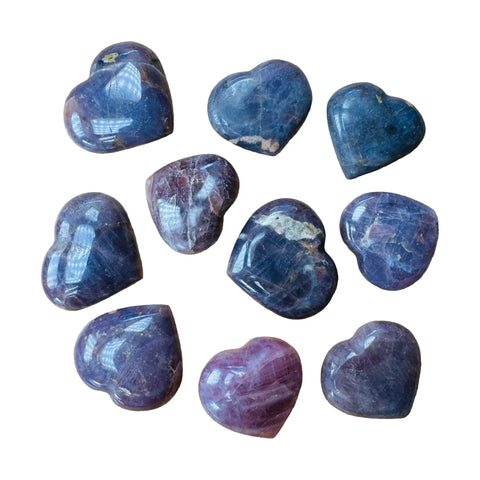
 Palm Stones
25 pieces
Palm Stones
25 pieces
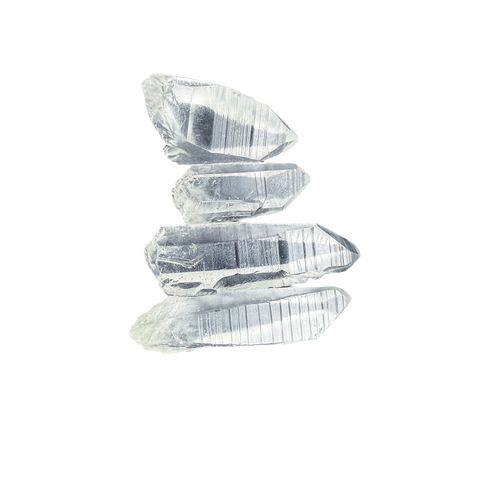
 Crystal Points
23 pieces
Crystal Points
23 pieces
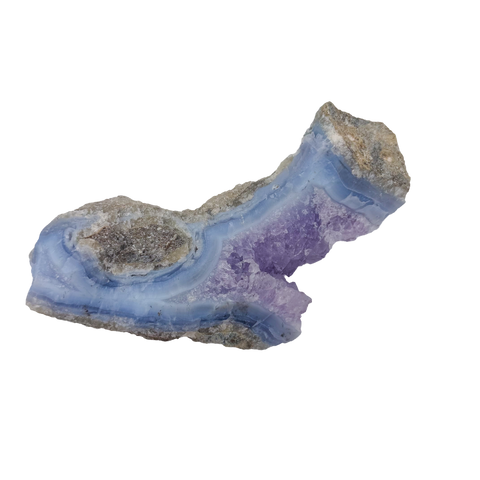
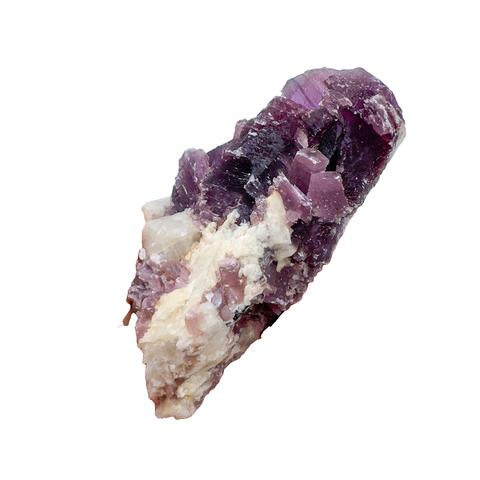
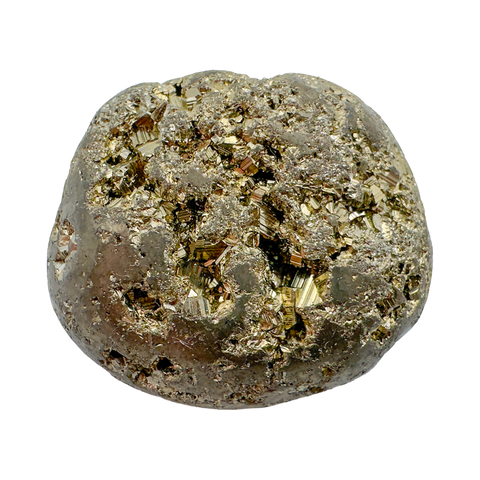
 Clusters & Geodes
104 pieces
Clusters & Geodes
104 pieces
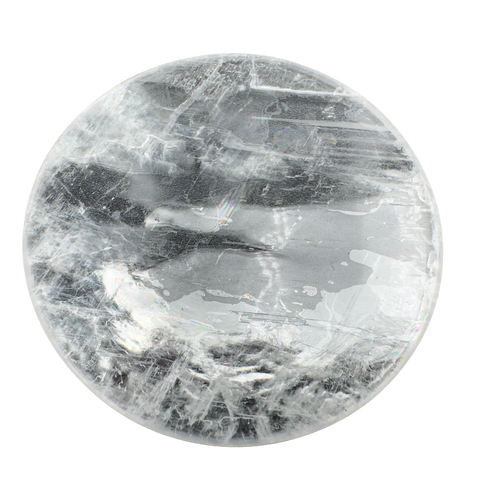
 Polished & Decor
148 pieces
Polished & Decor
148 pieces
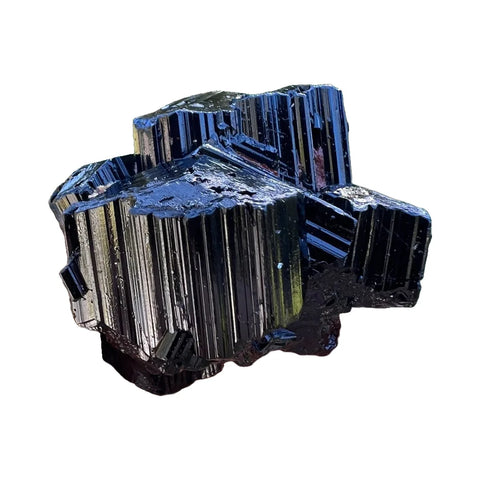
 Mineral Specimens
259 collector pieces
Mineral Specimens
259 collector pieces
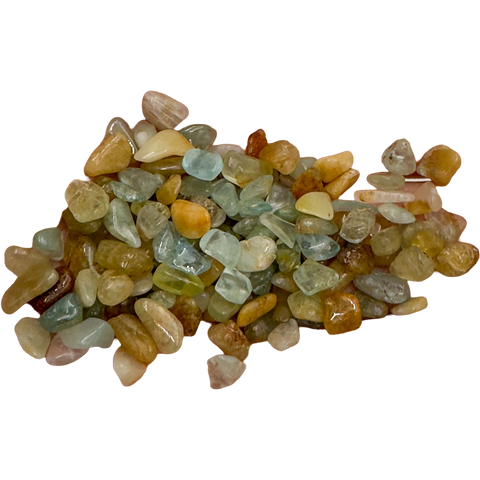
 Crystal Chips
21 pieces
Browse everything
Every collection, one page.
View All Collections →
Crystal Chips
21 pieces
Browse everything
Every collection, one page.
View All Collections →


 Aries
Mar 21 – Apr 19
Carnelian
›
Aries
Mar 21 – Apr 19
Carnelian
›
 Taurus
Apr 20 – May 20
Rose Quartz
›
Taurus
Apr 20 – May 20
Rose Quartz
›
 Gemini
May 21 – Jun 20
Agate
›
Gemini
May 21 – Jun 20
Agate
›
 Cancer
Jun 21 – Jul 22
Moonstone
›
Cancer
Jun 21 – Jul 22
Moonstone
›
 Leo
Jul 23 – Aug 22
Citrine
›
Leo
Jul 23 – Aug 22
Citrine
›
 Virgo
Aug 23 – Sep 22
Amazonite
›
Virgo
Aug 23 – Sep 22
Amazonite
›
 Libra
Sep 23 – Oct 22
Blue Lace Agate
›
Libra
Sep 23 – Oct 22
Blue Lace Agate
›
 Scorpio
Oct 23 – Nov 21
Obsidian
›
Scorpio
Oct 23 – Nov 21
Obsidian
›
 Sagittarius
Nov 22 – Dec 21
Sodalite
›
Sagittarius
Nov 22 – Dec 21
Sodalite
›
 Capricorn
Dec 22 – Jan 19
Black Tourmaline
›
Capricorn
Dec 22 – Jan 19
Black Tourmaline
›
 Aquarius
Jan 20 – Feb 18
Amethyst
›
Aquarius
Jan 20 – Feb 18
Amethyst
›
 Pisces
Feb 19 – Mar 20
Aquamarine
›
Gifting?
A birthday stone is the safe bet.
Read the zodiac guide →
Pisces
Feb 19 – Mar 20
Aquamarine
›
Gifting?
A birthday stone is the safe bet.
Read the zodiac guide →

Megalodon Tooth
Megalodon Tooth is fossilized shark tooth (apatite). In the hand, it rates 4 to 5 on the Mohs scale, and it runs gray-black and tan-brown. A hand-filling triangular tooth with fine steak-knife serrations, a glossy enamel blade, and a dark V-shaped band (bourlette) between blade and rough root, no other shark grew them this big.
The geology.
Megalodon Tooth carries the formula Ca5(PO4)3(OH,F), fossilized enameloid and dentine. It belongs to the none (fossil) system. Its listing category is fossilized shark tooth (apatite).
It sits at 4 to 5 on the Mohs scale. The surface reads enamel sheen over matte root. Light behavior is opaque. Specific gravity runs 2.8 to 3.1. The streak is white to gray. It breaks with uneven; enamel chips conchoidally.
A hand-filling triangular tooth with fine steak-knife serrations, a glossy enamel blade, and a dark V-shaped band (bourlette) between blade and rough root, no other shark grew them this big.
It turns up mostly as triangular teeth 2 to 7 inches, polished display teeth or pendants (small/damaged ones).
The origins.
Miocene-Pliocene marine deposits, blackwater rivers of South Carolina and Georgia, North Carolina's Aurora mine spoils, Florida, Chile, Morocco.
On value, the database notes: small/worn teeth affordable; pristine 5-inch-plus teeth reach four figures.
Traditional associations.
In energy work traditions, megalodon teeth are carried as deep-strength talismans of primal confidence.
This is lore, and we label it as lore. The measurable facts are further up the page.
Spotting the real thing.
A hand-filling triangular tooth with fine steak-knife serrations, a glossy enamel blade, and a dark V-shaped band (bourlette) between blade and rough root, no other shark grew them this big.
Big money breeds restoration: composite teeth, rebuilt serrations, and painted repairs abound, ask for unretouched photos and UV-check glossy 'flawless' giants.
| Looks like | How to tell them apart |
|---|---|
| Great white teeth (fossil) | Also serrated but rarely over 2.5 inches and lacking the broad bourlette |
| Otodus obliquus (Morocco) | Smooth-edged ancestor, no serrations, often sold in quantity |
| Resin replicas | Uniform color, mold seams, light weight, and bubble pits |
At-home tests.
A loupe and a window seat settle most questions about megalodon tooth. No workshop required.
| Test | What you should see |
|---|---|
| By eye | Run a fingernail along the edge: true serrations are crisp and individually distinct |
| Heft | fossil teeth are stone-dense |
| Loupe repairs | filled cracks and restored serrations are common in 'perfect' teeth |
If these checks leave you unsure, that is what appraisers are for. Do not file, heat or soak a piece to find out.
Care & handling.
At 4 to 5 on the Mohs scale this is a soft material. Keep it as a display piece, store it apart from harder stones, and skip daily-wear settings.
It breaks with uneven; enamel chips conchoidally, which is worth knowing before you set it or drop it.
Most damage happens during cleaning, not wearing. Avoid steamers, ultrasonic tanks and anything from under the sink.
A deeper look.
Extended detail on composition, sourcing, authentication and market value.
The physical record
The formula on record is Ca5(PO4)3(OH,F), fossilized enameloid and dentine. Crystal system: None (fossil). Specific gravity: 2.8 to 3.1. Streak: White to gray. Cleavage and fracture: Uneven; enamel chips conchoidally.
How it reaches the market
Miocene-Pliocene marine deposits, blackwater rivers of South Carolina and Georgia, North Carolina's Aurora mine spoils, Florida, Chile, Morocco.
What it gets confused with
Great white teeth (fossil): Also serrated but rarely over 2.5 inches and lacking the broad bourlette. Otodus obliquus (Morocco): Smooth-edged ancestor, no serrations, often sold in quantity. Resin replicas: Uniform color, mold seams, light weight, and bubble pits.
What it is worth
Small/worn teeth affordable; pristine 5-inch-plus teeth reach four figures.
Where buyers get caught
Big money breeds restoration: composite teeth, rebuilt serrations, and painted repairs abound, ask for unretouched photos and UV-check glossy 'flawless' giants.
One more thing
Megalodon shed teeth continuously for 20 million years, leaving so many on the seafloor that divers still pull six-inch crowns from Carolina rivers, the owner stretched to roughly a school bus in length.
An education-first guide.
There is nothing to buy on this page. Megalodon Tooth is not part of our catalog, and the guide is here anyway because somebody searching the name deserves a straight answer.
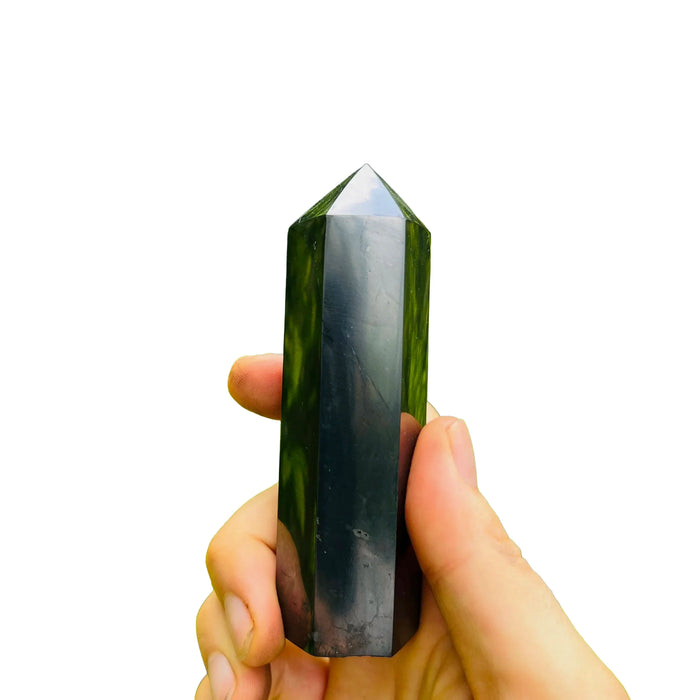
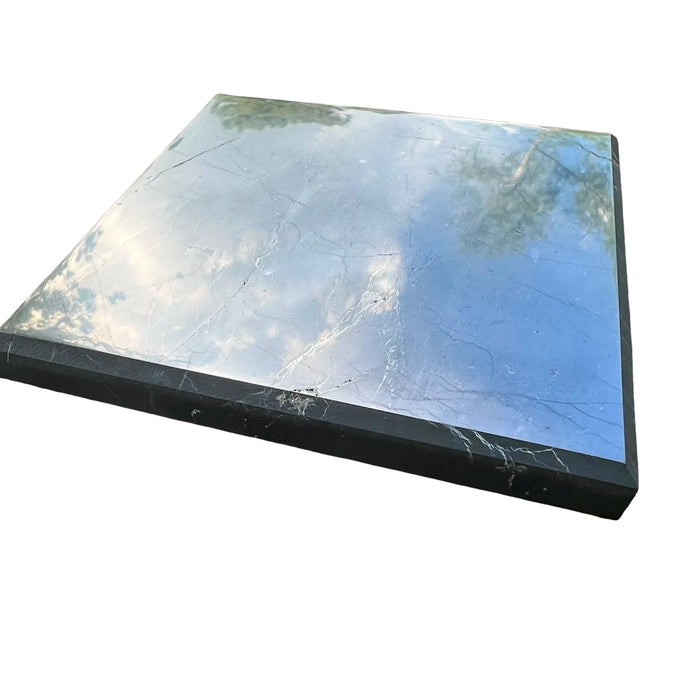
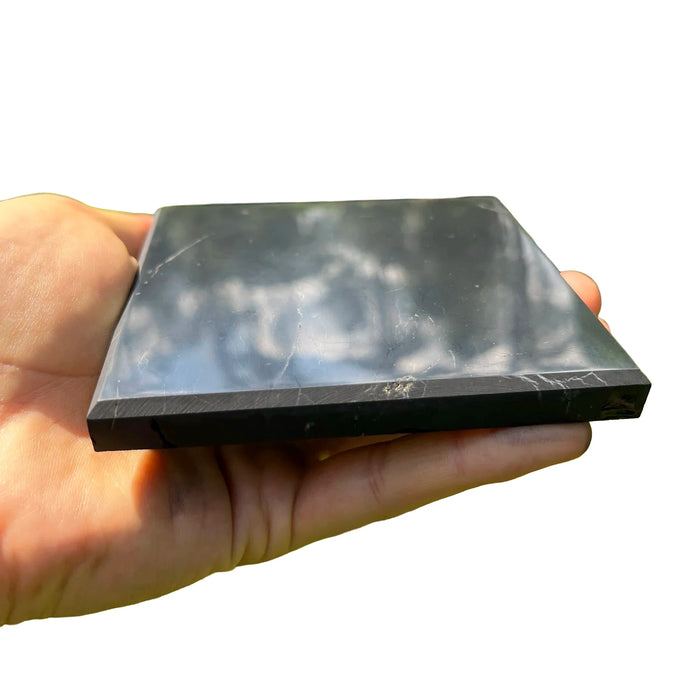
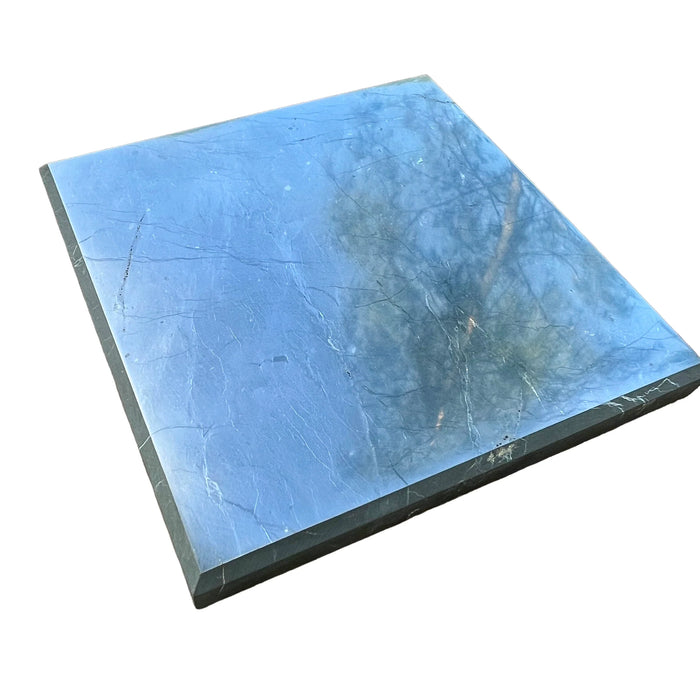
Explore the Crystal GuideLove Megalodon Tooth? Meet Shungite.
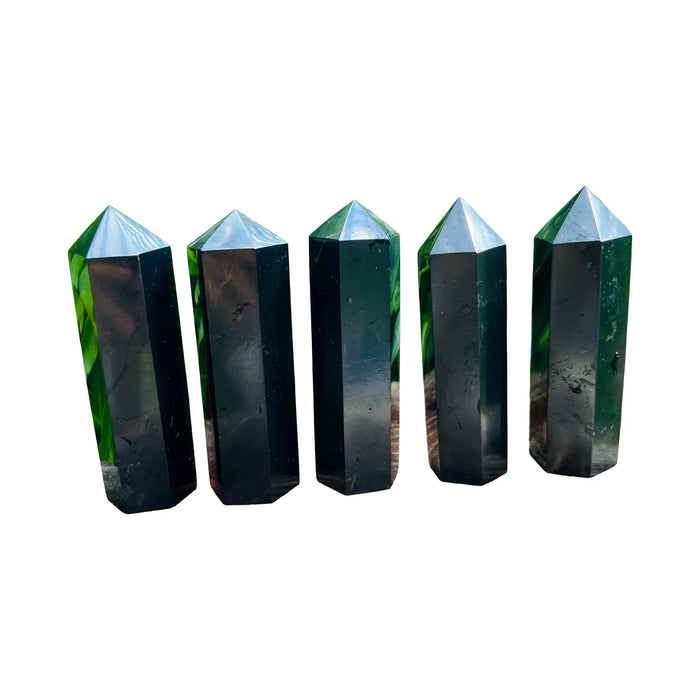
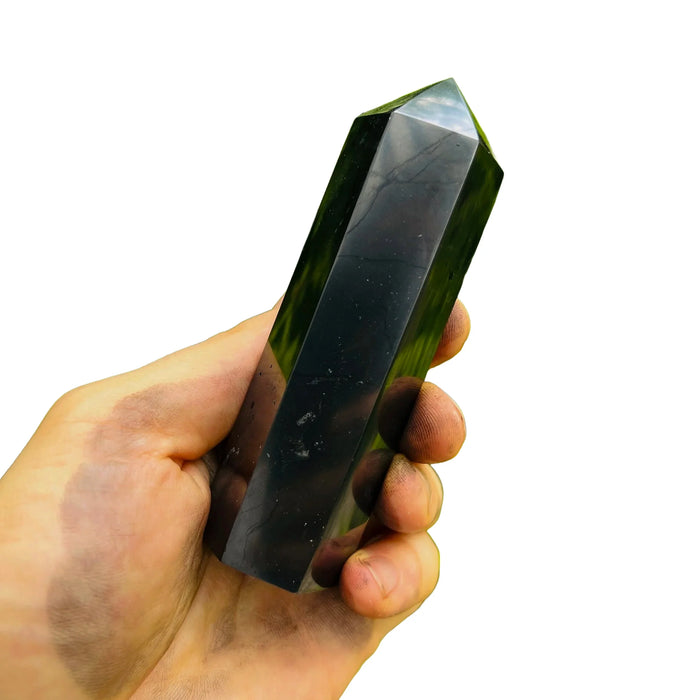
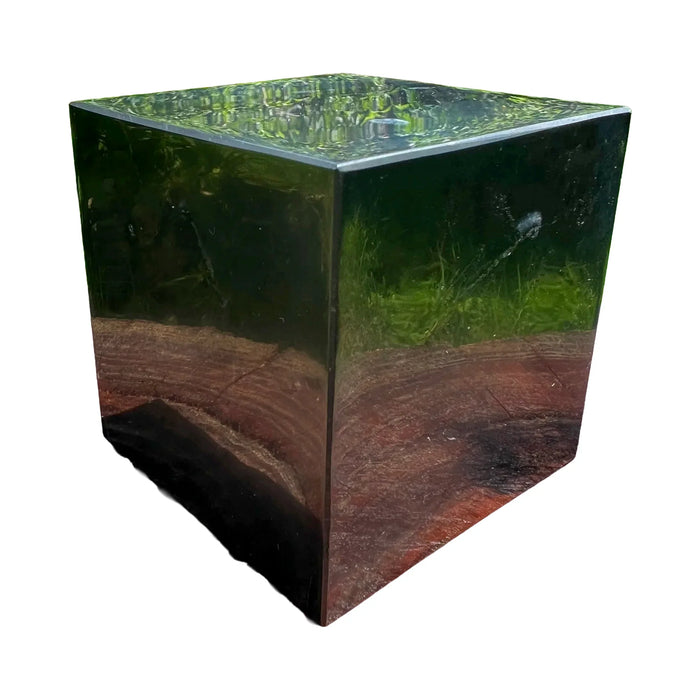
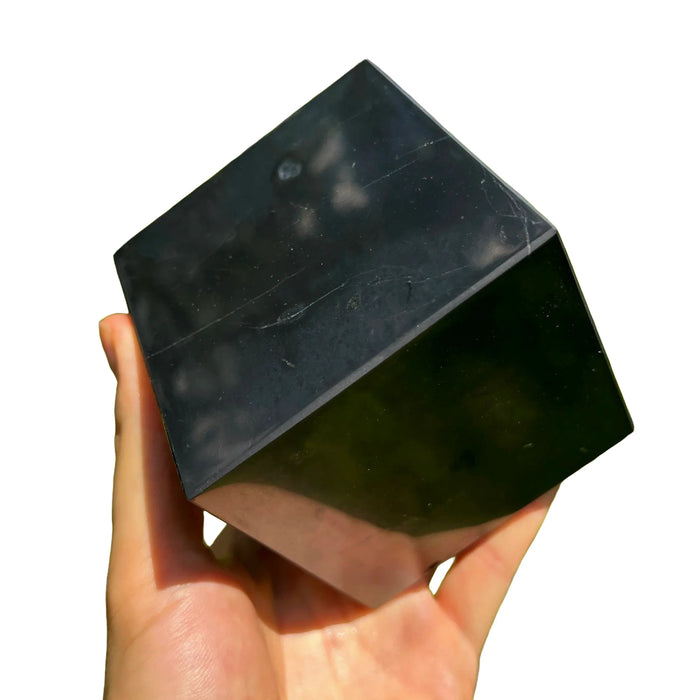
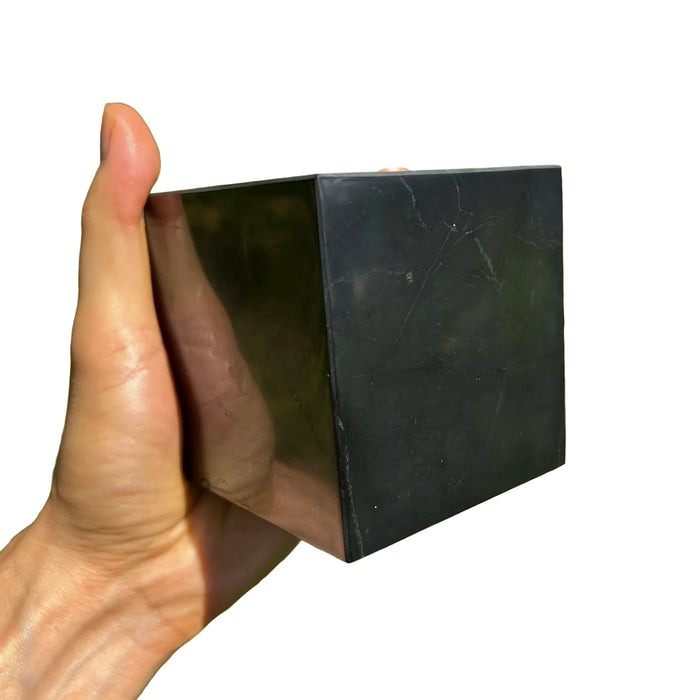
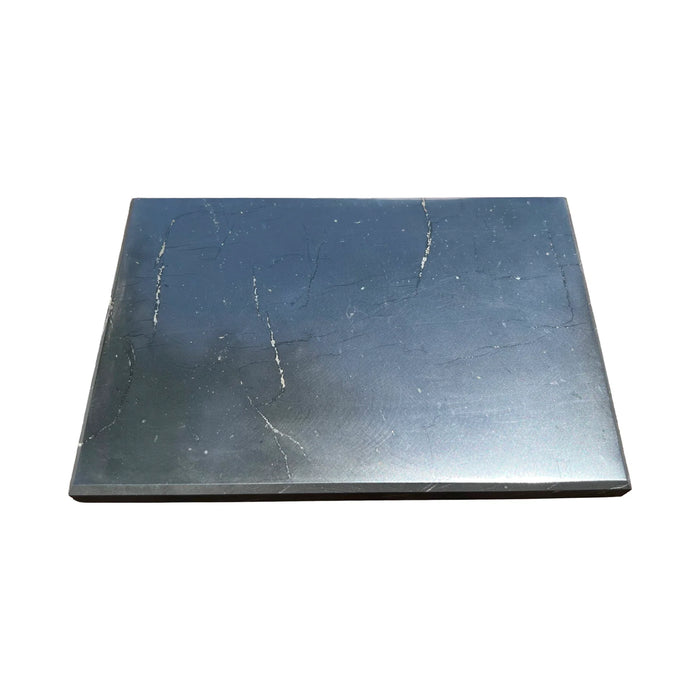
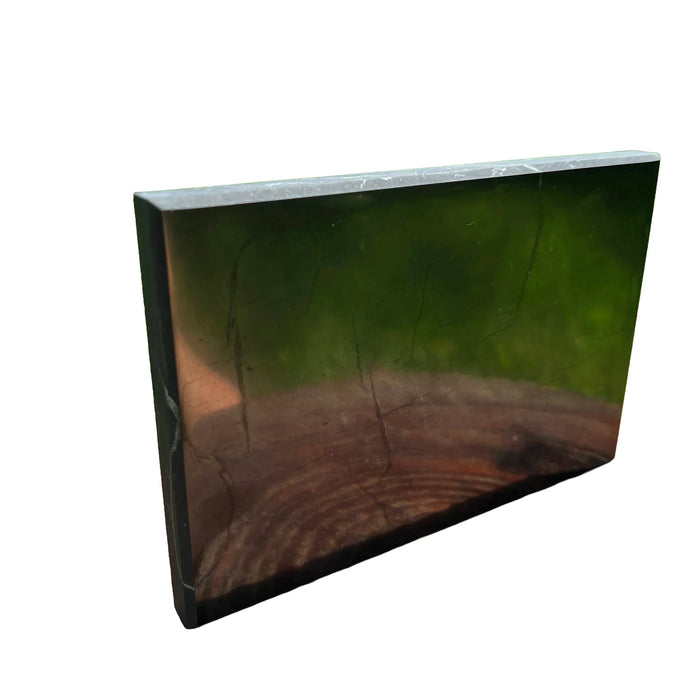
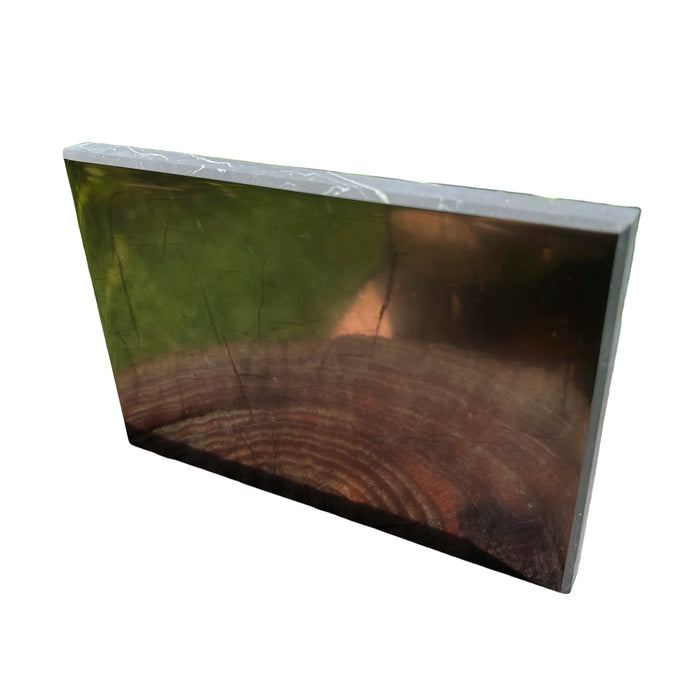
Megalodon Tooth is not something we carry. Shungite is the closest match in color, and every piece passes our sourcing standards: origin named, treatments disclosed.
- from 1,000+ reviews
- Ships within 72 hoursMonday to Friday, tracked
- 90 days to return itif you do not love it
- Free US shipping over $99$8.99 flat rate under
The Slow Note
New stones go to the list first.
No forwarding, no selling. Unsubscribe in one click. Privacy