


 Agatefor stress relief
 Amazonitefor stress relief
 Aquamarinefor serenity
 Aventurinefor luck
 Bloodstonefor energy
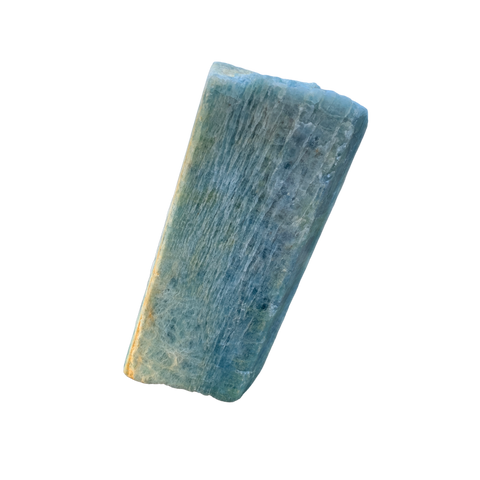
 Blue Kyanitefor confidence
 Blue Lace Agatefor stress relief
 Chrysocollafor emotional healing
 Fluoritefor focus
 Garnetfor energy
 Lepidolitefor stress relief
 Malachitefor emotional healing
 Moonstonefor grounding
 Obsidianfor protection
 Ocean Jasperfor emotional healing
 Red Jasperfor grounding
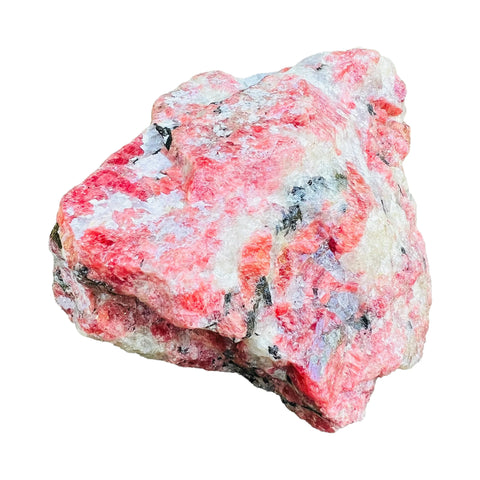
 Rhodonitefor emotional healing
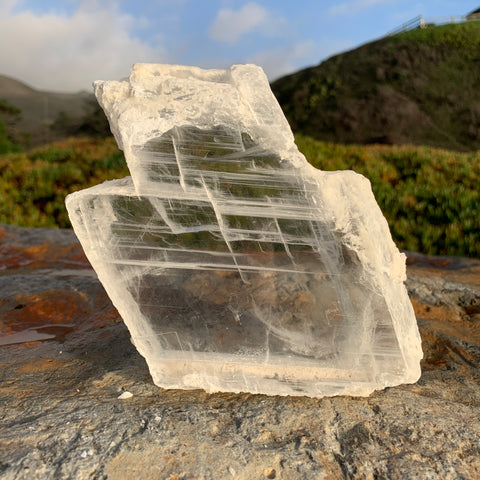
 Selenitefor cleansing
 Sodalitefor focus
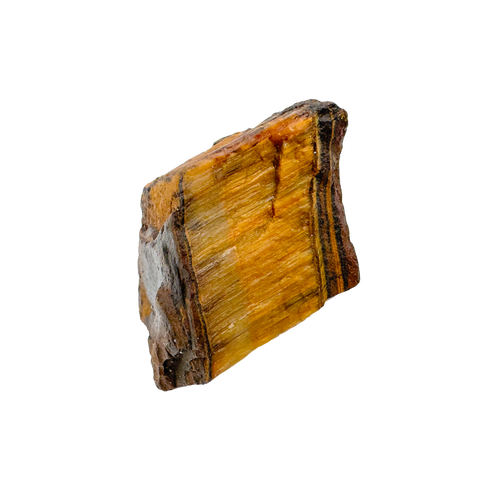
 Tiger Eyefor confidence
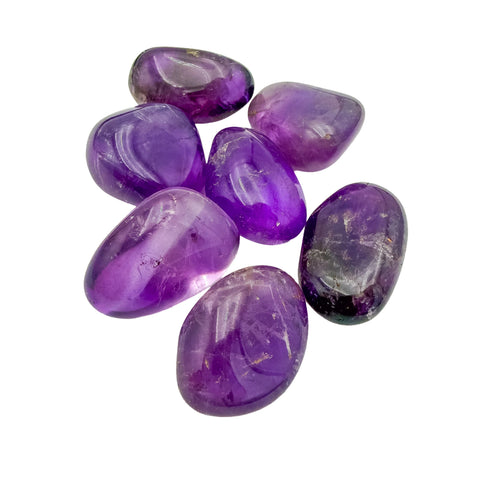


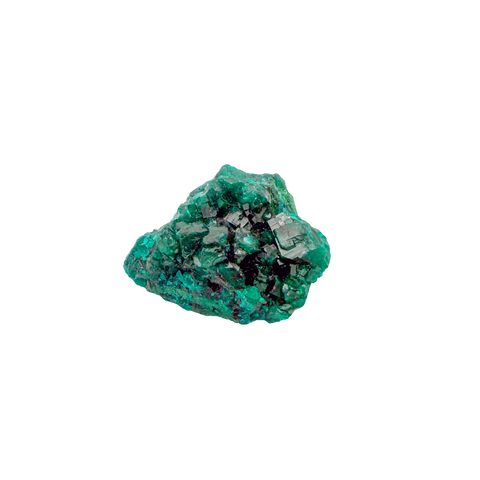
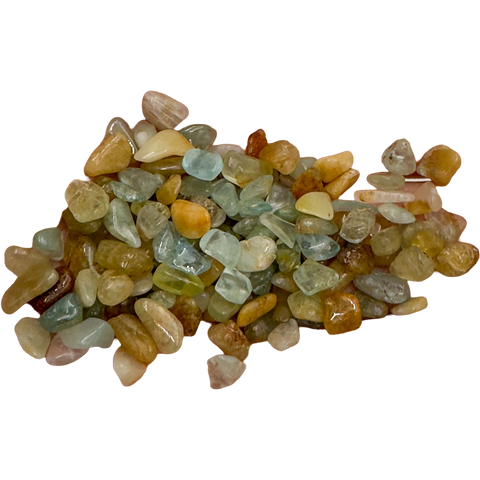
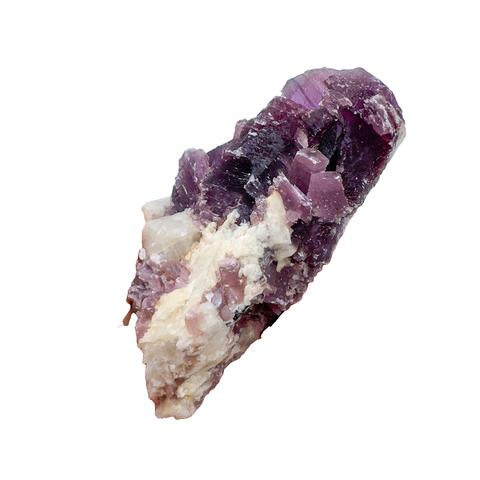
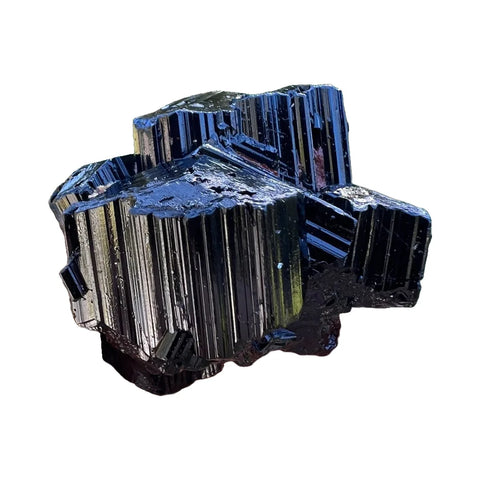
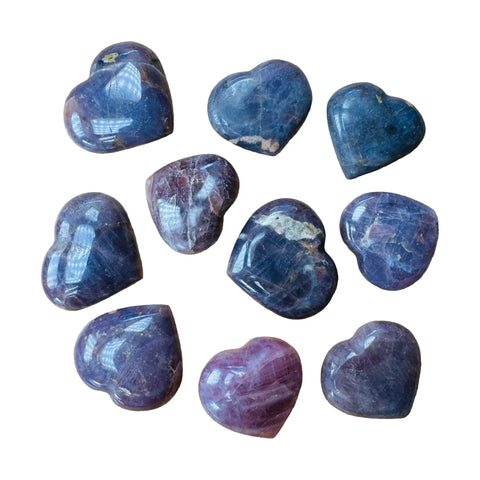
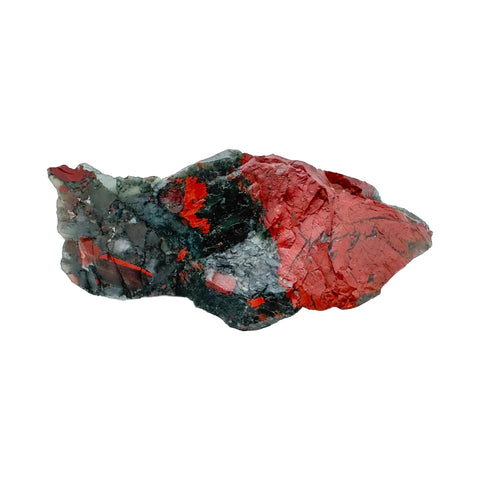
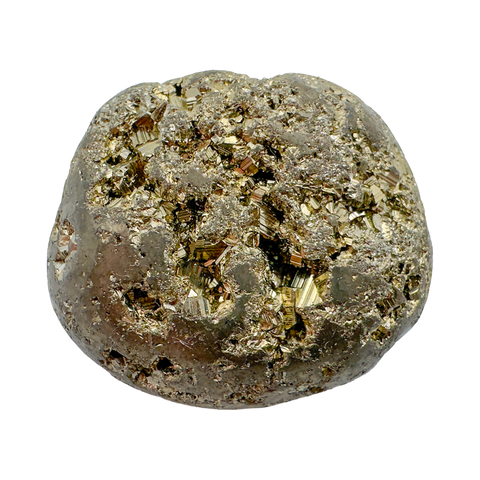
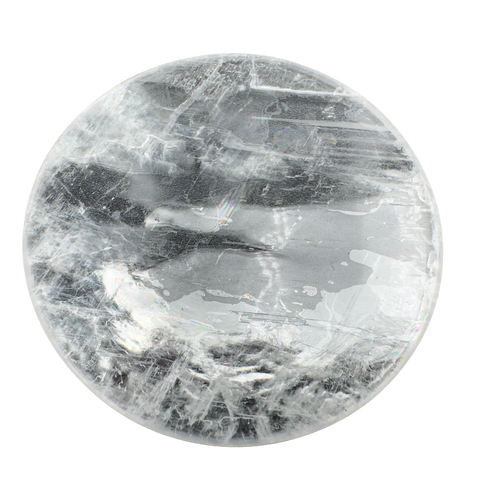
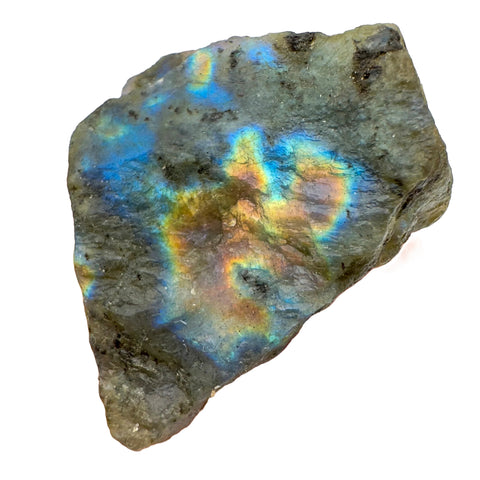
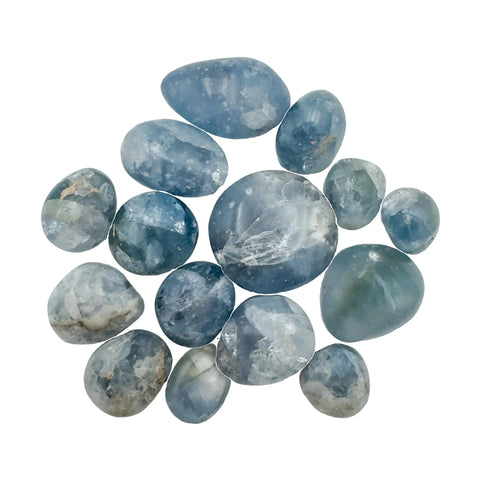


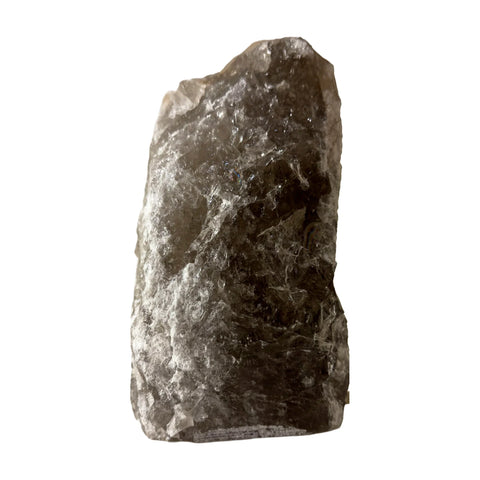
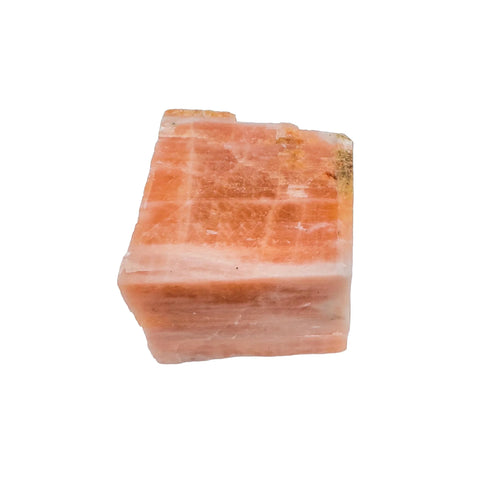
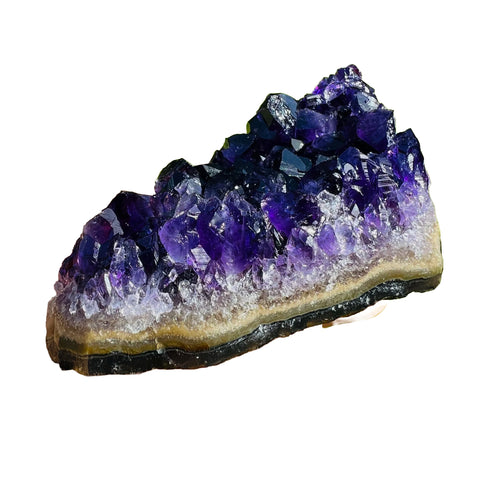





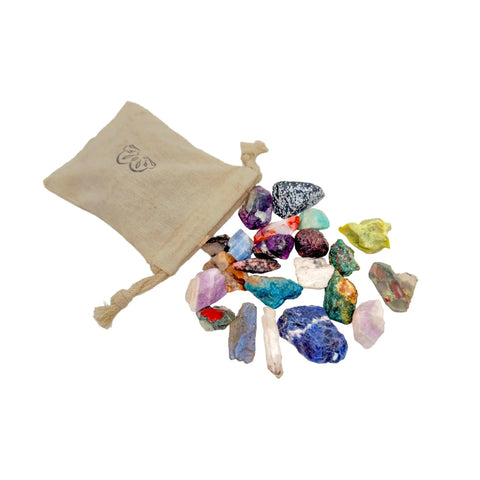
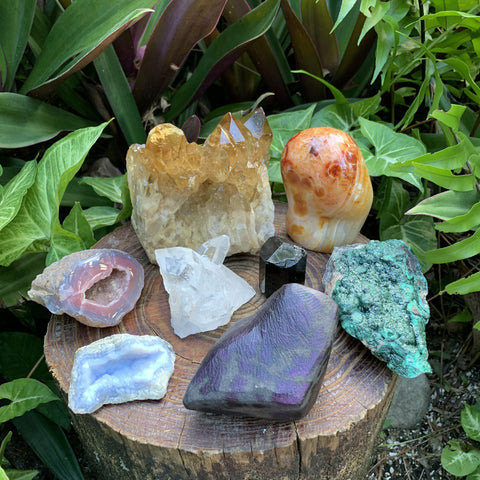
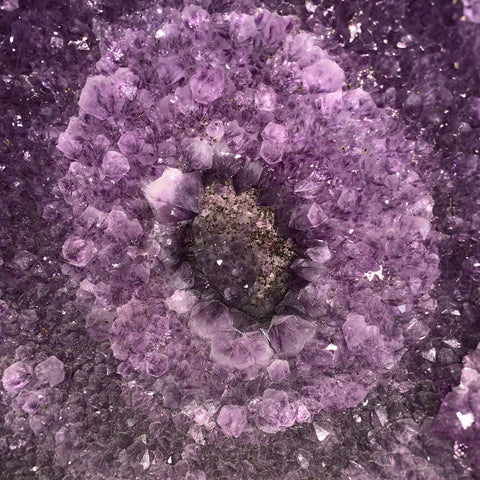
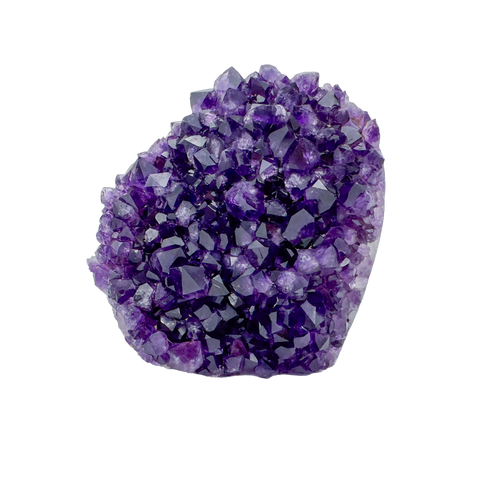
 Amethyst
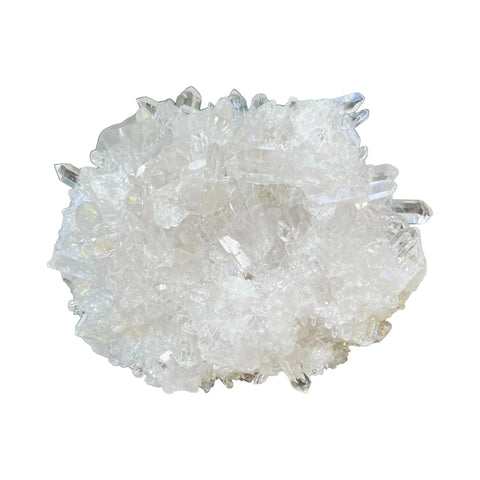
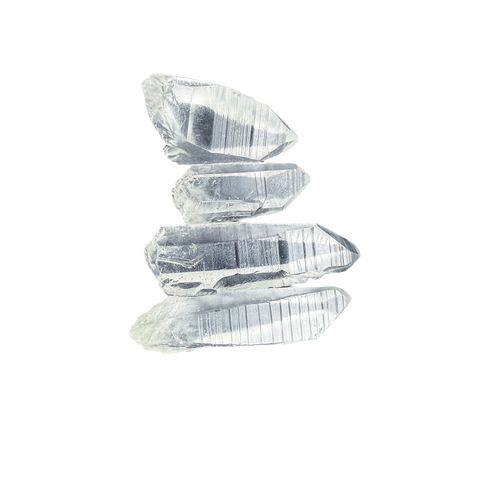
 Clear Quartz
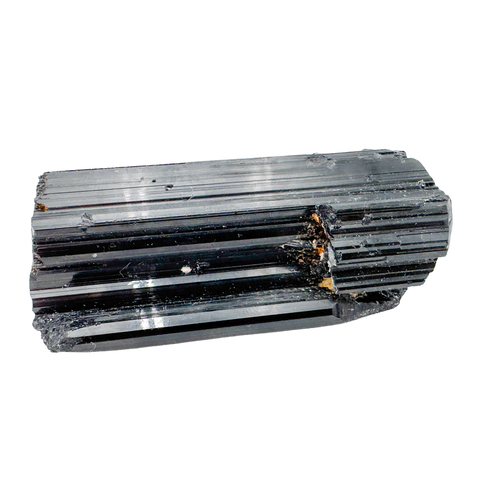
 Black Tourmaline
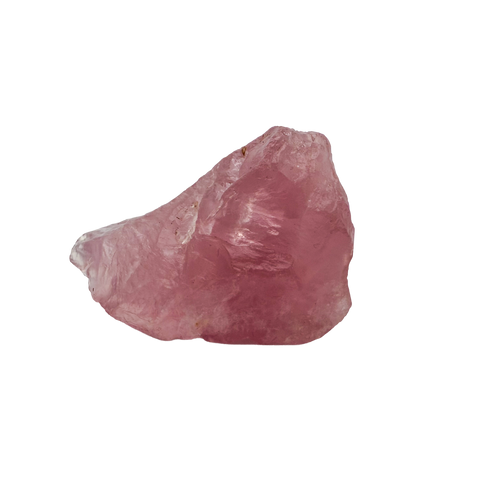
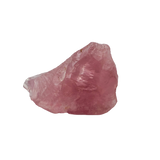 Rose Quartz
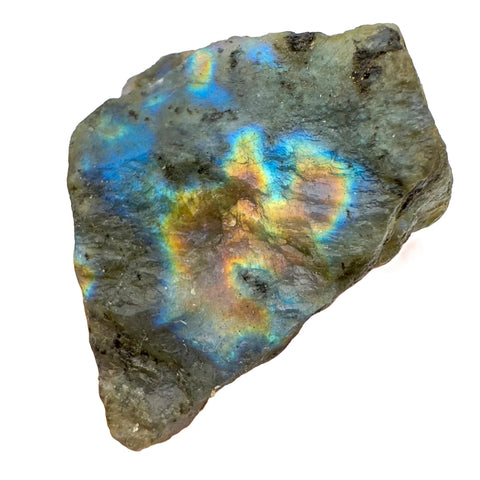
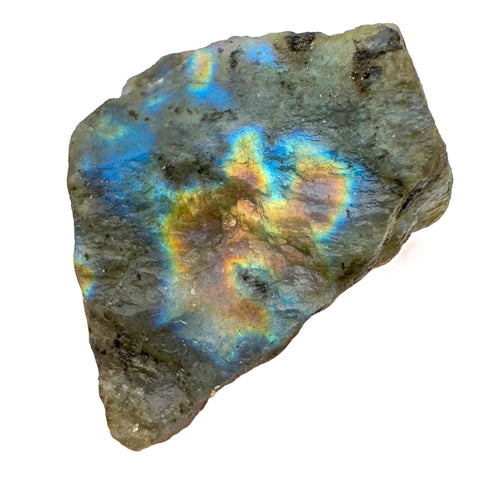
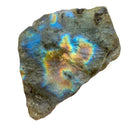 Labradorite
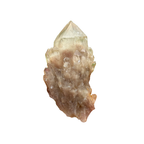 Natural Citrine
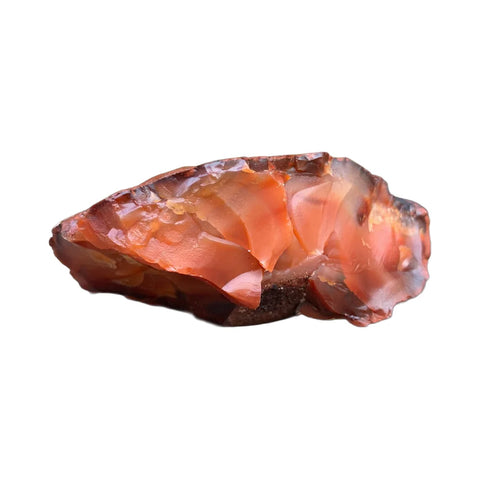
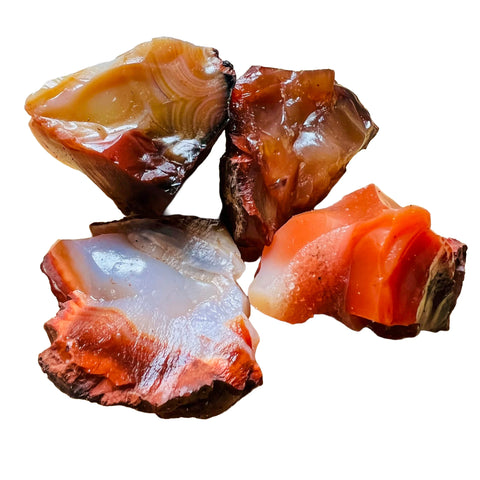
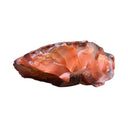 Carnelian
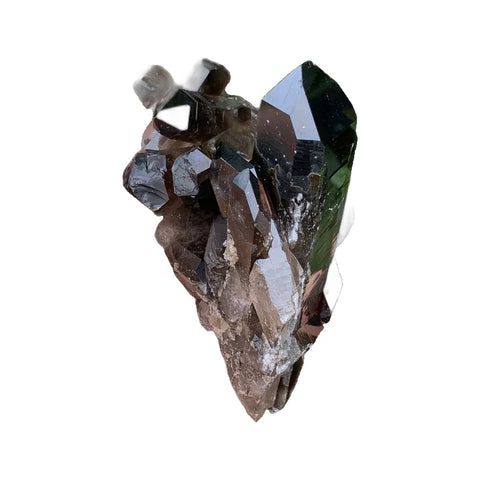
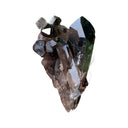 Smoky Quartz
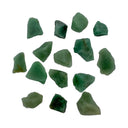 Aventurine
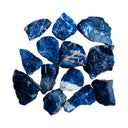 Sodalite
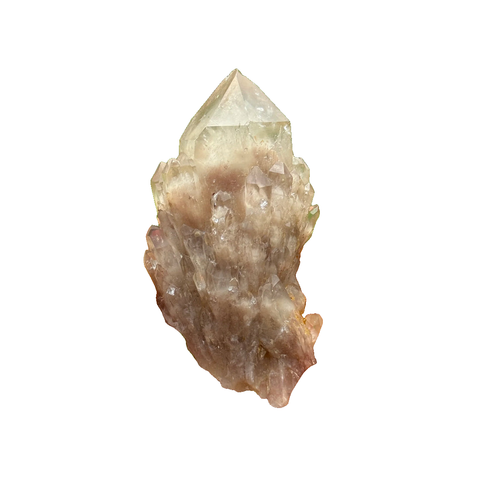
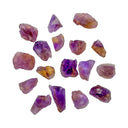 Ametrine
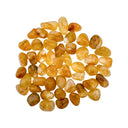 Golden Healer
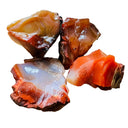 Raw Stones
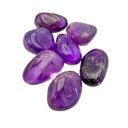 Tumbled Stones
 Palm Stones
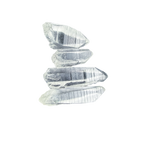 Crystal Points
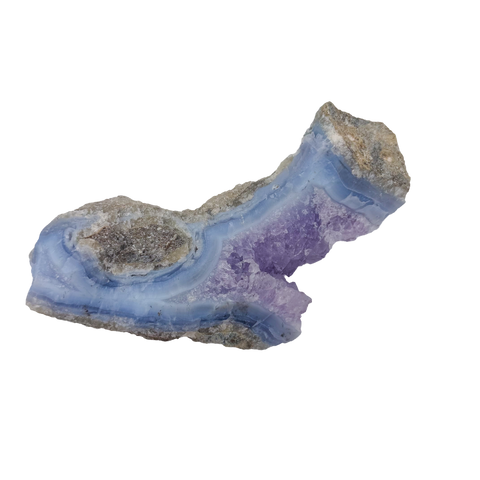
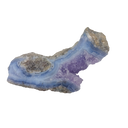 Clusters & Geodes
 Polished & Decor
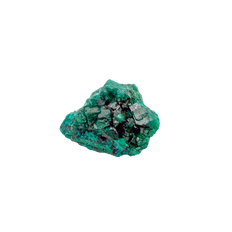 Mineral Specimens
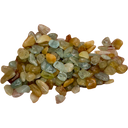 Crystal Chips
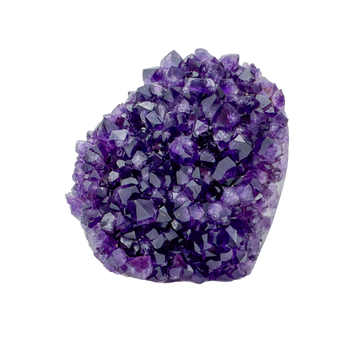
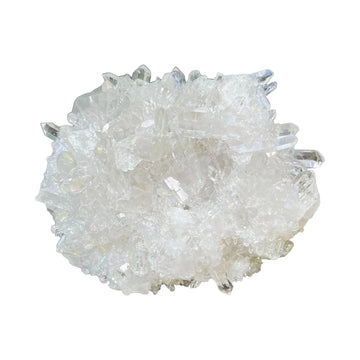
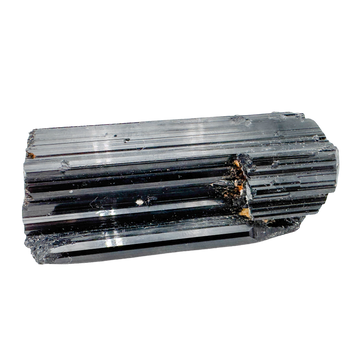
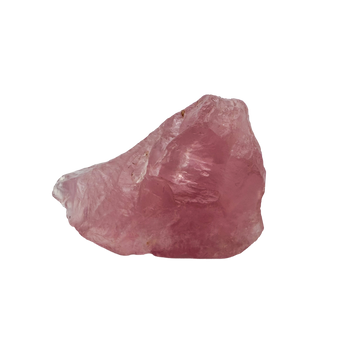
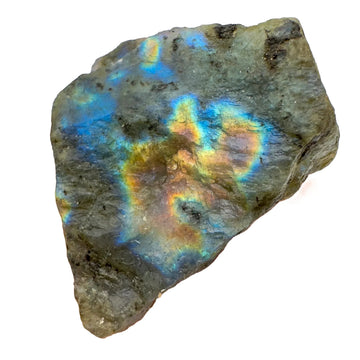
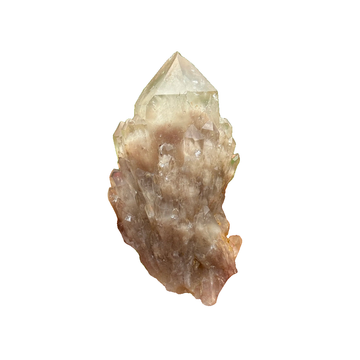
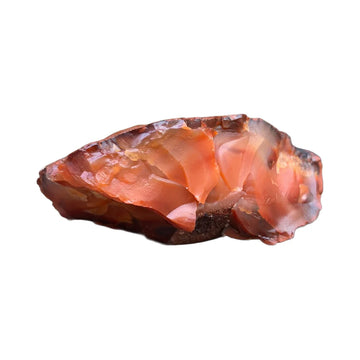
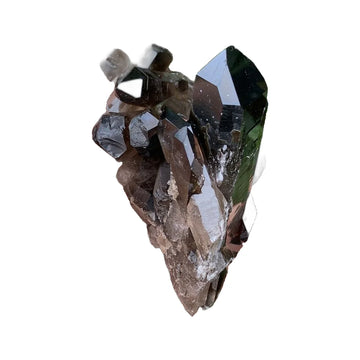
 Raw Stones
179 to choose from
Raw Stones
179 to choose from
 Tumbled Stones
162 to choose from
Tumbled Stones
162 to choose from
 Palm Stones
25 to choose from
Palm Stones
25 to choose from
 Crystal Points
23 to choose from
Crystal Points
23 to choose from
 Clusters & Geodes
101 to choose from
Clusters & Geodes
101 to choose from
 Polished & Decor
148 to choose from
Polished & Decor
148 to choose from
 Mineral Specimens
254 to choose from
Mineral Specimens
254 to choose from
 Crystal Chips
21 to choose from
Crystal Chips
21 to choose from


 AngolaAquamarine
›
AngolaAquamarine
›
 BotswanaCarnelian, Tree Agate
›
BotswanaCarnelian, Tree Agate
›
 DR CongoMalachite, Natural Citrine
›
DR CongoMalachite, Natural Citrine
›
 EswatiniBloodstone
›
EswatiniBloodstone
›
 MadagascarLabradorite, Clear Quartz
›
MadagascarLabradorite, Clear Quartz
›
 MalawiBlue Lace Agate, Garnet
›
MalawiBlue Lace Agate, Garnet
›
 MozambiqueAmazonite
›
MozambiqueAmazonite
›
 NamibiaSodalite, Blue Lace Agate
›
NamibiaSodalite, Blue Lace Agate
›
 Republic of the CongoDioptase
›
Republic of the CongoDioptase
›
 South AfricaTiger Eye, Unakite
›
South AfricaTiger Eye, Unakite
›
 ZambiaChevron Amethyst
›
ZambiaChevron Amethyst
›
 ZimbabweEmerald, Rhodonite
›
ZimbabweEmerald, Rhodonite
›
 ArgentinaBlack Obsidian, Rhodochrosite
›
ArgentinaBlack Obsidian, Rhodochrosite
›
 BoliviaAmetrine
›
BoliviaAmetrine
›
 BrazilAmethyst, Clear Quartz
›
BrazilAmethyst, Clear Quartz
›
 PeruSerpentine, Jade
›
PeruSerpentine, Jade
›
 UruguayAmethyst
›
UruguayAmethyst
›
 Dominican RepublicLarimar
›
Dominican RepublicLarimar
›
 MexicoRainbow Obsidian, Crazy Lace Agate
›
MexicoRainbow Obsidian, Crazy Lace Agate
›
 United StatesSelenite, Peridot
›
United StatesSelenite, Peridot
›
 ChinaFluorite
›
ChinaFluorite
›
 RussiaShungite
›
RussiaShungite
›
 AustraliaMookaite
›
AustraliaMookaite
›
 Where our crystals come from
See where we source →
Where our crystals come from
See where we source →


 Aries
Mar 21 to Apr 19
Carnelian
›
Aries
Mar 21 to Apr 19
Carnelian
›
 Taurus
Apr 20 to May 20
Rose Quartz
›
Taurus
Apr 20 to May 20
Rose Quartz
›
 Gemini
May 21 to Jun 20
Agate
›
Gemini
May 21 to Jun 20
Agate
›
 Cancer
Jun 21 to Jul 22
Moonstone
›
Cancer
Jun 21 to Jul 22
Moonstone
›
 Leo
Jul 23 to Aug 22
Citrine
›
Leo
Jul 23 to Aug 22
Citrine
›
 Virgo
Aug 23 to Sep 22
Amazonite
›
Virgo
Aug 23 to Sep 22
Amazonite
›
 Libra
Sep 23 to Oct 22
Blue Lace Agate
›
Libra
Sep 23 to Oct 22
Blue Lace Agate
›
 Scorpio
Oct 23 to Nov 21
Obsidian
›
Scorpio
Oct 23 to Nov 21
Obsidian
›
 Sagittarius
Nov 22 to Dec 21
Sodalite
›
Sagittarius
Nov 22 to Dec 21
Sodalite
›
 Capricorn
Dec 22 to Jan 19
Black Tourmaline
›
Capricorn
Dec 22 to Jan 19
Black Tourmaline
›
 Aquarius
Jan 20 to Feb 18
Amethyst
›
Aquarius
Jan 20 to Feb 18
Amethyst
›
 Pisces
Feb 19 to Mar 20
Aquamarine
›
Gifting?
A birthday stone is the safe bet.
Read the zodiac guide →
Pisces
Feb 19 to Mar 20
Aquamarine
›
Gifting?
A birthday stone is the safe bet.
Read the zodiac guide →


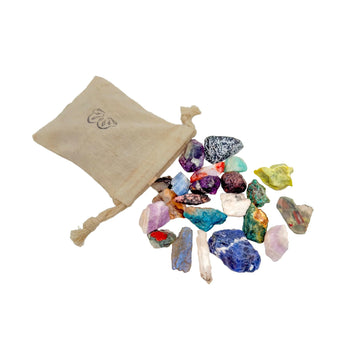
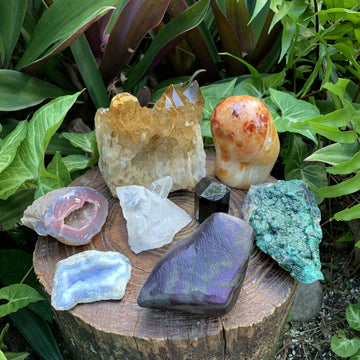
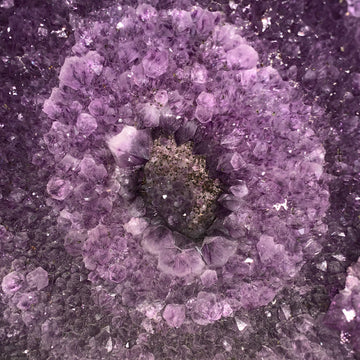
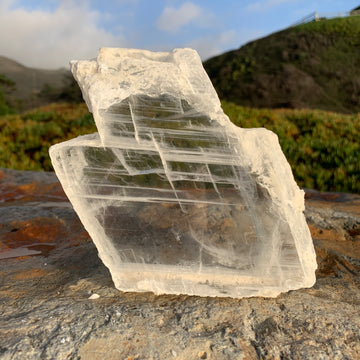
Rhodolite Garnet
Rhodolite Garnet is nesosilicate (garnet group, pyrope almandine blend), (Mg,Fe)3Al2(SiO4)3. In the hand, it rates 7 to 7.5 on the Mohs scale, and it runs purple red and rose red. Rhodolite is the garnet that looks purple.
The geology.
Rhodolite Garnet carries the formula (Mg,Fe)3Al2(SiO4)3. It belongs to the cubic (isometric) system. It is classified as nesosilicate (garnet group, pyrope almandine blend).
It sits at 7 to 7.5 on the Mohs scale. The surface reads vitreous. Light behavior is transparent. Specific gravity runs 3.79 to 3.89. The streak is white. It breaks with no cleavage; conchoidal fracture.
Rhodolite is the garnet that looks purple. Held to daylight it shows a raspberry to purplish red that is lighter and clearer in tone than almandine and free of almandine's brown cast, and it is usually transparent with no inclusions visible to the unaided eye. Back facet edges seen through the table never appear doubled, because garnet is singly refractive.
You will most often meet it as faceted gems, dodecahedral crystals, waterworn alluvial pebbles or tumbled stones and beads.
The origins.
Rhodolite occurs in metamorphic rocks of the almandine pyrope series and is most often recovered from the alluvial gravels weathered off them. The type locality is Cowee Valley in Macon County, North Carolina, where Hidden and Pratt described it from detrital sands in Masons Branch. The principal modern sources are Tanzania, Zimbabwe, Mozambique, Madagascar, Sri Lanka, India and Brazil, with smaller occurrences in Alaska.
On value, the database notes: rhodolite is affordable and widely available, so value follows color quality rather than rarity. A clean, bright raspberry to purplish red that avoids both almandine darkness and a washed out pink brings the most, and African material supplies nearly all the large clean stones.
Traditional associations.
Rhodolite falls under garnet as the January birthstone. The name comes from the Greek rhodon, meaning rose, chosen in 1898 for the stone's resemblance to rhododendron blossom. Sellers commonly connect rhodolite to the heart and root chakras, to Aquarius, and to the element of fire.
People buy on this language, so it belongs on the page. It belongs under the facts, though, not over them.
Spotting the real thing.
Rhodolite is the garnet that looks purple. Held to daylight it shows a raspberry to purplish red that is lighter and clearer in tone than almandine and free of almandine's brown cast, and it is usually transparent with no inclusions visible to the unaided eye. Back facet edges seen through the table never appear doubled, because garnet is singly refractive.
Glass and cubic zirconia stand in for rhodolite at the low end and separate easily by weight and by bubbles or excess fire. Almandine pyrope garnets have been grown hydrothermally for research, and the rare pieces that reach the market can be recognized under magnification by seed plates and other growth features. The looser problem is naming: rhodolite is applied to almost any purplish garnet regardless of composition, and some color change stones long sold as rhodolite from the Morogoro region of Tanzania were later shown to be pyrope spessartine instead.
| Looks like | How to tell them apart |
|---|---|
| Almandine garnet | Almandine is darker, browner and heavier. Rhodolite sits lower in density (about 3.8 against 4.0 or more) and keeps a clear purple cast in daylight. |
| Amethyst | Amethyst is quartz, so it is far lighter in the hand (specific gravity 2.65) and is doubly refractive, showing doubled back facet edges. Rhodolite shows none and feels much denser. |
| Rubellite tourmaline | Tourmaline is strongly pleochroic and doubly refractive, so it shifts color as it turns and doubles facet edges. Rhodolite holds one color and shows no doubling. |
At-home tests.
You can run every one of these at a kitchen table. Good light matters more than gear when you are looking at rhodolite garnet.
| Test | What you should see |
|---|---|
| By touch | Compare the stone in daylight and under warm indoor light; rhodolite holds a purplish raspberry tone in both, where almandine goes browner and darker. |
| By weight | Heft it against a same size amethyst, since rhodolite is close to half again as dense and the difference is obvious. |
| Under a loupe | Look through the table with a loupe for doubled back facet edges, which rhodolite never shows. |
| By eye | A hand spectroscope shows the almandine three band pattern, confirming a significant iron component in the blend. |
Destructive tests belong to a gemologist, not a kitchen table. If a piece matters to you, pay for an appraisal before you take a file to it.
Care & handling.
At 7 to 7.5 on the Mohs scale it stands up to everyday wear. It will still chip on a hard knock, so treat edges and points with respect.
It breaks with no cleavage; conchoidal fracture, which is worth knowing before you set it or drop it.
Clean it by hand, dry it properly, and keep it away from ultrasonic cleaners and hot steam.
A deeper look.
Extended detail on composition, sourcing, authentication and market value.
The physical record
The formula on record is (Mg,Fe)3Al2(SiO4)3. Crystal system: Cubic (isometric). Specific gravity: 3.79 to 3.89. Streak: White. Cleavage and fracture: No cleavage; conchoidal fracture.
How it reaches the market
Rhodolite occurs in metamorphic rocks of the almandine pyrope series and is most often recovered from the alluvial gravels weathered off them. The type locality is Cowee Valley in Macon County, North Carolina, where Hidden and Pratt described it from detrital sands in Masons Branch. The principal modern sources are Tanzania, Zimbabwe, Mozambique, Madagascar, Sri Lanka, India and Brazil, with smaller occurrences in Alaska.
What it gets confused with
Almandine garnet: Almandine is darker, browner and heavier. Rhodolite sits lower in density (about 3.8 against 4.0 or more) and keeps a clear purple cast in daylight.. Amethyst: Amethyst is quartz, so it is far lighter in the hand (specific gravity 2.65) and is doubly refractive, showing doubled back facet edges. Rhodolite shows none and feels much denser.. Rubellite tourmaline: Tourmaline is strongly pleochroic and doubly refractive, so it shifts color as it turns and doubles facet edges. Rhodolite holds one color and shows no doubling..
What it is worth
Rhodolite is affordable and widely available, so value follows color quality rather than rarity. A clean, bright raspberry to purplish red that avoids both almandine darkness and a washed out pink brings the most, and African material supplies nearly all the large clean stones.
Where buyers get caught
Glass and cubic zirconia stand in for rhodolite at the low end and separate easily by weight and by bubbles or excess fire. Almandine pyrope garnets have been grown hydrothermally for research, and the rare pieces that reach the market can be recognized under magnification by seed plates and other growth features. The looser problem is naming: rhodolite is applied to almost any purplish garnet regardless of composition, and some color change stones long sold as rhodolite from the Morogoro region of Tanzania were later shown to be pyrope spessartine instead.
One more thing
Rhodolite was named in 1898 by W. E. Hidden and J. H. Pratt from alluvial material in Cowee Valley, North Carolina. The type locality yields mostly stones of one or two carats, while later African finds have produced gems of over 75 carats.
An education-first guide.
We do not stock rhodolite garnet. Writing it up regardless is the point of a reference library.
Explore the Crystal GuideGrounded Connections
New stones go to the list first.
No forwarding, no selling. Unsubscribe in one click. Privacy