







The Streak Test: The Cheapest Crystal ID Check That Actually Works
A stone can lie about its color. The powder it leaves behind rarely does.
Rub a mineral across a piece of unglazed porcelain and it leaves a thin line of its own powder. That line is called the streak, and for a whole family of stones it is the single most reliable identification you can make at a kitchen table.

A streak test is the color of a mineral in powder form. Drag the stone across unglazed porcelain and read the line it leaves. Powder color is far more consistent than surface color, so Hematite always streaks red-brown and Malachite always streaks pale green. Stones harder than the plate, quartz among them, leave no streak at all.
Powder Color, Not Surface Color
The color you see on a stone is the color of light bouncing off a polished, weathered, sometimes coated surface. It is easily misleading. Iron oxide can look silver, charcoal, rust, or near-black depending on how it grew and how it was finished, and all of it is the same mineral.
Grind a little of that same mineral into powder and something steadier happens. Fine particles scatter light in every direction, so what you see is closer to the mineral's true internal color rather than a surface effect. That powder color, the streak, tends to stay the same across specimens that look nothing alike.
Malachite makes the point better than any explanation. The stone is a deep, saturated green, banded and glossy. Its streak is a soft pale green, almost pastel. Same mineral, two very different colors, and the pale one is the honest one.

Malachite reads as deep forest green in the hand. Its streak is pale green, which is one of the cleanest demonstrations of why powder color and body color are different things.
The Test Takes About Ten Seconds
You need one thing: a piece of unglazed porcelain. Mineral shops sell purpose-made streak plates for a few dollars, and the unglazed ring on the bottom of a ceramic mug or the rough back of a bathroom tile works just as well. Glazed surfaces are useless, because the glaze is glass and the stone will simply slide.
A rusty or coated surface streaks the coating, not the stone. Use a fresh corner or a broken face if you have one.
Press an edge or point of the stone against the plate and pull it toward you a couple of inches. Scrubbing back and forth just smears what you already made.
Daylight or a neutral white bulb. Warm indoor lighting can push a red-brown streak toward orange and a gray one toward brown.
A thin, faint mark can be deceiving. Smearing the powder slightly spreads the true color out and makes it far easier to read.
A streak test removes a genuinely tiny amount of material, but it is not zero. Choose the back or an underside, never a display face, and never run one across a polished sphere, a carved piece, or a fine specimen you would be unhappy to mark.
What the Plate Can Tell You
Every streak test lands in one of three buckets. Knowing which bucket you are in tells you immediately whether the result is worth anything, because two of the three are highly diagnostic and one of them is nearly useless on its own.
A Colored Streak
Metallic and opaque minerals
A White Streak
Most light-colored non-metallics
No Streak At All
Anything harder than the plate
If a stone is harder than the plate, you can still get a white line, but it is porcelain dust, not mineral powder. People read that as "white streak" and misidentify a quartz as a soft white mineral. Run a fingernail along the plate afterward: if you can feel a groove, the stone won and the result is void. Our Mohs hardness primer explains where the common stones sit.
Streak Colors Worth Memorizing
These are the stones where a streak test earns its keep. Most of them are opaque, most of them are metallic or metal-bearing, and in nearly every case the powder looks nothing like the polished piece.
| Stone | Body color | Streak | Why it matters |
|---|---|---|---|
| Hematite | Steel-gray to black, sometimes bright silver | Red-brown | The rusty line gives it away even when the stone looks like polished chrome |
| Magnetite | Black, metallic | Black | Looks like hematite, streaks black instead of red-brown, and is strongly magnetic |
| Pyrite | Brassy gold | Greenish-black to black | Gold leaves a golden streak. Pyrite does not, which is the classic fool's gold check |
| Chalcopyrite | Brassy gold, often iridescent | Greenish-black | Softer than pyrite and frequently sold as peacock ore after treatment |
| Malachite | Deep banded green | Pale green | A dyed green imitation will not give you that specific soft green powder |
| Azurite | Deep royal blue | Light blue | Separates it from dyed blue stones and from harder blue silicates |
| Goethite | Brown to black | Yellow-brown | The yellow-brown line separates it from the red-brown of hematite |
| Galena | Mirror-bright silver-gray cubes | Lead-gray | Diagnostic, but skip the test. Galena is lead sulfide and its powder is best not made |
| Cinnabar | Brick to scarlet red | Scarlet red | Also diagnostic, also a mineral to leave alone. Cinnabar is mercury sulfide |
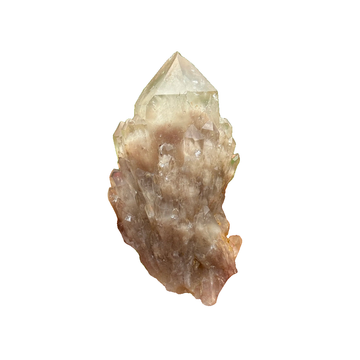
| Quartz family | Anything from clear to jasper red | None | At Mohs 7 it beats the plate. Any white line you see is porcelain, not stone |
Notice how many of these are stones that look almost identical to something else. That is the whole point. Streak is at its most powerful precisely where your eye is at its weakest, which is why it shows up again and again in our comparison guides, including sorting the black stones.
Fool's Gold, Settled in One Line

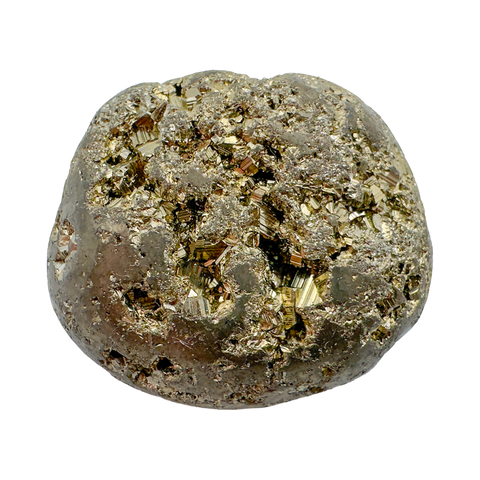
Pyrite from Peru. Brassy gold on the outside, greenish-black in powder. The two colors have nothing to do with each other.
The oldest use of a streak plate is also the simplest. Native gold is soft, and it leaves a golden yellow streak that looks exactly like the metal itself. Pyrite is iron sulfide, and no matter how convincingly brassy the crystal looks, it leaves a greenish-black to black line.
Chalcopyrite, the other common brassy sulfide, behaves the same way and streaks greenish-black. So a single swipe separates the two most famous gold impostors from the real thing, which is a test prospectors were relying on long before anyone had a lab.
The same logic transfers to modern shop-floor questions. Dyed and coated stones carry their color on the outside. Powder them and the color usually thins out, breaks up, or disappears, which is one of several tells covered in our guide to spotting dyed stones.
"A surface can be polished, coated, dyed, or weathered. Powder is just the mineral, telling you what it is."
Where the Streak Test Runs Out
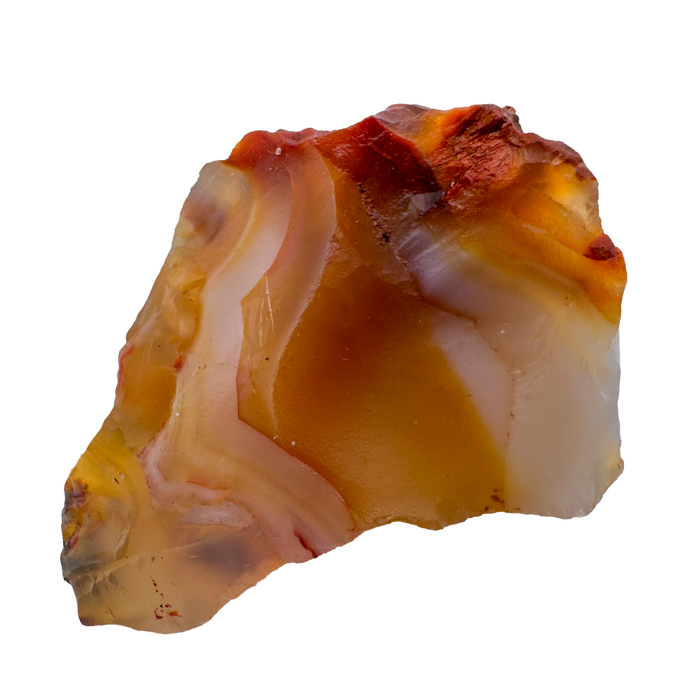
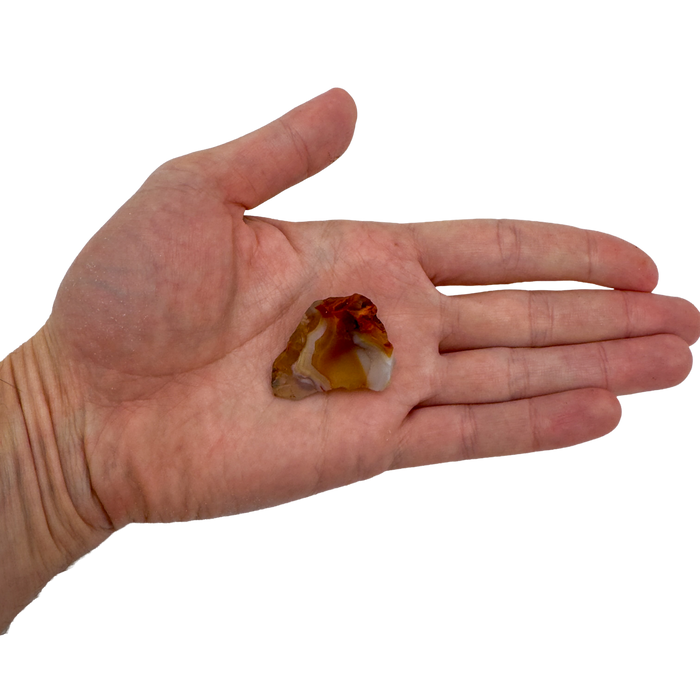
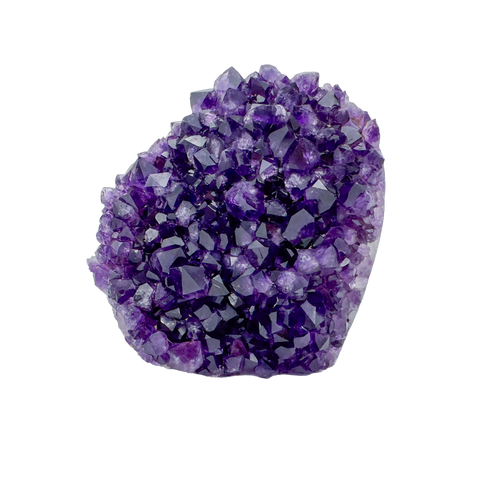
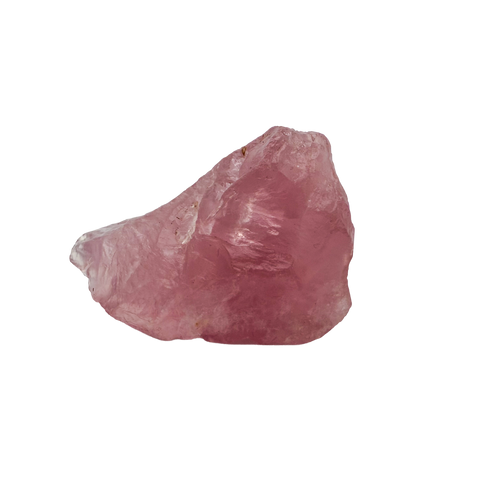
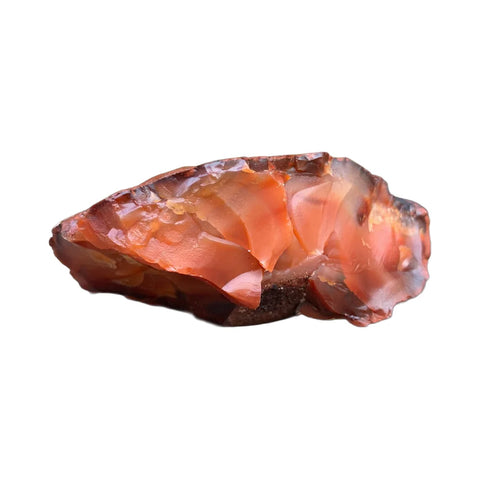
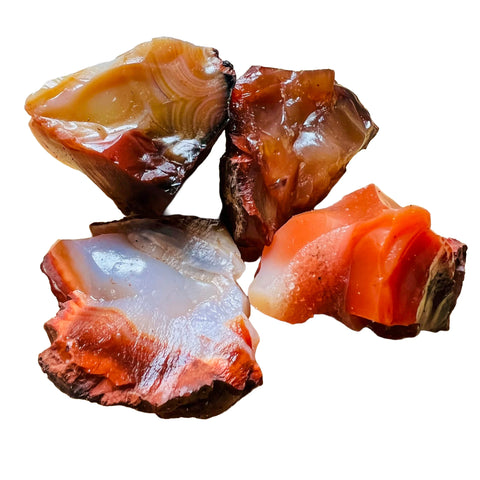
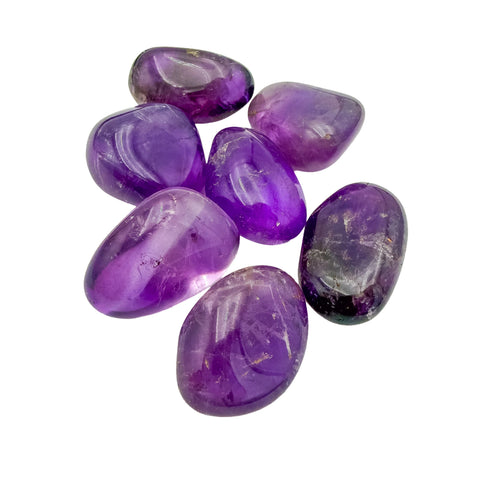
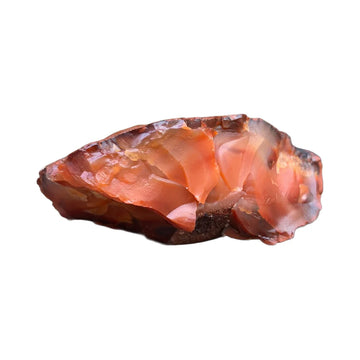
For a large slice of the crystal shelf, the streak test simply has nothing to say. Amethyst, citrine, agate, jasper, carnelian, and rose quartz are all quartz, all at about Mohs 7, and all harder than the porcelain. They will scratch the plate and hand you a white smear that means nothing.
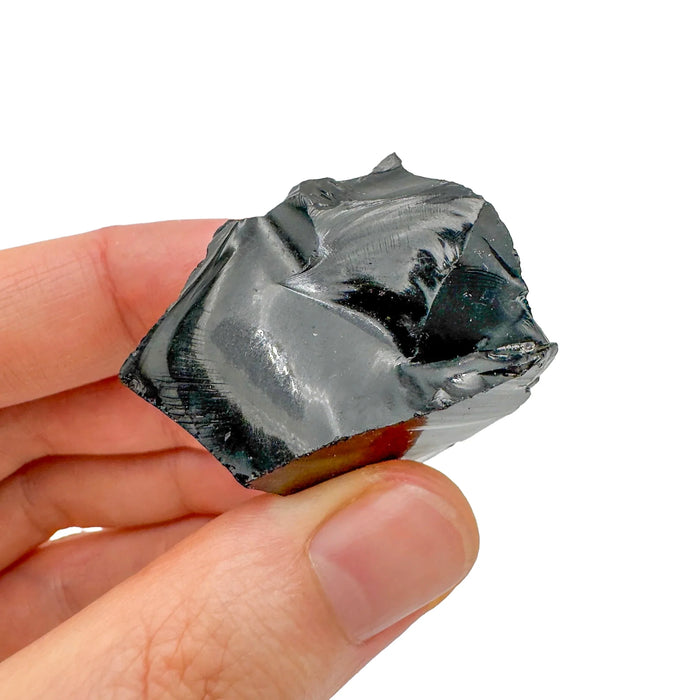
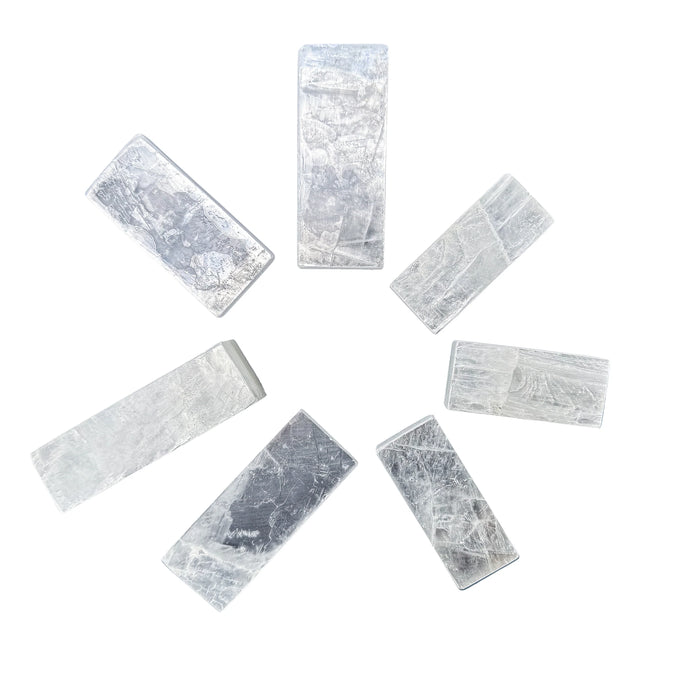
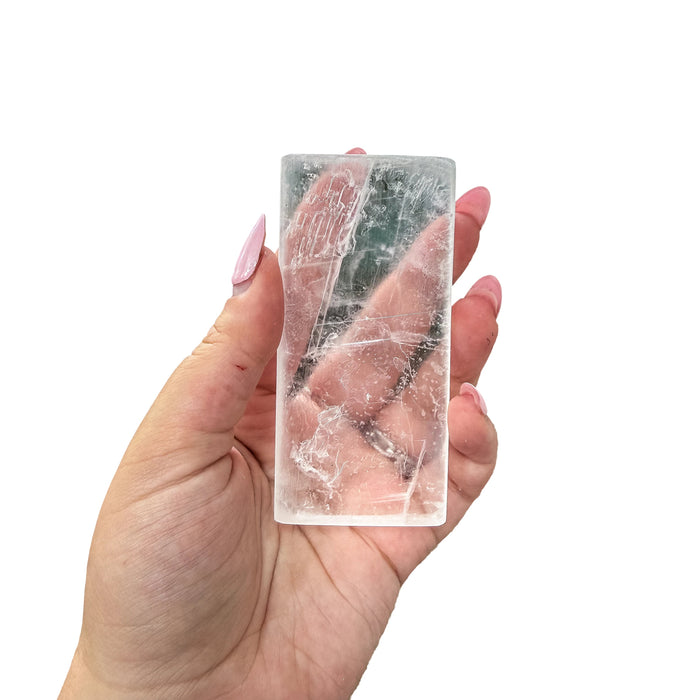
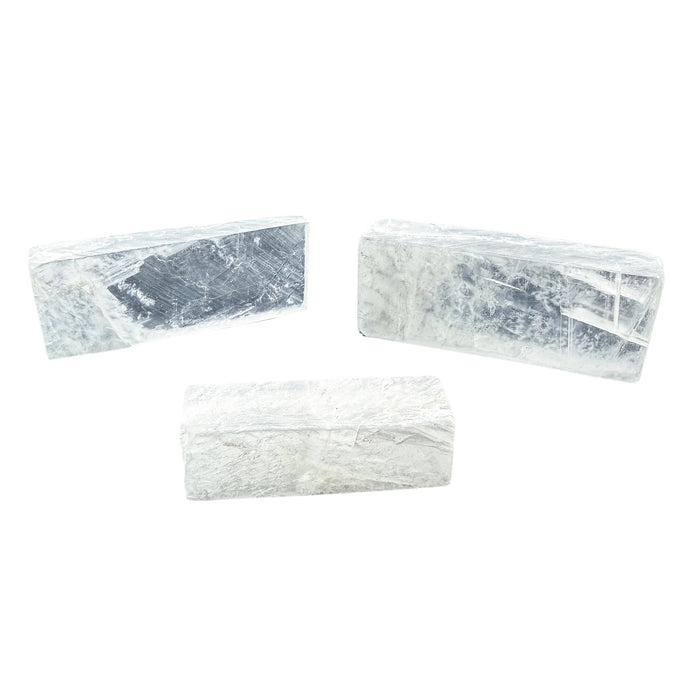
The white-streak group is the other dead end. Calcite, fluorite, selenite, and howlite all give white, so a white streak narrows the field a little and identifies nothing on its own. In those cases hardness, weight, and cleavage carry the load instead.
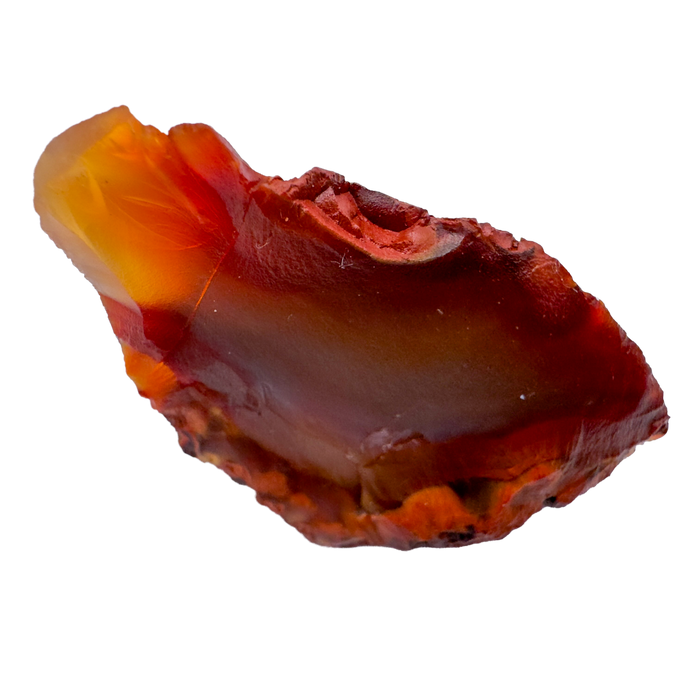
And streak is silent on treatment. A heated carnelian streaks the same as an unheated one, because heating changed the iron inside the stone rather than adding a coating. Streak answers what a mineral is, not what has been done to it.

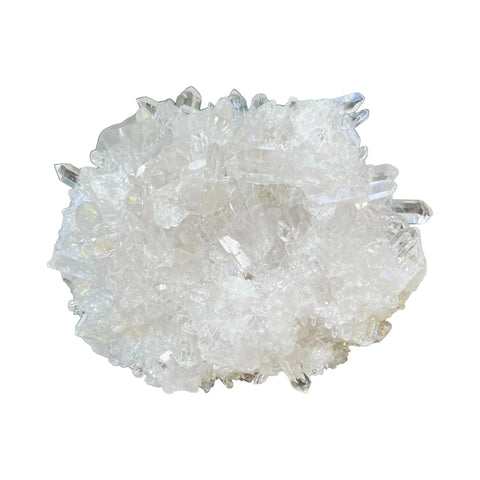
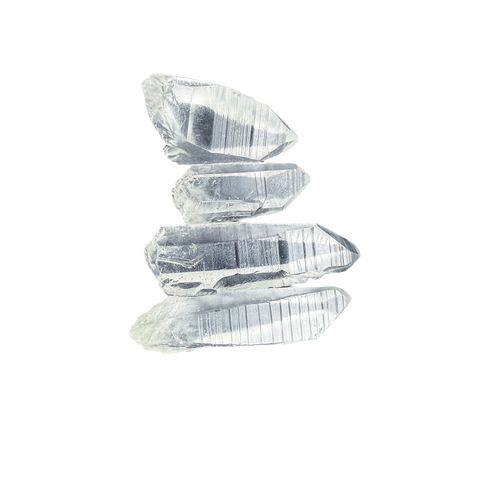
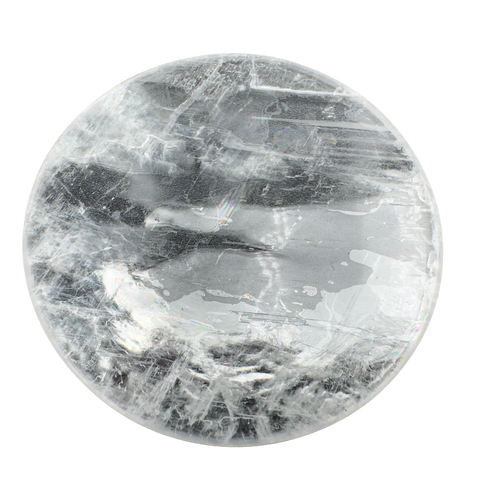
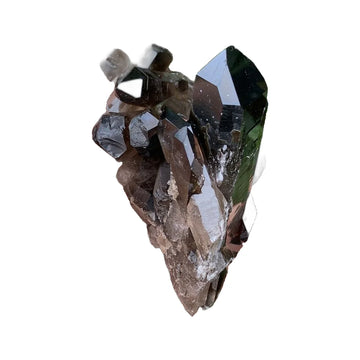
Clear quartz sits at Mohs 7 and beats a porcelain streak plate. Ask it for a streak and it scratches the plate instead.
Cinnabar is mercury sulfide and galena is lead sulfide. Both give textbook streaks and neither is worth powdering at home. Handling a solid piece is a different matter from creating fine particles you might inhale.
Standard practice among mineral collectors, and sensible for any metal-bearing stone. Avoid breathing the powder, keep it away from food, and wipe the plate clean when you are done.
Spheres, carvings, cabochons, jewelry, and display specimens are off limits. If a stone is polished all over and you have no hidden edge, the streak test is not the right tool.
Streak is one line of evidence. Combine it with hardness, weight, luster, and how the stone breaks, and the four together will identify almost anything on a home shelf.
Related Guides
Why the plate loses to quartz, and what a hardness number actually means for your stone.
Read the primerWhy powder color and body color can differ so sharply, from the chromophores up.
Understand colorThe mineral behind the most famous streak of all, and where ours is mined.
Explore hematiteFool's gold, up close: what pyrite is, how it grows, and how to spot it.
Explore pyriteA calm, accurate look at which stones deserve care, and which are fine in your hand.
Read the guideOur full collection of trust-first crystal guides and comparisons.
Browse the LibraryFrequently Asked
What is a streak test?
A streak test is the color of a mineral in powdered form. You drag the stone across a piece of unglazed porcelain, called a streak plate, and read the color of the powder line it leaves. Powder color is more consistent across specimens than surface color, which makes it a strong identification clue.
What can I use as a streak plate at home?
Any unglazed porcelain. Mineral suppliers sell streak plates for a few dollars, and the unglazed ring on the base of a ceramic mug or the rough back of a bathroom or kitchen tile works. Glazed surfaces do not work, because the glaze is glass and the stone slides across it.
Why does my crystal have no streak?
Because it is harder than the plate. Streak plates sit at roughly Mohs 6.5 to 7, so quartz, garnet, tourmaline, beryl, topaz, and corundum scratch the porcelain rather than powdering. The white line you see in that case is porcelain dust, not mineral powder, and it should be read as no streak.
Does a streak test damage the crystal?
It removes a very small amount of material, enough to leave a mark on a soft stone. Use a hidden edge or an underside, never a display face. Do not run one on a polished sphere, a carving, jewelry, or a fine specimen, and do not do it at all on anything you would be unhappy to scuff.
What color streak does Hematite leave?
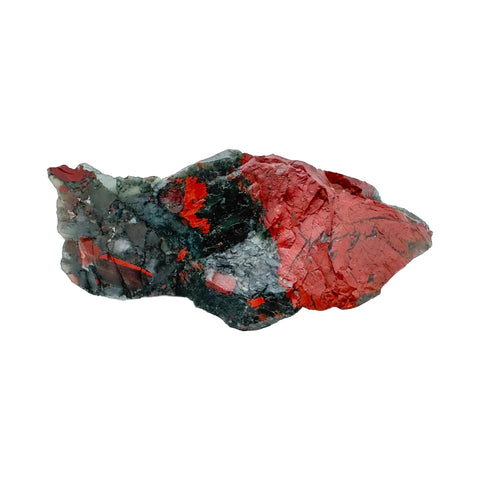
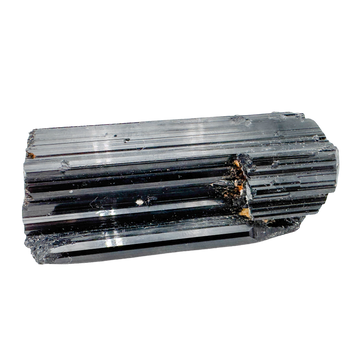
Red-brown, every time. This holds whether the hematite looks black, charcoal, or mirror-bright silver, and it is what separates it from magnetite, which looks similar but leaves a black streak. The rusty powder is why the name traces back to the Greek word for blood.
Can a streak test tell real gold from Pyrite?
Yes, and it is the classic use of the test. Native gold leaves a golden yellow streak that looks like the metal itself. Pyrite, despite the brassy color, leaves a greenish-black to black streak. Chalcopyrite, the other common brassy sulfide, also streaks greenish-black.
Why is Malachite's streak so much lighter than the stone?
Grinding a mineral into fine particles changes how it scatters light. Instead of a few deep reflections off a solid surface, you get many small ones from many faces, which lightens the apparent color. So a deep green malachite gives a pale green streak, and a royal blue azurite gives a light blue one.
Are there crystals I should not streak test?
Yes. Skip anything that contains a heavy metal you would rather not turn into dust, most notably cinnabar, which is mercury sulfide, and galena, which is lead sulfide. Also skip finished and valuable pieces. Wash your hands after handling any powdered mineral, and avoid breathing the dust.
Can a streak test tell if a crystal is dyed or treated?
Sometimes for dye, never for heat. Dye sits on and just under the surface, so powdered material often looks thinner or paler in color than the stone does. Heat treatment changes the mineral internally, so a heated carnelian and an unheated one streak identically.