 Agatefor stress relief
 Amazonitefor stress relief
 Aquamarinefor serenity
 Aventurinefor luck
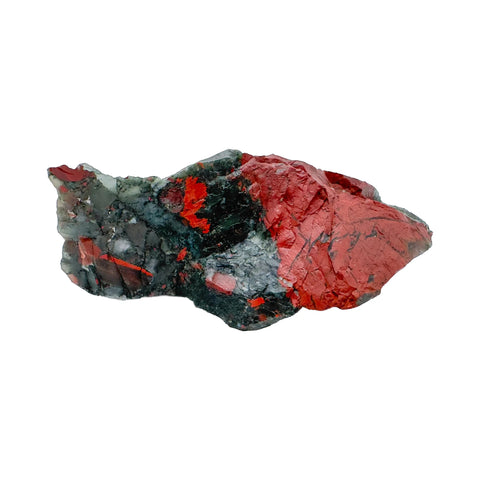
 Bloodstonefor energy
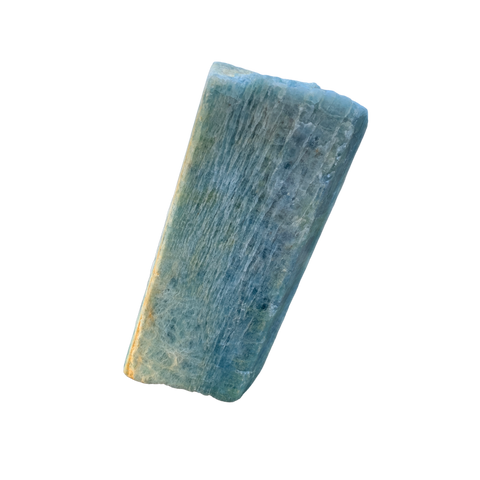
 Blue Kyanitefor confidence
 Blue Lace Agatefor stress relief
 Chrysocollafor emotional healing
 Fluoritefor focus
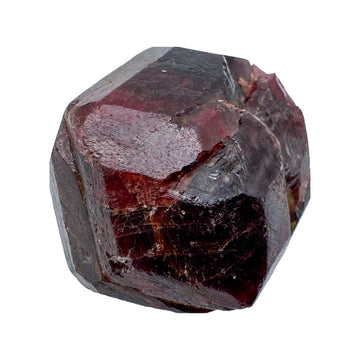
 Garnetfor energy
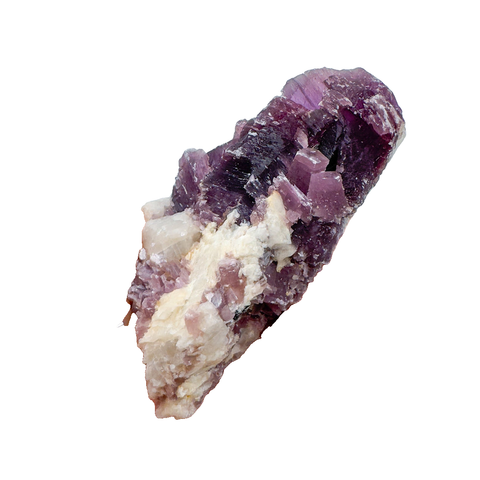
 Lepidolitefor stress relief
 Malachitefor emotional healing
 Moonstonefor grounding
 Obsidianfor protection
 Ocean Jasperfor emotional healing
 Red Jasperfor grounding
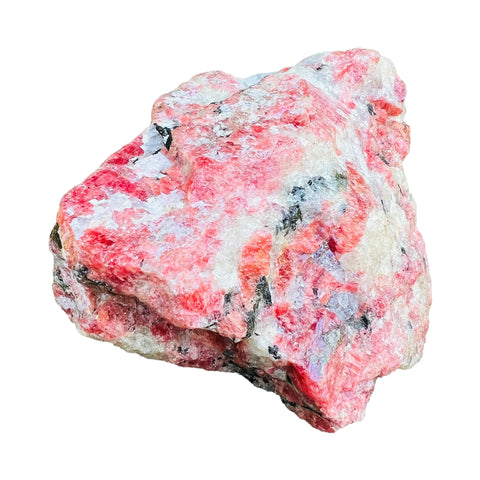
 Rhodonitefor emotional healing
 Selenitefor cleansing
 Sodalitefor focus
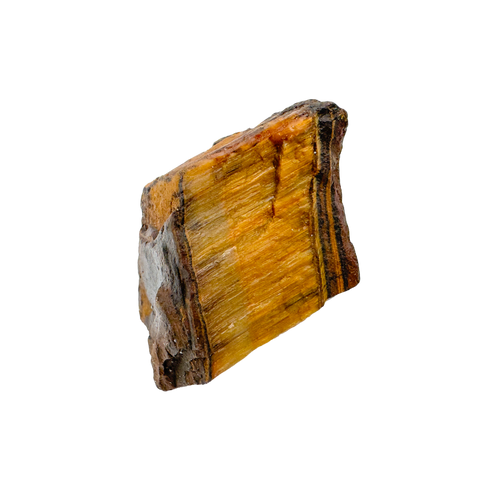
 Tiger Eyefor confidence







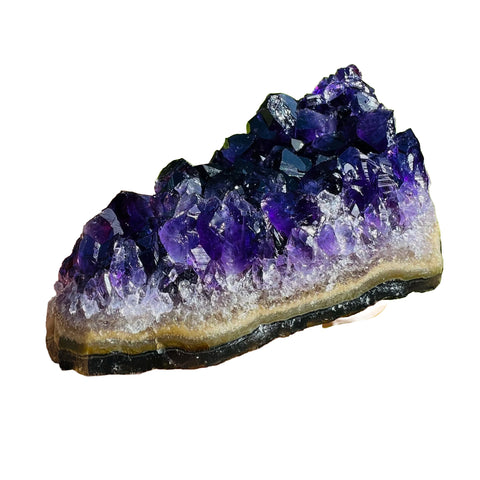




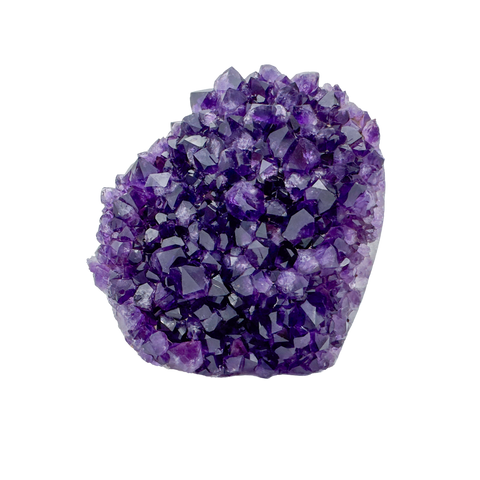
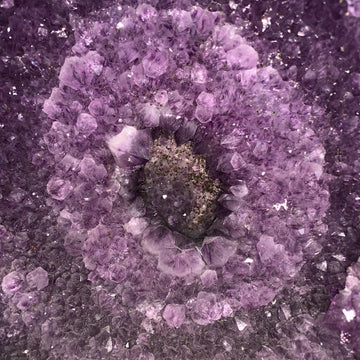
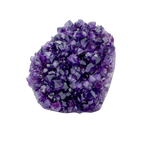 Amethyst
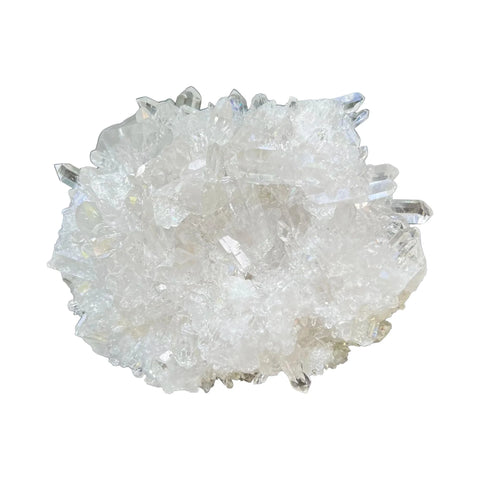
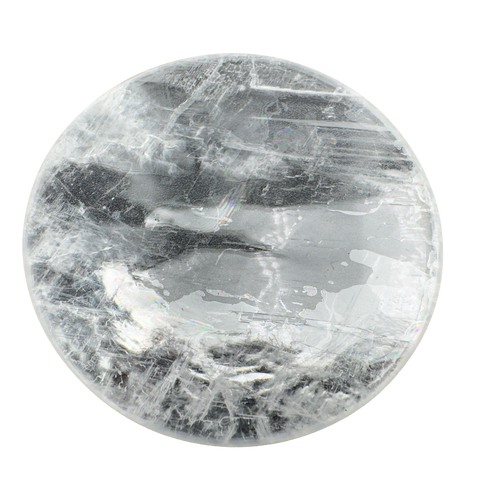
 Clear Quartz
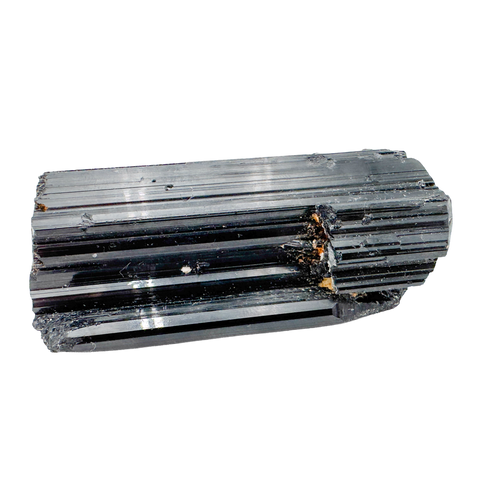
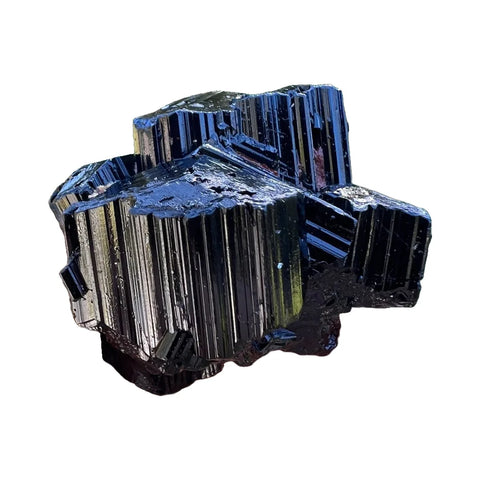
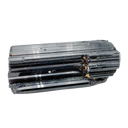 Black Tourmaline
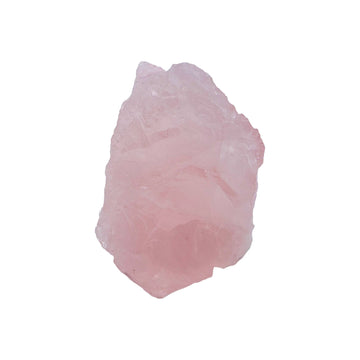
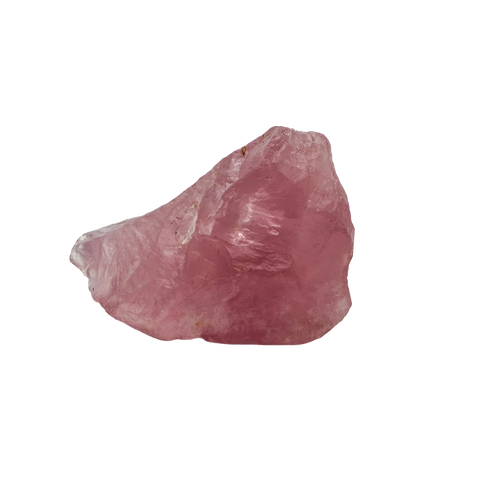
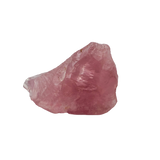 Rose Quartz
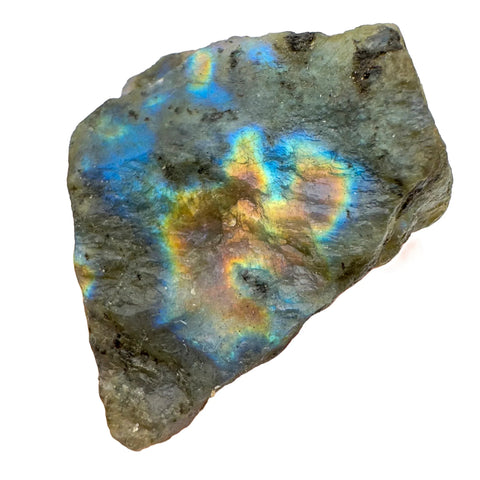
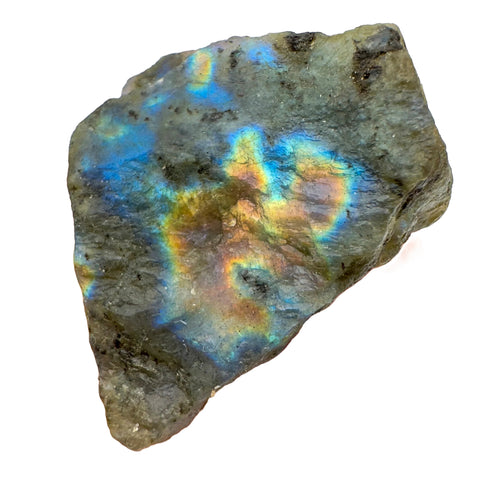
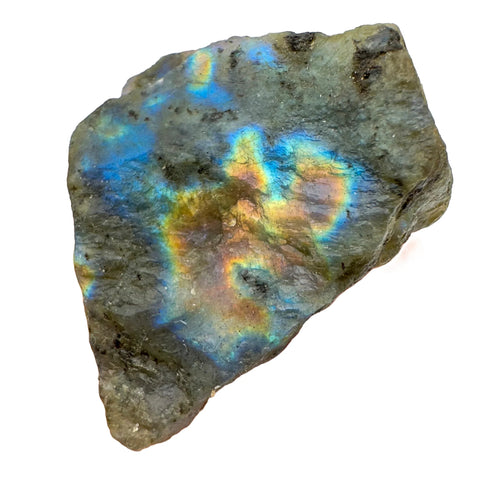
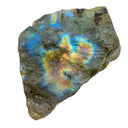 Labradorite
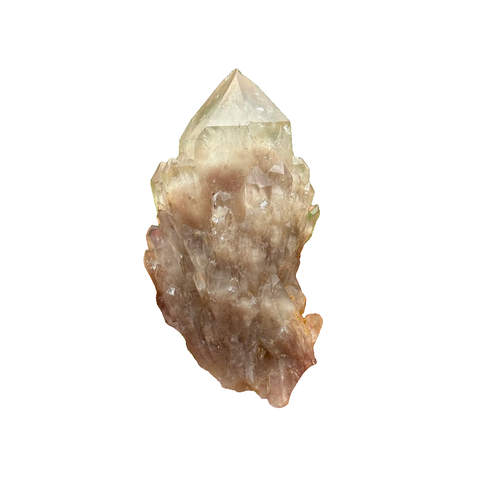
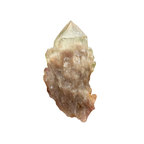 Natural Citrine
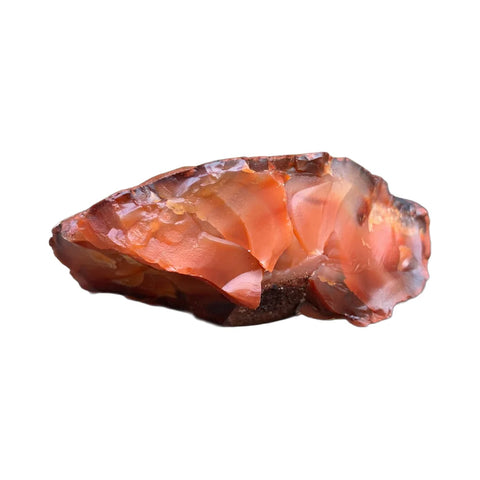
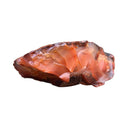 Carnelian
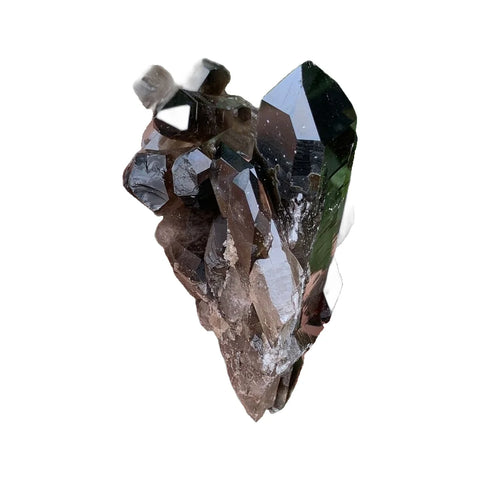
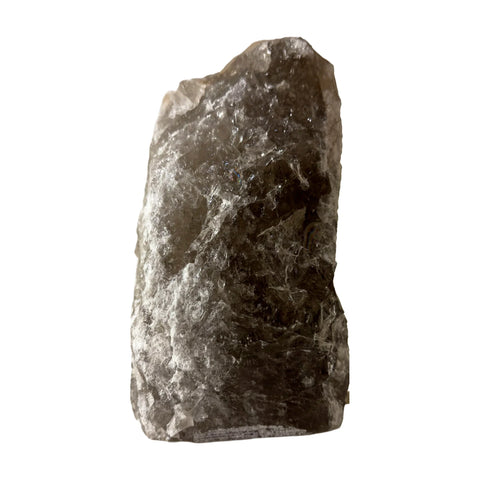
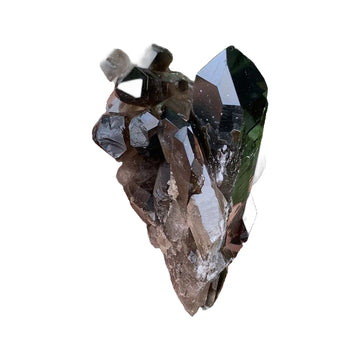
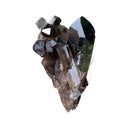 Smoky Quartz
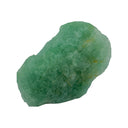 Aventurine
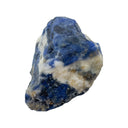 Sodalite
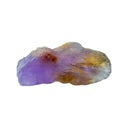 Ametrine
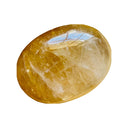 Golden Healer
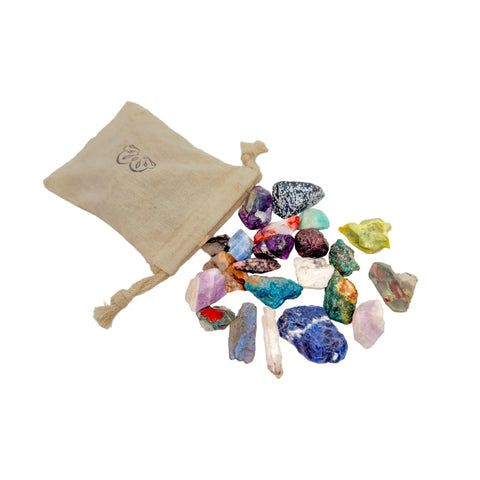
 Raw Stones
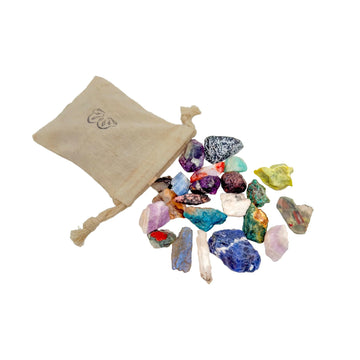
 Tumbled Stones
 Palm Stones
 Crystal Points
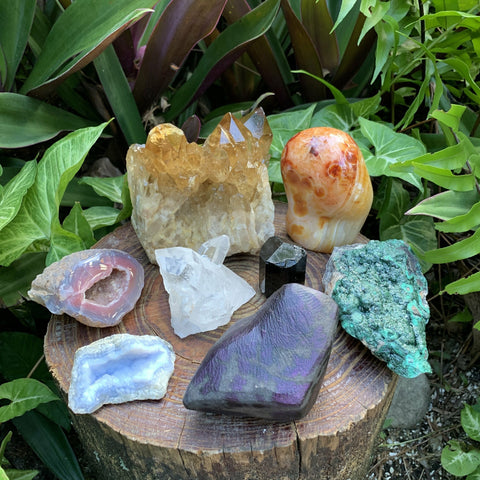
 Clusters & Geodes
 Polished Crystals
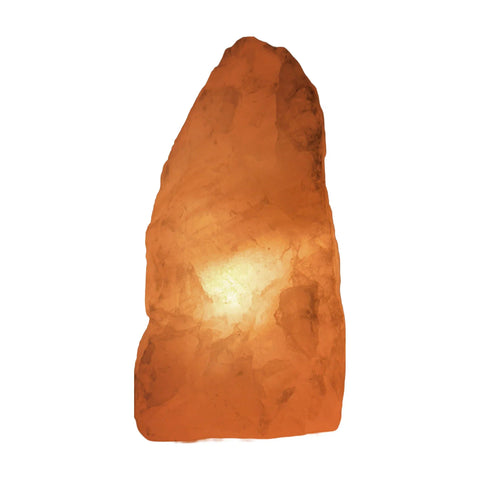
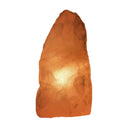 Home Decor
 Mineral Specimens
 Jewelry
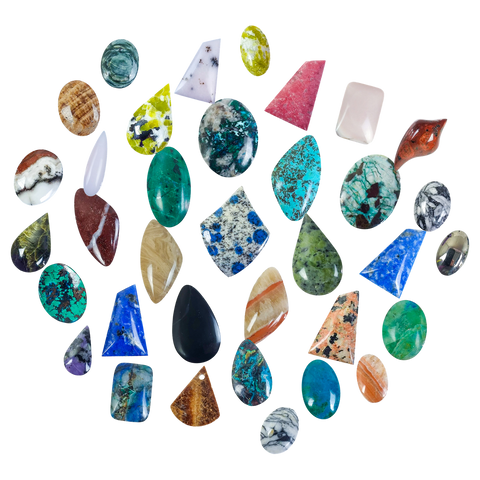
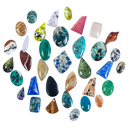 Cabochons
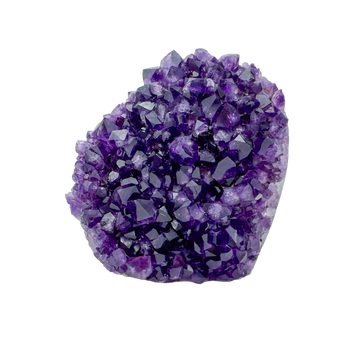
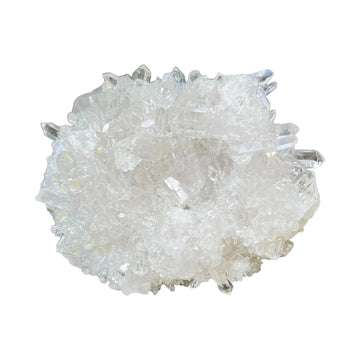
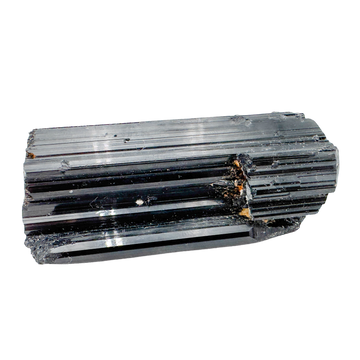
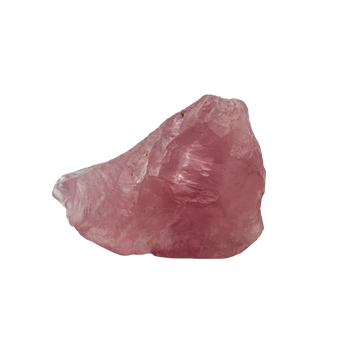
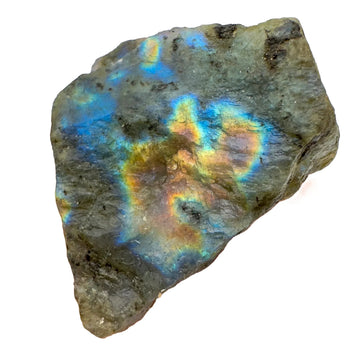
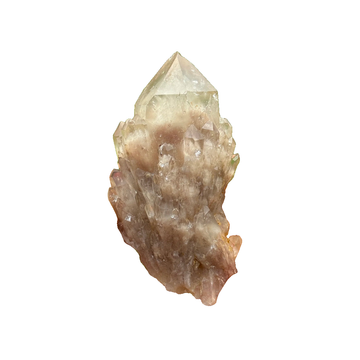
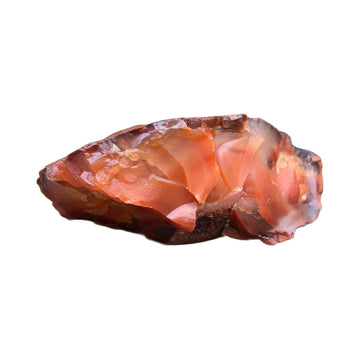
 Raw Stones
173 to choose from
 Tumbled Stones
161 to choose from
 Palm Stones
25 to choose from
 Crystal Points
30 to choose from
 Clusters & Geodes
118 to choose from
 Polished Crystals
88 to choose from
 Home Decor
76 to choose from
 Mineral Specimens
251 to choose from
 Jewelry
18 to choose from
 Cabochons
125 to choose from


 AngolaAquamarine
›
 BotswanaCarnelian, Tree Agate
›
 DR CongoMalachite, Natural Citrine
›
 EswatiniBloodstone
›
 MadagascarLabradorite, Clear Quartz
›
 MalawiBlue Lace Agate, Garnet
›
 MozambiqueAmazonite
›
 NamibiaSodalite, Blue Lace Agate
›
 Republic of the CongoDioptase
›
 South AfricaTiger Eye, Unakite
›
 ZambiaChevron Amethyst
›
 ZimbabweEmerald, Rhodonite
›
 ArgentinaBlack Obsidian, Rhodochrosite
›
 BoliviaAmetrine
›
 BrazilAmethyst, Clear Quartz
›
 PeruSerpentine, Jade
›
 UruguayAmethyst
›
 Dominican RepublicLarimar
›
 MexicoRainbow Obsidian, Crazy Lace Agate
›
 United StatesSelenite, Peridot
›
 ChinaFluorite
›
 RussiaShungite
›
 AustraliaMookaite
›
 Where our crystals come from
See where we source →


 Aquarius
Jan 20 to Feb 18
Amethyst
›
 Pisces
Feb 19 to Mar 20
Aquamarine
›
 Aries
Mar 21 to Apr 19
Carnelian
›
 Taurus
Apr 20 to May 20
Rose Quartz
›
 Gemini
May 21 to Jun 20
Agate
›
 Cancer
Jun 21 to Jul 22
Moonstone
›
 Leo
Jul 23 to Aug 22
Citrine
›
 Virgo
Aug 23 to Sep 22
Amazonite
›
 Libra
Sep 23 to Oct 22
Blue Lace Agate
›
 Scorpio
Oct 23 to Nov 21
Obsidian
›
 Sagittarius
Nov 22 to Dec 21
Sodalite
›
 Capricorn
Dec 22 to Jan 19
Black Tourmaline
›
Gifting?
A birthday stone is the safe bet.
Read the zodiac guide →



Rhodonite
For the wound you've been working on for a while and want to keep working on gently.
- Stone
- Manganese silicate
- Major Sources
- Russia, Australia, Brazil & Peru
- Treatment
- Usually natural, rarely dyed
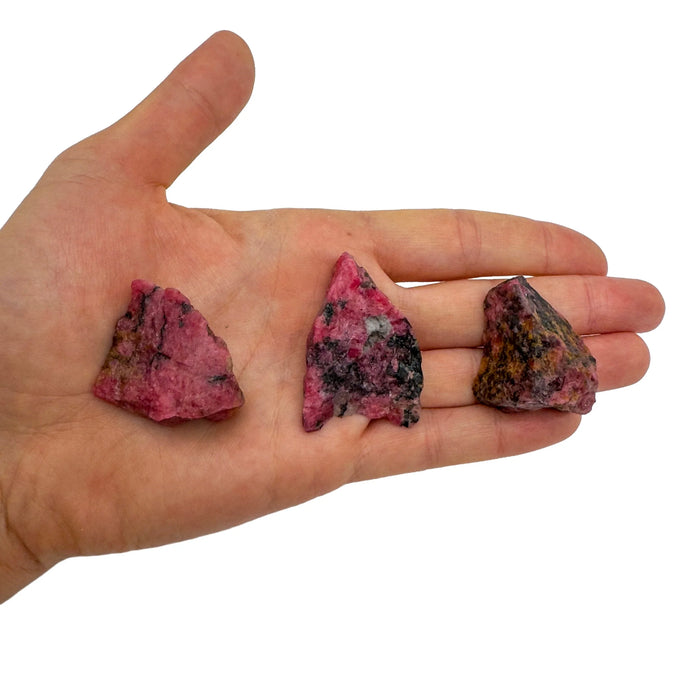
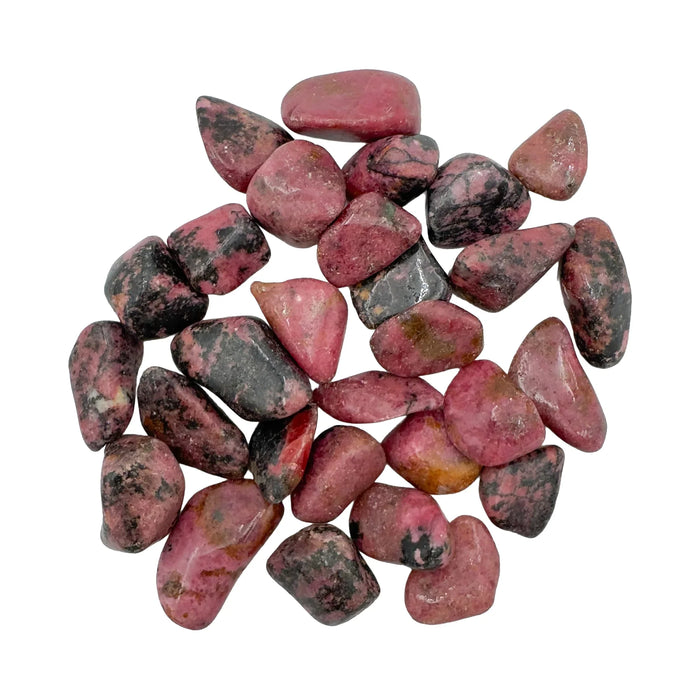
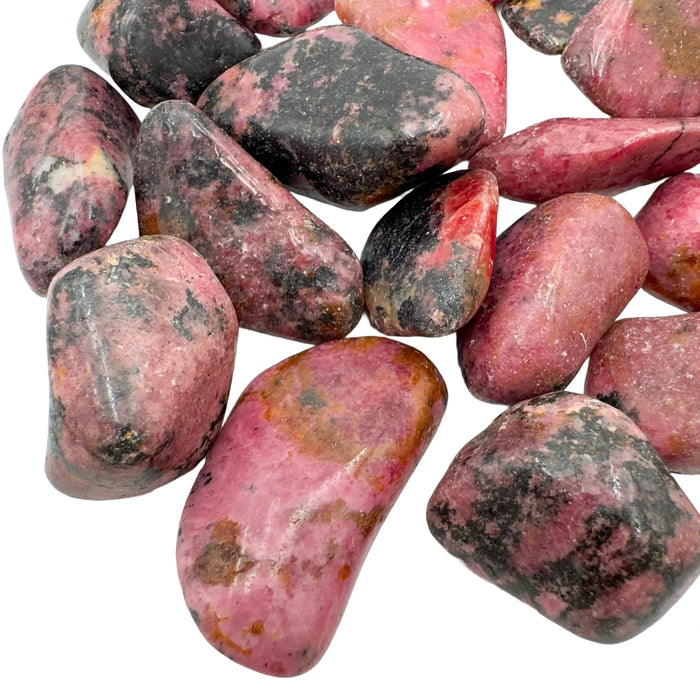
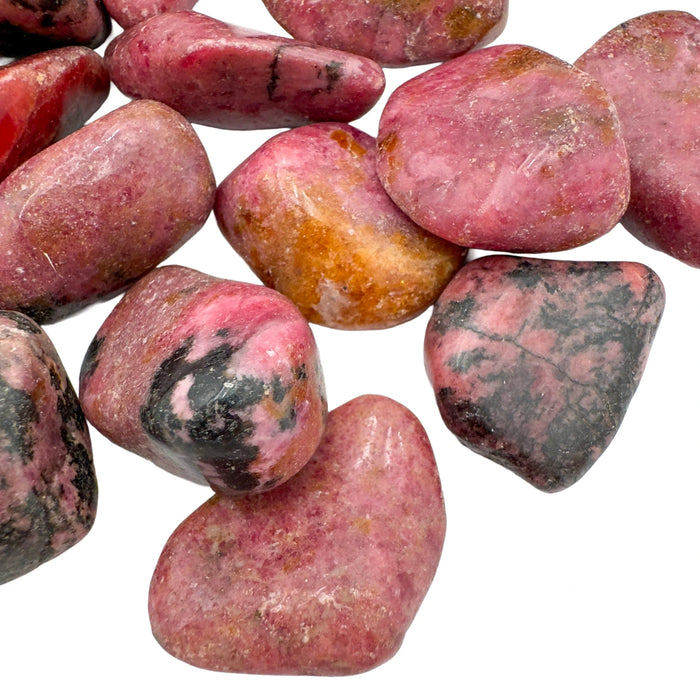
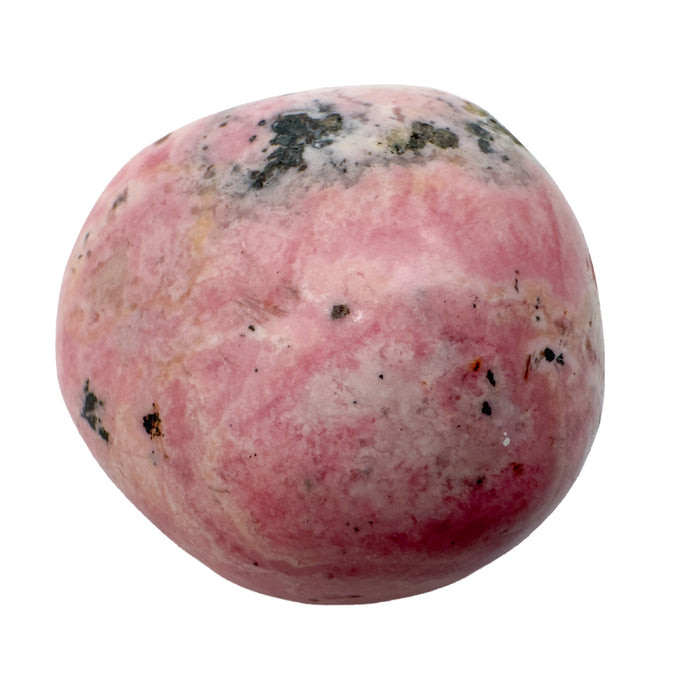
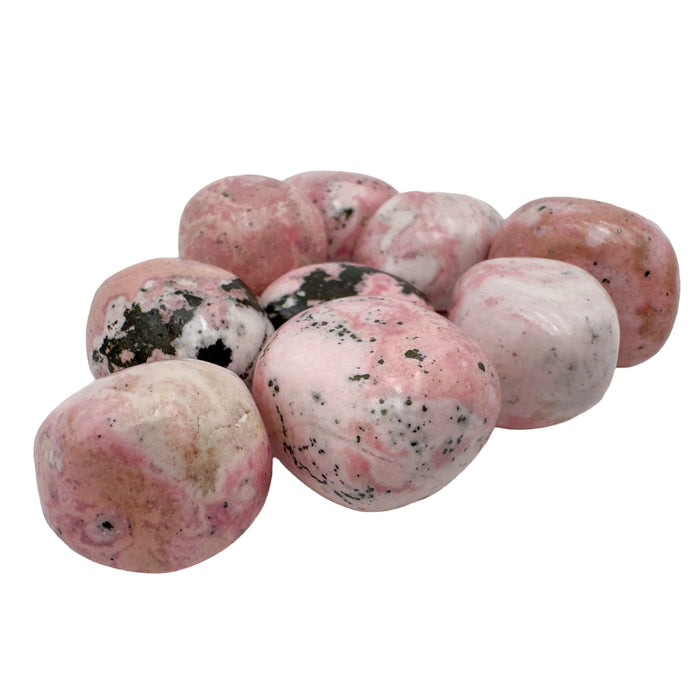
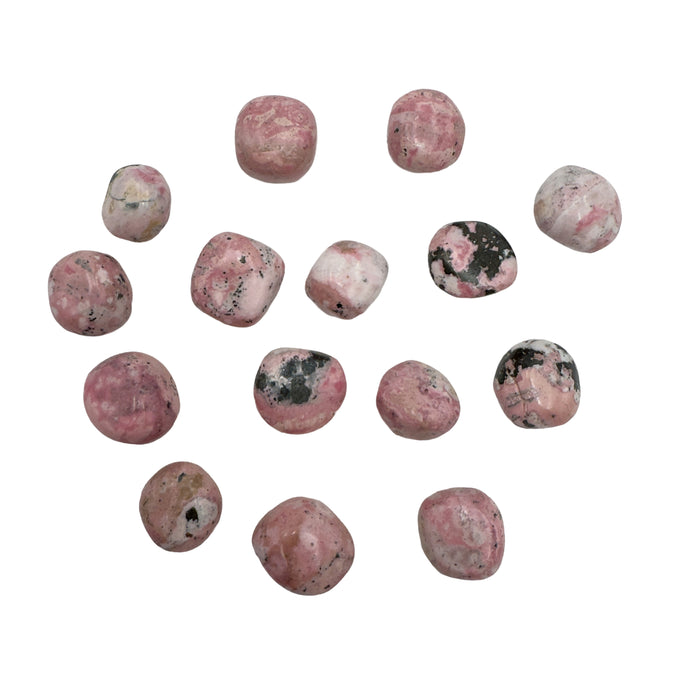
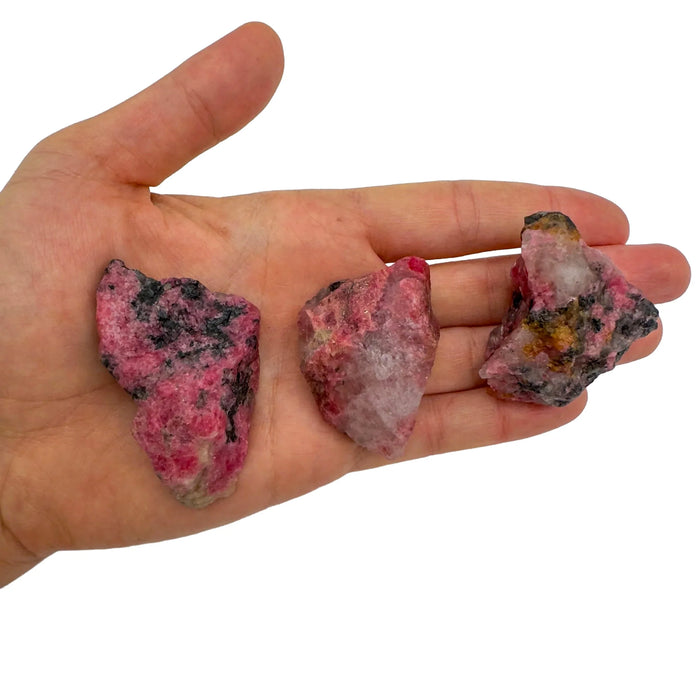
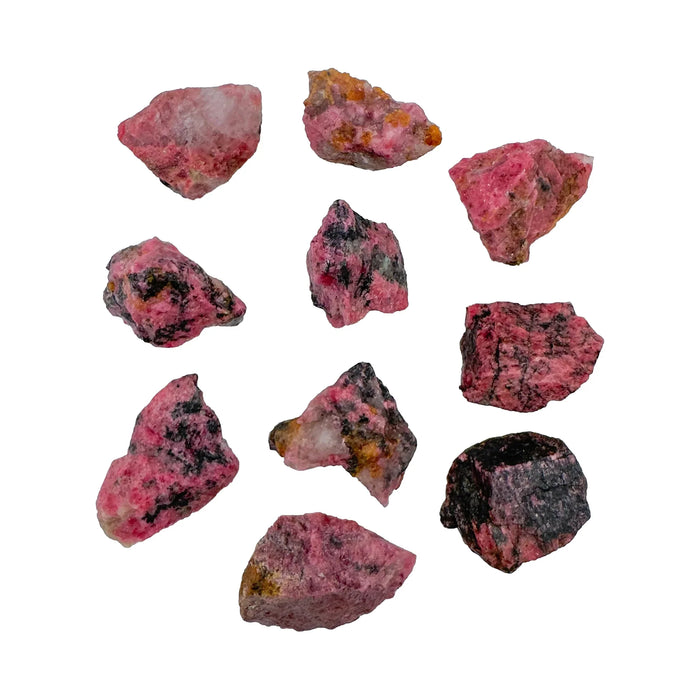
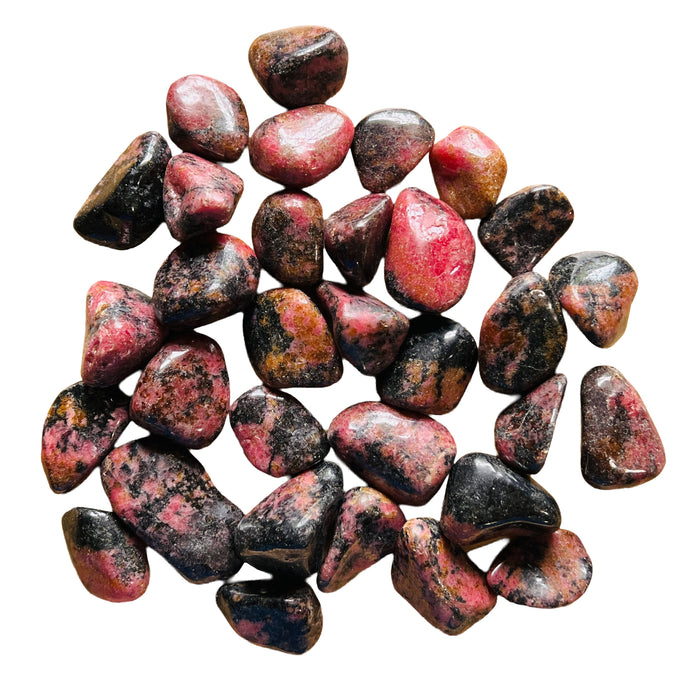
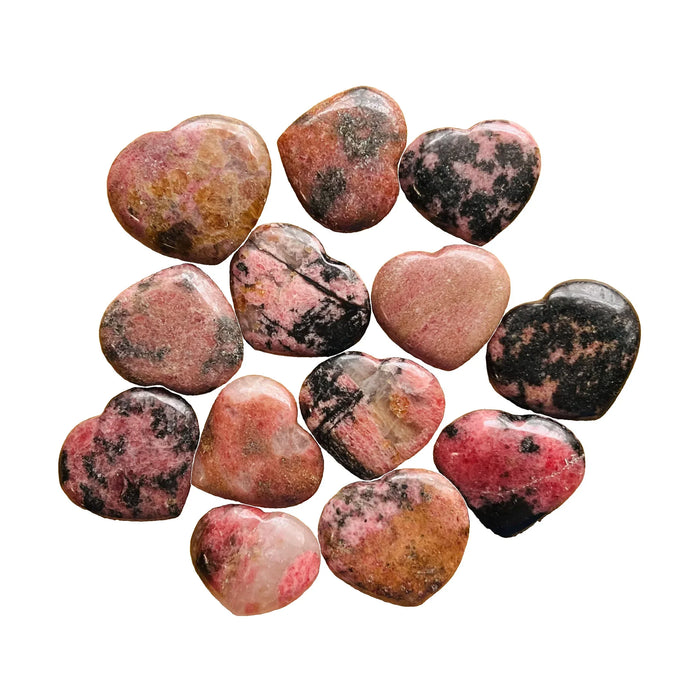
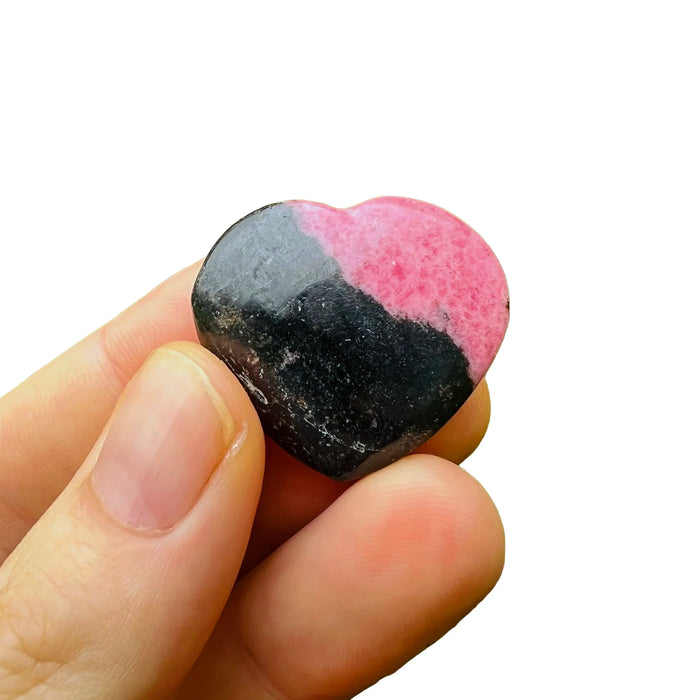
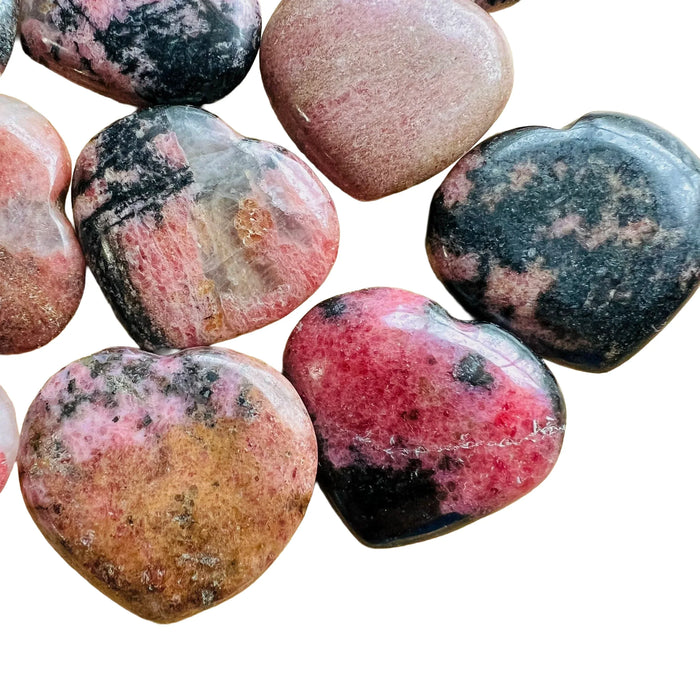
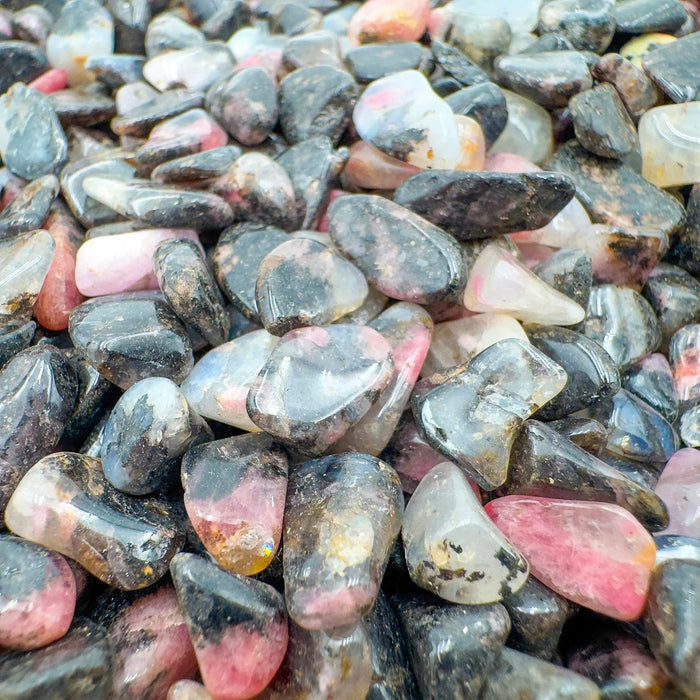
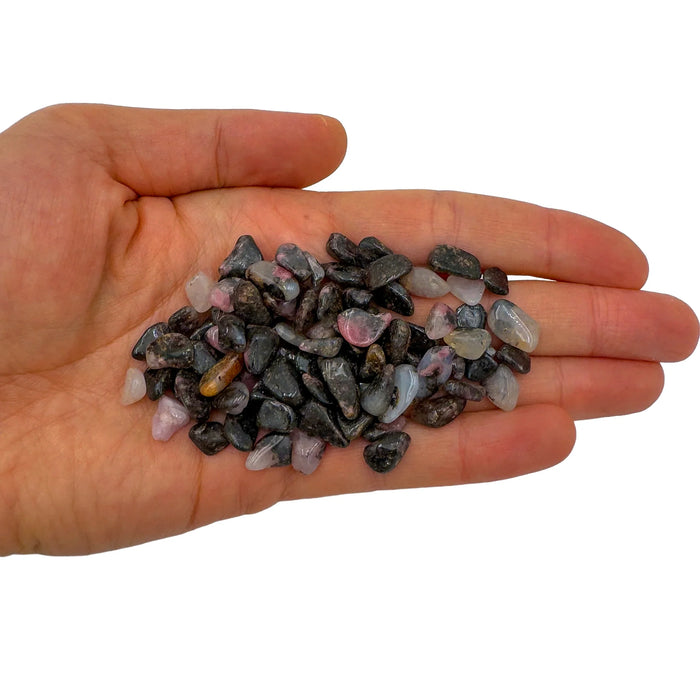
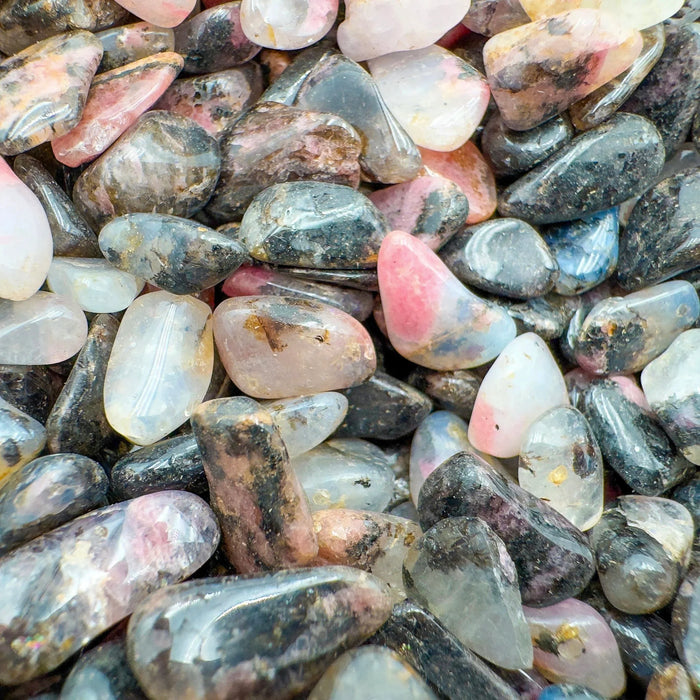
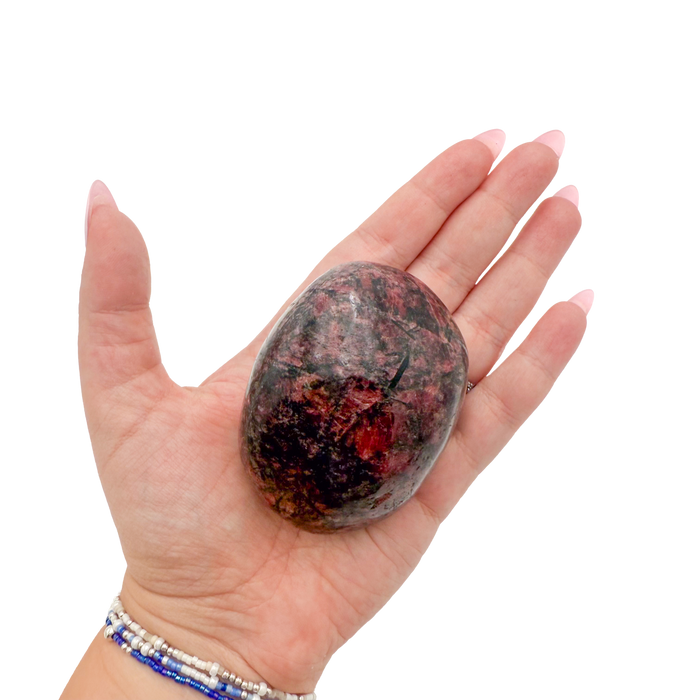
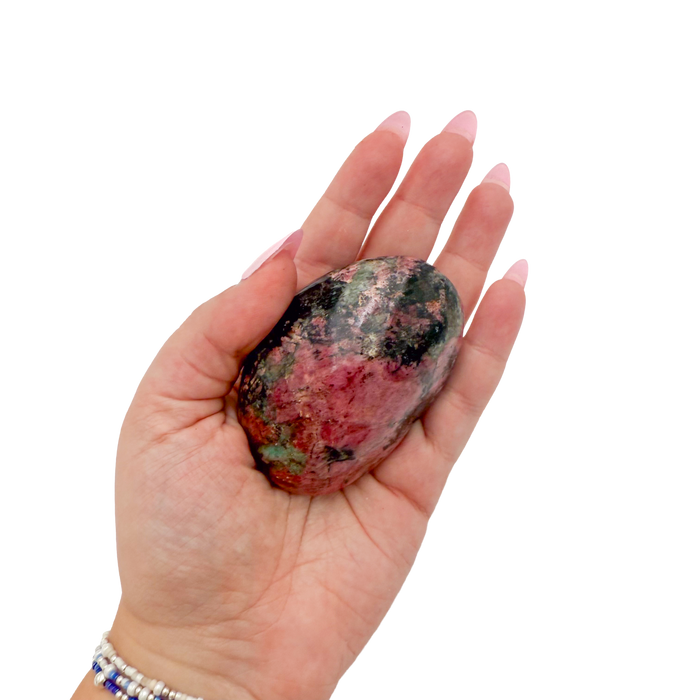
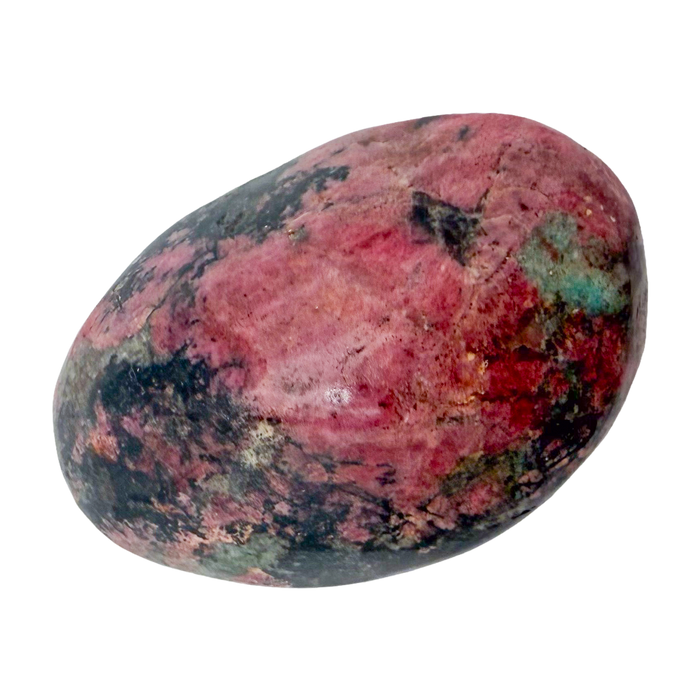
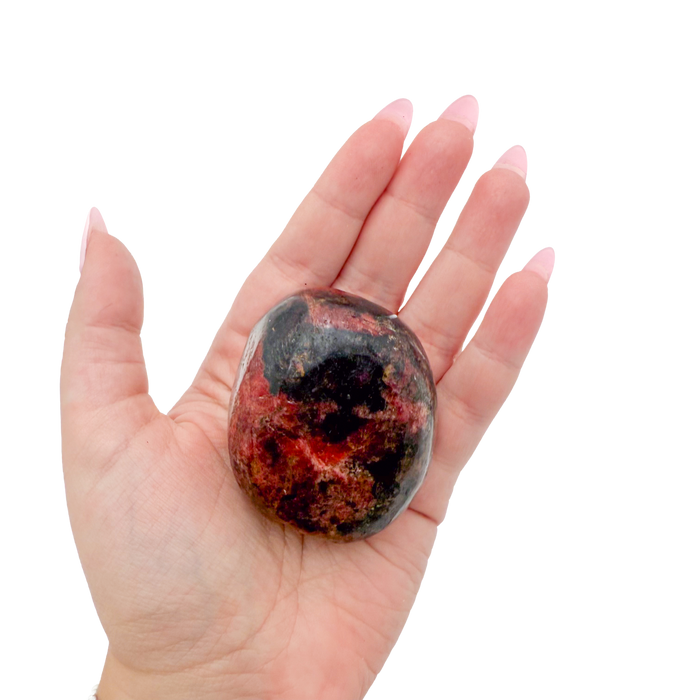
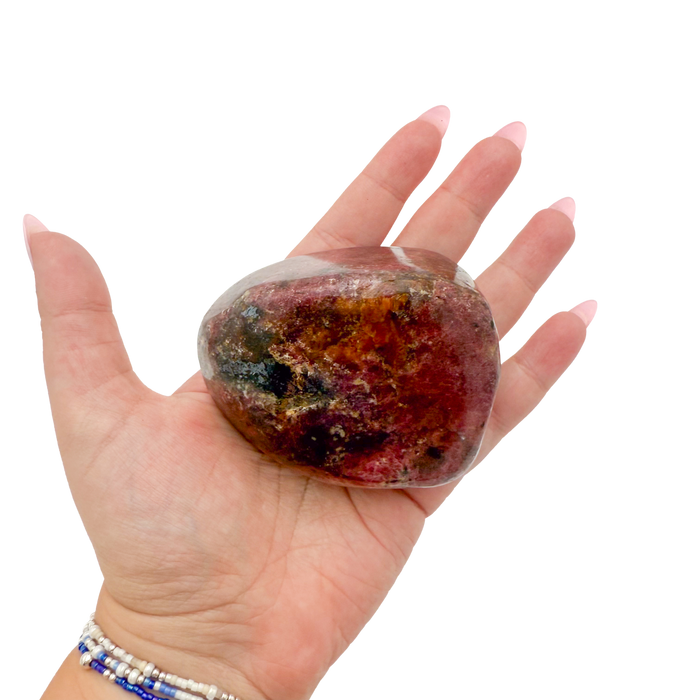
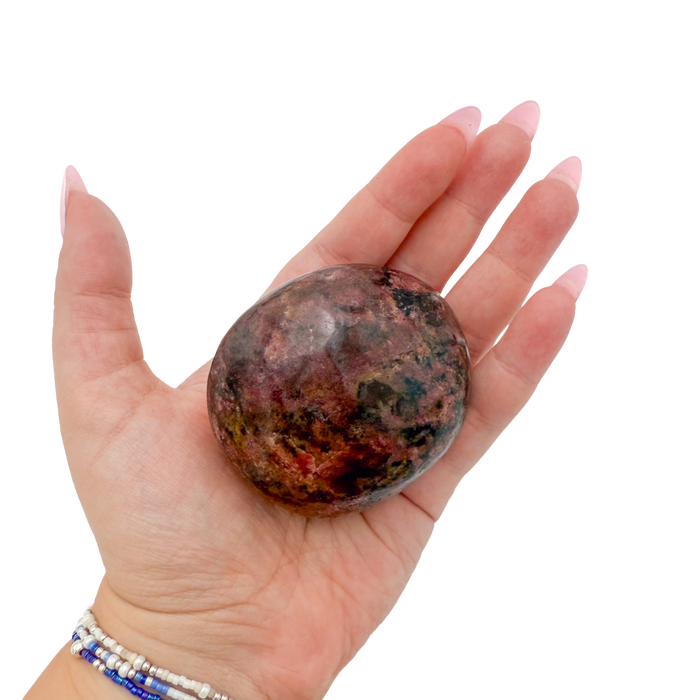
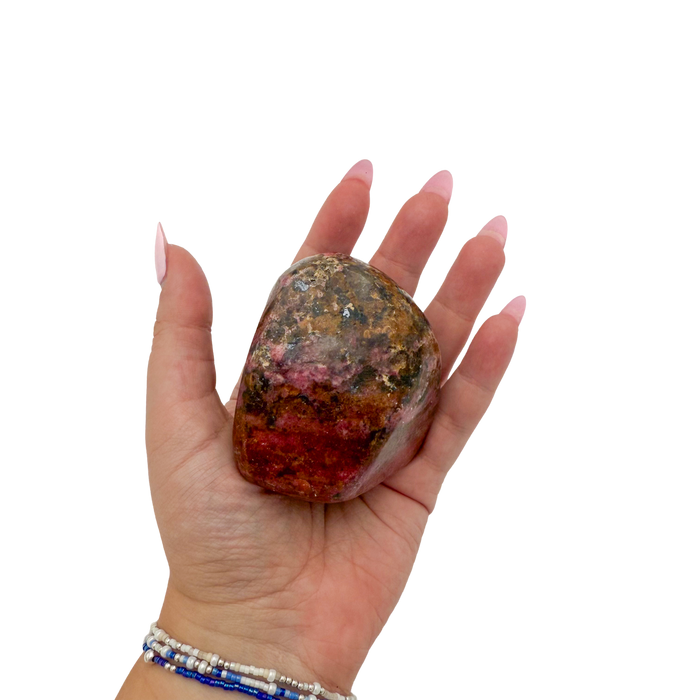
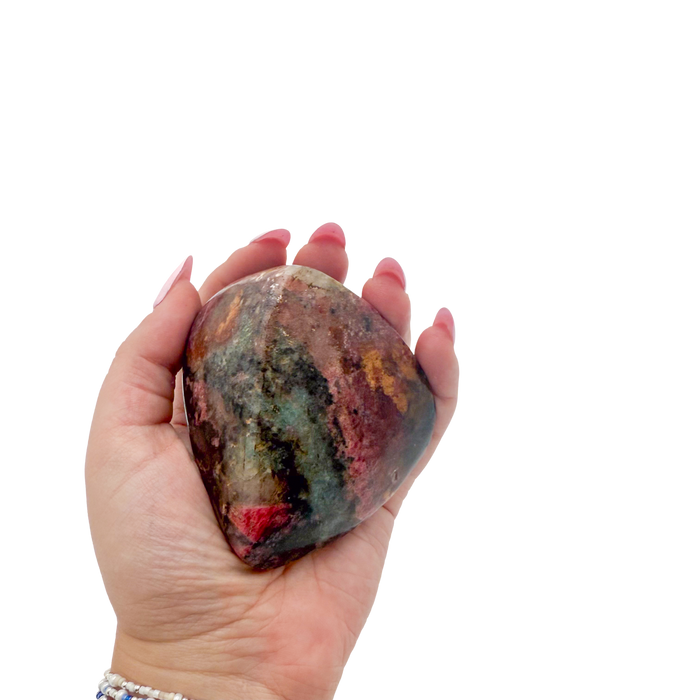
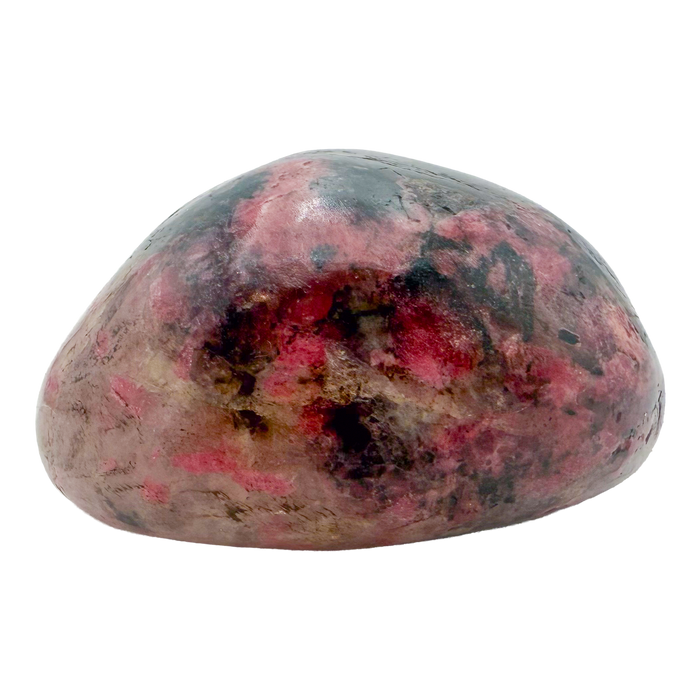
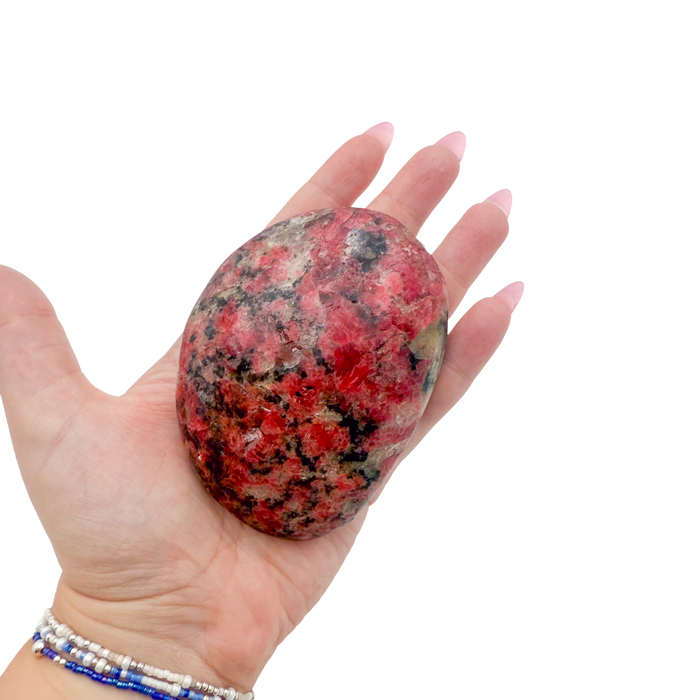
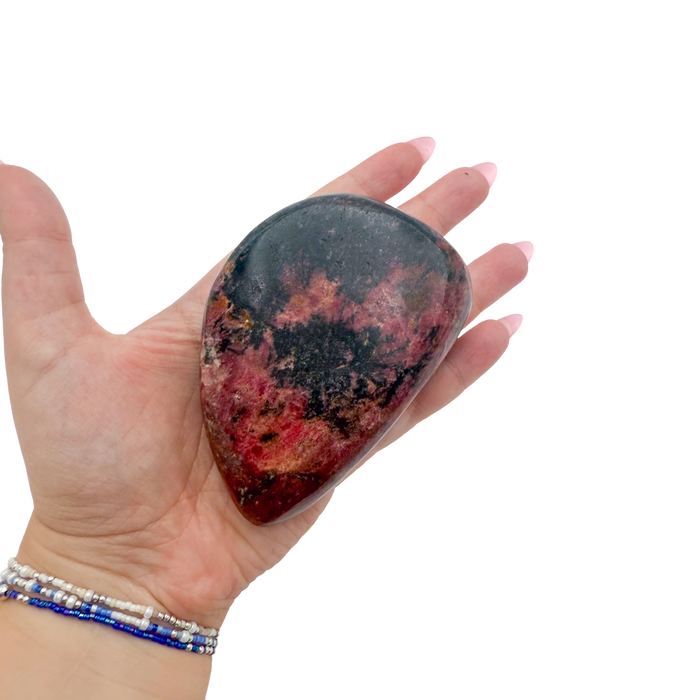
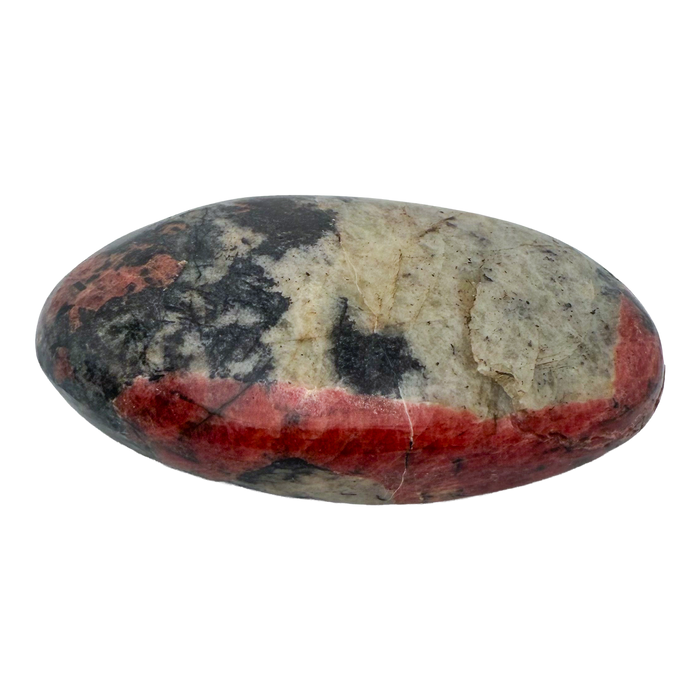
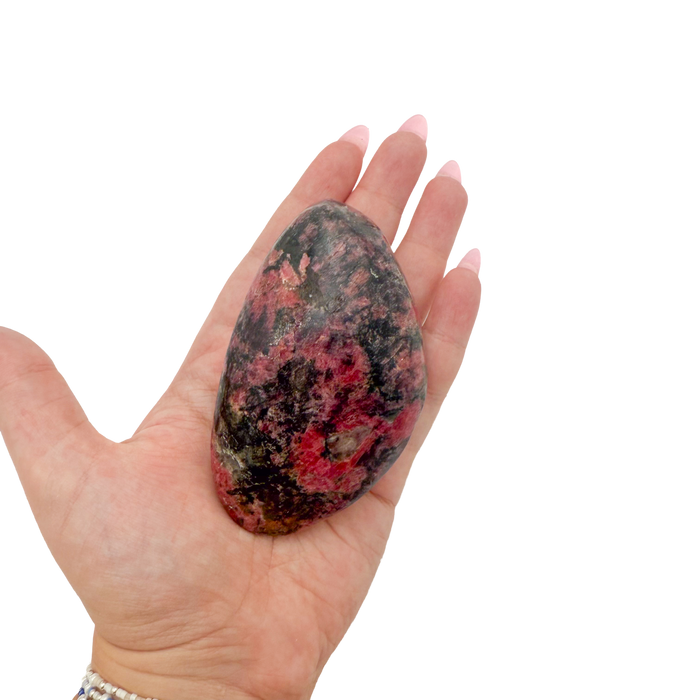
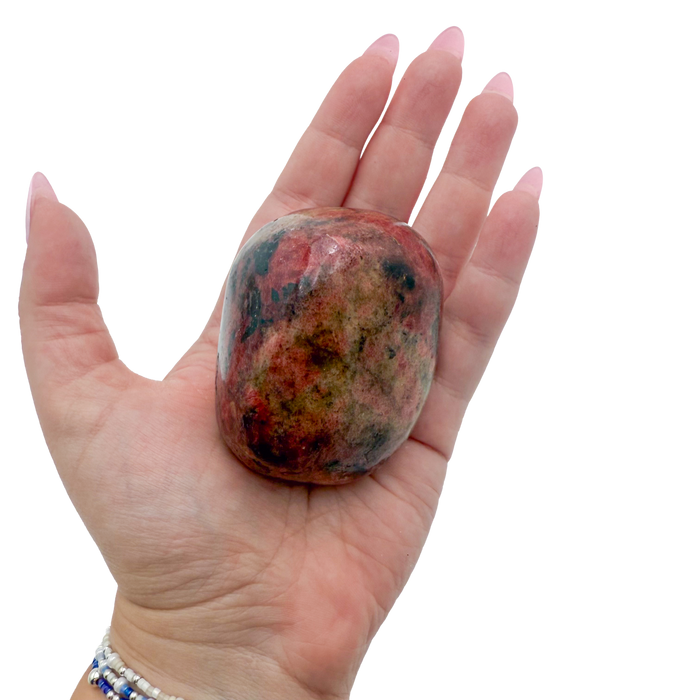
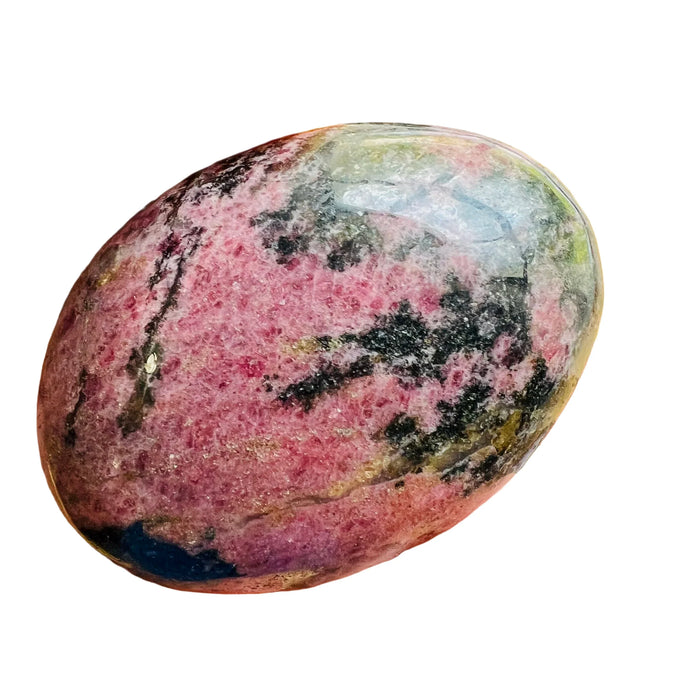
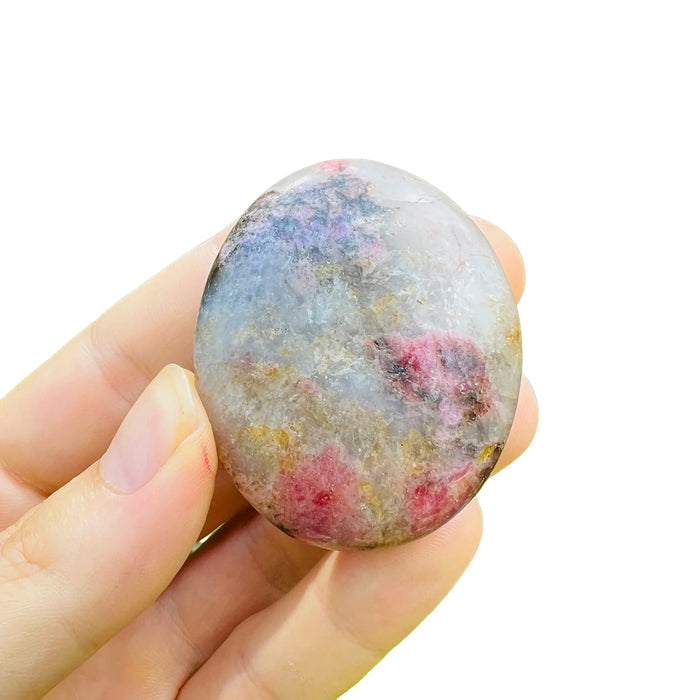
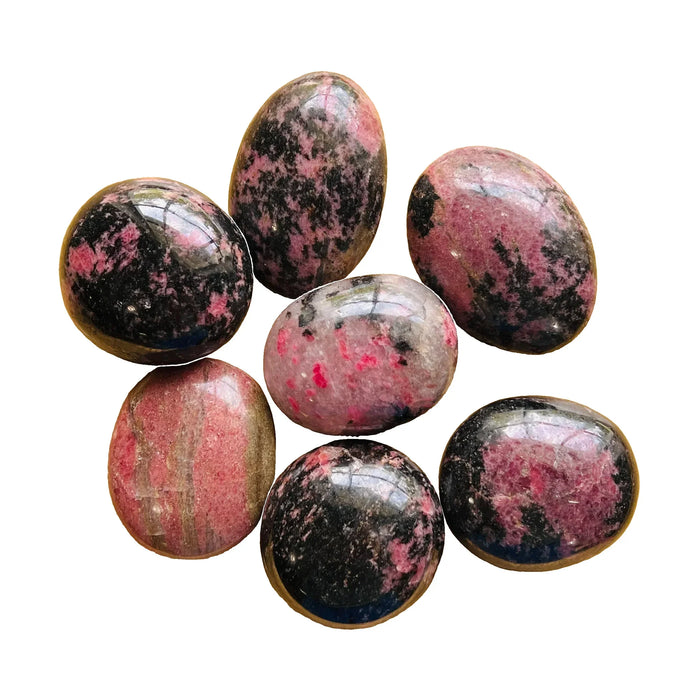
Rhodonite is a pink manganese silicate, usually laced with black veins of manganese oxide. The massive material from Russia's Urals and elsewhere is sold tumbled, as cabochons, beads and carvings, while clear crystals from Broken Hill, Australia, are collector pieces.
Read the Rhodonite Guide


























Before You Buy Rhodonite
Natural or dyed?
Usually natural. Rhodonite is rarely treated, though dyeing turns up now and then, and opaque pink beads sold as synthetic rhodonite may be imitations. We disclose all treatments on the product page.
Why the black veins?
The black lines and patches are manganese oxide, often branching like tiny trees. They're part of the stone, not a flaw, and the balance of pink and black varies from piece to piece.
Rhodonite or rhodochrosite?
They're easy to mix up: both are pink manganese minerals. Rhodonite usually has black veins and is harder, at 5.5 to 6.5 on the Mohs scale. Rhodochrosite shows curved pink bands and is softer, at 3.5 to 4.
Care
At 5.5 to 6.5 on the Mohs scale it's softer than quartz and can chip if knocked. Wash it with warm, soapy water and a soft brush, skip steam and ultrasonic cleaners, and store it apart from harder stones.